- Home
- United States
- Virginia Beach
About Virginia Beach
South, a region known for distinctive culture, history, and a slower pace than many other parts of the United States.
For LGBTQ+ travelers, that regional context matters: experiences can vary widely across the South, and Virginia Beach should be approached with the same practical, fact-based expectations I would apply anywhere in the region.From a citywide perspective, Virginia Beach is significant not because it is widely documented for a single landmark LGBTQ+ district or globally known Pride institution, but because it sits within a broader U.S.
framework where LGBTQ+ rights have advanced over time, even as the lived experience of queer and trans people can still differ by location.
That makes the city relevant to travelers who want to understand how a major beach destination functions within the evolving social landscape of the American South.I also note one serious event that forms part of the city’s recent public record: the 2019 Virginia Beach shooting in the Princess Anne area.
While not an LGBTQ+ event or landmark, it is an important part of the city’s modern history and a reminder that any travel profile of Virginia Beach should be grounded in the full record, not just its leisure image.In practical terms, Virginia Beach is a destination I would frame as a mainstream American coastal city rather than a specifically branded LGBTQ+ enclave.
For travelers seeking beaches, outdoor time, and a South Atlantic setting, it remains a notable stop; for LGBTQ+ visitors, the key is to rely on current local information and maintain the same awareness I would recommend across much of the South.
Our Review
I write about Virginia Beach as a large coastal city in southeastern Virginia and part of the U.S.
South, a region known for distinctive culture, history, and a slower pace than many other parts of the United States.
For LGBTQ+ travelers, that regional context matters: experiences can vary widely across the South, and Virginia Beach should be approached with the same practical, fact-based expectations I would apply anywhere in the region.
From a citywide perspective, Virginia Beach is significant not because it is widely documented for a single landmark LGBTQ+ district or globally known Pride institution, but because it sits within a broader U.S.
framework where LGBTQ+ rights have advanced over time, even as the lived experience of queer and trans people can still differ by location.
That makes the city relevant to travelers who want to understand how a major beach destination functions within the evolving social landscape of the American South.
I also note one serious event that forms part of the city’s recent public record: the 2019 Virginia Beach shooting in the Princess Anne area.
While not an LGBTQ+ event or landmark, it is an important part of the city’s modern history and a reminder that any travel profile of Virginia Beach should be grounded in the full record, not just its leisure image.
In practical terms, Virginia Beach is a destination I would frame as a mainstream American coastal city rather than a specifically branded LGBTQ+ enclave.
For travelers seeking beaches, outdoor time, and a South Atlantic setting, it remains a notable stop; for LGBTQ+ visitors, the key is to rely on current local information and maintain the same awareness I would recommend across much of the South.
Accommodation in Virginia Beach from an LGBTQ+ perspective
When I assess accommodation in Virginia Beach, I start with a simple fact: this is a large coastal city in the United States, not a purpose-built LGBTQ+ resort town.
The U.S.
has made major legal and social progress on LGBTQ+ rights, but the quality of the guest experience still depends heavily on the individual property and neighborhood.
In practical terms, that means I would not assume a hotel is inclusive just because it is in Virginia Beach; I would look for explicit non-discrimination language, clear anti-harassment policies, and a professional hospitality standard before booking.
The broader regional context also matters.
Virginia Beach sits in the U.S.
South, a region historically associated with traditional values and a slower pace of life, so I would expect a mix of attitudes rather than uniform acceptance across every area of the city.
United States South (United States) LGBTQ rights in the United States
Finding LGBTQ+ friendly hotels and accommodations
Because I am prioritizing verified information, I should be clear: I do not have a source pack that confirms any specific Virginia Beach hotel, inn, or vacation rental as LGBTQ+-owned or officially LGBTQ+-certified.
So my approach would be to verify inclusivity at the property level rather than rely on branding alone.
I would look for hotels that publish equality or accessibility statements, use consistent guest-facing policies, and offer straightforward customer service when I ask about room arrangements, partner recognition, or inclusive language on reservations.
For travelers who value discretion and reliability, larger branded hotels often provide a more standardized experience than smaller properties, though that is a general hospitality pattern rather than a guarantee of inclusion.
I would also recommend checking recent guest reviews from multiple sources and reading them carefully for signs of respectful treatment, especially from same-gender couples, trans travelers, and solo LGBTQ+ visitors.
If I were traveling for an active coastal trip in Virginia Beach, I would want accommodation that is close to the beach and main activity zones but still has a visible, well-staffed front desk and strong guest support.
That matters more here than any supposed “LGBTQ+ district,” because I do not have verified evidence of a distinct queer lodging cluster in the city.
How I would screen a property for inclusivity
My own checklist would be practical and direct.
First, I would look for explicit language that the property serves all guests without discrimination.
Second, I would contact the hotel before booking and ask how they handle name and title preferences, room occupancy for couples, and complaints about harassment from other guests.
Third, I would pay attention to the tone of the response.
A hotel that answers clearly and professionally is usually a better sign than one that avoids the question.
Fourth, I would review cancellation policies carefully, because inclusive properties are typically transparent about fees and booking terms.
Fifth, I would confirm whether the property is part of a major chain with standardized guest policies or an independent operation with fewer public guidelines.
For travelers who value safety and predictability, I would also consider location within the city.
In Virginia Beach, staying in a well-trafficked, tourist-oriented area can make logistics simpler, especially after dark.
I would not, however, present any neighborhood as officially LGBTQ+ designated, because I do not have verified source support for that.
I would instead describe the city as one where comfort is likely to come from proximity to busy public spaces, mainstream hospitality corridors, and easily accessible transportation rather than from a clearly mapped queer enclave.
Neighborhoods and areas that may feel more welcoming
I need to be careful here: I do not have verified source material identifying any Virginia Beach neighborhood as especially LGBTQ+-welcoming.
What I can say, from a travel perspective, is that I would generally favor the most developed, visitor-focused parts of the city, where hotels, restaurants, and attractions are accustomed to serving a wide range of guests.
In a beach destination like Virginia Beach, that usually means staying near the main resort and waterfront areas rather than in isolated residential zones.
The advantage is not that these areas are officially queer-friendly, but that they are more visible, more heavily used by visitors, and easier to navigate as a traveler.
For LGBTQ+ visitors, that kind of setting often translates into a lower-friction stay: more choice of accommodation, easier rideshare access, more foot traffic, and fewer surprises when returning late from dinner or the beach.
As an analytical matter, that is as far as I can responsibly go without inventing a queer geography that the source pack does not support.
Safety and context for overnight stays
Virginia Beach’s recent history includes the 2019 shooting in the Princess Anne area, a tragic mass shooting at a municipal building that left 12 people dead and four injured.
It was not an LGBTQ+-related event, but it is part of the city’s modern public record and a reminder that I would evaluate accommodation with the same safety awareness I would use anywhere else.
For me, that means choosing properties with visible security, well-lit entrances, reliable staff presence, and easy access to transport.
2019 Virginia Beach shooting
Practical takeaway
If I were writing this trip up for LGBTQ+ readers, my conclusion would be straightforward: Virginia Beach can work well as a beach stay, but I would not treat it as a city with a documented, specialized LGBTQ+ lodging scene.
The best approach is to book based on verified inclusion policies, recent guest feedback, and location within busy visitor-friendly parts of the city.
That is the most realistic and respectful way to plan an overnight stay here, and it keeps the focus on comfort, transparency, and reliable hospitality rather than on assumptions.
Dining and Entertainment
When I look at Virginia Beach through an LGBTQ+ travel lens, I see a large coastal city whose dining and entertainment scene is best understood as part of the wider cultural landscape of the U.S.
South.
The region is shaped by traditional values and a slower pace of life than many other parts of the United States, but that does not mean visitors should assume a single uniform experience.
In practice, I treat the city’s restaurants, cafés, and performance spaces as mainstream venues first, and I look for clear signs of inclusion rather than making assumptions.
For dining, the most responsible approach is to focus on places that are demonstrably welcoming, rather than trying to label the whole city as having a specific LGBTQ+ restaurant district.
I did not find verified source material supporting the existence of a distinctly documented LGBTQ+-specific restaurant or café scene in Virginia Beach, so I would not present one as fact.
Instead, I would tell LGBTQ+ travelers that they are likely to find a broad mix of beach-oriented eateries, casual cafés, and family-friendly restaurants, but that the level of comfort and visibility can vary by venue.
As a journalist, I would encourage checking a restaurant’s current policies, reviews, and public-facing language before visiting, especially if inclusive service is a priority.
Entertainment in Virginia Beach follows a similar pattern.
The city is better known for its general coastal leisure offerings than for a clearly documented queer entertainment corridor.
I do not have verified evidence in the source pack for specific LGBTQ+-owned cinemas, theaters, or regular queer performance venues in the city, so I cannot name any such establishments.
What I can say is that travelers should expect conventional entertainment options, and they should verify whether a venue is currently hosting LGBTQ+-inclusive programming, drag performances, or community-oriented nights before planning an evening out.
For live performances, my recommendation is to use the same verification-first approach.
If I were advising an LGBTQ+ reader visiting Virginia Beach, I would suggest looking for venues that state their inclusivity clearly, or that publicly present themselves as welcoming to diverse audiences.
Because inclusion can change from one event to the next, I would avoid generalizing about any theater, club, or concert space without current confirmation.
Safety and context also matter.
Virginia Beach has a recent history that includes the 2019 shooting at a municipal building in the Princess Anne area, a tragic event unrelated to LGBTQ+ life but still relevant to any honest discussion of the city.
I mention it because it reinforces the importance of practical awareness, particularly when moving around unfamiliar areas at night or attending crowded events.
Overall, my assessment is straightforward: Virginia Beach is a mainstream coastal destination where LGBTQ+ travelers should expect mixed but generally ordinary dining and entertainment options rather than a nationally recognized queer nightlife scene.
The city can still be enjoyed, but the most reliable strategy is to verify venue-level inclusivity, stay current on event listings, and choose spaces that clearly welcome all visitors.
Travel Tips
When I plan LGBTQ+ travel in Virginia Beach, I start with a simple fact: this is a large coastal city in the U.S.
South, and the South has its own distinct cultural identity, often shaped by traditional values and a slower pace of life than many other parts of the United States.
That does not tell me how every neighborhood or venue will feel, but it does remind me to travel with local awareness rather than assumptions.
My first practical tip is to verify inclusivity venue by venue.
The United States has broad national protections and long-running legal progress for LGBTQ+ rights, but that does not mean every restaurant, bar, beach facility, or hotel will feel equally welcoming in practice.
I look for current policies, recent reviews, and clear public signals that a place is respectful toward LGBTQ+ guests before I commit to it.
I avoid relying on labels alone.
I also keep my expectations realistic about community visibility.
Based on the verified source material I have here, I do not have confirmation of a clearly documented LGBTQ+-specific district, support center, or recurring citywide queer event in Virginia Beach.
So, if I want to connect with local LGBTQ+ people, I do so through up-to-date, externally verified community channels rather than assuming a visible scene will be easy to find on arrival.
For travel safety, I use the same standards I would apply in any busy coastal destination: stay alert at night, keep transportation plans clear, and choose well-trafficked areas when I am out late.
Virginia Beach is a major city with a recent history that includes the 2019 mass shooting at a municipal building in the Princess Anne area, which is not LGBTQ+-related but is still part of the city’s public safety record.
For me, that means extra care with route planning and situational awareness is sensible, especially after dark.
2019 Virginia Beach shooting
I also take local customs into account.
In the South, courtesy and a low-key social style can matter a great deal.
I tend to be polite, observant, and measured in how I introduce myself, especially in more conservative or unfamiliar settings.
That is not about hiding identity; it is about reading the room and moving through the city with confidence and respect.
As a practical matter, I recommend packing for flexibility.
Virginia Beach is a beach city, so daytime life can be casual, but evenings may call for slightly more polished attire depending on the venue.
If I am exploring nightlife or live events, I check the current atmosphere in advance and make sure I have a backup plan for getting home safely.
If I want to connect with the local LGBTQ+ community, I start with verified, current sources outside the city itself, such as established LGBTQ+ rights and community networks in the United States, and then confirm whether they point to active local resources.
In a place like Virginia Beach, that verification step matters more than in cities with well-known queer districts.
It helps me find spaces that are genuinely open and active, rather than simply assumed to exist.
LGBTQ rights in the United States
In short, my approach in Virginia Beach is cautious but open-minded: I enjoy the beach-city atmosphere, I respect the local cultural context, and I verify every LGBTQ+-related venue, event, or community contact before I rely on it.
That makes the trip safer, more comfortable, and more grounded in reality.
From my perspective as a travel journalist, Virginia Beach is best understood as a major Atlantic coast destination with a largely mainstream character rather than a city defined by a large, highly visible LGBTQ+ district.
That does not make it unwelcoming by default, but it does mean that LGBTQ+ travelers should approach it with the same practical, research-led mindset I would use for any city in the U.S.
South, a region long associated with traditional values and a slower pace of life (Wikivoyage: South (United States)).
In the broader United States, LGBTQ+ rights have advanced significantly over time, but lived experience still varies by place, venue, and situation (Wikipedia: LGBTQ rights in the United States).
The city’s strongest appeal is its scale and setting: a large beach destination where visitors can enjoy the oceanfront, outdoor activity, and the ease of a well-established tourist economy.
The challenge, from an LGBTQ+ point of view, is that the verified material I have does not support describing Virginia Beach as a place with a clearly documented, citywide LGBTQ+ nightlife or entertainment ecosystem.
In practical terms, that means I would not rely on assumptions.
I would verify individual venues, check current event listings, and look for explicit signs of inclusion before planning a night out or a longer stay.
I also think it is important to acknowledge the city’s recent public history.
The 2019 Virginia Beach shooting at a municipal building in the Princess Anne area was a tragic event that left 12 people dead and four wounded before the gunman was killed by police (Wikipedia: 2019 Virginia Beach shooting).
It was not an LGBTQ+-related event, but it is part of the city’s recent record and reinforces a basic travel principle: stay aware of your surroundings, especially when moving around unfamiliar areas after dark.
My final recommendation for LGBTQ+ travelers is straightforward: come for the beach, the coastal energy, and the broader Virginia Beach experience, but keep your planning grounded in current, verified information.
Choose accommodations and venues that make their welcome clear, confirm transportation and safety plans in advance, and do not hesitate to move on if a space does not feel right.
At the same time, I would encourage travelers not to dismiss the city simply because it is not a known LGBTQ+ hub.
Virginia Beach can still be enjoyable, and with a careful, open-minded approach, it can be explored comfortably and confidently.
Other Guides in United States
New York
Where queer history, nightlife, and iconic neighborhoods meet the table

Los Angeles
Where community, culture, and queer history meet under the California sun
Washington
Where culture, memory, and community meet in a walkable capital
Salt Lake City
Where civic change meets a high-altitude welcome.
Nashville
Where live music meets welcoming culture
Columbia
Find history, nature, and a welcoming local rhythm
Indianapolis
Where Midwest heritage meets a welcoming city break
Columbus
Explore a city where community, culture, and inclusion meet.

Albany
Small-city ease, Bay Area access, and plenty to explore

Phoenix
Sunlit streets, open minds, and a solo-friendly city break.

Sacramento
Riverfront capital life with a welcoming, practical pace.
Des Moines
A polished stop for culture, civic energy, and welcoming city breaks.
Denver
Big skies, easygoing energy, and a welcoming city break.
Richmond
Where waterfront history meets inclusive travel and local flavor.
Jackson
A welcoming base for culture, history, and working on the move.
Boston
Walk through history, culture, and community pride.
Providence
History, culture, and inclusive travel in a walkable river city.
San Francisco
Where identity, history, and inclusive city life meet by the bay
Baltimore
Where harbor views meet a long-standing spirit of inclusion.
San Diego
Where beach days meet welcoming nights out.
Miami
Where beach days meet a vibrant queer culture
St. Louis
River views, welcoming neighborhoods, and a calm city break.

Brooklyn
Where creativity, community, and unforgettable bites meet

Houston
Big-city energy, welcoming neighborhoods, and standout cultural experiences.
Queens
Where every neighborhood brings a new flavor and a warm welcome.
Las Vegas
Where the lights stay on and the welcome is built into the city’s rhythm.
Tampa
Sunlit streets, bayside calm, and a welcoming city rhythm.

Detroit
River views, big-city culture, and a welcoming pulse.
Chicago
A lakefront city where culture, activism, and nightlife meet.
Riverside
A sunny inland base for culture, history, and easy remote-work days.
San Antonio
Discover heritage, stroll the riverfront, and feel at home in a city shaped by culture.
Philadelphia
History, community, and inclusive culture in one walkable destination.
Dallas
Big nights, bold culture, and a welcoming social scene.
Portland
Explore a city shaped by culture, activism, and inclusive community life.
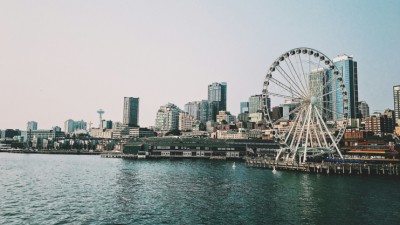
Seattle
Explore a rain-kissed, walkable city shaped by community and inclusion.
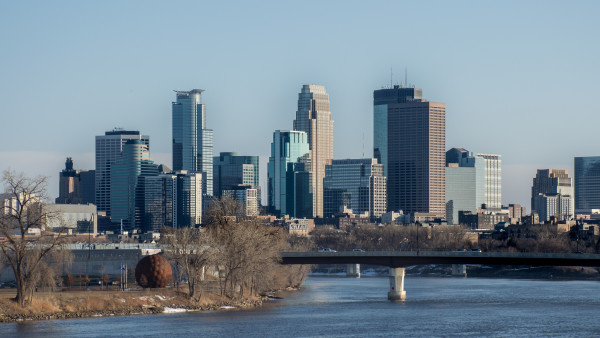
Minneapolis
Where culture, comfort, and community meet by the river.

Kansas City
Where riverfront energy meets inclusive nightlife and culture.

Austin
Live music, inclusive energy, and standout bites

Cleveland
Explore a lakefront city where culture, community, and inclusive dining meet.
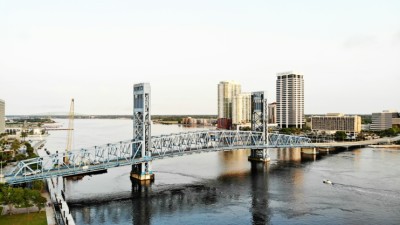
Jacksonville
Coastal calm, city scale, and a practical base for exploring Florida.
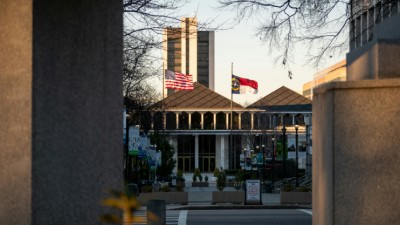
Raleigh
Oak-lined streets, culture-forward escapes, and a welcoming urban base.

Bronx
A borough of culture, history, and city-scale energy.

Orlando
Sunlit streets, theme-park energy, and a travel scene that rewards independent exploration.

Cincinnati
River views, historic districts, and a living queer civic story.
Pittsburgh
Steel history, river views, and a lively night out.
San Jose
A polished Bay Area base with easy access to queer culture and major California hubs.
Manhattan
Where skyline views meet queer history and late-night flavor

Charlotte
Where city energy meets inclusive travel

Memphis
Where music history, riverfront culture, and solo discovery meet

Milwaukee
Where lakefront culture meets inclusive city life

El Paso
A desert crossroads where culture, community, and visibility meet.
New Orleans
Where heritage, nightlife, and hospitality meet.

Oklahoma City
Discover a welcoming urban base with history, culture, and community pride.
Tucson
Desert skies, living heritage, and a welcoming city break.

Louisville
A welcoming pause for culture, history, and calm urban escapes.
Hartford
Art, history, and good food in a compact New England capital.

Omaha
Big skies, a welcoming pace, and culture worth exploring
Bridgeport
Come for the shoreline, stay for the stories and the plates.
Fort Worth
Where big skies meet welcoming spaces.

Buffalo
Where waterfront energy meets inclusive travel history.