- LGBTQ+ Neutral
- 14 City Guides
- 0 Likes
- Leave a comment
About Mexico
Mexico at a Glance
Mexico is one of North America’s most compelling destinations for LGBTQ+ travelers because it combines enormous geographic variety with deep cultural richness and a travel infrastructure that ranges from polished resort areas to characterful inland cities and remote natural landscapes.
Stretching from the U.S.
border to Central America, Mexico includes Pacific and Caribbean coastlines, highland cities, deserts, volcanoes, colonial towns, tropical forests, and major metropolitan centers.
That diversity shapes the travel experience: a visit can mean museum-filled days in Mexico City, beach time on the Riviera Maya, surfing on the Pacific, or wandering colorful historic streets in the interior.
Travelers are often drawn first to Mexico’s food, architecture, and sense of place.
The country’s culture blends Indigenous, Spanish, and many regional traditions, and those influences are visible in everything from markets and festivals to daily meals and local crafts.
For many visitors, Mexico feels rewarding because it offers both depth and accessibility: world-class sights, strong domestic flight networks, widely available hotels and restaurants in major destinations, and a broad range of trips at different budgets.
What Makes Mexico Distinctive
Mexico stands out for how much it contains within one country.
It is the northernmost country in Latin America and the thirteenth-largest country in the world by area, so distances are significant and regions can feel very different from one another.
The climate and scenery shift dramatically as you move from coastal lowlands to central highlands and mountainous areas.
That variety is part of the appeal, but it also means travelers should plan with geography in mind rather than assuming one trip will cover the whole country.
The country’s cultural identity is equally layered.
Major cities such as Mexico City, Guadalajara, and Monterrey offer large-city amenities, major museums, contemporary dining, and busy nightlife, while historic centers in places like Oaxaca, San Miguel de Allende, Puebla, and Mérida are known for walkability, architecture, and strong local traditions.
Coastal destinations such as Cancún, Playa del Carmen, Tulum, Puerto Vallarta, and Los Cabos are especially popular with international visitors seeking sun, beaches, and straightforward tourism services.
In practice, many LGBTQ+ travelers find Mexico appealing because they can choose between urban culture, resort relaxation, and heritage travel without leaving the country.
Culture, Food, and Travel Atmosphere
Food is one of the best reasons to visit Mexico.
Regional cooking is a major part of the travel experience, and travelers can expect much more than familiar export dishes.
Tacos, moles, tamales, seafood, grilled meats, soups, and street snacks vary widely by region and city, with local ingredients and traditions shaping what appears on the table.
Markets and informal eateries can be highlights of a trip, while many larger cities also offer sophisticated dining scenes.
For many visitors, exploring Mexico through food is one of the easiest ways to understand its regional diversity.
Culturally, Mexico rewards curiosity.
Cities and towns often center around plazas, churches, markets, and historic districts, and many destinations have long colonial histories alongside much older Indigenous heritage.
Festivals, religious observances, art, and music play visible roles in public life.
This creates a travel atmosphere that can feel festive and animated, especially in places with strong local traditions or heavy domestic tourism.
At the same time, Mexico’s scale means experiences vary widely from one region to another: some destinations are polished and international, while others feel more local and less geared to foreign visitors.
Key Destinations for LGBTQ+ Travelers
Mexico City is the country’s most obvious anchor for culture, nightlife, and city travel.
It is large, dynamic, and internationally oriented, with major museums, historic neighborhoods, extensive dining options, and a broad urban experience that many LGBTQ+ travelers find especially appealing.
The capital is also a useful base for side trips into central Mexico.
On the coast, Puerto Vallarta has long been one of Mexico’s most established beach destinations for LGBTQ+ visitors, thanks to its compact waterfront setting, resort infrastructure, and lively atmosphere.
On the Caribbean side, the Riviera Maya, including Cancún, Playa del Carmen, and Tulum, is a major draw for beach holidays, although each place offers a different pace and style of travel.
Cancún is the most resort-oriented, Playa del Carmen is often used as a base with easy access to beaches and day trips, and Tulum is known for its more design-forward, high-end appeal.
Los Cabos is another important option, especially for travelers looking for upscale resorts, dramatic desert-meets-sea scenery, and straightforward vacation logistics.
For culture-focused trips, Oaxaca is one of Mexico’s standout destinations, combining food, crafts, traditions, and a strong sense of place.
Mérida is another popular choice, especially for travelers interested in Yucatán culture, colonial architecture, and access to regional history.
Guadalajara, meanwhile, offers a major city experience with an arts and food scene and is also an important regional hub.
Across all of these destinations, the best itinerary often depends less on choosing a single “top” place and more on matching your trip style to the region.
Getting the Most from a Trip
Mexico is usually most rewarding when travelers build in enough time to experience a destination rather than trying to see too much in one trip.
Because the country is so large, moving between regions can take longer than expected, especially if you are combining beaches, highlands, and interior cultural centers.
Many visitors do best by pairing one major city with one coastal or regional destination, rather than attempting a fast cross-country route.
For LGBTQ+ travelers, Mexico’s appeal lies in this combination of scale, variety, and ease of planning.
Major destinations can feel cosmopolitan and welcoming, resort areas are accustomed to international tourism, and many cities offer a lively social and cultural scene.
Just as importantly, Mexico is a country where travel can be tailored: a relaxed beach stay, a food-and-architecture itinerary, a city break, or a longer multi-region journey are all realistic options.
That flexibility, together with the country’s distinctive culture and strong destination identity, is what makes Mexico such a compelling place to visit.
LGBTQ+ Overview
LGBTQ+ overview
Mexico is one of the more developed LGBTQ+ destinations in Latin America, but traveler experience still varies sharply by region, city, and setting. In larger urban areas and established tourist destinations, queer visitors will often find visible community life, same-sex couples in public, and a generally workable environment for travel. Outside those centers, social attitudes can be much more conservative, and public displays of affection may attract unwanted attention or harassment. For LGBTQ+ travelers, Mexico is best understood as a country with strong legal progress and uneven day-to-day safety.
Legally, Mexico has made substantial advances. Same-sex sexual activity is legal nationwide, and the country has broad anti-discrimination protections on paper. Marriage equality has expanded across Mexico, and same-sex couples can marry throughout the country, though implementation and local administrative practice have sometimes lagged behind legal standards in practice. Mexico also has legal recognition mechanisms for gender identity in at least some jurisdictions, but procedures and access can differ by state. For travelers, that means the legal framework is generally favorable, yet paperwork, local bureaucracy, and regional inconsistencies can still affect practical experiences, especially for transgender and nonbinary visitors.
The social climate is mixed rather than uniformly welcoming. Mexico City, Guadalajara, Puerto Vallarta, Cancún, and some other major tourist areas are among the most comfortable places for LGBTQ+ travelers, with visible queer nightlife, Pride events, and a more open public atmosphere. In contrast, smaller towns and more conservative regions can be less predictable, and gender nonconformity may draw attention in ways that range from curiosity to hostility. As in many countries, class, age, religion, and local culture all influence how people respond. Travelers who are visibly queer, transgender, or traveling as a same-sex couple should be prepared for both acceptance and occasional discomfort, sometimes within the same trip.
Common risks for LGBTQ+ travelers in Mexico are less about formal legal persecution and more about opportunistic or situational harm. Harassment, verbal abuse, and misgendering can occur, especially away from major urban centers or in nightlife settings. In some places, public affection between same-sex couples may provoke stares or comments. Transgender travelers may face extra scrutiny in airports, hotels, and other bureaucratic settings if identity documents do not match presentation. There are also broader traveler safety issues in Mexico, including theft, scams, and regionally significant violent crime, which can affect everyone but may be compounded when travelers are isolated, intoxicated, or using unfamiliar apps and venues at night. Discretion and situational awareness remain important even in otherwise LGBTQ+-friendly destinations.
Support resources are strongest in Mexico’s major cities, where local LGBTQ+ organizations, health providers, and community spaces are more established. However, travelers should not assume that every destination has accessible, English-speaking, or trans-competent support nearby. Before traveling, it is wise to identify a reputable hotel, know where the nearest international-standard hospital is, and keep digital and paper copies of identity and insurance documents. If you anticipate medical or legal needs, especially related to HIV care, hormone access, or document issues, plan ahead rather than relying on finding support on arrival. Embassy or consular assistance may also be useful if you encounter discrimination, theft, or a documentation problem, though consular help is not a substitute for local legal rights.
Mexico’s recent trajectory has been broadly positive for LGBTQ+ equality, with continued legal recognition and a more visible queer public presence than in past decades. That progress has not eliminated local prejudice, violence, or uneven enforcement, but it does mean travelers generally face a better environment now than in many parts of the region. The best approach is to treat Mexico as a destination where the legal landscape is relatively favorable and many places are welcoming, while still exercising caution, especially outside major cities and tourist corridors.
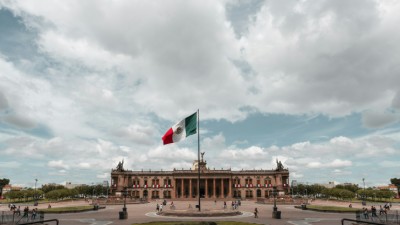
Mexico City
Where culture, activism, and inclusive travel come together.

Monterrey
Mountain views, bold flavors, and a modern urban pulse
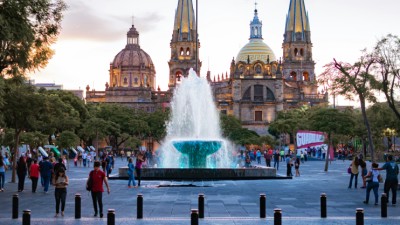
Guadalajara
Colonial heritage, living arts, and a welcoming urban pulse.
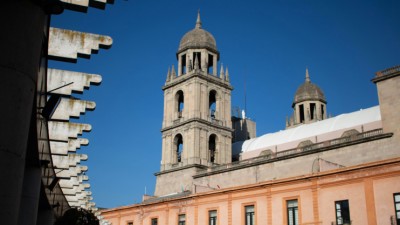
Toluca
High-altitude culture, regional access, and a useful base for the central plateau.
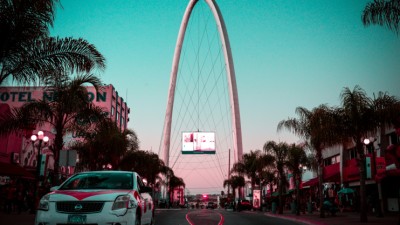
Tijuana
Where border energy meets nightlife, culture, and connection.
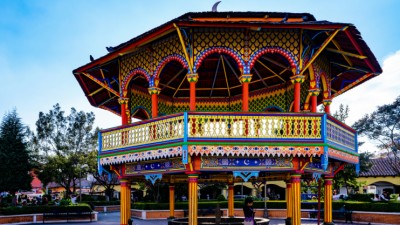
Puebla
Baroque streets, mountain views, and a welcoming city break beyond the ordinary.

Nezahualcóyotl
Where urban energy meets a wider metropolitan queer scene
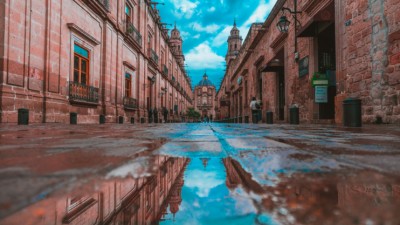
Morelia
Historic beauty, walkable streets, and a slower pace for thoughtful travel.
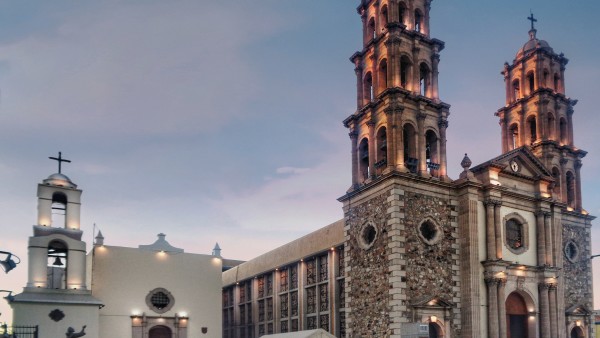
Juárez
Cross the border, feel the pulse.

León de los Aldama
Explore the city with open eyes and an informed perspective.
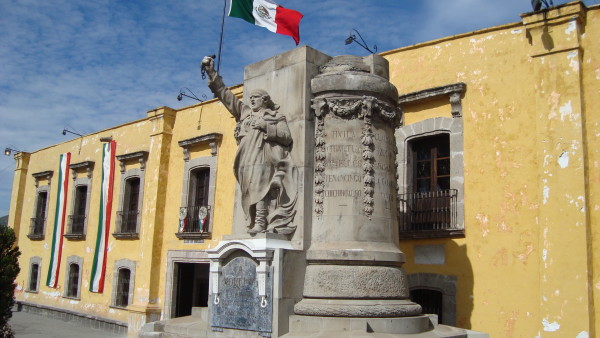
Ecatepec
Explore a bustling urban gateway where everyday street life meets the wider culture of Mexico City.
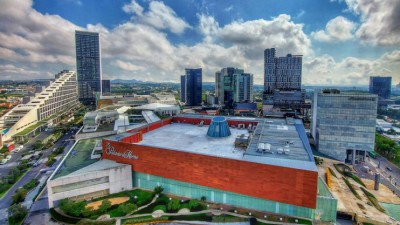
Zapopan
Heritage streets, regional flavors, and a wider Jalisco backdrop
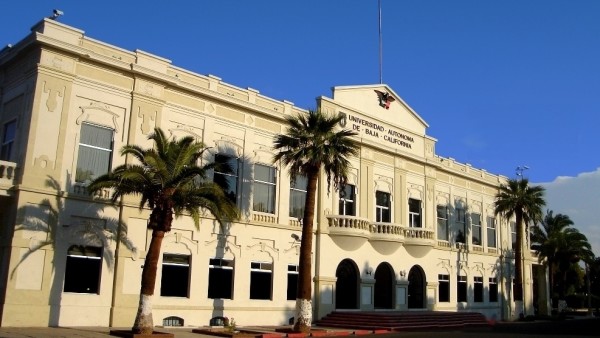
Mexicali
Border energy, desert nights, and a welcoming base for exploring Baja California.
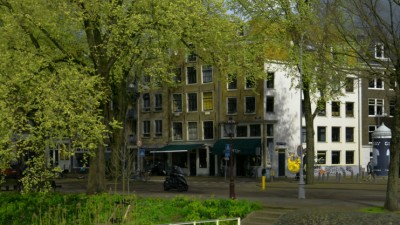
Ciudad Nezahualcóyotl
Discover a vibrant urban gateway with easy access to queer life nearby.