- LGBTQ+ Friendly
- 1 City Guide
- 0 Likes
- Leave a comment
About Malta
Malta at a glance
Malta is a compact island country in the middle of the Mediterranean, with a setting that feels both distinctly southern European and unmistakably its own.
Officially the Republic of Malta, it sits between Sicily and North Africa and is made up of a small archipelago that includes the main island of Malta, Gozo, and Comino.
Its scale is one of its biggest travel advantages: you can cover a surprising amount of ground in a short stay, moving from fortified cities and busy harbors to quiet coastal villages and open sea views without long transit times.
For many travelers, Malta’s appeal lies in the combination of sun, history, and accessibility.
It is a place where prehistoric temples, baroque cityscapes, limestone fortifications, and bright harbors all sit close together.
English is one of the country’s official languages, which makes travel straightforward for many visitors, while Maltese gives the islands a strong local identity and a distinctive cultural texture.
The result is a destination that is easy to navigate yet still feels layered, historic, and different from mainland Europe.
Why travelers come to Malta
Malta draws visitors for several reasons at once.
It is a classic Mediterranean destination for good weather, sea swimming, and coastal scenery, but it is also a major cultural trip because of its long history of successive rulers and influences.
Phoenician, Roman, Arab, Sicilian, French, and British periods all left marks on the islands, and that history is visible in architecture, language, cuisine, and the urban layout of the capital and older towns.
The islands’ strategic position in the Mediterranean has made them a crossroads for centuries, and that has shaped both their built heritage and their local identity.
For LGBTQ travelers, Malta stands out in Europe for its comparatively strong legal protections and visibility.
LGBTQ rights in Malta rank among the highest in the world, and same-sex sexual activity was legalized in 1973.
That legal framework is an important part of Malta’s travel appeal for queer visitors looking for a destination where they can plan with a greater sense of confidence than in many other places.
As always, local comfort levels can vary by setting, but Malta is widely recognized as one of the more LGBTQ-inclusive countries in the region.
Landscape, islands, and atmosphere
Geographically, Malta is small but varied.
The main island is densely developed in places, with harbors, towns, and historic districts that feel compact and walkable, while the smaller islands offer a quieter rhythm.
The coastline is a major part of the experience, with limestone cliffs, sheltered bays, and clear water shaping much of the travel itinerary.
This makes Malta especially attractive to visitors who like to combine city sightseeing with time by the sea.
The islands also have a very tangible sense of history in the landscape itself.
Fortified cities, old stone streets, and port areas reflect centuries of maritime importance and defense.
Because the country is so compact, these layers are easy to encounter in a single trip.
You can spend a morning in a UNESCO-listed city center, an afternoon at the harbor, and an evening in a lively restaurant district without feeling rushed or disconnected from the local setting.
Culture, language, and daily life
Maltese culture feels both Mediterranean and uniquely Maltese.
The country’s history under multiple powers has created a mix of influences, but it has not erased local character.
One of the most distinctive features is language: Maltese and English are both official, and Maltese is the national language.
That bilingual reality is helpful for visitors and also signals Malta’s position as a place where local tradition and international travel intersect.
The cultural atmosphere is often shaped by the islands’ urban heritage, Catholic traditions, and outward-facing maritime history.
In practice, that means visitors will encounter a country that is small enough to feel intimate but historically rich enough to reward curiosity.
Museums, churches, fortifications, and old town centers are important parts of the travel experience, but so are ordinary moments such as harbor promenades, café culture, and long meals that reflect the Mediterranean pace of life.
Food and drink
Malta’s food scene reflects its history and location.
As in much of the Mediterranean, seafood, olive oil, vegetables, bread, and baked goods play a central role, and meals often feel rooted in simple ingredients rather than elaborate presentation.
The islands’ culinary identity is not only about restaurant dining; travelers also encounter local specialties and everyday flavors that reveal Maltese tastes and habits.
One well-known local drink is Kinnie, a non-alcoholic fizzy beverage made with bitter orange extract.
It has a distinctive sweet-then-bitter profile that is very Maltese in character: familiar enough to be easy to try, but unusual enough to feel memorable.
For travelers, sampling local drinks and dishes is part of understanding Malta beyond its monuments and beaches.
The food culture is best approached with curiosity, especially if you enjoy regional specialties that are tied closely to place.
Key destinations and travel style
Valletta, the capital, is often the natural starting point for a visit.
It is famously small and dense with historic architecture, and its scale makes it ideal for travelers who enjoy walking through a city rather than relying on transport.
Beyond Valletta, the islands reward exploration of fortified towns, harbor areas, and coastal viewpoints.
Gozo is often associated with a slower pace and a more rural feel, while Comino is known for its small size and sea-focused appeal.
Together, these places give travelers a mix of urban history, island scenery, and relaxed coastal time.
Malta is especially well suited to travelers who like short, varied itineraries.
It works for a long weekend, but it also rewards a longer stay because there is enough history, food, and coastline to fill several days without repetition.
It is also convenient for visitors who want a destination where they can combine cultural sightseeing with leisure, or where they can travel independently without needing to cover vast distances.
What makes Malta distinctive for LGBTQ travelers
What sets Malta apart is the combination of strong LGBTQ legal standing and a travel experience that remains distinctly Mediterranean and deeply historical.
It is not only a place to visit because it is inclusive; it is also a place with a strong identity of its own.
That matters for queer travelers looking for destinations that feel both safe and interesting, rather than simply tolerant.
Malta offers that balance: a compact country with a modern legal reputation, a multilingual society, and a layered cultural landscape that makes it more than just a beach escape.
For an LGBTQ trip, Malta can be appealing in a very practical way.
The small size of the country makes logistics manageable, English is widely useful, and the islands’ tourism infrastructure is well developed relative to their scale.
At the same time, the destination still feels rooted in local life, with a strong sense of place shaped by history, religion, and the sea.
That mix of ease and character is one of the reasons Malta continues to stand out in the Mediterranean travel map.
LGBTQ+ Overview
LGBTQ+ overview
Malta is one of the strongest destinations in Europe for LGBTQ+ travelers. On paper, the legal framework is highly protective, and the country is widely regarded as having some of the most advanced LGBTQ+ rights in the world. Same-sex sexual activity has been legal since 1973, and Malta’s modern rights framework has continued to develop through the late 20th and early 21st centuries. English is one of the country’s official languages, which can make day-to-day travel, including seeking help or asking questions about services, easier for many visitors. Malta’s identity as a small island state also means that experiences can vary more by neighborhood, venue, and social circle than by region, but the overall environment is generally favorable.
For travelers, the most important practical takeaway is that Malta combines broad legal protection with a relatively welcoming social climate. Publicly expressed LGBTQ+ identity is generally much less of a concern here than in many other destinations in the Mediterranean. That said, no destination is risk-free: travelers can still encounter occasional discomfort, staring, insensitive remarks, or uneven attitudes in more traditional settings. These are more likely to be social frictions than serious safety threats. As in any destination, discretion can still be useful when meeting strangers, using dating apps, or traveling to less tourist-focused areas late at night.
Current legal status is a major strength. Malta is recognized for having robust protections for LGBTQ+ people, and its legal standing is among the highest globally. That means same-sex couples and LGBTQ+ travelers generally do not need to worry about criminalization of identity or private conduct. While the source material here does not detail every aspect of family, employment, or anti-discrimination law, the overall picture is one of strong formal protection rather than legal vulnerability. Travelers should still remember that local laws are only one part of the experience; social norms can be more variable than the legal framework suggests.
In social terms, Malta is often described as comparatively open and welcoming, especially in tourist areas and among younger residents. Valletta, Sliema, St Julian’s, and other well-visited places are generally the easiest environments for openly LGBTQ+ travelers, with a broader mix of local and international attitudes. More conservative family contexts may still exist, so public displays of affection can attract more attention in some settings than others, particularly away from the main tourist strip. This is usually more about local culture than targeted hostility, but it can still affect comfort levels for some visitors.
Traveler risk is overall low, but it is not zero. The main issues are likely to be ordinary petty travel concerns rather than LGBTQ+-specific threats: nightlife overindulgence, isolated areas after dark, and the usual risks associated with dating-app meetups. As a practical matter, standard precautions are wise. Meet new people in public places first, keep an eye on drinks in bars and clubs, and arrange your own transport when heading home late. If you plan to stay in smaller towns or travel between islands, it can be helpful to gauge the atmosphere locally rather than assuming every area will feel the same as the capital.
Support resources exist, but travelers should verify current contact details before relying on them. A useful starting point is that Malta has visible LGBTQ+ rights recognition and community presence, which usually means visitors can find local information, inclusive businesses, and social support more easily than in many countries with weaker protections. If you need assistance in an emergency, use the same general channels available to any traveler, including police, medical services, and your embassy or consulate. For broader context and up-to-date rights information, trusted reference pages such as the Wikipedia entry on LGBTQ rights in Malta can help confirm the country’s strong legal trajectory.
Overall, Malta’s recent trajectory has been strongly positive. The country has moved toward higher visibility, better legal protections, and a more welcoming environment over time. For LGBTQ+ travelers, that makes Malta one of the safer and easier destinations in the region, especially for visitors who value a place where they can be open without much concern. It is still smart to use normal travel awareness, but compared with many countries, Malta offers a reassuring mix of legal security, social openness, and manageable on-the-ground risk.
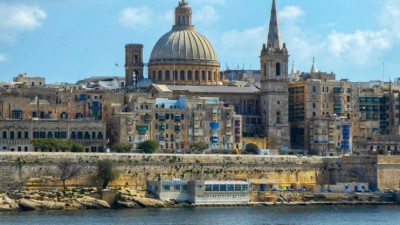
Valletta
Small streets, big nights, and a Mediterranean spirit