- LGBTQ+ Friendly
- 16 City Guides
- 0 Likes
- Leave a comment
About Spain
Spain at a glance
Spain is one of Europe’s most rewarding destinations for LGBTQ+ travelers because it combines major-city energy, strong cultural identity, and a long-standing reputation as a welcoming place to visit.
Stretching across most of the Iberian Peninsula and extending to the Balearic Islands, the Canary Islands, and two small territories in North Africa, the country offers a wide range of travel experiences in a single trip.
You can move from cosmopolitan museum districts and beach promenades to medieval hill towns, mountain landscapes, and island escapes without leaving the country.
For many travelers, that variety is part of Spain’s appeal: it is easy to build a trip that feels both culturally rich and relaxed.
Spain is especially known for its lively urban culture, late dinners, café terraces, open-air social life, and a strong tradition of public celebration.
Its major cities—particularly Madrid, Barcelona, Valencia, Seville, and Bilbao—are among the country’s biggest draws, each with a distinct character.
Madrid is the capital and a major center for art, nightlife, and restaurant culture.
Barcelona pairs beach access with architecture, design, and a famously international feel.
Elsewhere, travelers find everything from Andalusian heritage and flamenco traditions to Basque gastronomy, island resort towns, and historic inland cities that preserve centuries of architecture and regional identity.
Culture, atmosphere, and what feels distinctive
What makes Spain stand out is the way its regional identities remain visibly strong while still fitting within a national travel experience.
The country is not culturally uniform.
Catalonia, the Basque Country, Andalusia, Galicia, the Balearic Islands, and the Canary Islands each have their own landscapes, food traditions, and local atmospheres.
For travelers, that means Spain can feel like several destinations in one.
A trip might begin in a grand museum-lined capital, continue through sun-soaked southern plazas, and end on an island coast or in a mountain town with its own traditions and pace.
Spain also has a deeply social street culture.
Public squares, pedestrian streets, markets, seaside promenades, and neighborhood bars are central to everyday life.
This makes the country especially appealing for travelers who like to explore on foot, linger over long meals, and experience a destination through its neighborhoods rather than only its landmarks.
The climate supports that style of travel in much of the country, with warm summers and, in many areas, plenty of outdoor life well into the evening.
In practical terms, that often means more opportunities to enjoy city walking, rooftop views, outdoor dining, and beach time in the same itinerary.
Food and travel appeal
Spanish food is one of the country’s biggest draws, and it varies greatly by region.
Travelers can expect tapas culture in many places, but also regionally specific specialties shaped by coastlines, farms, and historic trade routes.
Seafood is prominent along the Mediterranean and Atlantic coasts and on the islands, while inland regions are known for roasted meats, stews, cured ham, cheeses, and hearty dishes tied to local tradition.
Spain is also known for a strong café and bar culture, where meals often unfold slowly and socializing is a major part of the experience.
For LGBTQ+ travelers, this makes Spain especially easy to enjoy in an everyday way.
A good trip here is not only about headline attractions but about how naturally the country supports unhurried, public-facing travel: sitting at a terrace table, moving between neighborhoods, and using food and nightlife as part of the rhythm of the day.
The destination suits a wide range of travel styles, from first-time visitors looking for iconic sights to repeat visitors who want to focus on neighborhoods, islands, regional cuisine, or longer road- and rail-based itineraries.
Major destinations and geographic range
Madrid and Barcelona are the country’s best-known urban anchors, but Spain’s geography is what gives the trip its depth.
The mainland includes dramatic contrasts between central plateaus, coastal plains, mountain systems, and fertile river valleys.
The Pyrenees form a natural northern boundary, while the south includes the historic and culturally distinct landscapes of Andalusia.
The Mediterranean coast is dotted with resort cities and beaches, while the Atlantic side tends to feel greener and more temperate.
The Balearic Islands are a major draw for beach and island travel, and the Canary Islands offer a subtropical escape in the Atlantic that appeals year-round.
UNESCO-listed heritage is another reason many travelers build Spain into their European itineraries, and the country has a particularly deep concentration of historic cities, monumental churches, palaces, and archaeological sites.
Even travelers who come for nightlife or beaches often end up spending significant time on culture: museums, cathedrals, old quarters, Moorish-influenced architecture in some regions, and centuries-old street plans all contribute to the country’s sense of place.
That blend of history and contemporary life is one of Spain’s strongest assets.
Why Spain works well for LGBTQ+ travelers
Spain’s broad appeal to LGBTQ+ visitors comes from the combination of urban openness, strong tourism infrastructure, and a travel culture that is generally comfortable with visibility.
The country’s major cities are especially popular for LGBTQ+ travel because they offer dense neighborhoods, active nightlife, and a wide choice of hotels, restaurants, and museums.
Beyond the cities, Spain’s resort areas and islands are also popular for travelers who want a more relaxed pace, beach access, or a holiday centered on sun and social life.
Because domestic travel is so varied, it is easy to tailor a trip to comfort level, budget, and preferred atmosphere.
For a first visit, Spain often feels immediately accessible: the infrastructure is strong, intercity connections are practical, and there is enough variety to suit couples, solo travelers, friends, and mixed-interest groups.
For returning travelers, the country rewards deeper exploration.
Once the main landmarks are covered, Spain becomes a place to refine your route—staying longer in a neighborhood, choosing a different island, focusing on a regional food culture, or using the country as a base for slower, more local travel.
That flexibility is a major part of Spain’s enduring travel appeal.
LGBTQ+ Overview
LGBTQ+ overview
Spain is one of the most LGBTQ+-friendly destinations in Europe. Same-sex sexual activity is legal, discrimination protections are strong by regional European standards, and same-sex marriage has been legal nationwide since 2005. In practical terms, most travelers will find it straightforward to travel openly in the country’s major cities and tourist areas, with visible LGBTQ+ communities and a long-established queer nightlife and cultural scene.
The legal framework is broadly protective. Spain recognizes same-sex marriage, and same-sex couples have equal access to family formation in law, including adoption rights. Anti-discrimination protections exist in employment and other public contexts, and Spain’s broader human-rights framework is consistent with a generally affirming environment for LGBTQ+ visitors. That said, Spain is a decentralized country, and some social and administrative experiences can vary by region. Travelers should not assume that every part of the country feels equally open, especially outside major urban centers or in more conservative local settings.
Social attitudes are generally positive, particularly in cities such as Madrid, Barcelona, Valencia, Seville, and Bilbao, as well as in established resort areas. Public displays of affection between same-sex partners are usually not a problem in mainstream urban and tourist settings. However, Spain is not socially uniform: some smaller towns, rural areas, and more religious or traditional communities can still feel less comfortable, and travelers may encounter occasional stare, gossip, or low-level verbal hostility rather than overt danger. Transgender travelers may find that day-to-day respect varies more widely than legal protections suggest, especially when dealing with private services or unfamiliar officials.
For travelers, the main risks are usually practical rather than legal. These include occasional petty theft in busy tourist zones, nightlife-related risks such as drink spiking or opportunistic crime, and isolated harassment after dark in less busy areas. As in many European destinations, people who are visibly LGBTQ+ may attract unwanted attention in certain contexts, but serious anti-LGBTQ+ violence is not the norm for visitors. Standard urban travel precautions remain wise: use licensed taxis or reputable ride-hailing options where available, keep an eye on belongings in crowded places, and be cautious when meeting strangers through apps, particularly at night or in unfamiliar neighborhoods.
Support resources are strongest in the larger cities, where travelers can find LGBTQ+-friendly accommodation, bars, community spaces, and health services more easily than in rural areas. If you need assistance, local emergency services can be reached through Spain’s general emergency number, 112. For non-emergency help, your hotel, local tourism office, or a reputable LGBTQ+-friendly venue is often the easiest starting point for practical local advice. Travelers who may need medical support should keep in mind that Spain has a well-developed healthcare system, but language barriers can still arise outside major urban centers.
Spain’s recent trajectory has remained broadly positive. The country has continued to be regarded as one of Europe’s more progressive LGBTQ+ destinations, with strong legal recognition and mainstream social visibility. For most travelers, that means a high degree of day-to-day comfort, especially in urban and coastal leisure destinations. The main takeaway is that Spain is generally safe and welcoming for LGBTQ+ visitors, but the experience can still be locally uneven, so it pays to stay aware of neighborhood context and to use ordinary travel caution, especially at night.
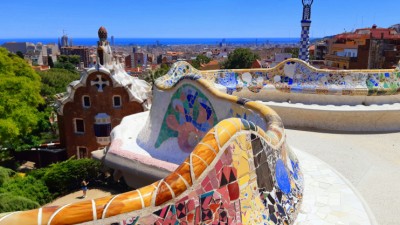
Barcelona
Where coastal elegance meets inclusive urban life.
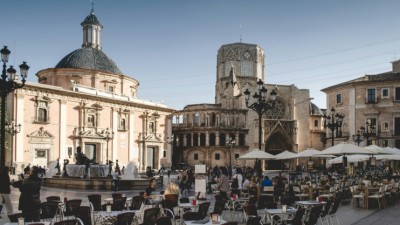
Valencia
Sunlit escapes, inclusive spaces, and a relaxed coastal pace.

Sevilla
Where warm evenings meet welcoming streets

Murcia
Tapas, heritage, and a welcoming pace under the Mediterranean sun
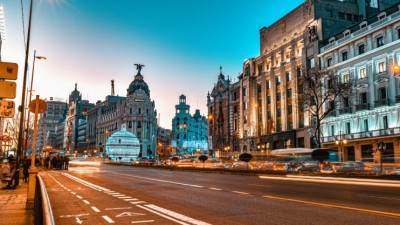
Madrid
Where heritage, nightlife, and pride meet under one sky
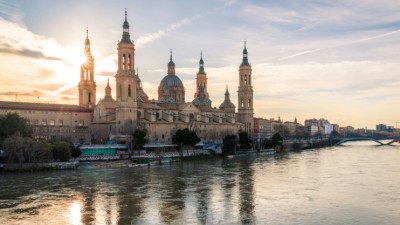
Zaragoza
Where layered heritage meets a welcoming urban break

Las Palmas
Sunlit beaches, urban energy, and a welcoming island rhythm.
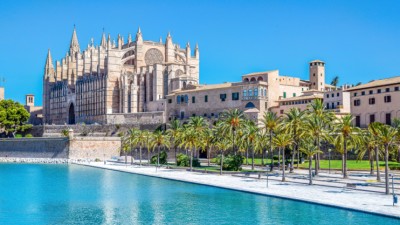
Palma
Sunlit streets, sea breezes, and a welcoming Mediterranean spirit

Oviedo
History, nightlife, and an open-minded welcome in Asturias.

Pamplona
Where historic streets meet a modern spirit of inclusion.
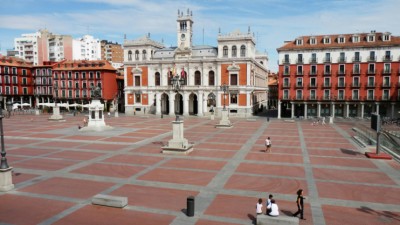
Valladolid
Where heritage meets a welcoming urban escape

Málaga
Where the sea meets easygoing city life

Santa Cruz
Atlantic access, island culture, and a welcoming national backdrop.

Bilbao
Culture-rich streets, open-minded travel, and a strong Basque identity

Córdoba
Walk ancient streets, read the city’s layered past, and travel with confidence.
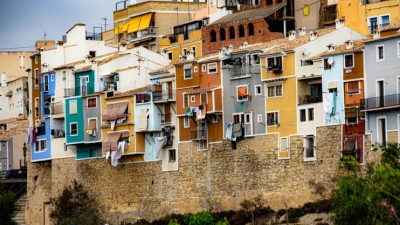
Alicante
Sunlit streets, inclusive culture, and a coastal escape with conscience.