- LGBTQ+ Friendly
- 5 City Guides
- 0 Likes
- Leave a comment
About New Zealand
Travel overview
New Zealand is one of the world’s most appealing long-haul destinations for travelers who want dramatic landscapes, easy access to outdoor adventure, and a distinctive Pacific island culture shaped by both Māori heritage and later European settlement.
Spread across two main islands and many smaller ones, it is an island country in the southwestern Pacific Ocean, east of Australia across the Tasman Sea.
Its geography is a major part of its identity: from the volcanic landscapes and geothermal areas of the North Island to the snow-capped peaks, fjords, glaciers, and alpine passes of the South Island, the scenery changes quickly and often feels cinematic.
For many visitors, New Zealand’s biggest draw is the sheer variety packed into a relatively compact country.
You can move from major cities and coastal harbors to wine regions, rainforest, mountain ranges, and rugged shorelines in a single trip.
Outdoor travel is the country’s hallmark, with strong appeal for hiking, road trips, kayaking, wildlife viewing, and winter sports.
The country is especially well known for its “Great Walks” and other well-maintained trails, but it also rewards slower travel: scenic drives, small-town stops, and time spent in national parks and coastal areas are often highlights in their own right.
New Zealand’s cultural identity is equally important to the travel experience.
Māori culture is a visible and living part of national life, reflected in language, place names, art, performance, and cultural institutions.
In cities and towns, visitors will also find a contemporary, outward-looking society with a strong café culture, good food and wine, and an easygoing travel atmosphere.
English is widely spoken, and the country is often considered straightforward for independent travelers, with good infrastructure and a relatively familiar level of comfort alongside abundant wilderness.
Food and drink are a useful window into the country’s character.
New Zealand is known for fresh, seasonal ingredients, local seafood, lamb, dairy, and a strong wine scene.
Regional travel often means eating very well, especially in places associated with vineyards and orchards.
The country’s culinary style tends to be relaxed rather than formal, and travelers will usually find a mix of modern restaurants, casual cafés, bakery culture, and local produce markets.
Māori food traditions and contemporary Pacific influences also add depth to the dining scene, especially in larger centers.
The major destinations each offer a different version of New Zealand.
Auckland is the largest city and a common arrival point, with a harbor setting and a multicultural urban feel.
Wellington, the capital, is compact, creative, and known for its food, museums, and walkable character.
On the South Island, Christchurch serves as a practical gateway to Canterbury and beyond, while Queenstown is the country’s best-known adventure base, with easy access to alpine scenery and high-energy tourism.
Further south, the Fiordland region and places such as Milford Sound are among the most famous natural landscapes in the country, while the Coromandel, Rotorua, the Bay of Islands, Abel Tasman, Aoraki/Mount Cook, and Dunedin each offer their own mix of scenery, culture, or wildlife.
What makes New Zealand distinctive is the combination of accessibility and wildness.
Many destinations are easy to reach by car or domestic flight, yet the landscapes can still feel remote and expansive.
The country’s tectonic geology has created sharp mountain peaks, active geothermal zones, and a dramatic coastline, giving it a level of scenic intensity that stands out even among other nature-rich destinations.
For LGBTQ+ travelers, that broad appeal is often matched by the country’s generally modern, open travel environment in major destinations, making it a place where visitors can focus on culture, landscapes, and outdoor experiences with relative ease.
In practical terms, New Zealand suits travelers who like to explore independently, spend time outdoors, and build a trip around scenery as much as cities.
It is a destination for road trips, hikes, winery visits, and multi-stop itineraries rather than for staying in one place.
Whether you are drawn by Māori culture, alpine drama, coastal scenery, or simply the promise of a clean, well-organized, and photogenic journey, New Zealand offers a travel experience that is both varied and immediately recognizable.
For background information, see New Zealand.
LGBTQ+ Overview
LGBTQ+ Overview
New Zealand is generally one of the safer and more straightforward destinations in the region for LGBTQ+ travelers. The country has a long record of legal reform and public visibility, and most travelers will find that same-sex couples, transgender visitors, and gender-nonconforming people can move around with relatively low day-to-day risk, especially in larger cities and mainstream tourist areas. That said, social attitudes are not identical everywhere: urban centers tend to be more openly accepting than some smaller towns or rural communities, so discretion and situational awareness remain useful in unfamiliar settings.
Legal status
Same-sex sexual activity is legal in New Zealand, and the country’s broader legal framework is comparatively protective. Anti-discrimination protections exist, and New Zealand has also recognized same-sex marriage. In practical terms, LGBTQ+ travelers generally do not need to worry about criminal penalties for their identity or relationships. For most visitors, the main legal issues are the same as for any traveler: immigration rules, local conduct, and general public-order laws.
For transgender travelers, New Zealand is typically manageable and not a high-risk destination from a legal standpoint. However, documentation and screening procedures can still create occasional friction, especially if your presentation differs from the gender marker on your passport. Carry travel documents that are consistent, and if you use different names across records, be prepared for standard border-processing questions. As always, requirements can vary by airline and transit point before arrival, so the main practical concern is often transit rather than New Zealand itself.
Social climate
Social acceptance is broadly good, particularly in Auckland, Wellington, Christchurch, and other major population centers. Public displays of same-sex affection are usually not remarkable in urban and tourist-heavy environments, and many visitors report an ordinary travel experience rather than one defined by sexuality or gender identity. Visibility of queer communities and inclusive institutions is a positive part of the country’s reputation.
Even so, New Zealand is not uniformly liberal in every setting. Travelers may encounter more conservative attitudes in smaller communities, at some religious venues, or in very traditional social circles. These situations are more likely to produce discomfort or unwanted attention than direct danger, but the tone of the interaction can still matter. If you are traveling as a couple or as a visibly gender-nonconforming person, it is sensible to gauge the environment before assuming the same level of comfort you might find in central city neighborhoods or established hospitality settings.
Common traveler risks
The most common risks for LGBTQ+ travelers in New Zealand are social rather than legal. These include occasional stares, rude remarks, or awkward service interactions in less inclusive settings. Serious violence specifically targeting LGBTQ+ visitors is not a common expectation in mainstream travel contexts, but isolated harassment can happen anywhere, especially in nightlife environments or when alcohol is involved. Standard city safety practices remain important: use reputable transport late at night, stay aware in crowded entertainment districts, and avoid escalating confrontations with intoxicated strangers.
Transgender and nonbinary travelers may face the most practical friction around identification, accommodation check-in, or public restroom use, depending on the setting. These are usually manageable issues rather than major hazards, but they can become stressful if you are rushed, tired, or traveling alone. Booking larger, established hotels and confirming policies in advance can reduce uncertainty. If you anticipate sensitivity around room assignments or names on bookings, it is wise to contact the property before arrival.
Support resources
New Zealand has a visible LGBTQ+ support landscape, especially in the main cities, though the specific organizations and venues you use will depend on where you are traveling and what kind of support you need. Travelers who want current local information should start with broad national resources and, where available, city-specific community groups, especially for advice about events, health services, or emergency support. Because venue and organization details can change, it is best to verify current opening hours, contact methods, and service scope shortly before travel.
For general country context, the New Zealand overview on Wikipedia can be a starting point: https://en.wikipedia.org/wiki/New_Zealand. For travelers who want to compare legal and social indicators, ILGA and Equaldex may also be useful reference points, though you should treat them as background tools rather than substitutes for on-the-ground local advice.
Recent trajectory and practical takeaway
New Zealand’s overall trajectory has been strongly positive over recent decades, with continued normalization of LGBTQ+ life in public, tourism, and mainstream institutions. For travelers, that means the country is generally low stress compared with many places globally, especially if your itinerary centers on major cities and well-traveled tourist routes. The remaining gaps are less about formal exclusion and more about uneven attitudes outside urban areas and occasional practical hassles for transgender or visibly gender-nonconforming visitors.
In short, New Zealand is a solid choice for LGBTQ+ travelers who want a destination with strong legal protections, broad public acceptance, and relatively low risk. Use normal travel precautions, be mindful that rural social attitudes may be more conservative, and rely on standard common sense in nightlife and unfamiliar settings. Most visitors should be able to travel comfortably without needing to conceal their identity, while still benefiting from a bit of context-sensitive awareness.

Auckland
Harbour views, inclusive energy, and a polished Pacific escape.
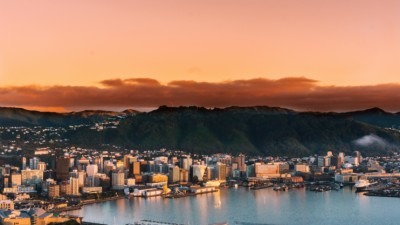
Wellington
Where culture, politics, and inclusive travel meet the harbour
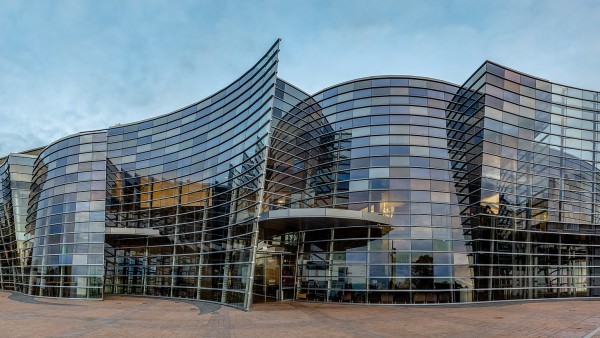
Christchurch
Explore a resilient city where culture, nature, and inclusion meet.
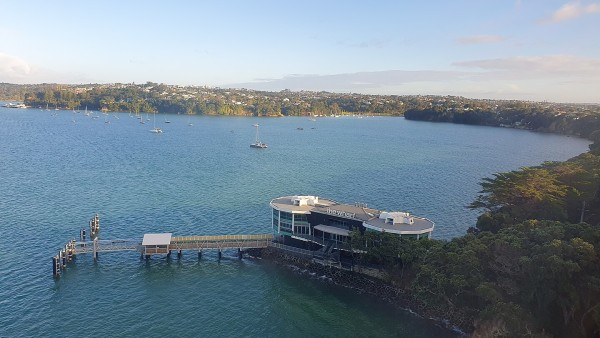
Northcote
Discover a welcoming slice of Aotearoa with strong community values.

Manukau City
Multicultural streets, easier solo exploring, and a welcoming base near Auckland’s urban heart.