- LGBTQ+ Neutral
- 1 City Guide
- 0 Likes
- Leave a comment
About Bahamas
Overview
The Bahamas is an archipelagic country in the Atlantic Ocean, part of the Lucayan Archipelago, with hundreds of islands and more than 2,500 cays spread across the sea.
For travelers, that geography is the country’s defining feature: this is not a single-island destination, but a chain of places that range from busy, resort-heavy hubs to quiet outer islands where the pace is slower and the beaches feel endless.
Nassau, the capital and largest city, is the main gateway for many visitors, while the wider islands offer the classic Bahamian appeal of turquoise water, white and pink sand beaches, boating, snorkeling, diving, and an easygoing island atmosphere.
What makes the Bahamas distinctive is how strongly the landscape shapes the travel experience.
Distances are maritime rather than continental, and getting around often means flying between islands or taking boats and ferries.
That makes the country especially appealing for travelers who want a beach-focused trip with options to pair lively city energy in Nassau with more secluded stays elsewhere.
The Bahamas is also close to the United States, which has long made it a popular short-haul getaway for North American visitors, but it still feels distinctively Caribbean in rhythm, climate, and culture.
Culture and atmosphere
Bahamian culture blends African, British, and Caribbean influences, with a national identity that is visible in food, music, festivals, architecture, and everyday life.
In Nassau and on the inhabited islands, you will see a mix of colorful colonial-era buildings, waterfront life, and local markets alongside modern resorts and marinas.
The social atmosphere is generally relaxed and welcoming in tourist areas, though like any destination, visitors should be attentive to local customs and respectful of community norms, especially outside major resort zones.
For LGBTQ+ travelers, the Bahamas is best understood as a destination where comfort levels can vary by setting.
Tourist-facing areas, international hotels, and well-trafficked islands tend to be more accustomed to a wide range of visitors, while more traditional or less visited communities may be more conservative.
Travelers should plan with discretion and prioritize accommodation and activities where they feel comfortable.
As in many destinations, privacy, situational awareness, and understanding local attitudes can help shape a smoother trip.
Food and local flavor
Bahamian cuisine is one of the country’s most memorable travel pleasures.
Seafood is central, especially conch, which appears in many forms, along with fresh fish, crab, and lobster where available.
Conch salad, cracked conch, and conch fritters are among the dishes most closely associated with the islands, while peas and rice, Johnny cake, and tropical fruit often accompany meals.
The food scene can range from casual roadside spots and local fish fry-style eateries to upscale hotel restaurants, giving travelers plenty of ways to sample the national cuisine.
Because the Bahamas is spread across so many islands, food can also reflect local access and tradition.
In Nassau, dining is often more varied and international, while outer islands may offer a more intimate introduction to home-style Bahamian cooking.
For many visitors, a major part of the country’s appeal is simply eating well near the water, with fresh seafood and sea views forming a quintessential island experience.
Key destinations
Nassau is the country’s main arrival point and the most convenient place to start for first-time visitors.
It combines beaches, shopping, nightlife, and cultural sites with easy access to nearby Paradise Island, making it the most practical base for travelers who want a mix of city amenities and resort infrastructure.
Nassau is also where many visitors experience the busiest side of Bahamian tourism, including large hotels, cruise traffic, and a broad range of excursions.
Beyond the capital, the country’s appeal expands dramatically.
The Exumas are famous for water that appears almost unreal in its clarity and for the sense of space that comes with island-hopping among cays.
Eleuthera is known for its long, scenic shoreline and quieter feel, while other out islands draw travelers who want fishing, boating, diving, and low-key beach time.
Because the archipelago is so dispersed, the best destination depends on the type of trip you want: resort convenience, nature, seclusion, or a combination of all three.
Travel appeal and what is distinctive
The Bahamas is especially attractive to travelers seeking a classic tropical escape without long-haul complexity.
It offers warm-weather beach travel, strong resort infrastructure in key areas, and enough island variety to suit both short breaks and longer explorations.
The country is also distinctive for its sea-based geography: in the Bahamas, the water is not just scenery but the organizing principle of travel, from transportation and excursions to cuisine and daily life.
For LGBTQ+ travelers planning a trip, the Bahamas can be a rewarding destination when approached with realistic expectations and good trip planning.
Its strongest draw is the combination of beautiful natural settings, accessible island tourism, and a relaxed holiday atmosphere in the main visitor areas.
The most useful strategy is to choose destinations and accommodations carefully, stay informed about local conditions, and build an itinerary that matches your comfort level.
Done well, the Bahamas can deliver exactly what many travelers come for: sun, sea, and a distinctly Bahamian sense of place.
LGBTQ+ Overview
LGBTQ+ overview
The Bahamas is a popular Caribbean destination with a largely conservative social climate. For LGBTQ+ travelers, the country is generally best understood as a place where same-sex activity is legal, but where public attitudes can be mixed and discretion is often the safest approach. Most visitors experience the islands as welcoming in a general hospitality sense, yet there is not broad evidence of strong legal protections or widespread social acceptance comparable to more LGBTQ+ inclusive destinations.
Legal status
Current travel guidance is straightforward on the central legal point: consensual same-sex sexual activity is legal in the Bahamas. That said, legality does not equal full equality. The source pack does not indicate comprehensive protections on issues such as discrimination in employment, housing, or public accommodations, nor does it suggest a broad set of LGBTQ+ civil rights beyond decriminalization. Travelers should therefore assume that while private consensual conduct is not criminalized, formal protections may be limited.
Because laws and enforcement practices can differ from what a traveler might expect in more protective jurisdictions, it is wise to avoid assuming that local institutions, police, or service providers will be uniformly knowledgeable or supportive in LGBTQ+ matters. If you need help, the most practical route is often to rely on hotel staff, established tourism services, or your home-country embassy or consulate if available.
Social climate
Social attitudes in the Bahamas tend to be conservative, and visible public affection between same-sex partners may draw unwanted attention in some settings. This does not mean that every interaction will be negative; many travelers move around the islands without incident, especially in resort areas and major tourist zones. However, experiences can vary significantly depending on location, venue, and how openly you present as a couple or individual.
Because acceptance is uneven, LGBTQ+ travelers often find it prudent to use a low-profile approach outside explicitly private or clearly welcoming settings. In practice, that means being mindful with hand-holding, kissing, or other displays of affection in public places, particularly in smaller communities or more traditional environments. The overall atmosphere is not one of severe hostility for most visitors, but neither is it reliably affirming.
Common traveler risks
The main risk for LGBTQ+ travelers is less about formal legal danger and more about social discomfort, judgment, or occasional harassment. Travelers may encounter stares, invasive questions, or disapproving reactions if they are visibly affectionate or openly LGBTQ+ in less tourist-oriented contexts. In a conservative setting, even ordinary behavior that would go unnoticed elsewhere can attract attention.
Another practical risk is relying on assumptions based on resort branding or international tourism marketing. A property or excursion may feel relaxed and professional, but that does not necessarily reflect the wider social environment. It is sensible to confirm room arrangements, privacy expectations, and any special requests in advance rather than making assumptions about how staff or other guests will respond.
As with any destination, standard travel safety matters also apply: choose well-reviewed lodging, keep important documents secure, and use trusted transportation, especially at night. For LGBTQ+ travelers, these ordinary precautions are even more important when paired with discretion in public spaces.
Support resources
There is no source-confirmed list of dedicated LGBTQ+ support organizations or venues in the material provided here, so travelers should not depend on finding specialized community infrastructure on the ground. Practical support is more likely to come from mainstream tourism services, hotel management, and diplomatic assistance if needed. If you experience discrimination or a safety issue, document what happened and seek help through your accommodation, local emergency services if appropriate, and your embassy or consulate.
Before traveling, it is useful to check current government travel advice from your own country and any up-to-date human rights or equality summaries from trusted reference sites. These can help you confirm whether there have been changes in law, policing, or public sentiment since the last published overview.
Recent trajectory
The broad trajectory in the Bahamas has been gradual rather than dramatic. The key positive marker is that consensual same-sex activity is legal, which places the country ahead of many destinations in the region historically. At the same time, the available source material does not point to a rapid recent expansion of LGBTQ+ rights or a clear shift to widespread social inclusion. In other words, the legal baseline is not hostile in the criminal-law sense, but the overall environment still reflects conservative norms and limited protections.
For travelers, that means the Bahamas is usually manageable with thoughtful planning, but it is not an especially low-friction destination for openly expressive LGBTQ+ travel. Those who are comfortable being discreet will likely have the smoothest experience, especially in resort areas and on organized trips.
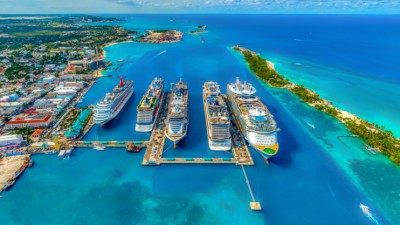
Nassau
A Caribbean capital where history, policy, and island flavor meet.