- LGBTQ+ Friendly
- 9 City Guides
- 1 Likes
- Leave a comment
About Brazil
Brazil overview
Brazil is the largest country in South America and one of the most geographically and culturally varied destinations in the region.
Stretching across much of the continent’s eastern side, it combines enormous cities, iconic beaches, tropical rainforest, wetlands, colonial towns, and dramatic interior landscapes.
For travelers, that means Brazil can feel like several different trips in one: a classic urban escape, a nature-focused adventure, a beach holiday, or a deep dive into music, food, and street life.
Its scale is part of the appeal, but it also means that trip planning matters, especially if you want to combine more than one region.
For LGBTQ+ travelers, Brazil is often attractive because of its major cosmopolitan centers, visible queer culture in some urban neighborhoods, and a strong tradition of nightlife, music, and public celebration.
At the same time, experiences can vary widely by city, neighborhood, and setting.
As in any large country, it is wise to travel with situational awareness and to rely on current local information rather than assumptions based on one destination alone.
What Brazil is like
Brazil’s identity is shaped by its Portuguese colonial history, Indigenous heritage, African diasporic influences, and large immigrant communities.
That blend is visible in the country’s languages, faiths, music, cuisine, and festivals.
Portuguese is the national language, and Brazil has the most Portuguese speakers in the world, so even in very international destinations, basic Portuguese phrases can be helpful.
The country is a federation of 26 states plus the Federal District, and the distance between major destinations can be vast, so domestic flights are often the most practical way to move between regions.
The atmosphere in Brazil can be intensely social and expressive.
Music and dance are central to everyday life, from samba and bossa nova to forró, funk, and countless local styles.
Festivals, stadium culture, beachgoing, and late-night dining are all part of the travel experience.
The country’s large cities can be fast-paced and sprawling, while smaller towns and rural regions often move at a more relaxed pace.
That contrast is one of Brazil’s defining characteristics and one reason visitors return to explore beyond the obvious highlights.
Geography and signature landscapes
Brazil’s geography is a major part of its travel appeal.
The Amazon Basin covers much of the north, offering rainforest, river systems, and biodiversity that are central to the country’s global image.
In the west, the Pantanal is one of the world’s great wetlands and a leading destination for wildlife viewing.
Along the Atlantic coast, travelers find long beaches, surf towns, island escapes, and major metropolitan shorelines.
Inland, Brazil also has highlands, waterfalls, and historic mining towns that provide a completely different experience from the coast.
This variety makes Brazil especially attractive to travelers who want to combine city time with nature.
It is possible to pair Rio de Janeiro’s urban coastline with a rainforest or island extension, or to move from São Paulo’s contemporary city culture to nearby mountain retreats and colonial heritage areas.
Because distances are so large, however, it helps to think regionally rather than trying to cover the whole country in one short visit.
Major destinations
Rio de Janeiro is one of Brazil’s best-known destinations and remains a major draw for first-time visitors.
Its setting between mountains and sea is exceptionally dramatic, and the city offers famous beaches, striking viewpoints, cultural institutions, and a world-renowned social scene.
São Paulo, the country’s largest city, is Brazil’s commercial and cultural powerhouse.
It is especially appealing to travelers interested in museums, dining, architecture, nightlife, and a more urban, global atmosphere.
Brasília, the capital, is distinctive for its modernist city planning and architecture and offers a different perspective on the country’s identity.
Beyond the marquee cities, Salvador is important for its Afro-Brazilian culture, historic architecture, music, and religious traditions.
In the south and southeast, towns and cities can offer strong food culture, European-influenced heritage, and easier access to inland scenery.
For nature-focused travelers, the Amazon region and the Pantanal are among Brazil’s most distinctive destinations, while the Atlantic coast offers countless beach options ranging from lively resort areas to quieter stretches of sand.
Food and drink
Brazilian cuisine is regional, generous, and deeply tied to local ingredients.
A traveler will quickly encounter dishes centered on rice, beans, grilled meats, tropical fruit, seafood, cassava, and corn, with local variations from state to state.
Feijoada, a hearty bean-and-meat stew, is one of the country’s most famous dishes, but it represents only a small part of Brazil’s food scene.
In coastal regions, seafood is common; in the north, Amazonian ingredients and river fish play a larger role; and in the south, churrasco and other meat traditions are especially prominent.
Food culture in Brazil is also social and unhurried.
Meals can run long, snacks are a serious category of their own, and cafés, bakeries, and casual dining spots are important parts of daily life.
For many travelers, exploring Brazil through food is one of the easiest ways to understand its regional diversity.
It is also a good way to experience neighborhoods beyond the main tourist circuit.
Why Brazil stands out
What makes Brazil distinctive is the combination of scale, energy, and variety.
Few countries can offer such a strong mix of tropical nature, huge cities, beach culture, historical depth, and cultural intensity in one trip.
It is a destination that rewards curiosity: the more time you have, the more clearly the regional differences emerge.
For LGBTQ+ travelers, that can mean everything from cosmopolitan nightlife and arts scenes to quieter, more local experiences shaped by neighborhood and region.
Brazil is not a single travel story, but a country of many overlapping ones, and that richness is exactly what makes it such a compelling place to visit.
LGBTQ+ Overview
LGBTQ+ overview
Brazil is one of the more legally protective destinations in Latin America for LGBTQ+ travelers, but the on-the-ground experience can vary sharply by region, neighborhood, and personal circumstances. Large cities such as São Paulo and Rio de Janeiro generally offer the most visible queer nightlife, community spaces, and day-to-day openness, while more conservative areas can feel less comfortable or more discreet. For travelers, the key reality is that Brazil combines strong formal legal protections with uneven social acceptance and a persistent background of violence that can still affect LGBTQ+ people, especially transgender people and those who are visibly queer.
Same-sex sexual activity is legal, and same-sex marriage has been recognized in Brazil since 2013. Brazil also has notable national-level protections in the civil sphere: discrimination based on sexual orientation and gender identity has been treated as unlawful under Brazilian constitutional and anti-discrimination jurisprudence, and transgender people can change their legal name and gender marker through administrative procedures rather than forced surgery. These legal advances make Brazil broadly safer than many countries for LGBTQ+ travelers from a rights perspective, but they do not eliminate everyday risk, and the quality of enforcement can be inconsistent.
Social attitudes are mixed. In urban centers, particularly in the south and southeast, visitors will often find relatively open queer scenes and a normalizing level of visibility in hotels, restaurants, and entertainment districts. At the same time, Brazil remains socially polarized, and conservative religion, machismo, and political hostility toward LGBTQ+ rights remain influential in some communities. Travelers may encounter staring, intrusive questions, unwanted attention, or harassment, especially if they present in a gender-nonconforming way or are traveling as a same-sex couple in places with less cosmopolitan norms. Public affection is usually most comfortable in major-city queer venues and busy tourist areas; elsewhere, a more cautious, situational approach is often sensible.
Common traveler risks are less about formal legal restrictions and more about personal safety. Street crime is a concern in many Brazilian cities, and LGBTQ+ travelers can be at added risk if they are targeted after meeting someone through dating apps, leaving nightlife areas alone late at night, or traveling in poorly lit or isolated places. Trans travelers may face greater scrutiny in bathrooms, at hotels, or from police and security staff if documentation does not align with appearance, even though the law is more protective than the lived experience. As in many countries, it is wise to share accommodations cautiously, use reputable transport at night, avoid displaying expensive belongings, and plan dates or meetups in public places until trust is established.
Support resources exist, but they are unevenly distributed. In major cities, travelers can usually find LGBTQ+-friendly bars, hotels, and health services, and local Pride events can be useful indicators of community presence. Brazil also has national civil-society networks and activism with significant historical visibility, but travelers should not assume a single nationwide emergency service specifically dedicated to LGBTQ+ visitors. In an urgent situation, the most practical support is often through local emergency services, your embassy or consulate, hotel staff, or a trusted local contact. If you need health care, seek out reputable private clinics or hospital systems in major urban areas, and carry travel insurance that covers gender-affirming or mental health care if relevant to your needs.
The overall trajectory in Brazil has been toward stronger formal rights, especially over the last two decades, with milestone advances in marriage recognition and trans legal documentation. However, progress in law has not fully translated into consistent safety or social equality. For travelers, that means Brazil is not a destination to avoid, but it is a place where preparation matters. Urban queer travelers usually experience Brazil as welcoming enough to enjoy openly, while those who are visibly queer, trans, or traveling outside major city corridors should expect a more variable environment and should plan with extra care.
For a broad country reference, see Brazil.
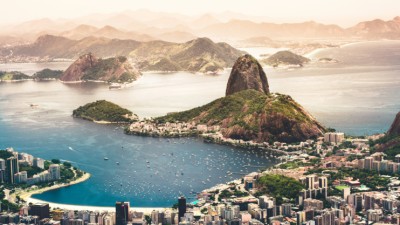
Rio de Janeiro
Beach days, bold nights, and a skyline that never stays quiet.
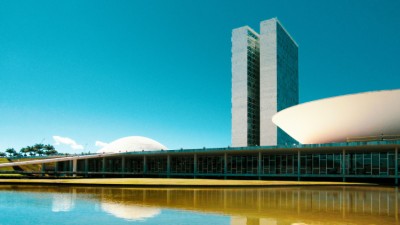
Brasília
Where bold design meets a calm urban rhythm.

Curitiba
A cool-weather city break with culture, walkable history, and an easy base for working on the road.
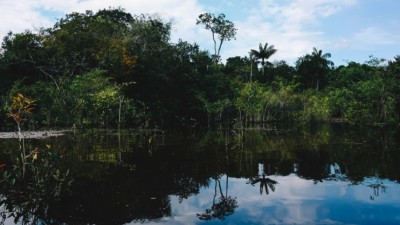
Manaus
Where riverfront culture meets rainforest adventure

Fortaleza
Where beach life meets urban culture and a wider Brazilian story.
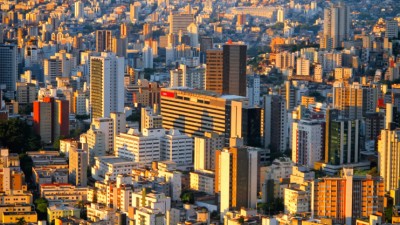
Belo Horizonte
A welcoming stop where urban rhythm meets thoughtful travel.
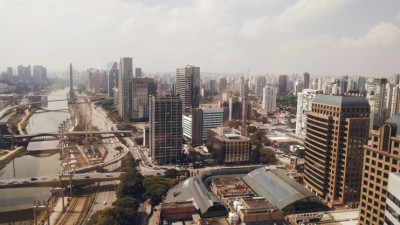
São Paulo
Where culture, nightlife, and community meet at full volume.
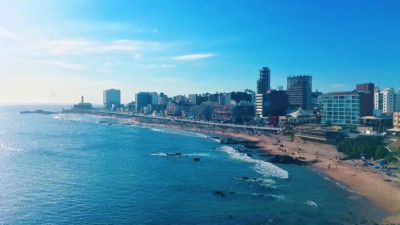
Salvador
Where history, sea views, and celebration meet
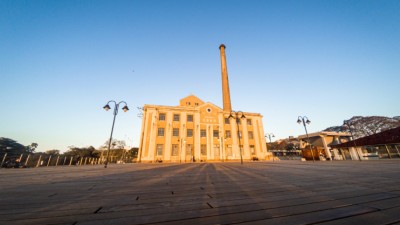
Porto Alegre
A welcoming stop where culture, city life, and great food meet.