About Fortaleza
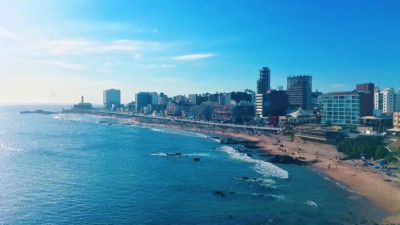
Located in the northeastern state of Ceará, Fortaleza is renowned for its stunning beaches, rich culture, and increasingly visible LGBTQ+ community.
The city has become a notable hub for LGBTQ+ tourism in Brazil, offering a welcoming atmosphere supported by local businesses and events.Fortaleza hosts one of the largest Pride parades in the northeastern region of Brazil, drawing thousands of participants and visitors each year.
This event not only celebrates diversity but also promotes awareness and acceptance within the broader community.
The city's LGBTQ+ scene is centered around neighborhoods such as Meireles and Praia de Iracema, where bars, clubs, and cultural spaces cater to a diverse clientele.While Fortaleza may not have the same scale of LGBTQ+ infrastructure as São Paulo or Rio de Janeiro, its growing visibility and commitment to inclusivity make it a significant destination for travelers seeking both relaxation and a vibrant queer-friendly environment.
The blend of natural beauty and cultural openness creates a unique setting for LGBTQ+ visitors to enjoy a peaceful yet engaging experience.
Our Review
As a relaxation-focused traveler and journalist, I find Fortaleza, Brazil, to be a compelling destination that balances vibrant urban life with serene coastal retreats.
Located in the northeastern state of Ceará, Fortaleza is renowned for its stunning beaches, rich culture, and increasingly visible LGBTQ+ community.
The city has become a notable hub for LGBTQ+ tourism in Brazil, offering a welcoming atmosphere supported by local businesses and events.
Fortaleza hosts one of the largest Pride parades in the northeastern region of Brazil, drawing thousands of participants and visitors each year.
This event not only celebrates diversity but also promotes awareness and acceptance within the broader community.
The city's LGBTQ+ scene is centered around neighborhoods such as Meireles and Praia de Iracema, where bars, clubs, and cultural spaces cater to a diverse clientele.
While Fortaleza may not have the same scale of LGBTQ+ infrastructure as São Paulo or Rio de Janeiro, its growing visibility and commitment to inclusivity make it a significant destination for travelers seeking both relaxation and a vibrant queer-friendly environment.
The blend of natural beauty and cultural openness creates a unique setting for LGBTQ+ visitors to enjoy a peaceful yet engaging experience.
Social Acceptance in Fortaleza
Fortaleza, the capital of Ceará state in northeastern Brazil, is a city with a growing LGBTQ+ presence and increasing visibility.
Brazil legalized same-sex marriage nationwide in 2013, and Fortaleza reflects this progress with an active LGBTQ+ community and annual pride events.
However, societal attitudes can vary significantly across different parts of the city and among different social groups.
While Fortaleza is generally more open than some smaller towns in the region, it remains more conservative compared to larger Brazilian metropolises like São Paulo or Rio de Janeiro.
Public displays of affection between same-sex couples may still attract unwanted attention, especially outside tourist-centric areas and in more traditional neighborhoods.
Visitors should be mindful of local cultural norms and exercise discretion accordingly.
Key LGBTQ+ Organizations and Support Groups
Fortaleza, the capital of Ceará state in Brazil, hosts several established organizations dedicated to supporting the LGBTQ+ community.
One of the most prominent is the Grupo de Resistência Asa Branca (GRAB), founded in 1989.
GRAB focuses on human rights advocacy, HIV/AIDS prevention, and social support initiatives tailored to LGBTQ+ individuals.
Their longstanding presence has made them a cornerstone of Fortaleza's LGBTQ+ activism and support network.
Another important institution is the Ithaca Institute, which provides educational programs on LGBTQ+ rights, gender equality, and sexual health.
Their outreach efforts contribute significantly to raising awareness and fostering inclusivity within the local community.
Annual LGBTQ+ Events in Fortaleza
Fortaleza, the capital of Ceará state in northeastern Brazil, hosts several notable LGBTQ+ events that contribute to the visibility and celebration of the community.
The most prominent is the Parada pela Diversidade Sexual de Fortaleza (Fortaleza Pride Parade), typically held in June to coincide with global Pride Month.
This event gathers thousands of participants and allies, featuring a vibrant parade along Praia de Iracema, a central beachfront area known for its cultural significance.
The parade combines activism, entertainment, and community engagement, reflecting Fortaleza’s growing commitment to LGBTQ+ rights.
In addition to the Pride Parade, Fortaleza occasionally hosts LGBTQ+ cultural events such as film festivals and art exhibitions, although these are less frequent and tend to be organized by local NGOs and community groups.
These events aim to foster dialogue and promote diversity through various artistic expressions.
Cultural and Social Activities in Fortaleza
Fortaleza, a vibrant city in Brazil's northeast, offers a range of cultural and social activities that can be appreciated from an LGBTQ+ perspective.
While the city is still growing in terms of explicitly LGBTQ+-dedicated cultural spaces, it maintains a welcoming atmosphere through its theaters, museums, art galleries, and community organizations.
Theaters
The Teatro José de Alencar is one of Fortaleza's most iconic cultural landmarks.
Known for its beautiful Art Nouveau architecture, the theater hosts a variety of performances including plays, concerts, and dance shows.
Although it is not exclusively LGBTQ+ focused, the theater is recognized for its inclusive environment and diverse programming, making it a valuable cultural venue for LGBTQ+ visitors seeking artistic experiences.
Museums
The Museu do Ceará provides insight into the history and culture of the Ceará region.
While it does not have specific LGBTQ+ exhibitions, it offers context on social movements and cultural diversity that contribute to understanding the broader cultural fabric of Fortaleza.
This museum can be a meaningful stop for visitors interested in the historical and social background of the area.
Art Galleries and Cultural Centers
The Centro Dragão do Mar de Arte e Cultura is a major cultural complex in Fortaleza, featuring art galleries, a cinema, and performance spaces.
It regularly hosts exhibitions and events that celebrate diversity and creativity.
Although not exclusively LGBTQ+ oriented, the center is known for its openness and support of inclusive cultural expression, making it a welcoming space for LGBTQ+ travelers interested in contemporary art and cultural events.
LGBTQ+ Specific Tours and Historical Landmarks
Currently, Fortaleza does not have widely publicized LGBTQ+-specific tours or historical landmarks.
However, local organizations such as the Grupo de Resistência Asa Branca (GRAB) play an important role in advocating for LGBTQ+ rights and visibility.
GRAB organizes events and educational activities that highlight the community's history and ongoing efforts for equality.
Notable LGBTQ+ Figures and Influencers
Among notable LGBTQ+ personalities from Fortaleza is Thaynara Gomes, a drag queen and social media influencer who has contributed significantly to increasing visibility and acceptance of LGBTQ+ people in the region.
Figures like Thaynara help foster a sense of community and inspire cultural engagement.
In conclusion, Fortaleza offers a culturally rich environment with inclusive theaters, museums, and cultural centers.
While LGBTQ+-specific cultural activities are still developing, community organizations and influential figures contribute to a welcoming atmosphere.
For LGBTQ+ travelers seeking relaxation combined with cultural enrichment, Fortaleza provides meaningful opportunities to engage with local arts and social movements.
Dining in Fortaleza: LGBTQ+ Friendly Options
Fortaleza, the capital of Ceará state in Brazil, offers a diverse culinary scene that is generally welcoming to LGBTQ+ travelers.
While the city does not have a large number of explicitly LGBTQ+-themed restaurants, many venues are known for their inclusive and respectful atmospheres, especially in popular neighborhoods such as Meireles and Praia de Iracema.
One notable establishment is Santa Grelha, a Brazilian steakhouse chain with a location in Fortaleza.
It is recognized for quality food and a warm, diverse clientele, making it a comfortable dining option for LGBTQ+ visitors seeking traditional Brazilian barbecue in a respectful environment.
Café São Luiz, located in the city center, combines a relaxed café atmosphere with cultural events, including art exhibits and occasional live music.
This venue is appreciated for its welcoming environment and is a good spot for those seeking a calm, inclusive setting.
For contemporary Brazilian cuisine, Varanda Restaurante offers refined dining with attentive service.
While not exclusively LGBTQ+-focused, the restaurant maintains a reputation for professionalism and inclusivity.
Travel Tips for LGBTQ+ Travelers Visiting Fortaleza, Brazil
As an LGBTQ+ traveler seeking both vibrant culture and moments of relaxation, Fortaleza offers a unique blend of lively urban life and serene coastal retreats.
However, navigating the city with awareness of local customs and safety considerations is essential for a positive experience.
Understanding Local Customs
Brazil legalized same-sex marriage nationwide in 2013, and Fortaleza, as a major city in the northeastern state of Ceará, tends to be more progressive than rural areas.
That said, public attitudes can vary, and while many locals are welcoming, discretion with public displays of affection (PDA) is advisable, especially outside tourist zones or at night.
Portuguese is the official language, and learning basic phrases related to greetings and polite conversation can enhance interactions and show respect for local culture.
Dos and Don'ts
- Do choose accommodations known for LGBTQ+ friendliness.
Neighborhoods such as Meireles and Aldeota are popular among travelers for their safety, amenities, and proximity to beaches and nightlife. - Do use registered taxis or ride-hailing apps like Uber, which operate reliably in Fortaleza, especially after dark.
- Do remain vigilant with personal belongings, as petty theft can occur in crowded tourist areas.
- Don't assume all public spaces are LGBTQ+ friendly; assess the environment before engaging in PDA.
- Don't venture alone into poorly lit or isolated areas, particularly at night.
Travel Safety
Fortaleza is generally safe for tourists who take standard precautions.
Staying in well-populated neighborhoods and avoiding risky areas after dark is recommended.
Emergency services can be reached by dialing 190.
When meeting locals or other travelers through dating apps, prioritize public meeting spots and inform a trusted person of your plans.
Connecting with the Local LGBTQ+ Community
Fortaleza has a growing LGBTQ+ scene with venues that welcome diversity.
Notable spots include Sauna Babylon, a gay sauna known for its safe and respectful environment, and Bar do Cebolinha, an LGBTQ+-friendly bar with a lively atmosphere.
The Praia do Futuro beach is also recognized for its inclusive and relaxed vibe.
Engaging with local LGBTQ+ organizations or social media groups can provide updated information on events and safe spaces.
While specific URLs are not provided here, travelers can search for local groups on platforms like Facebook or Instagram to connect before or during their visit.
Final Thoughts
Fortaleza offers a compelling destination for LGBTQ+ travelers who balance exploration with mindfulness.
By respecting local customs, prioritizing personal safety, and seeking out inclusive spaces, visitors can enjoy the city’s cultural richness, beautiful beaches, and opportunities for wellness and relaxation.
As a relaxation-focused LGBTQ+ traveler, I find Fortaleza to be a destination of notable contrasts, blending vibrant urban life with serene coastal retreats.
The city’s strengths lie in its welcoming atmosphere within specific neighborhoods such as Meireles and Aldeota, where LGBTQ+ friendly bars, clubs, and accommodations are increasingly visible.
Praia do Futuro stands out as a spacious and scenic beach offering a relatively safe environment for relaxation and wellness activities.
Fortaleza also benefits from cultural venues like the Centro Dragão do Mar de Arte e Cultura, which provide inclusive spaces to engage with local art and performances, enriching the travel experience beyond typical tourist attractions.
However, challenges remain.
Public displays of affection among LGBTQ+ individuals may still attract unwanted attention in certain areas, so discretion is advisable.
Additionally, Portuguese is the dominant language, and English proficiency outside tourist zones is limited, which can pose communication barriers.
For LGBTQ+ travelers seeking a balance of cultural immersion and peaceful relaxation, I recommend focusing your stay in known LGBTQ+ friendly neighborhoods and accommodations.
Visiting beaches like Praia do Futuro during less crowded times can enhance your wellness experience.
Engaging with cultural hubs such as the Centro Dragão do Mar de Arte e Cultura will deepen your understanding of Fortaleza’s diverse identity.
In summary, Fortaleza offers a rewarding destination for LGBTQ+ visitors who approach it with awareness and respect.
Its combination of natural beauty, cultural vitality, and emerging LGBTQ+ visibility makes it a worthwhile choice for those prioritizing both relaxation and authentic local experiences.