- LGBTQ+ Friendly
- 2 City Guides
- 0 Likes
- Leave a comment
About Cyprus
Overview
Cyprus is an island country in the eastern Mediterranean, sitting south of Turkey and just off the Levant coast.
For travelers, it combines sun-drenched beaches, a long and layered history, mountain scenery, and a strong sense of place that reflects both its Greek and Turkish cultural influences.
It is the third largest and third most populous island in the Mediterranean, and it has been inhabited for more than 11,000 years, which gives even a short visit a remarkable sense of historical depth.
What makes Cyprus especially appealing is how much variety it packs into a relatively compact destination.
You can spend one day exploring ancient archaeological sites, the next walking through cedar forests or mountain villages, and then finish the week on a long stretch of beach.
The island is also known for its climate, with long, sunny seasons and a reputation for around 300 days of sunshine a year, making it a strong choice for travelers who want reliable weather and an easy outdoor holiday.
Culture and character
Cyprus has a distinct identity shaped by centuries of regional trade, conquest, and cultural exchange.
Its location between Europe, the Middle East, and North Africa has left a visible mark on architecture, food, language, and everyday life.
In the southern part of the island, Greek Cypriot culture is especially prominent, while Turkish Cypriot culture is central in the north.
That mix gives the island a layered and sometimes complex character, but it is also part of what makes Cyprus feel so different from other Mediterranean destinations.
For LGBTQ+ travelers, it is useful to understand that Cyprus is not a monolith.
Social attitudes can vary by area and by generation, and travelers may encounter a more relaxed atmosphere in tourist zones than in more traditional settings.
At the same time, legal protections have advanced in recent years: same-sex sexual activity was decriminalized in 1998, civil unions have been legal since December 2015, and conversion therapy was banned in 2023.
As always, discretion and situational awareness remain sensible, especially outside major resort areas.
Landscapes, food, and travel experience
Cyprus offers a striking range of scenery for such a small island.
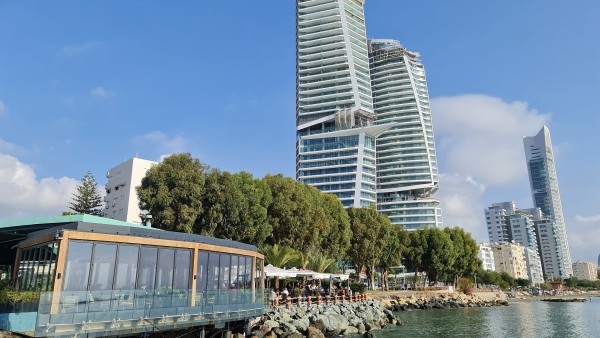
The coast is the main draw for many visitors, with beaches and seaside promenades that support everything from swimming and sunbathing to watersports and relaxed evening walks.
Inland, the island’s mountains and forested areas provide a cooler contrast and are popular for hiking.
The presence of cedar forests and other natural landscapes makes Cyprus more than a beach destination; it can also appeal to travelers who want to combine culture with active travel.
The food culture is another major part of the experience.
Cypriot cuisine reflects the island’s position at a crossroads of cultures, and meals often emphasize fresh, local ingredients, grilled meats, vegetables, olive oil, bread, and shared dishes.
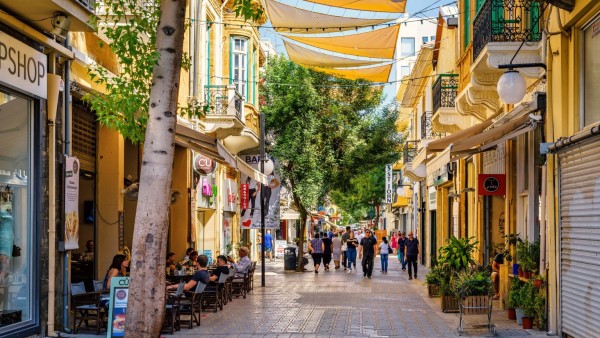
Travelers typically find that dining is social and unhurried, with a strong café and taverna culture.
This makes Cyprus well suited to visitors who enjoy leisurely meals and a warm, hospitable atmosphere as part of their trip.
Key destinations
Many visitors begin in the island’s main urban and resort areas, where beaches, nightlife, restaurants, and practical transport connections are concentrated.
But Cyprus also rewards slower travel.
Archaeological sites are a major attraction and are among the island’s most important reasons to visit, offering a direct link to its ancient past.
Inland villages and mountain routes add a different pace, while coastal towns provide the classic Mediterranean holiday experience.
Because the island is divided by the United Nations Buffer Zone, travelers should be aware that the political geography is unusual and can affect movement and planning.
The internationally recognized Republic of Cyprus covers the southern part of the island, while the north is administered by the Turkish Republic of Northern Cyprus, which is recognized only by Turkey.
This division is part of Cyprus’s modern reality and helps explain the island’s distinct local identities, but visitors should always check practical border-crossing conditions and local rules before traveling between areas.
Why Cyprus stands out
Cyprus stands out for combining three things that are not always easy to find together: serious historical depth, dependable Mediterranean weather, and a relatively easygoing holiday atmosphere.
It can work equally well as a beach destination, a culture trip, or a nature break.
For LGBTQ+ travelers, that versatility is useful because it allows for different styles of travel, from low-key resort stays to more independent exploration.
In short, Cyprus is best understood as an island of contrasts: ancient and modern, coastal and mountainous, relaxed and politically complex.
Travelers who appreciate history, sunshine, and a destination with a strong regional identity will find plenty to enjoy here.
Those looking for an LGBTQ+ trip will also benefit from planning with local context in mind, but may find that the island’s tourism infrastructure and evolving legal landscape make it a practical and rewarding place to visit.
LGBTQ+ Overview
LGBTQ+ Overview
Cyprus is generally a comparatively safe and workable destination for LGBTQ+ travelers by regional standards, especially in urban and resort areas, but it is not a fully friction-free environment. The legal picture has improved substantially in recent years: same-sex sexual activity has been decriminalized since 1998, civil unions have been legal since 2015 and provide many of the rights and benefits associated with marriage, and conversion therapy was banned in 2023. That puts the Republic of Cyprus on a more protective footing than many countries in its broader region, though it still does not offer full marriage equality, and some family and parenthood issues remain more limited than travelers from highly protected countries may expect.
Social attitudes are mixed rather than uniformly welcoming. In the main tourist centers, larger cities, and among younger Cypriots, travelers are more likely to encounter tolerance or quiet acceptance. In smaller communities and more traditional settings, discretion may still be wise, particularly for public displays of affection. Most visitors are unlikely to face serious trouble simply for being LGBTQ+, but the overall experience can vary noticeably by setting, age group, and local context. Same-sex couples should expect that openness is often best received in private or cosmopolitan spaces, while public affection may attract stares, comments, or discomfort even where it would not create a direct safety issue.
For travelers, the main risks are usually social rather than legal: unwanted attention, discomfort in conservative environments, and occasional judgment from staff or bystanders. This is especially relevant if you are traveling beyond the better-known urban and resort areas, or if you are a transgender traveler whose gender expression may draw extra scrutiny in more traditional settings. Standard travel judgment applies: book reputable accommodation, avoid escalating confrontations, and use discretion if a situation begins to feel tense. At the same time, many LGBTQ+ visitors travel through Cyprus without incident, and the country’s improved legal framework means the risk profile is far lower than in places with criminalization or active state hostility.
Support resources are limited compared with major Western European destinations, so travelers should not assume a deep network of readily visible LGBTQ+-specific services everywhere on the island. That makes advance planning important: know your accommodation’s policies, keep digital copies of important documents, and identify general emergency and embassy contacts before arrival. If you need legal, medical, or emergency assistance, the safest approach is to rely first on standard state services and your travel insurance provider, while contacting your embassy or consulate if you encounter a serious problem. Because Cyprus is divided by the United Nations Buffer Zone, travelers should also be aware that conditions, administrative realities, and social norms can differ depending on whether they are in the Republic of Cyprus or the north.
Recent developments have been broadly positive, with the biggest milestone being the conversion therapy ban in 2023, following earlier advances in decriminalization and civil partnerships. That trajectory suggests gradual movement toward greater protection and visibility, even if full equality has not yet been reached. For most LGBTQ+ travelers, Cyprus is best understood as a destination with improving legal safeguards and generally manageable day-to-day risk, paired with a social climate that can still be uneven and context-dependent.