- LGBTQ+ Neutral
- 29 City Guides
- 2 Likes
- Leave a comment
About Italy
Italy for LGBTQ+ Travelers: Overview
Italy is one of Europe’s most iconic destinations, combining a deep historical legacy with highly varied landscapes, strong regional identities, and a travel culture built around food, art, and public life.
Stretching across a peninsula into the Mediterranean and bordered by the Alps to the north, the country also includes nearly 800 islands, including Sicily and Sardinia.
That geography gives Italy unusual variety for a single trip: alpine scenery, dramatic coastlines, inland hill towns, active cities, and island escapes are all part of the same country.
For many travelers, Italy’s appeal is immediate and easy to understand.
It is a place of world-famous museums, Roman ruins, Renaissance architecture, seaside promenades, mountain villages, and long meals centered on regional cooking.
The country’s major cities each offer a different experience.
Rome is the historic and political heart, Milan is a leading fashion and business center, Venice is distinctive for its canals and lagoon setting, Florence is synonymous with art and the Renaissance, and Naples offers a more intense, street-level urban energy alongside access to the south and the islands.
Beyond the headline names, travelers often find that smaller cities and towns are where Italy’s daily rhythm feels most vivid.
Culture, style, and atmosphere
Italy’s culture is shaped by a long history of city-states, regional traditions, and artistic production that still influences everyday life.
Visitors usually notice how much importance is placed on presentation, hospitality, socializing, and food.
The café culture, evening passeggiata, and late dinners in many places make public life feel animated well into the night.
At the same time, the country is not culturally uniform: northern, central, and southern Italy can feel very different in pace, architecture, dialect, and cuisine, and the islands have their own strong identities.
That regional diversity is part of what makes Italy especially rewarding for return visits.
Travelers can move from a metropolis with modern design and nightlife to a rural area where life revolves around seasonal produce and local traditions, then on to a coastal town or island with a completely different mood.
For LGBTQ+ travelers, that variety matters because comfort, visibility, and social attitudes can vary by place and setting.
Large cities and established tourist areas are generally the easiest places to navigate as a visitor, while more traditional small towns may feel more reserved.
As in many countries, a low-key approach in unfamiliar settings can be the most practical choice.
Geography and travel style
Italy’s geography makes it especially well suited to itineraries built around contrasts.
The Alps create a natural northern gateway for skiing, hiking, and scenic rail or road travel, while the Mediterranean climate in many areas supports beach trips, island hopping, and long city breaks in warmer months.
The peninsula’s shape also means that travel can often be planned around train journeys between major cities, with many classic routes connecting cultural centers in relatively manageable distances by European standards.
For travelers seeking a fuller picture of Italy, it helps to think beyond a single “must-see” list.
The country’s appeal lies partly in combining the famous with the everyday: a morning in a major museum, an afternoon wandering historic streets, an evening meal shaped by local ingredients, and, if time allows, a side trip to a coast, lake, or hill town.
This layered quality is one reason Italy remains a perennial favorite for first-time visitors and repeat travelers alike.
Food and regional specialties
Food is one of Italy’s defining travel experiences and a major reason many visitors return.
Italian cuisine is strongly regional, so what you eat in one part of the country may feel quite different from what you find elsewhere.
Pasta, pizza, olive oil, cured meats, seafood, cheeses, and seasonal vegetables all appear in different forms across the country, but the details change from place to place.
In practice, this means travelers can use meals as a way to understand local identity, from northern dishes that may feel richer or more butter-based to southern cooking that often emphasizes tomatoes, seafood, citrus, and the Mediterranean pantry.
For LGBTQ+ travelers, food and nightlife can also be useful entry points into city life, especially in places where the social scene is built around restaurants, aperitivo culture, and late-evening walks rather than a single concentrated entertainment district.
Many visitors find that simply being present in the ordinary rhythms of the city is part of the experience.
Key destinations and what they offer
Rome is the most obvious starting point for history, with layers of ancient, medieval, papal, and modern Italy visible in a single city.
Florence is the essential stop for Renaissance art and architecture, while Venice offers a travel experience unlike any other major European city because of its canals, bridges, and lagoon setting.
Milan is often chosen for design, fashion, shopping, and contemporary urban energy, while Naples provides access to southern Italian culture, a famous food scene, and nearby archaeological and coastal destinations.
Turin, Bologna, Verona, and other cities also reward travelers who want a less obvious but still distinctly Italian trip.
Outside the cities, the country’s islands and coastal areas are major draws, especially in warmer months.
Sicily and Sardinia stand out for their scale, landscapes, and strong local character.
Lakes in the north, alpine towns, and smaller historic centers across the interior add another layer of variety.
Italy is also notable for how closely major tourism and everyday life often overlap: in many places, the same streets that attract visitors are still active centers of local commerce, dining, and social life.
Why Italy stands out for LGBTQ+ travelers
Italy’s distinctive travel appeal lies in the combination of style, history, beauty, and regional difference.
It is not just a country of monuments; it is a place where public space, food, design, and landscape all contribute to the travel experience.
For LGBTQ+ travelers, the most practical approach is to enjoy the country’s openness as a visitor while staying aware that social attitudes can vary considerably between urban and rural settings.
Major cities and busy tourist areas are typically the most straightforward places to explore, while quieter towns may be more conservative.
What makes Italy especially memorable is the sense that almost every journey becomes a mix of culture and atmosphere.
You may come for art, architecture, or cuisine, but you stay for the daily pleasures: a long lunch, a walk through a historic piazza, a sunset over the water, or a train ride that reveals just how diverse the country is from region to region.
For many travelers, Italy is not only a classic destination but a deeply layered one, with enough variety to support both a first visit and many return trips.
LGBTQ+ Overview
LGBTQ+ overview
Italy is generally a manageable destination for LGBTQ+ travelers, but it is not among Europe’s most protective or consistently welcoming countries. The legal framework provides some important protections, yet social attitudes vary sharply by region, age group, and setting. In larger cities and well-trafficked tourist areas, many LGBTQ+ visitors experience ordinary, low-friction travel. In smaller towns, more conservative settings, and some family-oriented or religious contexts, discretion can still be useful.
Same-sex sexual activity has long been legal in Italy, and discrimination protections exist in some areas, but the country does not offer full equality across family law and gender recognition. Same-sex couples do not have the same legal status as married different-sex couples, and parental rights and adoption remain limited compared with the most LGBTQ+-affirming European countries. Transgender travelers should be aware that legal and administrative processes can be more cumbersome than in jurisdictions with modern self-determination models. For most tourists, these issues are not directly disruptive, but they do shape the broader climate.
Social climate
Travel experience in Italy is highly location-dependent. Milan, Rome, Bologna, Turin, Florence, and many coastal or resort areas tend to be more visibly LGBTQ+ friendly, especially in hospitality, nightlife, and international tourism contexts. By contrast, more conservative attitudes are still common in parts of the country, particularly outside major urban centers. Public displays of affection may draw attention even where they are unlikely to escalate, so same-sex couples often choose to gauge the setting rather than assume the same comfort level they might find in northern Europe.
That said, Italy is a popular international destination with a large tourism sector, so LGBTQ+ travelers are not unusual in many mainstream hotels, restaurants, museums, and transport hubs. Professional service standards in tourist areas are often good, but friendliness can coexist with traditional social attitudes. Travelers should not assume that casual acceptance in a business setting necessarily reflects broader social support.
Common traveler risks
The most common risk is not severe legal danger but uneven social acceptance. The main concerns are harassment, rude comments, stares, or discomfort in more traditional environments. Open same-sex affection may attract unwanted attention more often in conservative neighborhoods, on local transit, or in small towns than in cosmopolitan centers. For trans travelers, misgendering or confusion over documents can occasionally create stress in hotels, transport, or other identity-check situations.
Violent incidents are not the norm for LGBTQ+ visitors, but travelers should still use standard urban precautions at night, especially in nightlife districts or when meeting people through dating apps. As in many destinations, app-based meetups should be approached carefully, with attention to location, consent, and personal security. Public cruising or sexual activity in public spaces can also carry ordinary legal and safety risks regardless of orientation or gender identity.
Support resources and practical planning
For travelers who want a smoother trip, it is wise to stay in internationally oriented hotels, choose central neighborhoods, and rely on established venues and mainstream attractions rather than isolated or opaque settings. In major cities, it is usually possible to find LGBTQ+-friendly accommodations, bars, and community spaces, but the source pack provided for this guide does not identify specific venues or organizations, so travelers should verify current options through up-to-date local listings before departure.
Because legal recognition and protections are uneven, travelers should keep identity documents consistent and accessible, especially if they use a name or gender marker different from the one on their passport. If traveling with a partner, carrying documentation for shared bookings, insurance, or next-of-kin arrangements can reduce friction in emergencies. For anyone with specific concerns, checking current country reporting from reputable equality-monitoring organizations before travel is sensible, since local conditions can shift with politics and court decisions.
Recent trajectory
Italy’s overall direction has been gradual rather than dramatic. Protections have expanded in some areas over time, but progress has been uneven and political debate remains lively. Recent years have generally shown continued visibility for LGBTQ+ life in major cities and tourism centers, alongside persistent gaps in family recognition and broader social consensus. For travelers, that means Italy is usually practical and often comfortable, but still not a place where one should assume uniformly strong protections or universally progressive attitudes.
In short, Italy is best approached as a country where LGBTQ+ travelers can usually travel safely and with confidence if they use normal urban awareness and choose their settings thoughtfully. The legal environment is better than in many parts of the world, but social experiences can range from warmly welcoming to merely tolerant, depending on where you are and how publicly you present as LGBTQ+.
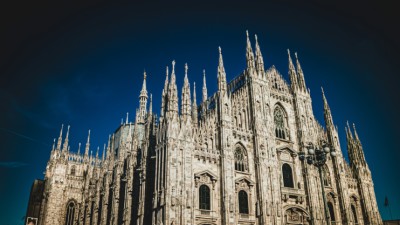
Milan
Culture, calm, and inclusive city energy in one elegant escape.
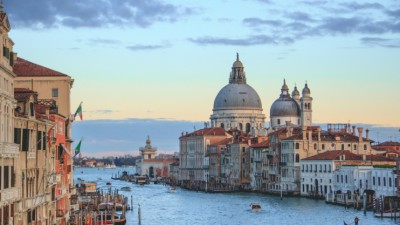
Venice
Canals, culture, and a welcoming eye on history.
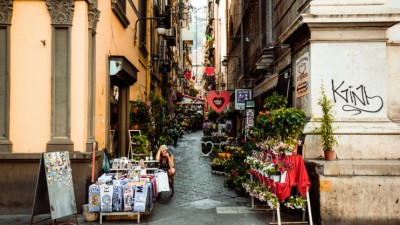
Naples
Where heritage, sea views, and inclusive travel meet.
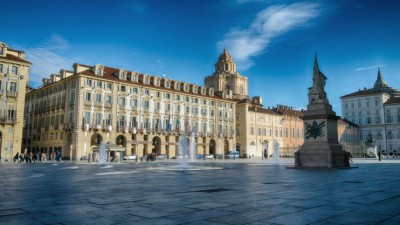
Turin
Grand boulevards, alpine air, and a relaxed city break with inclusive energy.
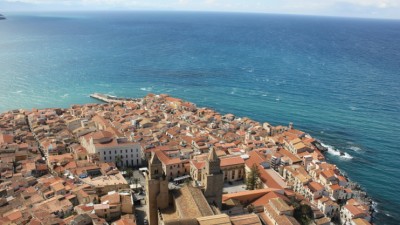
Palermo
Ancient streets, coastal calm, and a welcoming base for mindful city breaks.

Rome
History, heritage, and visibility in one timeless journey.
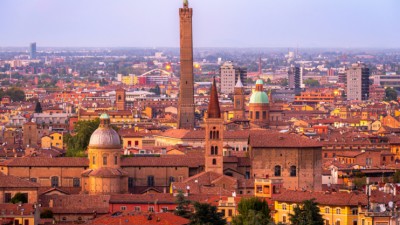
Bologna
Where academic heritage meets lively nights and open-minded energy.
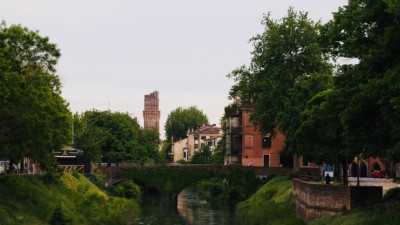
Padova
Walk ancient streets, read the city’s layers, and travel with ease.
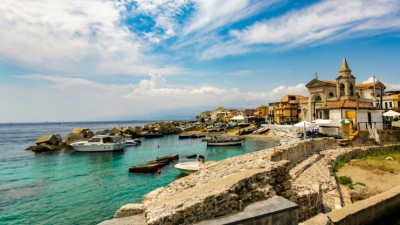
Messina
Where sea passages meet city culture and contemporary inclusion.
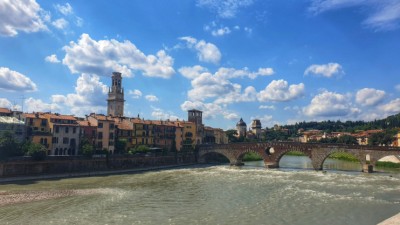
Verona
Roman stones, refined stays, and a quietly evolving welcome
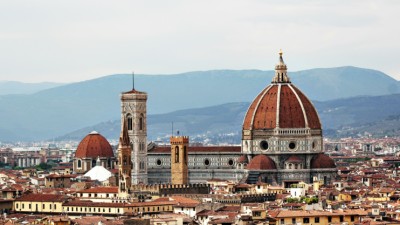
Florence
Where art, heritage, and inclusive travel meet
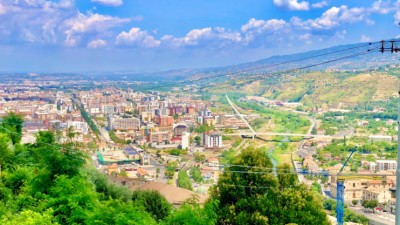
Cosenza
Historic streets, local energy, and a broader Italian context.
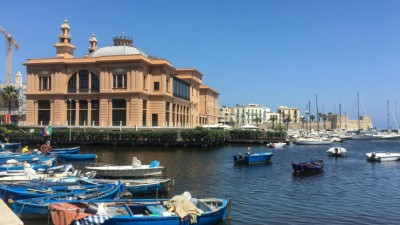
Bari
Where the sea breeze meets a welcoming city break.

Catania
Volcanic views, urban culture, and a slower-footprint way to explore
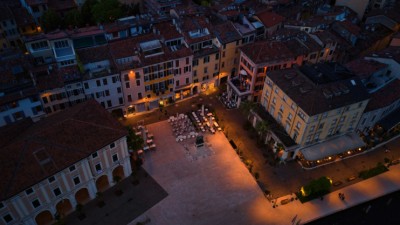
Brescia
Historic streets, living traditions, and a welcoming regional base.

Reggio di Calabria
Where sea views, history, and easy onward journeys meet.
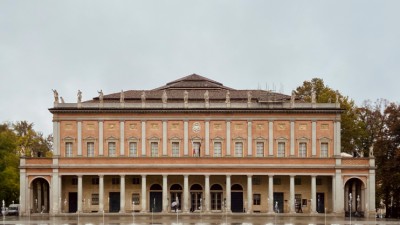
Reggio Emilia
A walkable Emilian city with culture, context, and a strong base for exploring northern Italy.

Trieste
Where grand cafés meet sea breezes and inclusive travel feels effortless

Perugia
History, nightlife, and a welcoming Italian escape.

Ravenna
History in every stone, welcome in every street.
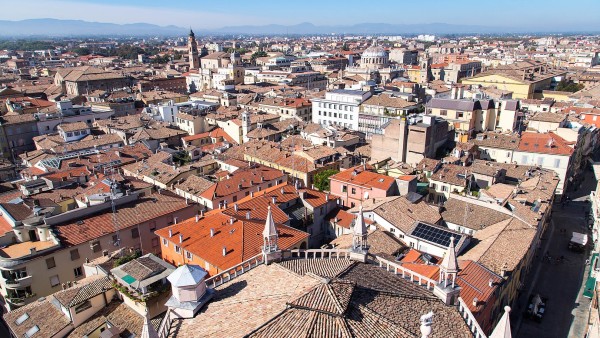
Parma
Where heritage, cuisine, and inclusion meet
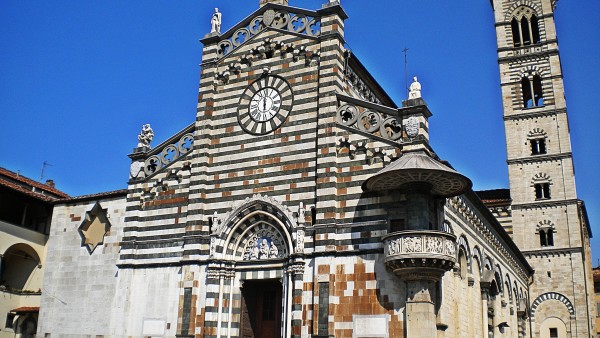
Prato
A walkable Tuscan base where heritage, proximity, and open-minded travel meet.
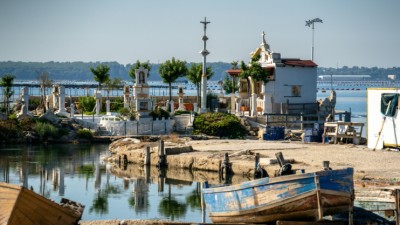
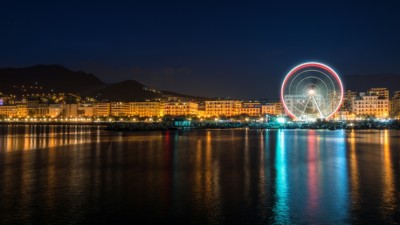
Salerno
Where history, the sea, and inclusion meet.
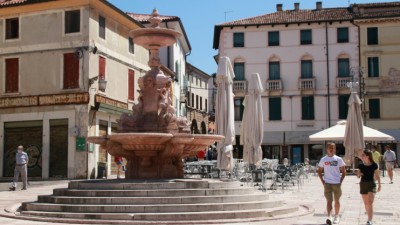
Vicenza
Art, architecture, and a relaxed urban rhythm for curious explorers.
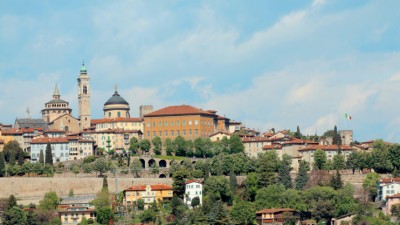
Bergamo
Historic streets, thoughtful travel, and a wider view of inclusion.
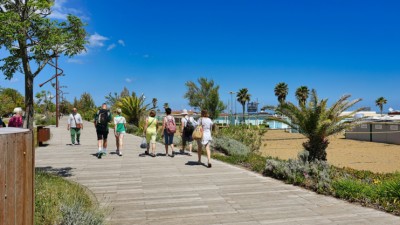
Rimini
Sea, sun, and a thoughtful welcome on the Adriatic coast.
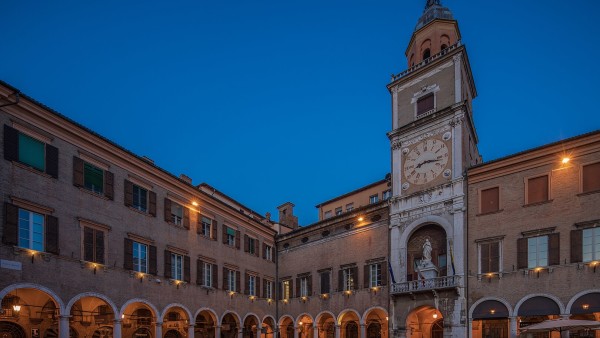
Modena
Where Romanesque beauty meets a practical base for exploring Emilia-Romagna.