About Rome
As Italy’s capital and largest city, Rome is not only a central hub of government and heritage, but also a place where questions of identity, rights, and public visibility sit within a wider national conversation.
For LGBTQ+ travellers, that makes the city significant not because it is defined by one single scene, but because it reflects both Italy’s broader progress on LGBTQ+ rights and the realities of urban life in a major European capital.From a travel perspective, Rome’s appeal is inseparable from its landmarks and institutions: the ancient city, the Vatican City enclave, and the layers of art, architecture, and civic history that shape the urban landscape.
That same historic density also gives the city meaning for LGBTQ+ visitors, who may come here not only for sightseeing but also to experience a capital where public discourse, culture, and rights have evolved alongside each other.
Nationally, LGBTQ+ rights in Italy have advanced significantly in the 21st century, even as challenges remain; Rome, as the administrative centre of the country, is part of that wider context.For visitors looking for LGBTQ+ visibility, one of the most notable annual events associated with the city is Rome Pride, which reflects the presence and persistence of LGBTQ+ communities in the capital.
Beyond events, Rome’s significance also lies in its role as a place where cultural tourism and civic identity meet: museums, historic districts, and major public spaces offer a setting in which travellers can engage with the city on both a cultural and social level.In practical terms, I see Rome as a destination best understood through contrast: ancient and modern, ceremonial and everyday, deeply traditional yet politically engaged.
For LGBTQ+ travellers, that makes it a destination worth approaching with curiosity and context, especially if the goal is to understand how one of Europe’s great cities fits into the ongoing story of visibility and inclusion in Italy.
Our Review
As I approach Rome, I am reminded that few cities combine historical weight, political symbolism, and cultural depth as strongly as this one.
As Italy’s capital and largest city, Rome is not only a central hub of government and heritage, but also a place where questions of identity, rights, and public visibility sit within a wider national conversation.
For LGBTQ+ travellers, that makes the city significant not because it is defined by one single scene, but because it reflects both Italy’s broader progress on LGBTQ+ rights and the realities of urban life in a major European capital.
From a travel perspective, Rome’s appeal is inseparable from its landmarks and institutions: the ancient city, the Vatican City enclave, and the layers of art, architecture, and civic history that shape the urban landscape.
That same historic density also gives the city meaning for LGBTQ+ visitors, who may come here not only for sightseeing but also to experience a capital where public discourse, culture, and rights have evolved alongside each other.
Nationally, LGBTQ+ rights in Italy have advanced significantly in the 21st century, even as challenges remain; Rome, as the administrative centre of the country, is part of that wider context.
For visitors looking for LGBTQ+ visibility, one of the most notable annual events associated with the city is Rome Pride, which reflects the presence and persistence of LGBTQ+ communities in the capital.
Beyond events, Rome’s significance also lies in its role as a place where cultural tourism and civic identity meet: museums, historic districts, and major public spaces offer a setting in which travellers can engage with the city on both a cultural and social level.
In practical terms, I see Rome as a destination best understood through contrast: ancient and modern, ceremonial and everyday, deeply traditional yet politically engaged.
For LGBTQ+ travellers, that makes it a destination worth approaching with curiosity and context, especially if the goal is to understand how one of Europe’s great cities fits into the ongoing story of visibility and inclusion in Italy.
Events and Nightlife
Events and Nightlife in Rome, Italy: an LGBTQ+ perspective
When I look at Rome from an LGBTQ+ travel perspective, I see a city where visibility is shaped less by a single nightlife district and more by the intersection of a large capital-city social scene, national politics, and major public events.
Rome is Italy’s capital and largest city, and Italy has made significant legal advances on LGBTQ+ rights in the 21st century, while public opinion has also become more liberal over time.
At the same time, challenges and uneven attitudes remain part of the broader context.
That combination matters when I assess the city’s events calendar and evening scene.
Annual LGBTQ+ events
The clearest recurring LGBTQ+ event in Rome is Rome Pride.
It is the city’s main Pride march and parade, and it is the most visible annual expression of LGBTQ+ presence in the capital.
In practical terms, Pride is not just a celebratory event; it is also an important public demonstration of community visibility in a city that is simultaneously Italy’s political center and one of its most symbolically charged urban spaces.
For LGBTQ+ travelers, Rome Pride is the most relevant time of year to experience the city’s community life directly.
Beyond Pride itself, Rome also hosts broader citywide cultural events that can be relevant to LGBTQ+ travelers because they bring large, diverse crowds into the streets and cultural institutions.
One example is Notte Bianca (White Night), which takes place in early to mid-September and features events until dawn, with shops and restaurants open and museums staging music, dance, and theater programs.
While Notte Bianca is not an LGBTQ+-specific event, its scale and open, festive atmosphere make it part of the city’s cultural rhythm and an occasion when Rome feels especially public, social, and inclusive in a general sense.
Another major summer cultural event is opera at the Baths of Caracalla.
Again, this is not an LGBTQ+-specific gathering, but it is a landmark Roman cultural experience that reflects the city’s strong tradition of arts and performance.
For me, it is relevant because LGBTQ+ travelers often look for evenings that combine culture, atmosphere, and social life rather than only clubbing, and this is one of Rome’s most distinctive options.
LGBTQ+ nightlife: what to expect
Rome’s LGBTQ+ nightlife exists within a large and varied capital-city environment rather than a compact, internationally branded queer district.
Because the city is extensive and its social attitudes vary by area, nightlife is best understood as a mix of bars, clubs, and mixed social venues rather than a single concentrated scene.
In objective terms, that means I would not describe Rome as a city defined by one obvious LGBTQ+ quarter; instead, I would describe it as a city where LGBTQ+ people participate in broader urban nightlife alongside community-specific spaces.
For LGBTQ+ travelers, that has two practical implications.
First, Rome can feel comfortable in many central and busy parts of the city, where the atmosphere is more cosmopolitan and visitor-oriented.
Second, it is still wise to read the room: public attitudes can be more conservative in some settings, so nightlife choices should be made with awareness of venue type, neighborhood, and context.
This is especially relevant for visitors who are considering public displays of affection or late-night movement across the city.
Choosing venues
Because I am limited to verified information, I won’t name specific bars or clubs unless they are supported by the source material I have been given.
What I can say, based on reliable city-level context, is that LGBTQ+ travelers in Rome are most likely to find comfortable evening spaces in central, well-trafficked, and internationally oriented areas.
In a city as large and layered as Rome, those settings generally provide the most predictable environment for going out.
For travelers who prefer cultural evenings to club nights, Rome is especially strong.
The city’s museums, historic sites, seasonal performances, and public festivals create a nightlife-adjacent scene that is as much about culture as it is about dancing or drinking.
That balance suits Rome well, because its LGBTQ+ appeal is tied not only to bars and clubs but also to the broader experience of participating in a historic, highly visited capital.
Practical assessment
My overall reading is that Rome offers LGBTQ+ travelers a nightlife scene that is usable, culturally rich, and embedded in a broader urban setting rather than built around a single queer entertainment strip.
The annual Pride march is the most important LGBTQ+ event in the city, while citywide cultural festivals such as Notte Bianca and summer opera at the Baths of Caracalla add to Rome’s evening life.
For nightlife, the key is to focus on central, busy areas and to choose venues with the understanding that Rome’s social climate is mixed rather than uniform.
In short, Rome is not a city where I would expect nightlife to be reduced to one easy formula.
It is better understood as a capital where LGBTQ+ visibility is real, where annual events matter, and where the night scene is most rewarding when approached with cultural curiosity and situational awareness.
Cultural and Social Activities
As I explore Rome from an LGBTQ+ point of view, I find that the city’s cultural life matters as much as its monuments.
Rome is not only Italy’s capital and largest city; it is also a place where history, religion, art, and public life intersect in ways that shape how LGBTQ+ visitors experience the city.
Because Rome is a major international destination and a long-established cultural centre, many of its most rewarding experiences are not limited to explicitly LGBTQ+ venues but are instead found in museums, theatres, galleries, and public spaces where the city’s broader identity is on display.
From a social and cultural perspective, I would describe Rome as a city best approached through its institutions and its public atmosphere.
The city’s large scale and global visibility mean that major museums, performance spaces, and heritage sites are central to the visitor experience.
At the same time, Italy’s broader legal and social progress on LGBTQ+ rights provides an important backdrop: same-sex sexual activity has been legal for a long time, and rights have advanced significantly in the 21st century, although challenges remain and public opinion, while increasingly liberal, is not uniform across society.
In practical terms, this means that LGBTQ+ travelers can expect a city where visibility is possible, but where context still matters.
Museums, galleries, and the city’s artistic identity
Rome’s museum and gallery landscape is one of the strongest reasons to visit the city, and it is especially relevant for a culturally minded LGBTQ+ traveler.
I see the city’s artistic institutions as important spaces because they offer ways to engage with Rome’s history beyond the well-known landmarks.
The city’s reputation as a centre of art and culture is inseparable from its Roman, Renaissance, and modern layers, and these institutions allow visitors to read the city through architecture, sculpture, painting, and archaeology.
Rome’s major museums and galleries are not LGBTQ+-specific, but they are highly relevant to LGBTQ+ visitors because they form part of the city’s cosmopolitan cultural life.
In a city as internationally visited as Rome, these spaces are generally where I would expect the broadest mix of audiences and the most open, public-facing cultural exchange.
For travellers who value art history, the city’s museums are among the most reliable places to experience Rome’s intellectual and aesthetic character in a setting that is public, established, and accessible.
Theatre and performance culture
Rome’s theatrical and performance traditions also shape its LGBTQ+ appeal.
The city is known for major cultural institutions and for public events that extend nightlife into the arts.
From an analytical standpoint, this matters because it broadens the meaning of social life in Rome: evenings are not only about bars or clubs, but also about opera, theatre, and large-scale cultural programming.
For LGBTQ+ travelers, that creates a setting in which participation in the city’s cultural mainstream can be just as meaningful as seeking out community-specific nightlife.
One of the most distinctive examples is the opera at the Baths of Caracalla, a setting that combines performance with one of Rome’s iconic archaeological sites.
This is not an LGBTQ+-specific event, but it is very much part of the city’s social and cultural atmosphere, and it reflects the way Rome brings heritage and live performance together.
I would consider such events especially relevant to LGBTQ+ travelers who appreciate culture-led travel rather than nightlife focused solely on bars and clubs.
LGBTQ+ public visibility and annual events
Rome Pride is the city’s most significant LGBTQ+ annual event and the clearest expression of the local community’s public presence.
It is the main Pride march and parade in the capital, and it stands out because it takes place in a city that is politically central to Italy.
For LGBTQ+ travelers, Pride is important not only as a celebration but also as a civic and cultural event that signals visibility within the urban landscape.
It is the strongest verified example of an explicitly LGBTQ+-specific public gathering in Rome.
Beyond Pride, the city also hosts major public cultural events that are not LGBTQ+-specific but are socially significant.
Notte Bianca, or White Night, is one of the best-known examples: the city stays active late into the night, with museums, shops, restaurants, and performances continuing after normal hours.
For me, this matters because it shows how Rome periodically transforms into a city-wide cultural stage.
While not targeted at LGBTQ+ audiences, it contributes to an atmosphere in which visitors can experience the city as open, lively, and public.
LGBTQ+ specific tours and historical landmarks
On the basis of the verified source material available to me, I cannot confirm a specific, established set of LGBTQ+-themed tours in Rome.
I therefore avoid naming any tour operators or claiming a dedicated LGBTQ+ tour circuit that is not supported by the source pack.
What can be said with confidence is that Rome offers a deeply layered historical environment that is relevant to LGBTQ+ cultural travel in a broader sense.
The city’s ancient, religious, and political landmarks form part of the context in which contemporary LGBTQ+ visibility is understood.
Rome’s most important landmarks are not LGBTQ+-specific, but they are essential to understanding the city in which LGBTQ+ life exists.
The Vatican City, in particular, is a globally significant presence within Rome and contributes to the city’s complex social texture.
I view this as important context rather than a tourist claim: Rome is a place where religious tradition, state symbolism, and public debate all coexist, and that shape influences how LGBTQ+ visitors interpret the city’s cultural life.
Notable LGBTQ+ figures and influencers in the city
Using the source pack provided, I cannot verify any specific Rome-based LGBTQ+ figures, artists, or influencers with enough precision to include them confidently here.
To remain factual, I will not name individuals without reliable support.
What I can say is that Rome’s role as Italy’s capital and a major cultural centre means it is part of the wider national conversation on LGBTQ+ visibility and rights.
That broader setting is significant, even when individual local figures are not documented in the source material available to me.
What this means for LGBTQ+ cultural travel
For me, the appeal of Rome lies in the combination of culture, scale, and public life.
LGBTQ+ travelers who prioritise museums, theatre, and the arts will find that the city offers a rich and internationally recognised cultural environment.
The most meaningful experiences are likely to come from engaging with the city’s mainstream institutions and major public events, while recognising that Rome’s LGBTQ+ presence is visible but not concentrated in a single cultural district.
In short, Rome’s LGBTQ+ cultural and social life is best understood as part of a much larger urban and historical framework.
The city is not defined only by queer-specific spaces; rather, it offers LGBTQ+ visitors access to a powerful cultural capital where art, performance, and public celebration provide the strongest and most reliable points of connection.
Rome · LGBTQ rights in Italy · Wikivoyage: Rome
Accommodation
When I assess Rome from an LGBTQ+ travel perspective, I find that accommodation is best approached with the same realism that shapes the city itself: Rome is large, international, and generally accommodating in its central districts, but it does not have a single, officially defined LGBTQ+ hotel zone.
That means the most useful strategy is to look for inclusive hospitality in the parts of the city that are busiest, most visited, and most connected to the wider cultural life of the capital.
Italy has made significant progress on LGBTQ+ rights in the 21st century, but social attitudes can still vary.
In practical terms, that usually means LGBTQ+ travelers are safest and most comfortable in mainstream, well-reviewed hotels and apartments that already cater to an international clientele.
In a city as established and globally visited as Rome, many accommodation providers are accustomed to hosting visitors from a wide range of backgrounds.
I would still recommend checking current reviews carefully, especially from LGBTQ+ guests, because inclusivity is often reflected more clearly in guest experience than in marketing language.
For me, the most reliable places to stay are the central, high-traffic parts of Rome.
The historic core around the Centro Storico, as well as areas such as Trastevere, Monti, and the districts around major transport hubs and landmarks, tend to feel the most international and mixed.
These are not LGBTQ+-exclusive neighborhoods, and I would not present them that way, but they are widely visited and generally comfortable for travelers who want to remain close to museums, restaurants, and evening culture.
In a city defined by heritage, public life, and constant movement, I find that this kind of central location is often more practical than trying to identify a single queer district that does not clearly exist in the source material.
When I look for inclusive accommodation, I focus on a few concrete checks.
First, I prefer properties that clearly state non-discrimination or welcome all guests in their booking policies.
Second, I read recent reviews for any mention of respectful service, couple-friendly treatment, or an open-minded atmosphere.
Third, I consider whether the accommodation is part of an international hotel chain or a locally run boutique property with strong guest feedback, since both can be reliable, though neither is automatically better.
The key is not branding alone, but evidence of professional, consistent hospitality.
I also advise LGBTQ+ travelers to think about room type and check-in context.
If privacy matters, choosing a hotel with discreet check-in procedures and clear booking terms can make a stay feel easier.
For couples, it is sensible to confirm that double beds, shared occupancy, and normal guest registration are handled without issue.
These are ordinary travel precautions, but they matter more in destinations where social attitudes are not uniform.
Rome’s broader geography also matters.
The city is the capital and largest city of Italy, with a vast urban area and a dense historic center.
Because of that scale, accommodation choices vary widely: some areas are elegant and calm, others more functional or heavily touristed.
I would generally advise LGBTQ+ travelers to prioritize central neighborhoods with good public transport access, especially if the aim is to combine sightseeing with evenings out.
That approach reduces the need for late-night transit through unfamiliar areas and makes it easier to return to the hotel after cultural events, dinners, or Pride-related activities.
What I do not find supported by the available source material is a verified list of explicitly LGBTQ+-branded hotels in Rome.
For accuracy, I would avoid naming specific properties unless they are independently confirmed through current, trustworthy sources.
In a guide like this, the more responsible recommendation is to choose accommodation based on location, recent guest feedback, and clear evidence of inclusive service rather than on assumptions about a neighborhood’s reputation.
In short, Rome is a city where LGBTQ+ travelers can usually stay comfortably, provided they choose accommodation with the same care they would apply in any major global capital.
The most practical options are central, well-reviewed, internationally oriented hotels and apartments in neighborhoods that are busy, walkable, and close to the city’s museums, historic sites, and cultural life.
That approach fits Rome especially well: this is a city to experience through its streets, heritage, and public culture, with accommodation serving as a secure and welcoming base.
Dining and Entertainment
When I look at Rome through an LGBTQ+ travel lens, I find that dining and entertainment are best understood as part of the city’s broader cultural fabric rather than as a separate, tightly bounded scene.
Rome is Italy’s capital and one of Europe’s great historical cities, and that scale matters: the city’s restaurants, cafés, theatres, cinemas, and live performance venues are embedded in an environment shaped by tourism, heritage, and a generally more liberal public climate than in past decades.
From a practical perspective, I would describe Rome’s dining scene as broadly welcoming in its central, well-trafficked areas, where international visitors are a routine presence.
That does not mean every venue is explicitly LGBTQ+-branded, but it does mean that inclusive service is most likely to be found in places that are accustomed to serving a diverse public.
Because Rome does not have a single verified LGBTQ+ dining district in the source material, I would focus on the city’s mainstream hospitality culture: trattorias, cafés, and restaurants in central districts that are used to a mixed local-and-visitor clientele.
What stands out to me is that dining in Rome is not only about convenience; it is part of the city’s cultural rhythm.
A meal here often fits into a day of museums, historic walks, and evening performances.
For LGBTQ+ travellers, that can be reassuring: the city’s hospitality spaces are generally most comfortable when they are part of busy, public, and culturally active neighbourhoods.
In an analytical sense, the safest assumption is not that any one venue is “LGBTQ+” by label, but that inclusivity is more likely where staff regularly serve an international audience and where the atmosphere is open, professional, and unhurried.
Rome’s entertainment options are equally important.
The city is not defined by nightlife alone; it has a strong cultural programme that includes cinemas, theatres, opera, and live performance.
This matters to me as a journalist because it places LGBTQ+ travel within the city’s wider arts ecology.
Rome’s theatres and performance spaces are a major part of its identity, and venues associated with classical music, opera, and stage performance give visitors a way to experience the city in an atmosphere that is public, shared, and often formal rather than niche.
That can be especially appealing for travellers who prefer cultural evenings to club-focused nightlife.
One of Rome’s best-known live-performance settings is the Baths of Caracalla, where the opera season is held in a historic open-air setting.
This is not an LGBTQ+-specific event, but it is highly relevant to LGBTQ+ visitors who value culture and atmosphere.
It reflects the city’s ability to combine heritage with performance in a way that feels distinctly Roman.
The experience is also useful for travellers who want inclusive entertainment without having to seek out a specialised scene.
In a city with layered histories and complex social norms, public cultural events can offer a comfortable way to participate in local life.
Cinemas and theatres across Rome also contribute to that sense of accessibility.
While I cannot verify specific LGBTQ+-focused cinemas or regular queer programming from the source pack, the city’s broader film and stage culture is significant.
Rome has long been a centre of Italian cultural life, and that means visitors can expect a serious arts infrastructure, with entertainment options that range from mainstream to high culture.
For LGBTQ+ travellers, the practical implication is that a cultural evening in Rome can be just as rewarding as a nightlife outing, and often more representative of the city’s public identity.
Another important point is that Rome’s inclusive spaces should be considered in the context of Italy’s wider social trajectory.
LGBTQ+ rights in Italy have advanced substantially in the 21st century, even though challenges remain.
That broader change is part of why Rome’s dining and entertainment scene can feel more open than stereotypes about Italy might suggest.
At the same time, I would not overstate this: the verified information supports a picture of gradual progress and mixed attitudes, not complete uniformity.
So, while many restaurants and cultural venues will be comfortable for LGBTQ+ visitors, discretion and context-awareness still matter.
If I were advising an LGBTQ+ traveller on how to approach Rome’s dining and entertainment scene, I would prioritise centrality, reputation, and cultural setting.
Restaurants and cafés in busy parts of the city are the most practical choice for an easy experience.
For entertainment, I would point to theatres, opera, and major live-performance venues as the strongest options for visitors who want to enjoy Rome in a culturally grounded way.
That approach fits the city well: Rome rewards travellers who are interested in history, art, and public culture, and that includes LGBTQ+ visitors looking for welcoming places to eat and engaging venues to spend an evening.
In short, Rome offers LGBTQ+ travellers a dining and entertainment landscape that is best understood as integrated, cosmopolitan, and culturally rich.
I would not frame it as a city defined by a large number of verified LGBTQ+-specific restaurants or entertainment venues, because the source material does not support that.
Instead, I would describe Rome as a place where inclusive experiences are most likely in central, well-frequented, and culturally significant settings — exactly the kind of environment that suits a traveller who wants both comfort and substance.
Travel Tips
I approach Rome as a city where LGBTQ+ travelers can feel broadly comfortable, but where context still matters.
In practical terms, my advice is to treat Rome as a major European capital: use the city’s size, international visitor base, and public transport to your advantage, while staying aware that social attitudes can vary from one setting to another.
That is consistent with the broader picture in Italy, where LGBTQ+ rights have advanced significantly in the 21st century, but challenges still remain.
Local customs and everyday conduct. Rome is a historic, religious, and highly public city, and that shapes how people navigate social space.
I would not read that as a warning against visiting, but as a reminder to be observant.
In central tourist areas, hotels, museums, restaurants, and major attractions are used to international visitors, so service is generally straightforward and professional.
In more local or low-key settings, I would recommend the same tact I would use in any large city: let the atmosphere of the venue guide how openly I present myself, especially if I am unsure about the social tone.
Dos and don’ts. I do recommend choosing central, well-travelled areas when planning evenings out, since Rome’s scale means that comfort can vary by neighborhood.
I would also keep standard city precautions in place: watch personal belongings, plan transport after dark, and avoid assuming that every part of the city feels the same.
What I would not do is rely on the idea that Rome has a single, clearly defined LGBTQ+ district; the verified information does not support that.
Instead, I would look for welcoming, busy parts of the city and judge each place on its own atmosphere.
Travel safety. I have not found verified evidence of LGBTQ+-specific safety threats in Rome in the source material, so I would frame safety in ordinary urban terms.
Rome is a large city, and the usual big-city advice applies: stay aware in crowded places, keep an eye on valuables, and use reputable transport options at night.
For LGBTQ+ travelers, discretion can be a useful option in unfamiliar situations, not because Rome is broadly unsafe, but because attitudes are not uniform across all settings.
Connecting with the local LGBTQ+ community. The most reliable verified point of contact is Rome Pride, which is the city’s main annual LGBTQ+ event and the clearest public expression of community visibility in Rome.
If I were visiting with the goal of meeting local people or understanding the community better, I would time my trip around Pride if possible.
Beyond that, I would avoid inventing a map of specific venues or groups, because the source pack does not verify a broader list of LGBTQ+-specific organizations, bars, or neighborhoods.
In a city like Rome, visibility often appears through major public events and the wider cultural life of the capital rather than through one concentrated scene.
City context that shapes the experience. Rome’s identity matters here.
It is Italy’s capital and largest city, and it is also the historical and religious center of a country that includes Vatican City.
That mix helps explain why the city can feel cosmopolitan in practice while still reflecting Italy’s more traditional social currents.
For me, the most sensible approach is to read Rome as layered: open and international in many places, but not socially identical everywhere.
Getting around. If I want to move between central districts efficiently, I would use Rome’s urban transport network and, where appropriate, consider bike or scooter rental only if I am already comfortable navigating a very busy city environment.
Verified rental options listed in the source material include Biga Bike Rent & Tours, BikesBooking Rome, TopBike Rental & Tours, and Bici & Baci.
These are transport resources rather than LGBTQ+ services, but they can be useful for travelers who prefer flexibility when exploring the city.
Overall, my practical advice is simple: stay in the city’s most central and active areas, rely on normal urban caution, and use Rome’s major public events and mainstream cultural life to connect with the city.
That is the most factual and realistic way to travel here as an LGBTQ+ visitor.
In my view, Rome’s main strength for LGBTQ+ travelers lies in its scale, history, and public life.
As Italy’s capital and largest city, it is a place where culture, politics, religion, and tourism overlap in a way that gives visitors a very broad travel experience.
That matters for LGBTQ+ travelers because Rome is not a niche destination defined only by nightlife or community venues; it is a major world city where LGBTQ+ people can engage with museums, historic districts, cafés, and city events as part of the same urban fabric as everyone else.
At the same time, Rome’s complexity is also its challenge.
Italy has made significant progress on LGBTQ+ rights in the 21st century, and public opinion has become more liberal overall, but the country still has uneven social attitudes.
Rome reflects that mixed reality.
I would describe the city as broadly navigable and generally comfortable in many settings, while still requiring awareness of context, especially when it comes to local conservatism, public displays of affection, and the different atmospheres found across a very large city.
For LGBTQ+ travelers, my practical recommendation is to approach Rome with informed confidence.
Stay in central areas, use the city’s mainstream cultural spaces, and rely on normal big-city judgment when moving around at night.
If you are looking for explicit LGBTQ+ visibility, timing your visit around Rome Pride is the clearest verified option from the source material.
That is the most visible annual expression of the city’s LGBTQ+ community presence and a meaningful way to experience Rome from a queer perspective.
I also think Rome rewards travelers who appreciate culture as much as community.
This is a city where the art, architecture, and public squares are part of the experience in the same way as any LGBTQ+-specific event.
That makes it especially appealing for culturally minded LGBTQ+ visitors who want their trip to combine history, contemporary urban life, and visibility.
Overall, I would summarize Rome as a destination with real strengths for LGBTQ+ travelers: legal progress in Italy, a large and internationally oriented capital city, and a major Pride event.
Its main challenge is not a lack of things to see or do, but the need to remain attentive to differing social attitudes across a very layered urban environment.
For LGBTQ+ visitors who value history, culture, and a grounded sense of place, Rome is well worth exploring—and, with reasonable awareness, enjoying fully.
Verified reference: LGBTQ rights in Italy
Other Guides in Italy
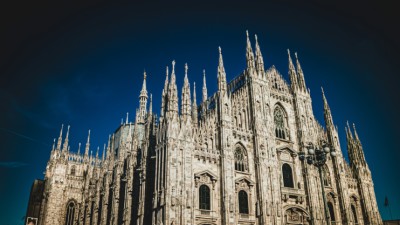
Milan
Culture, calm, and inclusive city energy in one elegant escape.
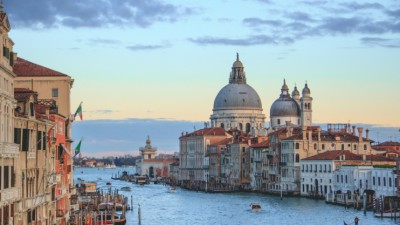
Venice
Canals, culture, and a welcoming eye on history.
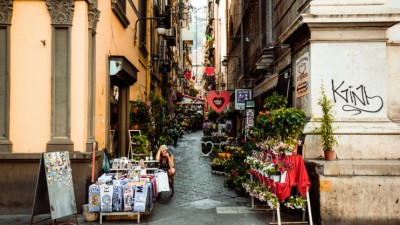
Naples
Where heritage, sea views, and inclusive travel meet.
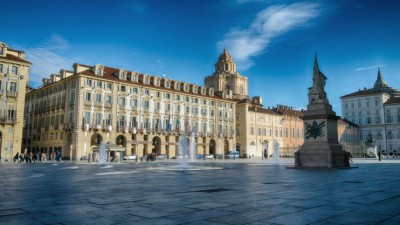
Turin
Grand boulevards, alpine air, and a relaxed city break with inclusive energy.
Palermo
Ancient streets, coastal calm, and a welcoming base for mindful city breaks.
Bologna
Where academic heritage meets lively nights and open-minded energy.
Padova
Walk ancient streets, read the city’s layers, and travel with ease.
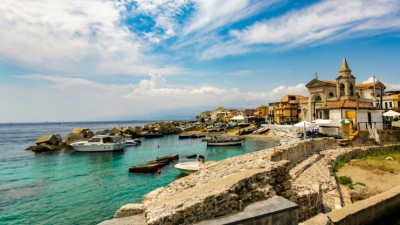
Messina
Where sea passages meet city culture and contemporary inclusion.
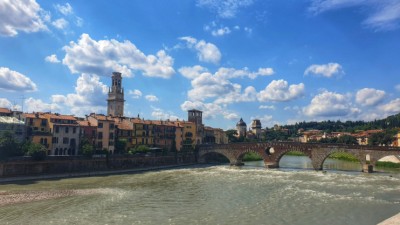
Verona
Roman stones, refined stays, and a quietly evolving welcome
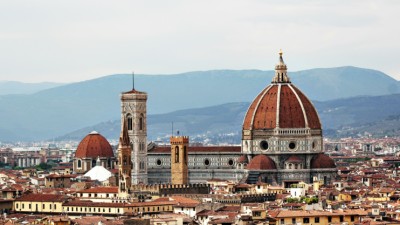
Florence
Where art, heritage, and inclusive travel meet
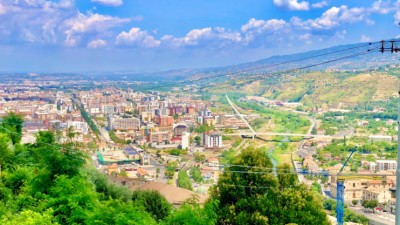
Cosenza
Historic streets, local energy, and a broader Italian context.
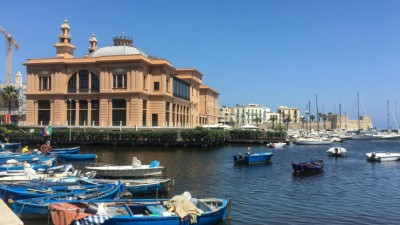
Bari
Where the sea breeze meets a welcoming city break.
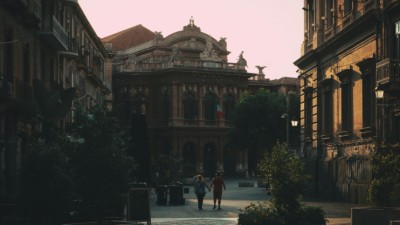
Catania
Volcanic views, urban culture, and a slower-footprint way to explore
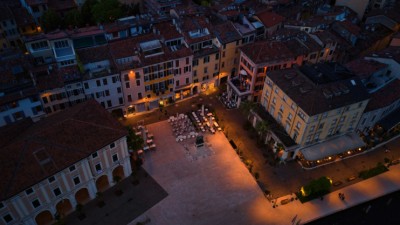
Brescia
Historic streets, living traditions, and a welcoming regional base.

Reggio di Calabria
Where sea views, history, and easy onward journeys meet.
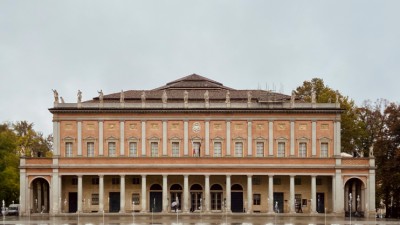
Reggio Emilia
A walkable Emilian city with culture, context, and a strong base for exploring northern Italy.

Trieste
Where grand cafés meet sea breezes and inclusive travel feels effortless

Perugia
History, nightlife, and a welcoming Italian escape.

Ravenna
History in every stone, welcome in every street.
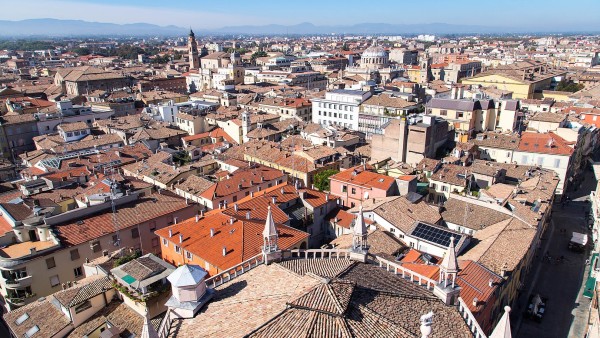
Parma
Where heritage, cuisine, and inclusion meet
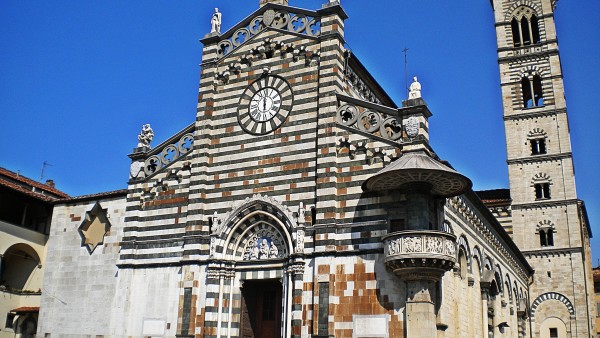
Prato
A walkable Tuscan base where heritage, proximity, and open-minded travel meet.
Salerno
Where history, the sea, and inclusion meet.
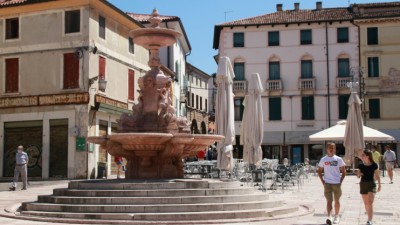
Vicenza
Art, architecture, and a relaxed urban rhythm for curious explorers.
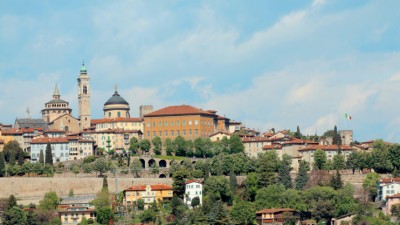
Bergamo
Historic streets, thoughtful travel, and a wider view of inclusion.
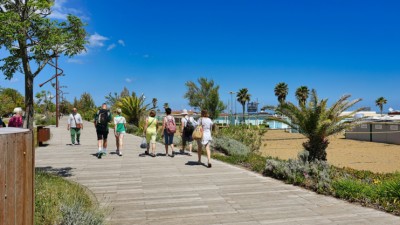
Rimini
Sea, sun, and a thoughtful welcome on the Adriatic coast.
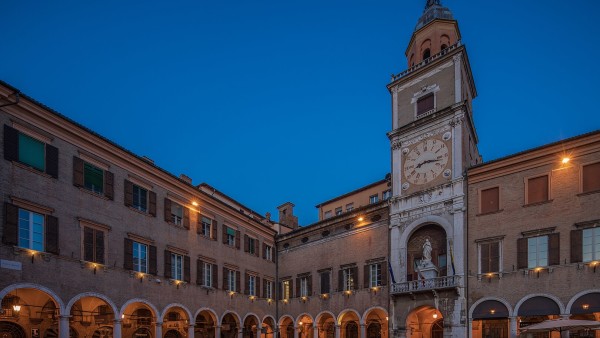
Modena
Where Romanesque beauty meets a practical base for exploring Emilia-Romagna.