About Milan
It is the regional capital of Lombardy and the second-most populous city in Italy, while also serving as a major economic centre.
For LGBTQ+ travellers, that matters because Milan offers the scale and energy of a large European city, along with the openness that often comes with a cosmopolitan destination.Italy has made significant advances in LGBTQ+ rights in the 21st century, and Milan reflects that broader national context as a modern, outward-looking city.
While I always recommend checking current local information before travelling, Milan is widely known as part of Italy’s more progressive urban landscape, especially for visitors who value a welcoming city atmosphere alongside art, shopping, and café culture.For LGBTQ+ visitors, one of the best-known annual moments is Milano Pride, the city’s Pride event, which brings visibility and celebration to the streets each year.
Milan is also associated with inclusive urban life more generally, from central neighbourhoods to major public squares and cultural institutions.
For a first-time visit, I see the city as a strong choice for travellers who want a sophisticated city break with a relaxed pace built in through galleries, parks, and time over long meals.In short, Milan works well for an LGBTQ+ trip that combines style and substance.
It is a city where I can move between landmarks, design districts, and quieter moments of discovery, while keeping the focus on comfort, culture, and a sense of ease.
Our Review
As I explore Milan, I find a city that balances business, fashion, and culture with a distinctly urban rhythm.
It is the regional capital of Lombardy and the second-most populous city in Italy, while also serving as a major economic centre.
For LGBTQ+ travellers, that matters because Milan offers the scale and energy of a large European city, along with the openness that often comes with a cosmopolitan destination.
Italy has made significant advances in LGBTQ+ rights in the 21st century, and Milan reflects that broader national context as a modern, outward-looking city.
While I always recommend checking current local information before travelling, Milan is widely known as part of Italy’s more progressive urban landscape, especially for visitors who value a welcoming city atmosphere alongside art, shopping, and café culture.
For LGBTQ+ visitors, one of the best-known annual moments is Milano Pride, the city’s Pride event, which brings visibility and celebration to the streets each year.
Milan is also associated with inclusive urban life more generally, from central neighbourhoods to major public squares and cultural institutions.
For a first-time visit, I see the city as a strong choice for travellers who want a sophisticated city break with a relaxed pace built in through galleries, parks, and time over long meals.
In short, Milan works well for an LGBTQ+ trip that combines style and substance.
It is a city where I can move between landmarks, design districts, and quieter moments of discovery, while keeping the focus on comfort, culture, and a sense of ease.
Social Acceptance and Safety in Milan for LGBTQ+ Travellers
When I travel in Milan, I think of it as one of Italy’s most outward-looking cities: busy, international, and accustomed to a diverse mix of residents, workers, and visitors.
As the country’s economic capital and a major metropolitan centre, Milan generally feels more cosmopolitan than many smaller Italian cities.
That said, Italy as a whole has made significant progress on LGBTQ+ rights in the 21st century, while LGBTQ+ people can still face challenges, so I still travel with the usual awareness and respect for local context.
General attitudes
In Milan, I find the overall atmosphere more comfortable for LGBTQ+ visitors than in more conservative parts of the country, especially in central, high-footfall areas where international business, tourism, and nightlife overlap.
Public attitudes in Italy have become increasingly liberal, and Milan reflects that urban change.
Even so, acceptance is not uniform everywhere, and I avoid assuming that every neighbourhood or every individual will respond in the same way.
For me, the practical takeaway is simple: Milan is a large city where LGBTQ+ travellers can usually move around without drawing attention, especially when acting as any other visitor would in a big European city.
I still recommend the same common-sense approach I would use in any metropolis—stay aware of your surroundings, trust your instincts, and be mindful of the setting before displaying affection publicly.
Safety overview
Milan is generally a straightforward city to navigate, but standard urban precautions remain important.
As in any major destination, petty theft such as pickpocketing can be a concern in crowded areas, on public transport, and around major tourist sites.
I keep my belongings secure, avoid flashing valuables, and stay especially alert in busy stations and on packed trams or metro services.
From an LGBTQ+ perspective, the most useful safety tip I can offer is to gauge the social atmosphere of the place you are in.
In central, busy areas, I feel more at ease being openly myself than I would in quieter or more residential districts, particularly late at night.
If I am unsure about a place, I keep interactions low-key until I understand the mood of the area.
If I were giving one piece of advice to a first-time LGBTQ+ visitor, it would be this: enjoy Milan confidently, but don’t treat it as a city where every context is automatically equally welcoming.
Urban Milan is broadly tolerant, but discretion is still sensible in unfamiliar settings, especially after dark.
Neighbourhood feel and practical notes
Milan’s central districts are the easiest places for LGBTQ+ travellers to feel comfortable because they are the most international and heavily visited.
Areas around the historic centre, shopping streets, and major transport hubs tend to feel the most cosmopolitan simply because they are used to a constant flow of people from different backgrounds.
I find these are the places where a visitor can blend in most naturally.
By contrast, I would be more cautious in quieter, outer residential areas, particularly if I am out late and unfamiliar with the neighbourhood.
I do not want to overstate this: there is no verified basis for labelling specific Milan neighbourhoods as universally unsafe or unwelcoming to LGBTQ+ visitors.
Still, as a travel habit, I prefer central districts and well-trafficked streets when I am moving around at night.
For a relaxed trip, I would plan evenings in busy, well-connected parts of the city and return to accommodation by reliable transport rather than wandering through unfamiliar streets late at night.
That approach suits Milan well and keeps the experience smooth, low-stress, and practical.
My travel advice
- Stick to well-lit, busy streets after dark.
- Use standard anti-theft precautions in crowds and on public transport.
- Be mindful that acceptance can vary from one setting to another.
- Choose central areas when you want a more cosmopolitan atmosphere.
- Travel with the same relaxed but alert mindset you would use in any large European city.
In short, I see Milan as a city where LGBTQ+ travellers can usually feel comfortable, especially in its central, international districts.
Its broader urban character, combined with Italy’s ongoing progress on LGBTQ+ rights, makes it a practical and welcoming destination for a city break—provided I still travel with the normal caution I would use anywhere.
Events and Nightlife in Milan, Italy
When I think about Milan from an LGBTQ+ point of view, I see a city that feels naturally suited to an evening out: polished, international, and socially open in a way that reflects its role as Italy’s economic capital and one of the country’s most cosmopolitan cities.
LGBTQ+ travelers should still remember that attitudes can vary across Italy, but in Milan the atmosphere is generally more relaxed and urban, especially in central districts and around established nightlife areas.
For a destination that also lends itself to slower pleasures — aperitivo, late dinners, and stylish bars — Milan offers a comfortable base for LGBTQ+ visitors looking to socialise after dark.
Annual LGBTQ+ events
The city’s major annual LGBTQ+ event is Milano Pride, the Pride parade and celebration associated with Milan’s LGBTQ+ community.
It is the most visible recurring LGBTQ+ gathering in the city and a key moment in the calendar for residents and visitors alike.
For travelers, it is the best-known occasion to experience Milan in a more openly celebratory atmosphere.
Because event schedules can change from year to year, I recommend checking the official Milano Pride channels before travel for confirmed dates, routes, and programming.
If you are planning a trip around Pride, book accommodation early: Milan is a major city with strong business and tourism demand, and central rooms can fill quickly.
LGBTQ+ nightlife in Milan
Milan’s nightlife is broad rather than narrowly defined, and that is part of its appeal.
The city is known for aperitivo culture, elegant cocktail bars, late-night socialising, and a club scene that draws a mixed local and international crowd.
From an LGBTQ+ perspective, I find that this creates a natural space for going out without needing nightlife to feel segregated or overly formal.
In practice, many LGBTQ+ travelers will be most comfortable in central, busy areas where the city’s cosmopolitan character is strongest.
The source pack provided for this guide does not identify specific bars or clubs, so I won’t invent a venue list.
What I can say, based on the verified information available, is that Milan’s social scene is shaped by its size and international profile, making it a strong city for general nightlife and socialising.
The atmosphere is especially suited to relaxed evenings: a cocktail before dinner, a late meal, then perhaps another stop for drinks.
That rhythm fits Milan particularly well.
What to expect as an LGBTQ+ traveler
I would describe Milan as a city where many LGBTQ+ visitors can feel reasonably at ease, especially in the more central and busy parts of town.
Italy has made important progress on LGBTQ+ rights in the 21st century, but public attitudes are not identical everywhere, so I still suggest the usual urban awareness.
In nightlife settings, that means choosing well-trafficked streets, planning your return journey in advance, and being attentive to the atmosphere around you.
For social spots, the most reliable rule is to follow the city’s energy: look for busy, well-established venues in central Milan, where locals and visitors mix and where the city’s international character is most visible.
That is where I would expect LGBTQ+ travelers to feel most comfortable enjoying an evening out.
Practical travel tip
If you are visiting Milan specifically for LGBTQ+ nightlife or Pride, combine your evenings out with the city’s calmer pleasures during the day.
Milan works beautifully as a wellness-minded city break: walk, rest, enjoy a good espresso or aperitivo, and keep the pace balanced.
That approach suits the city’s style — and, for me, it makes a night out feel even better.
Verified background reading: Milan, Wikivoyage: Milan, LGBTQ rights in Italy.
Travel tips for LGBTQ+ visitors to Milan
When I plan a trip to Milan, I treat it as a large, busy, and generally cosmopolitan city rather than a destination with a single obvious LGBTQ+ district.
Milan is Italy’s economic capital and one of its biggest urban centres, so I find it works best for LGBTQ+ travelers who prefer staying in central, well-connected areas and using the city’s size and pace to their advantage.
For background, Milan is the regional capital of Lombardy and Italy’s second-most populous city, while Italy has made significant advances in LGBTQ rights in the 21st century, though uneven attitudes can still exist.
What I keep in mind about local customs
I find that Milan’s urban culture is generally modern and professional, especially in the central districts where business, shopping, and tourism overlap.
In practice, that means I’m most comfortable being open and relaxed in places that are busy and international in feel.
I still prefer to read the room before being affectionate in public, especially if I’m in quieter residential areas or traveling outside the central city.
That is simply a sensible approach in any large European city, and it helps me stay both respectful and discreet when I want to be.
For day-to-day interactions, I keep my style straightforward and polite.
In restaurants, cafés, hotels, and shops, I’ve found that clear, courteous communication goes a long way.
If I’m booking accommodation, I look for well-managed properties in central Milan and check recent reviews carefully.
When I’m traveling as a couple or with a partner, I prefer to confirm room details in advance so there are no misunderstandings on arrival.
Dos and don’ts
Do choose central neighborhoods and established hotels if you want the smoothest experience.
Do use busy streets and reliable transport late at night.
Do keep valuables secure, especially in crowded places and on public transport, since petty theft is a more realistic risk than targeted harassment in most tourist situations.
Don’t assume every neighborhood will feel equally open-minded just because Milan is a major city.
Don’t leave valuables visible in cafés, stations, or on transit.
Don’t rely on improvised late-night plans if you’re staying far from the centre; I always find it wiser to have my route home sorted before I head out.
Staying safe in the city
Milan is a major metropolitan destination, so I use the same practical safety habits I would in any large city.
I stay alert around crowded transport hubs, tourist-heavy streets, and nightlife areas where pickpocketing can happen.
I also keep an eye on how late I’m moving around and prefer licensed taxis or pre-planned transport when I’m returning after a long evening.
From an LGBTQ+ perspective, my advice is to stay aware rather than anxious.
The city is generally comfortable for visitors, and Italy has become more accepting over time, but public attitudes can still vary.
I therefore balance openness with common sense: I enjoy being visible in the places that feel relaxed and lively, and I’m more private where the setting feels less certain.
How I connect with the local LGBTQ+ community
The clearest way I see to connect with Milan’s LGBTQ+ community is through the city’s visible Pride season.
Milano Pride is the most prominent LGBTQ+ event in the city and a useful moment for visitors who want to experience community visibility, celebration, and public support.
If my travel dates overlap with Pride, I make it a priority to check official event information well in advance and book accommodation early, since large city events tend to increase demand.
Beyond Pride, I look for signs of inclusion in the city’s mainstream cultural life rather than expecting everything to be grouped into one obvious queer quarter.
Milan’s atmosphere is shaped by its cafés, aperitivo culture, museums, and evening social life, and I find that this broader urban setting often makes it easier to meet people naturally.
For me, the best approach is to stay in central areas, choose welcoming venues with strong reputations, and let the city’s social rhythm guide the trip.
My personal travel approach
Because Milan can feel busy and polished rather than relaxed and small-scale, I like to travel there at an easy pace.
I plan time for coffee, long lunches, and an unhurried aperitivo, which gives me a low-pressure way to experience the city and read its atmosphere.
That rhythm suits LGBTQ+ travelers well: it combines visibility with comfort, and it leaves room to enjoy Milan as the modern, international city it is.
For verified background on the city and LGBTQ rights in Italy, I cross-check city basics through Wikipedia: Milan, broader urban context through Wikivoyage: Milan, and national legal context through LGBTQ rights in Italy.
When I step back and look at Milan through an LGBTQ+ lens, I see a city that is strongest in the places where it is most itself: busy, polished, international, and easy to navigate.
Milan is Italy’s economic capital and one of its largest urban centres, and that metropolitan energy matters.
It usually translates into a more cosmopolitan atmosphere than visitors may find in smaller or more conservative parts of the country.
For LGBTQ+ travelers, that means Milan often feels practical, comfortable, and refreshingly straightforward.
At the same time, I think it is important to be honest about the limits of that openness.
Italy has made real progress on LGBTQ+ rights in the 21st century, but acceptance is not identical everywhere, and travelers should still use ordinary urban awareness.
In Milan, I would especially rely on the city centre, well-connected neighborhoods, and established public spaces when I want the most relaxed experience.
As with any major city, I would keep an eye on belongings, stay aware at night, and read the room before assuming every setting will feel equally open.
What makes Milan appealing is that its LGBTQ+ value is not confined to a single district or one type of night out.
I can enjoy the city through its broader strengths: design, museums, cafés, aperitivo culture, and a public rhythm that feels modern and well organised.
Milano Pride is the clearest moment of visible LGBTQ+ celebration, but the city’s appeal goes beyond that.
It is a place where I can move at a gentler pace, enjoy a coffee or a long aperitivo, and take in the city’s stylish, urban character without needing to rush.
My recommendation for LGBTQ+ travelers is simple: come with confidence, but also with calm expectations.
Base yourself centrally if you can, choose well-reviewed accommodation, and spend time in the most active parts of the city where the atmosphere tends to feel most international and relaxed.
If you are visiting during Pride, plan ahead, because Milan is a major destination and accommodation fills quickly.
For me, Milan works best as a city to explore steadily rather than chase for a single defining scene.
Its strengths are its scale, its efficiency, its cultural polish, and its generally comfortable urban atmosphere.
Its challenge is that, like anywhere, openness can vary by setting.
But if you travel with practical awareness and a relaxed pace, Milan rewards you with a stylish, welcoming city break that feels easy to enjoy.
I would encourage LGBTQ+ travelers to explore it fully, take advantage of its Pride visibility, and let the city’s understated sophistication do the rest.
Other Guides in Italy
Venice
Canals, culture, and a welcoming eye on history.
Naples
Where heritage, sea views, and inclusive travel meet.
Turin
Grand boulevards, alpine air, and a relaxed city break with inclusive energy.
Palermo
Ancient streets, coastal calm, and a welcoming base for mindful city breaks.
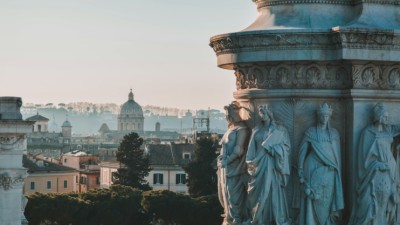
Rome
History, heritage, and visibility in one timeless journey.
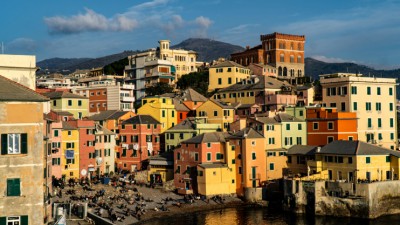
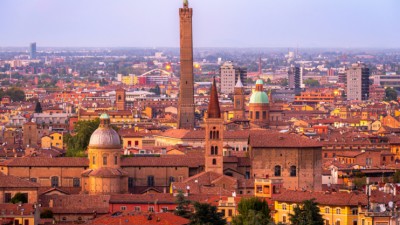
Bologna
Where academic heritage meets lively nights and open-minded energy.
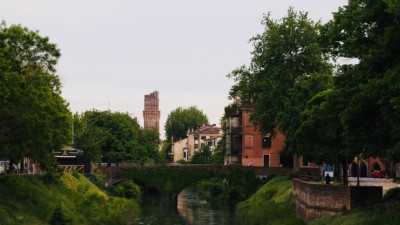
Padova
Walk ancient streets, read the city’s layers, and travel with ease.
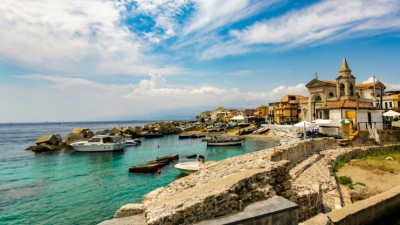
Messina
Where sea passages meet city culture and contemporary inclusion.
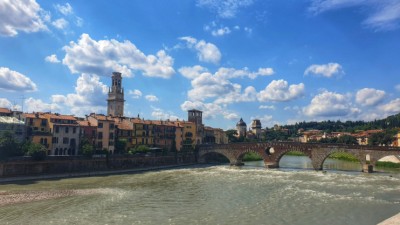
Verona
Roman stones, refined stays, and a quietly evolving welcome
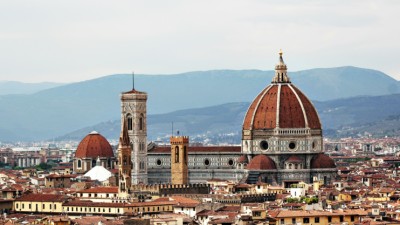
Florence
Where art, heritage, and inclusive travel meet
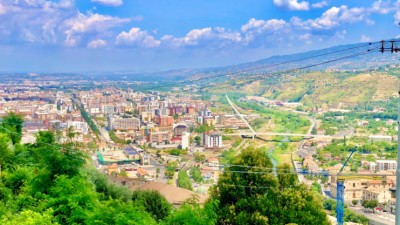
Cosenza
Historic streets, local energy, and a broader Italian context.
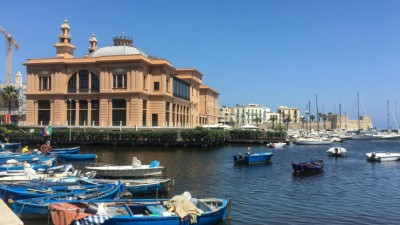
Bari
Where the sea breeze meets a welcoming city break.
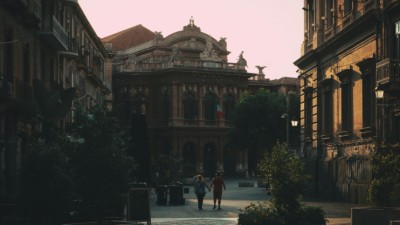
Catania
Volcanic views, urban culture, and a slower-footprint way to explore
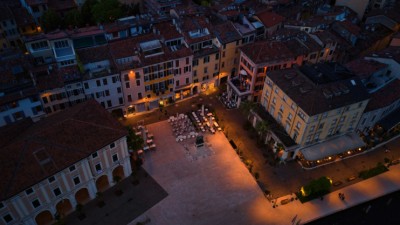
Brescia
Historic streets, living traditions, and a welcoming regional base.
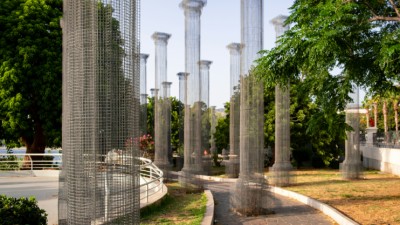
Reggio di Calabria
Where sea views, history, and easy onward journeys meet.
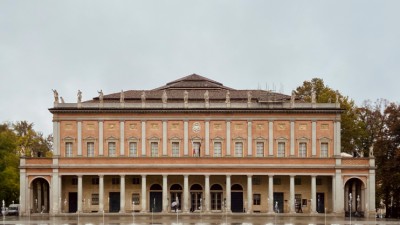
Reggio Emilia
A walkable Emilian city with culture, context, and a strong base for exploring northern Italy.
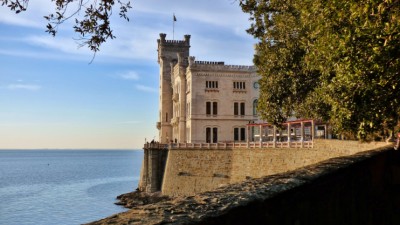
Trieste
Where grand cafés meet sea breezes and inclusive travel feels effortless
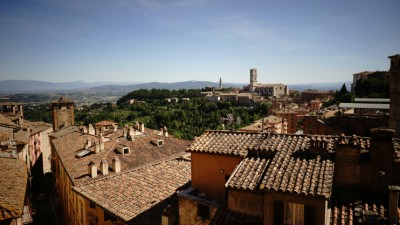
Perugia
History, nightlife, and a welcoming Italian escape.

Ravenna
History in every stone, welcome in every street.
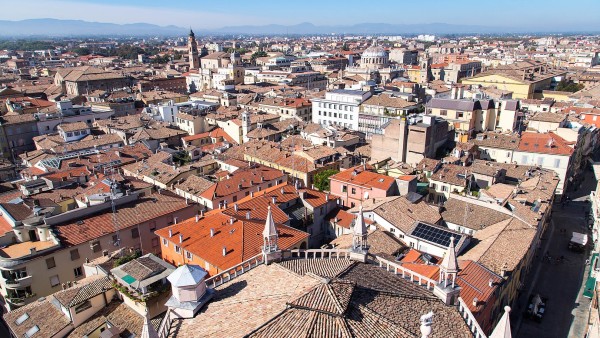
Parma
Where heritage, cuisine, and inclusion meet
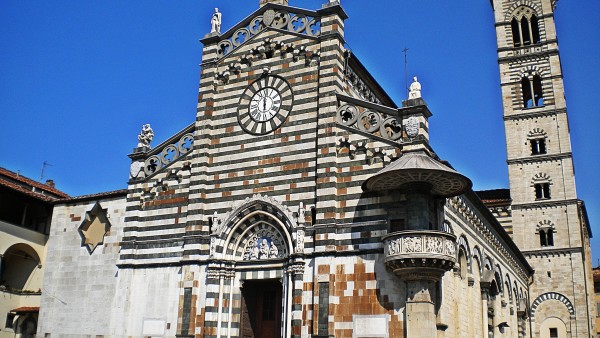
Prato
A walkable Tuscan base where heritage, proximity, and open-minded travel meet.
Salerno
Where history, the sea, and inclusion meet.
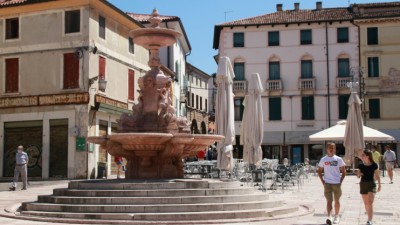
Vicenza
Art, architecture, and a relaxed urban rhythm for curious explorers.
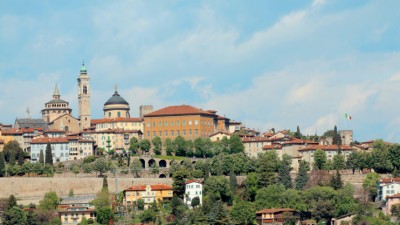
Bergamo
Historic streets, thoughtful travel, and a wider view of inclusion.
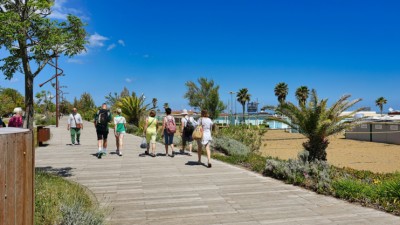
Rimini
Sea, sun, and a thoughtful welcome on the Adriatic coast.
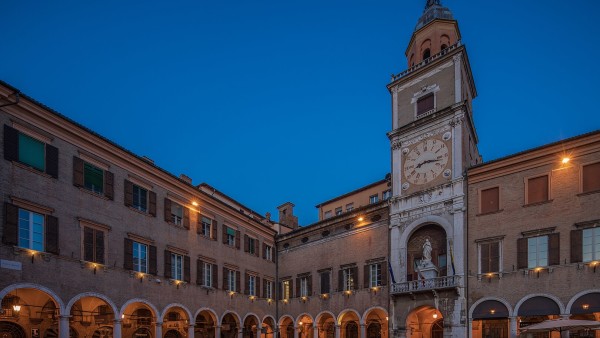
Modena
Where Romanesque beauty meets a practical base for exploring Emilia-Romagna.