- LGBTQ+ Neutral
- 3 City Guides
- 0 Likes
- Leave a comment
About Peru
Peru at a Glance
Peru is one of South America’s most compelling travel destinations, known for an exceptional combination of ancient history, dramatic landscapes, and vivid living culture.
Stretching from the Pacific coast to the Andes and down into the Amazon basin, the country offers an unusual range of experiences in a single trip: desert shorelines, high-altitude cities, cloud forest, rainforest, and some of the continent’s most famous archaeological sites.
For many travelers, Peru’s appeal lies in that variety.
You can spend one day exploring a colonial plaza in Lima, the next standing among Inca ruins in the Sacred Valley, and later travel into regions where indigenous traditions remain central to daily life.
Peru is especially associated with Machu Picchu, but the country’s draw is broader than one landmark.
It is home to a deep pre-Columbian heritage, with archaeological remains from the Inca and earlier civilizations, as well as a strong contemporary cultural identity shaped by Indigenous, Spanish, African, and Asian influences.
That blend is visible in architecture, music, markets, textiles, festivals, and cuisine.
Travelers who want more than sightseeing often find Peru rewarding because the country’s most memorable experiences come from its atmosphere as much as its attractions.
Landscape and Regions
Geographically, Peru is strikingly diverse.
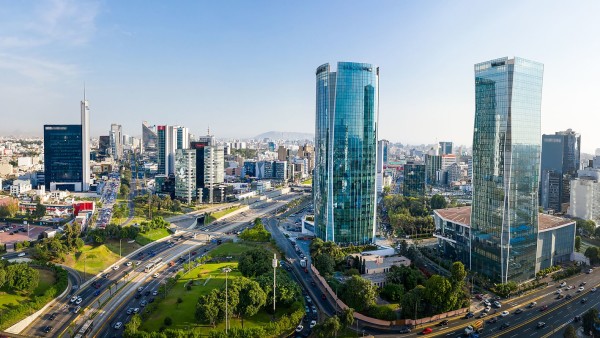
Along the Pacific coast, Lima and other cities sit in a largely arid zone that supports busy urban life, beach escapes, and a major culinary scene.
Inland, the Andes rise dramatically, creating the high-altitude settings that define much of the classic Peru itinerary.
This is where many of the country’s best-known destinations are located, including Cusco, the Sacred Valley, and the routes that lead toward Machu Picchu.
The mountains also shape everyday travel, from scenic train rides to acclimatization concerns for visitors arriving from sea level.
Farther east, Peru extends into the Amazon, one of the most biodiverse regions on Earth.
Travelers interested in nature, wildlife, and river-based exploration can use gateway cities such as Iquitos or Puerto Maldonado to reach rainforest lodges and protected areas.
The contrast between coast, highlands, and jungle is one of Peru’s defining characteristics.
Few countries offer such clear shifts in climate, landscape, cuisine, and culture over relatively short distances.
Culture, Heritage, and Everyday Life
Peru’s cultural identity is shaped by both continuity and layering.
Indigenous traditions remain highly visible, particularly in the Andes, where Quechua-speaking communities and longstanding textile, agricultural, and ceremonial practices are part of the cultural fabric.
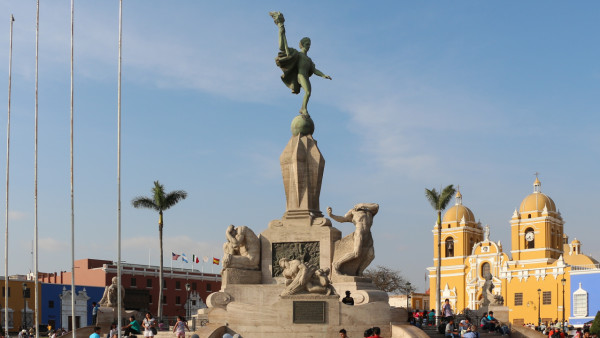
Colonial-era churches, plazas, and historic centers add another layer, while modern cities reflect contemporary Latin American urban life.
In many places, travelers encounter a strong sense of regional identity: Lima feels distinct from Cusco, Arequipa, Trujillo, or the Amazonian lowlands.
This cultural richness is part of what makes Peru so appealing to travelers who value authenticity and depth.
Markets are a major part of the experience, with local produce, woven goods, and regional foods offering a window into daily life.
Festivals and religious traditions can be highly visible, and even a simple city walk often reveals the country’s blending of old and new.
For LGBTQ+ travelers, this mix of traditions and modernity can be important context: large cities and tourist hubs are generally the most practical places to expect a more open social environment, while smaller towns may feel more conservative.
As in many countries, local attitudes can vary significantly by region and setting.
Food and Culinary Appeal
Peru is one of Latin America’s best-known food destinations, and cuisine is a major reason many travelers visit.
The country’s culinary reputation comes from the combination of coastal seafood, Andean ingredients, Amazonian produce, and a history of cultural exchange that has influenced both home cooking and restaurant dining.
In Lima especially, visitors can experience everything from traditional dishes to world-renowned modern Peruvian restaurants.
For many travelers, food is not a side note but a central part of the trip.
What makes Peruvian food distinctive is its range.
Coastal ceviche is iconic, but it is only one element of a broad national cuisine that varies by altitude and region.
In the highlands, potatoes, corn, quinoa, and hearty stews are important staples; in the Amazon, ingredients and flavors shift again.
This regional diversity gives travelers an easy way to understand the country through taste.
Whether dining in a market, a family-run restaurant, or a high-end venue, visitors often find that meals in Peru feel tied closely to place and local identity.
Key Destinations
Lima is usually the arrival point and deserves time in its own right.
The capital offers historic architecture, museums, coastal neighborhoods, and a sophisticated dining scene.
It also provides the broadest range of accommodations and services for international travelers.
Cusco, by contrast, is the classic gateway to the Andes and the Inca heartland, with a historic center that mixes indigenous and colonial influences.
From Cusco, many travelers continue to the Sacred Valley, where mountain scenery, traditional communities, and archaeological sites create one of the country’s most rewarding travel corridors.
Machu Picchu remains Peru’s most famous attraction and a major bucket-list destination worldwide.
Even for travelers who have seen it in photos countless times, the site’s setting and scale can still feel extraordinary in person.
Beyond the headline sights, other destinations help round out a Peru itinerary.
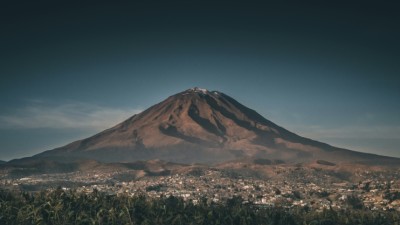
Arequipa offers striking volcanic scenery and a handsome historic center.
The Colca Canyon region is known for dramatic landscapes and outdoor travel.
Lake Titicaca, shared with Bolivia, is another major highland destination with a strong cultural presence.
In the north, coastal and archaeological sites offer a different side of Peru’s history, while the Amazon opens yet another chapter entirely.
What Makes Peru Distinctive for Travelers
Peru stands out because it combines iconic tourism with genuine depth.
It is a country where world-famous places sit alongside everyday cultural life that still feels rooted in regional traditions.
The topography alone makes travel memorable, but the strongest impressions often come from how landscape, history, and cuisine reinforce one another.
A day of exploring ruins or colonial streets may end with a meal that reflects the same regional setting, while a trip to the jungle or the highlands can feel like entering an entirely different country.
For LGBTQ+ travelers, Peru’s main appeal is much the same as it is for other visitors: exceptional scenery, rich history, and highly varied trip styles.
The most comfortable and practical experience is often found in major cities and established tourist routes, where services and infrastructure are strongest.
Travelers who want a broader cultural journey can use Peru’s diversity to build an itinerary that balances urban exploration, heritage sites, food, and nature.
That mix of iconic landmarks and regional contrasts is what makes Peru unforgettable.
LGBTQ+ Overview
LGBTQ+ overview
Peru is a mixed destination for LGBTQ+ travelers: it is not a country where consensual same-sex activity is criminalized, and there are anti-discrimination protections on paper, but social acceptance remains uneven and can vary sharply by city, neighborhood, age group, and context. In practice, many travelers have a straightforward visit, especially in Lima and other larger urban centers, yet discretion can still be prudent outside major tourist areas and in more traditional settings.
For most travelers, the most important point is that the legal environment is better than the social climate. Peru’s constitution and general anti-discrimination framework provide some protections, but those protections do not translate into uniform treatment in daily life. Same-sex couples may encounter stares, gossip, or uncomfortable reactions in public, and overt displays of affection can attract attention even where they would be unremarkable elsewhere. Trans travelers can face additional scrutiny, especially when documents, gender presentation, and staff expectations do not align.
Legal status
Consensual same-sex activity is legal in Peru. There is no nationwide legal recognition of same-sex marriage, and same-sex couples do not currently have the same full family-law protections as different-sex couples. Gender recognition for trans people is an area travelers should approach carefully, since document checks, identification questions, and administrative inconsistency can affect everyday experiences. If your passport or ID differs from your presentation, you may encounter confusion at hotels, airports, banks, or domestic transport checkpoints.
Anti-discrimination protections exist in law, including protections related to sexual orientation and gender identity in certain contexts, but enforcement is uneven. Travelers should not assume that a legal right will be smoothly understood or applied by every employee, local authority, or service provider. In practical terms, your experience may depend more on the professionalism of the institution than on the letter of the law.
Social climate
Social attitudes in Peru are changing, but not uniformly. Lima is generally the most accommodating place for LGBTQ+ visitors, with more visibility, more tolerance in hospitality settings, and a larger concentration of people who are accustomed to diversity. Even so, acceptance is not the same as broad social comfort everywhere in the capital, and public affection between same-sex couples can still draw attention.
Outside Lima, travelers may find a more conservative atmosphere, particularly in smaller cities, rural areas, and strongly religious communities. Machismo and traditional gender expectations remain influential, and trans and gender-nonconforming people can be more vulnerable to harassment or intrusive attention. This does not mean travel is unsafe everywhere outside the capital, but it does mean that blending in and reading the room can be useful strategies.
As in many countries with a gap between legal rights and social practice, the safest approach is often a situational one: be more open in explicitly LGBTQ+-friendly spaces and more cautious in settings that are family-oriented, conservative, or heavily local rather than tourist-focused.
Common traveler risks
The most common issues for LGBTQ+ travelers in Peru are social rather than legal: unwanted comments, stares, discrimination in service settings, and occasional refusal or hesitation from less inclusive businesses. Same-sex couples may be fine in internationally oriented hotels and restaurants, but may prefer discretion in smaller guesthouses or family-run establishments where attitudes are harder to predict.
For trans travelers, the most practical risks tend to involve identity checks, misgendering, and awkward or hostile treatment in places where staff are not trained to handle gender diversity. Keeping identification accessible, allowing extra time for check-in or transport procedures, and choosing larger, more established providers can reduce friction. If you are traveling with medications, documentation for prescriptions and continuity of care is also sensible, especially for longer itineraries outside major cities.
Nightlife can be comparatively welcoming in some urban areas, but standard urban travel cautions still apply. If meeting people through apps or going out alone, use the same safety practices you would anywhere else: share plans with someone you trust, use reputable transport, watch drinks, and avoid isolating situations with strangers. In more conservative settings, visible affection or discussion of sexuality and gender identity may invite unnecessary attention.
Support resources and practical help
Because traveler-specific support information can change and should be checked close to departure, the most reliable practical resource is your accommodation, tour operator, or host in Peru if you need local guidance on neighborhood comfort levels, transport, or venue choice. Larger international hotels in Lima and other major cities are usually the easiest places to start if you need a neutral, professional environment.
If you encounter discrimination or safety concerns, contacting your country’s embassy or consulate can be helpful, particularly if you need help replacing documents, dealing with police, or finding medical care. For general travel-risk planning, keep copies of passport and insurance details, and know where the nearest major hospital is if you are traveling beyond the capital.
For background research before travel, it can also be useful to consult current overviews from trusted LGBTQ+ legal and travel-reference sources, such as ILGA and Equaldex, alongside standard destination references like Wikipedia’s Peru page. These should be used as starting points rather than substitutes for checking current local conditions.
Trajectory
Peru’s overall trajectory has been gradual rather than dramatic. Legal protections have improved in some areas over time, and public visibility has increased, but the pace of social change has been uneven. The country has not moved to full relationship recognition, and day-to-day acceptance still depends heavily on place and context. For travelers, that means Peru is best understood as a destination where basic legal travel is possible and many visits are uneventful, but where caution, discretion, and local awareness remain valuable.
In short, Peru is not among the most difficult destinations in Latin America for LGBTQ+ visitors, but it is also not broadly or consistently affirming in the way top-tier destinations are. Plan with a realistic expectation of mixed conditions: comfortable in some settings, conservative in others, and more manageable when you choose accommodations and activities with care.