- LGBTQ+ Friendly
- 8 City Guides
- 0 Likes
- Leave a comment
About Netherlands
Travel overview
The Netherlands is one of Europe’s easiest countries to travel in and one of its most rewarding for visitors who like a mix of compact cities, strong design culture, and classic lowland scenery.
Much of the country sits in a river delta and has been shaped by water for centuries, so the landscape feels distinctly Dutch: flat horizons, canals, reclaimed land, dikes, windmills, tulip fields in season, and carefully planned towns and cities.
That geography is not just picturesque; it is central to the country’s identity and to the way people move through it, build in it, and live with it.
For travelers, the appeal is broad.
Amsterdam is the best-known draw, but the country’s character comes just as much from places like Rotterdam, Utrecht, The Hague, Haarlem, Delft, Maastricht, and the many smaller towns and villages that are easy to reach by rail or bike.
Dutch cities are dense but manageable, with excellent public transport, relatively short travel times, and a strong cycling culture that makes everyday movement feel practical and local.
You can spend a morning in a major museum, an afternoon on a canal cruise or in a neighborhood café, and still have time to reach a smaller town for dinner.
That combination of accessibility and variety is a major reason the Netherlands works so well for short city breaks and longer, slower itineraries alike.
Culture and atmosphere
The Netherlands has a reputation for being open, organized, and outward-looking, and many travelers experience that immediately in the country’s urban life.
English is widely understood in tourist areas, public transport is straightforward, and the overall travel environment tends to feel efficient rather than stressful.
At the same time, the country is not culturally uniform.
The high-profile energy of Amsterdam contrasts with the architectural ambition of Rotterdam, the stately political atmosphere of The Hague, the university-city feel of Leiden and Utrecht, and the more relaxed pace of smaller historic centers.
Visually, the Netherlands is distinctive for its balance of old and new.
Traditional canal houses and churches sit alongside modern architecture, contemporary museums, and cutting-edge public design.
This is especially striking in Rotterdam, where much of the city’s current skyline reflects postwar rebuilding, but it can be seen across the country in transport hubs, waterfront districts, and residential neighborhoods.
The result is a destination that feels both historically rooted and very modern.
Travelers often come expecting windmills and tulips and find those, but also a strong emphasis on urban life, bike infrastructure, and design-led planning.
Food and everyday travel experience
Food in the Netherlands is uncomplicated, practical, and often best enjoyed as part of a broader city stroll rather than as a destination in itself.
Travelers will find plenty of cafés, bakeries, casual eateries, markets, and international restaurants, especially in the larger cities.
Dutch daily life is reflected in simple meals, coffee breaks, and snacks eaten on the go, and that makes the country easy to navigate for visitors who prefer flexible, low-fuss dining.
In major urban areas, the food scene is more varied than stereotypes suggest, with strong international influences and an increasingly contemporary restaurant culture.
Because the country is compact and highly connected, it is easy to combine food with sightseeing and regional exploration.
A single trip can include canal-side lunches, market browsing, and evening meals in neighborhoods that feel local rather than tourist-focused.
This works especially well for travelers who like to move at an unhurried pace and use meals as a way to experience different parts of a city.
Key destinations and what to expect
Amsterdam remains the most recognizable destination, known for its canals, museums, historic center, and busy visitor scene.
It is a strong base for first-time travelers, but it can also be crowded, especially in peak periods, so many visitors prefer to balance it with other cities.
Rotterdam offers a very different experience: modern architecture, a major port identity, creative energy, and a more contemporary urban feel.
The Hague combines government institutions, museums, and a calmer atmosphere, while Utrecht is a particularly appealing canal city with a compact center and a lively student presence.
Beyond the big cities, the Netherlands rewards slower travel.
Delft is known for its historic core and intimate scale; Haarlem offers classic Dutch streetscapes with easier pace than Amsterdam; Maastricht has a more southern European feel in its urban fabric and is popular for travelers wanting a distinct regional atmosphere.
In the countryside and smaller towns, the country’s signature landscapes come into focus: windmills, polders, water management works, fields of flowers in season, and villages that look almost designed for cycling itineraries.
The appeal is not only in seeing these places separately, but in how easily they connect into one trip.
For travelers interested in festivals and large public events, the Netherlands has a strong calendar.
Pinkpop is a long-running three-day pop festival in Landgraaf, and Lowlands is another major music festival held in Biddinghuizen.
Rotterdam’s summer carnival is also one of the country’s biggest events and brings a lively, public-facing energy to the city center.
These events add another layer to a country that already offers strong urban and cultural travel appeal.
What makes the Netherlands distinctive
Few countries feel as shaped by the relationship between land and water as the Netherlands.
The landscape is famously flat, much of it reclaimed from the sea, and that reality influences everything from transport and agriculture to architecture and urban planning.
For travelers, that means the country is unusually easy to cross, easy to cycle, and often surprisingly scenic in quiet, open ways.
It also means the Netherlands offers a kind of travel experience that is both highly developed and deeply tied to environmental engineering.
The country is also especially distinctive for LGBTQ+ travelers because its public reputation for openness is backed by a long-standing legal and social framework that is among the most advanced in the world.
That does not erase the need for ordinary travel awareness, but it does make the Netherlands one of Europe’s most straightforward destinations for queer visitors in terms of everyday visibility and general comfort.
For many travelers, that combination of strong rights, efficient infrastructure, rich city life, and memorable landscapes is what makes the Netherlands such a compelling place to visit.
LGBTQ+ Overview
LGBTQ+ overview
The Netherlands is widely considered one of the most LGBTQ+-friendly countries in Europe. Same-sex sexual activity has been legal for a very long time, and the country has built a broad legal framework protecting LGBTQ+ people in everyday life. For travelers, that usually means you can expect a generally safe, low-drama experience in most cities and tourist areas, with public displays of same-sex affection typically drawing little attention. That said, as in any destination, comfort levels can vary by neighborhood, age group, and situation, so a bit of common-sense situational awareness is still wise.
Legally, the Netherlands offers strong protections. Same-sex marriage is legal, and LGBTQ+ anti-discrimination protections are well established. Transgender people also have legal recognition mechanisms, though, as elsewhere, administrative processes and medical care can still involve paperwork or waiting times. For visitors, the practical takeaway is that you are unlikely to encounter legal barriers simply because of your identity or relationship, and most mainstream hotels, restaurants, museums, and transport operators are accustomed to serving LGBTQ+ travelers without issue.
The social climate is generally liberal, especially in larger cities such as Amsterdam, Rotterdam, The Hague, and Utrecht. Openly LGBTQ+ couples are commonly visible in urban settings, and many travelers find the Netherlands easy and comfortable compared with more conservative destinations. Still, the country is not uniform. Smaller towns and some socially conservative communities can be less openly expressive, and travelers may prefer a lower-key approach in settings where they sense curiosity or discomfort. This is less about formal danger than about everyday social variation.
Common traveler risks are usually modest and are more likely to resemble ordinary travel concerns than targeted anti-LGBTQ+ threats. In busy nightlife areas, the main issues are the usual ones: drink safety, pickpocketing, late-night transport planning, and avoiding isolated areas after dark. Harassment is not absent, and occasional verbal comments or stares can happen, especially where groups of younger men are involved, but serious anti-LGBTQ+ violence is not a typical traveler pattern in most parts of the country. Travelers who are visibly gender-nonconforming may encounter more scrutiny than gay and lesbian couples, particularly outside major cities, though the overall risk remains comparatively low by international standards.
Support resources are strong in practical terms, even if travelers rarely need them. Major cities have broad LGBTQ+ community presence, and the Dutch healthcare and emergency systems are robust. In an emergency, the general police, ambulance, and fire services are available through the standard national emergency number 112. For non-emergency assistance, travelers should rely on their embassy or consulate, their hotel, or local health services as needed. If you need community information on arrival, local tourist information centers in major cities are usually helpful starting points, and many mainstream venues are accustomed to answering straightforward questions about neighborhoods, transport, and safety without making assumptions about your identity.
Recent trajectory has been broadly positive, with the Netherlands continuing to rank among Europe’s most protective environments for LGBTQ+ people. The overall direction has been toward normalization and legal stability rather than rollback. The main caveat is that, like many Western European countries, the Netherlands has also seen broader public debate around polarization and social tolerance, so travelers should not assume every setting is equally welcoming. Even so, the country remains a very strong choice for LGBTQ+ visitors, especially for those seeking a destination where being open is usually uncomplicated.
In short, the Netherlands is a low-risk destination for most LGBTQ+ travelers. Use the same judgment you would elsewhere—especially at night and in unfamiliar areas—but in legal terms and everyday social life, the environment is among the most favorable you will find.
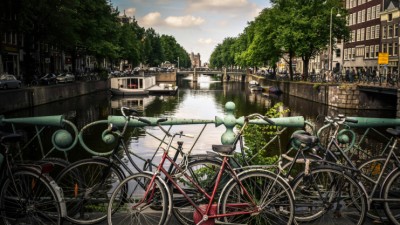
Amsterdam
Canals by day, inclusive nights by night.
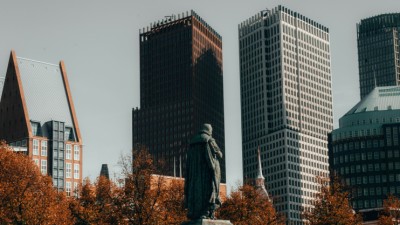
The Hague
Where seaside energy meets one of Europe’s most inclusive destinations.
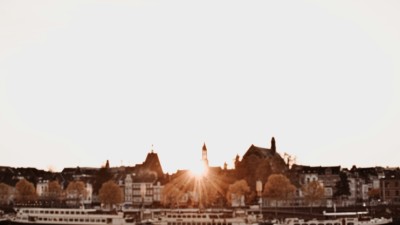
Maastricht
Slow down, soak in the culture, and enjoy a welcoming city break.
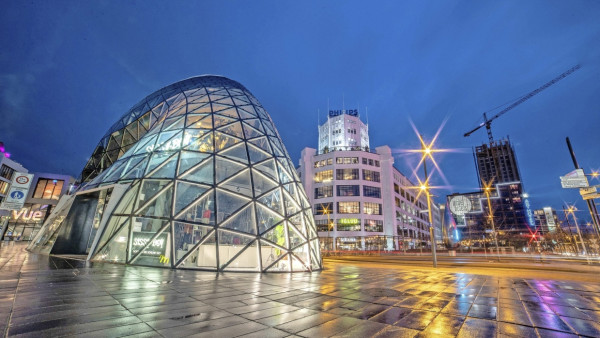
Eindhoven
A modern base where inclusive travel meets practical city life.
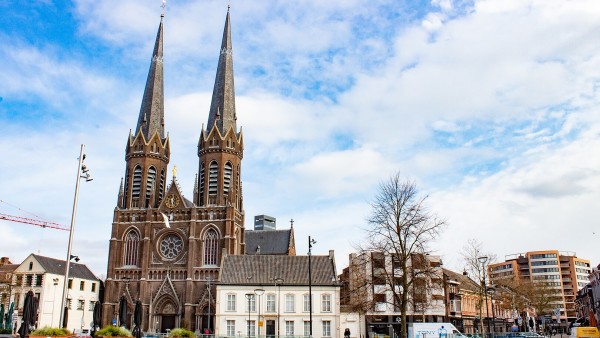
Tilburg
Discover a lively Dutch city with culture, nightlife, and easy access to inclusive travel in North Brabant.
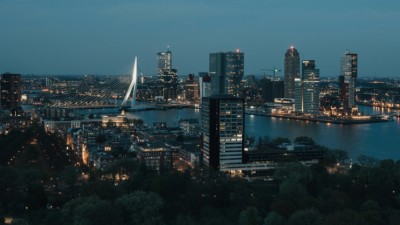
Rotterdam
Where modern architecture meets welcoming city life
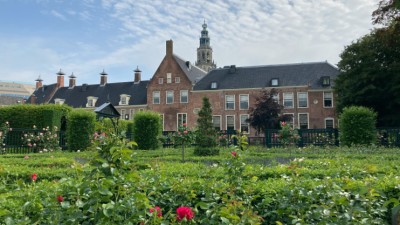
Groningen
Historic streets, student energy, and open-minded discoveries
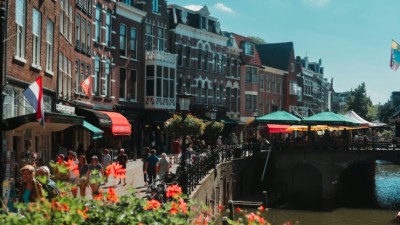
Utrecht
Historic canals, easy connections, and a lively social scene.