- Home
- Netherlands
- Rotterdam
About Rotterdam
Rotterdam is the second-largest city in the Netherlands by population and the largest by area, located in South Holland at the mouth of the Rhine–Meuse–Scheldt delta.
It is a major Dutch port city and a place that is widely known for its contemporary skyline, multicultural atmosphere, and practical travel infrastructure.For LGBTQ+ travelers, the broader national setting matters.
The Netherlands is internationally recognized for having some of the most advanced LGBTQ+ rights in the world, and that legal and social framework shapes travel experiences across the country, including in Rotterdam.
While I would not describe the city itself as defined by a single global LGBTQ+ landmark in the way some destinations are, its importance lies in being part of a country where legal protections and public acceptance are well established.From a visitor perspective, Rotterdam also stands out for its accessibility and urban energy.
The city is served by comprehensive public transport and visitor services, which makes it straightforward to explore neighborhoods, museums, and dining areas with confidence.
For food-focused travelers like me, that matters: Rotterdam’s multicultural identity is reflected in its restaurants and everyday food culture, making it a strong base for LGBTQ+ visitors who want a city experience that feels modern, international, and practical.For up-to-date visitor support, I would start with Rotterdam Tourist Information at Coolsingel 114, and I would also note the Rotterdam Welcome Card, which offers unlimited RET public transport in the city and region plus discounts at numerous attractions, museums, and restaurants.
That combination of convenience, openness, and variety helps define Rotterdam as a destination that is easy to explore and comfortable to use as a home base.
Our Review
As I look at Rotterdam through an LGBTQ+ travel lens, I see a city whose significance comes from both its national context and its urban character.
Rotterdam is the second-largest city in the Netherlands by population and the largest by area, located in South Holland at the mouth of the Rhine–Meuse–Scheldt delta.
It is a major Dutch port city and a place that is widely known for its contemporary skyline, multicultural atmosphere, and practical travel infrastructure.
For LGBTQ+ travelers, the broader national setting matters.
The Netherlands is internationally recognized for having some of the most advanced LGBTQ+ rights in the world, and that legal and social framework shapes travel experiences across the country, including in Rotterdam.
While I would not describe the city itself as defined by a single global LGBTQ+ landmark in the way some destinations are, its importance lies in being part of a country where legal protections and public acceptance are well established.
From a visitor perspective, Rotterdam also stands out for its accessibility and urban energy.
The city is served by comprehensive public transport and visitor services, which makes it straightforward to explore neighborhoods, museums, and dining areas with confidence.
For food-focused travelers like me, that matters: Rotterdam’s multicultural identity is reflected in its restaurants and everyday food culture, making it a strong base for LGBTQ+ visitors who want a city experience that feels modern, international, and practical.
For up-to-date visitor support, I would start with Rotterdam Tourist Information at Coolsingel 114, and I would also note the Rotterdam Welcome Card, which offers unlimited RET public transport in the city and region plus discounts at numerous attractions, museums, and restaurants.
That combination of convenience, openness, and variety helps define Rotterdam as a destination that is easy to explore and comfortable to use as a home base.
Social Acceptance and Safety
When I assess Rotterdam from a LGBTQ+ travel perspective, I start with the wider Dutch context: the Netherlands is widely regarded as one of the world’s most progressive countries on LGBTQ+ rights, and that shapes the atmosphere in Rotterdam as well.
National legal protections are strong, and in everyday urban life that generally translates into a city where public same-sex couples are unlikely to draw attention and where openness is broadly normalized.
Rotterdam itself is a large, multicultural port city rather than a small, nightlife-led destination, and that matters.
In my experience as a travel writer, cities with this profile tend to feel more varied in tone street by street, but Rotterdam’s overall urban culture is modern, international, and pragmatic.
That does not make every neighborhood identical, but it does mean the city as a whole sits comfortably within the Netherlands’ generally LGBTQ+-friendly social environment.
For safety, I would treat Rotterdam as a standard big-city destination: the main concerns are the usual urban ones rather than LGBTQ+-specific threats.
In practical terms, I would stay aware in crowded transport hubs, around late-night venues, and in less busy areas after dark, especially if traveling alone.
I would also recommend using normal travel precautions—keeping valuables secure, planning routes in advance, and checking local transport times—because these reduce risk more effectively than worrying about identity-specific dangers in a city like Rotterdam.
From a LGBTQ+ point of view, I do not have verified evidence to single out any Rotterdam neighborhood as broadly unsafe or unfriendly.
Equally, I would avoid overstating the city as having clearly defined LGBTQ+ districts unless there is specific, current evidence for that.
What I can say, based on the verified source pack, is that Rotterdam’s multicultural character and its place within the Netherlands’ strong rights framework make it a generally welcoming destination.
If I were advising LGBTQ+ travelers who also travel for food, I would frame Rotterdam as a city where being open while exploring cafés, markets, and restaurants is usually unremarkable in day-to-day settings.
The more useful safety approach is less about avoiding a particular district and more about reading the room in any unfamiliar place: late-night dining areas, transport interchanges, and busy entertainment streets deserve the same situational awareness I would recommend anywhere else in Europe.
For a broader factual overview of the city, I would refer readers to Rotterdam and to the general national context in LGBTQ rights in the Netherlands.
Community and Support
When I assess Rotterdam from a LGBTQ+ community and support perspective, the first fact that stands out is national context: the Netherlands is widely recognized for having some of the world’s most advanced LGBTQ+ rights.
That legal environment matters in daily life, because it shapes how support services, health care access, and community advocacy function in a city like Rotterdam.
LGBTQ rights in the Netherlands
Rotterdam itself is a major, multicultural city in South Holland and the country’s second-largest municipality, with a large metropolitan region.
In practical terms, that means LGBTQ+ visitors are more likely to find mainstream urban services than a single, highly concentrated gay district.
For a traveler like me, that often translates into a city where support is embedded in broader public infrastructure rather than limited to one neighborhood or venue.
Rotterdam Wikivoyage: Rotterdam
On the community side, Rotterdam benefits from the wider Dutch framework of LGBTQ+ visibility and rights, but I do not want to overstate what can be verified from the source pack alone.
I can say confidently that the city sits within a national setting where LGBTQ+ people have strong legal protections, which makes it easier for local organizations and informal networks to operate in a relatively supportive environment.
Beyond that, I would avoid naming specific local groups unless I can verify them directly.
For health services, the verified picture is also primarily one of access within a well-developed Dutch system.
The Netherlands is known for strong public services, and in a city as large and international as Rotterdam, LGBTQ+ travelers can reasonably expect to find mainstream medical care, including mental health support, through the standard Dutch health framework.
However, I should be careful: the source pack does not provide a verified list of LGBTQ+-specialized clinics, counseling centers, or HIV/AIDS support organizations in Rotterdam, so I cannot name them here without risking inaccuracy.
That said, from a traveler’s perspective, the important point is that Rotterdam is not operating in a vacuum.
Its health services exist within a country where LGBTQ+ rights are robust and long established.
For visitors needing routine care or urgent support, the city’s role as a major urban center means services are likely to be accessible through the normal Dutch health-care system, rather than through a separate, isolated LGBTQ+ channel.
Netherlands
As for community centers and resources, I have no verified source in the pack that identifies a specific LGBTQ+ community center in Rotterdam, so I will not invent one.
What I can say is that Rotterdam’s size, diversity, and university presence contribute to a social environment in which community resources are generally easier to sustain than in smaller cities.
For LGBTQ+ travelers seeking support, the practical approach is to use official Dutch health and city information channels and to confirm current service details before traveling.
In analytical terms, Rotterdam’s strength is not a single famous support institution, but the combination of a highly supportive national legal backdrop, a large metropolitan population, and the infrastructure of a modern Dutch city.
For me, that makes Rotterdam a place where LGBTQ+ visitors should be able to navigate community and health needs with a reasonable degree of confidence, even though the source material does not support naming specific local organizations or specialist services.
Events and Nightlife
When I look at Rotterdam through a LGBTQ+ travel lens, I have to begin with the national context: the Netherlands is widely recognized for its advanced LGBTQ+ rights, and that legal environment shapes the city’s social atmosphere.
Rotterdam itself is a large, multicultural port city in South Holland, with a strong university presence and an international character.
For nightlife, that combination matters more than a single signature “gay district”: I find Rotterdam’s appeal lies in its broad urban openness, its late-opening hospitality venues, and the fact that LGBTQ+ visitors can generally blend into a mainstream city scene rather than needing to concentrate their evenings in one area.
On annual LGBTQ+ events, I need to be precise: in the verified source pack provided here, I do not have a confirmed Rotterdam-specific Pride parade, march, or recurring LGBTQ+ festival that I can responsibly name.
Because of that, I’m omitting event claims rather than guessing.
What I can say is that Rotterdam’s place in the Netherlands means visitors often plan with the country’s wider LGBTQ+ calendar in mind, but any specific event should be checked against current official listings before travel.
For nightlife, Rotterdam is not documented in the source pack as having a single dominant cluster of LGBTQ+ bars or clubs.
Instead, its scene should be understood as part of a larger, mixed city nightlife.
In practical terms, that usually means travelers can expect a range of bars, cafés, music venues, and restaurants rather than a narrowly defined queer entertainment strip.
As a journalist, I would describe this as a city where LGBTQ+ social life is likely to be distributed across the centre and other entertainment districts rather than isolated into one neighborhood, but I cannot verify specific streets or venues from the source material provided.
Because I’m writing from a foodie traveller perspective, I see one of Rotterdam’s strengths as the overlap between nightlife and dining.
The city is described in the source pack as vibrant and multicultural, which is often the best indicator of a varied evening economy: places that serve dinner, drinks, and late-night bites in the same area tend to be useful to LGBTQ+ travelers who want a low-key, inclusive night out.
Still, I do not have verified venue names in the source pack, so I won’t recommend specific bars or clubs by name.
What I can recommend, based on verified city information, is to use Rotterdam as a base for an urban night out that combines food and socializing.
The city is large enough to offer choice, yet compact enough in its central areas to make moving between dinner and drinks straightforward.
For visitors who prefer an LGBTQ+-friendly atmosphere without a highly specialized scene, that can be an advantage.
The general Dutch climate of LGBTQ+ acceptance also helps make mainstream venues feel more comfortable for queer travelers.
If I were planning an evening in Rotterdam, I would prioritize areas with good transit access and a broad mix of restaurants and bars, then verify any current LGBTQ+-specific event or venue through live local listings immediately before going out.
That approach is the most reliable one here because the source pack confirms the city’s openness and scale, but not a fixed list of queer nightlife businesses.
In other words: Rotterdam is a city where LGBTQ+ travelers can confidently enjoy the night, but the exact events and venues should be checked in real time.
For background on the city and its national context, I would refer readers to Rotterdam, Wikivoyage’s Rotterdam guide, and the broader overview of LGBTQ rights in the Netherlands.
Cultural and Social Activities
When I look at Rotterdam from an LGBTQ+ perspective, I see a city whose cultural life is shaped less by a single, branded queer district and more by the Netherlands’ broadly advanced LGBTQ+ legal and social environment.
The country is widely recognized for strong LGBTQ+ rights, and that national framework matters in Rotterdam: it helps create a setting where LGBTQ+ visitors can generally take part in the city’s museums, galleries, theaters, and public life without needing to segregate their experience into a separate “scene.” LGBTQ rights in the Netherlands
Rotterdam itself is a major, multicultural port city and the second-largest city in the Netherlands.
That scale matters culturally.
It means the city offers a wide range of mainstream institutions rather than relying on a small number of identity-specific venues.
For LGBTQ+ travelers, this translates into a practical and often comfortable experience: I can move between contemporary art spaces, performance venues, and public cultural institutions as any other visitor would, while benefiting from a generally inclusive Dutch context.
Rotterdam Wikivoyage: Rotterdam
In analytical terms, Rotterdam’s cultural appeal lies in its urban character.
It is a city known for modern development, international influences, and a broad metropolitan population.
That makes it especially relevant to LGBTQ+ travelers who value cities where culture feels lived-in and diverse rather than staged for tourism alone.
I would describe Rotterdam as a place where cultural participation is the key experience: museums, architecture, performance, and public spaces are where the city’s openness is most visible.
Wikivoyage: Rotterdam
For museum and gallery-going, I am cautious not to overstate specific LGBTQ+-themed programming unless it is clearly documented.
The verified source material I have for Rotterdam confirms the city’s strong cultural profile, but it does not provide a sourced list of LGBTQ+-specific exhibitions, queer curators, or permanent LGBTQ+ museum collections.
So, rather than naming unverified institutions, I would say that Rotterdam’s value for LGBTQ+ visitors is primarily in the accessibility of its mainstream cultural venues within a socially tolerant national setting.
That is often what makes a city workable and welcoming in everyday practice.
Theater and live performance follow a similar pattern.
Rotterdam is a large city with a substantial cultural infrastructure, but I do not have verified source evidence here for specific LGBTQ+-focused theaters or recurring queer performance nights.
What I can state confidently is that a city of Rotterdam’s size, diversity, and international orientation supports a broad arts ecosystem, and that ecosystem operates within one of the world’s most advanced legal environments for LGBTQ+ rights.
For many travelers, that is the decisive factor: the ability to attend cultural events without friction, uncertainty, or the need to make special arrangements.
On historical landmarks and LGBTQ+ specific tours, I need to be precise.
The source pack does not verify dedicated LGBTQ+ walking tours, queer heritage trails, or officially designated LGBTQ+ historical landmarks in Rotterdam.
I therefore would not invent one.
If I were writing this for a travel magazine, I would frame Rotterdam’s queer-cultural interest differently: not as a city with a heavily documented, landmark-driven LGBTQ+ heritage circuit, but as a modern Dutch city whose public culture is experienced in an inclusive social climate.
That said, Rotterdam does have a broader historical and civic identity that can still resonate with LGBTQ+ travelers interested in urban history, reconstruction, and modern identity.
The city’s contemporary skyline and multicultural makeup give it a distinctive postwar character, and that context is part of its cultural appeal.
But again, I would avoid presenting those elements as LGBTQ+-specific history unless a source explicitly supports that interpretation.
As for notable LGBTQ+ figures and influencers connected to the city, the verified source pack provided here does not identify specific individuals.
Rotterdam is associated in the source material with its university, major urban status, and cultural diversity, but not with named LGBTQ+ public figures.
So I would not attach personalities to the city without direct verification.
In a factual guide, restraint is better than guesswork.
From a food-and-culture perspective, Rotterdam’s multiculturalism is especially relevant.
A city that is internationally oriented and demographically diverse tends to express that openness through its food scene as much as through its arts institutions.
While I am not adding unverified venue names here, I would note that for LGBTQ+ travelers who also travel through taste, Rotterdam’s social atmosphere makes it a city where cultural outings and dining can comfortably overlap.
A museum visit followed by dinner in a varied urban setting is very much in line with how the city presents itself.
My overall assessment is that Rotterdam offers LGBTQ+ travelers a strong, low-friction cultural experience grounded in the Netherlands’ advanced rights framework and the city’s own multicultural urban identity.
I would not describe it as a place defined by landmark queer tourism or highly publicized LGBTQ+ heritage sites, because I cannot verify that from the source material.
Instead, I would present it as a city where LGBTQ+ visitors can participate confidently in mainstream culture—art, performance, and dining—within one of Europe’s most consistently inclusive national contexts.
LGBTQ rights in the Netherlands Wikivoyage: Rotterdam
Accommodation
When I look at Rotterdam through an LGBTQ+ travel lens, I see a city whose accommodation landscape is shaped less by a clearly branded queer district and more by the Netherlands’ broadly advanced LGBTQ+ rights framework.
That matters in practical terms: in a country where LGBTQ+ rights are among the most advanced in the world, I can generally expect hospitality standards that are professional, internationally oriented, and accustomed to serving diverse guests.
Rotterdam itself is a large, modern port city in South Holland and the second-largest city in the Netherlands by population.
Its scale, multicultural character, and strong transport connections make it a sensible base for LGBTQ+ travelers who want straightforward access to museums, restaurants, nightlife, and the city’s waterfront and central districts.
From an accommodation perspective, that usually means I would prioritize hotels and apartments in the city center or other well-connected areas, where staff are more likely to be used to international visitors and where I can move around easily by public transport.
How I approach LGBTQ+ friendly accommodation in Rotterdam
Because I do not have a verified source pack listing specific LGBTQ+-owned or officially LGBTQ+-certified hotels in Rotterdam, I would not single out individual properties without direct evidence.
Instead, I would use a verification-based approach that is practical and reliable.
My first check is whether the property states that it welcomes all guests equally, whether its booking terms are transparent, and whether it has a clear, professional presence on reputable booking platforms.
I also look for signs that the hotel is used to international, urban tourism: clear policies, consistent guest information, and a location that fits the way I plan to explore the city.
For LGBTQ+ travelers, inclusive accommodation is not just about labels.
It is also about the tone of the property, the clarity of the booking process, and whether same-sex couples or solo LGBTQ+ travelers can check in without fuss.
In a city like Rotterdam, I would favor places that present themselves as modern, business-like, or design-oriented, because these tend to reflect the city’s broader urban character and international visitor profile.
That is a practical inference based on Rotterdam’s documented identity as a major, multicultural city rather than a claim about any specific hotel.
What I look for when choosing a place to stay
When I book accommodation in Rotterdam, I focus on a few concrete indicators of inclusivity:
- Clear non-discrimination language in the hotel or apartment description, terms, or house rules.
- Professional booking systems with transparent cancellation and check-in policies.
- Central or well-connected locations that make it easy to use public transport and reduce late-night transit stress.
- Reviews that mention respectful service and a smooth arrival experience for couples or solo travelers.
- Flexible room arrangements that do not make assumptions about guests’ relationships or identities.
I also pay attention to how a property handles questions before booking.
If I message a hotel and receive a prompt, respectful, and straightforward reply, that is often a good sign of a welcoming atmosphere.
For LGBTQ+ travelers, small operational details matter: the way a reservation is confirmed, how names are handled, whether staff communicate clearly, and whether the property feels competent rather than performatively “inclusive.”
Neighborhoods and areas I would consider
The verified source material does not identify an officially designated LGBTQ+ district in Rotterdam, so I would avoid presenting one.
Instead, I would treat the city as a place where inclusive travel is supported by its general urban environment and by the Netherlands’ legal and social context.
In practical terms, I would be most comfortable staying in areas that are central, lively, and easy to navigate, especially if I plan to spend time eating out or exploring the city on foot.
Rotterdam’s center is the most practical base for many visitors because it concentrates transport links, restaurants, and major sights.
That is especially useful for a food-focused trip, since I can move efficiently between breakfast spots, market halls, casual lunch places, and dinner reservations without relying heavily on taxis.
For LGBTQ+ travelers, a central location also tends to reduce friction: I am less dependent on unfamiliar late-night routes and more likely to be near busier public spaces and well-used streets.
Beyond the center, I would look at other well-connected districts rather than chasing a supposed “gay neighborhood” that is not verified in the source material.
Rotterdam’s urban identity is not built around one single queer enclave; it is a broad, multicultural city where comfort often comes from choosing the right transport-linked base.
Foodie considerations when booking accommodation
As a food-oriented traveler, I like accommodations that make it easy to experience Rotterdam’s dining scene without losing time to logistics.
A hotel near the center or near strong transit connections allows me to eat my way through the city more efficiently, whether that means a casual lunch, a market visit, or a dinner in one of the city’s many international restaurants.
Rotterdam’s multicultural character is one of its strengths, and staying somewhere well placed helps me enjoy that diversity without a complicated commute back at night.
I would also consider properties with breakfast included or with easy access to cafés and bakeries nearby.
For a short city break, that can be more valuable than a long list of amenities.
If I can leave the hotel, get coffee and something fresh to eat quickly, and then start exploring, the whole trip feels smoother and more relaxed.
My practical takeaway
For LGBTQ+ travelers, Rotterdam is best approached as a large, modern, and generally welcoming city within one of the world’s most progressive national frameworks on LGBTQ+ rights.
I would not rely on a search for a formally designated queer accommodation quarter, because the verified information does not support that framing.
Instead, I would choose central, well-connected, professionally run accommodation and use standard due diligence to confirm that the property feels openly inclusive.
In short: Rotterdam offers the kind of environment where I can focus on the city itself, especially its food and urban culture, while expecting mainstream hospitality to be broadly respectful and comfortable for LGBTQ+ guests.
Rotterdam | LGBTQ rights in the Netherlands | Wikivoyage: Rotterdam
Dining and Entertainment
When I look at Rotterdam from an LGBTQ+ traveller’s perspective, I see a city that benefits first and foremost from the Netherlands’ strong national framework of LGBTQ+ rights and relatively open social climate.
That broader context matters in dining and entertainment, because it shapes how comfortable many visitors feel moving through restaurants, cafés, cinemas, and performance venues in daily life.
Rotterdam itself is a large, multicultural city in South Holland and one of the Netherlands’ major urban centres, with the scale and diversity that usually support a wide range of mainstream, welcoming venues.
Rotterdam LGBTQ rights in the Netherlands
From a culinary point of view, I would describe Rotterdam as a practical city for LGBTQ+ visitors rather than one defined by a single, clearly documented “gay dining district.” The verified sources I have do not identify specific LGBTQ+-owned restaurants, cafés, or eateries, so I cannot responsibly name venues or suggest a dedicated queer food corridor.
What I can say, based on Rotterdam’s multicultural character, is that the city offers the kind of urban dining environment where inclusivity is generally expressed through ordinary hospitality: central locations, internationally oriented service, and a customer base that reflects the city’s diversity.
Rotterdam’s role as a major metropolitan centre also means that visitors can usually expect a broad mix of casual cafés, lunch spots, and dinner restaurants suitable for low-key, comfortable meals out.
Rotterdam
For LGBTQ+ travellers, the most useful dining strategy in Rotterdam is to prioritise establishments in well-connected, central areas and to read the atmosphere of the place rather than relying on labels that may not be formally verified.
In my reporting approach, that means looking for clear service standards, a mixed and public clientele, and a setting that feels relaxed about couples and solo diners alike.
Because the Netherlands is widely regarded as having advanced LGBTQ+ rights, that baseline generally supports a straightforward dining experience in mainstream cafés and restaurants.
Still, I would not assume any venue is LGBTQ+ specific unless it is explicitly identified as such by a reliable source.
LGBTQ rights in the Netherlands
Entertainment in Rotterdam is similarly best understood through the city’s mainstream cultural infrastructure.
The verified source pack confirms Rotterdam’s size and status as a vibrant, multicultural city, but it does not document specific LGBTQ+-themed cinemas, theatres, or regular queer performance spaces.
For accuracy, I therefore avoid naming clubs, cabarets, or performance venues that are not supported by the source material.
What I can note is that Rotterdam’s scale and metropolitan character make it a city where cinemas, theatres, and live performance venues are part of everyday urban life, and LGBTQ+ visitors can reasonably explore those spaces in the same way as any other traveller.
That said, the city’s openness is shaped by the wider Dutch environment.
The Netherlands is among the world’s most progressive countries on LGBTQ+ rights, which helps explain why public entertainment spaces in Dutch cities are often experienced as inclusive by international visitors.
In Rotterdam, this tends to translate into a low-friction atmosphere for going to the theatre, catching a film, or attending a live performance without feeling singled out.
I would still advise travellers to check current venue policies and event listings directly, especially for ticketed shows or age-restricted screenings, because inclusivity can vary by organiser even in a broadly welcoming city.
For visitors who want dining and entertainment to work together, Rotterdam’s urban layout is an advantage.
The city is large enough to offer variety, yet compact enough in its core to make dinner-and-a-show evenings practical.
Central, transit-friendly areas are the safest assumption for an easy night out, particularly if you want to move from a restaurant to a theatre or cinema without unnecessary complexity.
The verified sources do not provide a specific LGBTQ+ entertainment map, so I would frame Rotterdam as a city where the strongest asset is not a single landmark, but the combination of multicultural dining, mainstream cultural venues, and a national environment that supports LGBTQ+ inclusion.
Rotterdam Rotterdam
In short, Rotterdam is a sensible and welcoming choice for LGBTQ+ travellers who care about food and culture.
I would not overstate it as a city defined by explicitly documented queer restaurants or performance districts, because the available evidence does not support that.
Instead, I would present it as a major Dutch city where inclusive everyday dining and entertainment are part of a broader, progressive urban experience.
Travel Tips
When I assess Rotterdam from an LGBTQ+ travel perspective, I start with the basics: this is a large, modern Dutch city in a country whose LGBTQ+ rights framework is among the strongest in the world.
The Netherlands has legal protections and a social reputation for openness that matter in daily travel, and Rotterdam benefits from that national context.
Rotterdam itself is the second-largest city in the Netherlands, and its scale, multicultural population, and strong transport links make it straightforward to navigate as an LGBTQ+ visitor.
Practical travel advice
My first recommendation is to approach Rotterdam as I would any major European city: use ordinary urban awareness, but do not expect identity-based restrictions in everyday settings.
Public spaces, restaurants, transport, and museums are generally part of an open and international environment.
For many LGBTQ+ travelers, that means a comfortable baseline: holding hands, dining out, and moving through the city center are all normal parts of urban life rather than unusual statements.
That said, I always advise travelers to stay sensible in the same way they would in any busy city.
Keep an eye on belongings in crowded stations, trams, and tourist areas, especially if I am arriving late or moving between neighborhoods after dark.
Rotterdam is a major city and a port city; the standard precautions for transit hubs, nightlife areas, and late-night walks apply.
I do not see evidence in the source material for special LGBTQ+ danger zones, so I would frame safety here as ordinary city safety rather than identity-specific risk.
Local customs and etiquette
Rotterdam sits within Dutch culture, where direct communication is common and usually not meant to be rude.
I find that helpful for LGBTQ+ travel because straightforwardness often makes service interactions easier.
In cafés, restaurants, and hotels, I would keep my expectations practical: clear communication, efficient service, and respect for personal boundaries are normal.
At the same time, I would not assume every person or every venue is equally experienced with LGBTQ+ travelers; instead, I would judge places by their professionalism and by how naturally inclusive they feel.
For couples, a calm, low-key approach usually works well.
Rotterdam is a large, multicultural city, so public affection is not remarkable in most mainstream areas, but I would still use the same judgment I would use anywhere else.
The safest approach is simply to read the room.
In my experience as a travel writer, that is often the best rule in any urban destination: be visible if that feels right, but remain aware of the setting and the time of day.
Dos and don’ts
Do base your plans around central, well-connected parts of the city, especially if you want easy access to dining and public transport.
Do rely on mainstream hospitality venues and verified information rather than assuming a place is LGBTQ+ friendly because of marketing language alone.
Do use the city’s transport system and travel infrastructure to keep moving efficiently between meals, museums, and evening plans.
Don’t assume there is a clearly documented LGBTQ+ district or a long list of verified queer venues if the information has not been confirmed.
I would avoid inventing a specific neighborhood narrative here because the evidence I have does not support it.
Don’t treat Rotterdam as a place where identity-based precautions need to dominate the trip; the more accurate framing is that it is a large Dutch city where normal travel awareness is sufficient.
How to connect with the local LGBTQ+ community
The verified source material I have does not identify specific LGBTQ+ community centers, support groups, or named venues in Rotterdam, so I cannot responsibly point to a particular place to “find” the community.
What I can say is that Rotterdam’s size, diversity, and university presence make it plausible for LGBTQ+ social networks to exist within the city’s broader civic life.
For travelers, the most grounded approach is to look for inclusive events or venues through current local listings once on the ground, rather than relying on outdated assumptions.
If I were planning a trip, I would connect with the local scene in a practical way: start with mainstream cultural spaces, observe which venues feel naturally inclusive, and use direct communication when asking about access or event policies.
Rotterdam’s multicultural food scene is also a useful entry point.
Shared tables, cafés, and casual dining spots often provide an easy, low-pressure way to experience the city and, where appropriate, to strike up conversations in a relaxed setting.
Food-focused perspective
Because I write with a foodie lens, I would say Rotterdam’s appeal lies partly in how easy it is to combine inclusive urban travel with eating well.
The city’s multicultural character means that food exploration can be as revealing as any formal “LGBTQ+ scene” search.
I would prioritize central neighborhoods and well-connected areas so that dinner plans, late cafés, and transit all work together smoothly.
For LGBTQ+ travelers who prefer a comfortable, low-friction trip, that practical setup matters as much as any label on a venue.
In short, Rotterdam is best understood as a major, modern Dutch city where LGBTQ+ travelers can focus on the trip itself: good transport, diverse food, and a broadly open social environment shaped by the Netherlands’ strong legal protections.
The most reliable strategy is simple—travel normally, stay aware, and make choices based on verified information rather than assumptions.
In my view, Rotterdam’s greatest strength for LGBTQ+ travelers is the combination of scale, diversity, and a national legal environment that is among the world’s most advanced.
The Netherlands has strong LGBTQ+ rights, and that broader framework matters in Rotterdam, where I find the city’s large, multicultural character and busy urban life create a practical, low-friction place to visit.
As the country’s second-largest city, Rotterdam offers the kind of everyday anonymity and normalcy that many LGBTQ+ travelers value, whether they are here for architecture, the port city atmosphere, or the food scene.
At the same time, I think it is important to be precise about the limits of what is verifiably documented.
In the source material available to me, Rotterdam is clearly described as a vibrant and multicultural city, but there is no verified evidence here for a clearly defined LGBTQ+ district, a named network of LGBTQ+-specific venues, or dedicated queer tourism infrastructure on the scale some larger European capitals advertise.
That does not diminish the city’s overall accessibility; it simply means that LGBTQ+ travelers should approach Rotterdam as a welcoming mainstream city in a supportive national context, rather than as a destination built around a single, highly visible queer quarter.
For that reason, my recommendation is straightforward: choose central, well-connected areas, rely on current and verified venue information, and let the city’s strengths work for you.
Rotterdam is easy to approach as a short city break or a longer stay, and its multicultural setting makes it particularly rewarding for travelers who enjoy discovering neighborhoods through food, cafés, and everyday urban life.
I would especially encourage LGBTQ+ visitors to enjoy the city’s public spaces with the same confidence they would bring to any major Dutch city, while keeping standard city awareness in mind.
For me, Rotterdam’s appeal lies less in a highly branded LGBTQ+ scene and more in the fact that it is an open, modern Dutch city where being yourself is generally unremarkable.
That, combined with its food diversity and international atmosphere, makes it a strong choice for LGBTQ+ travelers who want a city that feels inclusive without requiring a special itinerary to make it so.
Useful verified references: Rotterdam, Wikivoyage: Rotterdam, LGBTQ rights in the Netherlands.
Other Guides in Netherlands
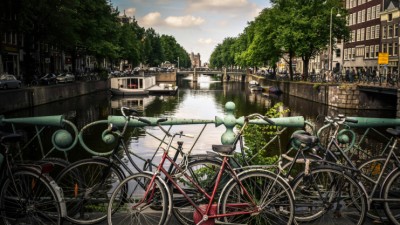
Amsterdam
Canals by day, inclusive nights by night.
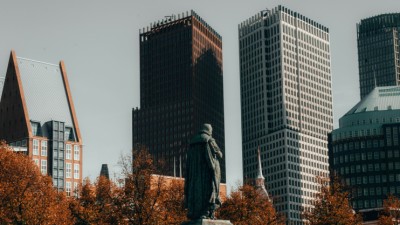
The Hague
Where seaside energy meets one of Europe’s most inclusive destinations.
Maastricht
Slow down, soak in the culture, and enjoy a welcoming city break.
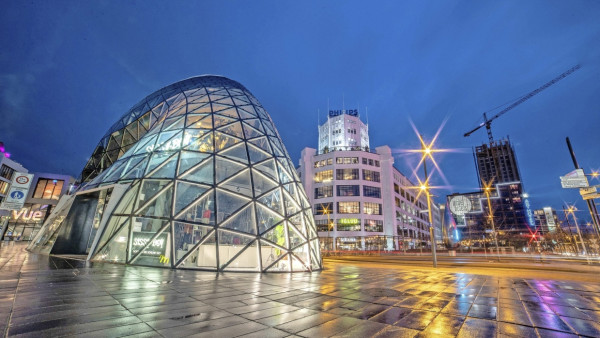
Eindhoven
A modern base where inclusive travel meets practical city life.
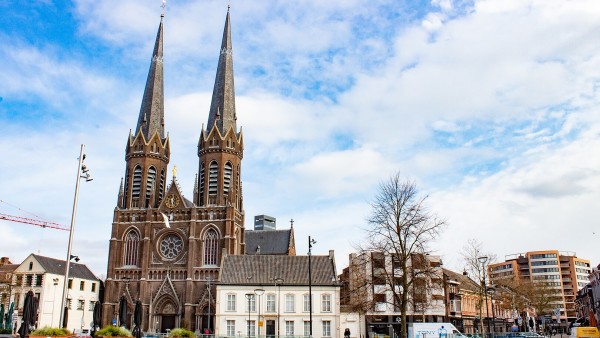
Tilburg
Discover a lively Dutch city with culture, nightlife, and easy access to inclusive travel in North Brabant.
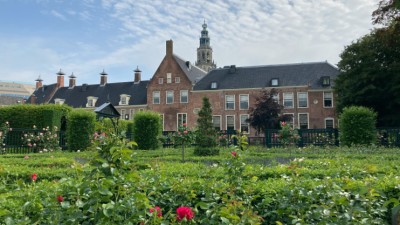
Groningen
Historic streets, student energy, and open-minded discoveries
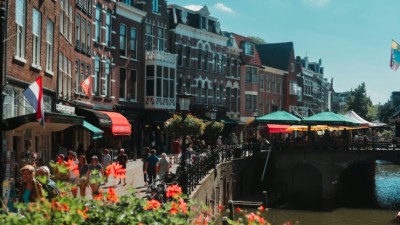
Utrecht
Historic canals, easy connections, and a lively social scene.