- Not LGBTQ+ Friendly
- 1 City Guide
- 0 Likes
- Leave a comment
About Jamaica
Overview
Jamaica is one of the Caribbean’s most recognizable destinations: a lush, mountainous island with a strong cultural identity, an influential music scene, and a long history that has shaped the way many travelers experience the region.
It is the third-largest island in the Greater Antilles and the Caribbean after Cuba and Hispaniola, and it sits south of Cuba and west of Haiti and the Dominican Republic.
For many visitors, Jamaica’s appeal lies in the combination of dramatic scenery, warm weather, and a pace of life that feels distinctly island-oriented.
For LGBTQ+ travelers, Jamaica is best understood as a place where the destination’s natural beauty and cultural depth are a major draw, while local laws and social attitudes may require thoughtful, cautious planning.
That means many travelers come for the beaches, music, food, and outdoor adventures, but also prioritize staying informed about local norms and making practical choices that support comfort and safety.
What Jamaica is known for
Jamaica’s global reputation is closely tied to reggae, Rastafarian culture, and the island’s outsized influence on music and popular culture.
Visitors often arrive expecting a vibrant, expressive place, and the island generally delivers that in its street life, sound systems, food culture, and overall atmosphere.
At the same time, Jamaica is much more than its cultural exports: it offers rainforests, waterfalls, mountains, protected coastlines, and historic towns that make it feel varied even on a relatively compact island.
The island’s size is a useful part of its travel appeal.
Jamaica covers about 10,990 square kilometres, so it is large enough to offer distinct regions and experiences, yet small enough that a trip can combine more than one type of destination without feeling overly rushed.
Travelers can pair a beach stay with time in the hills, a city visit, or a day exploring the island’s interior.
Landscape and geography
Jamaica’s geography is a major part of its identity.
The island is mountainous, with a central ridge and fertile coastal plains, and much of the scenery that travelers remember most comes from that varied terrain.
The coast offers the classic Caribbean setting many visitors seek, while the interior brings a greener, more rugged feel with forests, rivers, and elevated viewpoints.
This mix is one reason Jamaica remains attractive to both relaxation-focused visitors and travelers who want a more active itinerary.
The island’s location in the western Caribbean also influences the travel experience.
Jamaica is close enough to other Caribbean destinations to feel connected to the wider region, but it has a very distinct personality shaped by its history, language, music, and culinary traditions.
In practical terms, that makes it feel both familiar and singular: a classic Caribbean getaway, yet one with cultural layers that reward visitors who look beyond the beach.
Culture and atmosphere
Jamaican culture is a central reason people travel here.
The island’s identity is expressed through music, language, faith traditions, food, and a strong sense of national pride.
Reggae remains one of the island’s most visible cultural signatures, but travelers will also encounter dancehall, local street expressions, and a social atmosphere that can be lively, informal, and deeply local.
Even when traveling between resorts or major sights, the cultural presence is hard to miss.
For LGBTQ+ visitors, that cultural distinctiveness matters because it shapes the tone of a trip.
Jamaica is not a destination where travelers should assume the same social environment they might find in more visibly LGBTQ+-oriented Caribbean islands or in major Western cities.
The practical approach is to appreciate the island’s culture while staying mindful of context, especially in public settings and smaller communities.
Many travelers successfully enjoy Jamaica by choosing accommodations carefully, moving thoughtfully, and focusing on experiences that fit their comfort level.
Food and drink
Jamaican food is one of the country’s strongest travel draws.
The island is known for bold seasoning, smoky grilling, and dishes that reflect a mix of African, European, and local Caribbean influences.
Travelers commonly seek out jerk-style cooking, fresh seafood, curried dishes, and everyday staples that are central to local eating rather than adapted for tourists.
The result is a food scene that feels both accessible and distinctly regional.
Eating well in Jamaica is also part of the travel rhythm.
Many visitors find that some of their best experiences come from simple, informal meals rather than polished dining rooms alone.
Whether at a roadside stop, a local market area, or a beachside eatery, food often provides a direct connection to place.
That makes Jamaica particularly rewarding for travelers who enjoy exploring through taste as much as through sightseeing.
Key destinations
Kingston, the capital, is the country’s cultural and political center and a good place to understand Jamaica beyond the resort image.
It is especially relevant for travelers interested in music history, urban culture, and museums.
Montego Bay is one of the best-known visitor hubs, with major hotel infrastructure and access to beaches and the north coast.
Negril is famous for its relaxed beach atmosphere and long shoreline, making it a classic choice for travelers who want a slower, sun-focused stay.
Beyond the best-known resort areas, Jamaica’s interior and less-developed corners are part of the island’s appeal.
The Blue Mountains are an important scenic and cultural landscape, while the island’s rivers, falls, and forested areas offer a different experience from the coast.
Many travelers build itineraries that combine a beach base with excursions into the hills or across the island, since the contrast between regions is part of what makes Jamaica feel memorable.
Typical travel appeal
Jamaica tends to appeal to travelers who want more than a standard beach holiday.
It works well for people drawn to music, food, and a strong sense of place, as well as those looking for an island trip with a lot of visual variety.
The island can be as relaxed or as active as the traveler chooses, with options that range from doing very little by the water to filling days with sightseeing and outdoor exploration.
For LGBTQ+ travelers in particular, Jamaica may appeal to those who are comfortable traveling carefully and who value authenticity, scenery, and culture over a destination that is openly and broadly LGBTQ+-oriented.
The best trips are usually planned with awareness: choosing where to stay thoughtfully, being discreet when needed, and focusing on experiences that are well suited to the traveler’s comfort level.
Jamaica can be deeply rewarding for visitors who approach it on its own terms.
What makes Jamaica distinctive
What sets Jamaica apart is the way its cultural influence and natural beauty reinforce each other.
It is not just a place with attractive beaches; it is a destination with a global cultural footprint, a powerful sense of identity, and a landscape that ranges from coast to mountain.
That combination gives the island a depth that many travelers notice quickly and remember long after they leave.
For an LGBTQ+ country guide, Jamaica should be presented as a destination of real interest and beauty, but also one where practical awareness is essential.
The country’s strongest travel assets are its scenery, music, food, and warm, memorable personality.
Travelers who come prepared can experience a richly textured Caribbean destination that is distinctive, iconic, and very much its own place.
LGBTQ+ Overview
LGBTQ+ overview
Jamaica remains a destination where LGBTQ+ travelers should plan carefully. The country’s legal and social environment is still among the most challenging in the Caribbean, and the established safety grade remains E. Same-sex intimacy between men is criminalized under colonial-era law, and although enforcement against tourists is not something you can assume will happen in a uniform way, the law itself remains a real part of the risk environment. For travelers, that means discretion, good judgment about public displays of affection, and a clear understanding that legal protection is limited if an incident arises.
Social attitudes are often more difficult than the legal framework alone suggests. Homophobia has been widely documented in Jamaica, and LGBTQ+ people can face harassment, verbal abuse, discrimination in service settings, and, in some cases, threats or violence. Experiences vary by region and by venue, but travelers should not expect broad social acceptance. Same-sex couples may be more comfortable keeping affection private in public, especially outside clearly international or discreet hospitality settings. Even where individual staff or locals are welcoming, the wider environment can still shift quickly, so it is wise to remain alert in taxis, on the street, and in unfamiliar nightlife areas.
For visitors, the most common risks are social rather than administrative: unwanted attention, being outed, discriminatory treatment by businesses, or confrontation if someone perceives a relationship or expression as same-sex. Travelers who are visibly gender-nonconforming may face additional scrutiny. Practical caution matters most in everyday behavior. Arrange accommodation in advance, choose reputable transport, avoid arguments about sexuality or gender identity in public, and have a backup plan if a lodging or driver becomes uncomfortable. If you experience harassment, leaving the situation is often safer than trying to debate or explain yourself. As with any destination where the environment is hostile, travel in pairs or groups when possible and share your plans with someone you trust.
Support resources for visitors are limited, and you should not rely on a broad local network of LGBTQ+ services being readily available. If you need help, the most useful options are often your embassy or consulate, your accommodation host or hotel management, and emergency services for urgent safety or medical issues. If you are staying in Jamaica for an extended period, it is sensible to research current consular contact details before arrival and to keep identification, insurance information, and emergency phone numbers accessible. Because conditions can change by location and by time of day, ask trusted lodging staff privately about neighborhoods, transport, and areas to avoid rather than assuming online advice will be current.
Recent trajectory has been mixed rather than clearly improving. Jamaican civil society and legal advocacy around LGBTQ+ rights have continued, but there has not been a clear, traveler-facing shift to broad legal protection or widespread social acceptance. The country still sits in a high-risk category for LGBTQ+ visitors, so it should be approached as a place where caution remains necessary even if some individual experiences are uneventful. In practical terms, that means treating Jamaica as a destination where safety depends heavily on circumstances, personal visibility, and local context, rather than on strong legal or social safeguards.
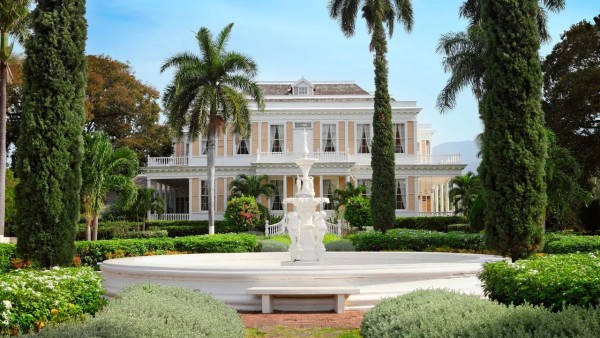
Kingston
Ride the rhythm, read the realities.