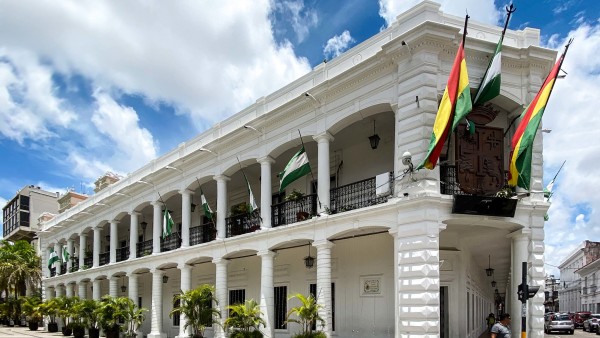
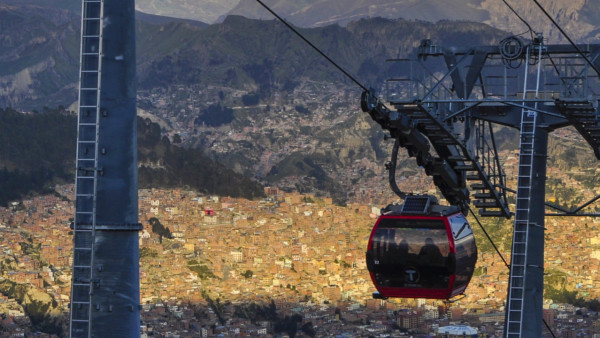
About Santa Cruz
Known for its tropical climate and rapid urban growth, it serves as a cultural and commercial center distinct from the Andean highlands.
From an LGBTQ+ perspective, Santa Cruz represents a city where traditional values coexist with gradual social change.
While Bolivia as a whole has made strides in LGBTQ+ rights, including legal recognition of gender identity and anti-discrimination laws, the visibility and acceptance of LGBTQ+ individuals in Santa Cruz remain nuanced.The city does not have a widely recognized or large-scale LGBTQ+ event comparable to Pride parades seen in other Latin American cities.
However, smaller community gatherings and advocacy efforts do take place, often organized by local NGOs and community groups focused on LGBTQ+ rights and health.
These efforts contribute to a slowly growing awareness and support network within the city.In terms of landmarks or dedicated LGBTQ+ spaces, Santa Cruz has a limited number of venues openly catering to the community, reflecting both the conservative social environment and the emerging nature of LGBTQ+ visibility in the region.
Nonetheless, the city’s increasing urbanization and connectivity provide opportunities for greater inclusion and the development of safe spaces over time.As a digital nomad and travel journalist, I find Santa Cruz to be a city of contrasts: a place where economic dynamism meets evolving social attitudes.
For LGBTQ+ travelers, it offers a chance to witness a society in transition, with the potential for deeper cultural engagement and understanding of Bolivia’s diverse social landscape.
Our Review
Community and Support in Santa Cruz, Bolivia
As a digital nomad exploring Santa Cruz from an LGBTQ+ perspective, I found that the city offers a modest but meaningful network of community and support resources.
While Santa Cruz does not have a large number of dedicated LGBTQ+ community centers or extensive infrastructure compared to larger Latin American cities, there are key organizations and services that contribute to the well-being and advocacy of LGBTQ+ individuals.
Key LGBTQ+ Organizations and Support Groups
One of the prominent organizations active in Santa Cruz is the Red LGBT de Bolivia, which operates nationally to promote LGBTQ+ rights, combat discrimination, and foster visibility.
Although its headquarters are in La Paz, the network has local chapters and allies in Santa Cruz that organize events and provide support.
Their work includes advocacy, awareness campaigns, and legal assistance.
Health Services
Regarding health services, the VIHDA Foundation plays a crucial role in providing HIV/AIDS-related support, including testing, counseling, and treatment access.
This organization is recognized for its outreach efforts within the LGBTQ+ community in Santa Cruz and beyond.
Mental health services specifically tailored for LGBTQ+ individuals are less formally established but are gradually emerging through collaborations between local NGOs and international partners.
Community Centers and Resources
Santa Cruz currently lacks dedicated LGBTQ+ community centers.
However, informal spaces such as certain cafes and cultural venues occasionally serve as gathering points for LGBTQ+ individuals.
These venues host social events and discussions that help foster a sense of community and belonging.
For digital nomads like myself, these informal networks are valuable for connecting with local LGBTQ+ residents and allies.
In summary, while Santa Cruz's LGBTQ+ community infrastructure is developing, the presence of organizations like Red LGBT de Bolivia and VIHDA Foundation, combined with informal social spaces, provide foundational support.
For those seeking a balance between work and community engagement, understanding and connecting with these resources is essential.
Events and Nightlife in Santa Cruz, Bolivia: An LGBTQ+ Perspective
As a digital nomad exploring Santa Cruz, Bolivia, I have observed that the city's LGBTQ+ scene is emerging but still relatively modest compared to larger Latin American urban centers.
Understanding the local context is essential for LGBTQ+ travelers seeking safe and welcoming environments.
Annual LGBTQ+ Events
Santa Cruz hosts an annual Pride Parade typically held in June, aligning with global Pride Month celebrations.
This event is organized by local LGBTQ+ advocacy groups and serves as a visible platform for promoting equality and raising awareness about LGBTQ+ rights in Bolivia.
While the parade is not as large as those in cities like La Paz or Cochabamba, it represents an important cultural moment for the community and allies.
LGBTQ+ Nightlife
The nightlife scene in Santa Cruz includes several venues known for being LGBTQ+ friendly, though dedicated LGBTQ+ bars and clubs are limited.
Many popular nightlife spots are mixed venues that welcome diverse crowds.
Among the better-known LGBTQ+ friendly places is La Mentirosa, located in the city center.
It is recognized for its inclusive atmosphere and attracts a diverse clientele.
Another venue, Equinoccio, occasionally hosts themed nights and drag performances, contributing to the local queer culture.
Both venues are not exclusively LGBTQ+ but are valued social spaces within the community.
Summary
Santa Cruz offers modest but meaningful opportunities for LGBTQ+ visitors to engage with local culture through its Pride events and nightlife.
While the scene is still developing, the existing venues provide safe and welcoming environments.
For digital nomads like myself, Santa Cruz's growing inclusivity combined with its other amenities makes it a city worth considering for extended stays.
Cultural and Social Activities in Santa Cruz, Bolivia: An LGBTQ+ Perspective
As a digital nomad exploring Santa Cruz de la Sierra, Bolivia, I found that the city offers a range of cultural and social activities that, while not explicitly LGBTQ+ focused, provide valuable spaces for engagement and community connection.
Theaters and Performing Arts
The Fexpocruz Cultural Center is one of the main venues for cultural events in Santa Cruz.
It hosts theater productions, concerts, and exhibitions that reflect the diverse artistic expressions of the region.
Although the programming is generally broad and not specifically LGBTQ+ oriented, it represents an important cultural hub where inclusivity can be experienced through the arts.
Museums and Art Galleries
The Museo de Arte Contemporáneo in Santa Cruz showcases contemporary art from local and international artists.
While there are no permanent LGBTQ+ themed exhibitions, the museum occasionally features works that explore identity and social issues relevant to the community.
Visiting such spaces offers insight into the evolving cultural landscape of the city.
Additionally, the Museo Nacional de Etnografía y Folklore provides context on Bolivia’s rich cultural heritage, which is essential for understanding the broader social environment in which LGBTQ+ communities live.
LGBTQ+ Specific Tours and Historical Landmarks
Currently, Santa Cruz does not have established LGBTQ+ specific tours or widely recognized historical landmarks related to LGBTQ+ history.
However, general cultural tours around the city’s vibrant neighborhoods, such as the Plaza 24 de Septiembre, offer opportunities to engage with local life and meet diverse groups of people.
Notable LGBTQ+ Figures and Influencers
Santa Cruz does not have widely publicized LGBTQ+ figures or influencers with international recognition.
Nevertheless, the local LGBTQ+ community is supported by activists and social media personalities who work to increase visibility and advocate for rights within Bolivia.
Their efforts contribute to a slowly growing acceptance and awareness in the city.
In summary, while Santa Cruz’s cultural scene is not explicitly centered on LGBTQ+ themes, the city’s theaters, museums, and public spaces provide meaningful opportunities for cultural engagement.
For digital nomads like myself, these venues offer a way to connect with the local community and appreciate the city’s artistic and social fabric.
Accommodation in Santa Cruz, Bolivia: An LGBTQ+ Perspective
As a digital nomad and LGBTQ+ traveler, finding inclusive and comfortable accommodation in Santa Cruz, Bolivia, requires careful consideration.
Santa Cruz is Bolivia's largest city and economic hub, but it is important to note that the city does not have a widely recognized or openly LGBTQ+-specific hospitality sector.
However, international hotel chains and select local accommodations tend to maintain nondiscriminatory policies, which can provide a safe and welcoming environment.
LGBTQ+ Friendly Hotels and Accommodations
While there are no officially designated LGBTQ+ hotels in Santa Cruz, many international hotel brands operating in the city adhere to inclusive policies.
For example, hotels such as Los Tajibos Hotel & Convention Center and Hotel Cortez are known for their professionalism and service standards, which generally include nondiscrimination.
These hotels offer reliable amenities such as high-speed internet and comfortable workspaces, which are essential for digital nomads.
Booking platforms like Booking.com and Airbnb are useful tools to identify accommodations with positive reviews from LGBTQ+ travelers.
Filtering reviews and reading guest experiences can provide insight into the inclusivity of a property.
Tips for Finding Inclusive Accommodation Options
- Use Established Booking Platforms: Platforms like Booking.com and Airbnb allow you to review guest feedback and sometimes filter for LGBTQ+ friendly properties.
- Research and Contact Directly: When in doubt, contacting the accommodation directly to inquire about their policies on inclusivity and nondiscrimination can provide clarity.
- Leverage LGBTQ+ Travel Communities: Online forums and social media groups focused on LGBTQ+ travel in South America can offer up-to-date recommendations and personal experiences.
- Prioritize Safety and Comfort: Choose accommodations in well-regarded neighborhoods with good security and easy access to coworking spaces or cafes with reliable internet.
Welcoming Areas and Neighborhoods
Santa Cruz does not have a distinct LGBTQ+ neighborhood, but the city center around Plaza 24 de Septiembre is generally considered more open-minded and frequented by a diverse crowd.
Staying in this area provides access to restaurants, cafes, and coworking spaces that are more accustomed to international visitors and may be more accepting.
For digital nomads, proximity to coworking spaces such as Work Café Santa Cruz can be advantageous.
These spaces often foster inclusive and progressive environments, which can contribute positively to the overall experience.
Summary
While Santa Cruz, Bolivia, may not have a prominent LGBTQ+ hospitality niche, international hotels and select local accommodations generally maintain inclusive policies.
Careful research, use of trusted booking platforms, and engagement with LGBTQ+ travel communities can help identify welcoming places to stay.
Choosing central neighborhoods like the area around Plaza 24 de Septiembre enhances access to more open-minded venues and essential amenities for digital nomads.
Dining and Entertainment in Santa Cruz, Bolivia: An LGBTQ+ Perspective
As a digital nomad exploring Santa Cruz, Bolivia, I have found that the city offers a variety of dining and entertainment options that are welcoming and inclusive, though the LGBTQ+ scene here is still developing compared to larger regional capitals.
Dining: LGBTQ+ Friendly Restaurants and Cafés
Santa Cruz has a growing number of restaurants and cafés that foster an inclusive atmosphere, though explicit LGBTQ+ branding is less common.
Many venues prioritize a friendly and respectful environment for all guests.
One notable spot is La Librería Café, a popular café known for its relaxed ambiance and cultural events.
While not exclusively LGBTQ+ focused, it is recognized as a safe and welcoming space for diverse communities.
This makes it a good place for digital nomads to work during the day and socialize in the evenings.
Another option is Factory Grill & Bar, which offers a modern dining experience with a diverse menu.
The staff are known for their professionalism and friendliness, contributing to an inclusive environment.
While the venue does not specifically market itself as LGBTQ+ oriented, the overall atmosphere is open and respectful.
Entertainment: Cinemas, Theaters, and Live Performances
Santa Cruz's cultural scene includes cinemas and theaters that occasionally showcase LGBTQ+ themed films and performances, contributing to visibility and dialogue within the community.
The Cine Center is a key venue for film screenings in the city.
It sometimes features independent and international films that explore diverse narratives, including LGBTQ+ stories.
Attending these screenings can be a way to engage with the local arts scene in an inclusive setting.
The Casa de la Cultura Raúl Otero Reiche is a cultural institution hosting plays, concerts, and art exhibitions.
While not exclusively LGBTQ+ focused, it is known for programming that embraces diversity and inclusivity, making it a valuable cultural resource.
For nightlife, venues such as Equinoxio offer themed nights and a variety of music genres.
These spaces encourage self-expression and are generally welcoming to LGBTQ+ patrons, though the scene is relatively low-key compared to larger cities.
Summary
Santa Cruz is gradually becoming more inclusive, with dining and entertainment venues that welcome LGBTQ+ individuals without explicit segregation.
For digital nomads like myself, this means finding spaces that balance a professional atmosphere with social openness.
While the city’s LGBTQ+ scene is not as prominent as in some other Latin American urban centers, the existing venues provide respectful and enjoyable experiences.
Travel Tips for LGBTQ+ Travelers Visiting Santa Cruz, Bolivia
As an LGBTQ+ traveler balancing remote work and exploration, I approach Santa Cruz de la Sierra with both curiosity and caution.
Santa Cruz is Bolivia's largest city and economic hub, yet it remains relatively conservative compared to other Latin American urban centers.
Understanding local customs, safety considerations, and ways to connect with the community is essential for a positive experience.
Local Customs and Social Context
Bolivia has made legal progress regarding LGBTQ+ rights, including anti-discrimination laws and recognition of gender identity.
However, societal acceptance varies widely, and Santa Cruz tends to be more traditional and conservative than cities like La Paz.
Public displays of affection between same-sex couples may attract unwanted attention, so discretion is advisable in public spaces.
Dos and Don'ts
- Do respect local cultural norms, especially in religious or family-oriented settings.
Modest dress is appreciated in churches and traditional neighborhoods. - Do use discretion with public displays of affection to avoid confrontation or discomfort.
- Do connect with local LGBTQ+ groups or safe venues to foster community and support.
- Don't engage in public debates or confrontations about LGBTQ+ issues, as this can escalate tensions.
- Don't assume universal acceptance; remain aware of your surroundings and local attitudes.
Travel Safety
Santa Cruz is generally safe for tourists, but like any large city, it has areas where caution is warranted.
I recommend:
- Using reputable transportation options such as Uber or Cabify rather than street taxis, especially at night.
- Staying in well-reviewed accommodations in central neighborhoods like Equipetrol or Urbarí, which are known for better security and amenities.
- Keeping valuables secure and avoiding isolated areas after dark.
- Having emergency contacts handy, including the local police and your embassy.
Connecting with the Local LGBTQ+ Community
While Santa Cruz does not have a large, openly visible LGBTQ+ scene compared to other cities, there are cultural hubs and events where community members gather.
For example, Manzana Uno is a cultural center that occasionally hosts LGBTQ+-friendly events and exhibitions.
Social media platforms like Instagram and Facebook can be valuable for finding current meet-ups or support groups.
Engaging with local NGOs or organizations focused on LGBTQ+ rights can also provide insight and connection opportunities.
Always approach these connections respectfully and prioritize your safety.
Summary
Traveling to Santa Cruz as an LGBTQ+ visitor requires awareness of local social dynamics and prudent safety measures.
By respecting cultural norms, using discretion, and seeking out community connections thoughtfully, you can enjoy the city's vibrant culture and warm hospitality while maintaining your well-being.
Conclusion: An Analytical Overview of Santa Cruz for LGBTQ+ Travelers
Santa Cruz de la Sierra stands out as a dynamic and evolving city within Bolivia, offering a mix of cultural richness and growing openness that can be encouraging for LGBTQ+ travelers.
From my experience balancing remote work and exploration here, I can affirm that the city’s youthful demographic and emerging LGBTQ+ visibility contribute positively to its social landscape.
Strengths: Santa Cruz benefits from a relatively vibrant urban environment with a number of coworking spaces such as Cowork Café Bolivia, which provide reliable internet and inclusive atmospheres for digital nomads.
The city’s annual Pride events and local LGBTQ+ initiatives, though still developing, signal increasing community engagement and visibility.
Additionally, the general hospitality of Santa Cruz’s residents and the city’s cultural diversity create a welcoming backdrop for visitors.
Challenges: Despite these positive signs, Bolivia’s legal framework does not yet fully protect LGBTQ+ rights, and societal acceptance can vary significantly, especially outside urban centers.
Travelers should remain aware of local customs and exercise discretion in more conservative settings.
Public displays of affection may attract unwanted attention, and it is advisable to stay informed about the current social climate.
Final Recommendations: For LGBTQ+ travelers considering Santa Cruz, I recommend engaging with local LGBTQ+ groups and events to better understand the community and foster connections.
Utilizing coworking spaces can also provide safe, productive environments for work and socializing.
Staying informed about local laws and cultural norms is essential for a respectful and enjoyable visit.
Overall, Santa Cruz offers a unique blend of opportunity and challenge for LGBTQ+ visitors.
Its growing inclusivity, combined with the city’s vibrant energy and digital infrastructure, make it a worthwhile destination for those seeking to explore Bolivia while maintaining a connection to remote work.
I encourage LGBTQ+ travelers to approach Santa Cruz with openness and awareness, embracing its offerings while respecting its cultural context.