About Morelia
As a UNESCO World Heritage site, it attracts travelers seeking historical depth and architectural beauty.
From an LGBTQ+ perspective, Morelia is gradually becoming recognized for its welcoming atmosphere and growing community presence, although it remains more low-key compared to larger Mexican cities like Mexico City or Guadalajara.The city hosts an annual Pride event, known as Morelia Pride, which reflects the increasing visibility and activism of the LGBTQ+ community in the region.
This event fosters awareness and inclusivity, drawing locals and visitors alike to celebrate diversity.
While Morelia does not yet have a large number of dedicated LGBTQ+ venues, the hospitality sector is increasingly open and supportive, with several bars and cafes known for their friendly environments.For travelers seeking a peaceful and culturally rich destination with a respectful and emerging LGBTQ+ scene, Morelia offers a unique blend of tradition and progress.
Its combination of historic charm and growing inclusivity makes it a noteworthy stop for those interested in exploring Mexico beyond the usual metropolitan hubs.
Our Review
Morelia, the capital of Michoacán, Mexico, is renowned for its well-preserved colonial architecture and rich cultural heritage.
As a UNESCO World Heritage site, it attracts travelers seeking historical depth and architectural beauty.
From an LGBTQ+ perspective, Morelia is gradually becoming recognized for its welcoming atmosphere and growing community presence, although it remains more low-key compared to larger Mexican cities like Mexico City or Guadalajara.
The city hosts an annual Pride event, known as Morelia Pride, which reflects the increasing visibility and activism of the LGBTQ+ community in the region.
This event fosters awareness and inclusivity, drawing locals and visitors alike to celebrate diversity.
While Morelia does not yet have a large number of dedicated LGBTQ+ venues, the hospitality sector is increasingly open and supportive, with several bars and cafes known for their friendly environments.
For travelers seeking a peaceful and culturally rich destination with a respectful and emerging LGBTQ+ scene, Morelia offers a unique blend of tradition and progress.
Its combination of historic charm and growing inclusivity makes it a noteworthy stop for those interested in exploring Mexico beyond the usual metropolitan hubs.
Social Acceptance and Safety in Morelia, Mexico
As a traveler who values peaceful and respectful environments, understanding the social acceptance and safety landscape for LGBTQ+ visitors in Morelia is essential.
Morelia, the capital of Michoacán, is a city rich in colonial architecture and cultural heritage, with a social fabric that reflects both traditional Mexican values and gradual progress in LGBTQ+ rights.
General Attitudes Towards LGBTQ+ Individuals
Mexico has made significant legal advances in LGBTQ+ rights, including the legalization of same-sex marriage in Michoacán since 2016.
This legal framework supports a more inclusive environment; however, societal attitudes in Morelia can be mixed.
Urban areas, especially the historic center, tend to be more open and accepting, largely influenced by younger generations and the presence of cultural events.
Conversely, more conservative views persist in some neighborhoods and among older demographics, reflecting traditional values common in many parts of Mexico.
Safety Overview and Tips
Morelia is generally considered safe for tourists, including LGBTQ+ visitors, particularly in well-traveled and central areas.
Violent crime rates are lower here compared to other Mexican cities, but petty crime such as pickpocketing can occur, so standard travel precautions apply.
For LGBTQ+ travelers, public displays of affection may attract unwanted attention in conservative parts of the city.
Exercising discretion, especially outside the Centro Histórico, is advisable.
It is also recommended to stay informed about local news and to connect with local LGBTQ+ organizations or online communities for up-to-date advice.
LGBTQ+-Friendly Areas
Morelia does not have a designated LGBTQ+ district, but the historic downtown area (Centro Histórico) is known to be more welcoming and inclusive.
This area hosts a variety of cafes, bars, and cultural venues where diversity is more accepted.
While explicit LGBTQ+ venues are limited, the overall atmosphere in this part of the city is more relaxed and open.
When selecting accommodations, I recommend choosing hotels or guesthouses with positive reviews from LGBTQ+ travelers or those explicitly stating inclusivity policies.
Conclusion
In summary, Morelia offers a culturally rich and relatively safe environment for LGBTQ+ visitors, particularly within its historic center.
While traditional attitudes remain in some quarters, legal protections and a growing openness contribute to a welcoming atmosphere.
By remaining aware of surroundings and respecting local customs, LGBTQ+ travelers can enjoy a peaceful and enriching stay in this beautiful Mexican city.
Community and Support in Morelia
As a traveler seeking peaceful and wellness-focused experiences, understanding the local LGBTQ+ community and support infrastructure is essential.
Morelia, the capital of Michoacán, offers a modest yet meaningful network of organizations and health services dedicated to LGBTQ+ individuals.
Key LGBTQ+ Organizations
Morelia is home to grassroots groups such as the Red Lésbico Gay de Michoacán and Colectivo Diversidad Michoacán.
These organizations focus on advocacy, visibility, and combating discrimination.
While they may not operate permanent physical community centers, they organize events, workshops, and campaigns that foster inclusion and provide safe spaces for social connection.
Health Services
Health support is a critical aspect of community well-being.
The Centro Ambulatorio para la Prevención y Atención en SIDA e Infecciones de Transmisión Sexual (CAPASITS) in Morelia provides confidential HIV/AIDS testing, counseling, and treatment services.
These services are publicly funded and accessible, playing a vital role in preventive care and ongoing support for those living with HIV.
Mental health services specifically tailored to LGBTQ+ needs are less prominently documented in Morelia.
However, general mental health care is available through public health institutions and private practitioners.
Local LGBTQ+ groups often assist in connecting individuals to appropriate mental health resources, emphasizing the importance of holistic wellness.
Community Centers and Resources
Dedicated LGBTQ+ community centers with permanent locations are currently limited in Morelia.
Nevertheless, community groups frequently host meetups, cultural events, and educational workshops in various venues around the city.
These gatherings provide important opportunities for socializing and mutual support.
Additionally, some cafes and cultural spaces in Morelia are recognized as LGBTQ+ friendly, offering welcoming environments for relaxation and connection.
While the scene is smaller compared to larger Mexican cities, the presence of these inclusive spaces contributes positively to the overall sense of community.
Conclusion
Morelia’s LGBTQ+ community infrastructure may be modest, but it is supported by active advocacy groups and essential health services.
For travelers prioritizing wellness and peaceful engagement, connecting with these organizations can enhance the experience and provide valuable support during your stay.
Annual LGBTQ+ Events in Morelia
Morelia, the capital of Michoacán, is known for its colonial architecture and tranquil atmosphere rather than a large-scale LGBTQ+ nightlife.
However, the city hosts important annual events that promote LGBTQ+ visibility and community engagement.
The most notable is Orgullo Morelia (Morelia Pride), typically held in June.
This event features a parade through the historic center, accompanied by cultural activities, workshops, and performances aimed at fostering inclusion and awareness.
While smaller than Pride events in Mexico City or Guadalajara, Orgullo Morelia is significant for local advocacy and community building.
Additionally, the Morelia International Film Festival, held annually in October, often includes screenings of films with LGBTQ+ themes, providing an artistic platform for queer narratives within the city’s cultural calendar.
Cultural and Social Activities in Morelia: An LGBTQ+ Perspective
As a traveler who values peaceful retreats and cultural immersion, I find Morelia, Michoacán, to be a city rich in history and artistic expression, though its LGBTQ+ specific cultural offerings remain limited compared to larger Mexican urban centers.
Theaters and Performing Arts
The Teatro Ocampo stands as Morelia's premier historic theater, hosting a variety of performances including plays, concerts, and dance.
While it does not specifically focus on LGBTQ+ themes, the theater maintains an inclusive environment and occasionally features contemporary works that explore diverse identities and social issues.
This venue offers a welcoming space for cultural engagement within the city’s colonial ambiance.
Museums and Art Galleries
Morelia's museums, such as the Museo Regional Michoacano and the Museo de Arte Colonial, provide deep insights into the region’s colonial history and artistic heritage.
These institutions do not currently highlight LGBTQ+ history or narratives, reflecting a broader trend in many regional Mexican museums.
For contemporary art enthusiasts, the Galería de Arte Contemporáneo at the Centro Cultural Clavijero showcases works by regional artists.
Some exhibitions occasionally address themes of identity and social inclusion, which may resonate with LGBTQ+ visitors seeking thoughtful artistic experiences.
LGBTQ+ Specific Tours and Landmarks
At present, Morelia does not have widely recognized LGBTQ+ specific tours or historical landmarks.
The city’s LGBTQ+ community is growing in visibility, but dedicated cultural programming and landmarks remain limited.
Travelers interested in LGBTQ+ history and activism might find more extensive offerings in Mexico City or Guadalajara.
Notable LGBTQ+ Figures and Influencers
There is limited publicly available information on notable LGBTQ+ figures originating from Morelia.
This reflects the emerging visibility of LGBTQ+ communities in many regional Mexican cities, where social acceptance and representation are gradually increasing.
Summary
While Morelia may not yet be a major hub for LGBTQ+-specific cultural activities, its historic theaters, museums, and galleries offer meaningful and inclusive cultural experiences.
The city’s tranquil atmosphere and rich artistic heritage make it a peaceful destination for LGBTQ+ travelers seeking cultural enrichment alongside relaxation.
Accommodation in Morelia: LGBTQ+ Friendly Hotels and Neighborhoods
As a traveler who values peaceful retreats and wellness-focused experiences, I have found Morelia, Mexico, to offer a variety of accommodation options that cater respectfully to LGBTQ+ visitors.
While Morelia is not yet widely recognized as a major LGBTQ+ travel hub, the city’s warm hospitality and growing openness make it a welcoming destination for those seeking cultural richness combined with inclusive stays.
LGBTQ+ Friendly Hotels and Accommodations
Morelia’s accommodation scene includes several hotels known for their respectful and inclusive environments.
Although explicit LGBTQ+ branding is rare, many establishments are praised for their professionalism and welcoming attitudes:
- Hotel Zócalo Central: Located in the historic center, this hotel offers comfortable rooms and attentive service.
Its central location allows easy access to Morelia’s colonial architecture and cultural sites, making it a convenient base for exploration. - Hotel Misión Morelia Centro Histórico: Part of a reputable Mexican hotel chain, it provides clean, comfortable accommodations with staff known for their courteous and professional treatment of all guests.
- Casa Marietta Hotel Boutique: A smaller boutique option that emphasizes tranquility and personalized service, ideal for travelers seeking a quiet, wellness-oriented stay.
When selecting accommodations, I recommend reviewing recent guest feedback on platforms such as Booking.com and TripAdvisor.
These reviews often provide insights into the inclusivity and atmosphere experienced by LGBTQ+ travelers.
Tips for Finding Inclusive Accommodation Options
- Research Reviews Thoroughly: Look for mentions of respectful treatment and welcoming staff in guest comments.
- Contact Hotels Directly: When in doubt, reach out to inquire about their policies or experience hosting LGBTQ+ guests.
- Use Trusted Booking Platforms: Platforms that allow filtering by traveler ratings and detailed reviews can help identify inclusive properties.
Welcoming Areas and Neighborhoods
Morelia’s Centro Histórico (Historic Center) is the heart of the city and generally considered safe and welcoming.
Its vibrant cultural scene attracts diverse visitors, creating an atmosphere of openness.
Additionally, neighborhoods such as La Huerta and Colonia Morelos are known for their artistic communities and progressive residents, contributing to a tolerant and peaceful environment.
In summary, while Morelia may not yet be a prominent LGBTQ+ travel destination, it offers a culturally rich and tranquil setting with accommodations that typically provide respectful and inclusive service.
By choosing well-reviewed hotels and staying in open-minded neighborhoods, LGBTQ+ travelers can enjoy a comfortable and rejuvenating experience.
Dining and Entertainment in Morelia: An LGBTQ+ Friendly Perspective
Morelia, the capital of Michoacán, is a city known for its colonial architecture, rich cultural heritage, and vibrant culinary scene.
From an LGBTQ+ traveler’s perspective, the city offers a generally welcoming atmosphere, though it is important to note that Morelia is not widely recognized as a major LGBTQ+ hub compared to larger Mexican cities like Mexico City or Guadalajara.
Nonetheless, there are several dining and entertainment options that provide inclusive and respectful environments.
Dining: LGBTQ+ Friendly Restaurants and Cafés
While there are no exclusively LGBTQ+ venues in Morelia, many restaurants and cafés in the historic center are known for their warm hospitality and inclusive service.
The city’s dining scene is diverse, ranging from traditional Michoacán cuisine to contemporary eateries, many of which foster a relaxed and respectful atmosphere.
- La Conspiración de 1809: Located in the historic center, this restaurant offers traditional regional dishes in a cozy setting.
The staff is known for professionalism and friendliness, creating an environment where LGBTQ+ guests can feel comfortable. - Café Milano: A small, inviting café popular for its coffee and pastries.
It is appreciated for its quiet ambiance and welcoming staff, making it a good spot for relaxed socializing or solo visits. - Comedor Vegetariano: Catering to vegetarian and vegan diets, this eatery emphasizes wellness and calm, which aligns well with travelers seeking peaceful dining experiences in an inclusive environment.
Entertainment: Cinemas, Theaters, and Live Performances
Morelia’s cultural scene is vibrant, with theaters and cinemas that host a variety of performances and screenings.
These venues generally maintain an inclusive atmosphere, although explicit LGBTQ+ programming is limited.
- Teatro Ocampo: A historic theater that stages plays, concerts, and cultural events.
While not specifically LGBTQ+ focused, the venue welcomes diverse audiences and contributes to the city’s rich cultural fabric. - Morelia International Film Festival (FICM): This prestigious annual event occasionally features LGBTQ+ themed films and discussions, promoting visibility and dialogue within the community.
It is a significant cultural highlight for visitors interested in diverse cinematic narratives. - Cinemex Morelia: A mainstream cinema chain offering a comfortable viewing experience.
Special screenings sometimes include LGBTQ+ films, though these are not regular occurrences.
Dedicated LGBTQ+ nightlife venues are limited in Morelia.
However, the general hospitality industry tends to be respectful and welcoming.
Visitors seeking a peaceful, culturally immersive experience will find Morelia’s dining and entertainment options suitable and inclusive.
Practical Travel Advice for LGBTQ+ Visitors to Morelia
As a relaxation-focused traveler who values peaceful retreats and cultural immersion, I find Morelia, Mexico, to be a fascinating destination with its colonial charm and tranquil atmosphere.
When visiting from an LGBTQ+ perspective, it’s important to approach the city with awareness of local customs, safety considerations, and ways to respectfully connect with the community.
Understanding Local Customs and Social Climate
Morelia is located in the state of Michoacán, which is known for its strong traditional and Catholic influences.
While Mexico federally recognizes LGBTQ+ rights, including marriage equality, social attitudes can vary significantly by region.
Michoacán tends to be more conservative compared to metropolitan areas like Mexico City or Guadalajara.
Public displays of affection between same-sex couples are generally best kept discreet outside of known LGBTQ+ friendly venues to avoid unwanted attention.
Respecting local customs is essential.
Engaging politely and avoiding discussions on sensitive topics such as politics or religion in casual encounters can help maintain a positive experience.
Learning basic Spanish phrases related to greetings and polite conversation is highly recommended to facilitate respectful interactions.
Safety Considerations
Morelia is generally considered safe for tourists, including LGBTQ+ visitors, but standard travel precautions apply.
I advise staying in well-populated, well-lit areas, particularly after dark.
Registered taxis or ride-hailing services like Uber are preferable to street cabs for reliable and secure transportation.
There are no widespread reports of targeted violence against LGBTQ+ travelers in Morelia, but vigilance remains important.
Carry copies of your passport and emergency contact information.
Additionally, having travel health insurance that covers medical emergencies is a prudent measure.
Familiarize yourself with the locations of nearby clinics or hospitals before arrival.
Connecting with the Local LGBTQ+ Community
Morelia’s LGBTQ+ scene is relatively low-profile compared to larger Mexican cities.
A handful of bars and social venues are known to be welcoming, though they may not be widely advertised online.
For updated information, I recommend consulting local tourist information centers or choosing accommodations that identify as LGBTQ+ friendly.
Online platforms such as Grindr or Tinder can be useful for meeting locals, but always arrange meetings in public, safe spaces.
Additionally, Michoacán has LGBTQ+ advocacy groups that occasionally organize cultural or social events, though details may require local inquiry.
Dos and Don'ts
- Do maintain discretion with public displays of affection outside LGBTQ+ venues.
- Do use registered transportation and avoid isolated areas at night.
- Do learn basic Spanish phrases to enhance respectful communication.
- Don't engage in confrontational discussions about politics or religion with strangers.
- Don't assume the local LGBTQ+ scene is as visible or open as in larger cities.
Final Thoughts
Morelia offers a serene and culturally rich environment for LGBTQ+ travelers who prioritize safety and cultural sensitivity.
By respecting local customs and taking practical safety measures, visitors can enjoy the city’s historic beauty and peaceful ambiance with confidence.
As a relaxation-focused traveler and journalist, I find Morelia to be a city of subtle charm and cultural richness that offers a peaceful retreat for LGBTQ+ visitors seeking both heritage and wellness.
Morelia’s strengths lie in its well-preserved colonial architecture, tranquil atmosphere, and a slowly growing but visible LGBTQ+ community.
The city’s historic center, recognized as a UNESCO World Heritage site, provides a beautiful backdrop for exploration, while local establishments offer welcoming spaces for LGBTQ+ individuals.
However, it is important to acknowledge that Morelia remains a city influenced by traditional values, which can present challenges for LGBTQ+ travelers in terms of public visibility and expression.
While there are LGBTQ+-friendly bars and occasional events, the scene is modest compared to larger Mexican cities like Mexico City or Guadalajara.
Discretion and cultural sensitivity are advisable, particularly outside designated LGBTQ+ venues.
For those seeking a balance between cultural immersion and wellness, Morelia offers spa facilities and quiet hotels that align well with a relaxation-focused itinerary.
Engaging with local LGBTQ+ spaces and events, when available, can enrich your experience and provide meaningful connections.
In summary, Morelia is best suited for LGBTQ+ travelers who appreciate historical ambiance, cultural depth, and a serene environment.
I encourage visitors to explore the city’s LGBTQ+ offerings with an open mind and respectful approach, allowing Morelia’s unique blend of tradition and emerging inclusivity to provide a restorative and memorable journey.
Other Guides in Mexico
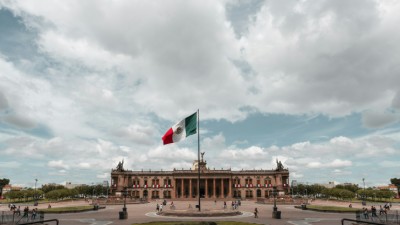
Mexico City
City of Palaces
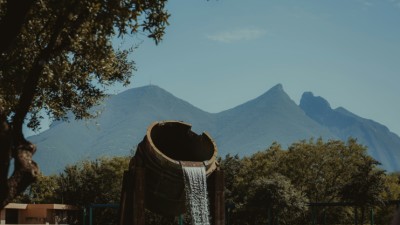
Monterrey
The Sultan of the North
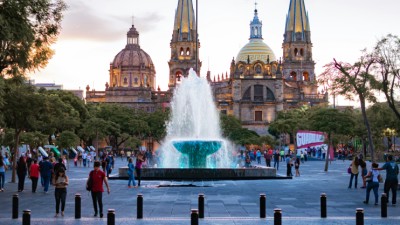
Guadalajara
The Pearl of the West
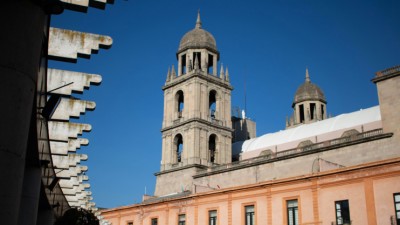
Toluca
The Altitude Capital
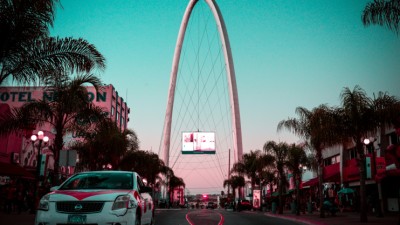
Tijuana
Gateway to Latin America
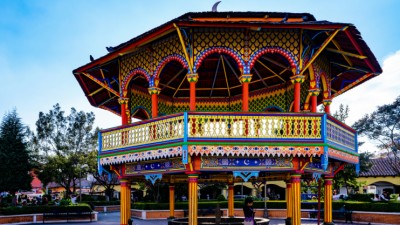
Puebla
City of Angels
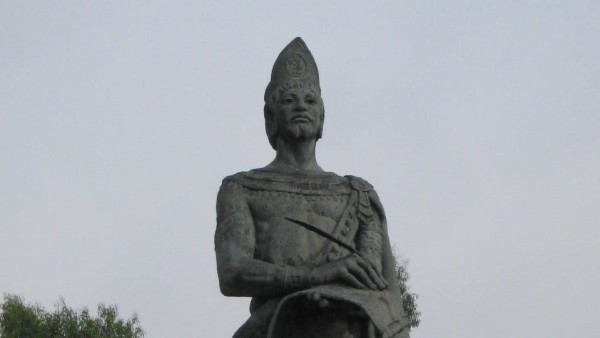
Nezahualcóyotl
City of Poetry
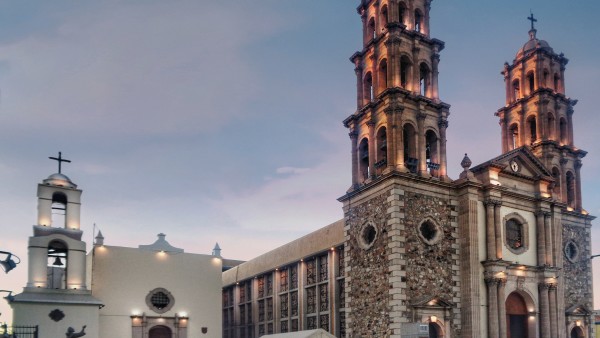
Juárez
Paso del Norte
León de los Aldama
The Shoe Capital
Ecatepec
City of Wind
Zapopan
Land of Friendship
Mexicali
City of Eternal Summer
Ciudad Nezahualcóyotl
City of Poetry