About Puebla
Known primarily for its rich colonial architecture, culinary heritage, and UNESCO World Heritage status, Puebla is gradually becoming more visible and welcoming to LGBTQ+ individuals.While Puebla may not yet be as internationally recognized for its LGBTQ+ scene as Mexico City or Guadalajara, it hosts important annual events such as the Puebla Pride (Marcha del Orgullo LGBT Puebla), which has been gaining momentum in recent years.
This event symbolizes growing acceptance and community organization within the city.In terms of landmarks, Puebla's historic center, with its vibrant plazas and cafes, serves as informal gathering spaces for LGBTQ+ locals and visitors alike.
Though dedicated LGBTQ+ venues are fewer compared to larger metropolitan areas, the city’s evolving social climate reflects a broader trend of increasing inclusivity in Mexican urban centers.Overall, Puebla offers a unique blend of cultural heritage and emerging LGBTQ+ visibility, making it an intriguing destination for travelers seeking both historical depth and a welcoming atmosphere.
Our Review
As an adventurous explorer passionate about uncovering the layers of culture and identity in every destination, I find Puebla, Mexico, to be a fascinating city to analyze through an LGBTQ+ lens.
Known primarily for its rich colonial architecture, culinary heritage, and UNESCO World Heritage status, Puebla is gradually becoming more visible and welcoming to LGBTQ+ individuals.
While Puebla may not yet be as internationally recognized for its LGBTQ+ scene as Mexico City or Guadalajara, it hosts important annual events such as the Puebla Pride (Marcha del Orgullo LGBT Puebla), which has been gaining momentum in recent years.
This event symbolizes growing acceptance and community organization within the city.
In terms of landmarks, Puebla's historic center, with its vibrant plazas and cafes, serves as informal gathering spaces for LGBTQ+ locals and visitors alike.
Though dedicated LGBTQ+ venues are fewer compared to larger metropolitan areas, the city’s evolving social climate reflects a broader trend of increasing inclusivity in Mexican urban centers.
Overall, Puebla offers a unique blend of cultural heritage and emerging LGBTQ+ visibility, making it an intriguing destination for travelers seeking both historical depth and a welcoming atmosphere.
Social Acceptance and Safety in Puebla from an LGBTQ+ Perspective
As an adventurous explorer with a focus on LGBTQ+ travel, I approached Puebla, Mexico, with curiosity about its social climate and safety for LGBTQ+ visitors.
Puebla is a city rich in colonial history and culture, located about two hours southeast of Mexico City.
While Mexico has made significant legal progress in LGBTQ+ rights, including marriage equality in many states, social acceptance varies considerably by region, and Puebla reflects a more conservative stance compared to larger urban centers.
General Attitudes Towards LGBTQ+ Individuals
Puebla’s population tends to hold traditional values, especially among older generations and in more rural or suburban areas.
Public displays of affection between same-sex couples are less common and may attract attention, though outright hostility is rare in tourist-friendly and central neighborhoods.
Younger people, university students, and those involved in artistic communities tend to be more open and accepting.
However, it is important to recognize that Puebla does not have the same level of visible LGBTQ+ activism or infrastructure as Mexico City or Guadalajara.
Safety Concerns and Tips
From my research and conversations with local LGBTQ+ residents and travelers, violent crime specifically targeting LGBTQ+ individuals in Puebla is uncommon.
Nevertheless, discrimination and social stigma can still occur, particularly in conservative neighborhoods or during public events.
To stay safe, I recommend the following:
- Stay informed: Research local customs and current social attitudes before your trip.
- Choose LGBTQ+-friendly accommodations: Look for hotels or guesthouses with positive reviews from LGBTQ+ travelers.
- Exercise discretion: In less accepting areas, avoid overt public displays of affection.
- Connect with local LGBTQ+ groups: Organizations such as Orgullo Puebla provide community support and information on safe spaces.
LGBTQ+-Friendly and Less Welcoming Areas
Puebla does not have a distinct gay district like Mexico City’s Zona Rosa.
However, the Historic Center (Centro Histórico) is a cultural hub with cafes, bars, and galleries that attract a diverse and generally tolerant crowd.
The La Paz neighborhood is known for its artistic vibe and tends to be more open-minded.
Conversely, more traditional neighborhoods outside the city center may be less welcoming, so I advise caution when exploring these areas.
Overall, Puebla offers a culturally rich experience with a cautiously growing acceptance of LGBTQ+ individuals.
By staying aware and respectful of local customs, LGBTQ+ travelers can enjoy the city’s unique charm while maintaining personal safety.
Cultural and Social Activities in Puebla, Mexico: An LGBTQ+ Perspective
As an adventurous explorer passionate about uncovering authentic cultural experiences, I found Puebla to be a city steeped in history and artistic expression, offering a unique backdrop for LGBTQ+ travelers seeking meaningful engagement with local culture.
Theaters and Performing Arts
Puebla’s Teatro Principal stands as a historic venue hosting a variety of performances including classical music, traditional Mexican theater, and dance.
While there is no dedicated LGBTQ+ programming, the theater’s diverse repertoire provides an opportunity to appreciate the city’s rich artistic traditions.
Additionally, smaller independent theaters occasionally present contemporary works that explore social themes relevant to diverse audiences.
Museums and Art Galleries
The city boasts several museums that are culturally significant and welcoming to all visitors.
The Museo Amparo is notable for its extensive collection ranging from pre-Hispanic artifacts to contemporary art.
It occasionally features exhibitions that address identity and social issues, creating space for dialogue that resonates with LGBTQ+ themes.
The Museo de la Revolución offers historical context on Puebla’s role in Mexico’s revolutionary history, enriching visitors’ understanding of the city’s complex past.
LGBTQ+ Specific Tours and Social Spaces
Currently, Puebla does not have widely publicized LGBTQ+-specific tours or a large number of dedicated social venues.
However, local tour operators can often tailor experiences to be LGBTQ+ friendly upon request.
Social spaces tend to be more low-key and integrated within the broader nightlife scene.
For up-to-date information, connecting with local LGBTQ+ organizations or online communities is advisable to discover safe and welcoming events.
Historical Landmarks
Puebla’s colonial architecture and landmarks such as the Puebla Cathedral and the Great Pyramid of Cholula are accessible and culturally significant, though they do not have specific LGBTQ+ historical associations.
Exploring these sites offers insight into the city’s heritage and the blend of indigenous and colonial influences shaping its identity.
Notable LGBTQ+ Figures and Influencers
While Puebla’s LGBTQ+ community is growing, there is limited public information on prominent LGBTQ+ figures from the city.
Activists and artists within Puebla contribute to increasing visibility and inclusion, often through grassroots efforts and cultural initiatives.
Engaging with local organizations can provide deeper insight into these influencers and their work.
Conclusion
Puebla presents a culturally rich environment with theaters, museums, and historical sites that welcome LGBTQ+ travelers.
Although dedicated LGBTQ+ cultural programming and nightlife are still emerging, the city’s inclusive spirit and evolving community offer meaningful opportunities for exploration and connection.
Accommodation in Puebla: LGBTQ+ Friendly Hotels and Neighborhoods
As an adventurous traveler exploring Puebla, Mexico, I found that while the city is not widely known as a dedicated LGBTQ+ hotspot, it offers a welcoming and inclusive environment for LGBTQ+ visitors.
Puebla’s rich colonial architecture and vibrant cultural scene are complemented by a growing number of accommodations that are open and respectful toward LGBTQ+ guests.
LGBTQ+ Friendly Hotels
Several hotels in Puebla have earned reputations for professionalism and inclusivity, even if they do not explicitly brand themselves as LGBTQ+ exclusive:
- Hotel Casa Reyna: Located in Puebla’s historic center, this boutique hotel combines traditional Mexican colonial architecture with modern comforts.
The staff is known for respectful and attentive service, creating a comfortable environment for all guests. - Hotel La Purificadora: Set in a beautifully restored former water purification plant, this hotel offers a unique industrial-chic design, rooftop pool, and spa facilities.
It is recognized for its welcoming atmosphere and high standards of hospitality. - Hotel del Museo: Situated near the city center, this hotel features art-filled interiors and a calm ambiance.
It is appreciated by travelers looking for cultural immersion alongside inclusive service.
Tips for Finding Inclusive Accommodation
When searching for LGBTQ+ friendly lodging in Puebla, I recommend the following strategies:
- Use Trusted LGBTQ+ Travel Resources: Websites like Travel Gay and GayCities provide listings and reviews from LGBTQ+ travelers.
- Check Recent Guest Reviews: Platforms such as Booking.com and Airbnb often include guest feedback that can indicate how welcoming a place is to LGBTQ+ visitors.
- Contact Hotels Directly: Asking about their experience with LGBTQ+ guests and non-discrimination policies can provide reassurance before booking.
Welcoming Neighborhoods
Puebla’s Historic Center (Centro Histórico) is the cultural and social heart of the city, featuring numerous restaurants, cafes, and bars that attract a diverse crowd.
This area is generally safe and inclusive, making it a preferred choice for LGBTQ+ travelers seeking both convenience and a vibrant atmosphere.
Nearby, the town of San Andrés Cholula offers a more relaxed, artistic environment with a friendly local community.
While not specifically an LGBTQ+ hub, its welcoming vibe and proximity to Puebla make it a good option for travelers seeking a quieter stay.
Conclusion
Though Puebla does not have a large number of explicitly LGBTQ+ branded accommodations, the city’s hospitable culture and several inclusive hotels provide safe and comfortable options.
By focusing on the historic center or nearby Cholula, LGBTQ+ travelers can enjoy a culturally rich, welcoming, and memorable visit.
Dining and Entertainment in Puebla: An LGBTQ+ Friendly Perspective
As an adventurous explorer passionate about discovering inclusive destinations, I found Puebla, Mexico, to be a city with a rich cultural heritage and a gradually evolving LGBTQ+ friendly scene, particularly in dining and entertainment.
While Puebla is not as internationally recognized for its LGBTQ+ nightlife as Mexico City or Guadalajara, it offers a variety of welcoming spaces that reflect the city’s warmth and hospitality.
Dining: LGBTQ+ Friendly Restaurants and Cafés
Puebla’s culinary scene is deeply rooted in traditional Mexican flavors, but it also embraces modern and international influences.
Although there are no exclusively LGBTQ+ branded restaurants or cafés, many venues are known for their inclusive and respectful atmospheres.
- El Mural de los Poblanos: This well-established restaurant in Puebla’s historic center offers authentic Poblano cuisine in an elegant setting.
The staff is known for professionalism and inclusivity, making it a comfortable choice for LGBTQ+ visitors seeking traditional flavors. - Casa de los Muñecos: Located in the historic center, this restaurant combines colonial architecture with contemporary Mexican dishes.
It is popular among locals and tourists alike and maintains a welcoming environment for diverse clientele. - Café Milagros: A cozy café with a relaxed vibe, serving specialty coffee and light meals.
While not explicitly LGBTQ+ themed, it is frequented by a progressive crowd and is considered a safe space.
In general, Puebla’s dining venues tend to be inclusive, with many younger restaurateurs and staff embracing diversity.
However, LGBTQ+ travelers should note that explicit queer-themed dining spaces are limited compared to larger metropolitan areas.
Entertainment: Cinemas, Theaters, and Live Performances
Puebla offers a variety of cultural venues that contribute to an inclusive entertainment landscape.
- Teatro Principal de Puebla: This historic theater hosts a wide range of performances, including plays, concerts, and dance shows.
While not exclusively LGBTQ+ focused, the theater occasionally features productions that explore diverse themes and welcomes all audiences. - Cinemex and Cinépolis: The main cinema chains in Puebla screen international, mainstream, and independent films.
During film festivals, such as the Puebla International Film Festival, LGBTQ+ themed movies are sometimes showcased, providing visibility and representation. - Live Music and Bars: Puebla’s nightlife includes several bars and clubs that, while not exclusively LGBTQ+, are known for their open and friendly atmospheres.
Venues like Bar La Purísima and La Pasita are popular among locals and visitors for their relaxed environment.
Some bars host occasional drag shows or themed nights, particularly during Pride Month.
Inclusivity and Safety
Puebla is generally considered safe and welcoming for LGBTQ+ travelers, especially in tourist areas and cultural hubs.
The city’s hospitality sector is professional, and many venues demonstrate respect and inclusivity.
Nonetheless, as with any destination, exercising usual travel caution and respecting local customs is advisable.
In summary, Puebla offers a solid foundation of LGBTQ+ friendly dining and entertainment options, with a focus on cultural richness and authentic experiences.
While the city’s queer scene is still growing, its inclusive spirit and diverse venues make it a rewarding destination for LGBTQ+ travelers seeking both tradition and openness.
Local Customs and Etiquette
Puebla is a city rich in colonial history and traditional Mexican culture, with a strong Catholic influence that shapes many social norms.
While Mexico has made significant strides in LGBTQ+ rights, Puebla remains more conservative compared to larger cities like Mexico City or Guadalajara.
Public displays of affection between same-sex couples are generally uncommon and may attract attention, especially in more traditional neighborhoods or religious sites.
I recommend exercising discretion in public spaces and respecting local customs.
Spanish is the primary language spoken, and while some people in tourist areas may speak English, having a basic knowledge of Spanish phrases related to LGBTQ+ topics can enhance communication and safety.
Dos and Don'ts
- Do use registered taxis or rideshare services such as Uber, which operate reliably in Puebla and provide safer transportation options.
- Do dress modestly when visiting religious or traditional sites like the Puebla Cathedral or the Church of Santo Domingo to show respect.
- Do seek out LGBTQ+-friendly venues and events to connect with the local community.
Puebla has a small but growing LGBTQ+ scene, including bars and occasional cultural events. - Don't assume all neighborhoods are equally welcoming; some areas may be less open to LGBTQ+ visitors, so stay in well-known, populated areas.
- Don't engage in overt public displays of affection in conservative settings to avoid unwanted attention or discomfort.
Travel Safety
Puebla is generally considered safe for tourists, including LGBTQ+ travelers, but standard precautions are advisable.
Stick to well-lit, busy areas after dark, and keep your belongings secure.
Emergency services can be reached by dialing 911.
It’s also wise to know the location and contact information of your country’s embassy or consulate in Mexico City, as Puebla does not host foreign diplomatic missions.
Connecting with the Local LGBTQ+ Community
Puebla’s LGBTQ+ community is smaller and less visible than in Mexico City, but there are LGBTQ+-friendly spaces such as La Casa de la Cerveza, a popular bar known for its welcoming atmosphere.
Pride events and cultural festivals occur on a smaller scale, so checking social media platforms and local event listings can help you find current gatherings.
Engaging respectfully with local activists or community groups can provide valuable insights and opportunities to connect.
Overall, approaching Puebla with cultural sensitivity and awareness allows LGBTQ+ travelers to enjoy the city’s rich heritage and vibrant culture safely and meaningfully.
As an adventurous explorer with a keen interest in LGBTQ+ friendly destinations, I find Puebla to be a city of contrasts and opportunities.
Its rich colonial heritage, vibrant culinary scene, and welcoming atmosphere make it an appealing choice for LGBTQ+ travelers seeking a cultural experience beyond Mexico City's more prominent queer scene.
One of Puebla's strengths lies in its growing openness and the presence of local LGBTQ+ events, such as the annual Pride parade, which reflects a community increasingly visible and active in advocating for rights and acceptance.
The city's relatively smaller size compared to Mexico City means a more intimate experience, where personal interactions often reveal warmth and hospitality.
However, challenges remain.
Puebla is still influenced by traditional and conservative social norms, which can affect the level of public LGBTQ+ visibility and acceptance in certain neighborhoods or social settings.
Travelers should remain aware of this dynamic and seek out known LGBTQ+-friendly venues and social spaces to ensure a comfortable and safe experience.
For those willing to explore, Puebla offers a unique blend of history, art, and gastronomy alongside a quietly emerging LGBTQ+ scene.
I recommend engaging with local LGBTQ+ organizations or community centers when possible, and visiting inclusive venues such as La Cueva and Benjamins, which are known for their welcoming environments.
In summary, Puebla is a destination that rewards the curious and respectful traveler.
While it may not yet rival larger metropolitan hubs in terms of LGBTQ+ nightlife or infrastructure, its cultural richness and evolving inclusivity make it a worthwhile stop on any LGBTQ+ travel itinerary in Mexico.
I encourage fellow travelers to embrace Puebla’s charm, support its local LGBTQ+ community, and enjoy the city’s many offerings with an open mind and adventurous spirit.
Other Guides in Mexico
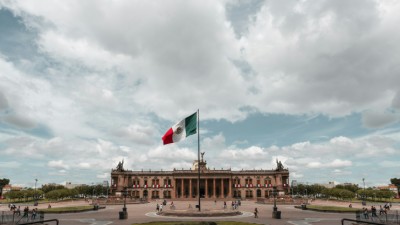
Mexico City
City of Palaces

Monterrey
The Sultan of the North
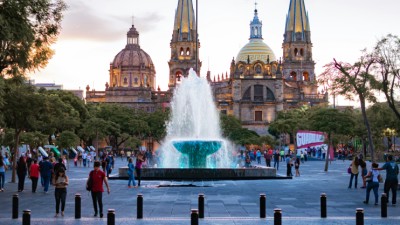
Guadalajara
The Pearl of the West
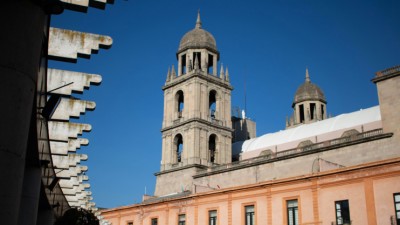
Toluca
The Altitude Capital
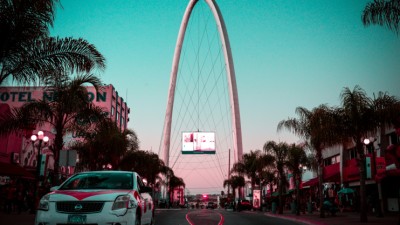
Tijuana
Gateway to Latin America

Nezahualcóyotl
City of Poetry
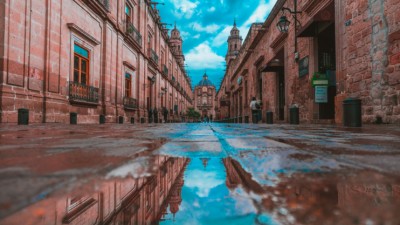
Morelia
The Garden of New Spain
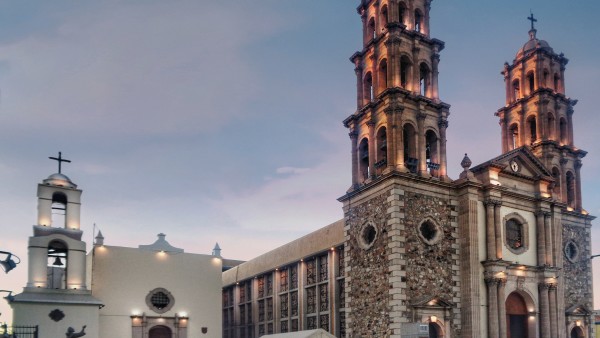
Juárez
Paso del Norte
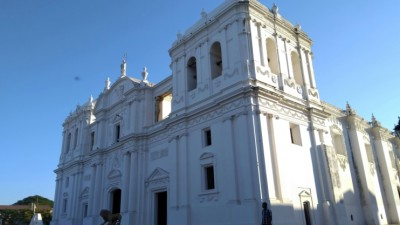
León de los Aldama
The Shoe Capital
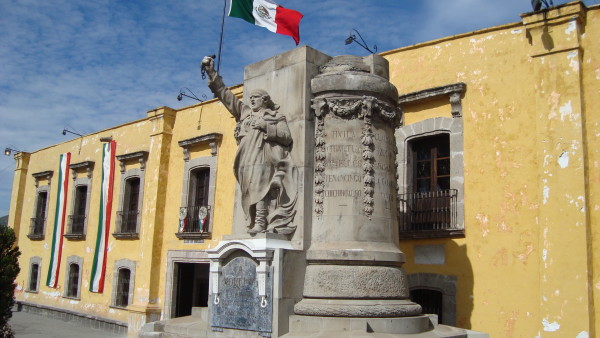
Ecatepec
City of Wind
Zapopan
Land of Friendship
Mexicali
City of Eternal Summer
Ciudad Nezahualcóyotl
City of Poetry