- Home
- United States
- Manhattan
About Manhattan
For LGBTQ+ travelers, its importance is tied less to a single district than to the borough’s long role in the broader story of queer life in New York City and the United States, where LGBTQ+ rights have evolved significantly over time.
Manhattan is also part of a city that has long been associated with major LGBTQ+ visibility, community organizing, and public events.For visitors, the appeal is both cultural and practical.
I come here for the museums, the theater, the neighborhoods, and the food scene—from casual bites to fine dining—while also recognizing Manhattan as a place where LGBTQ+ travelers can experience a dense concentration of public life, entertainment, and iconic city landmarks.
In the wider New York context, annual Pride celebrations remain among the most visible LGBTQ+ events in the United States, and Manhattan is closely associated with that citywide presence.
Well-known landmarks connected to LGBTQ+ history in New York include the Stonewall National Monument in Greenwich Village, one of the most important sites in modern LGBTQ+ history.
Our Review
As a travel journalist, I think of Manhattan as one of the most recognizable urban destinations in the world: a dense, fast-moving island in New York City with landmark streets, a famous skyline, Broadway, Times Square, and Central Park.
For LGBTQ+ travelers, its importance is tied less to a single district than to the borough’s long role in the broader story of queer life in New York City and the United States, where LGBTQ+ rights have evolved significantly over time.
Manhattan is also part of a city that has long been associated with major LGBTQ+ visibility, community organizing, and public events.
For visitors, the appeal is both cultural and practical.
I come here for the museums, the theater, the neighborhoods, and the food scene—from casual bites to fine dining—while also recognizing Manhattan as a place where LGBTQ+ travelers can experience a dense concentration of public life, entertainment, and iconic city landmarks.
In the wider New York context, annual Pride celebrations remain among the most visible LGBTQ+ events in the United States, and Manhattan is closely associated with that citywide presence.
Well-known landmarks connected to LGBTQ+ history in New York include the Stonewall National Monument in Greenwich Village, one of the most important sites in modern LGBTQ+ history.
Accommodation in Manhattan for LGBTQ+ travelers
When I look for a place to stay in Manhattan, I think first about location and ease of movement.
Manhattan is dense, walkable in many parts, and well connected by the subway, which makes it practical to base myself near neighborhoods where I’ll spend most of my time.
For LGBTQ+ travelers, the borough’s long association with queer history and culture, especially downtown, also makes it one of the most straightforward places in the United States to find accommodation without feeling out of place.
What I look for in an inclusive hotel
Manhattan does not have a single official “LGBTQ+ hotel district,” so I focus on properties that are openly welcoming, professionally managed, and easy to access from neighborhoods I want to explore.
In practice, I look for hotels that clearly state nondiscrimination policies, train staff in respectful guest service, and allow me to book without having to explain my relationship or identity.
I also prefer places that are part of larger, well-established hotel brands or reputable independent hotels with strong guest reviews from LGBTQ+ travelers.
Because Manhattan is one of the most visited parts of New York City, accommodation ranges from luxury hotels and boutique properties to hostels and apartment-style stays.
I always verify current policies directly with the property before booking, especially if I’m traveling with a partner or staying in a shared-room setup.
For the most current general orientation to the borough, I use trusted city guides such as Wikivoyage’s Manhattan guide.
Neighborhoods that feel especially welcoming
For LGBTQ+ visitors, I naturally gravitate toward Greenwich Village and the West Village.
These downtown neighborhoods are closely tied to the history of LGBTQ+ life in New York, and they remain convenient bases for cafés, bars, restaurants, and historic sights.
Staying here means I can walk to major queer landmarks and still have easy transit access to the rest of Manhattan.
The area is also strong for food-focused travel: I can move between casual brunch spots, classic New York delis, and destination restaurants without needing a long commute.
Chelsea is another practical choice.
It offers a mix of hotels, galleries, restaurants, and subway access, and it sits close to downtown without the intensity of the busiest tourist corridors.
For travelers who want a slightly quieter base while still staying near LGBTQ+ life, Chelsea can work well.
Midtown is more about convenience than community feel.
I use it when I want easy access to Broadway, Penn Station, Grand Central, or major shopping streets.
It is not the most characterful area for LGBTQ+ culture, but it can be a smart location for first-time visitors or short stays, especially if I plan to spend much of the day downtown.
How I choose an LGBTQ+-friendly place to stay
My first step is to read the hotel’s own policies, then check recent guest reviews for signs of respectful service.
I look for inclusive language on the website, clear anti-discrimination statements, and contact information that makes it easy to ask questions before arrival.
If I’m traveling as a same-sex couple, I make sure the reservation name matches my ID and booking details to avoid any confusion at check-in.
I also keep an eye on practical details that matter in Manhattan: proximity to subway lines, elevator access, room size, and breakfast options.
Since I travel with food in mind, I like staying near neighborhoods where I can step out for an early pastry, a bagel, or a late-night slice without needing to plan far ahead.
In Manhattan, being near good food is often as valuable as being near sightseeing.
Safety and comfort tips for booking
New York City has a long history of LGBTQ+ activism and visibility, and the borough benefits from that broader urban culture.
Still, I treat each booking individually.
I avoid assuming that a popular or expensive hotel automatically offers an inclusive experience.
Instead, I confirm directly whether the property is comfortable with same-sex couples and LGBTQ+ guests, and I save written booking confirmations in case I need them at check-in.
If I want extra reassurance, I choose properties in neighborhoods where I’ll feel comfortable walking at night and where dining and transit are close by.
For many LGBTQ+ travelers, that means downtown Manhattan first, then Chelsea, and finally Midtown if convenience is the main priority.
My practical take
For me, the best accommodation strategy in Manhattan is simple: stay where the city’s LGBTQ+ history, food, and transit all overlap.
That usually means Greenwich Village, the West Village, or Chelsea.
These neighborhoods give me a strong sense of place, easy access to queer landmarks, and the ability to build a day around meals, museums, and nightlife.
Manhattan is vast, but for LGBTQ+ travelers, the downtown core remains the most natural and welcoming base.
Dining and Entertainment
When I plan time in Manhattan from an LGBTQ+ point of view, I think less about finding a single “gay district” and more about choosing neighborhoods that feel welcoming, walkable, and full of good places to eat and go out.
Manhattan is one of New York City’s five boroughs, and its theaters, dining rooms, and nightlife are spread across a dense island that is easy to explore by subway and on foot.
For travelers, that means I can move from a meal to a show to late-night drinks without losing the energy of the city.
Dining: where I eat well and feel comfortable
Manhattan’s dining scene is broad, polished, and deeply international.
In practical terms, that is useful for LGBTQ+ travelers because the borough offers many settings where I can dine casually, dress as I like, and enjoy the meal without feeling self-conscious.
I look especially at areas such as Greenwich Village, the West Village, Chelsea, Hell’s Kitchen, and Midtown for a mix of restaurants, cafés, and bars that are used to a diverse crowd.
I recommend using the city’s natural strengths: brunch spots, neighborhood cafés, bistros, and late-night eateries.
Manhattan is a place where I can start the day with coffee and pastries, pause for a relaxed lunch, and finish with a full dinner before a show.
That rhythm works well for LGBTQ+ visitors who want a social trip rather than a rushed checklist.
For a friendly atmosphere, I pay attention to places that are busy with locals, especially those near major transit corridors and theater districts.
In Manhattan, mixed and inclusive crowds are common in areas with strong foot traffic, and that often translates into a more comfortable dining experience for queer travelers, couples, and groups of friends.
Entertainment: Broadway, cinemas, and live performance
Manhattan is especially strong on entertainment, and Broadway is the clear headline attraction.
The borough is home to the city’s best-known theater district, and seeing a Broadway show is one of the most reliable ways I connect with Manhattan’s cultural identity.
For LGBTQ+ travelers, the theater scene matters not only because it is world famous, but because it has long attracted queer audiences, performers, designers, and writers.
Beyond Broadway, I like that Manhattan offers a dense range of live performance options: off-Broadway productions, cabaret, comedy, concert venues, and smaller stages.
That variety gives me room to choose the tone of the evening, whether I want a major musical, a serious drama, or something more informal and intimate.
Cinemas are another good option, especially when I want a quieter night out.
Manhattan’s film culture is strong, and the borough’s many screening venues make it easy to catch mainstream releases, revival screenings, and festival programming.
For LGBTQ+ travelers, this is useful because film venues in Manhattan often serve audiences that are accustomed to cultural diversity and different forms of expression.
Inclusive and welcoming spaces
What I value most in Manhattan is that inclusivity often comes from the overall urban culture rather than from one narrow zone.
Greenwich Village and the West Village remain especially important for LGBTQ+ history and social life, but the welcoming atmosphere extends into many other parts of the borough.
I find that the combination of a large local population, constant tourism, and a long history of queer visibility helps make Manhattan feel open to different identities and styles.
That said, I still look for venues that are explicitly known to be LGBTQ+ friendly or that sit within neighborhoods with a long record of queer community life.
In Manhattan, this usually means bars, cafés, restaurants, and performance spaces in downtown neighborhoods or around major cultural districts.
Those settings tend to be the easiest places to feel relaxed while still enjoying the city’s pace and sophistication.
How I plan a good night out
My favorite Manhattan formula is simple: dinner first, then a show, then a late-night stop if I still have energy.
The borough is ideal for that kind of plan because restaurants, theaters, and nightlife are so closely packed together.
I can book a table, catch a performance, and still have time for dessert, a drink, or an after-show conversation.
If I want a more low-key evening, I choose a neighborhood café, a casual restaurant, or a film screening rather than a full theater night.
That flexibility is one of Manhattan’s strengths.
It lets LGBTQ+ travelers build a trip that matches their pace, budget, and mood.
My takeaway
From a LGBTQ+ traveler’s perspective, Manhattan works best as a place of choice: choice in neighborhoods, choice in dining style, and choice in entertainment.
I can eat well, go to the theater, and enjoy a city that is globally famous for culture and nightlife.
For me, that combination makes Manhattan one of the most practical and rewarding urban destinations in the United States for a queer-friendly trip.
For general orientation, I also refer to Manhattan’s overview on Wikivoyage.
Travel Tips
When I travel to Manhattan, I treat it as one of the easiest places in the United States to move around as an LGBTQ+ visitor, but I still plan carefully.
The borough is dense, busy, and expensive, and the safest and most enjoyable trips come from knowing where to go, how to get around, and how to read the city’s pace.
My first tip is to use Manhattan’s scale to my advantage. The island is compact enough that I can often combine sightseeing, meals, and nightlife in one neighborhood rather than crossing town repeatedly.
That matters in a city where distances can look short on a map but still take time, especially during rush hour.
For a food-focused trip, I usually plan around one or two neighborhoods at a time, then build in a walk, a subway ride, or a cab between stops.
I also make the most of public transit. Manhattan is one of the most transit-connected places in the United States, and the subway is often the quickest way to move between major areas such as Midtown, Chelsea, Greenwich Village, the West Village, and Downtown.
For late dinners or nightlife, I still check the route home before I go out.
In New York City, I prefer to stay alert on platforms and in stations, keep my phone charged, and use official transit information rather than relying on guesswork.
For LGBTQ+ travelers, I keep the local social climate in perspective. In the United States, LGBTQ+ rights have advanced over time, but experiences can still vary widely by place and by situation.
Manhattan is generally more visibly inclusive than many other parts of the country, but I still avoid assuming that every space will be equally welcoming.
I look for venues and institutions with a clear record of serving diverse communities, and I pay attention to how staff and other guests behave.
When it comes to customs, I find Manhattan direct and fast-moving. People are usually straightforward, and service is efficient rather than overly formal.
In restaurants, I tip according to standard U.S.
practice, and I expect meals to move at a brisk pace unless I choose a more leisurely dining room.
In queer-friendly neighborhoods, I still recommend the same basics I use anywhere: be polite, don’t make assumptions about anyone’s identity, and let people define themselves.
My do-and-don’t list is simple. I do keep my plans flexible, because Manhattan rewards spontaneity but punishes bad timing.
I do book popular restaurants, especially if I want to eat before a show or a pride-related event.
I don’t flash valuables unnecessarily, and I don’t leave bags unattended in crowded places.
I also avoid treating nightlife as the only way to connect with the local LGBTQ+ community; in Manhattan, community life also shows up in cultural spaces, bookstores, cafés, and institutions that host public programming.
For connecting with the local LGBTQ+ community, I start in the neighborhoods with the strongest historical ties. Greenwich Village and the surrounding downtown areas remain important reference points in LGBTQ+ Manhattan, and they are useful places for walking, people-watching, and dining.
I also look for community-oriented spaces and events associated with established organizations rather than trying to make contact through random chance.
That approach feels more respectful, and it usually leads to better conversations.
I also recommend using food as an entry point. Manhattan’s LGBTQ+ scene is not only about bars; it overlaps with restaurants, brunch spots, cafés, and theater districts.
If I want to meet people or simply feel the rhythm of the city, I choose a neighborhood restaurant before a show, then linger over coffee or dessert.
That lets me experience the city’s social side without needing to stay out late.
Safety-wise, I follow standard big-city habits. I stay aware of my surroundings, especially late at night, and I keep my route mapped out before I leave a venue.
I’m careful with ride-hailing pickups, since busy curbs in Manhattan can be confusing.
I also remember that crowded attractions and transportation hubs can attract pickpockets, so I keep my belongings secure.
Finally, I use Manhattan’s openness without taking it for granted. The borough is famous for its energy, visibility, and diversity, but a good trip still depends on planning, judgment, and common sense.
For me, the best LGBTQ+ travel in Manhattan blends culture, food, and community: a meal in a neighborhood that feels welcoming, a walk through a historic district, and a night that ends safely and smoothly back at my hotel.
When I look at Manhattan through an LGBTQ+ lens, I see a borough that offers two things at once: deep cultural significance and the practical ease of a world city.
It is one of the best-known parts of New York, with the kind of density that lets me move from a historic neighborhood walk to a museum visit, a Broadway show, or dinner in a single day.
For LGBTQ+ travelers, that matters.
Manhattan gives you visibility, choice, and a sense of being in the middle of a city where LGBTQ+ life is part of the wider urban fabric rather than hidden from it.
The broader United States still has uneven LGBTQ+ protections and experiences, especially for transgender people, but Manhattan remains one of the country’s most accessible and recognizable places to travel with confidence.
The city’s strengths are easy to feel on the ground.
Greenwich Village and the West Village carry an especially important place in LGBTQ+ history, and the surrounding downtown area still anchors much of the borough’s queer cultural memory.
At the same time, Manhattan is also a place for eating well and going out well: I can build a day around a strong brunch, a long lunch, cocktails, and a late performance without ever leaving the island.
That mix of history, nightlife, and dining is part of what makes Manhattan so rewarding for LGBTQ+ visitors.
The challenge, of course, is that Manhattan can be intense.
It is crowded, expensive, and fast-moving, and that affects every traveler, including LGBTQ+ visitors.
I always recommend planning around neighborhoods, booking ahead when possible, and staying alert in busy transit hubs and nightlife areas.
The city is welcoming, but smart travel habits still matter.
My advice is simple: come ready to explore, eat well, and give yourself time to experience the city beyond the obvious landmarks.
Start in the neighborhoods most closely tied to LGBTQ+ history, then widen your circle to include the restaurants, theaters, parks, and streets that make Manhattan feel alive.
For LGBTQ+ travelers, this is a city that rewards curiosity.
I would encourage you to enjoy its energy, respect its pace, and make time for the places where food, culture, and community meet.
Other Guides in United States
New York
Where queer history, nightlife, and iconic neighborhoods meet the table
Los Angeles
Where community, culture, and queer history meet under the California sun
Washington
Where culture, memory, and community meet in a walkable capital
Salt Lake City
Where civic change meets a high-altitude welcome.
Nashville
Where live music meets welcoming culture
Columbia
Find history, nature, and a welcoming local rhythm
Indianapolis
Where Midwest heritage meets a welcoming city break
Columbus
Explore a city where community, culture, and inclusion meet.

Albany
Small-city ease, Bay Area access, and plenty to explore
Phoenix
Sunlit streets, open minds, and a solo-friendly city break.
Sacramento
Riverfront capital life with a welcoming, practical pace.
Des Moines
A polished stop for culture, civic energy, and welcoming city breaks.
Denver
Big skies, easygoing energy, and a welcoming city break.
Richmond
Where waterfront history meets inclusive travel and local flavor.
Jackson
A welcoming base for culture, history, and working on the move.
Boston
Walk through history, culture, and community pride.
Providence
History, culture, and inclusive travel in a walkable river city.
San Francisco
Where identity, history, and inclusive city life meet by the bay
Baltimore
Where harbor views meet a long-standing spirit of inclusion.
San Diego
Where beach days meet welcoming nights out.
Miami
Where beach days meet a vibrant queer culture
St. Louis
River views, welcoming neighborhoods, and a calm city break.
Brooklyn
Where creativity, community, and unforgettable bites meet
Houston
Big-city energy, welcoming neighborhoods, and standout cultural experiences.
Queens
Where every neighborhood brings a new flavor and a warm welcome.
Las Vegas
Where the lights stay on and the welcome is built into the city’s rhythm.
Tampa
Sunlit streets, bayside calm, and a welcoming city rhythm.
Detroit
River views, big-city culture, and a welcoming pulse.
Chicago
A lakefront city where culture, activism, and nightlife meet.
Riverside
A sunny inland base for culture, history, and easy remote-work days.
San Antonio
Discover heritage, stroll the riverfront, and feel at home in a city shaped by culture.
Philadelphia
History, community, and inclusive culture in one walkable destination.
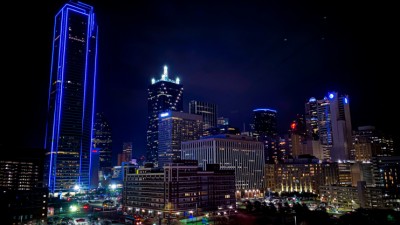
Dallas
Big nights, bold culture, and a welcoming social scene.
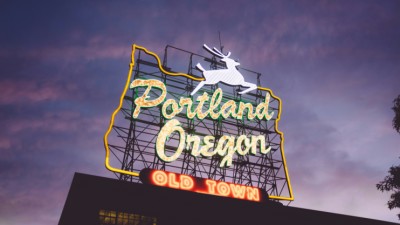
Portland
Explore a city shaped by culture, activism, and inclusive community life.
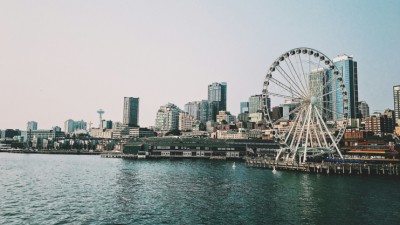
Seattle
Explore a rain-kissed, walkable city shaped by community and inclusion.
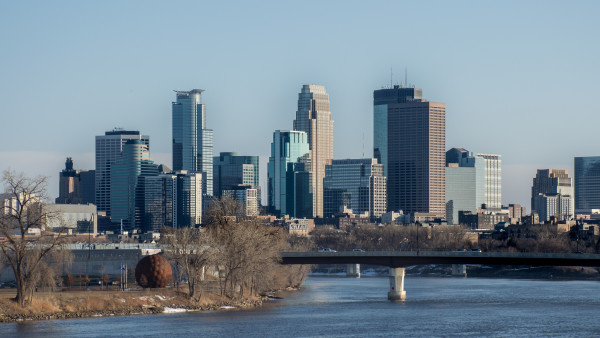
Minneapolis
Where culture, comfort, and community meet by the river.
Kansas City
Where riverfront energy meets inclusive nightlife and culture.
Austin
Live music, inclusive energy, and standout bites
Cleveland
Explore a lakefront city where culture, community, and inclusive dining meet.
Jacksonville
Coastal calm, city scale, and a practical base for exploring Florida.
Raleigh
Oak-lined streets, culture-forward escapes, and a welcoming urban base.
Bronx
A borough of culture, history, and city-scale energy.
Virginia Beach
Where Atlantic horizons meet resilient local history

Orlando
Sunlit streets, theme-park energy, and a travel scene that rewards independent exploration.
Cincinnati
River views, historic districts, and a living queer civic story.
Pittsburgh
Steel history, river views, and a lively night out.
San Jose
A polished Bay Area base with easy access to queer culture and major California hubs.
Charlotte
Where city energy meets inclusive travel
Memphis
Where music history, riverfront culture, and solo discovery meet
Milwaukee
Where lakefront culture meets inclusive city life

El Paso
A desert crossroads where culture, community, and visibility meet.
New Orleans
Where heritage, nightlife, and hospitality meet.
Oklahoma City
Discover a welcoming urban base with history, culture, and community pride.
Tucson
Desert skies, living heritage, and a welcoming city break.
Louisville
A welcoming pause for culture, history, and calm urban escapes.
Hartford
Art, history, and good food in a compact New England capital.

Omaha
Big skies, a welcoming pace, and culture worth exploring
Bridgeport
Come for the shoreline, stay for the stories and the plates.
Fort Worth
Where big skies meet welcoming spaces.
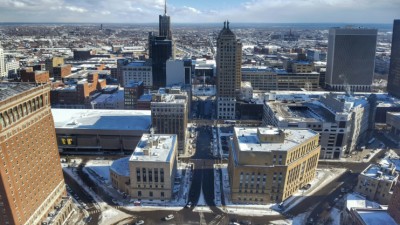
Buffalo
Where waterfront energy meets inclusive travel history.