- Home
- United States
- Chicago
About Chicago
For me, the city’s significance is not only geographic or economic; it also comes from its established place in LGBTQ+ life in the United States, where legal rights have developed over time and where urban centers like Chicago have long played an important role in visibility, organizing, and community building.Chicago’s LGBTQ+ identity is closely tied to the broader American city experience: dense neighborhoods, public transit, a strong cultural scene, and a travel environment that works well for visitors balancing exploration with remote work.
As a digital nomad, I look for places where it is realistic to move between work and leisure, and Chicago fits that profile with its scale, connectivity, and year-round mix of museums, architecture, dining, and waterfront access.
The city’s size also means that travelers can find a wide range of neighborhoods and public spaces without relying on a single entertainment district.From a LGBTQ+ perspective, one of the city’s best-known annual events is Chicago Pride, which draws attention to the city’s longstanding role in LGBTQ+ visibility and community life.
Chicago is also widely associated with Northalsted on the city’s North Side, an area known for its LGBTQ+ presence and one of the most recognizable queer districts in the United States.
These landmarks and events are part of what makes Chicago a practical and meaningful destination for LGBTQ+ visitors seeking both history and contemporary community.Because the city is large and internationally recognized, I see it as a destination where LGBTQ+ travelers can combine cultural tourism with everyday practicality: strong transport connections, a major urban setting, and a travel landscape that supports both short stays and longer working trips.
In that sense, Chicago stands out not just as a major American city, but as a place where LGBTQ+ life is visible within the fabric of an established global metropolis.
Our Review
I write about Chicago as one of the largest and most influential cities in the United States: a major Midwest destination on the western shore of Lake Michigan, and a place whose scale, diversity, and long history make it especially relevant to LGBTQ+ travelers.
For me, the city’s significance is not only geographic or economic; it also comes from its established place in LGBTQ+ life in the United States, where legal rights have developed over time and where urban centers like Chicago have long played an important role in visibility, organizing, and community building.
Chicago’s LGBTQ+ identity is closely tied to the broader American city experience: dense neighborhoods, public transit, a strong cultural scene, and a travel environment that works well for visitors balancing exploration with remote work.
As a digital nomad, I look for places where it is realistic to move between work and leisure, and Chicago fits that profile with its scale, connectivity, and year-round mix of museums, architecture, dining, and waterfront access.
The city’s size also means that travelers can find a wide range of neighborhoods and public spaces without relying on a single entertainment district.
From a LGBTQ+ perspective, one of the city’s best-known annual events is Chicago Pride, which draws attention to the city’s longstanding role in LGBTQ+ visibility and community life.
Chicago is also widely associated with Northalsted on the city’s North Side, an area known for its LGBTQ+ presence and one of the most recognizable queer districts in the United States.
These landmarks and events are part of what makes Chicago a practical and meaningful destination for LGBTQ+ visitors seeking both history and contemporary community.
Because the city is large and internationally recognized, I see it as a destination where LGBTQ+ travelers can combine cultural tourism with everyday practicality: strong transport connections, a major urban setting, and a travel landscape that supports both short stays and longer working trips.
In that sense, Chicago stands out not just as a major American city, but as a place where LGBTQ+ life is visible within the fabric of an established global metropolis.
Social Acceptance and Safety in Chicago
From my perspective as a travel journalist working through a digital-nomad lens, Chicago is a city where LGBTQ+ travelers generally benefit from a large, diverse urban environment and a long-established queer presence.
Chicago is one of the largest cities in the United States and sits in a country where LGBTQ+ rights have broadened significantly over time, although the legal and social picture remains uneven in parts of the country, especially for transgender people.
In practice, that means I would describe Chicago as comparatively welcoming overall, while still advising the same situational awareness I would recommend in any major U.S.
city.
Social acceptance in Chicago tends to be strongest in the city’s more visibly LGBTQ+ areas, particularly Northalsted on the North Side, which is widely recognized as one of the country’s best-known LGBTQ+ neighborhoods.
In a city of this scale, that kind of concentration matters: it gives LGBTQ+ visitors a clear base where public visibility is normal and where I would expect a generally affirming atmosphere.
The city’s broader size and diversity also help reduce the feeling of being singled out in everyday settings compared with smaller or less diverse places.
At the same time, I would not treat “friendly city” as a guarantee of safety everywhere.
Chicago, like any major metropolis, has neighborhood-to-neighborhood variation in comfort level, foot traffic, and nighttime activity.
For LGBTQ+ travelers, the most practical safety approach is to stay aware of surroundings, especially when moving around after dark, and to use the same transit and route-planning habits that I use as a remote worker in unfamiliar cities: check the neighborhood in advance, keep valuables discreet, and avoid isolated streets late at night if possible.
For day-to-day safety, I would emphasize the standard urban precautions rather than LGBTQ+ specific alarmism.
Chicago has an extensive public transit system, but late-night service, station conditions, and walking distances can affect how comfortable a journey feels.
If I were working remotely from the city, I would choose accommodation and coworking-friendly areas with reliable access to transit and amenities, and I would prioritize well-trafficked routes between home, workspaces, and evening activities.
That is especially sensible for solo travelers and for anyone who may attract unwanted attention because of gender expression or visible affection in public.
In terms of which areas feel most welcoming, Northalsted stands out most clearly in the verified material as Chicago’s best-known LGBTQ+ neighborhood.
Beyond that, the city’s general scale and established LGBTQ+ rights climate suggest that many central, busy districts are likely to feel comfortable for most visitors.
I would be more cautious in places where foot traffic drops off significantly or where I do not have a clear reason to be, but I would avoid making broad claims that any particular Chicago neighborhood is uniformly unsafe or unwelcoming without stronger evidence.
My bottom-line assessment is straightforward: Chicago is one of the more LGBTQ+ visible and socially accessible major U.S.
cities, and it offers a strong sense of community in its best-known queer areas.
For safety, I would rely on normal big-city vigilance, with extra attention at night and in less busy parts of town.
That combination makes Chicago a practical destination for LGBTQ+ travelers who want a city that supports both exploration and remote work without requiring constant self-protection.
Verified reference: Chicago
Accommodation in Chicago from an LGBTQ+ perspective
When I assess Chicago for LGBTQ+ travelers, I look first at the city’s scale and structure.
Chicago is one of the largest cities in the United States, and that matters for accommodation because choice is broad, but neighborhood differences are real.
For me, the practical question is not just whether a hotel is centrally located, but whether it places me in an area where I can move comfortably, access transit easily, and feel reasonably at ease after dark.
Chicago’s size and density make that possible in several parts of the city, but some districts are more established than others for LGBTQ+ visitors.
Chicago itself is a major Midwestern metropolis on the western shore of Lake Michigan, and it is the third-most populous city in the United States.
That urban scale supports a wide range of hotels, serviced apartments, and short-term stays, which is useful for digital nomads like me who need reliable internet, efficient transport access, and nearby services.
The city’s geography also helps: being able to stay near the Loop, the Near North Side, or Lakeview can reduce daily friction when I am combining work with sightseeing.
LGBTQ+ friendly hotels and accommodations
I want to be precise here: the source pack does not provide a verified list of specific LGBTQ+-branded hotels in Chicago, so I will not invent one.
In practice, I look for accommodation that signals inclusion through clear nondiscrimination language, consistent guest policies, and a location in a visibly diverse part of the city.
In a large city like Chicago, many mainstream hotels and short-term rentals may be suitable, but the safest approach is to verify policies directly before booking.
My checklist is straightforward.
I confirm whether the property states that it welcomes LGBTQ+ guests, whether online reviews mention respectful treatment, and whether the neighborhood is walkable and well connected by public transit.
I also prefer accommodations with 24-hour front desks, strong digital check-in options, and stable Wi‑Fi, since those practical details matter to remote work.
In Chicago, where the urban grid and transit network can make cross-city movement efficient, a centrally placed hotel often offers better day-to-day comfort than a cheaper stay that isolates me from transit or established community areas.
How I identify inclusive accommodation options
For inclusive lodging, I rely on a combination of policy and location.
First, I check whether the property’s official materials use clear, non-discriminatory language.
Second, I look at neighborhood context: a hotel in an area with visible LGBTQ+ life is often a good practical indicator of comfort, though it is not a guarantee.
Third, I read recent guest reviews for signs of professionalism and respect in staff interactions.
That last point matters because inclusion is experienced not just in policy statements, but in how front-line service is delivered.
I also recommend being direct when necessary.
If a property’s website does not make its stance clear, I ask simple questions before booking: Is the property LGBTQ+ welcoming? Are same-sex couples treated routinely and without issue? Are there any restrictions related to occupancy, ID checks, or visitor policies? Asking these questions is not confrontational; it is efficient.
For a traveler balancing work and mobility, clarity upfront is better than dealing with uncertainty on arrival.
Neighborhoods I consider most practical for LGBTQ+ travelers
From an LGBTQ+ point of view, the most recognizable neighborhood in Chicago is Northalsted on the North Side.
It is widely known as the city’s LGBTQ+ neighborhood and is the most obvious area to consider if proximity to queer community life is a priority.
For me, staying near Northalsted can be especially useful when I want to be close to LGBTQ+ venues, community visibility, and an area where queer identity is publicly normalized.
It is also a practical choice because it gives visitors a strong sense of place, rather than feeling detached from the city’s LGBTQ+ presence.
Beyond Northalsted, I also look at nearby North Side neighborhoods and centrally located districts with good transit access.
Chicago’s overall size means that a well-located hotel does not need to be inside the neighborhood itself to be useful.
If I can move easily by public transport or rideshare, I can stay in a broader set of areas while still keeping access to LGBTQ+ spaces and the city’s major cultural sites.
For businesslike travel, I often weigh three factors together: safety, transit, and atmosphere.
A neighborhood may be attractive, but if it is inconvenient for work or late-night returns, it may not be the best fit.
Chicago’s downtown core can be efficient for meetings and remote work, while the North Side offers the strongest LGBTQ+ neighborhood association.
Depending on the trip, I may choose one for convenience and the other for community access.
Practical booking advice for LGBTQ+ visitors
My advice is to book with intent.
Chicago offers enough scale that I do not need to rely on guesswork, but I do need to match the stay to the purpose of the trip.
If I am in the city for Pride-related travel or community visibility, I would prioritize the North Side and especially Northalsted.
If I am there mainly for work, I may choose a hotel nearer to the Loop or another transit-rich area, then travel into LGBTQ+ neighborhoods as needed.
I also think it is wise to consider the broader U.S.
context.
LGBTQ+ rights in the United States have advanced significantly over time, but experiences still vary by place and by institution.
In a city like Chicago, that means accommodation choice should be based on verified property policies and neighborhood context, not assumptions.
The goal is to reduce friction, maintain privacy if desired, and ensure a respectful stay.
In short, Chicago is a strong destination for LGBTQ+ travelers because its scale gives me options, its transit supports mobility, and Northalsted offers a clear community anchor.
I would approach accommodation here as I do in any large global city: choose a property with transparent policies, verify inclusivity, and prioritize neighborhoods that balance comfort, access, and convenience for both work and leisure.
Chicago | LGBTQ rights in the United States
Dining and Entertainment
When I assess Chicago from an LGBTQ+ point of view, I find that the city’s dining and entertainment scene is one of the clearest indicators of its scale and openness.
Chicago is a major U.S.
metropolis on Lake Michigan, and its size supports a wide range of restaurants, cafés, theaters, cinemas, and live-performance venues that are used by local residents and visitors alike.
For LGBTQ+ travelers, that breadth matters: it means I can choose between neighborhood-based community spaces and mainstream venues that are accustomed to serving a diverse public.
Within Chicago, the most recognizable LGBTQ+ district is Northalsted on the city’s North Side.
As a long-established queer neighborhood, it is the part of the city I would look to first when seeking restaurants, cafés, and evening entertainment with a visibly LGBTQ+-friendly atmosphere.
The area’s importance lies not only in nightlife, but also in the way it concentrates dining and social activity in a walkable environment where LGBTQ+ visibility is normal rather than exceptional.
That makes it especially useful for travelers who want to combine dinner, a show, and late-evening movement without needing to cross the city.
From a practical perspective, Chicago’s dining environment is also well suited to remote workers and digital nomads.
I look for neighborhoods where I can find reliable Wi‑Fi, daytime café culture, and transit access, because that allows me to work during the day and move easily into evening entertainment.
Chicago’s scale and transport network support this pattern well.
In analytical terms, the city’s strength is not a single branded “LGBTQ+ dining scene,” but rather a dense urban fabric where inclusive hospitality is available across several districts, with Northalsted serving as the most visible focal point.
For entertainment, Chicago’s reputation is built on major cultural institutions as well as neighborhood venues.
The city is widely known for its theaters, live performances, and museum culture, and that matters for LGBTQ+ visitors because it broadens the experience beyond bars or club spaces.
When I evaluate a destination for inclusive leisure, I look for places where queer travelers can participate in mainstream cultural life without feeling like outsiders.
Chicago’s theater district, concert venues, and arts programming support that kind of participation, and the city’s size helps sustain a calendar of performances that appeals to varied audiences.
The city’s LGBTQ+ calendar also reinforces this environment.
Chicago Pride is one of the city’s most visible annual events, and it reflects the city’s larger commitment to public LGBTQ+ presence.
While Pride is not a dining or entertainment venue in itself, it does influence the hospitality sector around it: restaurants, cafés, and performance spaces in key neighborhoods often become part of the broader seasonal atmosphere.
For a traveler, that means the dining and entertainment experience can be especially energetic during Pride season, with many venues operating in a more openly celebratory context.
I would also note that Chicago’s mainstream entertainment options matter as much as explicitly queer ones.
Large cities often provide the most inclusive environment simply by offering choice: a traveler can select a venue that feels comfortable without being restricted to a narrow set of options.
In Chicago, that includes cinemas, theaters, live music spaces, comedy clubs, and museum-adjacent dining.
For LGBTQ+ visitors, especially those staying longer-term, that variety is important because it supports both social life and daily routine.
In practical terms, my recommendation is to center the stay around neighborhoods that combine inclusivity with convenience.
Northalsted is the most obvious LGBTQ+ reference point, but the best overall choice depends on whether the trip is work-oriented, nightlife-oriented, or culture-oriented.
Chicago works well because these interests overlap: I can eat, work, and go out in the same city without sacrificing access to visible LGBTQ+ spaces.
That balance is one of Chicago’s defining advantages for LGBTQ+ travelers.
Verified background on the city can be found at Chicago and broader LGBTQ+ legal context in the U.S.
at LGBTQ rights in the United States.
Travel Tips
From an LGBTQ+ travel perspective, I find Chicago unusually practical among major U.S.
cities: it is large, highly connected by transit, and has long-established queer neighborhoods and institutions.
The city sits on the western shore of Lake Michigan and is one of the country’s largest metropolitan areas, which means visitors can usually plan a stay around neighborhood choice, transit access, and daily routines rather than relying on a single “gay district.” For me as a digital-nomad traveler, that matters: a good base in Chicago should balance safety, Wi‑Fi, public transport, and proximity to places where LGBTQ+ people feel visibly welcome.
Local customs and day-to-day expectations
Chicago is a major U.S.
city, so the social norms I follow here are the same practical norms I would use in most large American metros: be courteous in public, assume people value personal space, and do not treat any neighborhood as uniformly safe or unsafe.
LGBTQ+ visibility is well established in the city, particularly in Northalsted on the North Side, which is Chicago’s best-known LGBTQ+ neighborhood.
In everyday interactions, I would not assume everyone is queer-friendly simply because I am in a city with a visible LGBTQ+ scene; I still watch how spaces present themselves, read recent reviews, and pay attention to how staff and guests interact.
For LGBTQ+ travelers, especially trans and gender-nonconforming visitors, I would recommend using the same rule I use in any big city: choose environments that make you feel comfortable, and do not feel obliged to explain yourself if you do not want to.
In practical terms, that means checking hotel policies, looking at current guest feedback, and preferring businesses that use inclusive language and demonstrate it in practice.
Chicago’s size gives travelers options, but it also means that experiences can vary from one block to the next.
Dos and don’ts
Do base yourself in a neighborhood that matches your trip’s purpose.
If I am prioritizing LGBTQ+ community access, Northalsted is the clearest choice because it is the city’s most established queer district.
If I am in Chicago primarily for work, I would consider a location with strong transit and dependable internet, then travel to Northalsted or other parts of the city when I want social or cultural life.
Do use Chicago’s transit network strategically.
The city is large enough that getting around efficiently matters, and staying near reliable transit can reduce late-night hassle.
For a remote-work schedule, I would look for accommodations that make daytime work and evening outings easy without long cross-city rides.
Do pay attention to the city’s public LGBTQ+ calendar.
Chicago Pride is a major annual event, and it can be a useful time to connect with community, but it also means busier streets, higher demand for accommodation, and more crowds.
If I were visiting during Pride season, I would book early and plan extra time for transit and venue access.
Don’t assume one area represents the whole city.
Chicago’s LGBTQ+ presence is strong, but neighborhood character changes quickly.
I would avoid making assumptions about how welcoming a place is based only on reputation; I prefer to verify current information before going.
Don’t rely on nightlife alone to understand the local community.
Chicago’s LGBTQ+ life is broader than bars and clubs.
Community centers, health organizations, and advocacy groups are part of the city’s support structure, so I would treat social spaces, cultural institutions, and service organizations as equally important points of connection.
Travel safety
Chicago is a major city, so I approach safety the same way I would in any large urban destination: stay aware of my surroundings, especially at night; keep valuables discreet; and avoid poorly lit or isolated areas when I am unfamiliar with them.
Safety in Chicago is best managed through preparation rather than fear.
I would check routes in advance, especially if I am returning late from an event, and I would choose accommodation that keeps me near busy streets and dependable transit.
For LGBTQ+ travelers, the most practical safety step is to stay in places where you feel comfortable moving through public space.
A neighborhood with LGBTQ+ visibility is helpful, but I still assume standard urban caution applies.
If I am working remotely, I also try to avoid carrying all of my electronics at once when I do not need to, and I prefer workspaces and cafés in active commercial areas rather than isolated side streets.
How I would connect with the local LGBTQ+ community
My first point of connection in Chicago would be Northalsted, because it is the city’s most recognizable LGBTQ+ neighborhood.
Even if I am not staying there, it is a natural place to start because it concentrates social life, community visibility, and queer-oriented businesses in one area.
For a traveler, that makes it easy to orient oneself quickly.
I would also look beyond nightlife and spend time at established community institutions.
Chicago has long had LGBTQ+ organizing, and the city’s community infrastructure is part of what makes it useful for visitors who want more than a weekend out.
I would use community-facing spaces, public events, and identity-affirming services as ways to learn how the local scene works, rather than trying to force a connection through one venue.
For digital nomads, this city is especially workable because connection can happen during the ordinary structure of the day: a café, a coworking-style workspace, a neighborhood walk, a museum visit, or an evening in Northalsted.
Chicago’s scale means I can build a trip around both productivity and belonging, which is one reason it stands out as an LGBTQ+ destination in the United States.
Practical takeaway
If I were advising another LGBTQ+ traveler on Chicago, my core recommendation would be simple: choose a neighborhood intentionally, verify inclusivity before booking, and use the city’s transit and established queer geography to stay comfortable and connected.
Chicago rewards planning.
With the right base and a realistic approach to urban safety, it is a city where I can work, explore, and engage with LGBTQ+ life without having to choose between convenience and community.
In my view, Chicago stands out as one of the most substantial LGBTQ+ destinations in the United States because it combines scale, visibility, and urban practicality.
As the country’s third-most populous city and a major metropolitan center on Lake Michigan, it offers the kind of large-city infrastructure that matters to LGBTQ+ travelers who want choice: neighborhood variety, public transit, cultural institutions, and a well-established queer presence.
That breadth is a real strength, especially for me as a digital-nomad-minded traveler, because it makes it easier to balance work routines with social life and exploration.
Chicago’s strongest LGBTQ+ advantage is its long-established community ecosystem.
The city is widely recognized for Northalsted, a neighborhood that has long been associated with LGBTQ+ life and visibility, and for major Pride celebrations that reinforce that presence in the public sphere.
In practical terms, that means LGBTQ+ travelers are not limited to a symbolic or seasonal experience; they can find a city where queer identity is part of the everyday urban landscape.
For visitors who want community as much as sightseeing, that matters.
At the same time, Chicago’s size is also part of its challenge.
A city this large is never uniform, and experiences can differ significantly by neighborhood, time of day, and mode of transport.
I would describe Chicago as generally strong for LGBTQ+ travelers, but not effortless: the best experience comes from choosing the right base, staying aware of the local environment, and using the city’s transit and neighborhood structure intelligently.
For transgender travelers in particular, the broader U.S.
context still matters, even in a city as established and welcoming as Chicago.
The legal and social climate across the country remains uneven, with transgender rights having faced significant pressure in recent years.
My recommendation is straightforward: if you are visiting Chicago for its LGBTQ+ offerings, start with Northalsted and use that as a gateway into the city’s wider queer and cultural landscape.
But do not stop there.
Chicago is a large, layered city, and its value lies in how its LGBTQ+ life intersects with museums, restaurants, theaters, lakefront spaces, and neighborhood culture.
For remote work or extended stays, I would look for accommodations with reliable internet and easy transit access, ideally in areas that feel active and well connected rather than isolated.
Ultimately, I see Chicago as a city that rewards curiosity and planning.
It is not only a place to visit during Pride season, but a place where LGBTQ+ travelers can explore with confidence throughout the year.
My final advice is to use the city’s scale to your advantage: stay informed, pick neighborhoods carefully, and make time to enjoy both the visible queer spaces and the broader urban culture that supports them.
Chicago offers enough depth to be more than a stopover; for LGBTQ+ travelers, it is a city worth experiencing thoughtfully and fully.
Other Guides in United States
New York
Where queer history, nightlife, and iconic neighborhoods meet the table

Los Angeles
Where community, culture, and queer history meet under the California sun
Washington
Where culture, memory, and community meet in a walkable capital
Salt Lake City
Where civic change meets a high-altitude welcome.

Nashville
Where live music meets welcoming culture
Columbia
Find history, nature, and a welcoming local rhythm
Indianapolis
Where Midwest heritage meets a welcoming city break
Columbus
Explore a city where community, culture, and inclusion meet.

Albany
Small-city ease, Bay Area access, and plenty to explore
Phoenix
Sunlit streets, open minds, and a solo-friendly city break.

Sacramento
Riverfront capital life with a welcoming, practical pace.
Des Moines
A polished stop for culture, civic energy, and welcoming city breaks.
Denver
Big skies, easygoing energy, and a welcoming city break.
Richmond
Where waterfront history meets inclusive travel and local flavor.

Jackson
A welcoming base for culture, history, and working on the move.

Boston
Walk through history, culture, and community pride.
Providence
History, culture, and inclusive travel in a walkable river city.

San Francisco
Where identity, history, and inclusive city life meet by the bay
Baltimore
Where harbor views meet a long-standing spirit of inclusion.
San Diego
Where beach days meet welcoming nights out.
Miami
Where beach days meet a vibrant queer culture

St. Louis
River views, welcoming neighborhoods, and a calm city break.

Brooklyn
Where creativity, community, and unforgettable bites meet
Houston
Big-city energy, welcoming neighborhoods, and standout cultural experiences.
Queens
Where every neighborhood brings a new flavor and a warm welcome.
Las Vegas
Where the lights stay on and the welcome is built into the city’s rhythm.

Tampa
Sunlit streets, bayside calm, and a welcoming city rhythm.
Detroit
River views, big-city culture, and a welcoming pulse.
Riverside
A sunny inland base for culture, history, and easy remote-work days.
San Antonio
Discover heritage, stroll the riverfront, and feel at home in a city shaped by culture.
Philadelphia
History, community, and inclusive culture in one walkable destination.
Dallas
Big nights, bold culture, and a welcoming social scene.

Portland
Explore a city shaped by culture, activism, and inclusive community life.
Seattle
Explore a rain-kissed, walkable city shaped by community and inclusion.
Minneapolis
Where culture, comfort, and community meet by the river.

Kansas City
Where riverfront energy meets inclusive nightlife and culture.
Austin
Live music, inclusive energy, and standout bites
Cleveland
Explore a lakefront city where culture, community, and inclusive dining meet.

Jacksonville
Coastal calm, city scale, and a practical base for exploring Florida.
Raleigh
Oak-lined streets, culture-forward escapes, and a welcoming urban base.

Bronx
A borough of culture, history, and city-scale energy.

Virginia Beach
Where Atlantic horizons meet resilient local history

Orlando
Sunlit streets, theme-park energy, and a travel scene that rewards independent exploration.

Cincinnati
River views, historic districts, and a living queer civic story.
Pittsburgh
Steel history, river views, and a lively night out.
San Jose
A polished Bay Area base with easy access to queer culture and major California hubs.
Manhattan
Where skyline views meet queer history and late-night flavor

Charlotte
Where city energy meets inclusive travel
Memphis
Where music history, riverfront culture, and solo discovery meet

Milwaukee
Where lakefront culture meets inclusive city life

El Paso
A desert crossroads where culture, community, and visibility meet.
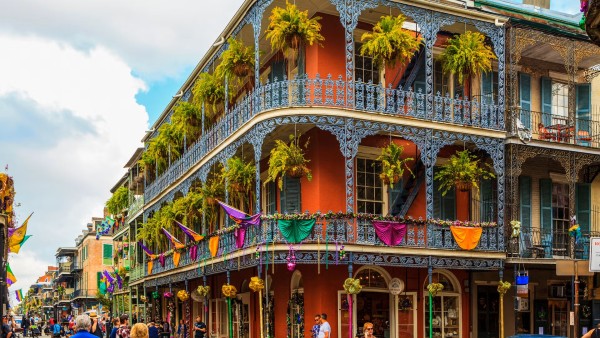
New Orleans
Where heritage, nightlife, and hospitality meet.

Oklahoma City
Discover a welcoming urban base with history, culture, and community pride.
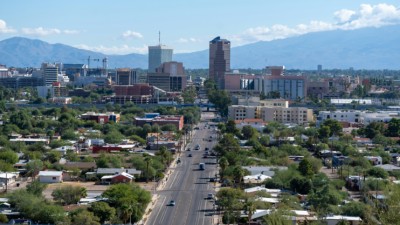
Tucson
Desert skies, living heritage, and a welcoming city break.

Louisville
A welcoming pause for culture, history, and calm urban escapes.
Hartford
Art, history, and good food in a compact New England capital.

Omaha
Big skies, a welcoming pace, and culture worth exploring
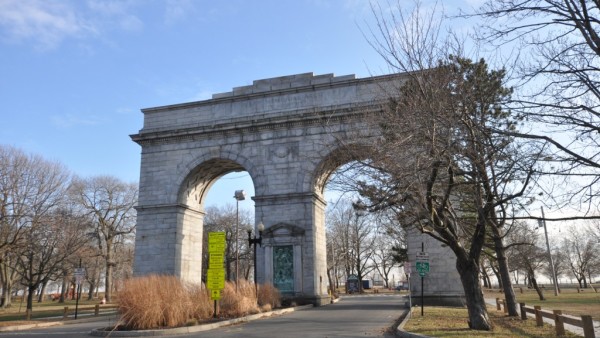
Bridgeport
Come for the shoreline, stay for the stories and the plates.
Fort Worth
Where big skies meet welcoming spaces.

Buffalo
Where waterfront energy meets inclusive travel history.