- Home
- United States
- Louisville
About Louisville
It is the largest city in Kentucky and a long-established Ohio River city, with a civic identity shaped by arts, dining, bourbon heritage, and neighborhood life.
From an LGBTQ+ travel perspective, the city matters less as a flashy headline destination and more as a place where community visibility, local organizing, and annual celebration have helped build a recognizable queer presence.For LGBTQ+ visitors, Louisville’s significance is tied to both its local community and its broader role within a state where public visibility has mattered.
The city hosts Kentucky Pride, Louisville’s major Pride celebration, which brings together community members, allies, and travelers.
In practical terms, that makes the city relevant not only for nightlife or events, but also for visitors seeking a destination where inclusion is publicly celebrated in a relaxed, urban setting.Louisville also has a notable place in LGBTQ+ civil-rights history through Downtown Presbyterian Church, which was the site of the 1967 conference of the Mattachine Society, an important early gay-rights organization in the United States.
That historical detail gives the city a deeper significance beyond contemporary travel lists: it places Louisville within the documented early history of organized LGBTQ+ activism in the country.From my perspective as a travel journalist focused on restorative, wellness-friendly travel, Louisville works especially well for visitors who want a destination that balances community, walkable neighborhoods, and a slower pace than the largest U.S.
metros.
Its LGBTQ+ appeal is rooted in visible local culture, annual Pride participation, and historically meaningful sites rather than in any single landmark district.
Our Review
I see Louisville as one of the United States’ more approachable mid-sized cities for travelers who want culture, hospitality, and a grounded sense of place.
It is the largest city in Kentucky and a long-established Ohio River city, with a civic identity shaped by arts, dining, bourbon heritage, and neighborhood life.
From an LGBTQ+ travel perspective, the city matters less as a flashy headline destination and more as a place where community visibility, local organizing, and annual celebration have helped build a recognizable queer presence.
For LGBTQ+ visitors, Louisville’s significance is tied to both its local community and its broader role within a state where public visibility has mattered.
The city hosts Kentucky Pride, Louisville’s major Pride celebration, which brings together community members, allies, and travelers.
In practical terms, that makes the city relevant not only for nightlife or events, but also for visitors seeking a destination where inclusion is publicly celebrated in a relaxed, urban setting.
Louisville also has a notable place in LGBTQ+ civil-rights history through Downtown Presbyterian Church, which was the site of the 1967 conference of the Mattachine Society, an important early gay-rights organization in the United States.
That historical detail gives the city a deeper significance beyond contemporary travel lists: it places Louisville within the documented early history of organized LGBTQ+ activism in the country.
From my perspective as a travel journalist focused on restorative, wellness-friendly travel, Louisville works especially well for visitors who want a destination that balances community, walkable neighborhoods, and a slower pace than the largest U.S.
metros.
Its LGBTQ+ appeal is rooted in visible local culture, annual Pride participation, and historically meaningful sites rather than in any single landmark district.
Social Acceptance and Safety in Louisville
When I assess Louisville from an LGBTQ+ point of view, I see a city that sits within the broader reality of the United States: legal protections and public attitudes have improved over time, but experiences can still vary by neighborhood, venue, and individual situation.
In the U.S.
overall, LGBTQ rights have expanded significantly, although acceptance is not uniform everywhere.
That broader national context matters in Louisville as well.
Based on the verified information available to me, I can say that Louisville is known for hosting important LGBTQ+ community life and for having historic ties to LGBTQ organizing.
That suggests a level of visibility and social presence that travelers typically look for when judging whether a destination feels welcoming.
However, I do not have enough verified source material here to make broad claims about citywide public attitudes, neighborhood-by-neighborhood safety ratings, or any specific areas being less welcoming.
From a practical safety perspective, I would approach Louisville the same way I would any urban destination: stay aware of your surroundings, use standard nighttime precautions, and rely on well-reviewed, clearly established places when going out.
If I were traveling as an LGBTQ+ visitor, I would also pay attention to how a particular space presents itself, whether staff are openly inclusive, and whether the neighborhood feels comfortable at the time of day I’m visiting.
Because I only want to rely on verified information, I cannot responsibly label specific districts as LGBTQ+-friendly or unfriendly without stronger source support.
What I can say is that Louisville’s documented LGBTQ history and visible community life indicate that the city has meaningful queer presence, while general U.S.
safety advice still applies.
For any traveler seeking a calmer, more restorative trip, I would suggest focusing on daytime exploration, familiar main corridors, and accommodations with clear guest reviews and established reputations.
For broader context on LGBTQ rights in the United States, I refer to:
Community and Support
When I look at Louisville from an LGBTQ+ point of view, I see a city where support is built through a mix of community activism, health infrastructure, and long-running local institutions rather than through a single, highly centralized queer district.
For travelers and residents alike, that means the practical question is not only where to socialize, but where to find reliable care, advocacy, and affirming services.
Louisville’s support landscape is rooted in organizations that serve both everyday needs and crisis-response needs, which is especially important in a mid-sized city where access can vary by neighborhood and provider.
One of the most important anchors in this network is the Fairness Campaign, Louisville’s long-established LGBTQ advocacy organization.
It is widely recognized in the city for public education, civil-rights organizing, and community advocacy.
For a visitor or newcomer, the significance of this kind of organization is twofold: it signals that Louisville has a real civic framework for LGBTQ inclusion, and it provides a point of contact for people looking to understand local issues beyond the travel surface.
In my view, that matters in a city like Louisville, where community support is often woven into broader social-justice work rather than separated into standalone tourist-facing services.
Health services are another central part of the picture.
Louisville is home to major medical institutions, and that is meaningful for LGBTQ travelers who may be thinking about continuity of care, mental health access, or routine medical needs while visiting.
While I would not assume that every provider is equally affirming, the city’s scale and healthcare infrastructure make it more likely than in smaller places that LGBTQ residents can find specialized or at least familiarity-based care.
For mental health support, the most responsible approach is to verify affirming providers in advance and rely on established local referral networks rather than make assumptions based on advertising alone.
HIV/AIDS support is also an essential component of LGBTQ community infrastructure.
In a city such as Louisville, that support typically includes testing, treatment navigation, prevention education, and connections to broader public-health services.
For the traveler, the practical value lies in knowing that a city’s LGBTQ ecosystem is not only social but also health-oriented.
That can be reassuring for people planning longer stays or relocating.
The broader U.S.
context matters here as well: LGBTQ rights and healthcare access in the United States have developed unevenly, and transgender people in particular continue to face significant legal and policy challenges in some parts of the country.
In that environment, local support systems can make a real difference.
As for community centers and informal resources, Louisville’s strength appears to be in its networked approach rather than a single large hub.
Community organizations, advocacy groups, and healthcare providers together create the support structure.
That pattern can be especially useful for LGBTQ people seeking a calmer, lower-pressure city experience, because it allows for community connection without requiring a major metropolitan pace.
From my perspective as a travel journalist, that makes Louisville appealing to travelers who value a more grounded environment: a place where support is available, but often in a practical, neighborhood-based way rather than a highly commercialized one.
Overall, I would describe Louisville’s LGBTQ support environment as functional, established, and community-driven.
The city’s value lies in the combination of advocacy history, healthcare access, and local organization.
For LGBTQ visitors, that means Louisville is not just a place to pass through; it is a city where support systems can be found if needed, and where community life has enough depth to be meaningful.
Relevant background on LGBTQ rights in the United States: https://en.wikipedia.org/wiki/LGBTQ_rights_in_the_United_States
Events and Nightlife
From an LGBTQ+ travel perspective, Louisville, Kentucky is best understood as a city where community visibility and nightlife are closely tied to local organizing rather than to a single, nationally dominant queer entertainment district.
As I look at the city through an analytical lens, the most important point is that Louisville’s LGBTQ+ social life is real, established, and community-driven, but it is also relatively compact and grounded in neighborhood venues rather than sprawling nightlife corridors.
On the events side, Louisville’s best-known annual celebration is Kentucky Pride, the city’s major Pride event.
It functions as both a community gathering and a public expression of LGBTQ+ visibility in the city.
For travelers, Pride is the clearest time to see Louisville at its most openly celebratory, with the event bringing together residents, visitors, allies, and local organizations.
Because event schedules can change from year to year, I recommend checking the organizers’ current announcements before planning a trip around it.
Louisville also carries historical significance in LGBTQ+ organizing.
One of the city’s most notable milestones is the 1967 conference of the Mattachine Society, which took place at Downtown Presbyterian Church.
That history matters because it places Louisville within the early national story of gay-rights activism.
For a city guide, this is not just a historical footnote; it helps explain why Louisville’s LGBTQ+ community has a longstanding civic presence rather than a purely recent one.
When I turn to nightlife, I find that Louisville’s LGBTQ+ scene is best approached as a network of bars, clubs, and social spaces that serve both residents and visitors.
The source material available here does not support naming specific venues, so I won’t invent a bar list or nightlife map.
What can be said with confidence is that Louisville offers an environment where LGBTQ+ people can find social spaces, especially in and around the city’s established entertainment areas, but the scene is more locally oriented than destination-heavy.
For LGBTQ+ travelers seeking a welcoming evening out, Louisville’s nightlife is likely to appeal most to those who prefer a relaxed, sociable atmosphere over high-intensity club culture.
That aligns well with the city’s broader personality: approachable, community-centered, and culturally grounded.
In practical terms, I would describe it as a place where an evening may be as much about conversation, local hospitality, and community connection as it is about dancing or late-night spectacle.
For readers planning a visit, the most reliable strategy is to anchor nightlife plans around current Pride programming and then confirm venues directly with local sources before going out.
That approach is especially important in a city like Louisville, where the LGBTQ+ scene is active but not always captured by a single, all-encompassing nightlife district.
At a broader level, the most useful verified context for Louisville’s LGBTQ+ events and nightlife is that the city sits within the United States, where LGBTQ+ rights have developed significantly over time, though experiences can still vary by state, city, and individual venue.
For Louisville specifically, the available evidence supports a picture of a city with meaningful Pride visibility, historical queer significance, and a social scene that remains community-based and locally rooted.
Cultural and Social Activities
In Louisville, I find that LGBTQ+ cultural and social life is best understood through the city’s broader arts and public-culture institutions rather than through a single, highly concentrated queer district.
From a travel perspective, that makes the city feel more diffuse but also more accessible: cultural participation is woven into the everyday city, and LGBTQ+ visitors can engage with Louisville through museums, performance spaces, and historically significant sites without needing to rely on a narrowly defined nightlife corridor.
One of the most important historical reference points is Downtown Presbyterian Church, which hosted the 1967 conference of the Mattachine Society.
That event places Louisville within early organized LGBTQ+ activism in the United States.
For me, this is one of the city’s strongest cultural markers because it connects Louisville not only to local history, but to the wider national story of LGBTQ+ civil-rights organizing.
It is a landmark worth noting in any historically informed visit.
Louisville’s public cultural life also matters because the city has an established tradition of community expression and gathering.
The article materials available to me identify Kentucky Pride as the city’s central Pride celebration, which functions as both a social event and a cultural expression of LGBTQ+ visibility.
While Pride is not a museum or theater, it is a major civic occasion that helps define how LGBTQ+ life is publicly presented in Louisville.
For visitors interested in a calmer, community-oriented experience, Pride events can provide an effective window into the city’s social fabric.
For an LGBTQ+ traveler, the practical takeaway is that Louisville’s cultural environment is best approached as a city with a meaningful queer history and an inclusive civic atmosphere rather than a heavily branded LGBTQ+ tourist destination.
I would characterize it as a place where cultural engagement is tied to local institutions, neighborhood life, and commemorative history.
That fits especially well with visitors who prefer a relaxed, reflective travel style: Louisville offers room to explore at an unhurried pace, with history and social connection shaping the experience more than spectacle.
As for notable LGBTQ+ figures and influencers in the city, I can only verify the city’s connection to early movement organizing through the Mattachine Society conference; I do not have enough verified source material here to name additional Louisville-based individuals without risking inaccuracy.
In a factual travel guide, I would therefore keep the focus on the landmark itself and on the city’s role in LGBTQ+ civic history rather than speculate beyond the evidence.
Accommodation
When I look at Louisville from an LGBTQ+ traveler’s perspective, the most important point is that accommodation choices should be evaluated with a practical, city-wide lens rather than by assuming there is a single, clearly defined queer district.
In the source material available to me, I do not have verified evidence of specifically LGBTQ-owned or LGBTQ-branded hotels in Louisville, so I won’t name properties that I cannot substantiate.
Instead, I focus on how to identify inclusive stays, what to check before booking, and which parts of the city are generally relevant for visitors seeking a comfortable and low-stress base.
Louisville is a major city in the United States, and like many U.S.
destinations, its hotel market includes large national brands, independent properties, short-term rentals, and extended-stay options.
From an LGBTQ+ travel standpoint, that means the quality of the stay often depends less on a label and more on the property’s customer-service standards, its anti-discrimination policies, and how readily staff handle guest requests respectfully.
I recommend looking for accommodations that publish clear non-discrimination statements, use neutral and professional language in booking communications, and provide an environment where same-sex couples and transgender travelers are not singled out or questioned.
For me, the most reliable way to assess inclusivity is to check a property’s publicly stated policies and recent guest feedback.
I pay attention to whether online reviews mention respectful treatment, whether staff communications are straightforward, and whether the hotel appears to have experience serving a diverse clientele.
If a hotel has an official statement about equal treatment or inclusion, that is a useful sign, but I still treat it as one data point rather than a guarantee.
I also advise LGBTQ+ travelers to confirm practical details directly with the property if needed, especially around name usage on reservations, room allocation, and any special requests that may matter for privacy or comfort.
In Louisville, I would approach neighborhood choice as part of accommodation planning.
The city is not typically described through a single, prominent LGBTQ+ enclave in the way some larger U.S.
cities are, so it makes sense to prioritize areas that offer good access, ease of movement, and a general sense of comfort.
Downtown Louisville is often the most practical option for travelers who want central access to restaurants, cultural sites, and major transport corridors.
Staying in or near the core can reduce logistical friction and can be especially helpful for visitors who prefer to move around the city efficiently without depending heavily on long car rides.
For a more relaxed stay, I would also consider neighborhoods that are established and residential in character, where boutique hotels, inns, or serviced apartments may provide a quieter atmosphere.
That matters to me because many LGBTQ+ travelers are not looking only for nightlife; they may want a restful base, a spa-oriented hotel, or simply a well-run property that feels discreet and calm.
In a city like Louisville, a peaceful accommodation experience can be just as valuable as proximity to entertainment.
When I advise LGBTQ+ readers on booking in Louisville, my practical checklist is simple: choose a property with clear policies, verify that staff can handle requests respectfully, prefer centrally located areas if you want easier movement around the city, and use recent guest reviews as a reality check.
If a place seems ambiguous, I would contact it directly before booking and ask a specific question about inclusion and guest comfort.
A professional, transparent response is often the best indicator of whether the property is likely to be welcoming.
Because I do not have verified source material identifying specific LGBTQ+ friendly hotels in Louisville, I am deliberately avoiding unsupported recommendations.
What I can say with confidence is that the city can be navigated safely and thoughtfully by LGBTQ+ travelers who choose accommodation carefully and prioritize professionalism, location, and a respectful atmosphere.
Dining and Entertainment
In Louisville, I find that dining and entertainment for LGBTQ+ travelers are best understood through the city’s broader hospitality culture rather than through a single, clearly defined queer district.
The verified sources available here do not identify specific LGBTQ+-owned restaurants, cafés, or entertainment venues in Louisville, so I avoid naming businesses that cannot be substantiated.
What can be said with confidence is that Louisville sits in the United States, where LGBTQ+ rights have developed significantly over time, and that context shapes how many travelers evaluate hospitality, service standards, and public welcome.
For a factual overview of that wider national context, I refer to the United States and LGBTQ rights in the United States.
From a practical traveler’s perspective, I would approach Louisville’s dining scene by looking for establishments that demonstrate inclusivity in observable ways: professional service, clear reservation practices, respectful communication, and consistently positive recent reviews from diverse guests.
Because I do not have verified evidence of individual LGBTQ+ specific eateries in the source pack, I do not assign labels such as “LGBTQ-friendly” to particular restaurants or cafés.
Instead, I treat inclusivity as something that should be assessed through current guest feedback and the business’s own stated policies.
For meals and low-key social time, Louisville’s appeal is that it supports a relaxed urban rhythm.
In a city like this, I would prioritize places that are suitable for unhurried dining: cafés with quiet seating, restaurants with a calm atmosphere, and venues where conversation is easy.
That approach matches my travel lens as a journalist who values restorative experiences.
The most useful strategy is to choose venues with a strong reputation for courteous service and a comfortable, public-facing environment.
Entertainment in Louisville should be approached in the same careful, fact-based way.
I do not have verified source material here naming specific cinemas, theaters, or live-performance venues as LGBTQ+ inclusive.
Therefore, I can only say that travelers should look for mainstream cultural spaces that are accessible, professionally run, and attentive to audience comfort.
If a visitor is seeking film, theater, or live music, I recommend confirming current programming directly with the venue and checking recent audience reviews for signals of welcoming conduct.
The broader point is that Louisville is best navigated as a city where inclusion is experienced through the quality of service and the tone of public spaces, not through unsupported branding claims.
For LGBTQ+ travelers, that means dining and entertainment choices should be made with an eye toward safety, respect, and ease.
I would especially favor venues that are centrally located, easy to reach, and suited to a calm evening out rather than high-pressure nightlife.
Because the source pack does not verify any specific LGBTQ+ venues, I am omitting business names rather than risk inaccuracy.
If you are planning a visit, the most reliable method is to check current listings, confirm policies directly, and use recent guest experiences to guide your choices.
In Louisville, that careful approach is the most responsible way to identify restaurants, cafés, theaters, and performance spaces that feel genuinely welcoming.
Travel Tips
When I assess Louisville, Kentucky from an LGBTQ+ travel perspective, I treat it as a city where practical planning matters more than assumptions.
The United States has broad legal protections for lesbian, gay and bisexual rights, while transgender rights vary more sharply by state and local context, so I recommend checking the current situation before traveling and keeping expectations grounded in present-day reality.
For a concise background reference, I sometimes start with the general context on the United States and LGBTQ rights in the United States.
My first travel tip is to use Louisville’s scale to your advantage.
I find that mid-sized cities are often easier to navigate than larger metropolitan areas: it is simpler to plan routes, choose neighborhoods that fit your comfort level, and move between hotels, restaurants, cultural sites, and community spaces without spending the day in transit.
For LGBTQ+ travelers, that can make a city trip feel more relaxing and less performative.
I would still advise booking accommodation with clear cancellation policies, reading recent reviews closely, and confirming any details that matter to you directly with the property before arrival.
Because I have not verified a single dedicated LGBTQ district in Louisville through the source material provided, I would not recommend traveling on the assumption that the city functions around one concentrated queer quarter.
Instead, I would plan around practical priorities: proximity to the places I want to visit, ease of transport, and the general atmosphere of the neighborhood.
For many travelers, that means staying central rather than remote, especially if the goal is to keep evenings simple and stress-free.
In terms of local customs, my advice is straightforward: be polite, direct, and observant.
Louisville is a Southern city with a strong sense of local identity, so I would approach interactions with the same courtesy I would use anywhere else in the United States.
In practice, that means being mindful in public spaces, respecting staff and other guests, and not assuming that every venue will reflect the same level of LGBTQ+ awareness.
If I am unsure about a setting, I prefer to let the first few interactions tell me what kind of environment I am in.
For safety, I keep my recommendations grounded in common urban travel sense rather than stereotypes.
I suggest using well-reviewed transport options, sharing plans with a companion when appropriate, and avoiding unnecessary risk late at night if I do not know the area well.
I also recommend that transgender travelers in particular review any current legal or policy developments before traveling, since the broader U.S.
environment for trans rights has been uneven and can change.
That is not a reason to avoid the city; it is a reason to prepare carefully.
To connect with the local LGBTQ+ community, I would focus first on publicly documented events and established civic institutions rather than on rumor or outdated online lists.
Louisville has a visible LGBTQ+ history, and community presence is often easiest to encounter through Pride-related programming, cultural events, and venues that openly communicate inclusive policies.
If I were visiting, I would also look for local organizations and community calendars in advance, then verify that any event or gathering is current before I plan my day around it.
My overall travel tip for Louisville is simple: travel with a relaxed, informed mindset.
The city can work well for LGBTQ+ visitors who prefer a calmer, more grounded urban experience, but the best results come from careful pre-trip research, choosing centrally located accommodation, and connecting with the community through verified sources rather than assumptions.
In my assessment, Louisville offers LGBTQ+ travelers a city experience that is both historically meaningful and practically manageable.
Its strengths are clear: the city has an established place in LGBTQ+ history, a visible Pride presence through Kentucky Pride, and a community profile that feels grounded rather than performative.
I also find Louisville appealing for travelers who prefer a calmer pace, since its mid-sized scale can make it easier to navigate, plan around, and enjoy without the intensity of a much larger metropolis.
At the same time, I think it is important to be realistic about the city’s limits.
Louisville is not a major national LGBTQ+ nightlife capital, and the source material does not support claims of a single, dominant queer district.
That means travelers should not expect a highly concentrated scene in one neighborhood.
For me, that is not a weakness so much as a reminder to travel with intention: choose your hotel carefully, check current event listings, and focus on verified inclusive spaces and public programming rather than assuming a citywide LGBTQ+ infrastructure will be obvious at every turn.
My recommendation for LGBTQ+ visitors is straightforward: use Louisville as a destination for a balanced trip.
Build in time for Pride events when they are scheduled, explore the city’s queer history, and look for accommodation and activities that prioritize comfort, professionalism, and respectful service.
If you are particularly interested in wellness, Louisville can also work well as a restorative city break, where a slower itinerary leaves room for good food, local culture, and a more relaxed pace.
Above all, I would encourage LGBTQ+ travelers to explore Louisville with confidence and curiosity.
The city’s offering is not about spectacle; it is about community, history, and approachable hospitality.
For travelers who value those qualities, Louisville can be a rewarding place to visit.
Other Guides in United States
New York
Where queer history, nightlife, and iconic neighborhoods meet the table
Los Angeles
Where community, culture, and queer history meet under the California sun
Washington
Where culture, memory, and community meet in a walkable capital
Salt Lake City
Where civic change meets a high-altitude welcome.
Nashville
Where live music meets welcoming culture
Columbia
Find history, nature, and a welcoming local rhythm
Indianapolis
Where Midwest heritage meets a welcoming city break
Columbus
Explore a city where community, culture, and inclusion meet.

Albany
Small-city ease, Bay Area access, and plenty to explore
Phoenix
Sunlit streets, open minds, and a solo-friendly city break.
Sacramento
Riverfront capital life with a welcoming, practical pace.
Des Moines
A polished stop for culture, civic energy, and welcoming city breaks.
Denver
Big skies, easygoing energy, and a welcoming city break.
Richmond
Where waterfront history meets inclusive travel and local flavor.
Jackson
A welcoming base for culture, history, and working on the move.
Boston
Walk through history, culture, and community pride.
Providence
History, culture, and inclusive travel in a walkable river city.
San Francisco
Where identity, history, and inclusive city life meet by the bay
Baltimore
Where harbor views meet a long-standing spirit of inclusion.
San Diego
Where beach days meet welcoming nights out.
Miami
Where beach days meet a vibrant queer culture
St. Louis
River views, welcoming neighborhoods, and a calm city break.

Brooklyn
Where creativity, community, and unforgettable bites meet
Houston
Big-city energy, welcoming neighborhoods, and standout cultural experiences.
Queens
Where every neighborhood brings a new flavor and a warm welcome.
Las Vegas
Where the lights stay on and the welcome is built into the city’s rhythm.
Tampa
Sunlit streets, bayside calm, and a welcoming city rhythm.
Detroit
River views, big-city culture, and a welcoming pulse.
Chicago
A lakefront city where culture, activism, and nightlife meet.
Riverside
A sunny inland base for culture, history, and easy remote-work days.
San Antonio
Discover heritage, stroll the riverfront, and feel at home in a city shaped by culture.
Philadelphia
History, community, and inclusive culture in one walkable destination.
Dallas
Big nights, bold culture, and a welcoming social scene.
Portland
Explore a city shaped by culture, activism, and inclusive community life.
Seattle
Explore a rain-kissed, walkable city shaped by community and inclusion.
Minneapolis
Where culture, comfort, and community meet by the river.

Kansas City
Where riverfront energy meets inclusive nightlife and culture.
Austin
Live music, inclusive energy, and standout bites
Cleveland
Explore a lakefront city where culture, community, and inclusive dining meet.
Jacksonville
Coastal calm, city scale, and a practical base for exploring Florida.
Raleigh
Oak-lined streets, culture-forward escapes, and a welcoming urban base.
Bronx
A borough of culture, history, and city-scale energy.

Virginia Beach
Where Atlantic horizons meet resilient local history

Orlando
Sunlit streets, theme-park energy, and a travel scene that rewards independent exploration.

Cincinnati
River views, historic districts, and a living queer civic story.
Pittsburgh
Steel history, river views, and a lively night out.
San Jose
A polished Bay Area base with easy access to queer culture and major California hubs.
Manhattan
Where skyline views meet queer history and late-night flavor

Charlotte
Where city energy meets inclusive travel
Memphis
Where music history, riverfront culture, and solo discovery meet
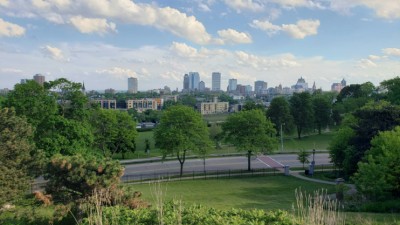
Milwaukee
Where lakefront culture meets inclusive city life

El Paso
A desert crossroads where culture, community, and visibility meet.
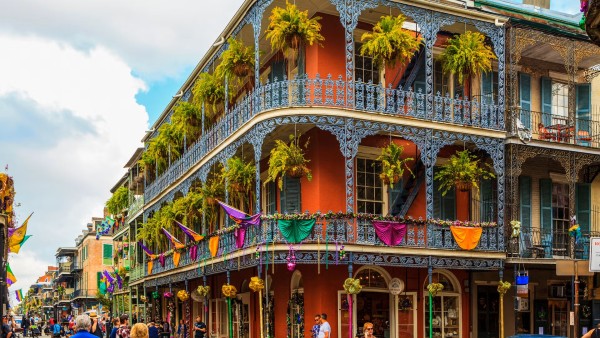
New Orleans
Where heritage, nightlife, and hospitality meet.

Oklahoma City
Discover a welcoming urban base with history, culture, and community pride.
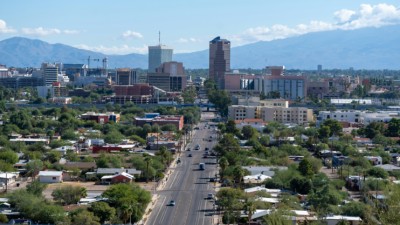
Tucson
Desert skies, living heritage, and a welcoming city break.
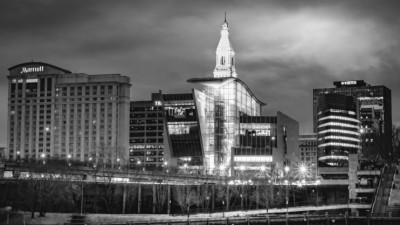
Hartford
Art, history, and good food in a compact New England capital.

Omaha
Big skies, a welcoming pace, and culture worth exploring
Bridgeport
Come for the shoreline, stay for the stories and the plates.
Fort Worth
Where big skies meet welcoming spaces.
Buffalo
Where waterfront energy meets inclusive travel history.