- Home
- United States
- New York
About New York
Spread across its five boroughs — Manhattan, Brooklyn, Queens, the Bronx, and Staten Island — the city offers a dense, walkable mix of neighborhoods, institutions, and cultural spaces that have long shaped LGBTQ+ identity in the United States.For LGBTQ+ travelers, New York stands out not only for its scale but for its sense of continuity: this is a city where history and contemporary life sit side by side.
Greenwich Village remains especially significant in the story of LGBTQ+ rights, with the Stonewall Inn in Manhattan recognized as a landmark in that history.
Pride also has a major presence here, especially through NYC Pride, which draws visitors from around the world each year.From a food-loving traveler’s perspective, what makes the city especially compelling is how naturally LGBTQ+ culture blends into everyday life — in cafés, bars, bakeries, classic diners, and globally influenced restaurants across the boroughs.
I find that New York’s strength lies in this mix: it is a place where a serious cultural legacy and an endlessly diverse dining scene coexist, making it one of the most rewarding cities to explore with both curiosity and appetite.
Our Review
When I arrive in New York City, I’m reminded quickly that this is not just the most populous city in the United States — it is also one of the country’s most important centers of LGBTQ+ life, history, and visibility.
Spread across its five boroughs — Manhattan, Brooklyn, Queens, the Bronx, and Staten Island — the city offers a dense, walkable mix of neighborhoods, institutions, and cultural spaces that have long shaped LGBTQ+ identity in the United States.
For LGBTQ+ travelers, New York stands out not only for its scale but for its sense of continuity: this is a city where history and contemporary life sit side by side.
Greenwich Village remains especially significant in the story of LGBTQ+ rights, with the Stonewall Inn in Manhattan recognized as a landmark in that history.
Pride also has a major presence here, especially through NYC Pride, which draws visitors from around the world each year.
From a food-loving traveler’s perspective, what makes the city especially compelling is how naturally LGBTQ+ culture blends into everyday life — in cafés, bars, bakeries, classic diners, and globally influenced restaurants across the boroughs.
I find that New York’s strength lies in this mix: it is a place where a serious cultural legacy and an endlessly diverse dining scene coexist, making it one of the most rewarding cities to explore with both curiosity and appetite.
Accommodation in New York for LGBTQ+ Travelers
When I book a stay in New York City, I think less about a single “gay district” and more about the borough and neighborhood that best fits the trip.
NYC is huge, and its five boroughs—Manhattan, Brooklyn, Queens, the Bronx, and Staten Island—each offer a different pace and atmosphere.
For LGBTQ+ travelers, that variety is a real advantage: you can choose a hotel base that feels comfortable, connected, and easy to navigate.
New York is not a city where I look for a long list of explicitly branded LGBTQ+ hotels.
Instead, I focus on established hotels and accommodations in neighborhoods with strong queer visibility, walkability, and easy access to dining, nightlife, and cultural landmarks.
That approach works especially well in Manhattan and Brooklyn, where the city’s most recognizable LGBTQ+ areas and attractions are concentrated.
Neighborhoods I would prioritize
Greenwich Village remains the most meaningful place to stay if you want to be close to LGBTQ+ history and a classic queer New York atmosphere.
It is home to the Stonewall Inn on Christopher Street, one of the most important landmarks in modern LGBTQ+ history.
Staying nearby also puts you within easy reach of the West Village’s cafés, restaurants, and bars, which is practical if you want to explore on foot and return to your hotel late without relying on long cross-town trips.
Chelsea is another Manhattan neighborhood I would consider.
It is well connected, central, and close to galleries, restaurants, and transit.
While it is not as symbolically linked to LGBTQ+ history as Greenwich Village, it has long been a comfortable base for queer travelers who want straightforward access to the rest of the city.
Brooklyn is a strong option if you prefer a more neighborhood-driven stay with a creative feel.
For me, Brooklyn often makes sense for travelers who want a quieter hotel experience at night but still want easy access to excellent food, independent cafés, and a lively social scene.
It is especially appealing if your trip leans toward dining and local neighborhoods rather than only tourist landmarks.
How I assess inclusive accommodation
My first check is simple: I look for hotels that clearly state their nondiscrimination or equal-opportunity policies.
I also read recent guest reviews to see whether LGBTQ+ travelers mention feeling comfortable and respected.
In New York, where hospitality is highly competitive, the best properties usually understand that inclusivity is part of professional service.
I also pay attention to practical details.
A hotel may be welcoming in principle, but it still matters whether the location is easy to reach, the front desk is staffed at all hours, and the surrounding blocks feel active at night.
In a city as large as New York, convenience is part of feeling safe and relaxed.
If I am traveling as a couple or with friends, I also check how the hotel handles room reservations and guest policies.
Clear communication from the property is often the best sign that an accommodation is accustomed to a diverse range of guests.
What I look for in a good NYC base
- Walkable surroundings: especially in Manhattan and parts of Brooklyn, where I can head out for dinner, drinks, or a late dessert without needing a long ride.
- Good transit access: New York is easiest to enjoy when a hotel is near subway lines or reliable taxi access.
- Strong food options nearby: as a food-focused traveler, I like staying where breakfast, coffee, and late-night meals are easy to find.
- Proximity to queer history and culture: being near Greenwich Village adds a meaningful layer to the stay, not just a logistical one.
My practical advice for booking
I always recommend booking early for New York, especially if you are visiting around Pride season in June or during major city events.
Prices and availability can change quickly in a destination of this size.
If you want a specific neighborhood—particularly Greenwich Village or central Manhattan—planning ahead makes a big difference.
I also suggest comparing hotels by neighborhood rather than by price alone.
In New York, a slightly more expensive room in a well-located area can save time, reduce transit stress, and make the trip feel much smoother.
For LGBTQ+ travelers, that often means staying somewhere where you can comfortably come and go without thinking too much about logistics.
My bottom line
If I were choosing a place to stay in New York City from an LGBTQ+ point of view, I would begin with Greenwich Village for history and atmosphere, consider Chelsea for central convenience, and look at Brooklyn for a more local, food-friendly stay.
The city is broad enough to offer different kinds of comfort, but the key is the same: pick a neighborhood that feels open, connected, and easy to enjoy on your own terms.
For more about the city itself, see New York City.
Dining and Entertainment
When I spend time in New York City, I’m always struck by how naturally LGBTQ+ life folds into the city’s dining and entertainment scene.
This is not a destination where queer visitors need to confine themselves to a single district or a single type of venue.
The experience is broader than that.
Across Manhattan, Brooklyn, Queens, the Bronx, and Staten Island, I find that many of the city’s most memorable meals, cafés, and performance spaces feel open, cosmopolitan, and comfortable for LGBTQ+ travelers.
For context, New York City is the largest city in the United States and is made up of five boroughs: Manhattan, Brooklyn, Queens, the Bronx, and Staten Island.
That scale matters because it gives the city a deep bench of restaurants, theaters, cinemas, and live performance venues, with different neighborhoods offering different moods.
Manhattan remains the most obvious starting point for many LGBTQ+ visitors, especially Greenwich Village and Chelsea, but I also see Brooklyn playing an increasingly important role for people who want creative dining rooms, neighborhood cafés, and a strong arts atmosphere.
Dining: where I’d start eating in New York
For LGBTQ+ travelers, I think the best approach in New York is to choose dining spots that fit your plans for the day rather than looking only for a single type of “queer restaurant.” In a city this large, inclusion is often reflected in the way a place feels: relaxed service, diverse clientele, and a setting where you can simply enjoy your meal without fuss.
That’s one reason I gravitate toward neighborhoods with a strong pedestrian culture and an established mix of cafés, bakeries, diners, and international restaurants.
Greenwich Village is still the city’s classic queer reference point, and it remains one of the most natural places to combine history with a meal.
I like the Village for an unhurried lunch, coffee stop, or dinner before a night out.
It is also close to the Stonewall Inn on Christopher Street, which makes the area especially meaningful for visitors who want their dining plans to sit alongside LGBTQ+ history.
Chelsea is another area I’d recommend for easy, central dining.
It works well if you want to pair a meal with galleries, theater, or a broader evening in Manhattan.
In practice, Chelsea offers the kind of convenient, urban dining that suits travelers who want to move easily between dinner and entertainment.
Brooklyn is where I often look for a more neighborhood-driven food experience.
The borough has a strong reputation for creative restaurants, casual cafés, and places that feel embedded in local daily life.
For LGBTQ+ visitors who prefer a slightly less formal pace than central Manhattan, Brooklyn can be a very comfortable choice for brunch, coffee, or dinner before heading out to a performance or bar.
One of the pleasures of New York is that LGBTQ+ friendliness is often expressed through normal city life rather than through labels alone.
I pay attention to places that are busy, well reviewed, and welcoming to a broad mix of guests.
That usually tells me more than a sign on the door.
In a city with this much competition, restaurants and cafés tend to survive by being good at what they do, and that usually translates into a better experience for everyone.
Entertainment: theaters, cinemas, and live performance
New York’s entertainment scene is one of the strongest in the world, and for LGBTQ+ travelers that means a wide range of options after dinner.
Broadway is the most famous stage platform in the city, but I would not limit the experience to Broadway alone.
Off-Broadway and smaller performance spaces often feel more intimate and can be especially rewarding for visitors who want something less formal or more experimental.
I also think New York’s theaters matter because the city has long been shaped by queer artists, audiences, and cultural workers.
Even when a show is not explicitly LGBTQ+-themed, the city’s stage culture often reflects an openness to diverse voices and identities.
That makes theater one of the most reliable ways to experience New York’s inclusive energy.
Cinemas and independent film venues are also part of the city’s cultural rhythm.
I like them as a quieter option for travelers who want to balance the intensity of the city with a seated evening indoors.
In New York, film culture is not only about the mainstream releases; it is also about repertory programming, festivals, and neighborhood cinemas that give the city its depth.
Live performance is another area where New York excels.
From music clubs to cabaret-style venues and stage performances, the city offers plenty of settings where LGBTQ+ visitors can feel part of a broad, expressive audience.
The best nights out often start with dinner and continue with a show, which is very much how the city moves: food first, then culture, then late-night conversation.
What feels most inclusive to me
When I’m reporting on New York from a LGBTQ+ perspective, I look for venues that feel comfortable without making a spectacle of inclusivity.
The city’s best restaurants, cafés, and entertainment spaces often share a few practical traits:
- they are in walkable neighborhoods with steady foot traffic
- they serve a mixed local and visiting crowd
- they have an easy, unforced service style
- they make it simple to combine dinner, drinks, and a show in one outing
That matters because New York is a city best enjoyed in layers.
A relaxed café in the afternoon, dinner in a neighborhood restaurant, and a theater or live performance at night can create a very full LGBTQ+ travel day without needing to overplan.
In my experience, that is part of the city’s appeal: it offers both major institutions and small, personal places where visitors can feel at ease.
My local-expert takeaway
If I were guiding an LGBTQ+ traveler through New York for food and entertainment, I would suggest starting in Greenwich Village for history, moving through Chelsea for convenience, and then spending time in Brooklyn for a more local dining-and-culture rhythm.
From there, I would build the evening around the city’s theater, cinema, and live performance scene.
New York is not a city where you have to separate queer identity from travel plans; here, the dining and entertainment landscape is broad enough that the two are naturally intertwined.
For me, that is what makes New York so compelling.
It is a city where a memorable meal can lead directly into a memorable night out, and where LGBTQ+ travelers can experience the city’s culture through both the plate and the stage.
Verified reference: New York City
Travel Tips
When I travel to New York City as an LGBTQ+ journalist, I find that the city rewards the same approach I’d use anywhere: stay aware, stay open, and lean into neighborhood life.
NYC is vast, spread across five boroughs—Manhattan, Brooklyn, Queens, the Bronx, and Staten Island—so my first tip is always to think in terms of districts, not the city as a single destination.
That matters for both comfort and logistics.
It also helps me decide where I’ll eat, where I’ll go out, and how late I want to stay out.
For LGBTQ+ travelers, I’d start with places that have long been central to queer life in the city.
Greenwich Village remains the most historically significant area, with the Stonewall Inn on Christopher Street standing as a landmark in LGBTQ+ history.
If I want to feel connected to that history while traveling, I spend time walking the Village and nearby streets during the day, when it’s easier to appreciate the neighborhood’s rhythm without rushing.
I also treat it as a good base for an evening that might include dinner, drinks, or a performance nearby.
My practical rule in New York is simple: I never assume safety or friendliness based on reputation alone.
Even in a city as LGBTQ+-visible as New York, I still use ordinary big-city precautions.
I keep my phone charged, I share my plans with someone if I’m out late, and I use well-lit, busy streets when walking at night.
The subway is efficient, but I stay alert in transit stations and on late-night rides, just as I would in any major city.
If I’m heading back after dinner or nightlife, I’m more comfortable choosing routes with steady foot traffic rather than isolated side streets.
As for local customs, New York tends to be direct, fast-moving, and generally nonintrusive.
People usually mind their own business, which can feel liberating.
I’ve found that respectful confidence works well here: be clear when ordering, be ready to move with the pace of the city, and don’t be surprised by efficient service.
In restaurants, bars, and cafés, I expect a mix of locals and visitors, and I find that the city’s diversity is one of its biggest strengths.
For LGBTQ+ travelers, that often means there’s less pressure to explain yourself and more room simply to belong.
From a foodie point of view, I always connect LGBTQ+ travel in New York with where I’m eating.
The best way to meet the city is over a meal.
I like to begin with a neighborhood dinner in Manhattan or Brooklyn, then decide whether the night should end with a drink, a show, or an after-dinner walk.
Brooklyn, in particular, often gives me a more relaxed, neighborhood-based dining experience, while Manhattan offers the classic, high-energy options and easy access to major queer landmarks.
Rather than chasing labels, I look for busy, welcoming restaurants with strong reviews and a setting that feels comfortable for lingering.
If I want to connect with the local LGBTQ+ community, I start by going where queer history and present-day life overlap.
Greenwich Village is still the clearest point of entry.
I also pay attention to community-centered events, especially during Pride season in June, when NYC Pride brings a large number of people into the city.
That period is vibrant and meaningful, but it also means I plan ahead because hotels, restaurants, and transit all get busier.
Outside Pride, I look for everyday signs of community life: neighborhood bars, cafés, cultural venues, and walkable streets where LGBTQ+ people are visibly part of the city’s fabric.
My final tip is to let the city’s size work for you.
New York is not one mood or one neighborhood.
If I want history, I go to Greenwich Village.
If I want a more local, food-centered evening, I look to Brooklyn.
If I want convenience and constant movement, I stay in Manhattan.
The best travel experience here comes from matching the neighborhood to the kind of day I want to have, then moving through the city with curiosity and basic caution.
For more context on the city itself, I rely on the general overview of New York City.
When I sum up New York from an LGBTQ+ point of view, I see a city that offers rare depth: history, visibility, scale, and choice.
New York City’s five boroughs — Manhattan, Brooklyn, Queens, the Bronx, and Staten Island — give LGBTQ+ travelers a wide range of experiences, from the historic energy of Greenwich Village to the broader cultural and culinary life spread across the city.
The city’s biggest strength is that queer life here is not confined to one corner; it is part of the urban fabric of the country’s most populous city.
That said, New York is still a very large, fast-moving metropolis.
For LGBTQ+ visitors, the main challenge is not the city’s inclusiveness so much as its size and pace.
Neighborhood character changes quickly, transit can be crowded, and the best experience comes from planning around the area you want to spend time in rather than assuming the whole city feels the same.
In practice, that means being thoughtful about where you stay, where you eat, and how you move between neighborhoods.
My strongest recommendation is to start with the city’s LGBTQ+ history.
Greenwich Village remains the essential starting point, especially around Christopher Street and the Stonewall Inn, which sits at the center of modern LGBTQ+ rights history.
From there, I would let the city open up naturally: use Manhattan for landmark visits, Brooklyn for a more neighborhood-driven atmosphere, and the rest of the boroughs for a fuller sense of how broad New York really is.
As a food-focused traveler, I also think New York’s dining scene is one of its great advantages for LGBTQ+ visitors.
The best meals here are often the ones that become part of the evening itself — a relaxed dinner before a show, a late brunch before a walk through a historic neighborhood, or a café stop before heading out at night.
The city’s restaurants, bars, and casual eateries make it easy to build a trip around both culture and comfort.
If I were advising LGBTQ+ travelers personally, I would say this: come ready to explore, but choose your base carefully.
Stay where you can comfortably access the parts of the city you want most, especially if your trip centers on history, nightlife, or food.
Keep standard big-city awareness, especially late at night and in transit hubs, and let the city’s energy work for you rather than against you.
My final takeaway is simple.
New York is worth experiencing slowly and widely: walk the historic streets, book the meal, go to the show, and make time for the neighborhoods that have shaped LGBTQ+ life in the city.
The city’s strengths are its visibility, its history, and its sheer range of experiences; its challenge is choosing what to fit into one trip.
For LGBTQ+ travelers, that is a very good problem to have.
For background on the city itself, see New York City.
Other Guides in United States

Los Angeles
Where community, culture, and queer history meet under the California sun

Washington
Where culture, memory, and community meet in a walkable capital
Salt Lake City
Where civic change meets a high-altitude welcome.
Nashville
Where live music meets welcoming culture

Columbia
Find history, nature, and a welcoming local rhythm
Indianapolis
Where Midwest heritage meets a welcoming city break
Columbus
Explore a city where community, culture, and inclusion meet.

Albany
Small-city ease, Bay Area access, and plenty to explore

Phoenix
Sunlit streets, open minds, and a solo-friendly city break.

Sacramento
Riverfront capital life with a welcoming, practical pace.
Des Moines
A polished stop for culture, civic energy, and welcoming city breaks.
Denver
Big skies, easygoing energy, and a welcoming city break.
Richmond
Where waterfront history meets inclusive travel and local flavor.
Jackson
A welcoming base for culture, history, and working on the move.

Boston
Walk through history, culture, and community pride.

Providence
History, culture, and inclusive travel in a walkable river city.
San Francisco
Where identity, history, and inclusive city life meet by the bay
Baltimore
Where harbor views meet a long-standing spirit of inclusion.
San Diego
Where beach days meet welcoming nights out.
Miami
Where beach days meet a vibrant queer culture
St. Louis
River views, welcoming neighborhoods, and a calm city break.

Brooklyn
Where creativity, community, and unforgettable bites meet
Houston
Big-city energy, welcoming neighborhoods, and standout cultural experiences.
Queens
Where every neighborhood brings a new flavor and a warm welcome.
Las Vegas
Where the lights stay on and the welcome is built into the city’s rhythm.

Tampa
Sunlit streets, bayside calm, and a welcoming city rhythm.
Detroit
River views, big-city culture, and a welcoming pulse.
Chicago
A lakefront city where culture, activism, and nightlife meet.
Riverside
A sunny inland base for culture, history, and easy remote-work days.
San Antonio
Discover heritage, stroll the riverfront, and feel at home in a city shaped by culture.
Philadelphia
History, community, and inclusive culture in one walkable destination.
Dallas
Big nights, bold culture, and a welcoming social scene.
Portland
Explore a city shaped by culture, activism, and inclusive community life.
Seattle
Explore a rain-kissed, walkable city shaped by community and inclusion.
Minneapolis
Where culture, comfort, and community meet by the river.

Kansas City
Where riverfront energy meets inclusive nightlife and culture.
Austin
Live music, inclusive energy, and standout bites
Cleveland
Explore a lakefront city where culture, community, and inclusive dining meet.

Jacksonville
Coastal calm, city scale, and a practical base for exploring Florida.
Raleigh
Oak-lined streets, culture-forward escapes, and a welcoming urban base.
Bronx
A borough of culture, history, and city-scale energy.

Virginia Beach
Where Atlantic horizons meet resilient local history

Orlando
Sunlit streets, theme-park energy, and a travel scene that rewards independent exploration.

Cincinnati
River views, historic districts, and a living queer civic story.
Pittsburgh
Steel history, river views, and a lively night out.
San Jose
A polished Bay Area base with easy access to queer culture and major California hubs.
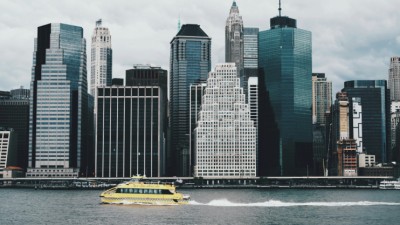
Manhattan
Where skyline views meet queer history and late-night flavor

Charlotte
Where city energy meets inclusive travel
Memphis
Where music history, riverfront culture, and solo discovery meet

Milwaukee
Where lakefront culture meets inclusive city life

El Paso
A desert crossroads where culture, community, and visibility meet.
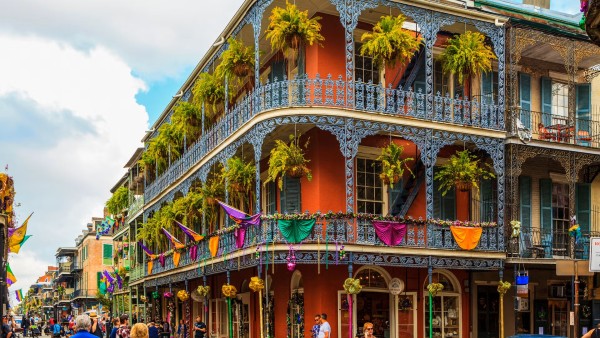
New Orleans
Where heritage, nightlife, and hospitality meet.

Oklahoma City
Discover a welcoming urban base with history, culture, and community pride.
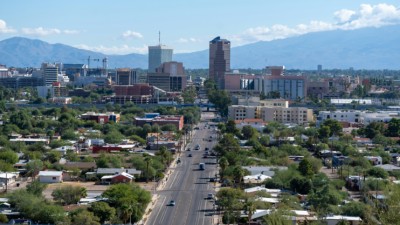
Tucson
Desert skies, living heritage, and a welcoming city break.

Louisville
A welcoming pause for culture, history, and calm urban escapes.
Hartford
Art, history, and good food in a compact New England capital.

Omaha
Big skies, a welcoming pace, and culture worth exploring
Bridgeport
Come for the shoreline, stay for the stories and the plates.
Fort Worth
Where big skies meet welcoming spaces.

Buffalo
Where waterfront energy meets inclusive travel history.