- Home
- United States
- Boston
About Boston
As the capital of Massachusetts, it sits in a state that has long been associated with progressive LGBTQ+ protections in the U.S.
broader legal landscape, making the city a meaningful stop for travelers looking for a destination where history, education, and community identity meet.Boston’s appeal goes well beyond politics.
This is a city shaped by museums, universities, neighborhoods, and a deep sense of civic memory, which gives it a strong cultural atmosphere for travelers who appreciate substance as much as style.
For LGBTQ+ visitors, that context is important: Boston offers the experience of a major American city with a visible, established queer presence and a long tradition of activism, community organizing, and public visibility.When I think of Boston through an LGBTQ+ travel lens, a few landmarks and moments stand out.
Boston Pride is the city’s best-known annual LGBTQ+ celebration, drawing residents and visitors into public celebration and community events.
For history-minded travelers, The Boston Common—the country’s oldest public park—has also played a role in public gatherings and activism, making it a symbolically important place in a city with a strong record of civic participation.Boston is also a practical base for exploring LGBTQ+ history and culture in New England.
Its museums, historic districts, and walkable streets make it especially rewarding for travelers who want a trip that combines cultural depth with urban energy.
For me, that mix is exactly what makes Boston stand out: it is both a historic American city and a place where LGBTQ+ life has long been part of the public landscape.
Our Review
I see Boston as one of the United States’ most historically significant cities, and that history matters when I write about it from an LGBTQ+ point of view.
As the capital of Massachusetts, it sits in a state that has long been associated with progressive LGBTQ+ protections in the U.S.
broader legal landscape, making the city a meaningful stop for travelers looking for a destination where history, education, and community identity meet.
Boston’s appeal goes well beyond politics.
This is a city shaped by museums, universities, neighborhoods, and a deep sense of civic memory, which gives it a strong cultural atmosphere for travelers who appreciate substance as much as style.
For LGBTQ+ visitors, that context is important: Boston offers the experience of a major American city with a visible, established queer presence and a long tradition of activism, community organizing, and public visibility.
When I think of Boston through an LGBTQ+ travel lens, a few landmarks and moments stand out.
Boston Pride is the city’s best-known annual LGBTQ+ celebration, drawing residents and visitors into public celebration and community events.
For history-minded travelers, The Boston Common—the country’s oldest public park—has also played a role in public gatherings and activism, making it a symbolically important place in a city with a strong record of civic participation.
Boston is also a practical base for exploring LGBTQ+ history and culture in New England.
Its museums, historic districts, and walkable streets make it especially rewarding for travelers who want a trip that combines cultural depth with urban energy.
For me, that mix is exactly what makes Boston stand out: it is both a historic American city and a place where LGBTQ+ life has long been part of the public landscape.
Events and Nightlife
When I spend time in Boston from an LGBTQ+ perspective, I find that the city’s social calendar and nightlife reflect its larger character: historically minded, student-influenced, and community-oriented.
The most visible annual celebration is Boston Pride, the city’s long-running Pride observance.
In recent years, Pride has taken place through the Boston Pride for the People organization, which has carried the city’s public celebration of LGBTQ+ identity forward with a focus on marching, gathering, and visibility.
As with many major U.S.
Pride events, dates and formats can change from year to year, so I always recommend checking the event’s official announcements before planning a visit.
Boston’s LGBTQ+ calendar is not limited to Pride alone.
The city also has a strong tradition of museum programming, film screenings, talks, and community fundraisers that often align with Pride season and other cultural moments in the year.
Because Boston is home to major universities, arts institutions, and nonprofit organizations, I often notice that LGBTQ+ events here feel connected not only to nightlife, but also to civic engagement and cultural life.
That makes the city especially appealing to travelers who want more than a party scene.
For nightlife, Boston is best approached neighborhood by neighborhood.
The South End is the city’s most established LGBTQ+ area and remains the place I would start for bars, restaurants, and social spaces with a queer-leaning crowd.
The neighborhood has a long history as a center of LGBTQ+ life in Boston, and that history still shapes its atmosphere today.
I also find that parts of Fenway, Back Bay, and the wider downtown area can be comfortable choices for an evening out, especially for travelers who want easy access to transit and a broad mix of dining and entertainment.
Among the city’s best-known LGBTQ+ venues, Club Café in the South End stands out as a long-running social anchor.
It has been a familiar gathering place for decades and is widely associated with Boston’s LGBTQ+ community.
Nearby, I would also look to the South End’s broader restaurant and bar scene, which tends to be welcoming and lively without feeling overly rowdy.
Boston’s queer nightlife is often more about conversation, community, and performance than about late-night club culture alone.
Another significant venue is Jacques Cabaret, a longtime Boston drag and cabaret spot.
For me, it represents one of the city’s most distinctive nightlife traditions: intimate, performance-focused, and rooted in queer entertainment history.
Visitors looking for drag shows or a classic cabaret atmosphere will usually find Jacques to be one of the city’s most recognizable options.
When I recommend nightlife in Boston, I also stress that the city’s LGBTQ+ scene is closely tied to social spots rather than a single entertainment district.
That means a good evening might include dinner in the South End, a drink at a neighborhood bar, and then a show or community event.
Boston’s size makes it easy to move between these experiences without losing the neighborhood feel that many travelers appreciate.
For a traveler who wants the most established queer-friendly experience, I would prioritize the South End for its history and concentration of community life, then add in a Pride-season event, a drag performance, or a relaxed bar night to get a fuller picture of Boston’s LGBTQ+ culture.
The city may not be defined by a huge all-night club scene, but it offers something I find equally valuable: a nightlife culture that feels connected to place, history, and community.
Useful references for background on the U.S.
LGBTQ+ context include LGBTQ rights in the United States and United States.
Accommodation in Boston for LGBTQ+ Travelers
When I look for a place to stay in Boston, I focus on two things: location and the hotel’s stated commitment to inclusion.
Boston sits in Massachusetts, a state with strong legal protections for LGBTQ+ people, and that broader context makes it one of the easier U.S.
cities in which to book accommodation with confidence.
Still, I always recommend checking each property’s own policies and guest information before reserving.
How I choose inclusive accommodation
My first step is to look for accommodations that clearly welcome all guests, rather than assuming every hotel will offer the same experience.
In practical terms, I check for:
- non-discrimination language on the hotel or booking page
- clear name and identity policies in reservation and check-in procedures
- good reviews from LGBTQ+ travelers, when available
- central locations with easy access to transit, dining, and cultural sites
I also prefer properties that are used to serving international and diverse visitors.
In a city like Boston, where tourism, universities, hospitals, and museums bring in a wide range of guests, many mainstream hotels in central areas are accustomed to professional, welcoming service.
I still read recent guest feedback carefully, because the tone of service can vary from property to property.
Neighborhoods I find especially comfortable
For LGBTQ+ travelers, I tend to look first at neighborhoods that are active, walkable, and well connected.
In Boston, the most comfortable bases are usually:
- South End – long associated with Boston’s LGBTQ+ community and one of the city’s most established queer-friendly areas
- Back Bay – central, polished, and convenient for shopping, dining, and transit
- Fenway – practical for culture, nightlife, and access to the city center
- Downtown – best for short stays, business trips, and easy access to major sights
The South End is the area I would choose first if I wanted to stay closest to Boston’s LGBTQ+ social life.
It has a strong community history and remains the neighborhood most closely linked with queer life in the city.
Back Bay and Downtown are less specifically queer in character, but they are dependable, central, and easy to navigate.
Fenway is another sensible option if I want a mix of cultural access and city convenience.
What I look for in a hotel location
Boston is a city I like to experience on foot, so I pay attention to how easy it is to move between my hotel and the places I plan to visit.
A well-located hotel near the MBTA, the Common, the South End, or Back Bay can make a stay much smoother.
For me, that matters as much as the room itself, especially if I am heading out to museums, historic districts, or an evening event.
Because Boston’s LGBTQ+ scene is integrated into the wider city rather than concentrated in one single district, staying somewhere central often works better than trying to find a narrowly defined “gay hotel.” In practice, I find that a good mainstream hotel in a welcoming neighborhood can be just as suitable as any niche property, as long as the service is respectful and the location is convenient.
Practical tips for booking
When I book in Boston, I keep my approach simple:
- choose a hotel with a clear location in or near the South End, Back Bay, Fenway, or Downtown
- check whether the property states that it welcomes all guests without discrimination
- compare recent guest reviews for service consistency
- confirm cancellation terms and check-in policies in advance
- if I have any concerns, contact the property directly before arrival
I also recommend using reputable booking platforms and reading the accommodation’s own website, since policies can change.
If you are traveling as a couple or with friends, it is worth confirming that the room type and reservation details match your needs before you arrive.
My bottom line
Boston is a strong city for LGBTQ+ travelers who want a comfortable, culturally rich stay.
I would prioritize the South End for its community connection, and Back Bay or Downtown for convenience.
The most important thing, in my experience, is to choose a well-located property with clear, inclusive guest policies and to book with the same care I would use in any major U.S.
city.
For background on LGBTQ+ rights in the United States, see LGBTQ rights in the United States.
Dining and Entertainment
When I explore Boston through a LGBTQ+ lens, I find that dining and entertainment are best understood as part of the city’s broader neighborhood culture.
Boston does not revolve around one single entertainment district; instead, its welcoming spaces are spread across walkable areas such as the South End, Back Bay, Fenway, and Downtown.
That makes the city especially rewarding for a traveler like me who enjoys moving from a relaxed dinner to a performance, gallery, or late-evening cocktail without needing to go far.
For LGBTQ+ travelers, the South End is the neighborhood I would start with.
It has long been associated with Boston’s queer community and remains one of the city’s most established areas for inclusive dining and social life.
Here, I look for restaurants and cafés where the atmosphere feels relaxed, polished, and openly welcoming.
Boston’s restaurant culture is strong overall, and in the South End especially, the appeal is not just the food itself but the sense of ease that comes from being in a neighborhood with a visible LGBTQ+ presence.
Back Bay and Downtown also work well for dining, particularly if I want a central location close to hotels, transit, and evening entertainment.
These neighborhoods are practical choices for visitors who want a comfortable setting without having to plan around a specialized nightlife circuit.
Fenway, meanwhile, is a useful area for combining dinner with cultural outings, since it sits near some of the city’s major arts venues and performance spaces.
For entertainment, Boston’s strengths are cultural rather than club-focused.
I would especially recommend the city for travelers who enjoy theaters, concert halls, museums with evening programming, and live performance venues.
The city’s arts institutions and performance spaces make it easy to build an evening around a show, a lecture, or a special event.
Boston’s LGBTQ+ life is visible in these spaces not only through Pride season, but also through year-round cultural programming that draws a diverse audience.
Live performance is one of Boston’s most distinctive draws.
Drag and cabaret traditions are part of the city’s queer entertainment landscape, and they fit naturally with Boston’s long history of neighborhood-based LGBTQ+ community life.
For me, that means a night out in Boston can feel more intimate and culturally rooted than high-energy and club-heavy.
It is a city where a performance, a dinner, and a conversation can be the whole evening—and that suits travelers who appreciate substance as much as spectacle.
Boston’s cinema and theater culture also add to its appeal.
The city has a strong reputation for stage performance, with major theaters and smaller venues contributing to a steady calendar of productions.
While not every venue is specifically LGBTQ+-themed, the overall environment in central Boston is generally inclusive and comfortable for queer visitors.
I find that this makes it easier to attend a show, order dinner nearby, and move through the evening without feeling singled out.
What I especially value in Boston is how seamlessly dining and entertainment connect to the city’s culture.
A meal in the South End, a performance in the Theater District or Fenway area, and a walk through a historic neighborhood all fit together into one coherent experience.
For LGBTQ+ travelers, that blend of visibility, practicality, and culture is what makes Boston feel welcoming.
In short, if I were planning a Boston evening from an LGBTQ+ perspective, I would look first to the South End for dining, then to Back Bay, Downtown, or Fenway for easy access to theaters and live performances.
Boston may not be a city built around one dominant queer nightlife strip, but it offers something I often prefer as a traveler: inclusive spaces woven into an active, culturally rich urban landscape.
For background on the broader legal and social context in the United States, I would also note the national history of LGBTQ+ rights in the country: LGBTQ rights in the United States.
Travel Tips
When I travel to Boston as an LGBTQ+ visitor, I find that the city feels easiest to navigate when I combine common-sense urban caution with a clear sense of where community life is most visible.
Boston is in Massachusetts, a state with long-standing protections for LGBTQ+ people, and the city itself has a well-established queer community.
That said, I still travel as I would in any major U.S.
city: I stay aware of my surroundings, especially late at night, and I plan my movements in advance.
My first practical tip is to choose accommodation in a central neighborhood.
Boston’s walkable core makes a big difference, and staying near the South End, Back Bay, Downtown, or Fenway can make it easier to move between museums, restaurants, transit, and LGBTQ+-friendly social spaces.
The South End is especially useful if I want to be close to one of the city’s most established LGBTQ+ neighborhoods.
I also make a point of checking recent reviews and confirming that a hotel’s policies are inclusive and respectful before I book.
For getting around, I rely on public transit and walking during the day, and I use extra caution after dark.
Boston is a city where neighborhood character changes block by block, so I keep my route simple, use well-lit streets, and avoid unnecessary detours when I am alone at night.
If I need a ride, I use a licensed taxi or a widely used ride-hailing app rather than improvising on the street.
I also keep my phone charged and share my plans with a friend when I’m heading out for the evening.
Local customs in Boston are generally straightforward.
The city has a reputation for being reserved rather than showy, so I don’t expect excessive small talk, but I do expect professionalism and directness in most public settings.
In practice, I find that being polite, clear, and confident works well here.
As in many U.S.
cities, I avoid making assumptions about someone’s identity or relationship, and I let people define themselves and their spaces on their own terms.
For LGBTQ+ travelers, the simplest “do” is to support the local community in ways that are visible and respectful.
I look for queer-owned or queer-friendly businesses, attend public cultural events, and spend time in neighborhoods where LGBTQ+ life has an established presence.
Boston’s South End is the most obvious place to begin, but I also pay attention to museums, performance venues, and community programming across the city, since Boston’s queer culture is not confined to nightlife alone.
If I want to connect with the local LGBTQ+ community, I start by checking for Pride-season programming and cultural events that are open to the public.
Boston Pride for the People is the city’s current Pride organization, and Pride events are a major moment for visibility and connection.
Outside Pride season, I look for talks, film screenings, exhibitions, and performances tied to Boston’s arts institutions or community organizations.
The city’s LGBTQ+ history is also well documented by local groups such as The History Project, which helps me understand Boston beyond the tourist surface.
My main travel safety rule is simple: I treat Boston like a major city with a strong community backbone.
I stay alert, especially in unfamiliar areas; I trust my instincts; and I avoid putting myself in situations where I feel isolated or pressured.
At the same time, I do not let caution stop me from being visible.
In a city like Boston, where LGBTQ+ life has deep roots, confidence and awareness usually go together.
For official city information, I use the City of Boston website: https://www.boston.gov.
Boston is one of the United States’ most reliable city breaks for LGBTQ+ travelers: it combines a strong civic culture, visible queer community life, major museums, and a walkable urban core.
As I experienced it, the city’s greatest strength is not a single “gay district,” but a broader atmosphere of inclusion that is easy to feel in neighborhoods such as the South End, Back Bay, Fenway, and Downtown.
That makes Boston especially rewarding for travelers who enjoy culture as much as nightlife: a day can move naturally from the Museum of Fine Arts or the Isabella Stewart Gardner Museum to dinner, then on to a bar, cabaret, or Pride event.
Boston’s main challenge is the same one that comes with many older American cities: comfort can change from block to block, and travelers still need ordinary urban awareness, especially at night.
I would also note that, while the city is broadly welcoming, LGBTQ+ travelers should still check current event details and venue policies before going out, because schedules and operations can change.
In other words, Boston is easy to enjoy, but it rewards a little planning.
My recommendation is simple: stay central, use the South End as your base if you want to be close to the city’s most established LGBTQ+ neighborhood, and leave time for both the city’s cultural institutions and its community spaces.
If you are here during Pride season, make room for Boston Pride for the People and related programming; if not, look for LGBTQ+ friendly bars, performances, and museum events that reflect the city’s year-round queer presence.
For LGBTQ+ travelers who appreciate history, arts, and neighborhood character, Boston is a city worth exploring slowly.
I would encourage you to treat it not just as a stopover, but as a place to linger: walk its historic streets, spend time in its museums, and enjoy the way LGBTQ+ life is woven into the city’s everyday rhythm.
Other Guides in United States
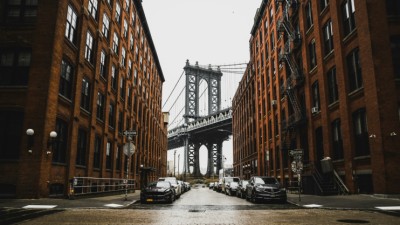
New York
Where queer history, nightlife, and iconic neighborhoods meet the table
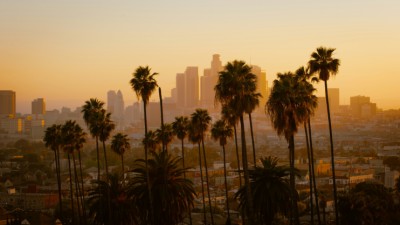
Los Angeles
Where community, culture, and queer history meet under the California sun
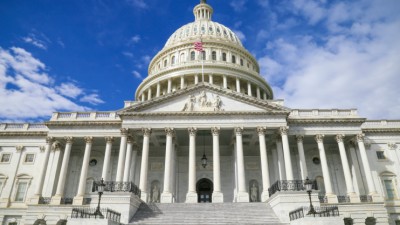
Washington
Where culture, memory, and community meet in a walkable capital
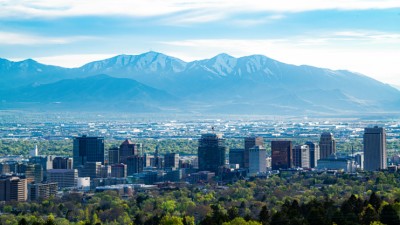
Salt Lake City
Where civic change meets a high-altitude welcome.
Nashville
Where live music meets welcoming culture
Columbia
Find history, nature, and a welcoming local rhythm
Indianapolis
Where Midwest heritage meets a welcoming city break
Columbus
Explore a city where community, culture, and inclusion meet.

Albany
Small-city ease, Bay Area access, and plenty to explore
Phoenix
Sunlit streets, open minds, and a solo-friendly city break.
Sacramento
Riverfront capital life with a welcoming, practical pace.
Des Moines
A polished stop for culture, civic energy, and welcoming city breaks.
Denver
Big skies, easygoing energy, and a welcoming city break.
Richmond
Where waterfront history meets inclusive travel and local flavor.
Jackson
A welcoming base for culture, history, and working on the move.
Providence
History, culture, and inclusive travel in a walkable river city.
San Francisco
Where identity, history, and inclusive city life meet by the bay
Baltimore
Where harbor views meet a long-standing spirit of inclusion.
San Diego
Where beach days meet welcoming nights out.
Miami
Where beach days meet a vibrant queer culture
St. Louis
River views, welcoming neighborhoods, and a calm city break.
Brooklyn
Where creativity, community, and unforgettable bites meet
Houston
Big-city energy, welcoming neighborhoods, and standout cultural experiences.
Queens
Where every neighborhood brings a new flavor and a warm welcome.
Las Vegas
Where the lights stay on and the welcome is built into the city’s rhythm.
Tampa
Sunlit streets, bayside calm, and a welcoming city rhythm.
Detroit
River views, big-city culture, and a welcoming pulse.
Chicago
A lakefront city where culture, activism, and nightlife meet.
Riverside
A sunny inland base for culture, history, and easy remote-work days.
San Antonio
Discover heritage, stroll the riverfront, and feel at home in a city shaped by culture.
Philadelphia
History, community, and inclusive culture in one walkable destination.
Dallas
Big nights, bold culture, and a welcoming social scene.
Portland
Explore a city shaped by culture, activism, and inclusive community life.
Seattle
Explore a rain-kissed, walkable city shaped by community and inclusion.
Minneapolis
Where culture, comfort, and community meet by the river.
Kansas City
Where riverfront energy meets inclusive nightlife and culture.
Austin
Live music, inclusive energy, and standout bites
Cleveland
Explore a lakefront city where culture, community, and inclusive dining meet.
Jacksonville
Coastal calm, city scale, and a practical base for exploring Florida.
Raleigh
Oak-lined streets, culture-forward escapes, and a welcoming urban base.
Bronx
A borough of culture, history, and city-scale energy.

Virginia Beach
Where Atlantic horizons meet resilient local history

Orlando
Sunlit streets, theme-park energy, and a travel scene that rewards independent exploration.
Cincinnati
River views, historic districts, and a living queer civic story.
Pittsburgh
Steel history, river views, and a lively night out.
San Jose
A polished Bay Area base with easy access to queer culture and major California hubs.
Manhattan
Where skyline views meet queer history and late-night flavor
Charlotte
Where city energy meets inclusive travel
Memphis
Where music history, riverfront culture, and solo discovery meet
Milwaukee
Where lakefront culture meets inclusive city life

El Paso
A desert crossroads where culture, community, and visibility meet.
New Orleans
Where heritage, nightlife, and hospitality meet.
Oklahoma City
Discover a welcoming urban base with history, culture, and community pride.
Tucson
Desert skies, living heritage, and a welcoming city break.
Louisville
A welcoming pause for culture, history, and calm urban escapes.
Hartford
Art, history, and good food in a compact New England capital.

Omaha
Big skies, a welcoming pace, and culture worth exploring
Bridgeport
Come for the shoreline, stay for the stories and the plates.
Fort Worth
Where big skies meet welcoming spaces.
Buffalo
Where waterfront energy meets inclusive travel history.