- Home
- United States
- Philadelphia
About Philadelphia
As one of the largest cities in the United States and the birthplace of American democracy, it offers a strong sense of civic history alongside a long-established urban culture that many LGBTQ+ travelers will find welcoming and practical to explore on foot or by transit.From a community perspective, Philadelphia matters because it sits within a broader U.S.
context in which LGBTQ+ rights have advanced over time, even as transgender rights have faced renewed challenges in recent years.
That national backdrop shapes how I read the city: as part of a country where LGBTQ+ visibility, legal recognition, and public life have become increasingly central to travel, culture, and civic identity.For LGBTQ+ visitors, the city is especially significant for its Pride celebrations, which are among the most visible annual expressions of queer community life here.
Philadelphia also has a noteworthy place in LGBTQ+ history through the Philadelphia AIDS Memorial, a memorial site in the city that reflects remembrance, loss, and resilience.
I see this combination of public celebration and memory as especially meaningful for travelers who want their itinerary to reflect both community energy and historical awareness.Philadelphia’s appeal is also practical for travelers who value sustainable urban exploration: its density, transit network, and walkable historic core make it easier to plan a lower-impact visit than a car-dependent trip.
For me, that aligns with the city’s character as a destination where culture, history, and community can be experienced in a compact setting.
Our Review
I write about Philadelphia as a city where national history and contemporary LGBTQ+ life intersect in a very visible way.
As one of the largest cities in the United States and the birthplace of American democracy, it offers a strong sense of civic history alongside a long-established urban culture that many LGBTQ+ travelers will find welcoming and practical to explore on foot or by transit.
From a community perspective, Philadelphia matters because it sits within a broader U.S.
context in which LGBTQ+ rights have advanced over time, even as transgender rights have faced renewed challenges in recent years.
That national backdrop shapes how I read the city: as part of a country where LGBTQ+ visibility, legal recognition, and public life have become increasingly central to travel, culture, and civic identity.
For LGBTQ+ visitors, the city is especially significant for its Pride celebrations, which are among the most visible annual expressions of queer community life here.
Philadelphia also has a noteworthy place in LGBTQ+ history through the Philadelphia AIDS Memorial, a memorial site in the city that reflects remembrance, loss, and resilience.
I see this combination of public celebration and memory as especially meaningful for travelers who want their itinerary to reflect both community energy and historical awareness.
Philadelphia’s appeal is also practical for travelers who value sustainable urban exploration: its density, transit network, and walkable historic core make it easier to plan a lower-impact visit than a car-dependent trip.
For me, that aligns with the city’s character as a destination where culture, history, and community can be experienced in a compact setting.
Travel Tips for LGBTQ+ Visitors to Philadelphia
When I plan LGBTQ+ travel in Philadelphia, I treat the city as a major U.S.
destination with a visible queer presence, but also as a place where standard big-city judgment still matters.
Philadelphia is widely known as the birthplace of American democracy, and its central historic districts draw steady foot traffic, which generally makes them practical starting points for visitors.
For LGBTQ+ travelers, that combination of history, density, and established community infrastructure is useful: it means there are places where one can feel both culturally grounded and relatively comfortable moving around on foot.
My first practical recommendation is to base myself in or near Center City, especially the Washington Square West area and the broader Gayborhood, which is Philadelphia’s best-known LGBTQ+ district.
Staying central reduces transit stress, supports walkable sightseeing, and fits an eco-conscious travel approach because it limits the need for repeated car trips.
The city’s compact core is one of its biggest advantages for visitors who want to combine community life, dining, and historic sightseeing in a single neighborhood network.
I also keep expectations realistic about urban safety.
Philadelphia is a large American city, and the usual advice applies: stay alert at night, know my route in advance, and use well-trafficked streets and reliable transportation options after dark.
In practical terms, I avoid assuming that the entire city feels the same from block to block.
A crowded daytime corridor can feel very different from a quiet side street late at night, so I plan accordingly.
That is especially important for LGBTQ+ travelers who may be navigating unfamiliar neighborhoods, attending nightlife events, or returning late from community gatherings.
Local customs are broadly urban and diverse rather than rigid, so I do not expect Philadelphia to have a single set of social rules for LGBTQ+ visitors.
That said, I remain mindful of context.
Public expressions of identity are generally easier in central, busy, and visibly LGBTQ+-friendly areas than in isolated or unfamiliar settings.
I think that is less about one neighborhood being “good” or “bad” and more about reading the environment carefully, as I would in any major U.S.
city.
Discretion is not a requirement, but situational awareness is sensible.
When I want to connect with the local LGBTQ+ community, I start with the city’s established community anchors.
The William Way LGBT Community Center in the Gayborhood is the most clearly documented community resource and a logical first stop for visitors looking for programs, events, or a better sense of local life.
I also treat the neighborhood itself as part of the community experience: walking its streets, noticing the concentration of LGBTQ+ businesses and institutions, and spending time in public spaces is often the simplest way to understand how the scene functions day to day.
If I am visiting during Pride season, I verify the current year’s schedule in advance, because large city Pride events can change from year to year.
Philadelphia’s LGBTQ+ landscape is also shaped by memory and public history.
I would make time for the Philadelphia AIDS Memorial, which offers a reflective counterpoint to the city’s more social spaces.
For me, that matters because meaningful travel is not only about nightlife or entertainment; it is also about understanding the community’s history, including the losses and activism that shaped today’s institutions.
In a city with such a strong sense of historical continuity, that kind of stop feels especially appropriate.
For sustainable travel, I favor walking and transit over ride-hailing whenever possible, particularly in Center City.
Philadelphia’s dense layout makes that practical, and it reduces both emissions and travel friction.
I also look for accommodations in the central core so I can move between the Gayborhood, nearby historic sites, and dining areas without creating unnecessary transport needs.
That is the simplest way to make the trip more environmentally responsible while also keeping myself in the city’s most legible and well-used areas.
In short, my approach to Philadelphia as an LGBTQ+ visitor is straightforward: stay central, use common urban-safety habits, spend time in the Gayborhood and around Center City, and engage with the city’s LGBTQ+ institutions as both social and historical resources.
Philadelphia is not a destination that requires elaborate decoding; it rewards informed, practical travel.
Verified reference sources: Philadelphia, Wikivoyage: Philadelphia, LGBTQ rights in the United States.
From my perspective, Philadelphia stands out as one of the United States’ most historically significant and practically navigable cities for LGBTQ+ travelers.
Its greatest strength is concentration: the city’s LGBTQ+ life is most visible in Center City, especially the Washington Square West area often referred to as the Gayborhood.
That gives visitors a clear, walkable base for exploring community spaces, dining, nightlife, and nearby historic attractions without relying heavily on cars.
For me, that also makes the city easier to experience in a more eco-conscious way, because walking and transit are realistic options in the core district.
Philadelphia’s broader civic identity is also part of its appeal.
As the birthplace of American democracy, the city combines public history with contemporary urban culture, and that context matters for LGBTQ+ visitors who value both visibility and memory.
The city’s LGBTQ+ landmarks and institutions add depth to the experience, especially places such as the William Way LGBT Community Center and the Philadelphia AIDS Memorial, which reflect community resilience, organizing, and remembrance.
In a country where LGBTQ+ rights remain shaped by ongoing legal and social debate, including significant challenges for transgender people, having access to established local community infrastructure is especially important.
The main challenge is not a lack of LGBTQ+ presence, but the reality that Philadelphia is a large U.S.
city, so comfort and safety still depend on time, place, and routine urban awareness.
I would advise LGBTQ+ travelers to stay in or near Center City if they want the most straightforward experience, especially for a first visit.
That approach reduces transit friction, keeps them close to the most established LGBTQ+ spaces, and supports a lower-impact trip.
My final recommendation is simple: use Philadelphia’s center as your anchor, check current hours and event details before you go, and leave room to explore both the city’s queer spaces and its historical core on foot.
Philadelphia offers a strong mix of community visibility, historical significance, and practical accessibility, and I think it rewards travelers who approach it with curiosity, respect, and a preference for sustainable urban travel.
Other Guides in United States
New York
Where queer history, nightlife, and iconic neighborhoods meet the table
Los Angeles
Where community, culture, and queer history meet under the California sun
Washington
Where culture, memory, and community meet in a walkable capital
Salt Lake City
Where civic change meets a high-altitude welcome.
Nashville
Where live music meets welcoming culture
Columbia
Find history, nature, and a welcoming local rhythm
Indianapolis
Where Midwest heritage meets a welcoming city break
Columbus
Explore a city where community, culture, and inclusion meet.

Albany
Small-city ease, Bay Area access, and plenty to explore
Phoenix
Sunlit streets, open minds, and a solo-friendly city break.
Sacramento
Riverfront capital life with a welcoming, practical pace.
Des Moines
A polished stop for culture, civic energy, and welcoming city breaks.
Denver
Big skies, easygoing energy, and a welcoming city break.
Richmond
Where waterfront history meets inclusive travel and local flavor.
Jackson
A welcoming base for culture, history, and working on the move.
Boston
Walk through history, culture, and community pride.
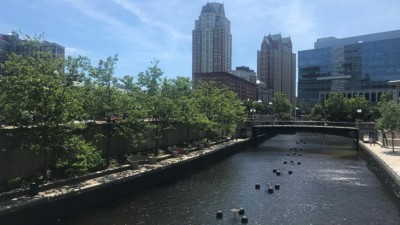
Providence
History, culture, and inclusive travel in a walkable river city.
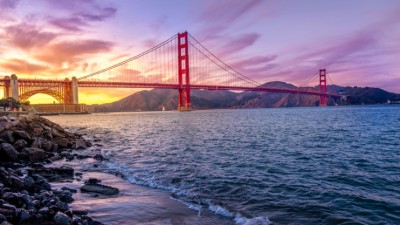
San Francisco
Where identity, history, and inclusive city life meet by the bay
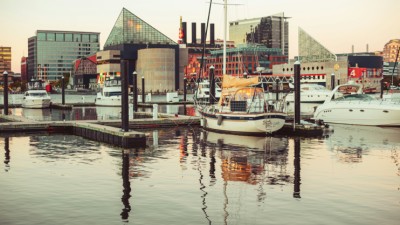
Baltimore
Where harbor views meet a long-standing spirit of inclusion.
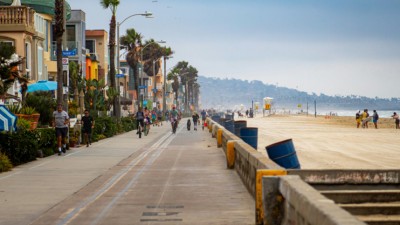
San Diego
Where beach days meet welcoming nights out.
Miami
Where beach days meet a vibrant queer culture
St. Louis
River views, welcoming neighborhoods, and a calm city break.
Brooklyn
Where creativity, community, and unforgettable bites meet
Houston
Big-city energy, welcoming neighborhoods, and standout cultural experiences.
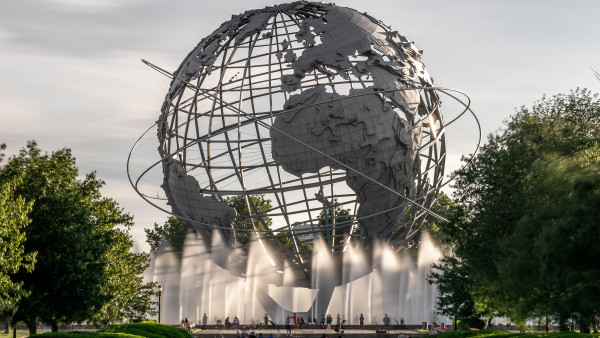
Queens
Where every neighborhood brings a new flavor and a warm welcome.
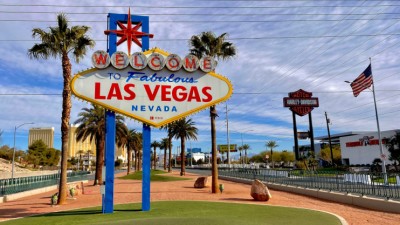
Las Vegas
Where the lights stay on and the welcome is built into the city’s rhythm.
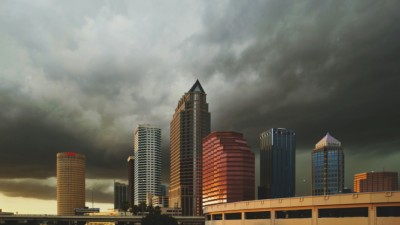
Tampa
Sunlit streets, bayside calm, and a welcoming city rhythm.
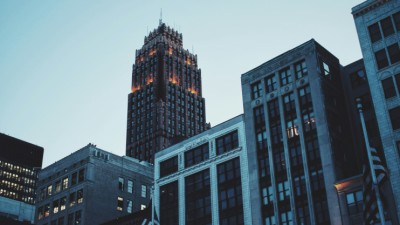
Detroit
River views, big-city culture, and a welcoming pulse.
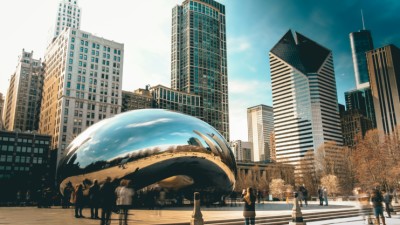
Chicago
A lakefront city where culture, activism, and nightlife meet.
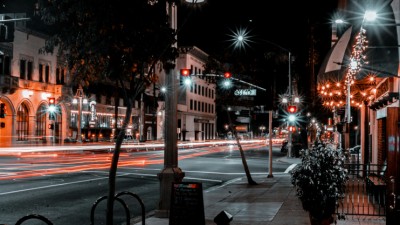
Riverside
A sunny inland base for culture, history, and easy remote-work days.
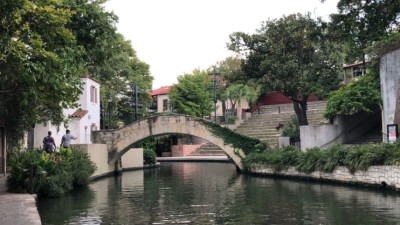
San Antonio
Discover heritage, stroll the riverfront, and feel at home in a city shaped by culture.
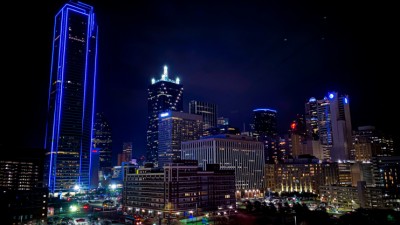
Dallas
Big nights, bold culture, and a welcoming social scene.
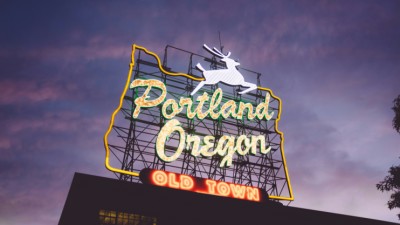
Portland
Explore a city shaped by culture, activism, and inclusive community life.
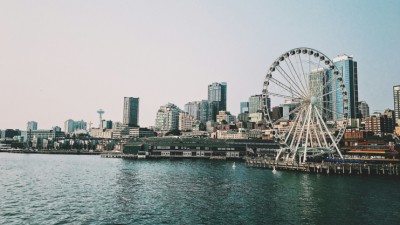
Seattle
Explore a rain-kissed, walkable city shaped by community and inclusion.
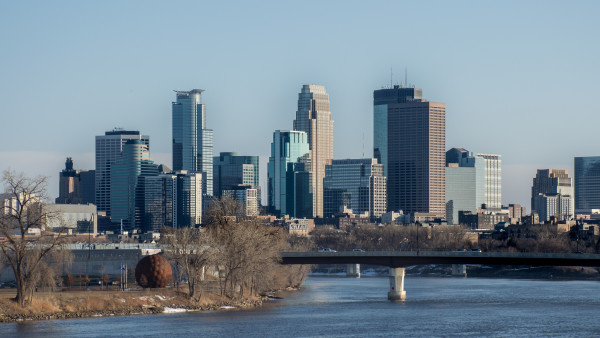
Minneapolis
Where culture, comfort, and community meet by the river.
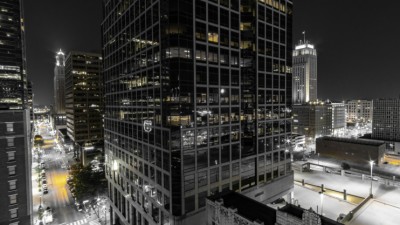
Kansas City
Where riverfront energy meets inclusive nightlife and culture.
Austin
Live music, inclusive energy, and standout bites
Cleveland
Explore a lakefront city where culture, community, and inclusive dining meet.
Jacksonville
Coastal calm, city scale, and a practical base for exploring Florida.
Raleigh
Oak-lined streets, culture-forward escapes, and a welcoming urban base.
Bronx
A borough of culture, history, and city-scale energy.
Virginia Beach
Where Atlantic horizons meet resilient local history

Orlando
Sunlit streets, theme-park energy, and a travel scene that rewards independent exploration.
Cincinnati
River views, historic districts, and a living queer civic story.
Pittsburgh
Steel history, river views, and a lively night out.
San Jose
A polished Bay Area base with easy access to queer culture and major California hubs.
Manhattan
Where skyline views meet queer history and late-night flavor
Charlotte
Where city energy meets inclusive travel
Memphis
Where music history, riverfront culture, and solo discovery meet
Milwaukee
Where lakefront culture meets inclusive city life
El Paso
A desert crossroads where culture, community, and visibility meet.
New Orleans
Where heritage, nightlife, and hospitality meet.
Oklahoma City
Discover a welcoming urban base with history, culture, and community pride.
Tucson
Desert skies, living heritage, and a welcoming city break.
Louisville
A welcoming pause for culture, history, and calm urban escapes.
Hartford
Art, history, and good food in a compact New England capital.
Omaha
Big skies, a welcoming pace, and culture worth exploring
Bridgeport
Come for the shoreline, stay for the stories and the plates.
Fort Worth
Where big skies meet welcoming spaces.
Buffalo
Where waterfront energy meets inclusive travel history.