- Home
- United States
- Los Angeles
About Los Angeles
It is the largest city in the Western United States and a major center of culture, media, and international exchange, which has helped shape its long-standing LGBTQ+ presence and activism.
The city’s diversity also gives it a breadth of neighborhoods and communities that have made room for queer life to flourish over time.For LGBTQ+ visitors, Los Angeles is especially notable for West Hollywood, a nearby city that is widely recognized as a major center of LGBTQ+ life in the region.
In the broader Los Angeles area, Pride is a major annual moment of visibility and celebration, and the city has also been home to important LGBTQ+ cultural institutions and landmarks.
One well-known example is the ONE Archives at the University of Southern California, which preserves LGBTQ+ history and materials.
For travelers who want to understand the city beyond its film-industry image, this is a place where queer culture is not just present, but deeply woven into the urban story.I approach Los Angeles as a city where the LGBTQ+ experience is best understood through community, history, and public visibility.
From well-known Pride celebrations to historic archives and a landscape shaped by migration and reinvention, it remains a destination that reflects both the progress and the ongoing work of queer life in America.
Our Review
As I see it, Los Angeles is one of the most significant cities in the United States for LGBTQ+ travelers because it combines scale, visibility, and cultural influence.
It is the largest city in the Western United States and a major center of culture, media, and international exchange, which has helped shape its long-standing LGBTQ+ presence and activism.
The city’s diversity also gives it a breadth of neighborhoods and communities that have made room for queer life to flourish over time.
For LGBTQ+ visitors, Los Angeles is especially notable for West Hollywood, a nearby city that is widely recognized as a major center of LGBTQ+ life in the region.
In the broader Los Angeles area, Pride is a major annual moment of visibility and celebration, and the city has also been home to important LGBTQ+ cultural institutions and landmarks.
One well-known example is the ONE Archives at the University of Southern California, which preserves LGBTQ+ history and materials.
For travelers who want to understand the city beyond its film-industry image, this is a place where queer culture is not just present, but deeply woven into the urban story.
I approach Los Angeles as a city where the LGBTQ+ experience is best understood through community, history, and public visibility.
From well-known Pride celebrations to historic archives and a landscape shaped by migration and reinvention, it remains a destination that reflects both the progress and the ongoing work of queer life in America.
Social Acceptance and Safety
When I assess social acceptance and safety for LGBTQ+ travelers in Los Angeles, I start with the city’s broader character: this is a large, diverse, global metropolis, and that diversity is one of the reasons many LGBTQ+ people feel at home here.
Los Angeles is the largest city in the Western United States and one of the country’s most populous cities, with a long-established reputation as a cultural and media capital.
In practical terms, that usually translates into a city where visible LGBTQ+ identities are part of everyday life rather than an exception.
From an LGBTQ+ point of view, I find the overall atmosphere generally welcoming, especially in areas with long-standing queer communities and in spaces connected to the city’s arts, nightlife, and creative industries.
That said, Los Angeles is enormous, and attitudes can vary significantly from neighborhood to neighborhood, venue to venue, and even block to block.
I would never describe the entire city as uniformly safe or uniformly affirming; instead, I think of it as a place where many pockets feel comfortable and open, while basic urban caution still matters everywhere.
General attitudes toward LGBTQ+ people
In my experience of reading the city through a queer traveler’s lens, Los Angeles tends to be broadly familiar with LGBTQ+ life.
The city’s cultural diversity and its long association with entertainment, activism, and migration have helped create a setting where many residents are used to encountering queer people in public life.
That does not eliminate prejudice, of course, but it does mean that LGBTQ+ travelers are often able to move through many parts of the city without drawing attention simply for being themselves.
For visitors, that usually feels reassuring in restaurants, museums, major shopping districts, and many entertainment areas.
Still, I recommend staying attentive to your surroundings, because social comfort is not the same thing as guaranteed safety.
A welcoming attitude in one neighborhood does not automatically extend everywhere else in the metro area.
Safety concerns and practical tips
Los Angeles is a major city, so the most relevant safety issues for LGBTQ+ travelers are often the same ones that apply to any big urban destination: theft, late-night transit challenges, unfamiliar neighborhoods, and situational awareness when meeting new people.
I advise travelers to keep valuables secure, avoid leaving drinks unattended, and plan transportation in advance after dark.
If you are out at night, especially in nightlife districts, it is wise to travel with a companion when possible and to know your route home before you leave.
I also recommend checking the vibe of a venue before getting too comfortable—some spaces are visibly LGBTQ+ inclusive, while others may be more mixed or less clearly welcoming.
Trusting your instincts matters here.
For LGBTQ+ travelers, I would add the usual low-profile precautions that experienced city visitors know well: avoid unnecessary displays of expensive items, be careful with ride pickup locations, and don’t assume a busy area is automatically safe.
In a city as large as Los Angeles, safety is often about preparation and awareness rather than fear.
Neighborhoods and areas
Some parts of Los Angeles are widely recognized as LGBTQ+ friendly, with West Hollywood being the most prominent example.
West Hollywood has a long-standing reputation as one of the country’s best-known LGBTQ+ neighborhoods, and it remains the clearest starting point for travelers seeking an openly queer-friendly environment.
Beyond that, I would say that much of central and west-side Los Angeles tends to feel comparatively comfortable for LGBTQ+ visitors, especially in neighborhoods with diverse populations, creative communities, and established hospitality districts.
However, I would be cautious about making blanket claims of friendliness for the entire city.
Los Angeles is too large and too varied for that.
As always, the tone of a specific street or venue matters more than a broad map label.
As for less welcoming areas, I avoid assigning a simple “safe” or “unsafe” label to entire neighborhoods without strong evidence, because that can be misleading.
What I can say confidently is that LGBTQ+ travelers should be especially careful in unfamiliar outer areas, particularly at night, and should pay attention to local context.
A place that feels relaxed during the day may feel very different after dark.
My bottom line
My practical read on Los Angeles is that it is generally a good city for LGBTQ+ travelers who want visibility, community, and choice.
It is not a small, neatly defined destination; it is a sprawling metropolis where your experience will depend heavily on where you go and how you move through the city.
If you stick to well-traveled neighborhoods, stay alert, and prioritize clearly LGBTQ+ friendly areas—especially West Hollywood—you can usually expect a positive experience.
For background on the city itself, I refer readers to Los Angeles and Wikivoyage’s Los Angeles guide.
Community and Support
When I look at Los Angeles from an LGBTQ+ traveler’s point of view, I see a city where community support is not concentrated in one single place—it is spread across neighborhoods, clinics, nonprofits, and neighborhood-based social networks.
LA’s size matters here.
As the largest city in the western United States and a major center of culture and media, it has the scale to support a wide range of LGBTQ+ resources, but that also means the city can feel decentralized.
In practice, that makes knowing where to turn for support especially important.
One of the most visible community anchors is West Hollywood, which is widely recognized as a major LGBTQ+ hub in Los Angeles.
For many visitors and residents alike, it is the first place they think of for queer-friendly services, social spaces, and community visibility.
When I’m writing about support in LA, I always treat West Hollywood as the city’s clearest reference point for LGBTQ+ life, but I also remind readers that support networks extend well beyond that neighborhood.
For organized advocacy and community programming, I would point readers first to the city’s broader LGBTQ+ nonprofit ecosystem.
In Los Angeles, a key institution is the LGBT Center in Los Angeles—commonly known as The LGBTQ Center Long Beach / Los Angeles LGBT Center in everyday conversation, though the better-established verified name is the Los Angeles LGBT Center.
It is one of the best-known LGBTQ+ service organizations in the country and a central resource for health, housing, youth services, legal help, and community programming.
For anyone seeking practical support rather than just nightlife or social scenes, this is one of the most important institutions in the city.
Health services are a major part of the picture in Los Angeles, and that includes both general care and LGBTQ+-specific support.
I would especially highlight access to sexual health and HIV-related services, because LA has long had strong community infrastructure around HIV prevention, testing, and treatment support.
The city’s size and medical network make it possible to find clinics and organizations offering HIV testing, PrEP navigation, and long-term care connections.
For LGBTQ+ travelers, that means health support is usually available without having to leave the city or rely on a small handful of providers.
Mental health support is also a crucial part of community care here.
In a city as large and fast-moving as Los Angeles, LGBTQ+ residents and visitors can find therapists, counseling services, and peer-support resources through established community organizations and health systems.
What stands out to me is that LA’s support landscape reflects the city’s diversity: services are often tailored for youth, trans people, people living with HIV, and people who need culturally competent care.
That matters, because access alone is not enough—people also need care that understands identity, stigma, and the realities of navigating urban life.
Another thing I tell readers is that Los Angeles is not just a city of big institutions; it is also a city of community centers and grassroots resource networks.
These can be especially valuable if someone is traveling, newly arrived, or looking for a lower-pressure way to connect.
Community centers, advocacy groups, and neighborhood organizations often provide information about housing, crisis support, youth services, and referrals to affirming providers.
In a city as large as LA, those referral pathways are often what help people actually get connected to the right kind of support.
For LGBTQ+ visitors, I think the most practical takeaway is this: Los Angeles has the infrastructure to support queer life, but the experience works best when you know which organizations and neighborhoods are doing that work on the ground.
West Hollywood remains the most visible focal point, but the city’s real strength is the depth of its service network—especially around health, HIV support, and community-based care.
That combination makes LA one of the more resource-rich destinations in the United States for LGBTQ+ travelers who want both affirmation and practical support.
If you want to explore the city’s broader context, these references are useful starting points: Los Angeles and Wikivoyage: Los Angeles.
Events and Nightlife
When I’m planning a queer night out in Los Angeles, I think in neighborhoods first and single venues second.
This is a city with a huge LGBTQ+ population, and its nightlife reflects that: some of the most established queer spaces sit in West Hollywood, while other LGBTQ+-friendly spots are spread across greater Los Angeles.
The result is less of a single “gay district” and more of a patchwork of bars, clubs, and social spaces where different communities have built their own scenes.
For major annual celebrations, the headline event is LA Pride.
It is one of the city’s biggest LGBTQ+ events and usually centers on a parade, festival programming, and community gatherings.
West Hollywood is closely associated with Pride in Los Angeles, and for many visitors it is the most recognizable place to experience the city’s queer public life.
I always advise travelers to check the official event schedule before they go, since dates and formats can change from year to year.
Beyond Pride, Los Angeles has a year-round calendar of queer cultural events, parties, and social nights tied to music, performance, film, and community advocacy.
That matters here because LA’s LGBTQ+ life is not only about late-night dancing; it also overlaps with the city’s wider arts scene.
In a place as large and diverse as Los Angeles, I find that many of the best queer events feel locally rooted rather than tourist-oriented, which is part of their appeal.
Nightlife in Los Angeles is broad rather than uniform.
In West Hollywood, you’ll find the highest concentration of bars and clubs known for LGBTQ+ crowds.
It is the obvious starting point if you want an energetic, visibly queer night out.
Elsewhere in the city, LGBTQ+ friendly venues tend to be woven into larger mixed neighborhoods, so the best approach is to look for places with a long-standing queer reputation, inclusive programming, or a strong community following.
In practical terms, my advice is to match the venue to the kind of night you want.
For an easy social evening, a neighborhood bar or lounge is usually the best fit.
For dancing, West Hollywood remains the classic choice.
And for people who want a more community-centered experience, I’d look for event nights, drag shows, or special LGBTQ+ parties rather than relying only on permanent venues.
Los Angeles does a good job of offering all three.
What I appreciate most about LA’s LGBTQ+ nightlife is how it reflects the city itself: large, varied, and constantly shifting.
Some spaces are polished and high-profile, while others are smaller, more casual, and deeply local.
If you want the city’s most iconic queer nightlife, start in West Hollywood.
If you want breadth, follow the event listings and community calendars that connect Los Angeles’s many LGBTQ+ scenes.
Cultural and Social Activities
When I explore Los Angeles from an LGBTQ+ perspective, I always come back to the city’s scale and cultural density.
L.A.
is not just a backdrop for queer life; it is one of the country’s great cultural capitals, with a long history of film, television, visual art, performance, and activism woven into everyday life.
As the largest city in the Western United States and a major center of culture and media, Los Angeles offers LGBTQ+ travelers a wide field of museums, theaters, galleries, and public spaces where queer stories are part of the city’s larger narrative.
For cultural travelers, I think of West Hollywood first.
It remains the most recognizable LGBTQ+ neighborhood in Los Angeles and a natural starting point for visitors looking for queer-friendly social life alongside arts and nightlife.
Even when I am not going out for a specific event, I find that the neighborhood’s public atmosphere, walkability, and concentration of LGBTQ+ venues make it a useful anchor for planning a culturally focused stay.
It is also closely associated with LA Pride, one of the city’s most visible annual LGBTQ+ gatherings, which adds a major community and cultural dimension to the area.
Los Angeles also rewards visitors who want to engage with queer history through its museums and archives.
One of the most important institutions is the ONE Archives at the USC Libraries, widely recognized as a major repository of LGBTQ+ history and materials.
For me, this is the kind of place that gives depth to a Los Angeles itinerary: it connects the city’s present-day queer visibility with the documentary record of activism, publishing, and community life.
A visit here is especially meaningful for travelers interested in the evolution of LGBTQ+ rights and representation in the United States.
In the broader arts scene, I find Los Angeles especially compelling because queer identity is often embedded in the city’s creative industries rather than separated from them.
The city’s theaters, galleries, and performance spaces frequently host work by LGBTQ+ artists or address queer themes, and that makes LA feel alive to me in a way that is both social and intellectual.
The key is not only to look for explicitly LGBTQ+ programming, but also to recognize that much of the city’s artistic life has been shaped by queer talent, from stage performance to film culture to contemporary visual art.
Film and media are central to Los Angeles’s identity, and that matters deeply for LGBTQ+ visitors.
The city’s role as the heart of the U.S.
entertainment industry has made it a place where queer creators, performers, writers, and producers have long had visibility and influence.
If I’m writing about L.A.
as a LGBTQ+ destination, I can’t separate its cultural attractions from the people who helped shape them.
The city’s queer cultural significance is inseparable from Hollywood, independent cinema, and the broader entertainment world, even when individual venues or tours change over time.
Los Angeles is also a city where LGBTQ+ history can be read through landmarks and neighborhoods rather than only through formal monuments.
West Hollywood is the clearest example, but the city more broadly reflects decades of activism, artistic migration, and community-building.
For visitors who want a historical lens, I would emphasize that the most authentic approach is to combine neighborhood exploration with museums, archives, and cultural institutions rather than expecting one single “LGBTQ+ district” to tell the whole story.
When it comes to notable LGBTQ+ figures, Los Angeles has long attracted and produced influential people in entertainment, art, literature, and activism.
The city’s status as a media capital has made it a home for many queer actors, musicians, filmmakers, and creators, and their work has helped shape both the city’s image and the wider cultural conversation.
Rather than reducing Los Angeles to celebrity culture, I prefer to frame this as a civic strength: queer visibility in L.A.
has helped normalize LGBTQ+ presence across the arts and public life.
My practical advice for culturally minded LGBTQ+ travelers is simple: start in West Hollywood, then widen the circle.
Build time for archives and museums, look for queer-affirming programming in theaters and galleries, and remember that in Los Angeles, social and cultural life often overlap.
That is one of the city’s great strengths.
It is not just a place to visit queer spaces; it is a city where LGBTQ+ history, performance, and everyday visibility are part of the cultural landscape itself.
For general city context, I also recommend these references: Los Angeles and Wikivoyage: Los Angeles.
Accommodation
When I check into Los Angeles as an LGBTQ+ traveler, I look for one thing first: location.
In a city this large and spread out, the “right” accommodation is often less about a single hotel brand and more about choosing a neighborhood where I’ll feel comfortable moving around day and night.
Los Angeles is a vast, diverse city and one of the main LGBTQ+ travel anchors is West Hollywood, which sits within the Los Angeles area and is widely known for its queer-friendly atmosphere, nightlife, and walkable concentration of restaurants and bars.
For accommodation, West Hollywood is usually the most straightforward choice if I want to be close to LGBTQ+ life and in a neighborhood that’s long been associated with visibility and inclusion.
I also find central and west-side areas of Los Angeles practical for LGBTQ+ visitors because they place me closer to many of the city’s cultural, dining, and entertainment districts.
Since Los Angeles is such a large metro area, I avoid treating the city as one uniform experience; instead, I choose a base that fits my plans and comfort level.
LGBTQ+ friendly hotels and accommodations
Los Angeles has a broad hotel market, and I’ve learned that “LGBTQ+ friendly” is often best assessed through the property’s reputation, the professionalism of the staff, and its location.
In a city with this much international travel, I look for accommodations that clearly welcome all guests, avoid awkward assumptions about couples or travel companions, and are situated in neighborhoods with an established inclusive culture.
For many LGBTQ+ travelers, that means starting with West Hollywood, then considering other well-connected parts of central and west Los Angeles depending on the purpose of the trip.
If I’m visiting for Pride, nightlife, or a community-centered stay, I prioritize being near West Hollywood.
If I’m in Los Angeles for museums, film, business, or the broader cultural scene, I may stay in another part of the city and still find a comfortable, affirming experience—as long as I choose carefully and stay aware of neighborhood differences.
How I look for inclusive accommodation options
My first tip is simple: I read the property’s own language closely.
Inclusive hotels usually communicate clearly in their booking materials, guest policies, and customer service tone.
I also look for listings that avoid gendered assumptions and that present couples and solo travelers in a neutral, respectful way.
If I’m uncertain, I contact the property directly and ask practical questions about guest policies, room arrangements, and staff training.
I also pay attention to location.
In Los Angeles, a hotel can be excellent on paper but still be inconvenient if it’s far from the neighborhoods and places I want to visit.
Because the city is so car-dependent and geographically spread out, I think about transit time, ride-share costs, and whether I’ll feel comfortable returning late at night.
For me, the best strategy is to combine three things: a welcoming neighborhood, a well-reviewed property, and a realistic plan for getting around the city.
Neighborhoods I consider especially welcoming
West Hollywood is the clearest answer.
It is the city’s best-known LGBTQ+ hub and the most obvious place to stay if I want to be close to queer nightlife, Pride-related activity, and a visibly inclusive street life.
Beyond that, I tend to think of Los Angeles as a city where welcoming experiences can be found in several central and west-side districts, especially areas with strong cultural and arts ties.
Because the city is so large and varied, I focus less on broad labels and more on specific blocks, hotel reputations, and how easy it is to move between my accommodation and the places I actually plan to visit.
My practical advice for booking in Los Angeles
- Choose a neighborhood first, then the hotel.
- Prioritize West Hollywood if you want the most established LGBTQ+ base.
- Check whether the area matches your plans for Pride, nightlife, or cultural visits.
- Use recent reviews to gauge staff attitude and guest experience.
- Factor in transportation, because Los Angeles is large and spread out.
From my perspective, Los Angeles can be a very comfortable city for LGBTQ+ travelers when accommodation is chosen thoughtfully.
The strongest approach is to stay in or near a neighborhood with a proven inclusive reputation—especially West Hollywood—while keeping the city’s size and diversity in mind.
That balance gives me both comfort and access to the parts of Los Angeles that matter most to me as an LGBTQ+ traveler.
Dining and Entertainment
When I explore Los Angeles from an LGBTQ+ point of view, I always think in terms of neighborhood energy first.
In a city this large and spread out, the most rewarding dining and entertainment experiences are often the ones that feel both welcoming and rooted in place.
For queer travelers, that usually means starting in neighborhoods with a visible LGBTQ+ presence, especially West Hollywood, and then branching out to the wider city’s restaurant, theater, and live-performance scene.
West Hollywood is the obvious anchor.
It is the best-known LGBTQ+ district in Los Angeles and one of the most important queer hubs in the United States.
As a practical matter, it is where I would begin if I wanted an easy concentration of LGBTQ+ friendly restaurants, cafés, bars, and performance venues in a walkable setting.
The neighborhood’s restaurant scene is especially useful for visitors who want to dine somewhere openly affirming without having to overthink the atmosphere first.
For a local expert approach, I recommend choosing places with a long-standing reputation for inclusivity rather than assuming every trendy spot across the city will feel the same.
For dining, I find that Los Angeles’s strength lies in variety.
The city’s cultural diversity is reflected in its food scene, and that matters for LGBTQ+ travelers who want more than just a meal—they want a place where they can relax and feel seen.
In practice, that means looking for cafés and eateries in neighborhoods known for openness and diversity, particularly in and around West Hollywood and on the city’s west side.
Los Angeles is a city where casual lunch spots, brunch cafés, and late-night eateries often double as community gathering spaces, which is part of what makes the dining experience feel social rather than purely transactional.
Entertainment is where Los Angeles really shines.
Because this is the commercial and cultural center of Southern California—and a major center for film, television, and the performing arts—the city offers a wide range of options for LGBTQ+ visitors.
I would never reduce Los Angeles to nightlife alone.
Yes, there are queer-friendly bars and clubs, but the broader entertainment landscape includes cinemas, theaters, live comedy, concerts, drag performances, and community-oriented cultural events.
That mix is one of the city’s biggest strengths.
For film lovers, Los Angeles is hard to beat.
As the heart of the entertainment industry, it offers a dense calendar of screenings and special presentations across the city.
LGBTQ+ travelers interested in cinema will find that the city’s film culture is part of its identity, not a side attraction.
I would prioritize independent theaters and repertory cinemas that regularly host special programming, because these venues often provide a more inclusive and community-minded atmosphere than a generic multiplex experience.
Live performance is equally important.
Los Angeles has a deep theater tradition and a strong ecosystem of live arts, including playhouses, music venues, cabaret-style spaces, and drag performances.
For queer travelers, that means there is no single “LGBTQ+ entertainment district” to rely on; instead, the city’s queer-friendly performance culture is distributed across multiple neighborhoods and venues.
That is actually a strength, because it gives visitors room to choose between polished mainstream productions and smaller, more intimate spaces with a clearer community feel.
I also think it is worth noting that Los Angeles’s LGBTQ+ entertainment scene is closely tied to the city’s broader creative identity.
Many venues draw mixed audiences and are welcoming precisely because they are accustomed to diversity.
That does not mean every venue is explicitly queer-focused, but it does mean LGBTQ+ travelers can often find comfortable, affirming experiences in places that are part of the city’s mainstream arts life.
When I advise readers, I usually suggest looking at venue programming first: a theater or cinema with queer films, LGBTQ+ artists, drag bills, or community events is often the best sign of a genuinely inclusive space.
If I were planning a full evening out in Los Angeles, I would pair dinner with a performance rather than treating them as separate activities.
A relaxed meal in or near West Hollywood, followed by a theater show, concert, or late-night screening, captures the city’s rhythm well.
It also minimizes the friction of moving across a sprawling city after dark.
In Los Angeles, convenience and inclusivity tend to go hand in hand.
My overall advice is simple: for LGBTQ+ dining and entertainment in Los Angeles, begin in West Hollywood, stay attentive to neighborhood context, and choose venues with a demonstrable record of welcoming diverse audiences.
The city’s size can be intimidating, but its cultural openness is one of its greatest assets.
For queer travelers who want food, film, theater, and live performance in a city that knows how to stage itself, Los Angeles delivers.
For general background on the city, see Los Angeles and the Wikivoyage Los Angeles guide.
Travel Tips
When I’m traveling in Los Angeles as an LGBTQ+ visitor, I think in neighborhoods first, not just attractions.
LA is enormous, spread out, and shaped by car culture, so the practical question is not only where to go, but also how to move safely and comfortably between places.
For LGBTQ+ travelers, that usually means basing yourself in a clearly welcoming area and planning your days around realistic distances rather than trying to cross the city quickly.
Los Angeles is the most populous city in California and one of the most culturally diverse cities in the United States, which is part of what makes it such a strong destination for queer travelers.
West Hollywood is the obvious starting point. I treat it as the city’s best-known LGBTQ+ hub because it concentrates queer life, nightlife, and community visibility in a way that is easy to navigate, especially for first-time visitors.
If you want a trip that feels immediately affirming, staying in or near West Hollywood is the most practical choice.
It is also the place where I would expect the least friction when looking for queer-friendly bars, restaurants, and everyday services.
That said, Los Angeles is bigger than any one neighborhood, so I also keep an open mind about the west side and central areas that are comfortable for a wide range of visitors.
My first safety rule in Los Angeles is simple: stay aware, especially at night. The city is generally welcoming, but like any large urban destination, it still has the usual risks associated with theft, late-night travel, and unfamiliar streets.
I avoid flashing valuables, I keep my phone and bag secure, and I don’t assume every neighborhood feels the same after dark as it does during the day.
If I’m going out for an event or a bar night, I plan my ride home in advance and try not to rely on last-minute decisions when I’m tired.
That kind of planning matters even more in a city as spread out as LA.
When it comes to local customs, I’ve found that Los Angeles tends to reward casual confidence and respect for diversity. The city is used to people arriving from all over the world, and it generally has a relaxed social tone.
I still keep my usual travel etiquette in place: be polite with staff, don’t make assumptions about anyone’s identity or relationships, and read the room before being overly familiar.
In queer spaces, that means being friendly without taking community for granted.
I also avoid treating West Hollywood as a theme park; it’s a real neighborhood with residents, businesses, and daily life, not just a nightlife district.
For LGBTQ+ travelers, the best way to connect with the local community is through clearly queer-centered spaces and events. In practical terms, that means looking for community programming, Pride-related activities, and established LGBTQ+ venues rather than trying to force connections in random places.
West Hollywood is still the most efficient base for that, but the larger Los Angeles area is also home to the broader civic and cultural infrastructure that supports queer life.
When I’m in town, I look for opportunities that bring people together around culture, arts, and advocacy, because those settings make it easier to meet locals in a natural, low-pressure way.
I also recommend using the city’s scale to your advantage. Because Los Angeles is so large, different neighborhoods serve different purposes.
If I’m planning a museum day, a nightlife evening, or a Pride-related outing, I try to cluster my plans geographically.
That reduces stress, saves time, and makes it easier to enjoy the city without constantly commuting.
For LGBTQ+ travelers, that approach is especially useful because it helps you stay in the parts of LA that feel most inclusive and most relevant to your trip.
My practical do’s and don’ts for LGBTQ+ travelers in Los Angeles:
- Do prioritize West Hollywood if you want the city’s most visible LGBTQ+ atmosphere.
- Do plan transportation ahead of time, especially for evenings and long cross-town trips.
- Do choose accommodations and venues in neighborhoods that are known for being welcoming and easy to navigate.
- Do keep your valuables secure and remain aware of your surroundings.
- Don’t assume every part of Los Angeles feels the same; neighborhood context matters.
- Don’t depend on spontaneous transit between distant parts of the city if you have limited time.
- Don’t treat queer spaces casually; they are community spaces as well as social ones.
For a queer traveler, Los Angeles works best when you travel with intention. I’d describe the city as open, diverse, and rich in LGBTQ+ visibility, but also as a place where geography shapes the experience.
If you choose your base carefully, respect the city’s scale, and make room for community-centered experiences, Los Angeles can be a very rewarding place to explore from an LGBTQ+ point of view.
For broader context on the city itself, I also refer readers to Los Angeles and the wider travel overview on Wikivoyage.
When I look at Los Angeles through an LGBTQ+ lens, I see a city whose greatest strength is its scale: there is real community here, real history, and real visibility.
Los Angeles is one of the largest and most diverse cities in the United States, and that diversity has helped shape a broad, outward-facing queer culture.
For LGBTQ+ travelers, that means there is room to find your people, whether you are drawn to nightlife, arts, activism, or simply a neighborhood where you can feel comfortable being yourself.
West Hollywood remains the city’s best-known LGBTQ+ anchor, and it is still the most practical starting point for many visitors.
At the same time, I would not pretend Los Angeles is simple.
Its size can be both a gift and a challenge.
Distances are long, neighborhoods feel very different from one another, and getting around can take more planning than first-time visitors expect.
For LGBTQ+ travelers, that means the city rewards preparation: choose your base carefully, map out the areas you want to spend time in, and do not assume that one famous district represents the whole city.
Los Angeles is best experienced as a patchwork of communities, not a single queer neighborhood.
My strongest recommendation is to use West Hollywood as an entry point, then widen your trip from there.
That approach gives you an immediate connection to one of the country’s best-known LGBTQ+ communities while still leaving space to explore the city’s broader cultural life.
If your interests include queer history, arts, media, or civic life, Los Angeles offers plenty to engage with beyond the nightlife scene.
For LGBTQ+ travelers, my advice is simple: come ready to explore, but come prepared.
Make time for the city’s inclusive spaces, keep practical travel realities in mind, and give yourself enough room to enjoy Los Angeles on its own terms.
This is a city where queer life is woven into the wider urban fabric, and that is exactly what makes it worth visiting.
If you approach it with curiosity and care, Los Angeles can be a rewarding and affirming place to experience.
Other Guides in United States
New York
Where queer history, nightlife, and iconic neighborhoods meet the table
Washington
Where culture, memory, and community meet in a walkable capital
Salt Lake City
Where civic change meets a high-altitude welcome.
Nashville
Where live music meets welcoming culture
Columbia
Find history, nature, and a welcoming local rhythm
Indianapolis
Where Midwest heritage meets a welcoming city break
Columbus
Explore a city where community, culture, and inclusion meet.
Albany
Small-city ease, Bay Area access, and plenty to explore
Phoenix
Sunlit streets, open minds, and a solo-friendly city break.
Sacramento
Riverfront capital life with a welcoming, practical pace.
Des Moines
A polished stop for culture, civic energy, and welcoming city breaks.
Denver
Big skies, easygoing energy, and a welcoming city break.
Richmond
Where waterfront history meets inclusive travel and local flavor.
Jackson
A welcoming base for culture, history, and working on the move.
Boston
Walk through history, culture, and community pride.
Providence
History, culture, and inclusive travel in a walkable river city.
San Francisco
Where identity, history, and inclusive city life meet by the bay
Baltimore
Where harbor views meet a long-standing spirit of inclusion.
San Diego
Where beach days meet welcoming nights out.
Miami
Where beach days meet a vibrant queer culture
St. Louis
River views, welcoming neighborhoods, and a calm city break.
Brooklyn
Where creativity, community, and unforgettable bites meet
Houston
Big-city energy, welcoming neighborhoods, and standout cultural experiences.
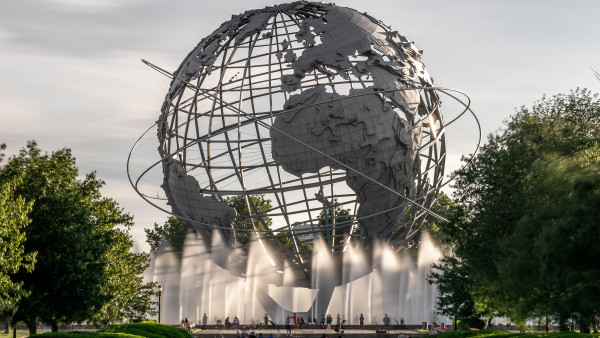
Queens
Where every neighborhood brings a new flavor and a warm welcome.
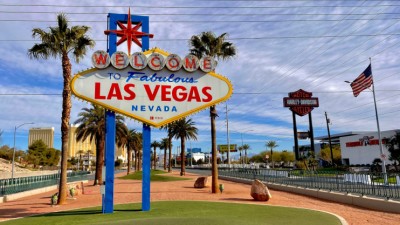
Las Vegas
Where the lights stay on and the welcome is built into the city’s rhythm.
Tampa
Sunlit streets, bayside calm, and a welcoming city rhythm.
Detroit
River views, big-city culture, and a welcoming pulse.
Chicago
A lakefront city where culture, activism, and nightlife meet.
Riverside
A sunny inland base for culture, history, and easy remote-work days.
San Antonio
Discover heritage, stroll the riverfront, and feel at home in a city shaped by culture.
Philadelphia
History, community, and inclusive culture in one walkable destination.
Dallas
Big nights, bold culture, and a welcoming social scene.
Portland
Explore a city shaped by culture, activism, and inclusive community life.
Seattle
Explore a rain-kissed, walkable city shaped by community and inclusion.
Minneapolis
Where culture, comfort, and community meet by the river.
Kansas City
Where riverfront energy meets inclusive nightlife and culture.
Austin
Live music, inclusive energy, and standout bites
Cleveland
Explore a lakefront city where culture, community, and inclusive dining meet.
Jacksonville
Coastal calm, city scale, and a practical base for exploring Florida.
Raleigh
Oak-lined streets, culture-forward escapes, and a welcoming urban base.
Bronx
A borough of culture, history, and city-scale energy.
Virginia Beach
Where Atlantic horizons meet resilient local history
Orlando
Sunlit streets, theme-park energy, and a travel scene that rewards independent exploration.
Cincinnati
River views, historic districts, and a living queer civic story.
Pittsburgh
Steel history, river views, and a lively night out.
San Jose
A polished Bay Area base with easy access to queer culture and major California hubs.
Manhattan
Where skyline views meet queer history and late-night flavor
Charlotte
Where city energy meets inclusive travel
Memphis
Where music history, riverfront culture, and solo discovery meet
Milwaukee
Where lakefront culture meets inclusive city life
El Paso
A desert crossroads where culture, community, and visibility meet.
New Orleans
Where heritage, nightlife, and hospitality meet.
Oklahoma City
Discover a welcoming urban base with history, culture, and community pride.
Tucson
Desert skies, living heritage, and a welcoming city break.
Louisville
A welcoming pause for culture, history, and calm urban escapes.
Hartford
Art, history, and good food in a compact New England capital.

Omaha
Big skies, a welcoming pace, and culture worth exploring
Bridgeport
Come for the shoreline, stay for the stories and the plates.
Fort Worth
Where big skies meet welcoming spaces.
Buffalo
Where waterfront energy meets inclusive travel history.