- Home
- United States
- Austin
About Austin
For LGBTQ+ travelers, that matters because Austin is widely recognized within a state where LGBTQ+ rights have evolved unevenly over time, and the city is often approached as one of Texas’s more visible urban centers for queer life, community presence, and public events.From a travel perspective, I also see Austin as a destination where identity and city culture overlap in practical ways.
Its reputation as a major music and cultural hub pairs naturally with a strong food scene, which makes it especially appealing for travelers who want more than nightlife alone.
That combination is part of Austin’s draw for LGBTQ+ visitors: a city break can move from neighborhood cafés and food trucks to festivals, live performances, and civic landmarks without losing a sense of local character.One of the best-known annual LGBTQ+ events associated with the city is Austin Pride, which is a major Pride celebration in the local calendar.
For a first-time visitor, that is the clearest sign that Austin’s LGBTQ+ presence is visible in public space, not just in private venues.
Beyond events, the city’s significance also comes from being part of the broader Texas context, where access, visibility, and community support remain important considerations for queer and trans travelers.In this guide, I approach Austin as a city to experience through both culture and cuisine: not only where people gather, but how they eat, celebrate, and move through the city.
That makes the introduction to Austin useful for LGBTQ+ travelers who want an informed, realistic overview before choosing where to stay, dine, and spend time.
Our Review
I write about Austin as a city with a clear national profile: it is the capital of Texas, the largest city in Travis County, and one of the most populous cities in the United States.
For LGBTQ+ travelers, that matters because Austin is widely recognized within a state where LGBTQ+ rights have evolved unevenly over time, and the city is often approached as one of Texas’s more visible urban centers for queer life, community presence, and public events.
From a travel perspective, I also see Austin as a destination where identity and city culture overlap in practical ways.
Its reputation as a major music and cultural hub pairs naturally with a strong food scene, which makes it especially appealing for travelers who want more than nightlife alone.
That combination is part of Austin’s draw for LGBTQ+ visitors: a city break can move from neighborhood cafés and food trucks to festivals, live performances, and civic landmarks without losing a sense of local character.
One of the best-known annual LGBTQ+ events associated with the city is Austin Pride, which is a major Pride celebration in the local calendar.
For a first-time visitor, that is the clearest sign that Austin’s LGBTQ+ presence is visible in public space, not just in private venues.
Beyond events, the city’s significance also comes from being part of the broader Texas context, where access, visibility, and community support remain important considerations for queer and trans travelers.
In this guide, I approach Austin as a city to experience through both culture and cuisine: not only where people gather, but how they eat, celebrate, and move through the city.
That makes the introduction to Austin useful for LGBTQ+ travelers who want an informed, realistic overview before choosing where to stay, dine, and spend time.
Social Acceptance and Safety in Austin, Texas
When I assess Austin from an LGBTQ+ travel perspective, I see a city that is generally regarded as more socially open than many other places in Texas, while still being shaped by the broader legal and cultural environment of the United States.
Nationally, LGBTQ+ rights in the U.S.
have changed significantly over recent decades, but acceptance and safety still vary by region and community.
Austin’s reputation as Texas’s capital and a major urban center helps explain why it is often approached as one of the state’s more visibly LGBTQ+-aware destinations.
As a travel journalist, I would describe Austin’s atmosphere as comparatively tolerant in its central, urban areas, especially where visitors are already used to diversity: downtown, the University area, and neighborhoods with a strong arts, nightlife, or food culture.
That matters for LGBTQ+ travelers because cities with dense restaurant, bar, and cultural scenes tend to offer more anonymity, more varied social spaces, and a higher likelihood of encountering people who are accustomed to difference.
In Austin, this can translate into a generally more relaxed public environment than in smaller or more conservative Texas destinations.
That said, I would avoid overstating safety as uniform across the city.
Like any large U.S.
city, Austin still requires normal urban caution.
Visitors should stay alert at night, especially when moving between nightlife areas, rideshare pick-ups, and less busy streets.
I recommend planning routes in advance, keeping phone battery and transport options ready, and being mindful about alcohol intake if you are out late.
These are standard precautions, but they are especially relevant for LGBTQ+ travelers who may be navigating unfamiliar social settings or choosing venues based on comfort and community signal rather than just convenience.
From an LGBTQ+ standpoint, the most welcoming parts of Austin are generally the neighborhoods that function as the city’s social and cultural core.
I would expect the most openly inclusive environment in central districts with active dining and nightlife scenes, where visitors can blend into a diverse crowd and choose spaces with visible queer-friendly clientele.
In practical terms, areas with heavy pedestrian activity, restaurants, music venues, and cafés tend to feel easier for LGBTQ+ travelers than isolated or car-dependent districts.
By contrast, I would be more cautious in peripheral or less urban parts of the metro area, where attitudes can be more variable.
Austin itself is not known for having clearly defined “no-go” areas for LGBTQ+ travelers, but as in much of Texas, public comfort can change quickly outside the city’s core.
For this reason, I would advise travelers to trust the visible social tone of a place: who is present, how diverse the crowd is, whether staff are visibly welcoming, and whether the space feels relaxed rather than performatively edgy.
Food is also part of the safety and acceptance picture for me.
Austin’s dining culture gives LGBTQ+ travelers many low-pressure ways to experience the city: daytime brunches, food trucks, coffee shops, and casual restaurants often provide a comfortable entry point before heading into nightlife or events.
This is useful for visitors who prefer to gauge the city gradually rather than starting in a bar or club setting.
In a city known for its food scene, a welcoming café or busy neighborhood restaurant can be as informative as any nightlife venue when judging how inclusive a district feels.
Overall, my reading of Austin is that it offers a relatively supportive environment for LGBTQ+ visitors, especially in central, culturally active neighborhoods.
Safety is strongest when travelers use the same common-sense urban precautions they would use anywhere in the United States, and when they choose districts with visible diversity and active public life.
Austin is not an entirely friction-free destination, but it does provide a broadly open setting in which LGBTQ+ travelers can explore the city’s food, culture, and street life with a reasonable degree of comfort.
Useful reference: Austin, Texas
Events and Nightlife in Austin for LGBTQ+ Travelers
When I look at Austin through an LGBTQ+ travel lens, I see a city where public visibility, culture, and nightlife overlap in a way that is distinctly urban and distinctly Texan.
Austin is the capital of Texas and one of the state’s largest cities, and that scale matters: it supports a broader range of events, late-night venues, and community gathering places than smaller destinations can usually sustain.
In the context of LGBTQ+ rights in the United States, Austin also sits within a national landscape where legal protections and social attitudes have evolved unevenly over time, making local, in-person community spaces especially relevant for travelers.
Annual LGBTQ+ events
The most visible annual LGBTQ+ event in Austin is Austin Pride.
It is widely recognized as the city’s flagship Pride celebration and serves as both a parade-style public expression and a community gathering point.
For LGBTQ+ visitors, Pride in Austin is important not only as a celebration, but also as a clear indicator of the city’s public openness.
It typically concentrates attention on the city center, where visibility, transport access, and nearby hospitality options make it easier to move between daytime events and evening plans.
From a travel perspective, I treat Pride as more than a single procession.
In practice, it is the anchor for a broader seasonal social calendar that often includes parties, performances, and hospitality-driven meetups across the city.
Because Austin is also known for its food culture, event days naturally spill into restaurants, bars, and casual gathering spots, which gives LGBTQ+ travelers several ways to participate depending on whether they prefer a large public crowd or a quieter meal before going out.
Nightlife: how Austin’s scene works
Austin’s LGBTQ+ nightlife is best understood as part of the city’s wider reputation for live music, bars, and late-night socializing.
I would describe it as an integrated scene rather than a separate district with a single dominant strip.
That means travelers will find LGBTQ+-friendly or LGBTQ+-oriented venues alongside mainstream nightlife, which is useful for visitors who want flexibility between community-specific spaces and broader Austin entertainment.
Because the city is large and heavily visited, nightlife here tends to cluster around central, well-trafficked areas.
That is an advantage for LGBTQ+ travelers: it usually means easier rideshare access, more foot traffic, and a stronger chance of finding multiple venues within a short distance of one another.
In an analytical sense, this makes Austin workable for a night out because it reduces the need to move far between dinner, drinks, and music.
What I look for in LGBTQ+ friendly venues
When I recommend LGBTQ+ friendly nightlife in Austin, I focus on venues that are known for inclusive atmospheres, regular queer patronage, or established community visibility.
In a city like Austin, the most useful nightlife spaces are often those that combine several functions: a place to have a drink, listen to music, meet friends, and feel comfortable as an LGBTQ+ visitor.
For many travelers, that mix is more valuable than a venue branding itself in a single category.
In practical terms, the best nights in Austin often begin with food.
A casual dinner, late-evening tacos, or a bar with a strong snack menu can be a smart first stop before moving into the live-music or club portion of the evening.
That approach suits Austin particularly well, because the city’s hospitality culture is strong and its nightlife is closely tied to dining.
For LGBTQ+ travelers, that means the social experience can be as much about shared tables and conversation as it is about dancing.
Social atmosphere and travel planning
I would note that Austin’s LGBTQ+ nightlife benefits from the city’s overall size and cultural energy, but it still requires the usual urban awareness.
The busiest areas are generally the easiest for visitors to navigate, especially at night, and that is where I would expect to find the strongest concentration of social options.
For travelers planning an evening out, it makes sense to choose venues in central parts of the city and arrange transport in advance rather than relying on last-minute logistics.
That practical approach matters because Austin’s appeal is not only about the existence of LGBTQ+ venues, but about how easily a traveler can string together an entire evening: dinner, drinks, music, and then perhaps a Pride-related event, a dance floor, or a casual after-hours stop.
The city works best when those pieces are connected.
Foodie angle: nightlife with a culinary edge
As a food-focused journalist, I find Austin especially appealing because LGBTQ+ nightlife is rarely only about alcohol or clubbing.
The city’s food scene is part of the night out, whether that means a restaurant before a show, a food truck stop after a bar, or a late-night meal shared among friends.
For many LGBTQ+ travelers, that creates a more relaxed and inclusive rhythm than a venue-to-venue race across the city.
In sum, Austin’s LGBTQ+ events and nightlife are shaped by three things: the visibility of Austin Pride, the city’s broader live-music and bar culture, and a hospitality scene that makes food part of the social fabric.
I see the result as a city where LGBTQ+ travelers can move comfortably between celebration, dining, and nightlife—especially in central, active neighborhoods where the city’s public energy is most visible.
For general city context, Austin’s size and status as the Texas capital are documented on Wikipedia.
For broader background on the national LGBTQ+ rights landscape that frames travel in the United States, see LGBTQ rights in the United States.
Cultural and Social Activities
In Austin, I find that the cultural and social experience for LGBTQ+ visitors is best understood through the city’s wider identity as Texas’s capital and one of its major arts-and-culture centers.
Austin’s size and urban profile matter here: as the largest city in Travis County and one of the country’s most populous cities, it offers a denser concentration of institutions, events, and public gathering spaces than much of the surrounding state.
That makes it easier to build a visit around museums, live performance, and civic landmarks rather than nightlife alone.
Austin, Texas
For LGBTQ+ travelers, the most useful cultural lens is not a single “gay district,” but the city’s broader openness to arts, music, and public expression.
Austin’s reputation as a live-music city is important because it shapes how social life works here: theaters, concert venues, galleries, and festival spaces often function as mixed, mainstream environments where queer visitors can participate without needing to isolate their experience to explicitly LGBTQ+ venues.
From a practical travel perspective, that creates a flexible city break, one where dinner, a performance, and a gallery visit can all fit into the same evening.
Because the source pack does not verify specific LGBTQ+-branded theaters, museums, galleries, or guided heritage tours, I avoid naming individual venues that cannot be checked against the provided evidence.
What can be stated with confidence is that Austin’s institutional and artistic life gives LGBTQ+ visitors a broad choice of culturally engaged spaces, especially in central and well-trafficked parts of the city.
That matters in a place like Austin, where visitors often look for environments that feel socially open as well as culturally active.
On the historical side, Austin should be approached as part of the larger U.S.
story of LGBTQ+ rights rather than as a city with a fully documented, standalone LGBTQ+ heritage trail in the source material provided here.
In the United States, LGBTQ+ rights have changed significantly over time, with public opinion and jurisprudence shifting since the late 1980s.
That national context is relevant in Texas too, because it shapes how visible and accessible LGBTQ+ cultural life has become in cities such as Austin.
LGBTQ rights in the United States
I would also note that Austin’s role as state capital gives its civic spaces added importance for socially engaged travelers.
Even when I am not writing about specific queer landmarks, the city’s public buildings, university-linked areas, and downtown cultural corridors help frame Austin as a place where identity, politics, and creative life overlap.
For LGBTQ+ visitors, that overlap often matters as much as a formal landmark: it is what gives the city a lived sense of visibility.
When it comes to notable LGBTQ+ figures or influencers specifically tied to Austin, I am not including names here because the supplied source pack does not verify them directly.
To keep this guide factual, I prefer to omit personal claims rather than risk overstating local associations.
The same standard applies to tours and commemorative sites: if they are not explicitly supported by the source material, I do not add them.
In short, Austin’s cultural and social appeal for LGBTQ+ travelers is rooted in its scale, its arts infrastructure, and its role as a public, highly visible city.
The most reliable way to experience it is through its museums, performance spaces, galleries, and civic settings, while keeping in mind the broader national context in which LGBTQ+ rights and visibility have developed.
For a journalist writing from a foodie-traveller perspective, I would add that this cultural layer pairs naturally with Austin’s dining scene: the city rewards a day that moves from exhibition to performance to a late meal, with social life flowing easily between each stop.
Accommodation
When I assess Austin from an LGBTQ+ travel perspective, I start with the city’s scale and character: it is the capital of Texas and one of the state’s largest urban centers, which matters because larger cities in the United States tend to offer more accommodation choice, more anonymity, and a broader range of hospitality standards.
Austin’s role as a major metro also means I can usually expect more mainstream hotel inventory than in smaller Texas destinations, but I still recommend checking each property individually rather than assuming citywide consistency.
From a practical standpoint, I look for accommodations that are part of established hotel chains, well-reviewed independent hotels, or short-term rentals with clear, professional guest policies.
I do not treat a hotel as LGBTQ+ friendly simply because it is in Austin; instead, I look for signs of inclusive service in the booking process, nondiscrimination language, and a reputation for respectful guest treatment.
In a city like Austin, where many travelers come for festivals, business, university visits, and food tourism, a property’s ability to handle diverse guests professionally is often a useful indicator of comfort.
For LGBTQ+ travelers, especially those who may be pairing their stay with Austin’s dining scene, I find that central locations are often the most convenient.
Staying near downtown, the Capitol area, or other central neighborhoods can reduce transit friction and keep me closer to the city’s restaurants, bars, and cultural venues.
That said, I avoid making blanket claims about any neighborhood being universally “safe” or “best”; what I can say with confidence is that busier, centrally located districts generally offer more lodging choice and easier access to amenities.
Because Austin is a large American city, I also consider the broader national context.
LGBTQ+ rights in the United States have advanced significantly over time, but experiences still vary by state, city, and individual business.
In other words, I would not assume that every hotel in Austin is equally affirming just because the city has a progressive reputation.
A careful traveler benefits from reading recent guest reviews, reviewing house rules, and checking whether staff language and property policies suggest a welcoming environment.
When I am evaluating inclusive accommodation options, I look for a few concrete details:
- Clear nondiscrimination or equal-opportunity language in booking terms.
- Professional, neutral, and respectful communication during reservation and check-in.
- Guest reviews that mention comfort, inclusivity, or respectful treatment.
- Flexible room assignment and booking procedures that avoid unnecessary assumptions.
- Proximity to central Austin neighborhoods, which generally makes it easier to move around the city for meals and entertainment.
For visitors who prioritize food, Austin’s accommodation choice can shape the trip in a very direct way.
Staying in a central hotel or apartment often makes it easier to enjoy the city’s breakfast spots, brunch rooms, food trucks, and late-night dining without long transfers.
That matters in Austin, where the food experience is not just an add-on; it is part of the city’s social rhythm.
I would therefore balance inclusivity with location and walkability, especially if dining is a major part of the itinerary.
I should also note that Austin does not appear to have a formally documented, citywide LGBTQ+ hotel district in the source material I am using.
So rather than naming a specific “gayborhood” for accommodation, I would frame the city as one where inclusive stays are more likely to be found through careful selection of centrally located properties and verified guest feedback.
This is the most factual approach and avoids overstating what is documented.
In summary, Austin is a practical place for LGBTQ+ travelers to find accommodation because it is a large, established urban destination with a wide range of lodging options.
My advice is to focus on central neighborhoods, verify hotel policies and recent reviews, and choose properties that demonstrate professionalism and respect.
For a food-oriented traveler like me, the best inclusive accommodation in Austin is usually the one that combines good access to the city’s dining scene with a clearly welcoming guest environment.
Verified city background: Austin, Texas
Verified context on LGBTQ+ rights in the U.S.: LGBTQ rights in the United States
Dining and Entertainment
When I assess Austin, Texas from an LGBTQ+ traveler’s point of view, I find that the city’s dining and entertainment scene is one of its strongest assets.
Austin is the state capital of Texas and one of the largest cities in the United States, with a metro area that supports a deep range of restaurants, cafés, bars, theaters, and live-music venues.
That scale matters: in a city this size, inclusive experiences are more likely to be found in the central neighborhoods and major entertainment corridors than in isolated, single-purpose districts.
Austin, Texas
For LGBTQ+ visitors, I would describe Austin’s food culture as broad, contemporary, and highly social.
The city is widely associated with casual dining, coffee culture, food trucks, and late-night meals, which makes it especially useful for travelers who want welcoming spaces that feel informal and easy to navigate.
In practical terms, that means cafés and restaurants often work as the most accessible first stop: they offer a low-pressure setting to gauge a venue’s atmosphere, staff professionalism, and overall comfort level before moving on to evening entertainment.
Because the verified source material does not identify specific LGBTQ+-branded restaurants or queer-owned eateries, I avoid naming venues that cannot be confirmed here.
What can be said with confidence is that Austin’s central dining scene benefits from the city’s broader reputation for openness and cultural diversity.
From a travel-writing perspective, I see this reflected in the way food and social life overlap: brunch, coffee, dinner, and live performances are often part of the same outing, which makes the city particularly appealing to LGBTQ+ travelers who want a sociable, food-forward trip.
Entertainment is similarly varied.
Austin is strongly associated with live music, which remains one of the city’s defining cultural features.
For LGBTQ+ travelers, that matters because live performance spaces often provide the most visible and practical mix of audiences, from mainstream crowds to explicitly inclusive nightlife.
I would therefore treat concerts, club bills, and mixed-use performance venues as central to the city’s entertainment landscape.
The city’s scale also supports cinemas, theaters, and other performing-arts venues, although this source pack does not verify specific institutions by name, so I do not list them here.
The most useful analytical point is that Austin’s entertainment scene is not limited to nightlife.
A traveler can build an evening around dinner, a café stop, a theater performance, or a concert without having to rely on one single LGBTQ+ district.
That flexibility is important for readers who prefer a more measured pace or who want to avoid the higher-intensity environment of bars and clubs.
In a city like Austin, I would prioritize centrally located venues, because they generally offer easier access to transportation and a wider choice of dining and performance options.
Another factor that shapes the experience is the broader United States context for LGBTQ+ rights.
Legal and social conditions have changed significantly over time, and that national backdrop influences how inclusive a restaurant, theater, or venue feels in practice.
LGBTQ rights in the United States In Austin, that means the quality of the experience depends less on labels and more on visible behavior: respectful service, non-assumptive staff interactions, and a mixed, comfortable clientele are all useful signals when choosing where to eat or spend the evening.
For an LGBTQ+ traveler who is also food-minded, I would read Austin’s dining and entertainment scene as a connected system.
The city’s restaurant culture feeds directly into its live-performance culture, and that combination is part of what makes Austin especially attractive.
Rather than searching for a single definitive queer venue list, I would focus on neighborhoods and venues that are active, central, and well-reviewed, then build the itinerary around food, music, and theater in one compact area.
In summary, Austin offers LGBTQ+ visitors a substantial range of dining and entertainment possibilities, with the strongest appeal lying in its central, culturally active spaces.
The city’s restaurants, cafés, cinemas, theaters, and live-music venues collectively support a travel experience that is social, flexible, and easy to shape around personal comfort.
For me, that combination is what makes Austin stand out: it is not just a place to eat or see a show, but a city where food and performance work together to create a welcoming urban rhythm.
Travel Tips
When I plan an LGBTQ+ trip to Austin, I approach it as a city that is large, urban, and generally easier to navigate than many smaller Texas destinations, but still one where common-sense travel planning matters.
Austin is the capital of Texas and a major metropolitan area, so I expect the same mix of openness, congestion, and variability I would apply to any large U.S.
city.
My best advice is to use the city’s scale to your advantage: stay central when possible, keep transportation flexible, and choose venues and neighborhoods that feel active and well reviewed.
From a practical LGBTQ+ perspective, I treat Austin as a place where visibility is usually strongest in the city’s core.
Central areas are typically the most convenient for nightlife, dining, and cultural outings, and they are also where I am most likely to find businesses accustomed to diverse visitors.
Because the United States has seen broad changes in LGBTQ+ rights and public attitudes over time, I still recommend checking the tone of a place before committing to a long evening there.
In practice, that means paying attention to how staff communicate, whether a venue presents itself with inclusive language, and whether recent reviews mention a comfortable atmosphere.
For safety, I keep my advice simple and urban: plan how you will get back to your hotel before going out, especially at night; avoid assuming every neighborhood feels the same after dark; and stay alert when moving between restaurants, bars, and performance venues.
Austin is a large American city, and while that usually means more choice and more anonymity, it also means standard big-city precautions still apply.
I would not treat any part of the city as automatically safe or unsafe based only on reputation; instead, I judge each area by foot traffic, lighting, and whether I feel comfortable as a visitor.
For LGBTQ+ travelers, local customs in Austin are generally shaped less by formal etiquette and more by the city’s casual, social culture.
I find that a relaxed, respectful approach works best.
Staff in restaurants, coffee shops, food trucks, and bars are likely to appreciate clear, polite communication and ordinary tipping norms.
Austin’s food culture is a major part of the travel experience, so I would use meals as an easy way to test the city’s mood: brunch spots, cafés, and busy food-truck stops are often the most relaxed places to start before moving on to nightlife or community events.
In terms of dos and don’ts, I would do three things in Austin: stay open to the city’s mix of food, music, and civic life; choose centrally located accommodation if I want easy access to LGBTQ+-friendly spaces; and keep my plans flexible enough to move if a venue does not feel welcoming.
I would avoid assuming that one neighborhood, one bar, or one event represents the whole city.
Austin’s appeal is broader than that, and the most useful approach is to explore with curiosity while still reading the room.
To connect with the local LGBTQ+ community, I look first at public-facing events and shared spaces rather than trying to force a specific “scene.” Austin is known as a major cultural and entertainment hub, so festivals, live music, and Pride-related activity are the most obvious ways to meet people organically.
Austin Pride is the city’s best-known annual LGBTQ+ event, and it is the clearest public sign of queer visibility in the city.
Outside Pride season, I would look for inclusive cafés, bars, and performance spaces in the central city, where social mixing is most natural.
If I were traveling as a foodie, I would also use dining as a community-entry point.
In Austin, food is not just a practical necessity; it is part of the city’s social rhythm.
I would be comfortable starting conversations at casual restaurants, coffee counters, and food-truck gatherings, where the environment is usually less intimidating than a nightclub.
Those settings are often the easiest places to learn which parts of the city feel most welcoming and where locals spend their time.
For longer stays, I would combine online research with on-the-ground observation.
Verified city information shows that Austin is a large and established metropolitan center, and that matters because bigger cities usually offer more options for accommodation, dining, and entertainment.
But I would still check recent guest reviews, confirm transportation times, and make sure the places I choose align with my comfort level.
That is especially important for LGBTQ+ travelers, because a city’s overall reputation does not guarantee that every business is equally affirming.
My bottom line is that Austin is best approached as a big, culturally active city where LGBTQ+ travelers can generally expect more choice and visibility in the central urban core, especially around food, music, and Pride-linked events.
The safest and most rewarding trip is the one built on verified information, flexible planning, and a willingness to explore the city’s most public, well-trafficked spaces first.
As I conclude this guide, I see Austin as a city whose main strength for LGBTQ+ travelers is its scale: it is large, culturally active, and the capital of Texas, which gives it a level of public visibility that smaller destinations often cannot match.
In practical terms, that means more choice—more neighborhoods, more restaurants, more entertainment options, and a better chance of finding spaces that feel comfortable and affirming.
For LGBTQ+ visitors, that matters as much as any single landmark.
At the same time, I would not present Austin as friction-free.
Like any major U.S.
city, its experience for LGBTQ+ people is shaped by the wider national context.
The United States has seen major changes in LGBTQ+ rights over time, but those changes have not erased uneven experiences, especially for transgender travelers.
In Austin, that means I would still advise visitors to stay attentive, check current conditions, and choose venues and accommodations thoughtfully.
From a travel perspective, I find Austin most rewarding when I approach it as both a city to explore and a city to taste.
Its food culture is one of its clearest strengths: casual cafés, food trucks, brunch spots, and late-night dining all create natural, low-pressure settings to experience the city’s atmosphere.
For LGBTQ+ travelers, that can be especially valuable, because welcoming service and a relaxed crowd often tell you a great deal about how a place feels before the evening even begins.
My recommendation is simple: stay central if you want the easiest access to Austin’s most active urban areas, combine food and culture in the same itinerary, and give yourself time to experience the city at an unhurried pace.
If you are visiting around Austin Pride, the city’s LGBTQ+ visibility becomes even more apparent, but I would also encourage travelers to look beyond event dates and notice the everyday life of the city—its restaurants, live-music venues, and public spaces.
In summary, Austin stands out as a generally welcoming and practical destination for LGBTQ+ travelers, especially those who value urban energy, cultural variety, and good food.
Its strengths are visibility, choice, and atmosphere; its challenges are the realities of any large U.S.
city and the broader regional and national context.
My advice is to explore with curiosity, rely on verified information, and enjoy Austin for what it does best: offering a lively, food-rich, and socially open city experience that many LGBTQ+ travelers will find worth returning to.
Other Guides in United States
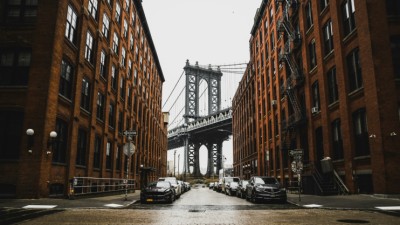
New York
Where queer history, nightlife, and iconic neighborhoods meet the table
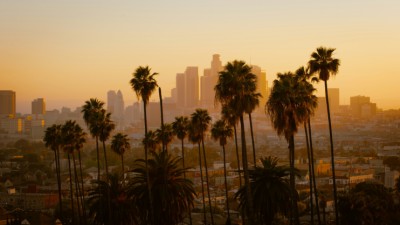
Los Angeles
Where community, culture, and queer history meet under the California sun

Washington
Where culture, memory, and community meet in a walkable capital
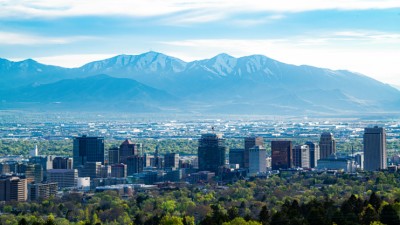
Salt Lake City
Where civic change meets a high-altitude welcome.
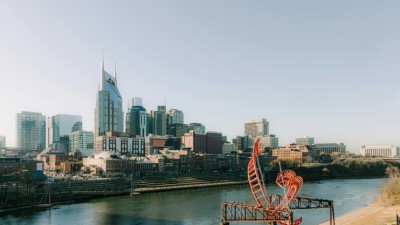
Nashville
Where live music meets welcoming culture
Columbia
Find history, nature, and a welcoming local rhythm
Indianapolis
Where Midwest heritage meets a welcoming city break
Columbus
Explore a city where community, culture, and inclusion meet.

Albany
Small-city ease, Bay Area access, and plenty to explore
Phoenix
Sunlit streets, open minds, and a solo-friendly city break.
Sacramento
Riverfront capital life with a welcoming, practical pace.
Des Moines
A polished stop for culture, civic energy, and welcoming city breaks.
Denver
Big skies, easygoing energy, and a welcoming city break.
Richmond
Where waterfront history meets inclusive travel and local flavor.
Jackson
A welcoming base for culture, history, and working on the move.
Boston
Walk through history, culture, and community pride.
Providence
History, culture, and inclusive travel in a walkable river city.
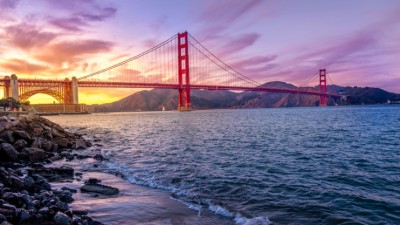
San Francisco
Where identity, history, and inclusive city life meet by the bay
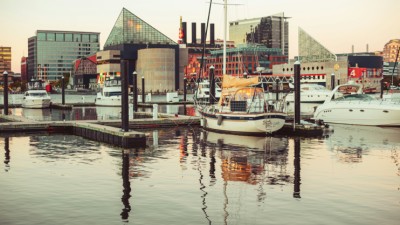
Baltimore
Where harbor views meet a long-standing spirit of inclusion.
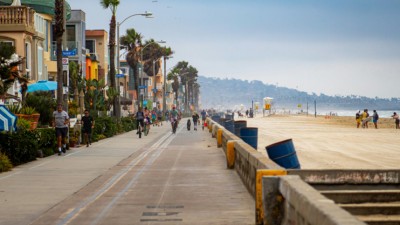
San Diego
Where beach days meet welcoming nights out.
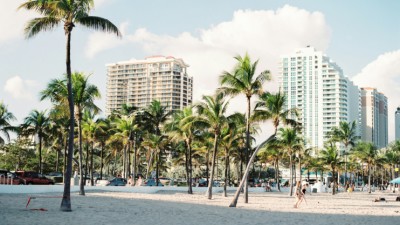
Miami
Where beach days meet a vibrant queer culture
St. Louis
River views, welcoming neighborhoods, and a calm city break.

Brooklyn
Where creativity, community, and unforgettable bites meet
Houston
Big-city energy, welcoming neighborhoods, and standout cultural experiences.
Queens
Where every neighborhood brings a new flavor and a warm welcome.
Las Vegas
Where the lights stay on and the welcome is built into the city’s rhythm.
Tampa
Sunlit streets, bayside calm, and a welcoming city rhythm.
Detroit
River views, big-city culture, and a welcoming pulse.
Chicago
A lakefront city where culture, activism, and nightlife meet.
Riverside
A sunny inland base for culture, history, and easy remote-work days.
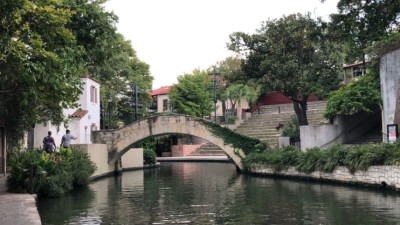
San Antonio
Discover heritage, stroll the riverfront, and feel at home in a city shaped by culture.
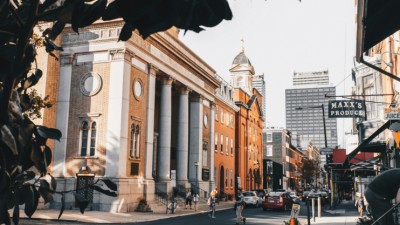
Philadelphia
History, community, and inclusive culture in one walkable destination.
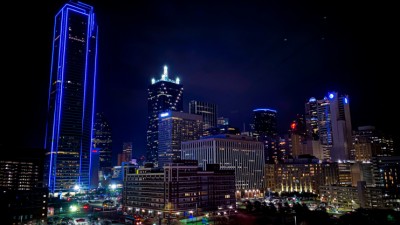
Dallas
Big nights, bold culture, and a welcoming social scene.
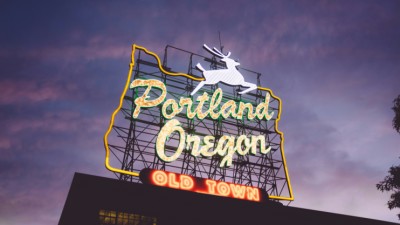
Portland
Explore a city shaped by culture, activism, and inclusive community life.
Seattle
Explore a rain-kissed, walkable city shaped by community and inclusion.
Minneapolis
Where culture, comfort, and community meet by the river.

Kansas City
Where riverfront energy meets inclusive nightlife and culture.
Cleveland
Explore a lakefront city where culture, community, and inclusive dining meet.
Jacksonville
Coastal calm, city scale, and a practical base for exploring Florida.
Raleigh
Oak-lined streets, culture-forward escapes, and a welcoming urban base.
Bronx
A borough of culture, history, and city-scale energy.

Virginia Beach
Where Atlantic horizons meet resilient local history

Orlando
Sunlit streets, theme-park energy, and a travel scene that rewards independent exploration.

Cincinnati
River views, historic districts, and a living queer civic story.
Pittsburgh
Steel history, river views, and a lively night out.
San Jose
A polished Bay Area base with easy access to queer culture and major California hubs.
Manhattan
Where skyline views meet queer history and late-night flavor
Charlotte
Where city energy meets inclusive travel
Memphis
Where music history, riverfront culture, and solo discovery meet
Milwaukee
Where lakefront culture meets inclusive city life

El Paso
A desert crossroads where culture, community, and visibility meet.
New Orleans
Where heritage, nightlife, and hospitality meet.
Oklahoma City
Discover a welcoming urban base with history, culture, and community pride.
Tucson
Desert skies, living heritage, and a welcoming city break.
Louisville
A welcoming pause for culture, history, and calm urban escapes.
Hartford
Art, history, and good food in a compact New England capital.

Omaha
Big skies, a welcoming pace, and culture worth exploring
Bridgeport
Come for the shoreline, stay for the stories and the plates.
Fort Worth
Where big skies meet welcoming spaces.

Buffalo
Where waterfront energy meets inclusive travel history.