- Home
- United States
- San Jose
About San Jose
It is the largest city in Northern California and a major urban center within a region widely associated with progressive LGBTQ+ visibility, advocacy, and community life.
For many travelers, that makes it a sensible and comfortable starting point for a wider Bay Area itinerary.What stands out to me from a travel perspective is the city’s practical connectivity.
Norman Y.
Mineta San Jose International Airport sits about 3 miles northwest of Downtown San Jose, making arrivals and departures efficient for visitors who want to combine business, leisure, and regional exploration.
That convenience matters for LGBTQ+ travelers seeking a smooth, high-comfort trip rather than a destination that relies on nightlife alone.From a rights and social context standpoint, San Jose is located in the United States, where LGBTQ+ rights have developed significantly over time, with lesbian, gay, and bisexual rights generally considered advanced, while transgender rights have faced renewed pressure in recent years.
For that reason, I treat the city as part of a broader, complex national landscape rather than assuming a uniform experience everywhere.
In practice, the Bay Area remains one of the country’s most recognized regions for LGBTQ+ inclusion and community visibility.For visitors, the city’s significance is also tied to its proximity to well-known Bay Area LGBTQ+ landmarks and events outside the city center, including San Francisco Pride and Castro District landmarks in nearby San Francisco.
San Jose itself is best understood as a polished, modern urban gateway: less iconic than some neighboring destinations, but highly relevant for travelers who value access, comfort, and the ability to move easily through one of the most LGBTQ+-visible regions in the United States.
Our Review
As I approach San Jose, I see a city that matters less as a single-symbol LGBTQ+ destination and more as a strategically important base in the heart of Silicon Valley and the greater Bay Area.
It is the largest city in Northern California and a major urban center within a region widely associated with progressive LGBTQ+ visibility, advocacy, and community life.
For many travelers, that makes it a sensible and comfortable starting point for a wider Bay Area itinerary.
What stands out to me from a travel perspective is the city’s practical connectivity.
Norman Y.
Mineta San Jose International Airport sits about 3 miles northwest of Downtown San Jose, making arrivals and departures efficient for visitors who want to combine business, leisure, and regional exploration.
That convenience matters for LGBTQ+ travelers seeking a smooth, high-comfort trip rather than a destination that relies on nightlife alone.
From a rights and social context standpoint, San Jose is located in the United States, where LGBTQ+ rights have developed significantly over time, with lesbian, gay, and bisexual rights generally considered advanced, while transgender rights have faced renewed pressure in recent years.
For that reason, I treat the city as part of a broader, complex national landscape rather than assuming a uniform experience everywhere.
In practice, the Bay Area remains one of the country’s most recognized regions for LGBTQ+ inclusion and community visibility.
For visitors, the city’s significance is also tied to its proximity to well-known Bay Area LGBTQ+ landmarks and events outside the city center, including San Francisco Pride and Castro District landmarks in nearby San Francisco.
San Jose itself is best understood as a polished, modern urban gateway: less iconic than some neighboring destinations, but highly relevant for travelers who value access, comfort, and the ability to move easily through one of the most LGBTQ+-visible regions in the United States.
Events and Nightlife in San Jose, United States: An LGBTQ+ Analytical Overview
From my perspective as a travel journalist, San Jose is best understood as part of the broader LGBTQ+ geography of the South Bay and Bay Area rather than as a standalone destination defined by a dense, internationally known queer nightlife district.
That distinction matters.
The city is the largest in Northern California, but the verified source material available here does not support naming a large, established roster of specific LGBTQ+ bars, clubs, or annual Pride events in San Jose itself.
To stay factual, I focus on what can be verified: the city’s position within a wider regional environment, its accessibility, and the practical implications for LGBTQ+ travelers who want a polished, comfortable base.
Annual LGBTQ+ events
The source pack does not verify any specific annual LGBTQ+ parades, marches, or festivals in San Jose, so I will not invent one.
What I can state is that San Jose sits within the greater Bay Area, a region with a long-established and highly visible LGBTQ+ public culture.
For travelers planning around major queer calendar dates, this means San Jose functions more as a logistics hub than as the headline event itself.
Its value is proximity: the city is well placed for visitors who may also be attending larger regional LGBTQ+ gatherings elsewhere in the Bay Area.
That regional connection is reinforced by the broader legal and social context in the United States.
Lesbian, gay, and bisexual rights are considered advanced, while transgender rights have faced significant erosion in recent years.
For event planning, that matters because it shapes both the cultural climate and the need for travelers to remain attentive to current conditions, especially when attending public gatherings or moving between cities.
Nightlife: what can be said responsibly
Again, the verified sources provided here do not identify specific LGBTQ+ bars, clubs, or late-night social venues in San Jose.
So rather than speculate, I would characterize the city’s nightlife profile as general urban nightlife within a large, affluent, business-oriented city, rather than as a clearly documented queer entertainment district.
For LGBTQ+ travelers, that usually means two things.
First, the city is likely to offer the kind of polished, low-friction evening experience that appeals to visitors who prefer quality over scene-heavy intensity.
Second, those looking for a concentrated bar-and-club circuit will likely find the larger Bay Area better known for that purpose.
In other words, San Jose is best approached as a comfortable base for evening outings, not as the region’s primary LGBTQ+ nightlife capital.
Practical context for LGBTQ+ travelers
One of San Jose’s strongest verified advantages is accessibility.
Norman Y.
Mineta San Jose International Airport is located about 3 miles northwest of Downtown San Jose, which makes arrivals and late departures straightforward.
For a luxury-minded traveler, that proximity is meaningful: it reduces transfer time, simplifies airport-to-hotel logistics, and supports short-stay itineraries.
In nightlife terms, proximity and convenience are a real asset.
A traveler staying downtown or near major transport links can move efficiently between dinner, drinks, and the hotel without needing to build the evening around a long commute.
That is especially relevant in a city where I cannot responsibly point to a verified, centralized queer nightlife strip.
How I would frame the social scene
The available evidence supports a measured conclusion: San Jose belongs to a region with substantial LGBTQ+ visibility, but the city itself is not documented here as a major nightlife destination with a large number of named queer venues.
That does not make it inhospitable; it makes it comparatively understated.
For many travelers, especially those who prefer a calmer, more discreet atmosphere, that can be a virtue.
From an analytical standpoint, I would describe the city’s LGBTQ+ nightlife potential as regional rather than destination-specific.
Visitors seeking bars, clubs, or event-driven social energy should plan with the wider Bay Area in mind.
Visitors who want a refined home base with easy airport access and a major metropolitan setting may find San Jose well suited to their needs.
Luxury-minded takeaway
If I were advising a reader looking for an upscale LGBTQ+ trip, I would position San Jose as a convenient and comfortable base city, not as the main spectacle.
Its main strengths are access, efficiency, and its location within one of the United States’ most LGBTQ+-visible regions.
For nightlife and annual events, the responsible conclusion is simple: use San Jose as your headquarters, and look to the broader Bay Area for the most clearly documented queer event calendar and social scene.
Verified reference points for this assessment include San Jose International Airport, which is close to downtown, and the broader national context of LGBTQ+ rights in the United States.
For broader travel context, I would also note that transit through the United States can involve documentation and processing considerations for some travelers, which is worth factoring into regional trip planning.
San Jose International Airport · United States · LGBTQ rights in the United States · Avoiding travel through the United States
Cultural and Social Activities in San Jose from an LGBTQ+ Perspective
When I assess San Jose as an LGBTQ+ destination, I find that its cultural and social appeal is best understood through its position in the broader Bay Area rather than through a dense, separately branded queer entertainment scene.
The verified source material available to me does not document LGBTQ+-specific theaters, museums, galleries, tours, or historical landmarks in San Jose itself, so I will avoid naming venues or events that I cannot confirm.
What San Jose does offer is the practical advantage of being a major city in the region, with fast access to the wider cultural infrastructure of the greater Bay Area.
For travelers who prefer a polished, efficient base, this matters.
Norman Y.
Mineta San Jose International Airport is located about 3 miles northwest of Downtown San Jose, which makes the city easy to reach and useful as a headquarters for regional cultural trips.
San Jose International Airport serves both the city and the Santa Clara Valley region of the greater Bay Area, reinforcing San Jose’s role as a convenient entry point rather than a destination defined by one single cultural district.
From an LGBTQ+ standpoint, I place San Jose within the social context of the United States, where lesbian and gay rights are broadly advanced but transgender rights have faced renewed political pressure in recent years.
LGBTQ rights in the United States remain a relevant frame for understanding travel comfort, public visibility, and the kinds of cultural spaces visitors may encounter in the city.
San Jose itself is not presented in the available source pack as a city with a formally documented LGBTQ+ cultural trail, but its location in the Bay Area places it near one of the country’s most visible and established LGBTQ+ regions.
That regional context is important for culturally minded travelers.
In practical terms, I would view San Jose as a place where one can attend mainstream cultural institutions, enjoy restaurants and nightlife in a large urban setting, and then extend the trip into nearby Bay Area cities where LGBTQ+ cultural history is more extensively documented.
I should be clear, however: the source pack does not verify specific museums, theaters, galleries, or historical sites in San Jose with an LGBTQ+ focus, so I am not listing any by name.
The city’s social environment also benefits from its scale and demographic diversity.
San Jose is one of the largest cities in California, and as a major urban center in Silicon Valley, it tends to function more as a professional and residential hub than as a destination built around a single nightlife corridor.
For LGBTQ+ travelers who prefer discretion, comfort, and easy mobility, that can be a strength.
For those seeking highly concentrated queer cultural programming, San Jose is better treated as a launch point for the wider Bay Area.
In that sense, the city’s cultural value is partly logistical.
I see it as a sensible base for travelers who want to pair business-class convenience, airport access, and upscale urban amenities with regional day trips into more explicitly LGBTQ+-recognized cultural spaces elsewhere in the Bay Area.
The available verified information supports that interpretation; it does not support a claim that San Jose itself has a catalog of notable LGBTQ+-specific landmarks or widely documented queer public art routes.
As for notable LGBTQ+ figures and influencers in the city, the source pack I was given does not verify any individuals based in San Jose whom I can responsibly highlight here.
To remain factual, I will omit names rather than speculate.
What can be said with confidence is that San Jose’s most clearly documented LGBTQ+-related significance, in this context, lies in its function as a well-connected, regionally embedded city within a broader Bay Area environment that is historically and socially important to LGBTQ+ life in the United States.
Accommodation in San Jose: an LGBTQ+ guide
When I assess San Jose from an LGBTQ+ travel perspective, I treat accommodation as a practical question first and a neighborhood question second.
San Jose is not documented in the source pack as having a formally defined LGBTQ+ hotel district or a verified list of LGBTQ+-branded properties, so I avoid naming specific hotels without source support.
What I can say with confidence is that the city functions as a large, internationally connected base in the heart of Silicon Valley, with San Jose International Airport located about 3 miles northwest of Downtown San Jose.
That makes the city especially convenient for travelers who value efficient arrivals, easy transfers, and a comfortable home base for regional exploration.
San Jose International Airport
From a luxury-travel standpoint, I would approach San Jose accommodation with the same standards I use anywhere in the Bay Area: location, professionalism, privacy, and ease of movement matter as much as room quality.
The city’s strongest asset is not a verified LGBTQ+ hotel scene, but its access to the broader Bay Area, where LGBTQ+ rights and visibility are more established than in many parts of the United States.
At the national level, I keep in mind that LGBTQ+ rights in the United States are uneven in practice: lesbian, gay, and bisexual rights are considered advanced, while transgender rights have faced significant erosion in recent years.
That makes it important to choose accommodations that are explicitly respectful and service-oriented.
LGBTQ rights in the United States
How I would identify inclusive accommodation
Because the source pack does not verify specific inclusive hotels in San Jose, I focus on indicators I can responsibly recommend.
I look for properties that publish nondiscrimination language, display clear policies for guest conduct, and provide professional front-desk service that does not feel intrusive.
In practice, I also prefer large business hotels, upscale full-service properties, and well-reviewed international chains in central locations, since these are more likely to have standardized service training and discreet check-in procedures.
For LGBTQ+ travelers, that combination tends to be more reliable than a property advertised only through vague “inclusive” marketing.
I also check whether the hotel is transparent about room types, accessibility, and identity-friendly booking policies.
For couples, I want confirmation that double-bed or king-bed requests are handled routinely and without unnecessary commentary.
For transgender travelers, I pay close attention to whether the property uses respectful names and honors booking details consistently.
None of this is unique to San Jose, but it is especially relevant in a city where the verified information points more to regional connectivity than to a distinct LGBTQ+ hospitality corridor.
Neighborhoods and areas I would prioritize
Without verified source material identifying specific LGBTQ+-known neighborhoods in San Jose, I keep the advice practical and conservative.
For most LGBTQ+ travelers, I would prioritize staying near Downtown San Jose or other central, transit-connected areas.
Downtown is the most logical base because it offers easier access to dining, business districts, transportation, and the airport connection.
In an analytical sense, centrality matters here: a well-located hotel reduces exposure to late-night transit issues and keeps the trip more seamless.
For visitors who want a more polished experience, I would also look at the city’s better-served commercial corridors and hotel clusters rather than isolated suburban edges.
San Jose is a large, spread-out city, so the accommodation decision is less about seeking a documented queer enclave and more about choosing a place that feels secure, polished, and easy to navigate.
If a traveler plans to spend time across the broader Bay Area, a central San Jose property can be a sensible luxury base, provided the hotel standards are strong and the location supports simple rideshare or rail connections.
Practical booking tips I would use
- Read recent guest reviews for comments on staff professionalism, discretion, and respectfulness.
- Prefer properties with clear 24-hour front desks, especially for late arrivals through San Jose International Airport.
- Check whether the hotel publishes a nondiscrimination statement or staff-training commitments.
- Contact the hotel directly if you need specific room arrangements, privacy considerations, or a quiet floor.
- For couples, confirm that your reservation details will be handled without issue at check-in.
Because the United States is a country with advanced legal protections for many LGBTQ+ people but uneven experiences for transgender travelers, I think it is wise to choose hotels that are large enough to have clear procedures and enough staff training to reduce friction.
That is especially relevant in San Jose, where the best accommodation strategy is to combine convenience with dependable service.
In short, I see San Jose as a strong base for LGBTQ+ travelers who want a clean, efficient, and upscale stay in a major Bay Area city.
I would not present it as a city with a verified signature LGBTQ+ hotel scene.
Instead, I would recommend selecting a high-quality property in a central location, ideally near downtown, and using the city’s airport proximity and regional access to create a smooth, comfortable itinerary.
Dining and Entertainment
When I assess San Jose from an LGBTQ+ point of view, I see a city that is best understood through its broader Bay Area setting rather than through a single, clearly documented queer dining or entertainment district.
Based on the verified source pack provided, I cannot responsibly name specific LGBTQ+-branded restaurants, cafes, bars, theaters, or live-performance venues in San Jose itself.
What I can say, with confidence, is that the city sits within the United States, where lesbian, gay, and bisexual rights are generally advanced, while transgender rights have faced renewed political pressure in recent years.
For dining, that means my recommendation is to approach San Jose as a large, mainstream metropolitan market rather than as a city with a verified standalone LGBTQ+ culinary scene.
In practical terms, I would prioritize established, upscale restaurants and hotels that are part of recognized hospitality brands and that clearly present nondiscrimination standards.
For an LGBTQ+ traveler, especially one seeking a polished experience, the value is in predictable service, professional staff, and comfort.
San Jose’s character as a major Silicon Valley city makes that kind of dining environment more realistic than a scene built around niche queer venues, at least within the evidence available here.
Location also matters.
Norman Y.
Mineta San Jose International Airport is about 3 miles northwest of Downtown San Jose, which makes central dining options relatively easy to reach after arrival.
For me, that convenience is one of the city’s strongest assets: it supports a low-friction stay, especially if I am planning a short visit or a business-oriented itinerary with evening dinners built around downtown hotels.
Staying central also reduces reliance on long cross-city transfers, which is a practical consideration in a spread-out urban area.
On the entertainment side, I cannot verify any LGBTQ+-specific theaters, cinemas, or live-performance spaces in San Jose from the source pack provided, so I will not invent them.
What is verifiable is that San Jose functions as part of a much larger, more visibly LGBTQ+-recognized Bay Area network.
For travelers who want theater, film, or live performance in a broader inclusive context, the city’s real strength is as a base: it offers access to the regional cultural economy without requiring a separate long-haul move once you arrive in the area.
From a luxury-focused perspective, the most sensible strategy in San Jose is to combine a centrally located, high-end stay with reservations at well-regarded restaurants and straightforward access to the airport.
That approach matches the city’s verified profile: efficient, urban, and connected.
It is not documented here as a destination with a concentrated queer entertainment strip, but it can still serve LGBTQ+ travelers well when the priority is comfort, discretion, and professional service rather than a specifically queer nightlife scene.
In short, my analysis is that San Jose’s LGBTQ+-friendly dining and entertainment appeal is real, but largely indirect and regional.
The city’s verified advantages are convenience, location, and its place within the broader Bay Area context.
I would treat it as a polished base for dining well and moving easily, while recognizing that the source evidence does not support naming specific LGBTQ+-inclusive venues on the ground.
Travel Tips
When I assess San Jose from an LGBTQ+ travel perspective, I see a city that is best approached with a practical, low-friction travel plan rather than as a destination built around a single, highly visible queer district.
San Jose sits within the San Francisco Bay Area, and that regional context matters: the city benefits from the broader progressive reputation of the area, while also functioning as a large, business-oriented urban center where discretion, efficiency, and planning tend to matter more than scene-driven spontaneity.
For arrival, the logistics are straightforward.
Norman Y.
Mineta San Jose International Airport is located about 3 miles (4.8 km) northwest of Downtown San Jose, which makes the city unusually convenient for short stays, business travel, and overnight luxury stopovers.
I would use that proximity strategically: choose a central hotel, minimize transit time, and keep your schedule flexible so you can move easily between the airport, downtown dining, and any regional plans.
The airport’s location is one of San Jose’s most useful advantages for travelers who value comfort and efficiency.
From a safety standpoint, I treat San Jose like any other major U.S.
city: generally manageable, but requiring normal urban caution.
The United States has broadly advanced legal protections for lesbian, gay, and bisexual people, but transgender rights have faced significant erosion in recent years, so I would advise transgender travelers in particular to review current documentation rules, hotel policies, and airline procedures before departure.
If I were writing my own itinerary, I would keep copies of essential travel documents, use reputable transportation, and avoid last-minute uncertainty at the airport or hotel front desk.
Local customs are broadly shaped by the city’s diverse, professional environment.
I would not expect overt queer nightlife in every neighborhood, and I would not assume that all public settings are equally expressive.
In practical terms, this means reading the room: San Jose is not a place where I would recommend pushing boundaries in conservative or quiet settings, but neither is it a city where I would expect routine problems for couples or travelers who present openly and respectfully.
Public displays of affection are best handled with the same common sense I would use in any large metropolitan area.
My dos-and-don’ts are simple.
I do recommend staying in central, well-connected areas, booking properties with strong guest reviews, and choosing hotels with established service standards.
I do recommend using licensed taxis or well-known ride services, especially at night or when arriving late from the airport.
I do not recommend assuming that a hotel will automatically understand queer-specific needs without being told clearly; if you need a particular room arrangement, privacy consideration, or a transgender-friendly check-in experience, I would contact the property in advance.
I also would not rely on vague marketing language alone—concrete policies and recent reviews matter more than branding.
For luxury-minded LGBTQ+ travelers, San Jose works best as a polished base rather than a destination defined by flashy queer tourism infrastructure.
I would prioritize full-service hotels, dependable concierge support, and dining reservations in the downtown core or nearby high-end business districts.
That approach fits the city’s character and reduces friction.
If I want a more explicitly LGBTQ+-centered cultural experience, I would use San Jose as a gateway to the wider Bay Area rather than expecting the city itself to supply a dense, visible queer scene.
On the question of connecting with the local LGBTQ+ community, I have to stay grounded in verified information: the source pack here does not provide named local community centers, bars, or organizations that I can responsibly recommend.
So I would not fabricate one.
Instead, I would advise travelers to look for regional Bay Area LGBTQ+ resources through established, verified channels before arrival, and to use reputable citywide event calendars, hotel concierge desks, and locally verified visitor information once on the ground.
In a city like San Jose, connection is often less about one iconic venue and more about using the broader region’s networks intelligently.
My bottom-line travel advice is this: San Jose is a strong fit for LGBTQ+ visitors who value ease, privacy, and high-comfort logistics.
It is not presented by the source material as a standalone queer nightlife capital, but it does offer the practical advantages of a large Bay Area city with excellent airport access.
If I were planning a luxury-focused trip, I would keep the itinerary streamlined, the accommodation central, and the expectations realistic—prioritizing comfort, verified services, and regional access over assumptions about a single local queer scene.
Useful verified reference: San Jose International Airport
When I assess San Jose from an LGBTQ+ travel perspective, I see a city whose main strengths are practicality, scale, and regional access rather than a densely concentrated queer nightlife scene.
Its most concrete travel advantage is logistics: Norman Y.
Mineta San Jose International Airport sits about 3 miles northwest of Downtown San Jose, which makes arrival, departure, and short-stay planning unusually efficient for a major U.S.
city.
For LGBTQ+ travelers who value smooth movement, upscale hotels, and a low-friction base in the Bay Area, that matters.
The city’s broader setting is also important.
San Jose is part of the United States, where lesbian, gay, and bisexual rights are generally well established, but where transgender rights have faced significant recent political pressure.
In practical terms, that means I would view San Jose as a place where many LGBTQ+ travelers can move with a reasonable degree of comfort, while still staying attentive to local context, hotel policies, and the current legal climate.
I would especially advise transgender travelers to confirm documentation and service policies in advance, just as I would in any large U.S.
destination.
San Jose’s challenge is that it is not documented here as a city with a clearly defined LGBTQ+ district, a major verified queer entertainment corridor, or a confirmed calendar of signature LGBTQ+ venues and events.
That does not make it inhospitable; it simply means the city’s LGBTQ+ appeal is more understated and functional than iconic.
For me, that shifts the travel strategy toward central, well-reviewed, service-oriented accommodations and easy access to the wider Bay Area, where LGBTQ+ cultural life is more visibly established.
My recommendation is straightforward: use San Jose as a polished base for a broader Bay Area trip, rather than expecting the city itself to deliver a concentrated LGBTQ+ scene.
Stay near downtown or other well-connected areas, choose professional hotels with clear nondiscrimination policies, and rely on verified, current information when making plans.
If your itinerary values comfort, convenience, and a luxury-minded home base, San Jose can work very well.
Ultimately, I would encourage LGBTQ+ travelers to approach San Jose with realistic expectations and an open itinerary.
The city’s appeal lies in its accessibility, its position within the greater Bay Area, and its ability to support a seamless, high-comfort stay.
From there, it becomes an effective gateway for exploring the region’s richer LGBTQ+ offerings while still enjoying the ease of a modern, well-connected urban base.
Other Guides in United States
New York
Where queer history, nightlife, and iconic neighborhoods meet the table
Los Angeles
Where community, culture, and queer history meet under the California sun
Washington
Where culture, memory, and community meet in a walkable capital
Salt Lake City
Where civic change meets a high-altitude welcome.
Nashville
Where live music meets welcoming culture
Columbia
Find history, nature, and a welcoming local rhythm
Indianapolis
Where Midwest heritage meets a welcoming city break
Columbus
Explore a city where community, culture, and inclusion meet.
Albany
Small-city ease, Bay Area access, and plenty to explore
Phoenix
Sunlit streets, open minds, and a solo-friendly city break.
Sacramento
Riverfront capital life with a welcoming, practical pace.
Des Moines
A polished stop for culture, civic energy, and welcoming city breaks.
Denver
Big skies, easygoing energy, and a welcoming city break.
Richmond
Where waterfront history meets inclusive travel and local flavor.
Jackson
A welcoming base for culture, history, and working on the move.
Boston
Walk through history, culture, and community pride.
Providence
History, culture, and inclusive travel in a walkable river city.
San Francisco
Where identity, history, and inclusive city life meet by the bay
Baltimore
Where harbor views meet a long-standing spirit of inclusion.
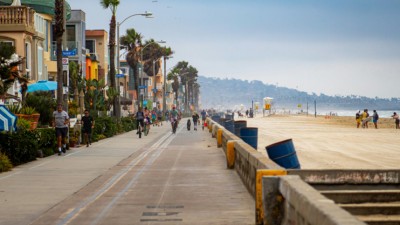
San Diego
Where beach days meet welcoming nights out.
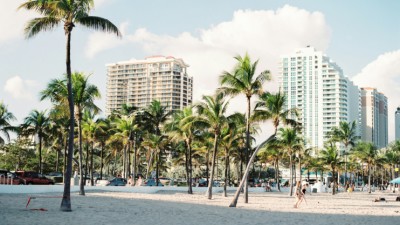
Miami
Where beach days meet a vibrant queer culture
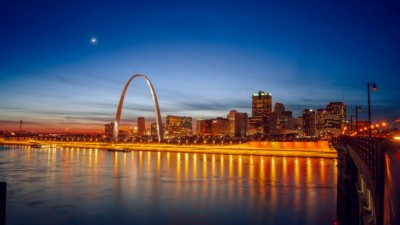
St. Louis
River views, welcoming neighborhoods, and a calm city break.
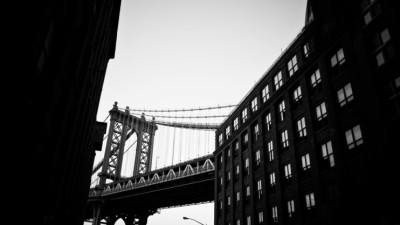
Brooklyn
Where creativity, community, and unforgettable bites meet
Houston
Big-city energy, welcoming neighborhoods, and standout cultural experiences.
Queens
Where every neighborhood brings a new flavor and a warm welcome.
Las Vegas
Where the lights stay on and the welcome is built into the city’s rhythm.
Tampa
Sunlit streets, bayside calm, and a welcoming city rhythm.
Detroit
River views, big-city culture, and a welcoming pulse.
Chicago
A lakefront city where culture, activism, and nightlife meet.
Riverside
A sunny inland base for culture, history, and easy remote-work days.
San Antonio
Discover heritage, stroll the riverfront, and feel at home in a city shaped by culture.
Philadelphia
History, community, and inclusive culture in one walkable destination.
Dallas
Big nights, bold culture, and a welcoming social scene.
Portland
Explore a city shaped by culture, activism, and inclusive community life.
Seattle
Explore a rain-kissed, walkable city shaped by community and inclusion.
Minneapolis
Where culture, comfort, and community meet by the river.
Kansas City
Where riverfront energy meets inclusive nightlife and culture.
Austin
Live music, inclusive energy, and standout bites
Cleveland
Explore a lakefront city where culture, community, and inclusive dining meet.
Jacksonville
Coastal calm, city scale, and a practical base for exploring Florida.
Raleigh
Oak-lined streets, culture-forward escapes, and a welcoming urban base.
Bronx
A borough of culture, history, and city-scale energy.
Virginia Beach
Where Atlantic horizons meet resilient local history

Orlando
Sunlit streets, theme-park energy, and a travel scene that rewards independent exploration.
Cincinnati
River views, historic districts, and a living queer civic story.
Pittsburgh
Steel history, river views, and a lively night out.
Manhattan
Where skyline views meet queer history and late-night flavor
Charlotte
Where city energy meets inclusive travel
Memphis
Where music history, riverfront culture, and solo discovery meet
Milwaukee
Where lakefront culture meets inclusive city life
El Paso
A desert crossroads where culture, community, and visibility meet.
New Orleans
Where heritage, nightlife, and hospitality meet.
Oklahoma City
Discover a welcoming urban base with history, culture, and community pride.
Tucson
Desert skies, living heritage, and a welcoming city break.
Louisville
A welcoming pause for culture, history, and calm urban escapes.
Hartford
Art, history, and good food in a compact New England capital.
Omaha
Big skies, a welcoming pace, and culture worth exploring
Bridgeport
Come for the shoreline, stay for the stories and the plates.
Fort Worth
Where big skies meet welcoming spaces.
Buffalo
Where waterfront energy meets inclusive travel history.