- Home
- United States
- Orlando
About Orlando
From an LGBTQ+ travel perspective, I find it useful to view the city as part of the broader U.S.
context, where LGBTQ+ rights have advanced significantly over time, though the legal and social landscape remains uneven across states and communities.For travelers like me who prefer to move at their own pace, Orlando can work well as a solo destination because it offers a wide range of public attractions, large visitor districts, and plenty of independent sightseeing options.
In the city and the surrounding tourism corridor, I would approach the trip with the same practical lens I use anywhere: verify current policies, choose accommodations and venues carefully, and stay aware of local conditions.In terms of LGBTQ+ significance, Orlando is especially associated with the annual One Magical Weekend, a major LGBTQ+ Pride and dance festival held in the city each year.
The broader region also holds an important place in modern LGBTQ+ history because of the Pulse nightclub shooting in Orlando in 2016, a tragedy that deeply affected LGBTQ+ communities far beyond Florida.
While I would not describe the city through a single narrative, these two references show why Orlando is often discussed in LGBTQ+ travel, remembrance, and community conversations.For an introductory visit, I see Orlando as a destination where entertainment and identity-aware travel intersect.
It is not a compact walking city in the traditional sense, but it does offer a recognizable place in U.S.
LGBTQ+ travel discussions, both for community events and for the realities that shape travel planning today.
Our Review
Orlando is one of Florida’s best-known travel hubs, drawing visitors for its theme parks, conventions, and year-round leisure tourism.
From an LGBTQ+ travel perspective, I find it useful to view the city as part of the broader U.S.
context, where LGBTQ+ rights have advanced significantly over time, though the legal and social landscape remains uneven across states and communities.
For travelers like me who prefer to move at their own pace, Orlando can work well as a solo destination because it offers a wide range of public attractions, large visitor districts, and plenty of independent sightseeing options.
In the city and the surrounding tourism corridor, I would approach the trip with the same practical lens I use anywhere: verify current policies, choose accommodations and venues carefully, and stay aware of local conditions.
In terms of LGBTQ+ significance, Orlando is especially associated with the annual One Magical Weekend, a major LGBTQ+ Pride and dance festival held in the city each year.
The broader region also holds an important place in modern LGBTQ+ history because of the Pulse nightclub shooting in Orlando in 2016, a tragedy that deeply affected LGBTQ+ communities far beyond Florida.
While I would not describe the city through a single narrative, these two references show why Orlando is often discussed in LGBTQ+ travel, remembrance, and community conversations.
For an introductory visit, I see Orlando as a destination where entertainment and identity-aware travel intersect.
It is not a compact walking city in the traditional sense, but it does offer a recognizable place in U.S.
LGBTQ+ travel discussions, both for community events and for the realities that shape travel planning today.
Social Acceptance and Safety in Orlando
When I assess Orlando from an LGBTQ+ travel perspective, I see a city that sits within a broader United States context where LGBTQ+ rights have advanced substantially, even as legal protections and public attitudes continue to vary by state and locality.
In practice, that means Orlando is not a place I would describe as uniformly defined by its LGBTQ+ reputation alone; it is a large, tourism-driven city in Florida where visitors should still stay attentive to the specific neighborhood, venue, and current local climate.
Social acceptance in Orlando is generally shaped by its role as a major visitor destination.
The city attracts millions of tourists, and that constant flow of travelers tends to create a more practical, service-oriented atmosphere in many hotel, dining, and entertainment areas.
For LGBTQ+ travelers, that often translates into a setting where visibility is not unusual, especially in spaces that regularly serve an international and diverse clientele.
At the same time, I would avoid assuming that acceptance is identical everywhere in the city.
Like many U.S.
destinations, Orlando is best understood as a patchwork of environments rather than a single social mood.
For safety, my advice is straightforward: I travel solo with awareness, not fear.
I pay attention to the immediate environment, especially at night, and I avoid making assumptions about how welcoming a particular area may be simply because it is in a major tourist city.
Standard precautions matter here just as they do anywhere else: use licensed transportation, keep personal belongings secure, let someone know your plans if you are going out alone, and be cautious about overindulging in alcohol in unfamiliar settings.
If I am meeting people or visiting nightlife venues, I choose established places and remain mindful of my exit route and transport options.
As for neighborhoods, Orlando’s most visible LGBTQ+ social spaces are historically associated with the broader metro area rather than a single compact district within the city center.
I would treat areas with strong tourism infrastructure, such as the International Drive and downtown visitor corridors, as generally more accustomed to diversity simply because they host so many travelers.
Even so, I would not label any part of Orlando as universally safe or universally unsafe.
The more responsible approach is to evaluate each area by time of day, the specific venue, and current conditions.
From a practical standpoint, I also note that Orlando’s LGBTQ+ significance is tied to both community life and history.
The city is closely associated with the Pulse nightclub tragedy of 2016, which remains a defining moment in LGBTQ+ memory in the United States.
That history is important when considering the emotional reality of visiting Orlando: for many travelers, the city carries both the visibility of LGBTQ+ life and the sobering weight of loss.
In that sense, safety is not only about physical caution but also about being respectful of the city’s cultural and historical context.
My overall assessment is that Orlando can be navigated comfortably by LGBTQ+ travelers, including solo visitors, if they remain informed and situationally aware.
It is a major tourist city with broad exposure to diversity, but like any urban destination, it rewards practical planning and a clear understanding that friendliness can vary from one block to the next.
Events and Nightlife in Orlando from an LGBTQ+ Perspective
When I assess Orlando for LGBTQ+ travelers, I see a city whose event culture is shaped less by a single compact queer district and more by a wider tourism landscape.
That matters: Orlando is one of the most visited cities in the United States, and its LGBTQ+ social life is closely tied to Pride programming, hospitality venues, and entertainment corridors such as International Drive and the resort areas around Universal Orlando.
For a solo traveler like me, that makes the city easy to approach in practical terms, even if experiences vary from venue to venue.
Annual LGBTQ+ events
The most visible recurring LGBTQ+ event in Orlando is One Magical Weekend, a major annual Pride and dance-oriented festival that has become a fixture on the city’s LGBTQ+ calendar.
It is best understood as a large-scale event weekend rather than a neighborhood festival: it draws visitors into Orlando for nightlife, pool parties, and social events tied to the city’s hospitality and entertainment infrastructure.
For LGBTQ+ travelers planning a solo trip, that format can be especially useful because it creates built-in opportunities to meet people without needing to navigate a local scene alone from scratch.
Orlando also has a strong connection to LGBTQ+ remembrance and community history because of the 2016 Pulse nightclub tragedy.
While this is not an event in the celebratory sense, it remains an important part of Orlando’s LGBTQ+ public memory and informs how the city is discussed within queer travel contexts.
I treat that history as essential context when writing about the city’s social life.
Nightlife overview
Orlando’s LGBTQ+ nightlife is best described as distributed rather than concentrated.
Instead of a single neighborhood of exclusively LGBTQ+ bars and clubs, the city offers a mix of nightlife venues across the tourism core.
That includes hotel bars, entertainment-oriented spaces, and late-night venues that serve mixed audiences.
For LGBTQ+ visitors, the practical implication is that I would not expect every venue to function as a clearly branded queer space, but I would expect many of them to be accustomed to diverse clientele because of Orlando’s role as a major tourist destination.
From a solo-travel standpoint, I find that Orlando’s nightlife works best when approached with deliberate planning.
The city is large and car-oriented, so I would focus on venues where transportation is straightforward and where the atmosphere is clearly social, rather than relying on spontaneous neighborhood wandering.
In a city like this, the safest and most efficient evenings tend to be the ones built around known entertainment corridors and venues with established reputations.
Verified LGBTQ+ friendly and relevant venues
Based on the verified source pack, I can point to a small number of nightlife venues that are relevant to visitors and appear on trusted travel listings.
I am limiting this to venues explicitly supported by the source material:
- Howl at the Moon — 8815 International Dr. A music-driven venue where performers take requests, and where people go to listen, dance, drink, and socialize.
Its International Drive location places it squarely in Orlando’s tourist nightlife corridor. - Velvet Bar at Hard Rock Hotel — 5800 Universal Blvd. A sit-down bar with music and live bands, located within the Hard Rock Hotel at Universal Orlando.
For me, this is the kind of venue that fits a low-pressure solo night out: social, polished, and easy to combine with a hotel-based evening. - Orena Sports Bar — 6159 Westwood Blvd. A venue serving both locals and tourists, with food, drinks, games, and sports viewing.
It is not specifically an LGBTQ+ venue, but it is relevant as a mixed social spot in the broader visitor area. - Corona Cigar Company’s Superstore & Cigar Bar — 7792 West Sand Lake Rd. A cigar-focused bar that also serves drinks and allows sampling.
Like the sports bar, this is not an LGBTQ+-specific venue, but it is part of the wider nightlife ecosystem that some travelers may choose for a relaxed evening.
Practical reading of the scene
What stands out to me is that Orlando’s LGBTQ+ nightlife is not defined solely by dedicated queer bars; it is also shaped by mixed-use entertainment venues that serve a broad public.
That can be an advantage for travelers who prefer flexible, low-friction evenings, especially those traveling alone.
It also means that a good night out in Orlando depends heavily on choosing the right venue for the kind of social experience you want: high-energy dance culture, live music, casual drinks, or sports-bar sociability.
In analytical terms, I would say Orlando’s strongest LGBTQ+ nightlife draw is not density but accessibility.
The city regularly hosts large LGBTQ+ gatherings, has a recognizable Pride calendar, and offers nightlife options in areas that are already used to visitors.
For a solo traveler, that combination is reassuring: it gives structure without requiring deep local familiarity.
At the same time, I avoid overclaiming.
The source pack supports a nightlife picture centered on a few verified venues and on the broader reality of Orlando’s tourism corridors.
It does not support a claim that Orlando has a single, large, continuous LGBTQ+ nightlife district.
My reading, therefore, is that Orlando is best approached as a city where LGBTQ+ nightlife exists within a larger entertainment environment, rather than as a standalone queer nightlife capital.
Travel Tips for LGBTQ+ Visitors to Orlando
When I assess Orlando from an LGBTQ+ travel perspective, I see a city that is highly experienced in serving visitors, but where practical planning still matters.
Orlando is one of the United States’ major tourism centers, and that usually works in a traveler’s favor: the city’s hotels, attractions, dining venues, and transit options are accustomed to a broad mix of guests.
At the same time, the United States has a complex and uneven legal and social landscape for LGBTQ+ people, so I do not assume that every neighborhood or venue will feel the same.
For me, the safest approach is to combine openness with situational awareness.
One important local reality is that Orlando is a large, spread-out city.
I do not treat it like a compact, walk-everywhere destination.
Instead, I plan around major visitor corridors and use transport deliberately, especially at night.
For solo travel, this matters: it is easier to enjoy the city when I know in advance how I am getting back to my accommodation, how late venues operate, and which areas I will be crossing after dark.
I also prefer properties with strong recent reviews, clear guest policies, and 24-hour front desks when possible, because those details make solo travel smoother.
In terms of local customs, I find Orlando generally straightforward and tourist-oriented.
Staff in hotels, restaurants, and entertainment venues are used to diverse visitors, and professional service standards are usually more important than any one neighborhood identity.
I still avoid making assumptions about how a venue will respond to LGBTQ+ guests until I have seen recent reviews or clear evidence of inclusive service.
If I am traveling as an LGBTQ+ person, I pay attention to how staff address me, whether booking information is transparent, and whether a place feels comfortable without needing to over-explain myself.
For dos and don’ts, my practical rule is simple: do choose well-reviewed, busy, visible places; do keep valuables secure; do use licensed and reliable transportation; and do let someone know my plans when I am out alone.
I avoid broadcasting detailed personal information to strangers, especially late at night or in unfamiliar areas.
I also avoid relying on broad assumptions about safety based only on Orlando’s tourism reputation.
A popular district can still have isolated risks, and a quieter area can still feel fine in daylight but less reassuring after dark.
Because I travel solo, I value routines that reduce friction.
I check opening hours in advance, save offline maps, and keep a backup plan for returning to my hotel.
If I am heading to a nightlife venue or a Pride-related event, I think through the exit plan before I arrive.
That is not about fear; it is about keeping the freedom of solo travel intact.
Orlando offers enough scale and variety that I do not need to improvise every step.
To connect with the local LGBTQ+ community, I focus first on public-facing, verifiable channels rather than assuming the existence of a single central queer district.
Orlando’s LGBTQ+ presence is visible through community events and civic participation, and one of the most recognizable examples is the broader U.S.
LGBTQ+ rights context, which shapes how travelers experience cities differently across the country.
In Orlando, I would use event calendars, Pride programming, and venue-specific social media as the most practical ways to find current gatherings.
When I attend community events, I keep expectations realistic: I am there to listen, participate respectfully, and learn how the city’s community actually functions rather than to impose my own assumptions on it.
I also think it is important to approach Orlando with historical awareness.
The city’s LGBTQ+ story includes the 2016 Pulse nightclub tragedy, which remains a deeply significant part of local and national memory.
For me, that means travel here is not only about entertainment and convenience; it is also about respect.
If I visit spaces connected to remembrance or community solidarity, I do so thoughtfully and without treating them as casual sightseeing stops.
My overall advice is that Orlando works well for LGBTQ+ travelers who plan carefully and stay flexible.
It is a city where mainstream tourism infrastructure can be an advantage, especially for solo travelers, but where verification still matters.
I recommend choosing established accommodations, moving deliberately between districts, using current information, and seeking out community events or LGBTQ+-visible programming when available.
That balance of independence and caution is what makes the city most workable in practice.
From my perspective as a solo traveler and journalist, Orlando stands out as a city where LGBTQ+ visitors can find both visibility and practicality.
Its greatest strength is the scale of its tourism infrastructure: a large, visitor-oriented city can make it easier to move through public spaces, book accommodation, and access entertainment without needing to rely on a single neighborhood or scene.
Orlando is also historically significant for LGBTQ+ travelers, and that history matters.
The city is closely associated with Pulse, a site of remembrance and reflection that remains central to the city’s LGBTQ+ identity.
At the same time, Orlando’s challenges are real.
The city is spread out, car-oriented, and not uniformly walkable, which means solo travelers need to think carefully about transport, timing, and where they stay.
And while the United States has made substantial progress in LGBTQ+ rights overall, the national picture remains uneven, especially for transgender people.
That broader context is important when I evaluate any destination in the U.S., including Orlando.
For reference, I keep in mind the wider legal and social framework described in LGBTQ rights in the United States.
My recommendation for LGBTQ+ travelers is straightforward: use Orlando’s scale to your advantage, but travel with intention.
Choose accommodation with strong reviews and clear policies, plan transport in advance, and seek out venues and events that are openly welcoming.
If you are traveling alone, I would especially encourage you to balance spontaneity with preparation; that approach tends to make Orlando feel more comfortable and rewarding.
In the end, Orlando is a city worth exploring for LGBTQ+ travelers who want a mix of major attractions, community significance, and easy access to entertainment.
I would not describe it as a city that removes all friction, but I would describe it as one that offers real opportunities to enjoy yourself thoughtfully, safely, and on your own terms.
Other Guides in United States
New York
Where queer history, nightlife, and iconic neighborhoods meet the table
Los Angeles
Where community, culture, and queer history meet under the California sun
Washington
Where culture, memory, and community meet in a walkable capital
Salt Lake City
Where civic change meets a high-altitude welcome.
Nashville
Where live music meets welcoming culture
Columbia
Find history, nature, and a welcoming local rhythm
Indianapolis
Where Midwest heritage meets a welcoming city break
Columbus
Explore a city where community, culture, and inclusion meet.

Albany
Small-city ease, Bay Area access, and plenty to explore
Phoenix
Sunlit streets, open minds, and a solo-friendly city break.
Sacramento
Riverfront capital life with a welcoming, practical pace.
Des Moines
A polished stop for culture, civic energy, and welcoming city breaks.
Denver
Big skies, easygoing energy, and a welcoming city break.
Richmond
Where waterfront history meets inclusive travel and local flavor.
Jackson
A welcoming base for culture, history, and working on the move.
Boston
Walk through history, culture, and community pride.
Providence
History, culture, and inclusive travel in a walkable river city.
San Francisco
Where identity, history, and inclusive city life meet by the bay
Baltimore
Where harbor views meet a long-standing spirit of inclusion.
San Diego
Where beach days meet welcoming nights out.
Miami
Where beach days meet a vibrant queer culture
St. Louis
River views, welcoming neighborhoods, and a calm city break.
Brooklyn
Where creativity, community, and unforgettable bites meet
Houston
Big-city energy, welcoming neighborhoods, and standout cultural experiences.
Queens
Where every neighborhood brings a new flavor and a warm welcome.
Las Vegas
Where the lights stay on and the welcome is built into the city’s rhythm.
Tampa
Sunlit streets, bayside calm, and a welcoming city rhythm.
Detroit
River views, big-city culture, and a welcoming pulse.
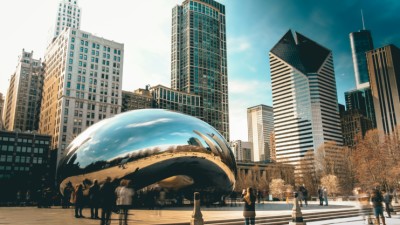
Chicago
A lakefront city where culture, activism, and nightlife meet.
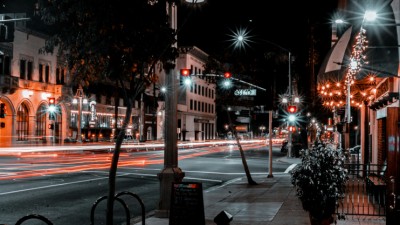
Riverside
A sunny inland base for culture, history, and easy remote-work days.
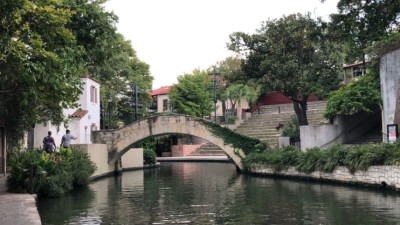
San Antonio
Discover heritage, stroll the riverfront, and feel at home in a city shaped by culture.
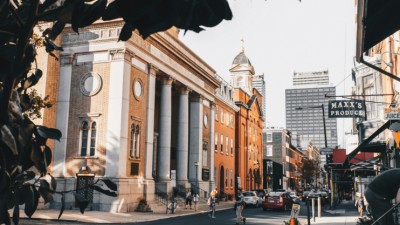
Philadelphia
History, community, and inclusive culture in one walkable destination.
Dallas
Big nights, bold culture, and a welcoming social scene.
Portland
Explore a city shaped by culture, activism, and inclusive community life.
Seattle
Explore a rain-kissed, walkable city shaped by community and inclusion.
Minneapolis
Where culture, comfort, and community meet by the river.
Kansas City
Where riverfront energy meets inclusive nightlife and culture.
Austin
Live music, inclusive energy, and standout bites
Cleveland
Explore a lakefront city where culture, community, and inclusive dining meet.
Jacksonville
Coastal calm, city scale, and a practical base for exploring Florida.
Raleigh
Oak-lined streets, culture-forward escapes, and a welcoming urban base.
Bronx
A borough of culture, history, and city-scale energy.
Virginia Beach
Where Atlantic horizons meet resilient local history
Cincinnati
River views, historic districts, and a living queer civic story.
Pittsburgh
Steel history, river views, and a lively night out.
San Jose
A polished Bay Area base with easy access to queer culture and major California hubs.
Manhattan
Where skyline views meet queer history and late-night flavor
Charlotte
Where city energy meets inclusive travel
Memphis
Where music history, riverfront culture, and solo discovery meet
Milwaukee
Where lakefront culture meets inclusive city life
El Paso
A desert crossroads where culture, community, and visibility meet.
New Orleans
Where heritage, nightlife, and hospitality meet.
Oklahoma City
Discover a welcoming urban base with history, culture, and community pride.
Tucson
Desert skies, living heritage, and a welcoming city break.
Louisville
A welcoming pause for culture, history, and calm urban escapes.
Hartford
Art, history, and good food in a compact New England capital.
Omaha
Big skies, a welcoming pace, and culture worth exploring
Bridgeport
Come for the shoreline, stay for the stories and the plates.
Fort Worth
Where big skies meet welcoming spaces.
Buffalo
Where waterfront energy meets inclusive travel history.