- LGBTQ+ Friendly
- 28 City Guides
- 0 Likes
- Leave a comment
About United Kingdom
United Kingdom overview
The United Kingdom, or UK, is a country in northwestern Europe made up of England, Scotland, Wales, and Northern Ireland.
Stretching from the Atlantic fringe to the North Sea and the English Channel, it combines dense, historic cities with rugged coastlines, rolling countryside, mountain landscapes, and islands that feel far removed from the major urban centers.
For LGBTQ+ travelers, the UK is often attractive because it offers a wide range of trip styles in one country: world-famous museums and nightlife, design-forward cities, literary and royal landmarks, scenic rail journeys, countryside escapes, and easy access between regions.
Its population is over 69 million, and that scale is reflected in the diversity of its destinations and travel experiences.
What makes the UK especially distinctive is the way its geography and history sit so close together.
In a single itinerary, you can move from London’s global-city pace to the compact historic streets of Edinburgh, from the coastlines of Wales to the lakes and hills of Northern Ireland, or from industrial heritage sites to postcard-perfect villages and national parks.
The country’s transport network makes multi-stop travel practical, particularly between major cities in England, Scotland, and Wales, while Northern Ireland adds another layer of appeal through its distinct landscapes and sense of place.
For travelers who like to mix culture with scenery, the UK is one of Europe’s most versatile destinations.
Culture, atmosphere, and travel style
The UK’s cultural appeal is broad and layered.
It is known for major contributions to literature, music, theater, fashion, design, television, and film, and that creative energy is visible in its museums, galleries, performance venues, independent shops, and neighborhood pubs.
Many travelers come for the big-name sights, but the UK is often most rewarding when you slow down and spend time in its smaller districts and regional cities, where local accents, traditions, and food habits can change noticeably over short distances.
The result is a country that feels familiar to many visitors yet still full of local specificity.
Travel in the UK tends to be straightforward for visitors who like independent exploration.
Cities are walkable in their centers, public transport is widely used, and rail travel remains a major part of the experience.
At the same time, the UK’s weather can shape the mood of a trip more than travelers expect.
Conditions are changeable, and a single day can bring sun, rain, wind, and cool temperatures, even in summer.
That unpredictability is part of the British travel experience, and it rewards visitors who pack layers and plan for flexibility.
Food and regional flavors
British food today is much more varied than older stereotypes suggest.
In major cities, travelers will find excellent international dining alongside modern British cooking, regional produce, and casual food markets.
Traditional dishes still play an important role in the visitor experience, especially in pubs and heritage-focused restaurants, but the country’s culinary identity is now a mix of old and new.
Breakfast culture, afternoon tea, pub meals, bakery stops, and takeaway food are all part of daily life and easy for travelers to experience.
One of the best ways to understand the UK is through its regional food traditions.
England, Scotland, Wales, and Northern Ireland each have their own culinary references, shaped by local ingredients and history.
You may encounter hearty roasts, seafood, baked goods, cheeses, and dishes that feel especially tied to place rather than a single national canon.
For travelers, this means food is not just about what is served, but where it is served: a seaside town, a market street, a city pub, and a countryside inn can each offer a very different sense of the country.
Key destinations and highlights
London is the country’s most internationally recognizable destination and a major draw for LGBTQ+ travelers, offering world-class museums, theaters, shopping, nightlife, and a huge range of neighborhoods with very different personalities.
It is also the best place to use as a base if you want a broad first look at the UK, because it combines iconic landmarks with easy day trips and excellent connectivity.
Beyond London, Edinburgh stands out for its dramatic setting, historic core, festivals, and strong sense of identity.
Glasgow offers a more contemporary, music-led, urban experience, while also giving access to wider Scottish travel routes.
In Wales, Cardiff provides a compact capital-city experience, and the rest of the country appeals for its coastline, mountains, castles, and smaller towns.
Northern Ireland is especially compelling for travelers who want a mix of city and landscape, with Belfast as the main urban hub and the surrounding region known for striking scenery and a strong sense of history.
In England beyond London, major cities such as Manchester, Liverpool, Bristol, York, and Bath each offer their own reasons to visit, from music and nightlife to heritage architecture and local culture.
Much of the UK’s appeal comes from the contrast between these places: even relatively short journeys can take you from modern urban energy to deeply historic streets or open countryside.
Why the UK appeals to LGBTQ+ travelers
For LGBTQ+ visitors, the UK’s travel appeal comes from the combination of major-city visibility, cultural depth, and ease of movement.
Large cities provide a broad range of dining, nightlife, arts, and community-oriented spaces, while the wider country offers plenty of low-key, scenic, and culturally rich experiences for travelers who want something quieter.
The UK is also a place where identity, history, and contemporary culture overlap in noticeable ways, which can make it especially rewarding for travelers interested in museums, arts, and social history as well as leisure travel.
That said, the traveler experience can vary by region and setting, as it does in many countries.
Big-city centers are generally the easiest places to find openness, diversity, and choice, while smaller towns and rural areas may feel more conservative or simply less visibly LGBTQ+ in day-to-day life.
The best approach is to match your itinerary to your comfort level: base yourself in major cities for the most options, then explore smaller places and scenic regions as day trips or shorter stops if you want to keep things relaxed.
Overall, the UK is a destination that works well for first-time visitors and repeat travelers alike.
It combines famous landmarks with strong regional character, a deep cultural life with accessible transport, and urban stays with easy access to nature.
For LGBTQ+ travelers seeking a trip that can be as polished, historic, creative, or countryside-focused as they want it to be, the United Kingdom remains one of Europe’s most versatile and rewarding choices.
LGBTQ+ Overview
Overview
The United Kingdom is generally a comparatively safe and practical destination for LGBTQ+ travelers. Same-sex sexual activity is legal, same-sex marriage is legal across the UK, and discrimination protections exist in law in many everyday settings, including employment and services. In major cities and most tourist areas, LGBTQ+ travelers will usually find visible communities, queer venues, and a broadly accepting social environment. That said, the traveler experience is not perfectly uniform: attitudes can vary by region, age group, and setting, and some recent public debate around trans rights has made the climate feel more uneven for trans and nonbinary visitors than for cisgender gay and lesbian travelers.
For most visitors, the main issues are not legal risk but ordinary travel prudence: choosing accommodation and nightlife carefully, being aware of alcohol-fueled harassment, and recognizing that acceptance tends to be stronger in larger cities such as London, Manchester, Brighton, Edinburgh, Glasgow, Cardiff, and Belfast than in some smaller towns or very conservative social circles. Public displays of affection are usually fine in urban and tourist-heavy areas, but travelers should still read the room, especially late at night or outside central neighborhoods.
Legal status and protections
The UK has long since removed criminal penalties for consensual same-sex sexual activity. Same-sex marriage is legal throughout the country, including in England, Wales, Scotland, and Northern Ireland. Civil partnerships remain available. Anti-discrimination protections are also well established in law, although the exact rules and enforcement context vary by jurisdiction and setting. In practice, this means LGBTQ+ travelers should not face legal trouble simply for being themselves, and ordinary commercial services, hotels, and transport providers are generally expected to treat people equally.
For trans travelers, the legal and administrative landscape is more complicated than for gay and lesbian travelers. The UK remains legally accessible and travel is not restricted on gender identity grounds, but public debate around trans rights has been intense in recent years. Visitors may encounter inconsistent staff understanding around name changes, documentation checks, or restroom access, especially in less queer-oriented venues. It is wise to carry travel documents that match airline and booking details and to be prepared for occasional misunderstanding rather than overt hostility.
Social climate
Social acceptance in the UK is broadly strong by global standards, particularly in major cities and among younger people. Pride events are prominent, queer neighborhoods are well established in some cities, and LGBTQ+ people are visible in public life. In many urban settings, travelers will feel little need to hide their identity. Hotels, restaurants, and transport services in central areas are usually straightforward and professional.
At the same time, the UK is not socially uniform. Reactions can be more mixed in smaller towns, rural areas, and some religious or politically conservative communities. Casual verbal harassment is not the norm, but it can occur, especially around nightlife, on public transport late at night, or in heavily intoxicated settings. Trans and nonbinary travelers may face more scrutiny, misgendering, or unwanted commentary than gay and lesbian travelers, reflecting the broader political debate rather than a generalized travel ban or legal danger.
Common traveler risks
The most common risks are low-level rather than severe: drunken harassment, occasional discriminatory service in isolated cases, and discomfort in settings where strangers make assumptions. Nightlife areas can be lively and welcoming, but they also bring the usual urban risks associated with alcohol, crowded streets, and theft. As in any major destination, use the same precautions you would elsewhere: keep an eye on drinks and belongings, use reputable transport late at night, and avoid escalating arguments if someone is hostile.
For trans travelers, a practical challenge can be inconsistent recognition of gender expression versus identity, especially when ID, ticketing, and hotel records do not align neatly. This is more likely to result in awkwardness than danger, but it can be stressful. If you anticipate concerns, choose larger hotel chains or LGBTQ+-known properties where staff familiarity is more likely, and keep reservation details consistent with your passport where possible.
Support resources and getting help
In an emergency, the UK’s police and medical services are generally reliable, and serious hate incidents should be reported. Visitors should not assume they need to tolerate harassment. If you feel unsafe, move to a busy area, enter a staffed venue, and seek assistance from staff or authorities. For non-emergency concerns, most large cities have local LGBTQ+ organizations and community centers, though availability varies and specific services should be checked locally once you arrive.
Travelers seeking general country information can consult the official country overview on Wikipedia. For LGBTQ+ rights context, ILGA and Equaldex are useful for broad comparisons, but travelers should still verify any time-sensitive local details directly before travel. In practice, the best support strategy in the UK is usually a combination of normal urban travel precautions, choosing welcoming neighborhoods and accommodation, and relying on common-sense situational awareness rather than fearing legal obstacles.
Trajectory and practical takeaway
The overall trajectory in the UK has been positive over the long term: legal equality for lesbian, gay, and bisexual people is well established, public visibility is high, and mainstream acceptance is substantial. The main recent change has been less about new restrictions on most LGBTQ+ travelers and more about a noisier, more polarized debate around trans rights. That means the country remains a strong destination overall, but trans and nonbinary visitors may want to be a bit more selective about venues and more prepared for occasional inconsistency.
For most LGBTQ+ travelers, the UK is an easy place to visit. It offers strong legal protections, plenty of queer-friendly urban areas, and generally low traveler risk. The best approach is to enjoy the destination normally while staying mindful that attitudes can still vary outside major centers and that trans travelers may encounter more social friction than legal obstruction.
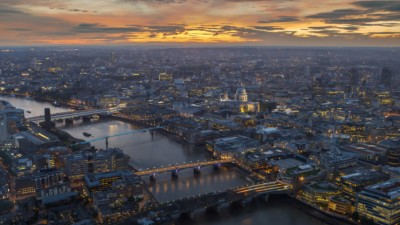
London
Where history, nightlife, and community meet after dark

Birmingham
Big-city energy, inclusive spirit, and a living LGBTQ+ history.

Southampton
Harbour heritage, urban style, and inclusive British travel
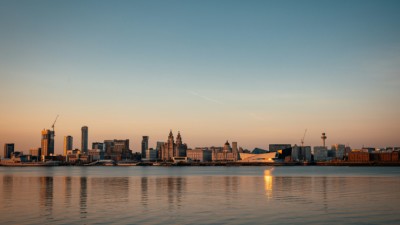
Liverpool
A waterfront city with a proud, visible queer scene.
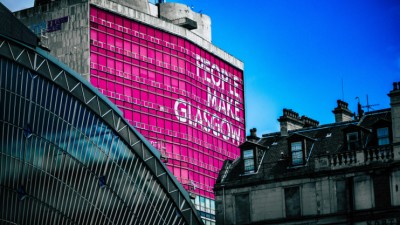
Glasgow
Discover a city where art, nightlife, and community energy meet.
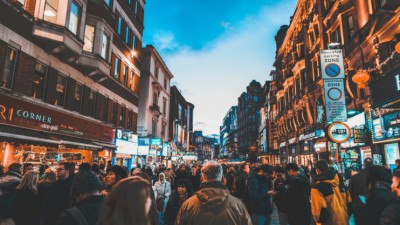
Leicester
Big nights, welcoming faces, and a culture-packed city break.
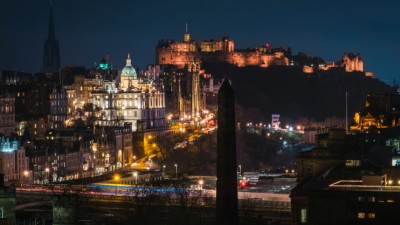
Edinburgh
A walkable capital where history meets inclusive city life.

Portsmouth
Historic harbours, open horizons, and inclusive travel on the south coast.

Worthing
Seaside heritage, local civic life, and a calm base for exploring the south coast
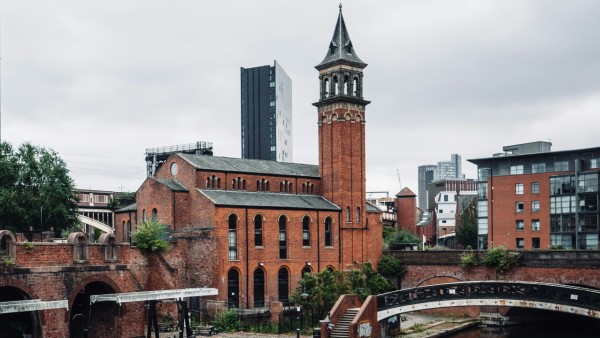
Manchester
Discover bold culture, nightlife, and community energy.

Belfast
Where history, heritage, and welcoming city life meet

Stoke-on-Trent
Where industrial heritage meets a welcoming cultural escape

Caerdydd
Elegant city breaks with a welcoming cultural edge

Leeds
Big-city energy, welcoming nights, and flavourful discoveries.
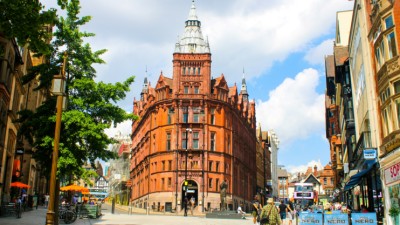
Nottingham
Historic streets, modern pride, and an easy city break with character.

Kingston upon Hull
Sea air, calm stays, and a thoughtful base for exploring East Yorkshire.

Bristol
Where culture, history, and inclusive city life meet by the water.

Reading
Historic streets, modern connections, and a quietly inclusive break.

Newcastle
Where heritage meets a lively evening scene.
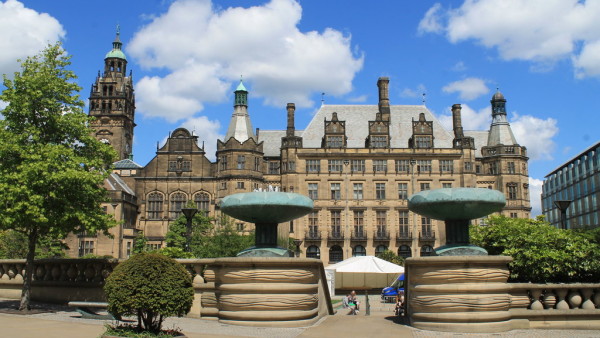
Sheffield
Where urban grit meets open horizons.

Coventry
Historic streets, modern culture, and a thoughtful city escape.

Bolton
Explore history, walk lightly, and travel with pride.
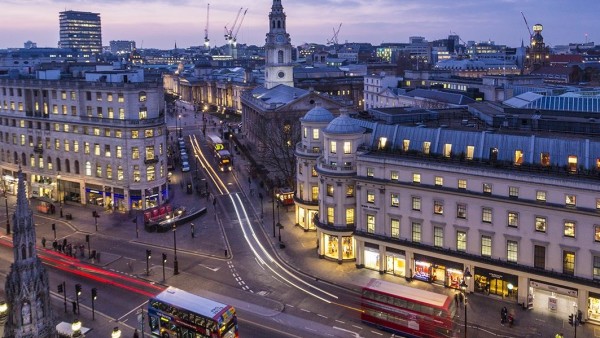
Westminster
Where civic heritage meets inclusive city exploration
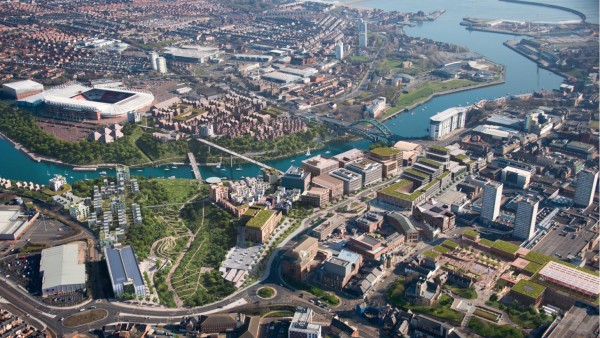
Sunderland
Coastal culture, Northern grit, and a welcoming city break.
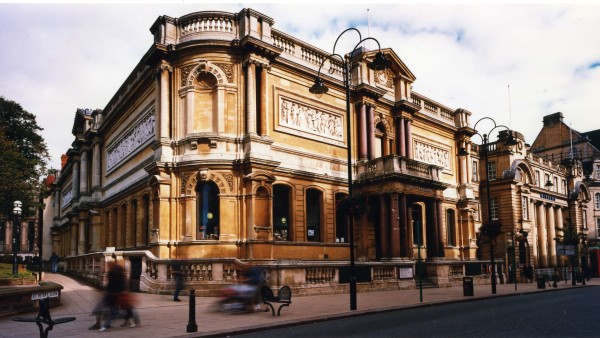
Wolverhampton
Where urban heritage meets a welcoming food-and-culture stop

Derby
Historic streets, easy access, and a welcoming UK city break

Plymouth
A maritime city base with easy access and a wider British LGBTQ+ backdrop.
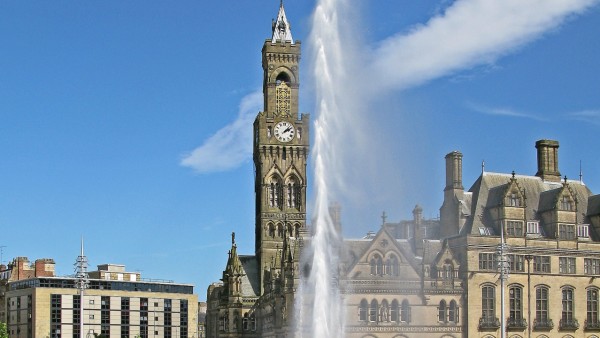
Bradford
Where heritage, film, and community meet.