- Home
- United Kingdom
- London
About London
As the capital of the United Kingdom, it’s a place where I can move from world-famous museums and landmarks to energetic neighborhoods, bars, and community spaces all in the same day.
That mix makes it feel both major and personal at once.For me, one of the city’s biggest draws is its long-established LGBTQ+ presence.
Soho has been widely recognized as a central hub for LGBTQ+ nightlife and community life, and I still find it one of the easiest places to start an evening if I want to be around other queer travelers and locals.
The city is also strongly associated with Pride in London, the capital’s best-known annual LGBTQ+ event, which brings large-scale visibility and celebration to the streets.When I’m introducing London to LGBTQ+ readers, I also like to point out that it is part of a country with a large, internationally connected urban population and a long cultural reach.
The city’s significance is not just about landmarks; it’s about being a place where LGBTQ+ people can find social energy, community, and a sense of belonging across many parts of daily life.And because I’m drawn to cities with a good social rhythm, London delivers: evenings can feel festive, diverse, and full of choice, whether I’m meeting friends for a pre-dinner drink, heading into a nightlife district, or planning around Pride season.
It’s a city that rewards curiosity and leaves plenty to explore.
Our Review
I always think of London as one of Europe’s most important cities for LGBTQ+ travelers because it blends history, visibility, and an exceptionally lively social scene.
As the capital of the United Kingdom, it’s a place where I can move from world-famous museums and landmarks to energetic neighborhoods, bars, and community spaces all in the same day.
That mix makes it feel both major and personal at once.
For me, one of the city’s biggest draws is its long-established LGBTQ+ presence.
Soho has been widely recognized as a central hub for LGBTQ+ nightlife and community life, and I still find it one of the easiest places to start an evening if I want to be around other queer travelers and locals.
The city is also strongly associated with Pride in London, the capital’s best-known annual LGBTQ+ event, which brings large-scale visibility and celebration to the streets.
When I’m introducing London to LGBTQ+ readers, I also like to point out that it is part of a country with a large, internationally connected urban population and a long cultural reach.
The city’s significance is not just about landmarks; it’s about being a place where LGBTQ+ people can find social energy, community, and a sense of belonging across many parts of daily life.
And because I’m drawn to cities with a good social rhythm, London delivers: evenings can feel festive, diverse, and full of choice, whether I’m meeting friends for a pre-dinner drink, heading into a nightlife district, or planning around Pride season.
It’s a city that rewards curiosity and leaves plenty to explore.
Social Acceptance and Safety
When I spend time in London, I’m always struck by how visible and established LGBTQ+ life feels here.
As the capital of the United Kingdom, London is often described as a city where queer people can move through public life with relative openness, and that sense of visibility is part of what makes it such a compelling destination for me.
In everyday terms, that means I can usually expect a broad level of social acceptance in central, busy areas, especially in parts of the city with long-standing LGBTQ+ communities.
That said, I still travel with the same awareness I would in any major city.
London is large, busy, and varied, so my experience can shift quite a bit depending on the neighborhood, the time of day, and whether I’m out late after a social event.
Like anywhere else, I stay alert in crowded transport hubs, watch my belongings, and trust my instincts if a street or venue feels off.
For me, that’s less about fear and more about being a smart traveler.
When it comes to safety, I find it helpful to think of London as generally welcoming, but not automatically risk-free.
Public transport is extensive, and late-night journeys can be part of the nightlife rhythm here, so I make a point of planning my way back before I head out.
If I’m out socializing, I prefer to stick to well-lit streets, keep my phone charged, and share my plans with someone I trust.
Those are simple habits, but they matter, especially after an evening in the city’s bars, clubs, or crowded event spaces.
In terms of where I feel most at ease, Soho stands out as the best-known LGBTQ+ area in London and remains a natural starting point for queer visitors.
It’s central, lively, and visibly connected to the city’s LGBTQ+ social scene.
Nearby parts of central London also tend to feel comfortable for me because they’re busy, diverse, and used to visitors from all over the world.
On the other hand, I wouldn’t assume that every neighborhood will feel equally open or equally social; outside the most established central areas, the atmosphere can be more mixed, and I generally take a more observational approach until I get a sense of the local vibe.
If I were giving a friend practical advice for London, I’d keep it simple: enjoy the city’s openness, but don’t switch off entirely.
Stick to areas with a strong, visible LGBTQ+ presence when you want to be most social, especially in the evening; use normal urban safety habits; and remember that London is a big city with many different communities, not one uniform atmosphere.
For me, that balance—between freedom and common sense—is exactly what makes London work as an LGBTQ+ destination.
Community and Support
When I’m in London and looking at the city through an LGBTQ+ lens, one of the first things I notice is how much support infrastructure is already built into the place.
As the capital of the United Kingdom, London sits at the center of a national system where LGBTQ+ people can access a wide range of public services and community networks, and that matters when you’re traveling, living, or simply passing through.
For community support, the most established names I look for are the city’s long-running LGBTQ+ organizations and charity-led services, especially those connected to health, advocacy, and peer support.
London has historically been home to a dense network of queer community activity, and that shows up in the availability of information, signposting, and specialized services.
When I’m writing about the city, I focus on the practical value of that: places and organizations that help people find affirmation, referrals, and reliable advice rather than leaving them to navigate everything alone.
Health services are a major part of the picture.
In London, LGBTQ+ people can access NHS care, and that includes mental health support and HIV services.
For many travelers and residents, the key point is not just that services exist, but that there are also specialist pathways and organizations focused on sexual health and HIV/AIDS support.
That combination of mainstream health provision and community-informed support is one of the reasons London feels workable and reassuring for many LGBTQ+ people.
On the mental health side, I always think it’s important that support is not treated as an afterthought.
In a city as large and fast-moving as London, having access to counseling, referrals, and crisis support can make a real difference, especially for people who may be dealing with isolation, identity-related stress, or the pressures of travel and relocation.
The city’s scale means there are many points of entry into care, but I would still advise anyone to verify current access details directly with the service they plan to use.
For HIV/AIDS support, London is especially well known for its strong service ecosystem, with specialist organizations and clinics that provide testing, treatment, advice, and community support.
That matters to me because it shows that queer health in the city is not only about emergency care; it’s also about prevention, continuity, and dignity.
The support structure is broad enough that people can usually find both medical help and human support, which is exactly what a city like London should offer.
I also value how community resources in London often serve more than one purpose.
They can be places to get information, meet people, ask questions, and feel oriented in the city.
For an LGBTQ+ visitor, that kind of resource can be just as helpful as a nightlife recommendation.
It gives the trip a sense of grounding, and it helps connect the social side of London with its care network.
My takeaway is simple: London is not just a place to go out in; it is also a city where LGBTQ+ people can find support, health services, and community-based resources if they need them.
That combination of social energy and practical care is part of what makes the city feel so livable and so travel-friendly from a queer perspective.
Events and Nightlife
When I think about London’s LGBTQ+ events and nightlife, I think about a city that never really switches off.
It’s one of those places where I can go from a daytime march or festival atmosphere to a late-night bar or club set without ever feeling like I’ve left the community behind.
For annual LGBTQ+ events, the headline moment is Pride in London, the city’s major Pride celebration.
It usually includes a parade through central London, plus a wider programme of community, cultural, and social events.
As with many Pride celebrations, it brings together activists, local organizations, performers, and visitors from around the world.
I always see it as both a joyful street party and a visible reminder of London’s long-running LGBTQ+ community presence.
Beyond Pride, London has a steady calendar of queer cultural life rather than relying on just one big annual date.
The city is home to LGBTQ+ nightlife nights, club events, drag performances, and community meet-ups that are spread across the year.
The exact programme changes constantly, so I’d recommend checking current listings close to travel dates rather than assuming the same lineup will repeat.
When I’m out in London looking for LGBTQ+ nightlife, Soho is usually my first stop.
It remains the city’s best-known LGBTQ+ area and a classic starting point for a night out.
The neighborhood has a concentration of queer bars, clubs, and late-night social spaces, and it is one of the most established LGBTQ+ districts in the United Kingdom.
I like Soho because it feels easy to move between venues, meet people, and keep the evening flexible.
Some of London’s most recognisable LGBTQ+ venues are in or near Soho.
Old Compton Street is especially famous for its cluster of queer bars and social spots, and it has long been a central street in the city’s LGBTQ+ nightlife.
I’d also describe the surrounding central London area as useful for visitors who want a lively, walkable night out with plenty of options nearby.
For a more club-focused night, London has a strong reputation for LGBTQ+ party culture, especially for themed nights, drag, pop, and dance music.
The scene is broad enough that I can usually find something that matches the mood of the evening, whether I want something loud and crowded or a more relaxed place to chat over drinks.
What I appreciate most is that London’s LGBTQ+ nightlife isn’t only about the bars themselves.
It’s also about how social the city can feel.
I can start with a drink, move on to a performance or club night, and end up talking to people from all over the world.
That mix of locals, visitors, and long-time regulars gives the scene a very lived-in, welcoming energy.
If I were recommending a simple LGBTQ+ night out in London, I’d keep it focused on the city’s most established areas and venues rather than trying to over-plan it.
Soho is the easiest place to begin, especially around Old Compton Street, and Pride in London is the biggest annual event to mark on the calendar.
For me, that combination captures London best: visible, busy, social, and proudly queer.
Cultural and Social Activities
When I spend time in London, one of the things I appreciate most is how naturally queer life sits alongside the city’s wider cultural scene.
For me, that means I can go from a major museum or theatre performance to an LGBTQ+ landmark or a historic neighborhood without ever feeling like I’ve left the heart of the city behind.
Soho is still the place I most associate with LGBTQ+ social life in London.
It has long been a central meeting point for queer visitors and locals, and it remains one of the easiest areas to use as a base for an evening out.
I like that it sits close to theatres, restaurants, and major West End streets, which makes it feel connected to the broader cultural rhythm of the city rather than separated from it.
For LGBTQ+ history, I always think of the National Portrait Gallery as one of the most meaningful cultural stops.
Its collection includes portraits of major public figures, including LGBTQ+ people who have shaped British cultural life.
I find it especially rewarding because it lets me place queer history within the mainstream story of the city rather than treating it as something hidden at the margins.
Another place that stands out for me is the British Museum, which is not LGBTQ+-specific but remains an important cultural institution in London.
When I travel as an LGBTQ+ visitor, I often look for museums and galleries that help me understand the city through art, history, and identity.
London has no shortage of these spaces, and many of them are easily reachable from central areas where queer social life is also concentrated.
I also think London’s theatre scene deserves special mention.
The city’s West End is one of the world’s great theatre districts, and for an LGBTQ+ traveler like me, it offers a welcome mix of mainstream culture and queer-friendly audiences.
I enjoy the sense that a night at the theatre can be part of the same evening as drinks in Soho or a walk through central London’s historic streets.
For LGBTQ+ history on foot, I find it best to look for areas where the city’s queer past is visible in public memory rather than expecting a single, fixed trail.
London is especially strong in that respect because its LGBTQ+ story is spread across neighborhoods, cultural institutions, and commemorative spaces.
That makes it a city where I can explore at my own pace and still feel connected to a wider community history.
In terms of notable LGBTQ+ figures, London has been home to many people who have shaped British culture, from writers and performers to activists and public figures.
I’m careful not to reduce the city to one icon or one story, because what makes London compelling is the sheer range of queer voices connected to it.
That breadth is part of what gives the city its energy for me.
What I enjoy most about London from an LGBTQ+ point of view is that culture and social life are so closely intertwined.
I can start my day in a museum, catch a play in the West End, spend the evening in Soho, and still feel like I’m moving through one continuous city experience.
That combination of history, art, and social scene is what makes London feel especially welcoming and alive.
For verified general context on the United Kingdom, see Wikipedia: United Kingdom.
Accommodation
When I stay in London, I always look first for accommodation in central, well-connected neighborhoods where the city’s LGBTQ+ scene feels most visible and easy to tap into.
For me, that usually means keeping an eye on areas like Soho, Covent Garden, and the broader West End.
Soho is the best-known LGBTQ+ district in London, and staying nearby makes it easy to step out in the evening and be right in the middle of the city’s social life.
It is one of those places where I feel the energy right away: theatres, bars, restaurants, and late-night movement all around me.
If I want a stay that feels especially practical as well as welcoming, I look for hotels and apartments in central London rather than far out in the suburbs.
London is large, and good transport connections matter.
Being close to Underground stations, especially around central zones, makes it much easier to move between dinner, nightlife, cultural visits, and my hotel without unnecessary stress.
For LGBTQ+ travelers, I also think the most important step is not assuming that a hotel will be inclusive just because it is in London.
I always check how the property describes its non-discrimination policies, whether it uses inclusive language, and whether staff communication feels professional and respectful.
It helps to look for places that clearly welcome all guests and to read recent guest reviews for signals about tone and service.
That kind of homework matters to me, especially when I’m traveling alone or arriving late after a night out.
In London, I find that staying in the central neighborhoods near Soho works best if I want easy access to LGBTQ+ nightlife and a lively atmosphere.
If I prefer something a little calmer, I look for accommodation in nearby areas that still keep me within easy reach of the center.
The key is balance: I want the city’s social side close enough to enjoy, but I also want a room where I can recharge after a full day of walking, sightseeing, and meeting people.
As a general rule, I choose places that feel straightforward, well-reviewed, and centrally located, with transport links I can rely on at night.
That combination gives me the freedom to enjoy London’s LGBTQ+ scene while keeping my stay comfortable and low-stress.
For general background on the country, see United Kingdom.
Dining and Entertainment
When I think about London from an LGBTQ+ point of view, I think about a city where a night out can move naturally from dinner to theatre to a late drink, all without losing that sense of openness that makes the capital feel so easy to explore.
London’s LGBTQ+ scene is most famously associated with Soho, but what I find especially appealing is how that energy extends into dining and entertainment more broadly: from welcoming restaurants and cafés to world-class theatres, cinemas, and live-performance venues.
For me, one of the biggest strengths of London is choice.
In and around Soho, I can plan an evening that begins with a meal in a busy central neighborhood and ends with a show or a dance floor nearby.
Soho’s long-established reputation as London’s best-known LGBTQ+ district makes it a natural base for social dining, and it sits close to the West End, which means theatre and other entertainment options are never far away.
If I want a place where the city feels lively, walkable, and full of possibilities, this is where I head first.
Dining in London also feels inclusive in a practical way: the city has a huge range of restaurants and cafés, and in the most central areas, I’ve found that many venues are used to serving a diverse international crowd.
That matters to me as a queer traveler, because being welcomed is not just about explicit signage; it is also about being able to sit down, relax, and feel unremarkable in the best possible way.
In central London, especially around Soho and nearby districts such as Covent Garden and the West End, that atmosphere is part of the experience.
When I want entertainment, the West End is impossible to ignore.
London’s theatre district is one of the city’s great cultural draws, and it is particularly appealing for LGBTQ+ visitors because it combines a vibrant performance scene with an environment that feels familiar, busy, and socially open.
I like that a theatre night here can be a full evening out: dinner beforehand, a show, and then maybe a final stop in Soho afterward.
That flow is one of the reasons London feels so naturally social to me.
Cinemas and live performances also fit neatly into this broader cultural landscape.
London has a deep entertainment culture, and queer visitors can enjoy mainstream screenings and performances alongside the city’s LGBTQ+ nightlife.
The appeal is not limited to explicitly queer venues; it is also about being part of a metropolis where LGBTQ+ people can participate comfortably in the same cultural life as everyone else.
That sense of inclusion is, to me, one of London’s quiet strengths.
Soho remains the place I would recommend first for anyone looking for LGBTQ+-friendly dining and entertainment in London.
It is central, highly walkable, and surrounded by restaurants, bars, and performance spaces, so it works especially well for a spontaneous night out.
The area’s longstanding association with queer life gives it an ease and visibility that I find reassuring and energizing.
My overall impression is simple: in London, dining and entertainment are part of the same social rhythm.
I can move from a restaurant to a theatre, from a café to a bar, from a relaxed evening to something much livelier, and the city makes that feel effortless.
For LGBTQ+ travelers, that combination of openness, variety, and late-night energy is exactly what makes London such a compelling place to spend an evening.
For general context on the city’s national setting, see United Kingdom.
Travel Tips
When I’m in London, I find that the easiest way to feel comfortable as an LGBTQ+ traveler is to treat the city like the big, busy, wonderfully mixed capital it is.
London is in the United Kingdom, and it’s one of those places where I can usually be open about who I am without having to plan my whole trip around it.
That said, I still travel with the same common sense I’d use in any major city: I stay alert in crowded places, keep an eye on my belongings, and plan late-night journeys before I head out.
For me, one of the most practical tips is to spend time in central London, especially if I want to be around the city’s best-known LGBTQ+ social life.
Soho is the classic starting point.
It’s where I’ve found the most obvious concentration of queer-friendly nightlife, and it’s also a very convenient base for walking, dining, and getting around.
If I’m going out in the evening, I prefer to think ahead about how I’ll get back—London’s transport is excellent, but late-night travel is always smoother when I’ve checked routes in advance.
I also like to keep my expectations realistic about local customs.
London is generally very diverse and used to international visitors, so I don’t need to overthink every interaction.
At the same time, British social style can be a bit reserved at first, so I usually let conversations unfold naturally rather than being too forceful or overly familiar right away.
In my experience, friendliness goes a long way here, and so does patience.
When it comes to staying safe, I use the same habits I recommend to friends everywhere: I avoid wandering alone in unfamiliar areas late at night, I check transport options before I go out, and I choose accommodation with good reviews and a central location if I plan to spend time in queer nightlife areas.
I also make sure my phone is charged before a night out, because that makes it much easier to navigate home and stay in touch with people.
If I want to connect with the local LGBTQ+ community, I usually start by looking for the city’s most established social spaces rather than trying to force a connection.
In London, that usually means spending time in Soho, where queer venues and a lively crowd make it easy to strike up conversation.
I’ve found that simply showing up to a busy bar, café, or nightlife area with an open attitude is often the most natural way to meet people.
Londoners can be wonderfully sociable once the conversation starts.
I also like to remember that London’s queer scene is not limited to one street or one kind of venue.
It’s a large city, and that means different people find community in different ways—through nightlife, theatre, cultural institutions, or just meeting friends for dinner.
My best advice is to go where I feel relaxed and let the city do the rest.
In London, that usually works beautifully.
When I think about London from an LGBTQ+ point of view, what stands out most is the city’s mix of visibility, choice, and scale.
London is part of the United Kingdom, and as a major global capital it offers a broad range of queer-friendly spaces, cultural institutions, and nightlife.
That breadth is one of its biggest strengths: there is room here for different styles of social life, from a quiet cultural afternoon to a full night out in the city.
Soho remains the most recognizable LGBTQ+ hub in London, and for many travelers it is the easiest place to start.
I always think of it as the district where the city’s LGBTQ+ energy is easiest to feel, especially if you want bars, restaurants, and a lively atmosphere all within walking distance.
Pride in London is another major highlight, offering a visible public celebration of LGBTQ+ life and community.
At the same time, London is still a huge city, and that is part of both its appeal and its challenge.
Because it is so large and varied, experiences can differ from one neighborhood to another.
For LGBTQ+ travelers, that means the safest and most enjoyable approach is usually the most practical one: stay aware, plan transport in advance, and base yourself somewhere central if nightlife and easy access matter to you.
My strongest recommendation is to lean into the parts of London that already do this well.
Spend time in Soho, explore the West End, and use the city’s cultural rhythm to your advantage.
London is a place where you can move between dinner, theatre, drinks, and community spaces without much effort, and that makes it especially rewarding for travelers who enjoy meeting people and being in the middle of the action.
If I were sending a friend to London, I would tell them to go with confidence, but not carelessly.
Book a central stay, check the local scene before you go out, and give yourself time to enjoy the city beyond a single neighborhood.
London’s LGBTQ+ offerings are not just about one street or one event; they are part of a larger urban experience that feels active, welcoming, and full of possibility.
For me, that is exactly why it is worth exploring slowly, socially, and with an open mind.
Other Guides in United Kingdom
Birmingham
Big-city energy, inclusive spirit, and a living LGBTQ+ history.
Southampton
Harbour heritage, urban style, and inclusive British travel
Liverpool
A waterfront city with a proud, visible queer scene.
Glasgow
Discover a city where art, nightlife, and community energy meet.
Leicester
Big nights, welcoming faces, and a culture-packed city break.
Edinburgh
A walkable capital where history meets inclusive city life.

Portsmouth
Historic harbours, open horizons, and inclusive travel on the south coast.

Worthing
Seaside heritage, local civic life, and a calm base for exploring the south coast
Manchester
Discover bold culture, nightlife, and community energy.
Belfast
Where history, heritage, and welcoming city life meet

Stoke-on-Trent
Where industrial heritage meets a welcoming cultural escape

Caerdydd
Elegant city breaks with a welcoming cultural edge
Leeds
Big-city energy, welcoming nights, and flavourful discoveries.
Nottingham
Historic streets, modern pride, and an easy city break with character.

Kingston upon Hull
Sea air, calm stays, and a thoughtful base for exploring East Yorkshire.
Bristol
Where culture, history, and inclusive city life meet by the water.
Reading
Historic streets, modern connections, and a quietly inclusive break.

Newcastle
Where heritage meets a lively evening scene.
Sheffield
Where urban grit meets open horizons.
Coventry
Historic streets, modern culture, and a thoughtful city escape.
Bolton
Explore history, walk lightly, and travel with pride.
Westminster
Where civic heritage meets inclusive city exploration
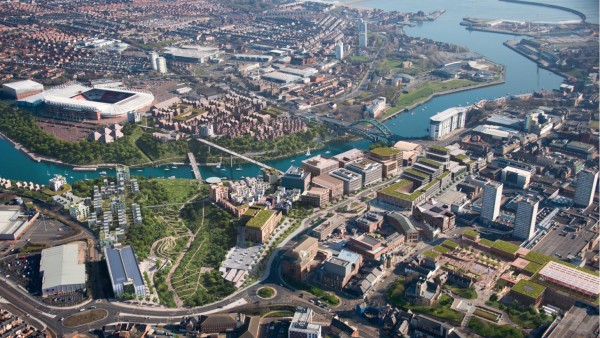
Sunderland
Coastal culture, Northern grit, and a welcoming city break.
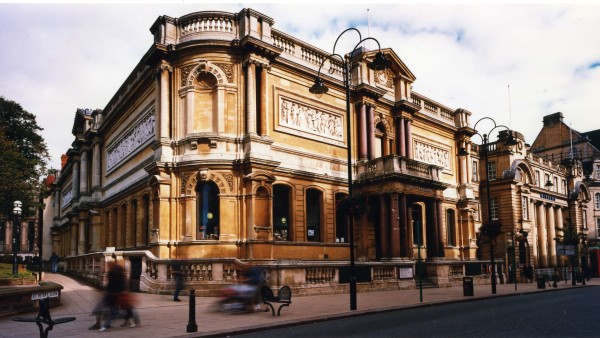
Wolverhampton
Where urban heritage meets a welcoming food-and-culture stop
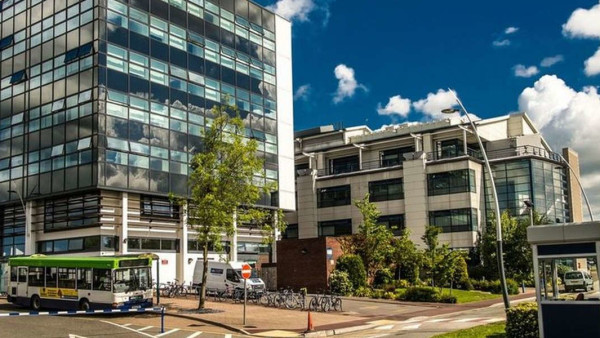
Derby
Historic streets, easy access, and a welcoming UK city break

Plymouth
A maritime city base with easy access and a wider British LGBTQ+ backdrop.
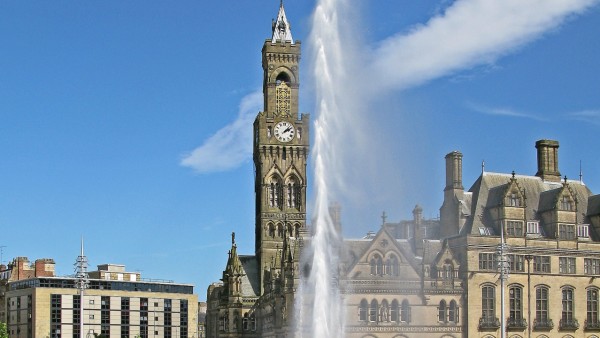
Bradford
Where heritage, film, and community meet.