- Home
- United Kingdom
- Birmingham
About Birmingham
As England’s second-largest city and one of the country’s major metropolitan centres, Birmingham has a scale and diversity that make it especially relevant to LGBTQ+ travellers looking for a city with real community depth.
It is a place where local culture, activism, and everyday city life meet in a way that feels distinctly West Midlands and unmistakably urban.From an LGBTQ+ point of view, Birmingham matters not only because of its size, but because it sits within a broader British context where queer visibility, rights, and community life have evolved in public, city-based spaces.
The city’s major role in the UK also means visitors can expect the kinds of institutions, neighbourhoods, and cultural venues that shape inclusive travel experiences in a large metropolitan area.For LGBTQ+ travellers, one of the city’s best-known annual highlights is Birmingham Pride, a major celebration of queer community, visibility, and activism that brings the city together each year.
Birmingham is also associated with the Gay Village in the Southside area, which is widely recognised as a focal point for LGBTQ+ nightlife and community presence in the city.
Together, these make Birmingham a meaningful stop for travellers who want both celebration and context.In my experience, Birmingham is best understood as a city that combines practical urban access with a lived-in sense of identity.
It is not just a place to pass through; it is a city where LGBTQ+ history, contemporary culture, and public celebration are part of the wider travel picture.
Our Review
When I write about Birmingham, I’m always struck by how much of the United Kingdom’s urban story is concentrated here.
As England’s second-largest city and one of the country’s major metropolitan centres, Birmingham has a scale and diversity that make it especially relevant to LGBTQ+ travellers looking for a city with real community depth.
It is a place where local culture, activism, and everyday city life meet in a way that feels distinctly West Midlands and unmistakably urban.
From an LGBTQ+ point of view, Birmingham matters not only because of its size, but because it sits within a broader British context where queer visibility, rights, and community life have evolved in public, city-based spaces.
The city’s major role in the UK also means visitors can expect the kinds of institutions, neighbourhoods, and cultural venues that shape inclusive travel experiences in a large metropolitan area.
For LGBTQ+ travellers, one of the city’s best-known annual highlights is Birmingham Pride, a major celebration of queer community, visibility, and activism that brings the city together each year.
Birmingham is also associated with the Gay Village in the Southside area, which is widely recognised as a focal point for LGBTQ+ nightlife and community presence in the city.
Together, these make Birmingham a meaningful stop for travellers who want both celebration and context.
In my experience, Birmingham is best understood as a city that combines practical urban access with a lived-in sense of identity.
It is not just a place to pass through; it is a city where LGBTQ+ history, contemporary culture, and public celebration are part of the wider travel picture.
Social Acceptance and Safety in Birmingham, United Kingdom
When I spend time in Birmingham, I see a city where LGBTQ+ life is visible, established, and very much part of the urban fabric.
Birmingham is the UK’s second-largest city by population, and that scale matters: it brings diversity, a broad mix of neighbourhoods, and a public culture where different identities are generally present in everyday life.
As in any major city, experiences can vary from one district to another, but Birmingham’s overall setting is one where LGBTQ+ travellers are likely to find themselves in a broadly tolerant environment.
From a travel perspective, I would describe Birmingham as a city where openness is normalised in many central areas, especially around the well-known LGBTQ+ nightlife and community spaces in the city centre.
Birmingham Pride also contributes to that visibility by bringing LGBTQ+ people and allies into the streets in a public, city-wide celebration.
That matters not just for atmosphere, but for the message it sends: queer presence here is not hidden, and it is part of the city’s public life.
General attitudes towards LGBTQ+ people
In practical terms, Birmingham benefits from being a large, multicultural English city within the United Kingdom, where legal protections for LGBTQ+ people exist at the national level.
On the ground, that usually translates into a city where LGBTQ+ visitors can move around comfortably in central, busy areas and expect a generally respectful social environment.
I would still advise travellers to remember that attitudes can differ by setting, especially between lively city-centre districts and quieter residential or nightlife-adjacent streets late at night.
For me, the strongest impression of Birmingham is that it has an active and visible queer community rather than a token presence.
That visibility tends to make the city feel more welcoming to LGBTQ+ travellers, particularly those seeking spaces where they can be open without standing out.
Safety concerns and staying safe
As with any major city, the main safety considerations in Birmingham are the ordinary urban ones: staying aware of your surroundings, especially at night; keeping an eye on belongings in crowded places; and planning your route home in advance after an evening out.
This is especially relevant if you are moving between nightlife areas and transport hubs late at night.
If you are travelling as an LGBTQ+ visitor, I would also suggest the usual common-sense precautions: trust your instincts, avoid escalating unwanted attention, and consider using well-lit, busy streets when walking after dark.
In nightlife settings, it is wise to stay with friends where possible, watch drinks carefully, and use licensed transport options for late journeys.
These are standard city-safety habits, but they are particularly useful when you are unfamiliar with a neighbourhood.
I also recommend checking current local advice before you go out, especially if you plan to travel across the city late in the evening.
Conditions can change depending on time of day, event schedules, and transport availability.
Neighbourhoods and areas to know
For LGBTQ+ travellers, the most clearly recognised and welcoming area is Southside, particularly the city’s long-established Gay Village around Hurst Street.
This is the part of Birmingham I would identify first if someone is looking for LGBTQ+ nightlife, community visibility, and a more openly queer social atmosphere.
It is one of the city’s best-known LGBTQ+ hubs and a natural starting point for visitors who want to be in the heart of queer Birmingham.
By contrast, I would be more cautious about making assumptions in less central or less busy areas, particularly late at night, simply because the atmosphere can become quieter and less predictable.
I cannot responsibly label broad parts of Birmingham as “unwelcoming” without verified evidence, but like any large city, comfort levels can vary street by street and hour by hour.
For LGBTQ+ travellers, my practical advice is to prioritise central, busy districts and recognised queer spaces when you want the most reassuring environment.
My practical takeaway
My local-expert view is that Birmingham is a city where LGBTQ+ travellers can generally feel at ease, especially in the centre and around Southside.
It is a large, diverse, and openly urban place, and its LGBTQ+ visibility is supported by established community life and events such as Birmingham Pride.
The safest and most comfortable experience usually comes from sticking to well-trafficked areas, planning ahead at night, and using the city’s recognised LGBTQ+ spaces as your anchor points.
Community and Support
When I write about Birmingham from an LGBTQ+ point of view, I always start with the city’s scale and its sense of community.
Birmingham is the second-largest city in Britain and one of the UK’s major urban centres, which matters because bigger cities tend to support more visible queer networks, specialist services, and peer support.
That is certainly the case here: if you are looking for LGBTQ+ support, Birmingham has the kind of metropolitan infrastructure that makes it easier to find community, even if services are spread across the wider city.
For local LGBTQ+ life, I would point readers toward the city’s established queer quarter in Southside, around Hurst Street, which is widely known as Birmingham’s Gay Village.
That area is the most obvious place to begin if you are trying to connect with LGBTQ+ people or find community-facing venues and events.
Birmingham Pride is also a major annual moment in the city’s LGBTQ+ calendar, and it plays an important role in visibility, mutual support, and community organising.
On the support side, I would be careful to distinguish between city-based LGBTQ+ spaces and the broader health system.
Birmingham, like the rest of the UK, is served by the National Health Service, so residents and visitors who need healthcare should look to NHS services for general medical care, mental health support, and sexual health services.
In practical terms, that means Birmingham’s support landscape is shaped not only by LGBTQ+ organisations, but also by NHS provision that can be accessed through local GP practices, hospitals, and sexual health clinics.
For HIV/AIDS support, the most reliable route is again through the NHS and specialist sexual health services.
The UK has national systems for HIV testing, treatment, and long-term care, and Birmingham’s size means there is access to specialist urban healthcare rather than only smaller local services.
If someone is worried about their sexual health, I would always encourage them to use official NHS pathways rather than trying to piece together informal advice.
Mental health is another area where Birmingham’s urban scale is an advantage.
The city’s healthcare network includes NHS mental health support, which is important for LGBTQ+ travellers and residents who may be dealing with isolation, discrimination, or stress.
In a city as large and diverse as Birmingham, I would expect people to find more options than they might in a smaller town, but the key point is still to rely on verified NHS routes for assessment and care.
From a community perspective, my strongest advice is to use Southside as a starting point and then build outward from there: community visibility is strongest there, while healthcare and support are accessed through the wider city’s NHS system.
Birmingham’s size, diversity, and established queer geography make it one of the more practical UK cities for LGBTQ+ people who want both social connection and access to mainstream services.
Useful verified references for Birmingham and the UK context: Birmingham, United Kingdom.
Events and Nightlife
When I look at Birmingham through an LGBTQ+ lens, the city’s social life really concentrates in and around the city centre, especially in Southside.
That is the area most consistently associated with Birmingham’s LGBTQ+ nightlife and community presence, and it is where I would start if I were exploring the city as a queer traveler.
The biggest annual moment is Birmingham Pride, one of the city’s most visible LGBTQ+ events.
Pride brings parades, live entertainment, and a public celebration of LGBTQ+ life into the heart of the city.
For me, that matters not just as a festival, but as a clear sign of how Birmingham’s queer community claims space in public view.
Outside Pride season, Birmingham’s LGBTQ+ nightlife is centered on a cluster of well-known venues in the Gay Village area of Southside.
The most established name is The Nightingale Club, a long-running Birmingham nightclub that has been an important part of the city’s queer nightlife history.
In the same area, The Fountain Inn is another familiar LGBTQ+ venue, offering a more traditional bar setting.
Sidewalk is also part of the Southside scene and is widely recognised as an LGBTQ+ bar and social space.
Together, these venues anchor the area’s after-dark identity.
What I find distinctive about Birmingham is that its LGBTQ+ nightlife is not only about clubs late at night.
Southside also works as a social district, with places where people meet before or after events, Pride activities, or a night out.
The result is a compact, walkable scene that feels rooted in community rather than scattered across the city.
For travelers, my practical advice is simple: if you want the most clearly LGBTQ+-oriented evening environment in Birmingham, head to Southside / the Gay Village near Hurst Street.
That is the city’s best-known nightlife base for queer visitors, and it is the area most closely tied to Birmingham Pride and the city’s wider LGBTQ+ social life.
Verified references: Birmingham
Cultural and Social Activities
When I look at Birmingham through an LGBTQ+ lens, what stands out most is how strongly the city’s social life is tied to its centre, its cultural institutions, and its long-running queer visibility.
Birmingham is England’s second-largest city and one of the UK’s major urban centres, so there is a real sense of scale here: you are not looking for a niche scene tucked away on the margins, but for LGBTQ+ life that sits inside the wider cultural rhythm of a big metropolitan city.
The best-known focal point remains Southside, especially around Hurst Street, which is widely recognised as Birmingham’s Gay Village.
For social life, Southside is the place I would point travellers to first.
It is the city’s most established LGBTQ+ district and the clearest place to feel part of Birmingham’s queer community, especially in the evenings and during major events.
Birmingham Pride is the city’s signature LGBTQ+ celebration and a major date in the local calendar, bringing together community visibility, activism, and social life in one public space.
It is also the best-known moment each year when Birmingham’s LGBTQ+ presence is unmistakably on display.
In cultural terms, Birmingham offers a strong wider arts scene that LGBTQ+ visitors can plug into even when programming is not explicitly queer.
The city is home to important institutions such as the Birmingham Museum and Art Gallery, the Ikon Gallery, and Symphony Hall at the city’s cultural core, all of which sit within a city that supports a broad mix of audiences and artistic expression.
For me, that matters: a city’s LGBTQ+ friendliness is not only about bars and clubs, but also about whether queer visitors can comfortably participate in its museums, galleries, and performance spaces as part of ordinary civic life.
On the heritage side, Birmingham’s LGBTQ+ story is most visibly concentrated in its contemporary queer geography rather than in heavily branded tourist landmarks.
The most important place to know is Southside itself, because it is where the city’s LGBTQ+ nightlife and social identity are most clearly mapped.
Pride also functions as a living landmark of sorts, marking the way queer communities have claimed space in a city centre that is busy, commercial, and highly visible.
If you are interested in LGBTQ+ history in Birmingham, I would treat the Gay Village and Pride route as the key places to understand first.
When it comes to notable LGBTQ+ figures connected to Birmingham, the city is especially associated with Peter Tatchell, the human rights campaigner and one of Britain’s best-known LGBTQ+ activists, who was born in Melbourne, Australia but is strongly linked to Birmingham through his upbringing in the city.
That matters in a guide like this because Birmingham’s LGBTQ+ identity is not only about venues and events; it is also part of a wider tradition of political activism and public advocacy.
Beyond him, Birmingham’s queer influence is often felt less through single celebrity landmarks and more through the city’s ongoing community presence, Pride visibility, and cultural participation.
If I were guiding an LGBTQ+ traveller through Birmingham’s cultural and social life, I would say: start in Southside for the immediate community atmosphere, use Pride as your reference point for the city’s public queer culture, and then move through Birmingham’s wider arts institutions as part of the city’s mainstream cultural life.
That combination of visible queer space and major-city culture is what makes Birmingham feel authentic rather than performative.
Useful references: Birmingham, United Kingdom.
Accommodation
When I look at Birmingham through an LGBTQ+ travel lens, I see a city where the most practical accommodation advice is also the most grounded: stay central if you want easy access to the city’s queer social life, and use established booking platforms and hotel policies to check inclusivity before you reserve.
Birmingham is the UK’s second-largest city, with a population of about 1.2 million, and that scale matters because it gives travelers a wide choice of mainstream hotels, serviced apartments, and short-stay options in the city centre and surrounding districts.
Birmingham
For LGBTQ+ visitors, I would prioritise areas close to the city centre, especially Southside and the surrounding core districts, because that is where Birmingham’s best-known LGBTQ+ nightlife and community presence is concentrated.
Staying nearby can make evenings easier and reduce the need for late-night transport.
I would also consider other central neighbourhoods with strong transport links if the property itself clearly states inclusive policies.
The key is not the postcode alone, but whether the accommodation is close to the places you actually plan to use and whether the business is visibly comfortable serving LGBTQ+ guests.
When I’m advising readers on how to choose inclusive accommodation, I recommend checking a few concrete points before booking.
First, I look for explicit non-discrimination or diversity statements on the hotel’s official website.
Second, I read recent guest reviews for comments about staff attitude and whether same-sex couples felt welcomed.
Third, I prefer properties that use inclusive language in their room descriptions and guest policies.
Fourth, if I am booking through a third-party platform, I still cross-check the hotel’s own website because the property’s direct policy is usually the clearest indicator of how it presents itself to guests.
In a city the size of Birmingham, I would treat well-known international hotel chains and large independent hotels as practical options simply because they tend to have standardized service procedures, which can be reassuring for LGBTQ+ travellers.
That said, I would not assume any chain is automatically inclusive; I always verify the current policy and recent reviews.
Small guesthouses, aparthotels, and serviced apartments can also be excellent choices if they are centrally located and clearly welcoming.
The best option is the one that combines location, transparency, and a good record of guest feedback.
From my perspective, the most useful neighbourhood strategy is simple: stay central if you want convenience, and stay near Southside if you want the easiest access to Birmingham’s LGBTQ+ scene.
If you prefer a quieter base, choose a central district with straightforward daytime connections into the city core.
Birmingham is a large metropolitan city rather than a compact resort town, so I find it helpful to think in terms of travel time and transit rather than trying to find a single “gay area” for lodging.
The city’s size means there are many workable options, but the best experience usually comes from staying where you can move comfortably between your accommodation, the railway station, nightlife, and cultural attractions.
My practical tip is to book accommodation that feels normal, central, and professionally run rather than trying to rely on assumptions.
In Birmingham, that approach usually serves LGBTQ+ travellers well: verify the property, choose a central location, and use Southside as the anchor point for your evening plans.
For a city as large and diverse as Birmingham, that combination gives the best balance of comfort, visibility, and ease of movement.
Dining and Entertainment
When I spend time in Birmingham from an LGBTQ+ travel perspective, I treat the city as a place where the most useful dining and entertainment advice is practical rather than performative.
Birmingham is a large, diverse city, and that matters: it means queer visitors can usually find a range of places to eat and go out without needing to limit themselves to one tiny district.
The city’s best-known LGBTQ+ nightlife is concentrated in Southside, near Hurst Street, but for daytime dining and mainstream entertainment I look across the centre more broadly, then choose venues that are openly welcoming and well reviewed.
For dining, I always start with the simplest local rule: look for clear signs that a venue is comfortable with everyone.
In Birmingham, that often means restaurants, cafes, and bars in busy central areas where staff are used to serving a diverse crowd.
I recommend checking recent reviews for mentions of friendly service, inclusive atmosphere, and comfort for same-sex couples or trans and non-binary guests.
That is especially useful in a city as large as Birmingham, where the dining scene ranges from independent cafes to major chains and casual all-day restaurants.
Southside is the area I would point LGBTQ+ travelers toward first if they want to combine food with queer nightlife.
It is Birmingham’s best-known LGBTQ+ district and the natural place to start an evening before heading to bars or clubs nearby.
For me, that makes it one of the most convenient parts of the city for a meal before Pride events, a theatre night, or a later night out.
Because Southside is also central, it is easy to reach other parts of the city by public transport or on foot.
When it comes to inclusive dining, I prefer venues that are transparent about their policies and easy to book directly.
That can include independent restaurants, cafe-bars, and hotel dining spaces in the city centre.
I avoid assuming that a famous brand is automatically welcoming; instead, I look for current guest feedback and the way a venue presents itself.
In a city like Birmingham, where the population is large and cosmopolitan, a professional and respectful service culture is often a strong indicator of a good experience.
For entertainment, Birmingham has one of the strongest mainstream cultural offerings in the UK, and I think that is important for LGBTQ+ visitors.
A queer trip here does not have to revolve only around nightlife.
The city’s theatre, cinema, live music, and arts spaces all offer ways to experience Birmingham in a broader and more public way.
The city is home to major venues such as the Birmingham Hippodrome, Birmingham Rep, and Symphony Hall, each of which contributes to the city’s established performance culture.
The theatrical side of Birmingham is especially worth noting.
Birmingham Hippodrome is one of the UK’s busiest theatres, and Birmingham Rep has a long reputation for producing and presenting new work alongside touring productions.
From a local expert’s point of view, that means queer visitors can usually find something substantial on at almost any time of year, from large-scale musicals to contemporary drama.
I find these venues particularly appealing because big-city theatres can offer a strong sense of inclusion simply through their diversity of audience and programming.
Live music is another major part of the city’s entertainment life.
Symphony Hall, in the city centre, is a key venue for classical music and other performances.
Birmingham’s broader live performance scene is also important because it gives LGBTQ+ visitors options beyond the Gay Village and beyond weekend nightlife.
If you want a more cultural evening rather than a club night, Birmingham supports that well.
Cinemas and multiplexes are also part of the entertainment picture, though I would not frame them as specifically LGBTQ+ venues unless they are running a clearly queer-focused screening or festival program.
What matters more, in my experience, is that Birmingham’s central entertainment districts make it easy to build a full evening: dinner, a film or show, and then a drink in Southside if you want to end the night in the city’s most visibly queer area.
For LGBTQ+ travelers, my main advice is this: choose venues that are central, busy, and visibly used by a mixed crowd.
Birmingham’s dining and entertainment scene is strongest when it is experienced as part of the city’s wider cultural life.
If you want queer-friendly nightlife, Southside remains the obvious anchor.
If you want dinner, theatre, or live performance in a setting that feels open and urban, the city centre gives you plenty of options.
In Birmingham, I see the food-and-entertainment scene as one of the city’s quiet strengths for LGBTQ+ visitors: not flashy, not overly curated, but broad, practical, and genuinely usable.
That combination makes it easy to enjoy the city on your own terms.
Travel Tips
When I visit Birmingham as an LGBTQ+ traveler, I treat it like a major British city: broad-minded in many places, busy, and generally straightforward to navigate if I plan ahead.
Birmingham is the UK’s second-largest city and a large metropolitan center, so the practical realities are the same ones I would use anywhere in a big city—stay aware, use reliable transport, and lean on established public spaces and well-known city-centre areas rather than isolated streets late at night.
My first practical tip is to start with the city centre and Southside if I want the strongest sense of LGBTQ+ community.
Birmingham’s LGBTQ+ life is most visibly associated with the Southside area, especially around Hurst Street, which is widely recognized as the city’s Gay Village.
That makes it the most natural place to connect with other queer travelers and to find a visible LGBTQ+ social atmosphere.
If I’m only in town briefly, I would prioritize that area because it concentrates the city’s queer-facing nightlife and community presence.
For local customs, I keep things simple: British city etiquette tends to reward politeness, personal space, and not making a scene in public.
In practice, that means I’m respectful in queues, careful not to assume familiarity too quickly, and mindful that people may be friendly but also fairly reserved at first.
In LGBTQ+ spaces, that same general courtesy usually goes a long way.
I don’t need to overexplain myself, but I also don’t assume every venue or every person will be overtly expressive.
The safest approach is to read the room and let the conversation set the tone.
My dos and don’ts are mostly the same common-sense ones I’d use in any large city.
I do keep my belongings secure, especially on public transport and in crowded nightlife areas.
I do plan my journey home before going out, because an easy exit matters more than improvising late at night.
I do check opening times and transport schedules in advance using official route-planning tools such as Traveline, which covers public transport planning across Great Britain.
I don’t assume I can walk everywhere safely after midnight, and I don’t leave transport decisions until the end of the evening.
For travel safety, I rely on the basic urban rulebook: stay in busy, well-lit areas, keep an eye on drinks, and use licensed taxis or pre-booked rides when the night gets late.
Birmingham is a large city, and while central areas are generally practical for visitors, the usual caution still applies.
I also avoid getting too isolated when I’m meeting people for the first time, whether that’s at a bar, after an event, or on the way back from dinner.
If I’m out alone, I make sure someone knows where I am and when I expect to be back.
When I’m trying to connect with the local LGBTQ+ community, I begin with the places that already function as meeting points.
Southside is the obvious first stop because it brings together queer nightlife and a visible social scene.
From there, Birmingham Pride is the city’s best-known annual LGBTQ+ event and an important way to meet local people, see community groups in action, and understand what matters locally.
Pride is not only a celebration here; it is also a public marker of community presence in the city.
I also think it is worth remembering that Birmingham is a large, multicultural city, so the LGBTQ+ experience is shaped by more than just the Gay Village.
That means I can have a good evening in mainstream city-centre spaces too, provided I choose places that are busy, reputable, and clearly welcoming.
If I’m looking for a low-pressure way into the scene, I’ll often start with a daytime coffee, then move into Southside later in the evening once I have a feel for the neighborhood.
My final piece of advice is to travel with realistic expectations: Birmingham is not a theme-park “gay destination,” but it does have a substantial and established LGBTQ+ presence, especially in Southside and during Pride.
For me, that makes it appealing in a different way—less performative, more local, and grounded in an actual community that is part of the fabric of the city.
Useful references: Birmingham, United Kingdom.
When I step back and look at Birmingham through an LGBTQ+ lens, what stands out most is its scale and its confidence.
As England’s second-largest city, Birmingham has the density, diversity, and civic weight to sustain a visible queer presence, and that matters.
The city is not defined by a single scene alone, but Southside and the Hurst Street area remain the clear heart of LGBTQ+ social life, while Birmingham Pride gives the community a powerful annual moment of visibility and collective celebration.
That said, Birmingham is still a large city, and that brings the same practical challenges any traveler should expect: nights can feel busy and fast-moving, transport planning matters, and it pays to stay aware of your surroundings, especially after dark.
For LGBTQ+ visitors, I would say the city’s main strength is that its queer life is established rather than performative.
You can find a real community here, not just a marketing slogan.
My advice is simple: start in Southside, give yourself time to explore Birmingham Pride if your visit overlaps with the event, and approach the city as you would any major urban destination—confidently, but sensibly.
If you want a place where LGBTQ+ culture is woven into the fabric of a major British city, Birmingham is well worth your time.
Explore it, enjoy it, and let the city’s queer spaces, civic energy, and everyday diversity shape your visit.
Other Guides in United Kingdom
London
Where history, nightlife, and community meet after dark
Southampton
Harbour heritage, urban style, and inclusive British travel
Liverpool
A waterfront city with a proud, visible queer scene.
Glasgow
Discover a city where art, nightlife, and community energy meet.
Leicester
Big nights, welcoming faces, and a culture-packed city break.
Edinburgh
A walkable capital where history meets inclusive city life.
Portsmouth
Historic harbours, open horizons, and inclusive travel on the south coast.
Worthing
Seaside heritage, local civic life, and a calm base for exploring the south coast
Manchester
Discover bold culture, nightlife, and community energy.
Belfast
Where history, heritage, and welcoming city life meet
Stoke-on-Trent
Where industrial heritage meets a welcoming cultural escape
Caerdydd
Elegant city breaks with a welcoming cultural edge
Leeds
Big-city energy, welcoming nights, and flavourful discoveries.
Nottingham
Historic streets, modern pride, and an easy city break with character.
Kingston upon Hull
Sea air, calm stays, and a thoughtful base for exploring East Yorkshire.
Bristol
Where culture, history, and inclusive city life meet by the water.
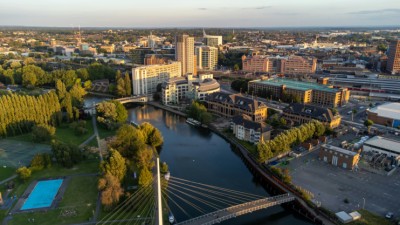
Reading
Historic streets, modern connections, and a quietly inclusive break.
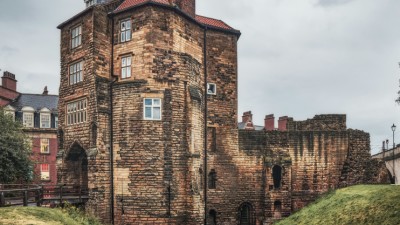
Newcastle
Where heritage meets a lively evening scene.
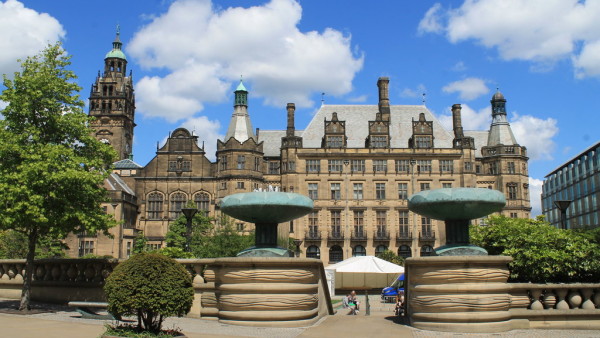
Sheffield
Where urban grit meets open horizons.
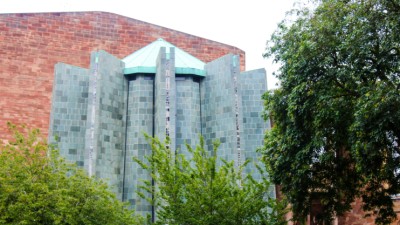
Coventry
Historic streets, modern culture, and a thoughtful city escape.
Bolton
Explore history, walk lightly, and travel with pride.
Westminster
Where civic heritage meets inclusive city exploration
Sunderland
Coastal culture, Northern grit, and a welcoming city break.
Wolverhampton
Where urban heritage meets a welcoming food-and-culture stop
Derby
Historic streets, easy access, and a welcoming UK city break
Plymouth
A maritime city base with easy access and a wider British LGBTQ+ backdrop.
Bradford
Where heritage, film, and community meet.