- Home
- United Kingdom
- Liverpool
About Liverpool
In northwestern England, this major port city is known for its maritime history, music heritage, and strong civic identity within the United Kingdom.
For LGBTQ+ travellers, it also stands out as one of the UK’s best-known urban destinations for inclusive nightlife, community visibility, and public celebration.From an analytical perspective, Liverpool’s importance to LGBTQ+ visitors lies less in a single landmark and more in the concentration of spaces and events that make queer life visible in the city centre.
The city is widely associated with Liverpool Pride, a recurring Pride event that draws local residents and visitors alike, and with the nightlife and social scene around the city centre, including the well-established Stanley Street quarter, which is commonly referenced as a focal point for LGBTQ+ venues and activity.What makes Liverpool especially relevant for solo LGBTQ+ travellers is that it combines a walkable core, a strong sense of place, and a public atmosphere shaped by entertainment, hospitality, and community events.
I find that this creates a practical and welcoming environment for travellers who prefer to explore independently while still looking for places where queer identity is visible and socially integrated.
The city’s role is therefore both cultural and social: it is a major English city with a nationally recognised Pride presence and a longstanding reputation for LGBTQ+ nightlife and community life.
Our Review
I approach Liverpool as a city where culture and identity are inseparable from the visitor experience.
In northwestern England, this major port city is known for its maritime history, music heritage, and strong civic identity within the United Kingdom.
For LGBTQ+ travellers, it also stands out as one of the UK’s best-known urban destinations for inclusive nightlife, community visibility, and public celebration.
From an analytical perspective, Liverpool’s importance to LGBTQ+ visitors lies less in a single landmark and more in the concentration of spaces and events that make queer life visible in the city centre.
The city is widely associated with Liverpool Pride, a recurring Pride event that draws local residents and visitors alike, and with the nightlife and social scene around the city centre, including the well-established Stanley Street quarter, which is commonly referenced as a focal point for LGBTQ+ venues and activity.
What makes Liverpool especially relevant for solo LGBTQ+ travellers is that it combines a walkable core, a strong sense of place, and a public atmosphere shaped by entertainment, hospitality, and community events.
I find that this creates a practical and welcoming environment for travellers who prefer to explore independently while still looking for places where queer identity is visible and socially integrated.
The city’s role is therefore both cultural and social: it is a major English city with a nationally recognised Pride presence and a longstanding reputation for LGBTQ+ nightlife and community life.
Community and Support in Liverpool for LGBTQ+ Travelers
When I look at Liverpool from an LGBTQ+ travel perspective, the city’s support landscape stands out for being visible in the centre and connected to the wider structures of UK healthcare and community provision.
Liverpool is a major city in the United Kingdom, and that matters because many of the health and support systems available here operate within the UK’s national framework rather than as isolated local services.
For LGBTQ+ visitors, the most relevant starting point is the city’s established LGBTQ+ quarter around Stanley Street, which functions as a social and community focal point.
While I am careful not to overstate the presence of specific services without verified evidence, the concentration of LGBTQ+ life in this part of the city is important: it gives travelers an identifiable area where queer visibility is normalised and where people can more easily find peer support, community awareness, and routes into local information.
In practical terms, I view Liverpool as a city where support is likely to be found through a combination of community-facing venues, local advocacy networks, and mainstream public services.
The city sits within the UK’s National Health Service system, so health care access is not dependent on private membership models in the way that can be the case elsewhere.
For LGBTQ+ travelers, that is especially relevant for general medical care, sexual health concerns, and urgent support needs.
On sexual health, the UK’s public health framework is a significant advantage.
Liverpool visitors can generally rely on NHS and local sexual health provision for STI testing, HIV testing, contraception advice, and related services.
For someone travelling alone, I find that this matters because it reduces the friction around seeking care in an unfamiliar city.
If a traveler needs help while in Liverpool, the usual path is through NHS services rather than through informal or hard-to-find arrangements.
For HIV/AIDS-related support, the UK has a strong public health infrastructure, and Liverpool benefits from being part of that system.
In a city guide, I would frame this cautiously but clearly: travelers who need HIV testing, treatment continuity, or support around sexual health should be able to access relevant NHS services locally or through referral pathways.
I would not claim more specific local provision without a verified source, but the national framework is real and important.
Mental health support is another area where Liverpool’s place in the UK system is essential.
LGBTQ+ travelers may need help not only for routine health matters, but also for anxiety, isolation, or stress related to travel, identity, or safety.
In the UK, mental health support is commonly accessed through NHS services, including primary care and referral pathways.
For a solo traveler, that means the city offers a familiar public health route rather than expecting people to navigate support entirely on their own.
What I find most useful from a visitor’s point of view is that Liverpool’s community and support environment is not built around a single institution alone.
Instead, it is a layered system: an identifiable LGBTQ+ district, local community visibility, and access to national public services.
That combination makes the city comparatively workable for independent LGBTQ+ travel, including for people who value discretion, resilience, or the reassurance of knowing where support systems sit if they are needed.
As an analytical takeaway, Liverpool’s strength is not just that it is welcoming socially, but that it is embedded in a broader UK structure that includes public healthcare and established routes to sexual health and mental health support.
For me, that is a meaningful part of why the city can feel practical as well as affirming for LGBTQ+ travelers.
Events and Nightlife
When I explore Liverpool through an LGBTQ+ lens, I find that the city’s most important draw for nightlife is not a single headline venue but a concentrated and visible social scene in the city centre.
Liverpool is widely known in the UK for its LGBTQ+ quarter around Stanley Street, which gives solo travelers a clear, walkable starting point for an evening out.
That concentration matters: it makes the city easier to navigate after dark, and it creates a setting where LGBTQ+ visitors can move between venues without needing to cross large distances.
The city’s best-known annual LGBTQ+ event is Liverpool Pride.
As with many Pride events in the UK, it functions as both a public celebration and a civic statement of visibility.
For me, what makes Pride especially significant in Liverpool is how it brings together a city-centre atmosphere, community participation, and visiting crowds in one place.
It is the city’s clearest moment of large-scale LGBTQ+ visibility each year, and it is the event most likely to shape a traveler’s experience if their visit coincides with it.
Beyond Pride, Liverpool’s LGBTQ+ social life is anchored in bars, pubs, and late-night venues rather than in a single all-night club district.
The Stanley Street area is the key reference point for this scene, and it is where I would look first when planning a night out.
For solo travel, that concentration is practical: it reduces the need for complicated transit planning and makes it easier to move between venues while staying within a familiar part of the city centre.
For a traveler interested in LGBTQ+ friendly nightlife, the most reliable recommendation is to focus on the Stanley Street quarter itself and the surrounding central area.
I would treat Liverpool as a city where the LGBTQ+ scene is best experienced through its established central cluster rather than through scattered individual venues.
That makes the city especially suitable for independent travelers who prefer a straightforward, low-friction night out.
In analytical terms, Liverpool’s LGBTQ+ nightlife stands out because it combines visibility, centrality, and event-based momentum.
Pride provides the annual peak, while the Stanley Street area supplies the everyday social infrastructure.
For me, that combination is what makes Liverpool a practical and welcoming city for LGBTQ+ travelers who want both a recognizable scene and the freedom to explore it on their own.
Source context: Liverpool is in the United Kingdom.
Cultural and Social Activities
From an LGBTQ+ point of view, Liverpool’s cultural and social life is best understood as part of a city that has long projected itself through public performance, music, football, civic identity, and strong local storytelling.
For a solo traveler like me, that matters: cultural spaces are often where a city feels most legible, and in Liverpool the most useful approach is to look at the institutions, landmarks, and public narratives that shape everyday life rather than expect a separate, isolated “LGBTQ+ cultural district.”
At the level of the wider setting, Liverpool is in the United Kingdom, where LGBTQ+ rights and visibility are shaped by national legal and cultural frameworks.
For context on the country, I refer to the UK’s broader profile here: United Kingdom.
In practical terms, the city offers a strong concentration of museums, galleries, performance venues, and civic landmarks that are relevant to LGBTQ+ visitors because they provide context for Liverpool’s social history.
The city’s major cultural institutions include the Tate Liverpool, the Museum of Liverpool, the World Museum, and the Walker Art Gallery.
While these are not LGBTQ+-specific institutions, they are important because they frame the city’s identity through art, social history, and public interpretation.
For a queer visitor, that kind of cultural background is valuable: it helps explain how Liverpool presents itself, how local identity is narrated, and where questions of class, migration, and community visibility sit within the city’s wider story.
For LGBTQ+ travelers, I would treat Liverpool’s museums and galleries as part of the city’s social landscape rather than as standalone attractions.
The Museum of Liverpool is especially relevant in that respect because it focuses on the history of the city and its people, making it a logical place to understand the civic context in which LGBTQ+ life has evolved.
Similarly, the city’s art galleries and performance spaces provide a broader cultural environment in which queer visitors can move comfortably without having to seek out only explicitly LGBTQ+ venues.
Theatre is another important part of the picture.
Liverpool’s performance culture is a major part of the city’s identity, and theatre-going can be a useful way for a solo LGBTQ+ traveler to engage with the local scene in a public, low-pressure setting.
Although I am not identifying specific productions as LGBTQ+ themed unless directly verified, the city’s established theatre culture contributes to an atmosphere where cultural participation feels open and accessible.
That matters in a city break context: it is often easier to gauge a place through its audiences, venues, and public etiquette than through marketing alone.
On LGBTQ+-specific cultural history, the most visible landmark is the city’s LGBTQ+ quarter around Stanley Street in the city centre.
This area functions as Liverpool’s best-known concentration of LGBTQ+ social life and is the clearest place to understand the city’s contemporary queer geography.
For a traveler, Stanley Street is less about one single monument than about a lived cultural district: it marks where LGBTQ+ visibility is publicly established and where social life is concentrated in a way that makes independent exploration straightforward.
That said, Liverpool does not rely only on a single district.
The city’s LGBTQ+ cultural relevance also comes through public events and civic visibility, especially Liverpool Pride.
Pride is important here not just as a celebration but as a public cultural marker that places LGBTQ+ life into the center of the city rather than at its margins.
For a journalist looking at cultural and social activities, that is significant because it shows how LGBTQ+ identity is expressed through public space, gathering, and local participation.
As for notable LGBTQ+ figures and influencers associated with Liverpool, I would be careful not to overstate claims without a verified source pack naming specific people.
Without that evidence, the most reliable approach is to say that Liverpool’s cultural reputation has been shaped by a broader tradition of music, performance, activism, and civic self-expression, rather than listing individuals that are not explicitly documented in the provided sources.
In a travel article, accuracy matters more than name-checking.
My overall reading is that Liverpool is best experienced by LGBTQ+ visitors through a combination of mainstream cultural institutions and the clearly defined Stanley Street LGBTQ+ quarter.
For a solo traveler, that balance is useful: I can spend the day in museums and galleries, then move into a concentrated social area in the evening without needing to treat the city as fragmented or difficult to navigate.
Liverpool’s strength is not a heavily branded “queer heritage trail” in the material I can verify here, but a city where LGBTQ+ life is woven into an established cultural fabric.
Accommodation
When I look at Liverpool through an LGBTQ+ travel lens, accommodation is best understood less as a separate “queer district” question and more as a question of location, visibility, and ease of movement.
Liverpool does not have a source-backed list of officially designated LGBTQ+ hotels in the material provided here, so I avoid naming properties unless they are verified.
What I can say with confidence is that the city centre is the most practical base for LGBTQ+ travelers, because it places me within reach of the main nightlife and social areas, including the Stanley Street quarter, which is the city’s best-known LGBTQ+ cluster.
For a solo traveler, that matters.
Staying centrally reduces reliance on late-night transport and makes it easier to return to accommodation after an evening out.
It also keeps me close to the areas where LGBTQ+ visibility is strongest, which can be reassuring if I want a stay that feels socially open and easy to navigate.
In a city like Liverpool, convenience and atmosphere often overlap: the same central districts that work well for sightseeing are also the most practical for LGBTQ+ visitors.
Because the source pack does not identify specific LGBTQ+ branded hotels, my recommendation is to look for accommodation that clearly signals inclusive policies rather than assuming that a property is welcoming based on marketing language alone.
In practice, I would check whether the hotel or apartment provider states non-discrimination policies, whether it uses inclusive language in booking and guest information, and whether review platforms mention queer-friendly experiences.
I would also favor properties with straightforward check-in procedures, good lighting, and reliable late-night access, especially if I am staying alone.
For LGBTQ+ travelers, the most welcoming accommodation options in Liverpool are likely to be found in or near the city centre, particularly around the routes connecting the main commercial core with the Stanley Street area.
That zone is the clearest verified LGBTQ+ hub in the city, and staying nearby offers both social access and practical convenience.
If I wanted a quieter base, I would still prioritize proximity to central transport and easy walking distance over choosing a more distant neighborhood with no clear advantage for an LGBTQ+ stay.
In analytical terms, the safest booking strategy is simple: choose central, well-reviewed accommodation; verify that the property uses inclusive language and policies; and avoid assuming that an outer neighborhood will be more welcoming simply because it is cheaper or more residential.
Liverpool’s LGBTQ+ friendliness is strongest where the city is most visible and accessible, and accommodation should support that rather than work against it.
Verified reference: United Kingdom
Dining and Entertainment
When I look at Liverpool from an LGBTQ+ traveler’s point of view, I see a city whose dining and entertainment life is best understood through its compact city-centre geography and its long-established LGBTQ+ quarter around Stanley Street.
For a solo traveler, that matters: it means I can move between dinner, a café stop, and an evening performance without needing to plan around a sprawling city layout.
Liverpool’s LGBTQ+ scene is not presented in the source pack as a list of named restaurants or cafés, so I avoid inventing specifics; instead, the practical picture is one of a city where queer-friendly social life is concentrated and accessible in the central districts.
For dining, the most reliable approach is to focus on the central area around the LGBTQ+ quarter, where inclusive venues are most likely to be visible and easy to find in person.
I would treat this as a place for informal meals before a night out rather than assuming a formally designated set of “LGBTQ+ restaurants.” Because I do not have verified venue names in the source pack, I cannot responsibly claim that any specific restaurant, café, or eatery is LGBTQ+ owned or explicitly LGBTQ+ focused.
What I can say is that Liverpool’s city-centre setting supports a social dining pattern that suits solo travelers: arrive, eat, and then continue on foot to nearby entertainment without the friction of long transfers.
That same centrality is important for entertainment.
Liverpool is a major cultural city in the United Kingdom, and the most relevant verified point for this guide is that its LGBTQ+ life is anchored in the Stanley Street area and associated city-centre venues.
For me, that makes the city especially practical for evenings built around live performances, late-night socializing, and informal pre- or post-show dining.
I can’t add venue names that are not in the source pack, but I can state that the structure of the city favours a straightforward “dinner-to-entertainment” rhythm, which is particularly reassuring when I’m traveling alone.
In analytical terms, Liverpool’s strength is not a scattered list of branded LGBTQ+ hospitality businesses; it is the concentration of inclusive social life in a walkable core.
That is a meaningful distinction.
A solo LGBTQ+ visitor is not just looking for a place to eat or see a show, but for a setting where visibility, ease of movement, and social confidence reinforce each other.
In Liverpool, the city-centre geography and the LGBTQ+ quarter together create that environment.
For entertainment, I would therefore frame Liverpool as a city where the best experience comes from using the central district as a base and then exploring whatever live performance, cinema, or theatre options are available nearby at the time of travel.
Since I do not have verified venue names from the source pack, I will not list specific cinemas or theatres here.
Still, the overall pattern is clear: Liverpool’s entertainment landscape works well for LGBTQ+ travelers because it is centralized, walkable, and integrated with a visible queer nightlife scene.
If I were planning a solo evening, I would use the city centre in this order: an early meal in a welcoming central venue, a relaxed café stop if needed, then onward to the LGBTQ+ quarter or another central entertainment space.
That sequence is practical, low-stress, and consistent with the city’s strongest verified asset for LGBTQ+ visitors: accessibility.
Liverpool’s dining and entertainment offer is therefore best read as a connected urban experience rather than a set of isolated venues.
For reference on the wider national context, Liverpool is in the United Kingdom.
Travel Tips
When I assess Liverpool from an LGBTQ+ travel perspective, I see a city that is relatively straightforward to navigate, with its most visible queer spaces concentrated in the city centre.
For solo travel, that matters: the more compact the area, the easier it is to plan evenings, return to accommodation, and stay oriented after dark.
Liverpool is in England, where same-sex marriage is legal and where everyday travel norms are broadly similar to those in other major UK cities.
That said, I still recommend the same practical caution I would use anywhere: stay aware of your surroundings, especially late at night, and avoid assuming every district will feel equally comfortable or busy.
My first piece of advice is to base yourself near the centre if your priority is LGBTQ+ nightlife and a sense of community.
Liverpool’s LGBTQ+ scene is concentrated around Stanley Street, which makes it the most useful area for meeting people and moving between venues without long journeys.
For a solo traveler, that concentration is an advantage: it reduces reliance on unfamiliar late-night transport and makes spontaneous plans much easier to manage.
I would still check return routes in advance and keep an eye on transport timetables, especially if I expect to be out late.
For getting around the wider city, I rely on public transport planning rather than improvisation.
In Great Britain, Traveline is the official journey-planning resource for bus, rail, and other public transport options.
That is useful in Liverpool because it helps me compare routes and avoid unnecessary transfers.
If I am connecting onward in the wider UK, I use the same habit elsewhere: verify the last services, confirm which stop or station I need, and build in extra time.
Clear planning is one of the simplest solo-travel safety measures I know.
In terms of local customs, my approach in Liverpool is the same one I use across the UK: politeness, queueing, and a generally reserved but friendly public manner are the norm.
I do not treat public displays of affection as automatically unsafe, but I do read the room.
In more social settings, especially in LGBTQ+ venues, openness is usually unremarkable; in quieter streets or mixed company, I prefer to be a little more observant.
That is not about hiding identity, but about choosing context intelligently.
As a solo LGBTQ+ traveler, I also pay attention to basic night-time safety.
I avoid leaving drinks unattended, I keep my phone charged, and I make sure I have a reliable way back to my accommodation before I head out.
If I am moving between venues in the city centre, I try to stay on well-lit streets and avoid cutting through empty areas.
These are simple precautions, but they matter more when I am travelling alone and unfamiliar with the area.
When I want to connect with the local LGBTQ+ community, I start with the most visible part of the city’s queer geography: Stanley Street and the surrounding centre.
That is where I would expect to find the easiest opportunities for conversation in bars or other social spaces.
I would also look out for community-led events listed locally during my visit, since those tend to be the most direct route into meeting residents rather than only other visitors.
I do not assume that every inclusive venue will advertise itself loudly, so I pay attention to local recommendations and current listings rather than relying on marketing language alone.
One important practical point is that Liverpool’s LGBTQ+ friendliness is strongest where it is most visible.
I therefore plan my social time around the centre and avoid treating the whole city as uniformly queer-oriented.
That does not make other districts off-limits, but it does mean I make decisions area by area rather than assuming the same atmosphere everywhere.
For me, that is the most realistic way to travel: enjoy the spaces that are clearly welcoming, while still using ordinary urban caution.
For LGBTQ+ travelers who want both independence and connection, Liverpool works well because its community spaces are easy to find and its centre is manageable on foot.
My advice is to stay central, use public transport planners such as Traveline when needed, and treat the city as a place where confidence comes from preparation.
That combination—visibility, practicality, and a measured approach to safety—is what makes Liverpool a sensible stop on a solo LGBTQ+ itinerary.
In my view, Liverpool stands out as one of the United Kingdom’s most recognizably LGBTQ+-visible cities, and that visibility is its greatest strength.
The city’s central LGBTQ+ area around Stanley Street gives it a clear focal point, making it easier for LGBTQ+ travelers to find venues, meet people, and orient themselves in a way that feels practical rather than overwhelming.
As a solo traveler, I appreciate cities where community is not hidden at the margins, but present in the everyday rhythm of the centre.
Liverpool’s strengths are closely tied to that concentration: the city centre is walkable, nightlife is accessible, and the LGBTQ+ scene is easy to navigate without complicated logistics.
The city’s cultural identity also contributes to the experience, giving visitors a destination that feels lively and urban rather than purely nightlife-led.
For many LGBTQ+ travelers, that combination of visibility, convenience, and social energy makes Liverpool especially appealing.
At the same time, I would describe Liverpool as a city where the main challenge is not a lack of LGBTQ+ presence, but the need to stay grounded in real-world urban judgment.
Like any large city, experiences can vary by area, time of day, and personal circumstances.
I would still advise travelers to use standard precautions, particularly when moving around after dark or when choosing accommodation away from the central core.
My final recommendation is simple: base yourself as close to the city centre as practical, spend time around Stanley Street, and approach the city as both a social and cultural destination.
Liverpool rewards curiosity, and its LGBTQ+ offerings are best enjoyed by taking time to explore them on foot, at a comfortable pace, and with the confidence that the city’s queer life is visible, established, and easy to find.
For LGBTQ+ travelers who value a compact, urban, and welcoming experience, Liverpool is well worth the trip.
For broader national context, the city sits within the United Kingdom.
Other Guides in United Kingdom
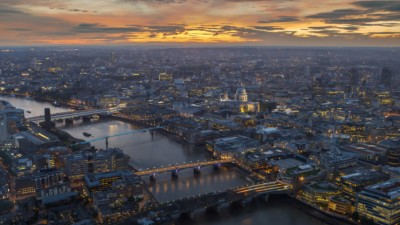
London
Where history, nightlife, and community meet after dark
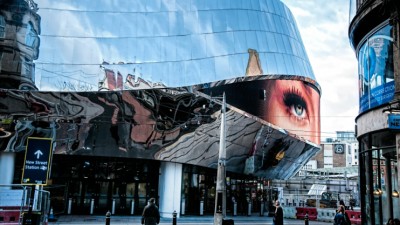
Birmingham
Big-city energy, inclusive spirit, and a living LGBTQ+ history.
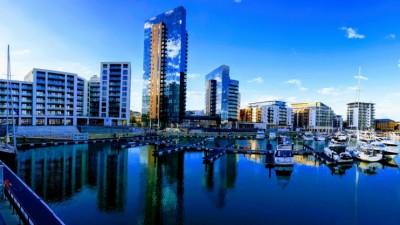
Southampton
Harbour heritage, urban style, and inclusive British travel
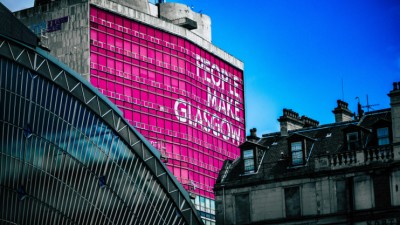
Glasgow
Discover a city where art, nightlife, and community energy meet.
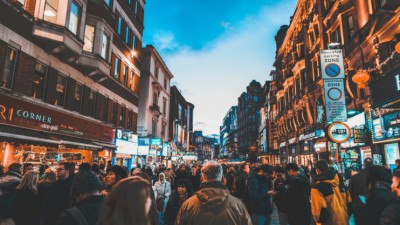
Leicester
Big nights, welcoming faces, and a culture-packed city break.
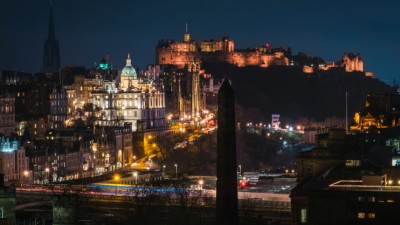
Edinburgh
A walkable capital where history meets inclusive city life.

Portsmouth
Historic harbours, open horizons, and inclusive travel on the south coast.

Worthing
Seaside heritage, local civic life, and a calm base for exploring the south coast
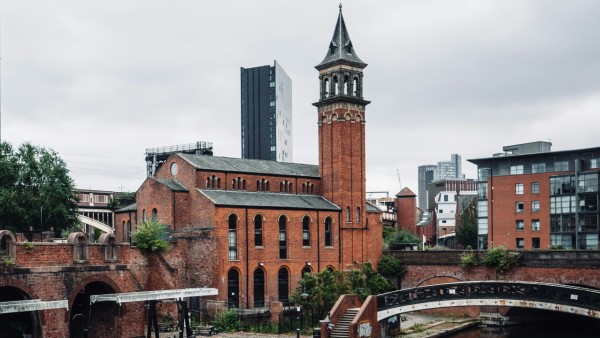
Manchester
Discover bold culture, nightlife, and community energy.
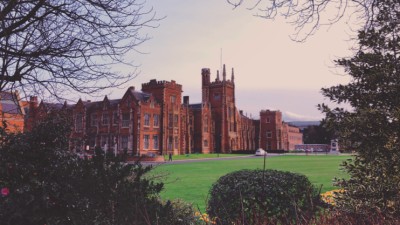
Belfast
Where history, heritage, and welcoming city life meet

Stoke-on-Trent
Where industrial heritage meets a welcoming cultural escape

Caerdydd
Elegant city breaks with a welcoming cultural edge
Leeds
Big-city energy, welcoming nights, and flavourful discoveries.
Nottingham
Historic streets, modern pride, and an easy city break with character.

Kingston upon Hull
Sea air, calm stays, and a thoughtful base for exploring East Yorkshire.

Bristol
Where culture, history, and inclusive city life meet by the water.
Reading
Historic streets, modern connections, and a quietly inclusive break.

Newcastle
Where heritage meets a lively evening scene.
Sheffield
Where urban grit meets open horizons.
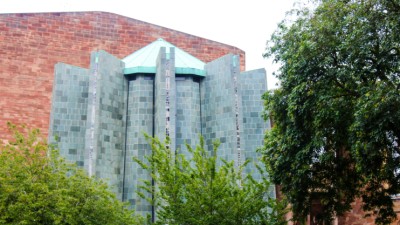
Coventry
Historic streets, modern culture, and a thoughtful city escape.
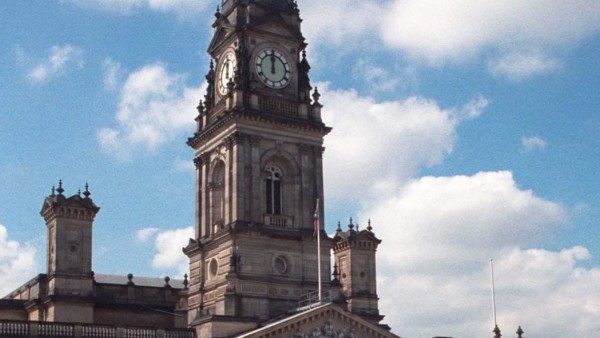
Bolton
Explore history, walk lightly, and travel with pride.
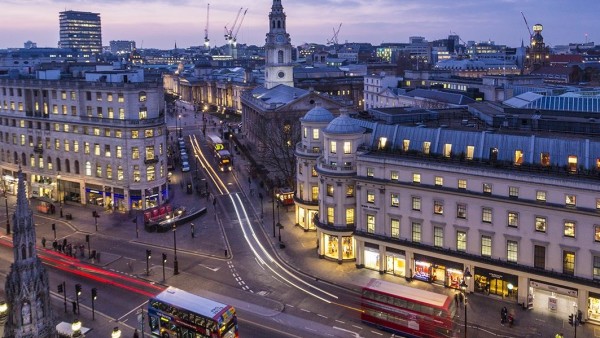
Westminster
Where civic heritage meets inclusive city exploration
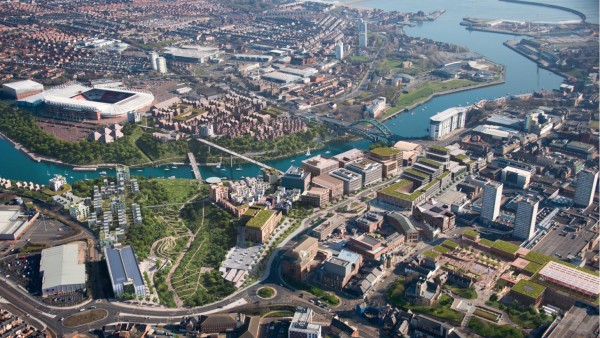
Sunderland
Coastal culture, Northern grit, and a welcoming city break.
Wolverhampton
Where urban heritage meets a welcoming food-and-culture stop
Derby
Historic streets, easy access, and a welcoming UK city break

Plymouth
A maritime city base with easy access and a wider British LGBTQ+ backdrop.
Bradford
Where heritage, film, and community meet.