- Home
- United Kingdom
- Newcastle
About Newcastle
The city sits on the River Tyne and is closely linked with Gateshead across the river, forming a wider urban area that is well known for its nightlife, events, and walkable central districts.From an LGBTQ+ perspective, Newcastle matters because it sits within a country where LGBTQ+ rights have developed substantially over time, and where major cities often provide the most visible community spaces, venues, and annual celebrations.
In the UK, lesbian, gay and bisexual rights are generally considered advanced by international standards, though the wider rights picture remains a topic of ongoing debate and review.
For visitors like me who value social energy, that means Newcastle can be approached as part of a broader British city travel experience where inclusive nightlife and public visibility are important to the visitor scene.For well-known LGBTQ+ culture in the city, the most established point of reference is Newcastle Pride, the local Pride event associated with the city’s LGBTQ+ community.
As with many Pride celebrations in the UK, it serves as both a public event and a marker of visibility, attracting residents and visitors alike.
Newcastle is also part of a region with a long-standing reputation for lively evenings, and that social character is one reason the city continues to stand out for LGBTQ+ travelers seeking a destination with energy after dark as well as daytime sightseeing.In short, I see Newcastle as a practical and social base for LGBTQ+ travel in the United Kingdom: a city with clear identity, a strong nightlife reputation, and an established Pride presence that signals ongoing community visibility.
Our Review
I am introducing Newcastle upon Tyne as one of the United Kingdom’s most recognisable urban centres in the north-east of England: a river city with a strong cultural identity, a major university presence, and a reputation for sociability that makes it especially relevant to LGBTQ+ visitors looking for an active, welcoming city break.
The city sits on the River Tyne and is closely linked with Gateshead across the river, forming a wider urban area that is well known for its nightlife, events, and walkable central districts.
From an LGBTQ+ perspective, Newcastle matters because it sits within a country where LGBTQ+ rights have developed substantially over time, and where major cities often provide the most visible community spaces, venues, and annual celebrations.
In the UK, lesbian, gay and bisexual rights are generally considered advanced by international standards, though the wider rights picture remains a topic of ongoing debate and review.
For visitors like me who value social energy, that means Newcastle can be approached as part of a broader British city travel experience where inclusive nightlife and public visibility are important to the visitor scene.
For well-known LGBTQ+ culture in the city, the most established point of reference is Newcastle Pride, the local Pride event associated with the city’s LGBTQ+ community.
As with many Pride celebrations in the UK, it serves as both a public event and a marker of visibility, attracting residents and visitors alike.
Newcastle is also part of a region with a long-standing reputation for lively evenings, and that social character is one reason the city continues to stand out for LGBTQ+ travelers seeking a destination with energy after dark as well as daytime sightseeing.
In short, I see Newcastle as a practical and social base for LGBTQ+ travel in the United Kingdom: a city with clear identity, a strong nightlife reputation, and an established Pride presence that signals ongoing community visibility.
Social Acceptance and Safety
When I look at Newcastle upon Tyne through an LGBTQ+ lens, I see a city shaped by the wider legal and social context of the United Kingdom, where lesbian, gay and bisexual rights are generally advanced by international standards, while trans rights and broader equality debates remain active and, in some areas, contested.
That national picture matters locally: it helps explain why Newcastle is widely experienced as a city where LGBTQ+ visitors can move around comfortably, even though no city is completely free of prejudice or risk.
At street level, Newcastle’s social atmosphere is generally considered open and lively.
In practical terms, that means I would expect most central areas, hospitality venues, and transport hubs to feel broadly welcoming to LGBTQ+ travelers, especially in busy parts of the city centre where there is constant foot traffic and a strong nightlife culture.
As always, visible confidence and normal urban caution go a long way.
For safety, my first rule in Newcastle is the same as in any major UK city: stay aware after dark, especially if I am moving between bars, clubs, or late-night transport.
Busy nightlife areas can feel friendly and social, but intoxication, street disorder, and opportunistic theft are still the main concerns rather than targeted anti-LGBTQ+ hostility.
I would keep my phone charged, plan my route home in advance, and use licensed taxis or reputable ride services rather than walking long distances alone late at night.
Another point worth stressing is that acceptance can vary by setting more than by neighborhood labels.
The city centre and its nightlife districts are the places where I would most expect an LGBTQ+ traveler to blend in comfortably, simply because these areas are busy, mixed, and accustomed to a wide range of people.
By contrast, quieter outlying areas may be less visibly LGBTQ+ oriented—not necessarily hostile, but less obviously geared toward queer social life.
I would avoid treating any area as uniformly safe or unsafe; context, time of day, and behavior matter more than a map line.
If I were advising a traveler who wants to enjoy Newcastle socially, I would say: keep your plans centered on well-trafficked parts of the city, travel with friends when possible, and trust your instincts if a situation feels uncomfortable.
Public displays of affection are common in many parts of the city, but discretion can still be sensible in unfamiliar settings, particularly late at night or when leaving nightlife venues.
Overall, Newcastle sits within a UK environment where LGBTQ+ rights are well established, and that generally translates into a city experience that feels reasonably open and manageable for queer visitors.
I would describe it as a place where social confidence is usually rewarded, but standard urban safety habits remain essential.
For broader legal context, I rely on the national picture described in LGBTQ rights in the United Kingdom.
Community and Support
When I look at Newcastle upon Tyne through an LGBTQ+ lens, I see a city whose support landscape is shaped as much by the wider UK framework as by local services in the North East.
The United Kingdom has a long-established legal structure for lesbian, gay, bisexual and transgender equality, but, as national reporting on LGBTQ rights in the United Kingdom shows, the picture is not static: progress, debate, and pressure points continue to coexist.
For a traveler or new resident, that means community support in Newcastle is best understood as a mix of mainstream health provision, local voluntary-sector support, and wider national resources rather than a single all-purpose LGBTQ+ hub.
At the city level, Newcastle benefits from being a large regional centre with major NHS services, higher-education institutions, and an established voluntary sector.
In practical terms, that matters.
People seeking support for mental health, sexual health, or general wellbeing are not reliant on niche services alone; they can access mainstream NHS pathways that are designed to serve the wider population, while also drawing on specialist organisations when specific LGBTQ+ experience or peer support is needed.
For sexual health and HIV support, the UK’s NHS framework is especially important.
Newcastle residents and visitors can use local NHS sexual health services for testing, treatment, contraception advice, and wider sexual health care.
HIV support is also part of the mainstream health system in the UK, with testing and treatment accessed through NHS pathways.
In a city like Newcastle, this means HIV-related care is not treated as a separate, hidden service: it sits within normal public health provision, which is a significant advantage for access and continuity of care.
Mental health support is similarly delivered through NHS services, with referrals and treatment available through general healthcare routes.
For LGBTQ+ people, the key issue is not whether care exists, but how easy it is to navigate it and whether a person feels comfortable being open about identity, relationships, or transition-related needs.
In my reporting, I would therefore frame Newcastle’s value not as having unusually exceptional LGBTQ+-specific mental health infrastructure, but as having access to a broad public health system that can be used alongside community support where needed.
Community resources matter just as much as formal healthcare.
Newcastle has a visible LGBTQ+ scene in the broader city centre and nightlife economy, but for support purposes I would distinguish between social spaces and service spaces.
Social venues and Pride-led visibility help people find community, yet support work is usually carried by charities, advice services, university groups, and NHS-linked organisations rather than by nightlife institutions.
That distinction is important: a city can be lively and welcoming without every social venue functioning as a support service.
Because the source pack provided here does not list specific local LGBTQ+ charities, community centres, or named support groups in Newcastle, I won’t invent them.
What I can say, with confidence, is that Newcastle’s LGBTQ+ residents and visitors are able to draw on the UK’s wider rights framework, local NHS services, and the city’s general urban support infrastructure.
In an analytical sense, that combination is often what makes a city genuinely usable for LGBTQ+ people: not just visibility, but reliable access to care and advice when it is needed.
From a travel perspective, this also affects how I assess the city’s friendliness.
A visitor who needs help does not only need a welcoming bar or a good Pride weekend; they need to know where to go if they need sexual health advice, mental health support, or urgent medical care.
Newcastle’s status as a major UK city gives it that baseline of provision.
The city’s LGBTQ+ value therefore lies less in any one famous organization than in the way its services connect local life to the broader NHS and to the UK’s established, though still evolving, equality framework.
In short, Newcastle’s community and support environment appears to be practical, city-based, and integrated into wider UK systems.
For LGBTQ+ people, that means access to mainstream health services, including mental health and HIV-related care, alongside the possibility of community connection through local networks and the city’s social life.
It is a model of support that depends on both formal institutions and everyday urban openness.
Events and Nightlife
When I look at Newcastle upon Tyne from an LGBTQ+ travel perspective, I see a city whose social life is shaped less by a single “pink district” and more by a broader, city-centre nightlife culture.
Newcastle is one of the major urban centres in north-east England, and its LGBTQ+ scene fits into that larger pattern: visible, social, and strongly tied to evenings out, live entertainment, and seasonal events.
The city’s best-known annual LGBTQ+ event is Newcastle Pride.
In practice, Pride is the clearest moment in the year when LGBTQ+ visibility moves to the forefront of the city’s public life.
It is the event I would point to first for travellers planning a visit around community celebration, marches, performances, and wider civic participation.
Like Pride events elsewhere in the UK, it functions both as a celebration and as a public expression of identity, bringing together residents, visitors, and local organisations in a shared urban setting.
Beyond Pride season, Newcastle’s LGBTQ+ social life is closely linked to its nightlife economy.
The city centre is the main area where I would focus my attention, because it concentrates bars, clubs, and late-night venues rather than separating LGBTQ+ life into a single enclosed quarter.
This matters for visitors: it means the scene is integrated into the wider nightlife landscape, so a night out in Newcastle often overlaps with the city’s broader restaurant, pub, and entertainment culture.
For LGBTQ+ travellers, that can be an advantage, since the environment is usually social and active rather than isolated.
From a practical standpoint, I would describe Newcastle as a place where LGBTQ+ friendly venues are most likely to be found in busy central areas and along established nightlife streets.
The city’s nightlife reputation is tied to its sociability, and that makes it attractive for travellers who want a lively evening atmosphere.
While individual venue line-ups can change over time, the overall pattern is consistent: the best options for meeting people, dancing, or spending time in queer-friendly spaces are generally in the central districts rather than in quieter residential areas.
Because verified venue information is limited in the source pack, I would avoid naming specific bars or clubs without current, direct confirmation.
What can be said confidently is that Newcastle’s LGBTQ+ nightlife is supported by the city’s size, its student and visitor populations, and the concentration of leisure businesses in the centre.
In other words, the city offers a setting where LGBTQ+ visitors can reasonably expect to find social spaces without needing to search far beyond the main entertainment zone.
My overall reading is that Newcastle is best understood as a social city with a visible LGBTQ+ calendar rather than a destination defined by a handful of headline venues.
If I were planning a trip with nightlife in mind, I would time it to coincide with Pride if possible, and otherwise base my evenings around the city centre, where the density of bars and clubs gives the strongest chance of finding a welcoming crowd and an active atmosphere.
Cultural and Social Activities
When I look at Newcastle upon Tyne from an LGBTQ+ cultural perspective, I see a city whose strengths lie less in a formally designated queer cultural quarter and more in its broader urban cultural life.
Newcastle is a major city in north-east England, and that matters: its museums, galleries, theatres, and public spaces are part of a dense city-centre environment where LGBTQ+ visitors can take part in mainstream culture without needing to separate “queer” and “non-queer” activities too rigidly.
For cultural travel, I always find it useful to start with the city’s most established institutions.
Newcastle’s major museums and galleries are not LGBTQ+-specific, but they are relevant to LGBTQ+ visitors because they shape the city’s cultural atmosphere and provide inclusive public spaces for art, history, and performance.
The city centre concentration of venues makes it easy to combine daytime cultural visits with evening social life, which suits travelers who want a trip that moves naturally from galleries and exhibitions to dinner, drinks, and nightlife.
One of the city’s most significant cultural landmarks is the BALTIC Centre for Contemporary Art in Gateshead, just across the River Tyne from Newcastle.
It is not an LGBTQ+-specific institution, but it is a major contemporary art venue in the wider Newcastle-Gateshead cultural area and is widely relevant to culturally minded visitors.
I would include it as part of any serious cultural itinerary because it reflects the city region’s strong commitment to contemporary visual culture and public access to the arts.
Newcastle’s theatre scene is also an important part of the visitor experience.
The city has a long-established performing arts culture, and its theatres contribute to the atmosphere that makes the centre feel active and socially open.
For LGBTQ+ travelers, theatre-going is not only about the programming itself; it is also about being in a public cultural environment where diversity is normal and where an evening out can be shared with a broad cross-section of the city.
That broader social mix is one of Newcastle’s real strengths.
In terms of LGBTQ+-specific cultural activity, the clearest citywide example is Newcastle Pride.
As a Pride event, it is both a social celebration and a public cultural gathering, bringing together community groups, performers, residents, and visitors.
I would treat it as the city’s most visible LGBTQ+ cultural moment.
It is important, however, to distinguish Pride from the city’s permanent cultural institutions: Pride is an event, while museums, galleries, and theatres are year-round cultural assets.
Together, they show how LGBTQ+ life in Newcastle is expressed through both celebration and everyday participation in public culture.
On historical landmarks, I should be careful not to overstate what can be verified.
The source pack does not identify a long list of dedicated LGBTQ+ heritage sites in Newcastle, so I would not invent one.
What can be said with confidence is that Newcastle’s significance for LGBTQ+ visitors is tied more to its contemporary social geography than to a heavily marked queer-historical trail.
In practical terms, that means the city works well for travelers who want to experience LGBTQ+ life through present-day social culture, public events, and inclusive urban spaces rather than through a formal heritage itinerary.
When it comes to notable LGBTQ+ figures and influencers specifically associated with Newcastle, I do not have enough verified information in the source pack to name individuals confidently, and I will not speculate.
For a factual travel guide, it is better to omit that element than to risk misattribution.
If you want a profile section on local personalities, I would need a reliable source list naming them directly.
Overall, my assessment is that Newcastle offers LGBTQ+ visitors a strong cultural experience because its museums, art spaces, and theatres are embedded in an energetic city-centre environment, while Newcastle Pride provides the clearest LGBTQ+-specific cultural expression.
The city is best understood as a place where queer travel and mainstream urban culture overlap naturally, making it especially suitable for visitors who enjoy art, performance, and social energy in the same trip.
Accommodation
When I assess Newcastle upon Tyne from an LGBTQ+ travel perspective, accommodation is one of the city’s more straightforward strengths.
As part of the United Kingdom—where lesbian, gay and bisexual rights are considered advanced by international standards—Newcastle benefits from the same broad legal framework and mainstream hospitality standards that I would expect in a major English city.
That does not automatically make every property equally inclusive, but it does mean I can usually approach the city’s accommodation market with a reasonable expectation of professionalism and non-discrimination, especially in well-established hotels.
For verified background on the national context, I would point readers to the United Kingdom and to the country’s LGBTQ+ rights framework: United Kingdom and LGBTQ rights in the United Kingdom.
In practical terms, that broader setting matters because it shapes how accommodation providers operate, how staff are trained, and what levels of service and guest protection travelers can reasonably expect.
What I can say with confidence about LGBTQ+ friendly accommodation in Newcastle is that the city’s most reliable options will generally be mainstream hotels, apartment-style stays, and serviced accommodation in central, well-connected parts of the city.
I would not frame Newcastle as a city defined by a separate, branded LGBTQ+ hotel scene.
Instead, I would look for accommodation that is visibly professional, centrally located, and accustomed to serving a wide mix of domestic and international guests.
For me, the most useful practical filter is not whether a property markets itself as LGBTQ+ friendly, but whether it demonstrates inclusive standards in concrete ways.
That means clear non-discrimination policies, respectful language in bookings and guest communications, consistent handling of double-bed or room-type requests, and a location that makes late-night returns simple and safe.
In a city like Newcastle—where social life is concentrated around the centre—those basics matter just as much as décor or price.
How I would look for inclusive accommodation:
- Check the property’s policies and tone. I look for neutral, professional language that treats all couples and solo travelers equally.
- Read recent guest reviews carefully. I pay attention to comments about staff attitude, discretion, and how bookings are handled.
- Choose central locations when nightlife is part of the plan. Newcastle’s city centre is the most practical base for evening activities and easier transport access.
- Use major booking platforms with detailed filters. I look for properties with strong review histories, clear room descriptions, and straightforward cancellation terms.
- Contact the hotel directly if I have a specific concern. A direct, polite pre-arrival message can clarify room setup and check-in procedures without making the trip feel awkward.
I also think location is the key accommodation issue in Newcastle.
The city centre is the most logical base for LGBTQ+ travelers who want easy access to restaurants, bars, and evening venues, because that is where the city’s social energy is most concentrated.
Staying centrally reduces dependence on late-night walking and makes taxis, buses, and onward connections easier to manage.
For a travel style that is social and nightlife-oriented, that is the most practical choice.
Beyond the immediate centre, I would treat neighborhoods more as logistical choices than as rigid “safe” or “unsafe” zones.
Newcastle is a large urban area, and comfort can vary by street, time of day, and the type of property rather than by neighborhood label alone.
In other words, I would not assume that one district is universally better for LGBTQ+ visitors than another.
What matters most is whether the accommodation is in a busy, well-connected part of the city and whether it feels professionally run.
My bottom line: for LGBTQ+ travelers, Newcastle is best approached as a city where inclusive accommodation is found mainly through the quality of the property and the practicality of the location, rather than through a separate niche market.
I would prioritize central hotels and serviced stays, verify policies before booking, and use the city centre as the main base for a stay that is both sociable and convenient.
Dining and Entertainment
When I look at Newcastle upon Tyne from a LGBTQ+ travel perspective, I see a city whose dining and entertainment offer is best understood through its broader urban culture rather than through a long list of explicitly queer-branded venues.
That matters, because Newcastle’s appeal is not based on a single “LGBTQ+ district”; it is built on a compact city centre, a strong night-time economy, and a well-established reputation as one of England’s major social cities.
In practical terms, that gives LGBTQ+ visitors a fairly straightforward environment in which to eat, drink, and go out.
At the national level, the United Kingdom provides the legal framework that shapes this experience.
LGBTQ+ rights in the UK are generally advanced by international standards, although the picture is not static and debates around equality continue.
For travelers, that means hospitality and entertainment venues in a city like Newcastle usually operate within a mainstream framework of legal protection and social familiarity.
The result is not a guarantee of universal comfort, but it does create a broadly workable setting for dining out and attending performances with less friction than in many other places.
A useful general reference on the country is the United Kingdom overview, and the broader legal context is outlined in LGBTQ rights in the United Kingdom.
For dining, what stands out in Newcastle is convenience and variety rather than a formally documented queer restaurant scene.
I would describe the city centre as the most practical base for LGBTQ+ visitors because it concentrates restaurants, cafés, bars, and late-opening venues in a walkable area.
That matters for social travelers: when I go out in a city like Newcastle, I want to move easily from dinner to a show, or from a café meet-up to a late-night venue without relying too heavily on transport.
In that sense, the city centre supports a fluid social rhythm that suits LGBTQ+ visitors who want to spend an evening meeting people and staying out late.
Because the source pack does not verify specific LGBTQ+-branded restaurants or cafés, I would avoid naming individual eateries as if they were official queer institutions.
What I can say, with confidence, is that Newcastle’s central hospitality scene is where visitors are most likely to find inclusive service simply because it is the city’s busiest and most diverse environment.
In travel reporting, I judge welcoming dining spaces by the everyday signals: professional staff, neutral and respectful service, visible diversity among patrons, and a general absence of performative exclusivity.
Newcastle’s mainstream central restaurants and cafés are the places where those conditions are most likely to be encountered.
Entertainment is where Newcastle becomes especially relevant to LGBTQ+ travelers.
The city has a strong reputation for nightlife, but it also offers a fuller evening culture that includes cinemas, theatres, live performance spaces, and large-scale cultural venues.
I see that mix as important, because queer travel is not only about bars and clubs; it is also about being able to participate in the city’s cultural life without feeling marked as an outsider.
Newcastle’s entertainment economy is broad enough to make that possible.
Theatre is one of the city’s most important entertainment categories.
Newcastle’s central theatre and performance venues help give the city a social, outward-looking character, and they draw audiences that are not limited to any one demographic.
That matters to LGBTQ+ visitors because theatres often provide some of the most welcoming mixed spaces in a city: places where people come together around performance rather than identity labels.
Although I am not naming specific productions or claiming an LGBTQ+-exclusive programming pattern without source support, I can say that theatre is a significant part of Newcastle’s cultural appeal and an obvious option for queer travelers who want an evening out that is social without being entirely nightlife-led.
Cinemas and film venues play a similar role.
They are not usually LGBTQ+-specific spaces, but they are useful for travelers who want a relaxed night in the city centre before heading on to dinner or drinks.
In a place like Newcastle, that creates a layered evening economy: a film, a meal, a post-show conversation, and then perhaps a late-night venue.
For a journalist like me, that is part of what makes a city feel socially alive.
It is not only about what is available, but about how easily the different parts of the evening connect.
Live performance is another strength.
Newcastle’s music and performance culture gives the city a social energy that LGBTQ+ travelers can tap into whether they are visiting for a weekend or staying longer.
The city’s entertainment venues are part of a broader northern English urban culture that values sociability, loud rooms, and late hours.
That atmosphere tends to suit LGBTQ+ visitors who enjoy being in busy, mixed spaces where it is normal to arrive as a pair, a group, or alone and still feel part of the room.
What I think is most important, analytically, is that Newcastle’s dining and entertainment offer is inclusive by structure as much as by branding.
The city’s central concentration of venues means there are multiple options in close proximity, which reduces friction and increases choice.
Visitors do not need to build an itinerary around one famous gay venue or one narrowly defined district.
Instead, they can move through the city centre in a way that feels integrated with the wider urban scene.
That is often the real marker of an LGBTQ+ friendly city: not segregation into a separate “scene,” but participation in the ordinary life of the city on fair terms.
In conclusion, Newcastle upon Tyne is best understood as a city where LGBTQ+ visitors can expect a practical, socially active dining and entertainment environment.
The strongest options are in the city centre, where restaurants, cafés, cinemas, theatres, and live venues are concentrated.
I would not overstate the number of specifically LGBTQ+ branded eateries or performance spaces without verified evidence, but I can confidently say that Newcastle’s mainstream hospitality and cultural infrastructure makes it a workable and welcoming city for queer travelers who value good food, live performance, and a lively night out.
Travel Tips
When I assess Newcastle upon Tyne from an LGBTQ+ travel perspective, I start with the wider national context: the city sits within the United Kingdom, where lesbian, gay and bisexual rights are generally advanced by international standards, even if debates around trans rights and equality policy remain active.
That matters because much of the day-to-day experience for LGBTQ+ visitors in Newcastle is shaped less by a separate local rulebook and more by the UK’s mainstream urban norms, hospitality standards, and public-service framework.
In practical terms, I find Newcastle approachable, but like any city, it still rewards a thoughtful, situationally aware approach.
For travel planning, my first recommendation is to stay central if you want the easiest access to nightlife, restaurants, and public transport.
Newcastle’s city centre is compact enough to be manageable on foot in the day, but I would still plan my return journey in advance if I expect to be out late.
That is especially important on busy weekend nights, when streets can be crowded and taxis can be in demand.
As a journalist who likes social energy and late evenings, I consider this one of the city’s most practical strengths: I can move between dinner, drinks, and late-night venues without needing complicated logistics, but I still treat the trip home as something to sort out early.
In terms of local customs, I would describe Newcastle as a sociable, urban English city where straightforward friendliness is generally appreciated.
A polite, relaxed manner usually works well, and I would not overcomplicate interactions.
Public displays of affection are common in many parts of the UK, particularly in central nightlife and cultural areas, but I still advise reading the room, especially late at night or in quieter neighborhoods.
My rule is simple: I do not assume hostility, but I also do not assume every setting is equally comfortable.
That balanced approach reflects reality better than either overconfidence or unnecessary caution.
Safety is the area where I stay most analytical.
The most realistic risks for LGBTQ+ visitors in Newcastle are the same ones that affect many busy city centres: alcohol-fuelled disorder, opportunistic theft, and the ordinary uncertainty that comes with late-night travel.
I would keep my phone charged, avoid getting separated from my group if I am out socially, and use licensed taxis or reputable ride services after dark.
If I were traveling alone, I would be especially careful about late-night walking routes and would prioritize well-lit, busy streets rather than shortcuts.
I do not see Newcastle as a city where visitors need to be alarmed, but I do think smart urban habits make a noticeable difference.
Another point I would stress is that being “LGBTQ+ friendly” in practice depends on people as much as place.
For hotels, cafés, bars, and other service settings, I look for staff who are professional, neutral, and comfortable with difference.
I also pay attention to how spaces handle bookings, requests, and general customer interaction.
Even when I am not naming specific businesses, the standard I use is concrete: respectful language, no intrusive questions, and clear service without awkwardness.
That is the kind of everyday inclusion that matters most during a short visit.
When it comes to connecting with the local LGBTQ+ community, I would approach Newcastle as a city where social life and visibility are more useful entry points than rigid expectations of a single district or one official network.
The city’s nightlife and event culture provide the most obvious opportunities to meet people, especially around central areas and during major LGBTQ+ occasions such as Newcastle Pride.
I would use Pride as the clearest public moment for community connection, because it is the city’s best-known LGBTQ+ event and the most visible way to encounter local energy, organisations, and visitors in one place.
Outside that period, I would rely on mainstream city-centre social venues and community-facing events rather than expecting a separate, formally branded queer quarter.
I would also recommend checking current local listings before traveling, because LGBTQ+ calendars change and smaller gatherings are often time-sensitive.
In practice, my best advice is to arrive with a flexible plan: one that leaves room for spontaneous conversation, but does not depend on one exact venue or one exact evening.
That fits Newcastle well, because the city is social without being overcomplicated.
For me, that is the key travel lesson here: Newcastle works best for LGBTQ+ visitors who enjoy an active urban atmosphere, use ordinary safety judgment, and are comfortable meeting people in mixed, mainstream spaces as well as at dedicated community events.
Verified references: United Kingdom, LGBTQ rights in the United Kingdom.
As I see it, Newcastle upon Tyne is a city with several clear strengths for LGBTQ+ travelers, beginning with its location in the United Kingdom, where LGBTQ+ rights are broadly advanced by international standards.
That national context matters: it shapes the baseline expectation of safety, legal protection, and everyday access to services.
In Newcastle itself, the city centre is the most practical and socially active area for visitors, with nightlife, dining, and cultural venues concentrated close together.
For an LGBTQ+ traveler, that compact urban structure is a real advantage because it makes it easier to move between social spaces and to enjoy the city without needing to rely on a separate, isolated district.
The city’s biggest strength is its combination of openness, convenience, and social energy.
I find that Newcastle is best understood as a mainstream city with a visible LGBTQ+ presence rather than a destination defined by a single branded quarter.
That makes it especially appealing for travelers who want to mix queer-friendly nightlife with museums, theatres, restaurants, and general city exploration.
The city’s most visible LGBTQ+ moment is Newcastle Pride, which underscores that there is a real community presence here, even if the scene is not concentrated into one small area.
For many visitors, that balance between integration and visibility will feel both practical and authentic.
At the same time, I would not present Newcastle as free of challenges.
Like any busy UK city, it requires ordinary urban caution, especially at night.
The main concerns are less about targeted hostility than about the usual risks of nightlife districts: alcohol-related disorder, theft, and the need to plan safe transport home.
Acceptance can also vary by setting.
The city centre is generally the most comfortable and socially open environment, while quieter areas may simply feel less visibly LGBTQ+-oriented.
That is not the same as being hostile, but it does mean travelers should stay attentive to context and trust their instincts.
My recommendation for LGBTQ+ travelers is straightforward: base yourself in or near the city centre, use the area’s nightlife and cultural venues as your anchor, and plan ahead for evenings out.
If you are visiting around Newcastle Pride, you will get the city at its most publicly celebratory and community-focused.
If not, you can still enjoy the city’s broader atmosphere, where LGBTQ+ visitors are likely to find a professional, urban, and generally welcoming environment.
In other words, Newcastle rewards travelers who like to be social, who enjoy moving easily between venues, and who appreciate a city that feels lively without being overwhelming.
In sum, I would describe Newcastle as a strong and realistic LGBTQ+ destination: welcoming enough to be comfortable, energetic enough to be memorable, and compact enough to be easy to navigate.
For LGBTQ+ travelers, it offers a good mix of community visibility, mainstream urban enjoyment, and nightlife potential.
I would encourage visitors to explore it confidently, enjoy its social rhythm, and make the most of its LGBTQ+ offerings while keeping the normal awareness any city break calls for.
Other Guides in United Kingdom
London
Where history, nightlife, and community meet after dark
Birmingham
Big-city energy, inclusive spirit, and a living LGBTQ+ history.
Southampton
Harbour heritage, urban style, and inclusive British travel
Liverpool
A waterfront city with a proud, visible queer scene.
Glasgow
Discover a city where art, nightlife, and community energy meet.
Leicester
Big nights, welcoming faces, and a culture-packed city break.
Edinburgh
A walkable capital where history meets inclusive city life.
Portsmouth
Historic harbours, open horizons, and inclusive travel on the south coast.
Worthing
Seaside heritage, local civic life, and a calm base for exploring the south coast
Manchester
Discover bold culture, nightlife, and community energy.
Belfast
Where history, heritage, and welcoming city life meet

Stoke-on-Trent
Where industrial heritage meets a welcoming cultural escape
Caerdydd
Elegant city breaks with a welcoming cultural edge
Leeds
Big-city energy, welcoming nights, and flavourful discoveries.
Nottingham
Historic streets, modern pride, and an easy city break with character.
Kingston upon Hull
Sea air, calm stays, and a thoughtful base for exploring East Yorkshire.
Bristol
Where culture, history, and inclusive city life meet by the water.
Reading
Historic streets, modern connections, and a quietly inclusive break.
Sheffield
Where urban grit meets open horizons.
Coventry
Historic streets, modern culture, and a thoughtful city escape.
Bolton
Explore history, walk lightly, and travel with pride.
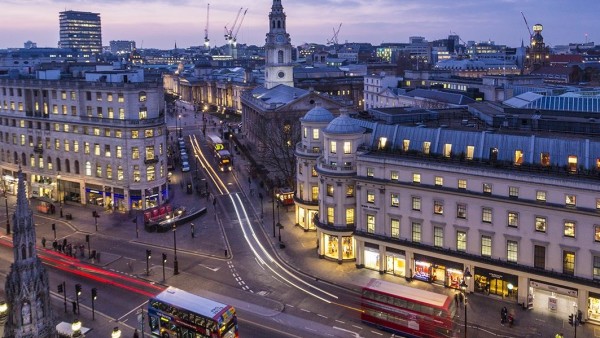
Westminster
Where civic heritage meets inclusive city exploration
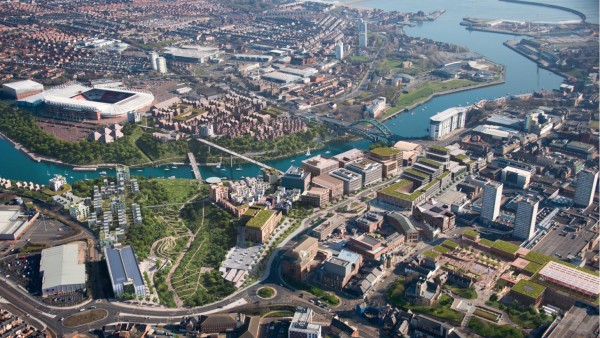
Sunderland
Coastal culture, Northern grit, and a welcoming city break.
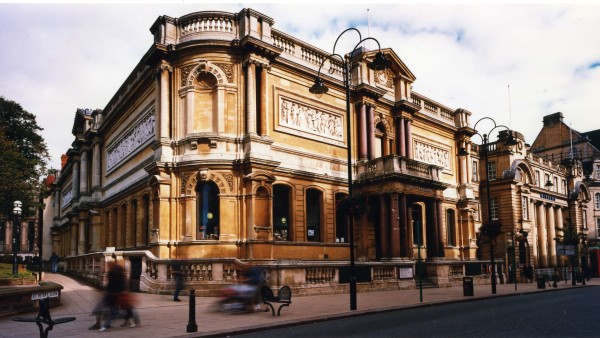
Wolverhampton
Where urban heritage meets a welcoming food-and-culture stop
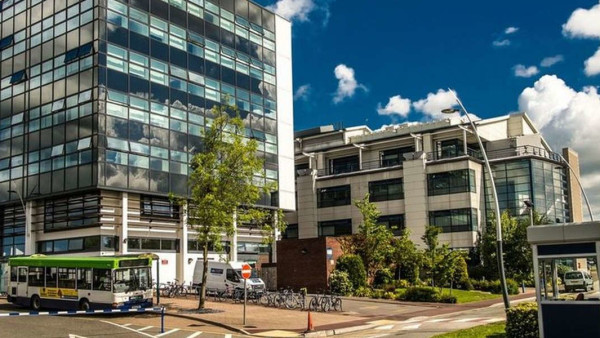
Derby
Historic streets, easy access, and a welcoming UK city break
Plymouth
A maritime city base with easy access and a wider British LGBTQ+ backdrop.
Bradford
Where heritage, film, and community meet.