- Home
- United Kingdom
- Sheffield
About Sheffield
It is the administrative centre of the City of Sheffield in South Yorkshire, historically part of the West Riding of Yorkshire, and one of the major cities of Northern England.
For LGBTQ+ travellers, that matters because Sheffield is not a polished postcard city; it is a working, lived-in urban place where community, culture, and everyday accessibility tend to shape the experience more than spectacle.From a travel perspective, Sheffield is often described as the original Steel City, and that industrial heritage still frames how many visitors understand it.
At the same time, the city is also known for its parks, woodland, and immediate access to the Peak District edge, which gives it a more spacious feel than many urban centres.
That combination makes it appealing to travellers who want both city life and the possibility of outdoor exploration.
I find that balance especially relevant for LGBTQ+ visitors who prefer destinations where culture is present, but not overwhelming, and where you can move between neighbourhood streets, museums, and green escapes at your own pace.In LGBTQ+ terms, Sheffield sits within the wider United Kingdom context, where lesbian, gay, and bisexual rights are generally advanced by international standards, while transgender and broader LGBTI rights remain part of an ongoing national conversation.
I would treat that as an important backdrop rather than a local claim: it shapes the legal and social environment in which queer travellers experience the city.
Sheffield itself is a large English city with a university presence and a reputation for being approachable rather than flashy, which often translates into a more understated urban atmosphere.When I look for LGBTQ+ significance in Sheffield, I do not see a single universally defining landmark or globally famous queer district in the way some bigger cities have one.
Instead, the city’s relevance lies more in its everyday inclusivity, its size, and its role as a regional centre.
Travellers can use Sheffield as a base for city exploration, live music, cultural venues, and outdoor day trips, while still expecting a city that is grounded, practical, and distinctly northern in character.
In other words, Sheffield is a destination where the LGBTQ+ experience is likely to be shaped less by showpiece branding and more by how the city functions as a welcoming, everyday place to stay, explore, and pass through.
Our Review
As I approach Sheffield, I see a city whose identity is shaped by industry, universities, hills, and a large amount of green space.
It is the administrative centre of the City of Sheffield in South Yorkshire, historically part of the West Riding of Yorkshire, and one of the major cities of Northern England.
For LGBTQ+ travellers, that matters because Sheffield is not a polished postcard city; it is a working, lived-in urban place where community, culture, and everyday accessibility tend to shape the experience more than spectacle.
From a travel perspective, Sheffield is often described as the original Steel City, and that industrial heritage still frames how many visitors understand it.
At the same time, the city is also known for its parks, woodland, and immediate access to the Peak District edge, which gives it a more spacious feel than many urban centres.
That combination makes it appealing to travellers who want both city life and the possibility of outdoor exploration.
I find that balance especially relevant for LGBTQ+ visitors who prefer destinations where culture is present, but not overwhelming, and where you can move between neighbourhood streets, museums, and green escapes at your own pace.
In LGBTQ+ terms, Sheffield sits within the wider United Kingdom context, where lesbian, gay, and bisexual rights are generally advanced by international standards, while transgender and broader LGBTI rights remain part of an ongoing national conversation.
I would treat that as an important backdrop rather than a local claim: it shapes the legal and social environment in which queer travellers experience the city.
Sheffield itself is a large English city with a university presence and a reputation for being approachable rather than flashy, which often translates into a more understated urban atmosphere.
When I look for LGBTQ+ significance in Sheffield, I do not see a single universally defining landmark or globally famous queer district in the way some bigger cities have one.
Instead, the city’s relevance lies more in its everyday inclusivity, its size, and its role as a regional centre.
Travellers can use Sheffield as a base for city exploration, live music, cultural venues, and outdoor day trips, while still expecting a city that is grounded, practical, and distinctly northern in character.
In other words, Sheffield is a destination where the LGBTQ+ experience is likely to be shaped less by showpiece branding and more by how the city functions as a welcoming, everyday place to stay, explore, and pass through.
Social Acceptance and Safety in Sheffield, United Kingdom
When I assess Sheffield from an LGBTQ+ travel perspective, I see a city shaped less by a single iconic queer district and more by the broader social climate of the United Kingdom, its university population, and its role as a large northern city.
Sheffield is the third-largest city in Northern England and a major urban centre in South Yorkshire, which gives it a fairly varied social landscape rather than one neatly defined neighbourhood identity.
In practical terms, that usually means attitudes can differ from one part of the city to another, but the overall setting is that of a mainstream English city within a country where lesbian and gay rights are considered advanced by international standards.
At the national level, the United Kingdom provides a legal and social framework that is generally supportive of LGBTQ+ travellers, especially compared with many parts of the world.
That does not mean every experience is uniformly positive, and it is important to note that transgender and broader LGBTI rights remain part of ongoing debate in the UK.
From a travel standpoint, however, I would treat Sheffield as operating within a generally protective national context, where open discrimination is not the norm, but where a visitor still benefits from standard urban awareness and situational caution.
General attitudes
In Sheffield itself, I would describe social acceptance as broadly moderate to good in the city’s central, educational, and cultural areas.
As with many large UK cities, I would expect the most comfortable environments to be around the city centre, transport hubs, and places with a younger, more mixed population.
Sheffield’s identity as a university city also tends to contribute to a more open atmosphere in many public settings.
That said, I would avoid assuming that every district has the same level of comfort or visibility for LGBTQ+ people.
Because Sheffield is not widely known for a highly concentrated LGBTQ+ quarter in the way some larger British cities are, the city’s queer-friendly character is more distributed and everyday than destination-marketing-led.
In my view, that can be reassuring for many travellers, but it also means there may be fewer obvious cues that a place is specifically LGBTQ+-oriented.
I would therefore rely on the same judgment I use in other mid-sized urban destinations: observe the setting, read the room, and choose venues and routes that feel active, central, and well-used.
Safety concerns and practical tips
From a safety perspective, the main issues for LGBTQ+ visitors in Sheffield are likely to be the ordinary ones associated with any city: nighttime transport, alcohol-fuelled behaviour, and less predictable conditions in quieter or less populated areas after dark.
I do not have verified information indicating specific widespread LGBTQ+-targeted safety problems in the city.
Still, I would advise visitors to use routine urban precautions, particularly when moving around late at night or when travelling alone.
My practical recommendations would be:
- Plan evening journeys in advance, especially if you are leaving the city centre late.
- Stick to busy, well-lit streets and established transport routes after dark.
- Use normal awareness around personal belongings and drink safety in nightlife settings.
- If you are uncertain about a location, choose central areas with regular footfall over isolated streets or edges of the city.
- Be mindful that comfort levels can vary, so trust your instincts if an area or venue does not feel welcoming.
I would also note that, as in much of the UK, casual public displays of affection between LGBTQ+ partners are generally not exceptional in urban settings, but discretion can still be sensible in unfamiliar spaces or around groups whose attitudes you cannot gauge.
That is less a warning about Sheffield specifically than a practical travel habit for staying comfortable.
Areas and neighbourhoods
Based on verified information, I cannot point to a formally established LGBTQ+ district in Sheffield.
That means I would not present any neighbourhood as officially queer quarters or claim any district is universally welcoming or unwelcome.
Instead, I would frame the city in broader terms:
- City centre: Usually the most practical and comfortable area for LGBTQ+ travellers, simply because it is busy, mixed, and well connected.
- University-adjacent areas: Often feel more open and youthful in many UK cities, including Sheffield, though I would still avoid making blanket claims about every street.
- Quieter outer areas: These may feel less immediately legible for LGBTQ+ visitors, not necessarily hostile, but often less predictable in tone.
I do not have verified evidence to label any Sheffield neighbourhood as especially less welcoming to LGBTQ+ people.
What I can say, with confidence, is that the city’s safest and most comfortable spaces for most visitors are likely to be the central, active parts of the city where public presence is higher and the urban environment is more mixed.
Overall, my reading of Sheffield is that it is a city where LGBTQ+ travellers can generally expect a normal urban British experience: broadly accepting in many central settings, supported by the wider legal climate of the UK, and best approached with the practical caution I would recommend in any large city.
It is not a place I would characterise as a high-risk destination, nor one I would oversell as a dedicated queer hotspot.
For me, its appeal lies in its grounded, pragmatic urban feel—comfortable enough for independent exploration, but still best navigated with the usual awareness one brings to any unfamiliar city.
Useful background: Sheffield, United Kingdom, LGBTQ rights in the United Kingdom, Wikivoyage: Sheffield.
Events and Nightlife in Sheffield for LGBTQ+ Travellers
When I look at Sheffield through an LGBTQ+ travel lens, I see a city whose nightlife and community life are shaped less by a single, highly branded queer district and more by the wider character of the city itself: a large Yorkshire centre with a strong student presence, a practical urban core, and a long reputation as the Steel City.
Sheffield is the administrative centre of the City of Sheffield, in South Yorkshire, and it sits within the broader context of the United Kingdom, where lesbian, gay and bisexual rights are generally advanced by international standards, even as transgender and wider LGBTI issues remain part of an ongoing national debate.
Sheffield LGBTQ rights in the United Kingdom
Annual LGBTQ+ events
Based on the verified sources available to me here, I cannot confirm a specific annual Pride parade, LGBTQ+ march, or recurring queer festival in Sheffield itself.
I therefore avoid naming events that are not directly supported by the source pack.
What I can say, factually, is that Sheffield sits in a national environment where Pride events and LGBTQ+ visibility are well established in many UK cities, and the city’s general urban and student profile makes it part of that wider cultural landscape.
For a travel guide, that means I would treat Sheffield as a destination where LGBTQ+ visitors can reasonably look for community-led events, seasonal club nights, and inclusive cultural programming, but I would verify dates and organisers locally before planning a trip.
Nightlife atmosphere
Sheffield does not present itself, in the sources I was given, as a city defined by a single famous gay village or a dense cluster of explicitly queer venues.
Instead, its nightlife appears to be embedded in the ordinary rhythm of a regional English city: pubs, bars, late-night social spaces, and music-led venues that serve a broad audience.
That matters for LGBTQ+ travellers because it suggests a scene that is likely more mixed and dispersed than destination cities with highly concentrated queer nightlife.
In practical terms, this usually means I would expect the most comfortable late-night environment to be in busy central areas rather than isolated outskirts, especially where there are students, cultural venues, and steady footfall.
Because the source pack does not verify specific LGBTQ+-branded bars or clubs in Sheffield, I will not invent a list of venues.
Instead, my advice as a travel journalist is to approach the city as a place where inclusion is expressed through the general hospitality ecosystem rather than through a single neighbourhood identity.
In a city like Sheffield, LGBTQ+ visitors often find their best experiences in venues that are visibly mixed, well used, and central, rather than in places marketed solely to one audience.
Where I would focus my search
If I were planning a night out in Sheffield, I would focus on the city centre and areas with strong evening activity, because those are the settings most likely to feel open and straightforward for LGBTQ+ travellers.
Sheffield’s character as Yorkshire’s second city and a major urban centre means it has the infrastructure for dining, drinking, and late-evening socialising, but the verified information I have does not justify naming particular streets or venues as officially LGBTQ+-friendly.
I would therefore keep my recommendations general and practical: choose busy places, check current listings before going out, and prefer venues that have an inclusive reputation in contemporary reviews and event calendars.
Practical takeaway for LGBTQ+ travellers
My overall assessment is that Sheffield offers a credible, comfortable nightlife base for LGBTQ+ visitors, but not one defined by a heavily branded queer entertainment district.
That is not a weakness; for many travellers, it is actually a plus.
It means the city’s social life can feel integrated, everyday, and less performative.
Sheffield’s place in the UK also matters: the legal framework for LGBTQ+ life is comparatively strong, and that underpins the broader social conditions visitors will encounter.
For me, the most accurate way to describe Sheffield’s LGBTQ+ nightlife is as city-centre-based, mixed, and likely to reward travellers who value an understated, practical, and genuinely local night out.
Accommodation in Sheffield from an LGBTQ+ perspective
When I assess accommodation in Sheffield, I start from the city’s broader context rather than from a single, clearly defined LGBTQ+ hotel scene.
Sheffield is a major northern English city with a large student population, a strong urban centre, and a travel profile that is more understated than highly branded.
In practical terms, that usually means I would look for inclusive service standards in mainstream hotels, aparthotels, and well-reviewed serviced stays rather than expect a dedicated rainbow lodging cluster.
Sheffield’s place in the United Kingdom also matters: the UK is generally regarded as having advanced legal rights for lesbian, gay and bisexual people, although national debates around transgender equality remain relevant.
What I look for in LGBTQ+ friendly accommodation
Because I am writing from an analytical travel perspective, I focus on measurable signs of inclusivity rather than assumptions.
In Sheffield, that means I would prioritise properties that make their non-discrimination policies visible, have consistent guest reviews mentioning respectful staff, and are located in busy, central areas with easy access to public transport.
Where a hotel or apartment booking platform allows it, I would also look for clear policies on same-sex couples, inclusive customer service, and guest feedback that reflects comfort from a range of travellers.
In a city like Sheffield, that practical approach is more useful than chasing labels that may not be formally advertised.
I would also advise checking whether the accommodation has modern, professionally managed front-desk procedures.
For LGBTQ+ travellers, the ease of check-in often matters as much as the room itself: clear booking records, efficient identification handling, and staff who are matter-of-fact rather than intrusive can make a significant difference.
That is especially relevant in a city that is not dominated by a single LGBTQ+ hospitality district.
Neighbourhoods and areas that are generally more comfortable
Sheffield does not have a verified, formally recognised LGBTQ+ quarter in the way some larger cities do, so I would not describe any neighbourhood as exclusively queer-focused.
However, as a journalist who pays attention to how cities function on the ground, I would generally expect the city centre to be the most straightforward base for LGBTQ+ travellers.
Central locations tend to offer better lighting, more foot traffic, stronger transport links, and easier access to restaurants, bars, cultural venues, and late-night services.
That combination usually translates into a more relaxed stay for queer visitors, especially if they are arriving for a short break.
The areas around the city centre and university-related parts of Sheffield are also likely to feel more open simply because they are busier, younger, and more mixed in terms of daily life.
I am careful here not to overstate this as a formal designation of inclusivity; rather, it is a practical observation based on how cities like Sheffield tend to function.
For travellers who want to move between accommodation, nightlife, and cultural attractions without depending heavily on taxis, a central base remains the most sensible option.
How I would choose a hotel or apartment in Sheffield
If I were planning a stay in Sheffield, I would first compare location, review quality, and transport access.
I would favour properties near the centre if the purpose of the trip involved evening events, museum visits, or a general city break.
I would also pay attention to whether the accommodation has a strong reputation for professional, respectful service, because that is one of the most reliable indicators of a welcoming environment for LGBTQ+ guests.
For apartment-style stays, I would look for hosts or management companies with clear house rules and responsive communication.
While independent stays can work very well, they benefit from extra due diligence: I would read recent reviews, confirm check-in procedures in advance, and check that the listing’s photos and description match the practical reality of the property.
In any city, but especially one without a clearly mapped queer accommodation scene, the best safeguard is consistent guest feedback.
Practical tips for finding inclusive accommodation
- Choose central or well-connected areas first, especially if you plan to go out at night.
- Read recent reviews carefully for comments on staff professionalism and guest comfort.
- Look for explicit anti-discrimination language in booking information where available.
- Prefer properties with clear, responsive communication before arrival.
- If you are travelling as a same-sex couple, confirm booking names and room arrangements in advance if needed.
- Use current map and transit information so you can judge how easy it will be to return after an evening out.
My overall assessment
My assessment is that Sheffield is best approached as a normal, modern UK city where LGBTQ+ travellers can usually stay comfortably by choosing a reputable, centrally located property.
I do not see verified evidence for a dedicated LGBTQ+ hotel scene or a named gay district, so I would not frame the city that way.
Instead, I would highlight the practical strengths Sheffield offers: a large urban centre, solid transport connections, and a broad British legal context in which lesbian, gay and bisexual rights are well established.
For travellers who prefer an authentic city break over a heavily marketed queer destination, that can be an advantage.
For further background on the city and its national context, I refer to Sheffield, Wikivoyage’s Sheffield guide, the United Kingdom, and LGBTQ rights in the United Kingdom.
Dining and Entertainment
When I assess Sheffield from an LGBTQ+ travel perspective, I see a city whose dining and entertainment scene is best understood as broadly inclusive rather than narrowly branded.
Sheffield is a major city in South Yorkshire, part of the wider urban fabric of northern England, and its cultural life reflects that position: practical, student-influenced, and varied rather than overtly glossy.
In the context of the United Kingdom, where LGBTQ+ rights are generally advanced by international standards, I can treat Sheffield as a place where queer visitors are most likely to find comfort in mainstream venues that feel open, professional, and easy to use.
What I can verify is that Sheffield is not widely documented in the supplied source pack as having a clearly defined LGBTQ+ dining quarter or a formally designated queer entertainment district.
That means I should avoid overstating any single venue or neighborhood.
Instead, the strongest factual conclusion is that LGBTQ+ travelers are likely to experience the city through ordinary, mixed-use hospitality spaces rather than through a dedicated cluster of queer restaurants or bars.
For a journalist, that matters: it tells me the city’s inclusivity is embedded in everyday urban life, not packaged as a niche tourism product.
For dining, the most reliable approach in Sheffield is to focus on venues that are visibly mainstream, centrally located, and well reviewed for service and atmosphere.
I cannot verify specific LGBTQ+-branded restaurants or cafes from the source pack, so I will not name any.
What I can say is that a city of Sheffield’s size and status, combined with the UK’s broader legal protections, creates a practical environment in which LGBTQ+ diners should look for the usual markers of welcome: respectful service, clear policies, and a relaxed, matter-of-fact response from staff.
In my experience as a travel writer, that often tells you more than a label ever could.
That same principle applies to cafes and casual eateries.
In Sheffield, I would expect the most comfortable spaces for LGBTQ+ travelers to be those that serve a wide cross-section of the city: students, professionals, families, and visitors.
Because I cannot verify any particular queer cafe scene from the source material, I would frame the city’s food culture as inclusive by default in the busier central areas, rather than as explicitly themed.
For travelers who prefer low-key, non-performative environments, that can actually be an advantage.
Entertainment in Sheffield is similarly best approached through the city’s broader cultural infrastructure.
I can verify from the source pack that Sheffield is a large northern English city with a strong urban identity and a notable student presence, but I do not have verified evidence here of specific LGBTQ+ cinemas, theaters, or live-performance venues.
So I would describe the entertainment landscape in general terms: visitors should expect the kinds of mainstream cultural options commonly found in a major UK city, where inclusivity is more likely to be reflected in the audience and staff culture than in overt branding.
For LGBTQ+ travelers, that usually means cinema trips, theater nights, and live music can be approached as ordinary city experiences rather than specialized niche outings.
The city’s size and role as a regional centre make it reasonable to infer that its entertainment venues serve diverse audiences, but I will stop short of claiming any specific venue is queer-focused unless verified.
This is especially important because factual accuracy matters more than marketing language.
If a venue presents itself as welcoming, that should be confirmed through current policies, recent reviews, and up-to-date official information rather than assumption.
From a practical travel standpoint, I would advise LGBTQ+ visitors to center their dining and entertainment plans in busy, well-connected parts of the city.
In a city like Sheffield, that tends to be the safest and most comfortable choice for evening meals, pre-show drinks, and late returns after performances.
A lively urban setting with regular foot traffic is usually the best indicator of a relaxed atmosphere, especially for travelers who want to move between dinner and entertainment without feeling isolated.
Analytically, Sheffield’s key strength is not a single headline queer venue; it is the fact that it sits within a country where LGBTQ+ rights are generally well established, and within a city that functions as a major everyday urban centre.
That combination typically supports a dining and entertainment environment in which LGBTQ+ visitors can participate without needing to seek out a separate scene.
For some travelers, that is exactly the appeal: the freedom to eat, go out, and attend performances as part of the normal rhythm of city life.
In short, I would describe Sheffield’s LGBTQ+ dining and entertainment offer as understated, practical, and likely comfortable, but not strongly documented in the source pack as a destination with iconic queer-specific restaurants or performance spaces.
For visitors who value authenticity over spectacle, that can still make for a rewarding stay.
The most reliable strategy is to choose reputable, centrally located venues, check current information before going out, and treat Sheffield as a mixed, inclusive British city rather than as a city built around one defined LGBTQ+ corridor.
Travel Tips
When I look at Sheffield from an LGBTQ+ travel perspective, I see a city that is best approached as a practical, mainstream urban destination rather than as a place with a highly visible, single-district queer scene.
That matters because it shapes how I plan a visit: I focus less on chasing a named “gay quarter” and more on choosing central, well-connected areas, using reputable services, and staying aware of the ordinary rhythms of a British city.
Sheffield is a large northern English city, the administrative centre of the City of Sheffield, and part of the broader UK context in which lesbian, gay and bisexual rights are generally advanced by international standards, even as trans and wider equality issues remain under discussion.
My first travel tip is to base myself in or near the city centre whenever possible.
For LGBTQ+ visitors, central areas are usually the most straightforward choice because they offer better lighting, more foot traffic, easier access to transport, and simpler onward movement in the evening.
Sheffield is not documented in the source pack as having an officially defined LGBTQ+ neighbourhood, so I would not rely on a specific district as an assumed safe haven.
Instead, I would treat busy central streets, transport hubs, and established hotel zones as the most predictable options for a comfortable stay.
In practical terms, I would also use mainstream accommodation that is professionally run and well reviewed, because that is where inclusivity is easiest to verify.
I look for clear non-discrimination language, recent reviews that mention respectful staff, and straightforward communication about booking and check-in.
I avoid assuming that a venue is LGBTQ+ friendly simply because it claims to be modern or creative.
Verified evidence matters more than branding.
If I am booking an apartment or independent stay, I read the house rules carefully and confirm arrival procedures in advance so I am not left negotiating anything sensitive at the door.
Local customs in Sheffield are broadly those of contemporary urban Britain: politeness, queueing, and a relatively understated social style.
In my experience as a traveller, that usually means that openness is often expressed more through behaviour than through overt signalling.
A calm, matter-of-fact attitude is generally the most effective approach.
Public displays of affection between same-sex partners are not unusual in a UK city context, but I would still read the room, especially late at night, in quieter areas, or where alcohol is heavily involved.
The key is not fear, but situational awareness.
For safety, I apply the same practical standards I would use in any major city.
I keep to well-lit streets after dark, avoid isolated shortcuts when I am alone, and plan my return route before going out.
I also keep an eye on my drink, limit the amount of cash and valuables I carry, and make sure my phone has enough charge for navigation and transport.
The source pack does not identify any specific LGBTQ+-targeted safety concern in Sheffield, so my approach is to manage normal urban risks rather than to assume a special threat environment.
Night-time transport deserves particular attention.
If I am heading out late, I prefer to pre-book a taxi or use a known cab service rather than improvising at the end of the evening.
The source pack includes City Taxis as a pre-booked taxi and black cab option, and that kind of advance planning is especially useful if I am leaving a busy venue or returning from a neighbourhood I do not know well.
I would also check transport times before I go out, because Sheffield’s hills and spread-out layout can make a long walk less appealing than it looks on a map.
Sheffield’s geography is worth considering too.
It is a city with a strong industrial identity and a hilly layout that can make getting around on foot more demanding than in flatter cities.
I treat that as part of the city’s character rather than a drawback, but it does affect travel decisions.
If I am planning a full day out, I keep my route realistic, especially if I am wearing evening clothing or carrying luggage.
For longer stays, I would also consider cycling only if I am comfortable with the terrain and local traffic conditions; the source pack notes that Russell’s Bicycle Shed is geared more toward longer hire periods and is better equipped for Sheffield’s local terrain than some alternatives.
Connecting with the local LGBTQ+ community in Sheffield is best done through verified current listings and general city resources rather than assumptions about a fixed queer district.
Because the source pack does not confirm specific community groups, bars, or recurring LGBTQ+ events, I would start with official city information sources such as the Sheffield tourist information centre at welcometosheffield.co.uk and then check up-to-date local event listings independently.
That is the most responsible way to find current queer-friendly happenings without relying on outdated or unsupported recommendations.
I also keep in mind that Sheffield is a university city and a regional centre, which typically supports a more open social atmosphere in central areas.
While I cannot verify specific LGBTQ+ venues from the source pack, the broader British urban setting usually means that inclusive spaces are more likely to be found in mixed-use neighbourhoods, student-adjacent areas, and established nightlife districts.
My practical method is simple: I look for current reviews, recent social media activity, and clear evidence of welcoming policies before I decide where to spend an evening.
One final point is that I do not overstate Sheffield as a dedicated queer destination.
Based on the verified material, I would describe it as a city where LGBTQ+ travellers can usually move around comfortably, provided they use ordinary city smarts.
That means choosing central accommodation, pre-planning late-night transport, checking current information rather than relying on assumptions, and staying alert in the same way I would in any other large UK city.
Sheffield’s strength is not spectacle; it is that it offers a grounded, accessible urban experience, with enough scale and diversity for a traveller to navigate confidently and independently.
In conclusion, I see Sheffield as a city whose strengths for LGBTQ+ travelers lie less in a single, branded scene and more in its broader urban character: a large Yorkshire city with a student presence, a strong civic identity, and the legal protections that come with traveling in the United Kingdom.
Sheffield’s reputation as the “Steel City” and its status as one of the largest cities in Northern England give it weight as a regional centre, while its mixed, everyday city life can make it feel approachable rather than performative.
From a travel perspective, that matters.
It means I can recommend Sheffield to LGBTQ+ visitors who value practicality, authenticity, and a city that feels lived-in rather than packaged.
At the same time, I think it is important to be clear about the city’s challenges.
Based on the source material, Sheffield is not presented as having a clearly defined LGBTQ+ quarter or a famous cluster of queer venues.
That means travelers should not arrive expecting the kind of concentrated nightlife or highly visible rainbow district found in some larger destinations.
For LGBTQ+ visitors who prefer a more obvious scene, Sheffield may feel understated.
But for those who are comfortable exploring a city on its own terms, that same understatement can be an advantage: it reduces the pressure to “find” a scene and instead encourages a more natural experience of the city.
My final recommendation is to treat Sheffield as a well-grounded, broadly inclusive UK city where good planning will reward you.
I would base myself in central, well-connected areas, use verified and current local information, and approach the city as I would any other major urban destination: with ordinary awareness, but without unnecessary caution.
The broader UK context remains important here, because LGBTQ+ rights in the country are advanced by international standards, even as debates around transgender and wider LGBTI equality continue.
That legal and social backdrop makes Sheffield a sensible choice for many LGBTQ+ travelers.
For me, the appeal of Sheffield is that it invites exploration.
I would encourage LGBTQ+ travelers to enjoy the city’s mix of culture, industry, and outdoor access, and to experience it as a place where inclusivity is embedded in the rhythm of everyday urban life rather than staged for tourists.
Sheffield may not be the UK’s most famous LGBTQ+ destination, but it is a city worth discovering on its own terms—and that, in travel, is often where the most memorable experiences begin.
Other Guides in United Kingdom
London
Where history, nightlife, and community meet after dark
Birmingham
Big-city energy, inclusive spirit, and a living LGBTQ+ history.

Southampton
Harbour heritage, urban style, and inclusive British travel
Liverpool
A waterfront city with a proud, visible queer scene.
Glasgow
Discover a city where art, nightlife, and community energy meet.
Leicester
Big nights, welcoming faces, and a culture-packed city break.
Edinburgh
A walkable capital where history meets inclusive city life.

Portsmouth
Historic harbours, open horizons, and inclusive travel on the south coast.

Worthing
Seaside heritage, local civic life, and a calm base for exploring the south coast
Manchester
Discover bold culture, nightlife, and community energy.
Belfast
Where history, heritage, and welcoming city life meet

Stoke-on-Trent
Where industrial heritage meets a welcoming cultural escape

Caerdydd
Elegant city breaks with a welcoming cultural edge
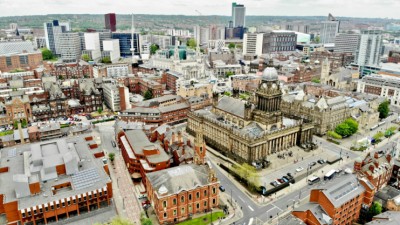
Leeds
Big-city energy, welcoming nights, and flavourful discoveries.
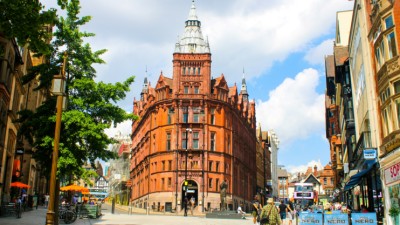
Nottingham
Historic streets, modern pride, and an easy city break with character.

Kingston upon Hull
Sea air, calm stays, and a thoughtful base for exploring East Yorkshire.
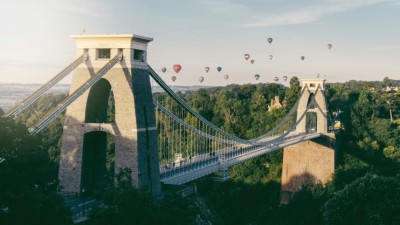
Bristol
Where culture, history, and inclusive city life meet by the water.
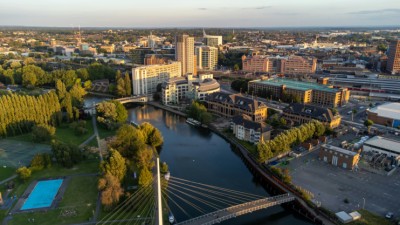
Reading
Historic streets, modern connections, and a quietly inclusive break.

Newcastle
Where heritage meets a lively evening scene.
Coventry
Historic streets, modern culture, and a thoughtful city escape.

Bolton
Explore history, walk lightly, and travel with pride.
Westminster
Where civic heritage meets inclusive city exploration
Sunderland
Coastal culture, Northern grit, and a welcoming city break.
Wolverhampton
Where urban heritage meets a welcoming food-and-culture stop
Derby
Historic streets, easy access, and a welcoming UK city break

Plymouth
A maritime city base with easy access and a wider British LGBTQ+ backdrop.
Bradford
Where heritage, film, and community meet.