- Home
- United Kingdom
- Manchester
About Manchester
In northern England, it stands as a major urban centre in Greater Manchester, part of one of the United Kingdom’s most populous built-up areas.
That scale matters for travellers: it gives the city the energy, transport connections, and cultural depth of a true big-city break, while still feeling distinctively local.For LGBTQ+ travellers, Manchester is especially significant because it is widely recognised as one of the UK’s most visible and established queer destinations.
The city is closely associated with Canal Street and the wider Gay Village area, which has become a landmark in its own right for nightlife and community life.
I would treat it as a natural starting point for anyone wanting to understand the city’s LGBTQ+ scene, though it is only one part of a much broader urban experience.Manchester is also strongly linked to Pride celebrations.
Manchester Pride is one of the city’s best-known annual events, drawing visitors and residents into a large-scale celebration of LGBTQ+ identity, visibility, and community.
For me, that combination of a historic industrial city, a thriving cultural scene, and an established queer quarter makes Manchester feel both practical and exciting as a destination.Whether I am planning a weekend focused on bars and nightlife, or using the city as a base for wider exploration in northern England, Manchester offers an LGBTQ+ traveller a clear sense of place: open, energetic, and deeply rooted in community.
Our Review
When I arrive in Manchester, I feel the pull of a city that has long mattered far beyond its size.
In northern England, it stands as a major urban centre in Greater Manchester, part of one of the United Kingdom’s most populous built-up areas.
That scale matters for travellers: it gives the city the energy, transport connections, and cultural depth of a true big-city break, while still feeling distinctively local.
For LGBTQ+ travellers, Manchester is especially significant because it is widely recognised as one of the UK’s most visible and established queer destinations.
The city is closely associated with Canal Street and the wider Gay Village area, which has become a landmark in its own right for nightlife and community life.
I would treat it as a natural starting point for anyone wanting to understand the city’s LGBTQ+ scene, though it is only one part of a much broader urban experience.
Manchester is also strongly linked to Pride celebrations.
Manchester Pride is one of the city’s best-known annual events, drawing visitors and residents into a large-scale celebration of LGBTQ+ identity, visibility, and community.
For me, that combination of a historic industrial city, a thriving cultural scene, and an established queer quarter makes Manchester feel both practical and exciting as a destination.
Whether I am planning a weekend focused on bars and nightlife, or using the city as a base for wider exploration in northern England, Manchester offers an LGBTQ+ traveller a clear sense of place: open, energetic, and deeply rooted in community.
Social Acceptance and Safety in Manchester, United Kingdom
When I walk through Manchester, I feel a city that is generally comfortable with LGBTQ+ visibility.
In the UK context, legal protections for lesbian, gay, bisexual, transgender and queer people are well established, and Manchester reflects that broader framework with a long-standing reputation as an LGBTQ+ destination.
The city is especially associated with Canal Street and the Gay Village, which have become symbols of public queer life in Manchester and a major reference point for visitors.
That said, I always keep a travel-minded awareness of safety.
Manchester is a large urban city, and like any major city in the United Kingdom, it is sensible to stay alert at night, especially after leaving bars, clubs, or transport hubs.
For me, the practical approach is simple: keep an eye on my surroundings, use licensed taxis or trusted ride services late at night, and avoid walking alone through unfamiliar streets if I can take a safer route.
In terms of neighborhoods, the Gay Village around Canal Street is the most clearly LGBTQ+ friendly area and the one I would point travelers to first if they want a visible queer social scene.
It is the part of the city most closely linked with LGBTQ+ nightlife, community, and Pride activity, so it is the natural base for visitors looking for a welcoming atmosphere.
Outside that core area, Manchester is a diverse and busy city, and attitudes can vary from place to place simply because of the size and mix of the urban area.
I do not have verified information that identifies specific neighborhoods as broadly less welcoming, so I would avoid making assumptions.
Instead, I recommend the same cautious, street-smart approach I use in any large city: notice the local mood, trust your instincts, and prioritize well-lit, populated routes when moving around after dark.
If I were advising an LGBTQ+ traveler, I would summarize Manchester like this: it is one of the UK’s most recognizable queer-friendly cities, with a strong public LGBTQ+ presence and a well-known social hub in Canal Street, but standard city safety habits still matter.
For the most current local guidance, I would also check official city and transport information before going out at night.
Dining and Entertainment in Manchester: an LGBTQ+ traveler’s guide
When I’m exploring Manchester from an LGBTQ+ point of view, I think of the city as a place where a night out can move easily from dinner to drinks to live performance.
Manchester is one of England’s largest cities, with a large metropolitan area and a long-established queer social scene, so it offers plenty of choices for visitors who want atmosphere, convenience, and a welcoming setting.
The most visible LGBTQ+ hub is Canal Street and the Gay Village, which is the natural starting point for an evening out.
That is where I would begin if I wanted to be close to LGBTQ+-focused nightlife and the city’s most recognisable inclusive venues.
It is the area most strongly associated with Manchester’s queer identity, and it remains the clearest reference point for visitors looking for a lively, social, and openly LGBTQ+ environment.
Dining: where I would look first
For dining, I would focus on the city centre, especially around the Gay Village and nearby central districts, because that is where access, transport, and after-dinner options are strongest.
I would treat Manchester as a city where inclusivity is often signaled by venue culture rather than by a single formal label, so I would look for places with clear welcome, relaxed service, and a mixed clientele.
The practical advantage here is Manchester itself: it is a major urban centre in the UK, and that generally means a broad range of restaurants, cafés, and casual eateries rather than a single designated LGBTQ+ dining quarter.
For an LGBTQ+ traveler, that gives me flexibility.
If I want a pre-theatre meal, I can stay central.
If I want a late bite before heading into nightlife, I can keep to the Gay Village area.
If I want a quieter daytime coffee stop, I can move a little further into the city centre and still remain close to the main entertainment districts.
Because I am only relying on verified information, I won’t name specific restaurants or cafés unless they are clearly documented in the source material.
What I can say with confidence is that Manchester’s city-centre layout makes it easy to combine dining with queer-friendly nightlife and arts venues without needing a car or long transfer.
Entertainment: the city shines at night
Entertainment is where Manchester is especially strong.
The city is well known for its live-music culture, theatre scene, and busy nightlife, and for LGBTQ+ travelers that means I can plan a full evening around one area without losing momentum.
The most important destination is still Canal Street, where the Gay Village concentrates much of the city’s LGBTQ+ nightlife and after-dark energy.
For live performance, Manchester’s scale matters.
As a major city in the United Kingdom, it has the audience base to support theatres, concert venues, club nights, and one-off performances throughout the year.
That makes it a very practical destination for travelers like me who want an inclusive place to spend the evening and still have options beyond bars alone.
If I am in the city for a weekend, I would look for a show or performance in the central area, then finish the night in the Gay Village.
Manchester Pride is another major reason the city feels so alive.
It is one of the city’s defining annual LGBTQ+ events and brings extra energy to restaurants, bars, and performance spaces across the centre.
If I were visiting during Pride, I would expect the whole area to be busier and more animated, so I would plan ahead and book early where possible.
What makes a venue feel inclusive
From a travel perspective, I look for three things in Manchester: location, atmosphere, and clarity.
A venue in or near the city centre is easier to reach and easier to combine with evening plans.
A welcoming atmosphere is usually obvious in the way staff and regulars interact.
And clarity matters because a venue that openly signals its inclusivity tends to be the easiest and most comfortable choice for LGBTQ+ visitors.
The UK has relatively strong legal protections for LGBTQ+ people compared with many other countries, and that gives Manchester a generally favourable backdrop for dining and entertainment.
Even so, I still think it is sensible to read recent reviews, check venue information, and choose places that match the kind of evening I want.
In a city as large as Manchester, there is no need to settle for uncertainty.
My practical take
If I were planning a LGBTQ+-focused evening in Manchester, I would keep it simple: dinner in the city centre, time in or around Canal Street, and then either live entertainment or late-night drinks depending on the mood.
That approach works because Manchester is compact enough in its core to make moving between venues straightforward, but large enough to offer variety.
For me, that is the appeal of the city.
Manchester does not rely on one single experience; it gives LGBTQ+ travelers a full evening out, with dining, performance, and nightlife all within easy reach of one another.
It is a city where I can start with a meal, move into a show, and end the night somewhere unmistakably queer and unmistakably Manchester.
Travel Tips for LGBTQ+ Visitors to Manchester
When I travel to Manchester as an LGBTQ+ journalist, I treat it as a city where visibility, urban scale, and everyday practicality all matter.
Manchester is one of the largest cities in England and part of the Greater Manchester Built-up Area, so I plan it like a big-city trip: keep an eye on transport, book ahead for busy nights, and use the city’s well-known LGBTQ+ district as my anchor point.
The most recognized queer area is the Gay Village around Canal Street, which is the best place to start if I want to meet the local scene and orient myself in the city center.
What I keep in mind before I go out
The UK has generally strong legal protections for LGBTQ+ people, and in Manchester that translates into a city where I can usually expect a comfortable public atmosphere, especially in central areas and established nightlife districts.
Still, I do not assume every venue or street feels the same.
In any large city, I stay aware of my surroundings, especially late at night, and I avoid isolated routes when I can.
If I am heading back after drinks or a show, I prefer licensed taxis or reputable ride services rather than walking long distances alone.
Manchester’s size is one of its advantages, but it also means crowds can build quickly around major events.
If I am visiting during Manchester Pride, I book accommodation and transport early.
The city center becomes especially busy, and planning ahead makes the trip smoother and safer.
Local customs and social dos and don’ts
Manchester is a friendly, direct city, and I find that a warm but straightforward approach works well.
A simple greeting, clear communication, and respecting personal space go a long way.
In nightlife settings, I keep the usual practical etiquette in mind: I stay with my group when possible, watch my drink, and use official venues for information rather than relying on random advice from strangers.
I also keep expectations realistic.
While Canal Street and the Gay Village are openly LGBTQ+ spaces, the rest of the city is not a single uniform experience.
My rule is simple: trust the atmosphere of the place I am in.
If a venue feels welcoming and comfortable, I stay; if it does not, I move on without hesitation.
How I stay safe in the city
For me, safety in Manchester is mostly about ordinary city sense with a few extra LGBTQ+ considerations.
I keep my phone charged, map out my route before leaving a venue, and know how I am getting home before I start the night.
I also try to avoid carrying valuables loosely in crowded areas, especially around transport hubs and late-night entertainment districts.
If I need help or reassurance, I look for established official services rather than informal street advice.
That matters for health, transport, and general travel planning alike.
Manchester is a major urban center, so the best experience comes from using the city’s infrastructure confidently and not leaving practical details to chance.
Connecting with the local LGBTQ+ community
The easiest way I connect with Manchester’s LGBTQ+ community is by spending time in and around Canal Street.
It remains the city’s most visible queer hub and the natural place to begin conversations, especially in bars and community-minded nightlife spaces.
I keep my approach respectful and low-pressure: if people want to chat, they usually will; if not, I let the evening stay relaxed.
I also use Pride season as an entry point into the community.
Manchester Pride is one of the city’s most important LGBTQ+ events, and it brings together locals, visitors, and allies across the city center.
If I am in town for Pride, I treat it as a chance to meet people, learn the rhythm of the city, and see how the community uses public space at its most visible.
My practical takeaway
If I were advising another LGBTQ+ traveler, I would say this: stay central, use Canal Street as your starting point, and move through Manchester with the confidence of someone visiting a major, well-connected city.
The city’s LGBTQ+ life is easy to find, but the best experience comes from combining that social energy with good planning, urban awareness, and respect for local space.
Manchester rewards travelers who like a city that feels both lively and navigable.
For background on the city and the UK context, I refer to Manchester and LGBTQ rights in the United Kingdom, along with the broader United Kingdom travel guide.
When I step back and look at Manchester through an LGBTQ+ lens, what stands out most is how confidently the city wears its identity.
It is a large, busy northern city with the scale and energy that come from being part of the Greater Manchester Built-up Area, and that means there is usually something happening, somewhere to go, and enough urban momentum to make a visit feel full and varied.
For LGBTQ+ travelers, that matters: Manchester is not only a city with a visible queer nightlife scene, but also one where that scene sits within a broader metropolitan setting that makes getting around, staying central, and planning a trip relatively straightforward.
The city’s biggest strength is its clear LGBTQ+ heart around Canal Street and the Gay Village.
That area gives Manchester a recognizable focal point, whether I am arriving for a night out, a Pride visit, or simply wanting to orient myself in a city that is known for LGBTQ+ visibility.
It is this combination of a distinct queer hub and a larger, practical city center that makes Manchester especially appealing.
In a destination like this, I do not feel I have to choose between community atmosphere and convenience; the two are closely linked.
The challenge, as in any major city, is that a welcoming reputation does not erase the need for common-sense travel awareness.
Manchester is large, and like any urban destination, experiences can vary from one street, venue, or time of day to another.
My advice is to stay central when possible, especially if the trip is focused on nightlife or Pride, and to use normal city precautions after dark.
I also recommend checking official transport and event information before heading out, particularly during busy periods when the city center can be crowded.
For LGBTQ+ travelers, my final recommendation is simple: make the Gay Village your starting point, then let the rest of the city unfold from there.
Spend time around Canal Street, use the city center as your base, and build in time to enjoy Manchester Pride if your trip coincides with it.
Just as importantly, leave room to explore the wider city on foot or by public transport, because Manchester’s scale is part of what gives it its character.
It feels energetic, grounded, and proudly urban.
I would come here with curiosity and a practical plan: book smart, stay central, and then enjoy the fact that Manchester offers both a recognizable LGBTQ+ hub and the broader rhythm of a major UK city.
For me, that is where its real strength lies.
For more background, I would start with Manchester and the wider context of the United Kingdom, where LGBTQ+ rights have developed significantly over time.
Other Guides in United Kingdom
London
Where history, nightlife, and community meet after dark
Birmingham
Big-city energy, inclusive spirit, and a living LGBTQ+ history.
Southampton
Harbour heritage, urban style, and inclusive British travel
Liverpool
A waterfront city with a proud, visible queer scene.
Glasgow
Discover a city where art, nightlife, and community energy meet.
Leicester
Big nights, welcoming faces, and a culture-packed city break.
Edinburgh
A walkable capital where history meets inclusive city life.
Portsmouth
Historic harbours, open horizons, and inclusive travel on the south coast.
Worthing
Seaside heritage, local civic life, and a calm base for exploring the south coast
Belfast
Where history, heritage, and welcoming city life meet
Stoke-on-Trent
Where industrial heritage meets a welcoming cultural escape
Caerdydd
Elegant city breaks with a welcoming cultural edge
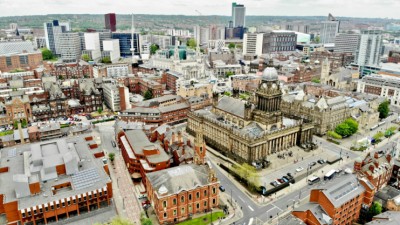
Leeds
Big-city energy, welcoming nights, and flavourful discoveries.
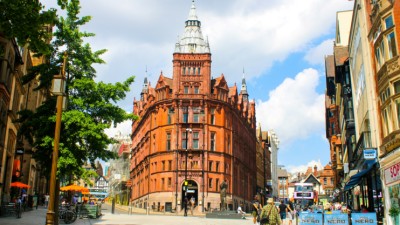
Nottingham
Historic streets, modern pride, and an easy city break with character.
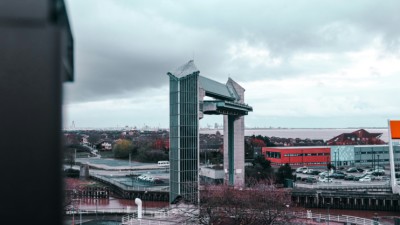
Kingston upon Hull
Sea air, calm stays, and a thoughtful base for exploring East Yorkshire.
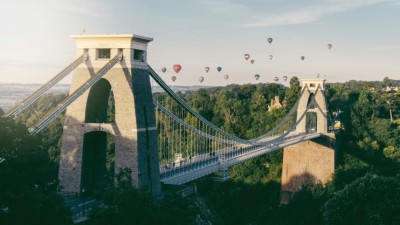
Bristol
Where culture, history, and inclusive city life meet by the water.
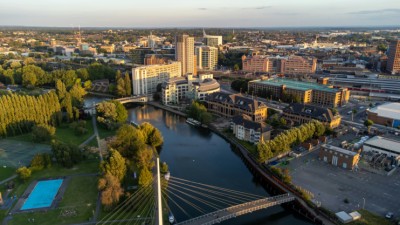
Reading
Historic streets, modern connections, and a quietly inclusive break.
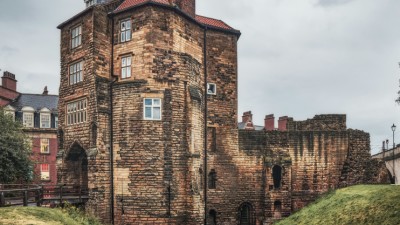
Newcastle
Where heritage meets a lively evening scene.
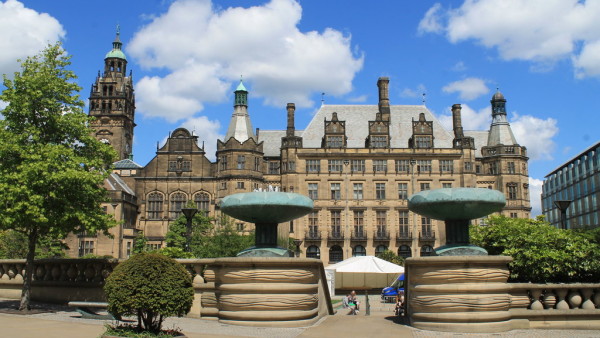
Sheffield
Where urban grit meets open horizons.
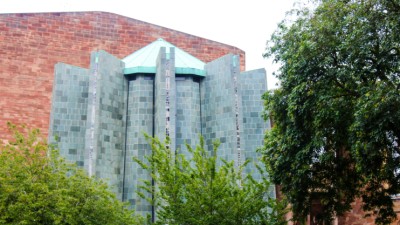
Coventry
Historic streets, modern culture, and a thoughtful city escape.
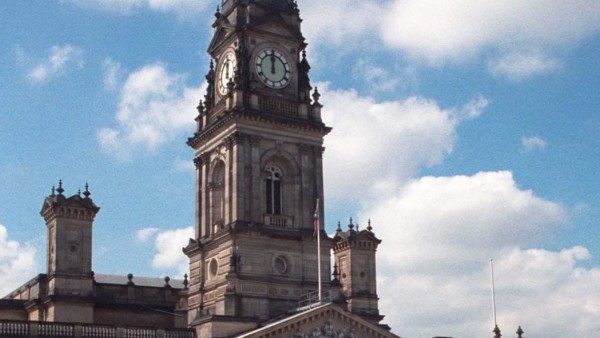
Bolton
Explore history, walk lightly, and travel with pride.
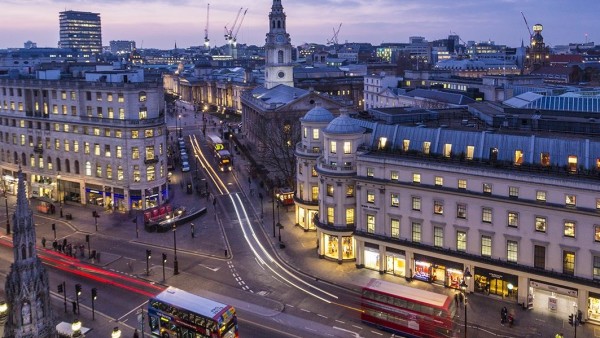
Westminster
Where civic heritage meets inclusive city exploration
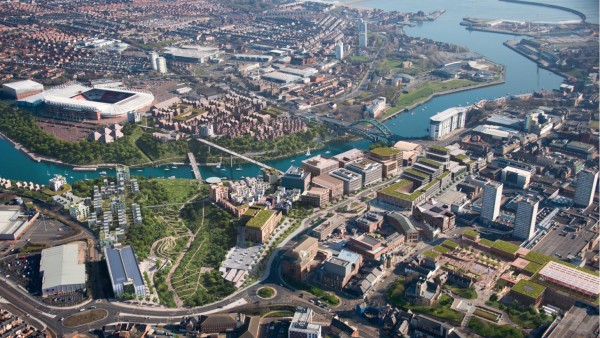
Sunderland
Coastal culture, Northern grit, and a welcoming city break.
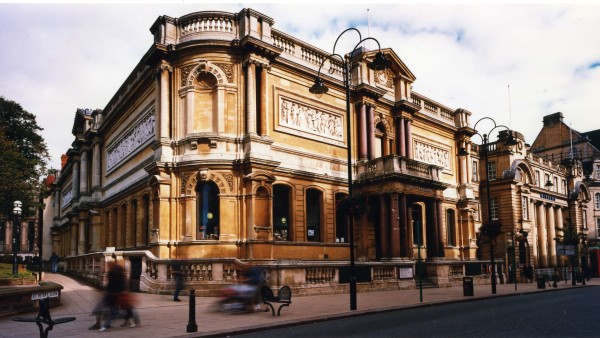
Wolverhampton
Where urban heritage meets a welcoming food-and-culture stop
Derby
Historic streets, easy access, and a welcoming UK city break
Plymouth
A maritime city base with easy access and a wider British LGBTQ+ backdrop.
Bradford
Where heritage, film, and community meet.