About Vancouver
It is the largest city in British Columbia, and its position in the Lower Mainland has helped shape a cosmopolitan social life that draws residents and visitors from many backgrounds.From an LGBTQ+ perspective, Vancouver matters because it sits within Canada, a country where LGBTQ+ rights are among the most extensive in the world, and where same-sex sexual activity was decriminalized in 1969.
That national legal context has helped support the development of visible LGBTQ+ communities in major cities, including Vancouver.In practical travel terms, Vancouver’s LGBTQ+ significance is strongly associated with the Davie Village area in the West End, which is widely recognized as the city’s historic LGBTQ+ neighbourhood.
It is also the home base for Vancouver Pride, one of the city’s best-known annual LGBTQ+ celebrations.
For visitors, that means Vancouver offers both a cultural anchor and a social scene that can be experienced throughout the year, with especially lively visibility during Pride period events.I find Vancouver especially notable because it combines urban inclusivity with a nightlife-friendly, walkable core and a citywide openness that makes social travel feel natural.
For LGBTQ+ travellers, it is a destination where community history, contemporary visibility, and a strong event calendar come together in one compact, scenic setting.
Our Review
As I look at Vancouver, I see a major Pacific city that combines a dense urban core with waterfront views, mountain backdrops, and a long-established reputation as one of Canada’s most internationally connected destinations.
It is the largest city in British Columbia, and its position in the Lower Mainland has helped shape a cosmopolitan social life that draws residents and visitors from many backgrounds.
From an LGBTQ+ perspective, Vancouver matters because it sits within Canada, a country where LGBTQ+ rights are among the most extensive in the world, and where same-sex sexual activity was decriminalized in 1969.
That national legal context has helped support the development of visible LGBTQ+ communities in major cities, including Vancouver.
In practical travel terms, Vancouver’s LGBTQ+ significance is strongly associated with the Davie Village area in the West End, which is widely recognized as the city’s historic LGBTQ+ neighbourhood.
It is also the home base for Vancouver Pride, one of the city’s best-known annual LGBTQ+ celebrations.
For visitors, that means Vancouver offers both a cultural anchor and a social scene that can be experienced throughout the year, with especially lively visibility during Pride period events.
I find Vancouver especially notable because it combines urban inclusivity with a nightlife-friendly, walkable core and a citywide openness that makes social travel feel natural.
For LGBTQ+ travellers, it is a destination where community history, contemporary visibility, and a strong event calendar come together in one compact, scenic setting.
Dining and Entertainment in Vancouver from an LGBTQ+ Perspective
When I look at Vancouver through an LGBTQ+ travel lens, I see a city whose dining and entertainment scene is shaped less by one single “gay quarter” and more by the city’s broader cosmopolitan character.
Vancouver is Canada’s third-largest metropolitan area, and its size, diversity, and international population help support a wide range of restaurants, cafes, cinemas, theatres, and live-performance spaces that tend to feel comfortable for LGBTQ+ visitors.
That broader context matters.
Canada’s legal protections for LGBTQ+ people are among the most extensive in the world, with same-sex sexual activity decriminalized nationally in 1969 and sexual orientation constitutionally protected by the Supreme Court of Canada in Egan v Canada.
In practical terms, that means Vancouver’s hospitality and entertainment sectors operate within a social and legal environment that is generally supportive of inclusion.
Dining: inclusive by atmosphere rather than branding
I would describe Vancouver’s LGBTQ+ dining scene as broadly welcoming rather than formally segmented.
The source material does not identify specific LGBTQ+-branded restaurants, cafes, or eateries, so I do not want to overstate what is documented.
What is clear is that Vancouver’s food culture is tied to its cosmopolitan identity, with neighbourhoods shaped by immigration and international influence.
That typically translates into a dining environment where diversity is normalised, particularly in the central city and other busy, mixed-use areas.
For LGBTQ+ travellers, the most useful practical approach is to prioritise restaurants and cafes in well-trafficked, central neighbourhoods where service is accustomed to a wide range of customers.
In a city like Vancouver, that generally means the dining experience is strongest where walkability, transit access, and nightlife are clustered together.
While I cannot verify a current list of explicitly queer-owned or queer-marketed eateries from the source pack, the city’s overall social climate supports a low-friction experience for most visitors.
As a journalist, I would also note that Vancouver’s dining culture is part of its appeal as a social city.
It is the kind of place where dinner can easily lead into drinks, a show, or a late-night gathering.
For LGBTQ+ travellers who enjoy meeting people and moving between venues, that makes the city especially practical.
Entertainment: cinemas, theatres, and live performance
Vancouver’s entertainment offering is similarly broad and urban in character.
The verified source material supports the conclusion that the city’s arts and culture environment is significant, but it does not provide a detailed directory of queer-specific venues.
So, again, I want to stay grounded: I can say that Vancouver offers mainstream entertainment spaces within a generally inclusive Canadian context, but I cannot claim a verified list of LGBTQ+-exclusive cinemas or theatres from the sources provided.
What stands out is the city’s capacity for live performance and social nightlife.
Vancouver has the scale to support theatres, concert halls, independent performance spaces, and film venues that serve a diverse audience.
For LGBTQ+ visitors, this matters because entertainment does not need to be segregated to feel welcoming.
In a city like Vancouver, the safer and more comfortable venues are usually those in central, high-foot-traffic areas where mixed audiences are the norm.
I also see Vancouver as a city where entertainment is part of the social rhythm of the evening.
A night might begin with dinner, move to a theatre performance or film screening, and end in a bar or lounge.
That layered urban experience is especially appealing to travellers who want both cultural activity and a lively social scene.
What I can responsibly say about inclusive venues
Based on the source pack, the most defensible conclusion is that Vancouver’s restaurants and entertainment venues are generally inclusive because they exist within a city and country that are legally and socially supportive of LGBTQ+ people.
The city’s diversity, population size, and cosmopolitan character reinforce that atmosphere.
I cannot verify specific venue names here, but I can confidently say that LGBTQ+ travellers should find the city’s central dining and entertainment districts approachable and comfortable.
For readers planning a trip, my practical advice would be to focus on established, busy areas in the city centre, where the mix of locals, tourists, and arts audiences tends to create a more open and welcoming environment.
That is the best match for Vancouver’s profile as a socially diverse, nightlife-friendly city.
Useful references: Vancouver, Wikivoyage: Vancouver, LGBTQ rights in Canada
Travel Tips
When I approach Vancouver from an LGBTQ+ travel perspective, I start with the basics: this is a city in a country where LGBTQ+ rights are strongly protected, and that legal environment shapes the day-to-day experience for visitors.
Canada’s framework has included the decriminalization of same-sex sexual activity since 1969, and sexual orientation has been constitutionally protected since the Supreme Court’s Egan v Canada decision in 1995.
In practical terms, that means I can usually expect a mainstream urban setting that is broadly accustomed to LGBTQ+ visitors, rather than a destination where I need to constantly explain myself.
That said, I still travel with the same judgment I would use in any major city.
Vancouver is large, busy, and geographically spread out, so my first practical tip is to stay oriented around transit and central neighbourhoods.
The city is part of the Metro Vancouver region, and public transportation is handled by TransLink, which is the main network across the area.
For me, that matters because a reliable transit system makes it easier to move between hotels, restaurants, nightlife, and community spaces without relying on a car late at night.
I also pay close attention to the city’s geography.
Vancouver is a cosmopolitan coastal city with many different neighbourhoods, and its atmosphere can change quickly from one area to another.
For LGBTQ+ travelers, that usually means I should think less about finding a single “gay district” and more about choosing a base that is central, well connected, and active at night.
In a city like Vancouver, convenience is part of safety: being able to get back to my accommodation easily matters just as much as the venue itself.
In terms of local customs, my overall approach in Vancouver is straightforward: be open, be polite, and assume a broadly inclusive social environment, but do not assume every person or space is automatically queer-centered.
The city is known for diversity and for the influence of immigration on its neighbourhoods, food culture, and social life.
That gives Vancouver a generally international feel, which is useful for LGBTQ+ travelers because it tends to normalize difference rather than isolate it.
My practical do’s are simple.
I do use licensed transportation at the end of the night, I keep my phone charged, and I share my plans if I’m meeting people for drinks or going out alone.
I also keep an eye on my belongings in crowded places, especially on busy evenings and in transit hubs.
Vancouver is a major urban area, so the ordinary risks of any city still apply even when the social climate is welcoming.
My don’ts are equally practical.
I would not assume that every neighborhood has the same level of comfort for LGBTQ+ visitors, particularly late at night.
I would also avoid making assumptions about who is or isn’t an ally based on appearance or venue type.
The safer habit is to read the room, stay aware, and choose places that are visibly busy and easy to exit if needed.
When I want to connect with the local LGBTQ+ community, I start with the city’s broader environment rather than expecting a single entry point.
Vancouver benefits from Canada’s strong legal protections, and its scale supports a range of social spaces and community connections.
While I am not relying here on an unverified list of specific venues or organizations, I can still say that a large metropolitan area like Vancouver is more likely to offer community events, mixed social spaces, and informal ways to meet people than a smaller destination would.
For a visitor, that usually means staying alert to local event listings, Pride-related programming when in season, and culturally mixed neighbourhoods where queer and straight audiences naturally overlap.
Transportation is also part of community access.
If I want to move between a dinner reservation, a social gathering, and a late-night spot, I find that transit and short rides matter more than a car-centric approach.
Vancouver’s public transport network, plus local cab services such as Black Top Cabs, can make late-evening movement simpler and reduce unnecessary stress after a night out.
Where waterfront movement is part of the experience, the city also has ferry-style services such as False Creek Ferries and Aquabus, which are useful to know about for getting around central waterfront areas during the day.
My overall assessment is that Vancouver is a relatively comfortable city for LGBTQ+ travelers because the legal, social, and transit frameworks all work in its favor.
The best travel strategy is not to overcomplicate it: stay central, use established transport, keep standard city precautions in mind, and look for ways to participate in the city’s social life through broadly welcoming public spaces and events.
In a city with Vancouver’s size and diversity, that is usually the most effective and realistic way to travel well.
In my view, Vancouver stands out as one of Canada’s most practical and comfortable cities for LGBTQ+ travelers because it sits within a national legal environment that offers strong protections, and because it is a large, cosmopolitan city rather than a place built around a single isolated queer district.
Canada’s LGBTQ+ rights framework is among the most extensive in the world, and that matters on the ground: it helps create a baseline of legal security and social normalcy that LGBTQ+ visitors can feel when they arrive.
Vancouver’s strengths are clear.
It is Canada’s third-largest metropolitan area, so there is enough scale to support a broad range of urban experiences, from nightlife and dining to culture and public life.
The city is also notably international in character, which gives it a more open, mixed, and socially varied atmosphere than many smaller destinations.
From an LGBTQ+ travel perspective, that combination of size, diversity, and Canadian legal protections makes Vancouver a city where it is usually straightforward to move around, socialize, and enjoy the city without needing to overthink every interaction.
At the same time, I think it is important to be realistic about the city’s limitations.
Vancouver is not organized around one clearly defined LGBTQ+ neighborhood, so travelers should not expect the same concentrated “gay district” experience they might find in some other major cities.
Instead, the LGBTQ+ experience is dispersed across the city, especially in central and well-connected areas.
That means planning matters: proximity, transit access, and comfort with the city at night are all relevant considerations.
As in any major urban area, ordinary travel awareness still matters, particularly after dark.
My recommendation for LGBTQ+ travelers is to keep Vancouver’s urban geography in mind and focus on the city’s central areas, where the atmosphere is generally more cosmopolitan and where it is easiest to combine social life, culture, dining, and nightlife.
I would also advise travelers to use the city’s broader Canadian context to their advantage: Vancouver is a place where LGBTQ+ inclusion is supported by law, reflected in everyday urban life, and reinforced by the city’s diversity.
If you are coming to Vancouver as an LGBTQ+ traveler, I would encourage you to explore it with confidence.
It is a city that rewards curiosity: walk the neighborhoods, enjoy the waterfront and mountain views, spend time in its cultural spaces, and take advantage of the city’s social energy.
Vancouver may not present its LGBTQ+ offerings in one single concentrated strip, but it does offer a welcoming, modern, and highly livable environment in which LGBTQ+ visitors can feel comfortable engaging with the city on their own terms.
Other Guides in Canada
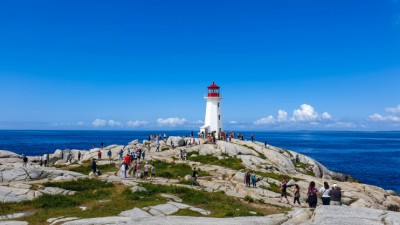
Halifax
Explore a harbor city where culture, history, and community meet.
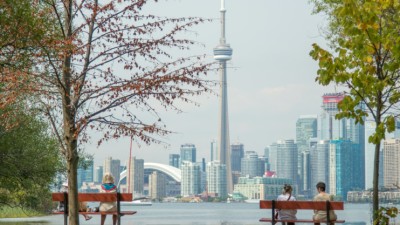
Toronto
A welcoming skyline, a vibrant queer heart, and a city that celebrates pride.
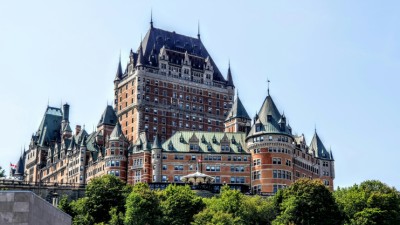
Quebec City
Walled streets, easy rhythms, and a welcoming base for curious travelers.
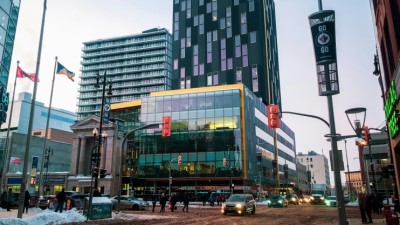
Winnipeg
Where prairie flavours meet a welcoming city spirit.
Edmonton
River valleys, civic landmarks, and a city shaped by inclusion
Ottawa
Where national sights meet inclusive city life.
Regina
Discover a welcoming prairie capital with space for culture, history, and thoughtful city stays.

Victoria
Harbour views, walkable streets, and a welcoming West Coast stop.
Montréal
Where history, nightlife, and inclusive culture meet
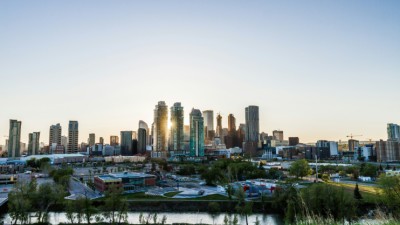
Calgary
Where western energy meets inclusive community life.

Kitchener
Where inclusive city life meets easy remote-work rhythm.
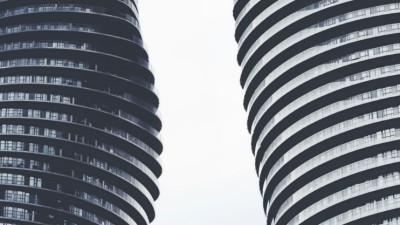
Mississauga
Explore a lakeside city with inclusive Canadian spirit.
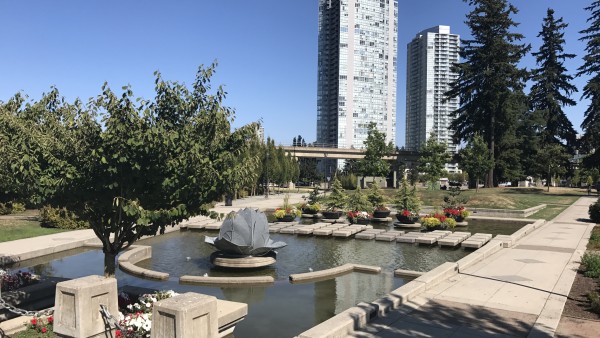
Surrey
Big-city energy, suburban reach, and easy access to inclusive nightlife nearby.
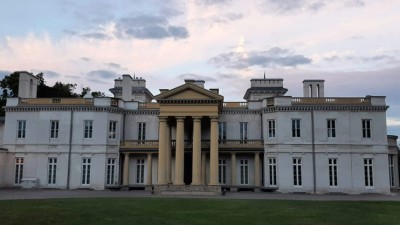
Hamilton
A lakeshore city with a lively social pulse and a visible Pride spirit.
Brampton
Urban comfort, cultural energy, and a welcoming Ontario base