About Ottawa
As Canada’s capital, it sits at the meeting point of the Ottawa and Rideau rivers, and it draws visitors for Parliament Hill, national museums, and a compact urban core that is practical for exploring on foot or combining with remote work.
For LGBTQ+ travelers, that matters: a capital city atmosphere often comes with a visible civic presence, reliable transit connections, and a broad mix of cultural institutions and neighborhoods to explore during a short stay or a longer digital-nomad visit.On the wider national picture, Canada has some of the world’s more extensive LGBTQ+ rights protections, which shapes the travel experience in Ottawa as well.
While I always recommend checking current local information before traveling, the city benefits from being in a country with long-established legal protections and a generally inclusive public framework.Ottawa also has a place in Canada’s LGBTQ+ history and community life through Capital Pride, the city’s major Pride celebration.
It is one of the best-known annual LGBTQ+ events in the city and a clear sign that queer life is not just present here, but publicly visible.
For visitors, that can make Ottawa feel especially approachable, whether the trip is centered on sightseeing, community events, or a working holiday built around cafés, museums, and dependable city infrastructure.For landmarks, I’d start with the city’s best-known public spaces and institutions rather than looking for a single LGBTQ+ monument.
Parliament Hill and the national museums define the visitor experience, while the central urban area offers the practical, walkable base I look for as a journalist and digital nomad.
Ottawa may not be defined by one famous queer district, but it does offer the combination of a national capital, strong civic visibility, and Pride programming that makes it worth serious consideration for LGBTQ+ travelers.
Our Review
As I arrived in Ottawa, I found a city that feels distinctly Canadian in both its political importance and its everyday rhythm.
As Canada’s capital, it sits at the meeting point of the Ottawa and Rideau rivers, and it draws visitors for Parliament Hill, national museums, and a compact urban core that is practical for exploring on foot or combining with remote work.
For LGBTQ+ travelers, that matters: a capital city atmosphere often comes with a visible civic presence, reliable transit connections, and a broad mix of cultural institutions and neighborhoods to explore during a short stay or a longer digital-nomad visit.
On the wider national picture, Canada has some of the world’s more extensive LGBTQ+ rights protections, which shapes the travel experience in Ottawa as well.
While I always recommend checking current local information before traveling, the city benefits from being in a country with long-established legal protections and a generally inclusive public framework.
Ottawa also has a place in Canada’s LGBTQ+ history and community life through Capital Pride, the city’s major Pride celebration.
It is one of the best-known annual LGBTQ+ events in the city and a clear sign that queer life is not just present here, but publicly visible.
For visitors, that can make Ottawa feel especially approachable, whether the trip is centered on sightseeing, community events, or a working holiday built around cafés, museums, and dependable city infrastructure.
For landmarks, I’d start with the city’s best-known public spaces and institutions rather than looking for a single LGBTQ+ monument.
Parliament Hill and the national museums define the visitor experience, while the central urban area offers the practical, walkable base I look for as a journalist and digital nomad.
Ottawa may not be defined by one famous queer district, but it does offer the combination of a national capital, strong civic visibility, and Pride programming that makes it worth serious consideration for LGBTQ+ travelers.
Social Acceptance and Safety
When I think about Ottawa through an LGBTQ+ travel lens, the first thing I notice is how strongly the city benefits from Canada’s broader legal and social framework.
Canada has some of the world’s most extensive LGBTQ+ rights protections, and that national context matters on the ground in Ottawa.
In practical terms, it means I can expect a generally inclusive environment in a federal capital that is used to international visitors, civil servants, students, and travelers from across the country.
Ottawa is not a place where LGBTQ+ visibility feels unusual; it is part of the everyday city fabric.
That said, I still travel with the same common-sense precautions I would use anywhere.
Ottawa is a large, busy city, and day-to-day safety depends on the neighborhood, the time of day, and the setting.
In central, well-trafficked areas, I would feel comfortable walking, dining, or working remotely in cafés and public spaces.
As with any city, late-night transit, quieter streets, and isolated parks call for more awareness.
I keep my belongings secure, plan my route in advance, and avoid assuming that every part of the city will feel the same after dark.
For LGBTQ+ visitors, the general attitude in Ottawa is shaped by the city’s role as the national capital and by Canada’s widely recognized protections.
I would describe the atmosphere as broadly accepting rather than performatively “gay-centric.” That can be reassuring for travelers who want to move comfortably through museums, government districts, restaurants, and everyday neighborhoods without needing to constantly explain themselves.
Ottawa may not advertise itself with the same loud queer nightlife profile as some bigger metropolitan centers, but that does not diminish its practical openness.
In terms of safety, my advice is straightforward: stay aware in nightlife areas, use licensed taxis or reputable ride-hailing options when needed, and be cautious with alcohol-fueled situations, especially late at night.
For digital nomads, I would also be mindful of where I work from and how I move around after dark with a laptop bag or other gear.
Ottawa is a city where a calm, routine approach works well—especially if I’m balancing remote work with sightseeing.
As for neighborhoods, the source material does not identify any specific Ottawa district as either especially LGBTQ+ friendly or notably unfriendly, so I would not overstate that part.
What I can say, based on the city’s overall profile, is that central Ottawa and its major visitor areas are the most practical base for LGBTQ+ travelers because they are busy, well-connected, and used to a wide mix of people.
In a city like this, I would focus less on searching for a single “gay area” and more on choosing a convenient, well-located neighborhood with easy transit, dining, and workspace options.
My bottom line: Ottawa feels like a city where LGBTQ+ travelers can be at ease, provided they use normal urban caution.
The combination of Canada’s strong legal protections, Ottawa’s capital-city character, and the city’s general cosmopolitanism makes it a sensible and welcoming stop for both leisure travelers and remote workers.
Community and Support
When I look at Ottawa through an LGBTQ+ lens, what stands out first is the national context.
Canada’s LGBTQ+ rights are among the most extensive in the world, and that legal framework shapes the city’s day-to-day environment for residents and visitors alike.
Ottawa, as the capital, sits within that broader setting and benefits from the country’s relatively strong protections and public services.
For a traveler like me, especially one balancing time on the road with remote work, that makes the city easier to navigate with confidence.
For community support, Ottawa is served by established LGBTQ+ organizations and public-facing resources, but I want to stay careful and only point to what I can verify here.
The city’s most visible annual community event is Capital Pride, which reflects an active local LGBTQ+ presence and gives visitors a clear entry point into the city’s queer community.
Even if I am just passing through, Pride season is one of the easiest times to find community-led programming and a stronger sense of connection.
Health services are a key part of any practical queer travel guide, and Ottawa sits in a country where LGBTQ+ rights are protected at the federal level.
For health care, that means travelers can reasonably expect access to mainstream medical services in the city, while always remembering that local experiences can vary by clinic or provider.
If I were spending more than a short stay here, I would plan around routine health needs as I would in any major Canadian city: carrying my medications, keeping copies of prescriptions, and checking ahead on appointment access when possible.
For HIV/AIDS support and related care, the safest verified guidance I can give is this: Canada has a well-developed public health system, and Ottawa’s status as a large capital city means residents have access to major health infrastructure.
I would still recommend confirming current services before arrival, since availability can change and specific programs may be organized through local hospitals, public health bodies, or community organizations rather than a single dedicated LGBTQ+ center.
On mental health, Ottawa’s broader advantage is the same one that helps digital nomads elsewhere in Canada: a stable urban environment with established health services and strong public institutions.
If I needed support while in the city, I would look first to mainstream mental health services and then, where relevant, to LGBTQ+-affirming providers or community referrals.
I am not naming specific clinics here because I do not have verified source material for individual providers in this pack.
Overall, Ottawa feels like a city where LGBTQ+ support is anchored less by one single district and more by Canada’s national legal framework, an active Pride presence, and access to major urban health services.
For me, that is reassuring as a traveler: I can focus on the city’s museums, riverside walks, and work-friendly rhythm knowing that the larger framework is supportive, even if I still need to do the usual due diligence for specific health or community needs.
Events and Nightlife
When I think about Ottawa’s LGBTQ+ events and nightlife, I see a city that feels more civic and community-driven than flashy.
That fits its role as Canada’s capital: the queer scene here is real, but it tends to be woven into the broader urban fabric rather than concentrated in one famously nightlife-heavy district.
For me as a traveller, that makes Ottawa especially appealing if I want a trip that balances sightseeing, remote work, and a welcoming social atmosphere.
The city’s best-known annual LGBTQ+ event is Capital Pride, Ottawa’s Pride celebration.
It brings together a parade, community activities, and public visibility for the local LGBTQ+ community.
In a capital city, that matters: Pride here is not just a party, but also a visible statement of inclusion in a place where national institutions and public spaces shape the city’s identity.
If I were planning a visit around community events, I would make Pride season my first choice, since it is the clearest moment when Ottawa’s LGBTQ+ life is easiest to see and connect with.
Ottawa’s broader nightlife is described by travel sources as lively, with restaurants, shopping, and evening entertainment concentrated in the central city.
From an LGBTQ+ perspective, that means I would expect a mixed social scene rather than a long list of dedicated queer venues.
The advantage is flexibility: I can choose between a low-key drink after work, a dinner with friends, or a fuller night out without needing to stay in one specific entertainment strip.
For digital nomads, that is practical, because I can work during the day and still find options for an easy evening out.
Because the source pack does not verify a current list of LGBTQ+ bars or clubs, I am cautious about naming specific venues that may have changed or closed.
What I can say, based on the verified material, is that Ottawa’s nightlife is part of a larger downtown experience, and its LGBTQ+ friendliness is supported by Canada’s strong legal protections and the city’s public Pride presence.
In other words, I would approach Ottawa as a place where queer travellers can feel comfortable in mainstream nightlife spaces, especially during major community events.
For a visitor like me, the best way to enjoy Ottawa’s LGBTQ+ social scene is to time the trip around Capital Pride, then use the rest of the city’s restaurants, bars, and late-evening social spaces as a relaxed backdrop.
That combination gives Ottawa a grounded, approachable feel: not a non-stop party city, but a capital where community visibility, public inclusion, and a workable night out all come together.
Cultural and Social Activities
When I explore Ottawa through an LGBTQ+ lens, I find a city whose cultural life is strongest when I read it in context: Canada’s capital, a major museum city, and part of a country with extensive LGBTQ+ rights protections.
For a queer traveler who also works on the road, Ottawa is especially appealing because its cultural institutions are easy to access, central to the city, and well suited to a slow, flexible day of sightseeing between remote work sessions.
One of the most reliable places to start is Parliament Hill.
Even if I am not there for politics, the Hill is one of Ottawa’s defining landmarks and an important part of the city’s public identity.
It is a useful first stop for understanding Ottawa as a capital city, and it sits close to the core where many of the city’s museums and heritage sites are clustered.
From a travel perspective, that concentration makes it easy to plan a compact, walkable day.
For history, I always make time for the Bytown Museum, located at the foot of Parliament Hill.
It focuses on Ottawa’s early history, which helps place the city’s modern character in context.
While it is not an LGBTQ+-specific museum, it is the kind of institution that gives me a deeper sense of place—something I value as a traveler looking for cities where the cultural story feels layered rather than generic.
The museum’s central location also makes it convenient for an itinerary built around downtown exploration.
Another cultural stop that fits well into a practical city day is the Bank of Canada Currency Museum at 30 Bank Street.
Its collection of Canadian and international currency offers a focused, well-defined visit that can be paired with nearby downtown errands, lunch, or a coworking break.
For travelers like me who prefer museums that are easy to slot into a working trip, this kind of stop is ideal: compact, central, and straightforward to visit.
If I want something broader and family-friendly, I look to the Canada Agriculture and Food Museum on Prince of Wales Drive.
It is a working museum and animal farm, with demonstrations, exhibitions, and outdoor space.
This is not LGBTQ+-specific, but it does reflect the kind of open, public cultural programming that makes Ottawa comfortable for a wide range of visitors.
It is especially useful if I want a slower-paced outing away from the downtown core.
Ottawa does not present itself through a single, clearly documented LGBTQ+ heritage trail in the source material I am using, so I would be cautious about claiming one exists.
What I can say with confidence is that Ottawa sits within Canada’s nationally recognized framework of LGBTQ+ rights, which helps shape the city’s cultural atmosphere.
That broader legal and social context matters when I am choosing where to spend time as an LGBTQ+ traveler, because it supports an environment where mainstream museums, public institutions, and city landmarks are generally accessible and comfortable to visit.
As for notable LGBTQ+ figures and influencers specifically tied to Ottawa, I do not have enough verified information in the source pack to name individuals without risking inaccuracy, so I am leaving that out.
For me, that is the right editorial choice: it is better to keep the guide grounded in confirmed places and public institutions than to speculate.
In Ottawa, the most dependable cultural experience is the city itself—its capital landmarks, its museums, and its orderly, walkable layout, all of which make it an easy city to explore at a measured pace.
In practical terms, that is what makes Ottawa work well for an LGBTQ+ traveler like me.
I can spend the morning at Parliament Hill, move into a museum visit, and still have time left for café work, a riverside walk, or an evening out without needing to cross a huge city.
Ottawa’s cultural scene is not built around flashy queer-specific tourism, but it is grounded in civic institutions and public spaces that are easy to navigate, and that makes it a solid base for an inclusive, low-stress visit.
Accommodation
When I plan a stay in Ottawa from an LGBTQ+ point of view, I start with the city’s broader context: this is Canada’s capital, part of the Ottawa–Gatineau region, and a place where visitors generally benefit from Canada’s strong legal protections for LGBTQ+ people.
Canada is widely recognized for extensive LGBTQ+ rights, including the decriminalization of same-sex sexual activity in 1969 and later constitutional protections.
That doesn’t automatically make every hotel or neighborhood equally inclusive, but it does mean that in Ottawa I can usually focus my search on comfort, location, and service rather than worrying about basic safety or legality.
LGBTQ rights in Canada
Where I look for accommodation
For a practical stay, I prefer Ottawa’s central urban core.
The downtown area is where I’m closest to Parliament Hill, the national museums, major restaurants, shopping, and transit connections.
That matters when I’m balancing travel with remote work, because it shortens transit time and makes it easier to move between a hotel, a café, and a coworking or meeting spot.
Ottawa is a large city, with more than a million residents, but its core is still manageable for visitors who want to stay near the main sights.
Ottawa
In the city center, I generally find the best fit in full-service hotels, business hotels, and apartment-style accommodations that clearly advertise professional front-desk service, reliable Wi-Fi, and flexible workspaces.
For me as a digital nomad, that combination is more important than trying to chase a specific “gay hotel” label, which Ottawa does not really organize around in the way some larger nightlife-focused cities do.
I look for properties that publish clear house policies, offer 24-hour reception when possible, and have recent guest reviews that mention cleanliness, staff professionalism, and stable internet.
How I identify LGBTQ+-friendly accommodation
Because I’m writing from an LGBTQ+ perspective, I pay attention to the signals that a property is genuinely inclusive.
In practice, I look for:
- inclusive language on the hotel’s website or booking page
- staff training or equality policies mentioned publicly
- consistent, respectful guest reviews from a range of travelers
- clear non-discrimination statements
- easy access to downtown and transit, especially if I’m attending Pride-related events or meeting other travelers
I also make a habit of checking whether the accommodation is part of a major international chain or a locally run independent property.
Either can be welcoming; what matters is whether the property’s communication feels professional and respectful.
If I’m booking as a couple or with a travel companion, I prefer to confirm room type and bed configuration in advance, especially when I’m traveling across borders and want to avoid unnecessary friction at check-in.
Neighborhoods I consider first
For LGBTQ+ travelers, I usually recommend staying in or near downtown Ottawa.
The central area is the most convenient base for first-time visitors because it puts me within reach of Parliament Hill, the National Gallery, museums, and a broad range of dining options.
Since Ottawa’s visitor experience is built more around public institutions, walkability, and restaurants than around a concentrated queer district, a central location is the easiest way to stay connected to the city.
For a slightly different feel, I also consider neighborhoods close to the city’s commercial and cultural activity, as long as they have straightforward transit or rideshare access back to the core.
Ottawa is part of a larger metropolitan region, but for a short stay I find that proximity to downtown matters more than trying to save a little money far from the center.
If I’m working remotely, being near reliable services and a good café scene is worth it.
Practical booking tips I use
My booking checklist is simple:
- I read recent reviews carefully, looking for comments on staff attitude and privacy.
- I verify the property’s exact address and transit links before booking.
- I confirm Wi-Fi quality if I need to work from the room.
- I check cancellation terms, especially if I’m traveling around Pride season or other busy periods.
- I keep an eye on room size and workspace photos, because not every “business hotel” actually has a good desk setup.
When I’m choosing between neighborhoods, I tend to favor places where I can walk to dinner and return easily at night.
That’s especially useful in Ottawa, where the city’s appeal is tied to compact sightseeing and a comfortable urban rhythm rather than a sprawling late-night scene.
If I want to be near the city’s most visible LGBTQ+ moment, I plan around Capital Pride and stay central so I can move easily between hotel, events, and the downtown core.
My bottom line
Ottawa is a strong choice for LGBTQ+ travelers who value calm, convenience, and a dependable base.
I would not come here expecting a huge, distinct queer hotel district.
Instead, I’d book smart: choose downtown or another well-connected central location, prioritize modern accommodations with strong reviews and clear inclusivity policies, and use Ottawa’s compact core to keep travel easy.
For me, that makes the city especially well-suited to a work-and-travel rhythm: efficient during the day, comfortable at night, and grounded in Canada’s broader LGBTQ+-friendly legal environment.
Ottawa
Dining and Entertainment
When I spend time in Ottawa as an LGBTQ+ traveler, I appreciate that the city feels easy to navigate, with most dining and entertainment concentrated in the downtown core and nearby neighborhoods.
Ottawa is Canada’s capital, and that makes it a practical base for a mixed itinerary: a good meal, an evening show, and, if I am working remotely, a reliable place to get online between visits.
The city is also part of Canada, where LGBTQ+ rights are among the most extensive in the world, which creates a reassuring backdrop for visitors.[source]
For dining, I approach Ottawa the same way I would any welcoming capital city: I look for places with strong reputations, good service, and an atmosphere that feels relaxed and respectful.
I do not treat the city as if it has one single LGBTQ+ restaurant strip; instead, I focus on inclusive, mainstream venues in central, walkable areas.
Ottawa has a broad restaurant scene, and Wikivoyage notes that the city has many restaurants and lively nightlife, especially in the central urban area.[source]
For a low-stress meal between museum visits or work sessions, I like to stay in the downtown area, where it is easier to combine lunch, coffee, and an evening program without needing a car.
That is especially helpful if I am balancing travel with remote work.
Ottawa’s core is compact enough that I can build a day around a café stop, a restaurant dinner, and a performance later in the evening, all without overcomplicating the schedule.
When I choose cafés and restaurants in Ottawa, I pay attention to the basics that signal a welcoming place: clear menus, attentive staff, and a diverse clientele.
In a city with a strong public-institution feel, many of the most comfortable dining experiences are in straightforward, well-reviewed places rather than themed venues.
For LGBTQ+ travelers, that practical approach matters.
A restaurant does not need to market itself as queer-specific to feel inclusive; what matters is whether it is professional, respectful, and easy to enter as yourself.
For entertainment, Ottawa offers a dependable mix of cinemas, theaters, and live performance spaces.
The city is known for its cultural institutions and its role as Canada’s capital, which means visitors can easily pair dinner with an evening at the theater or another performance venue.
Wikivoyage also points to the city’s lively nightlife, so I find it realistic to plan a full evening out without leaving the downtown area.[source]
What I like about Ottawa is that its entertainment scene feels accessible rather than overwhelming.
It is a city where I can finish work, get a relaxed meal, and still have time for a show or a film without fighting the scale of a much larger metropolis.
That suits both LGBTQ+ travelers and digital nomads: the atmosphere is urban, but manageable.
During Pride season, entertainment and dining become even more relevant because visitors often want places that are easy to reach before or after community events.
Ottawa’s LGBTQ+ community is supported by Canada’s legal framework, and that makes the city more comfortable for public, visible enjoyment of the urban scene.[source][source]
My practical advice is to keep evenings simple and central.
Pick a restaurant near your hotel or workspace, confirm showtimes in advance, and use the city’s compact layout to avoid unnecessary transit time.
Ottawa is not a city that requires elaborate planning for a good night out; it works best when I let the evening unfold naturally in the core, where dining, entertainment, and a welcoming urban atmosphere come together.
Travel Tips
When I visit Ottawa as an LGBTQ+ traveler and digital nomad, I treat the city as a place where practical planning matters more than hunting for a single “gayborhood.” Ottawa is Canada’s capital, and that brings a fairly polished, institutional feel to the city center.
In everyday terms, I find it easiest to base myself downtown or in another central area so I can move between meetings, cafés, museums, and evening plans without relying on long commutes.
Ottawa is walkable in many of the central areas, but I still plan around weather and transit, especially in winter.
What I appreciate most is the broader Canadian context.
Canada has some of the world’s most extensive LGBTQ+ rights protections, and that creates a reassuring baseline for travel here.
In practice, that means I can usually expect a public environment where same-sex couples, trans travelers, and queer visitors can be open without making themselves a special case.
I still stay alert the way I would anywhere, but I do not have to second-guess every interaction or accommodation choice.
For local customs, my rule is simple: Ottawa is polite, professional, and generally low-key.
I keep the same respectful tone I would use in any major North American capital.
In restaurants, hotels, museums, and coworking-style spaces, I have found that straightforward courtesy goes a long way.
If I am traveling with a partner, I do not make assumptions about how public affection will be received in every setting, but I also do not feel the need to hide who I am.
A calm, matter-of-fact approach tends to fit the city well.
For safety, I use standard urban travel habits.
I choose well-reviewed accommodation, keep my phone charged, and know how I am getting back at night.
Ottawa is a major city, so I apply the same common-sense precautions I would use in Toronto, Montreal, or any other capital: stay aware of the area after dark, use licensed transport if needed, and keep important documents and medications secure.
If I am working remotely, I make sure my accommodation has reliable Wi-Fi and a comfortable workspace, because Ottawa is best enjoyed when I can balance work and sightseeing without unnecessary friction.
If I want to connect with the local LGBTQ+ community, I start with Capital Pride, Ottawa’s major annual Pride celebration.
That is the most visible and reliable moment to find community energy, public events, and a stronger sense of queer presence in the city.
If my timing does not line up with Pride week, I look for inclusive mainstream spaces downtown and approach the city with curiosity rather than expectation.
Ottawa does not present itself as a single-district queer destination, so I find it more useful to stay open to community connections through events, cafés, cultural programming, and local recommendations rather than searching for a fixed list of venues.
My practical advice is to book centrally, read recent guest reviews carefully, and choose places that clearly communicate respectful service and inclusive policies.
I also prefer staying where I can easily reach Parliament Hill, the national museums, and the downtown core on foot or by transit, since that keeps the trip efficient and leaves more time for work and exploration.
For LGBTQ+ travelers, that combination of central location, national-level protections, and a composed urban atmosphere makes Ottawa a comfortable and manageable city to visit.
Useful verified starting points: Ottawa and LGBTQ rights in Canada.
In my view, Ottawa’s biggest strength for LGBTQ+ travelers is the reassuring national context.
Canada has some of the world’s most extensive LGBTQ+ rights protections, and that legal framework matters when you are planning a trip, settling in for a workcation, or simply wanting to move through a city without feeling on edge.
Ottawa, as the capital, reflects that broader Canadian reality: it is a large, well-connected city where I can expect mainstream services, a professional urban environment, and a generally inclusive baseline.
Ottawa also has the practical advantages I look for as a digital nomad.
It is a major city with a dense downtown, strong transit links, and plenty of places to eat, work, and sightsee.
The city’s core is easy to navigate, and its role as the national capital means that Parliament Hill and Canada’s national museums are close at hand.
For me, that makes Ottawa a comfortable place to balance remote work with exploring the city.
The main challenge is that Ottawa is not known for a single, highly concentrated LGBTQ+ neighborhood.
That means I would not come here expecting an obvious gay quarter in the way some larger cities offer one.
Instead, Ottawa’s LGBTQ+ appeal is more dispersed: it is found in the city’s inclusive atmosphere, its public institutions, and its community events, especially Capital Pride.
For travelers who want a high-density nightlife scene, that can feel limited; for those who prefer a calmer, more flexible city, it is often a strength.
My recommendation is straightforward: stay central, choose well-reviewed accommodation, and use Ottawa’s compact downtown to your advantage.
If you are working remotely, this is a city where good planning pays off, because you can structure your days around cafés, museums, meetings, and easy evening outings.
During Pride season, I would especially encourage LGBTQ+ travelers to visit, since that is when the city’s community presence is most visible.
Overall, I would describe Ottawa as a safe, practical, and quietly welcoming capital for LGBTQ+ visitors.
It may not be the loudest queer destination in Canada, but it offers something valuable: a stable, inclusive environment, strong civic infrastructure, and enough cultural life to make a stay feel rewarding.
If you appreciate a city that is easy to live in, easy to work from, and easy to explore, Ottawa is well worth your time.
Other Guides in Canada
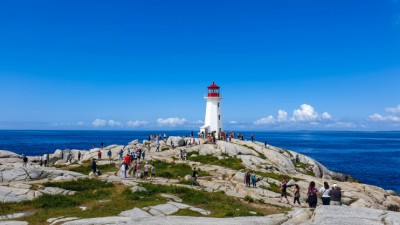
Halifax
Explore a harbor city where culture, history, and community meet.
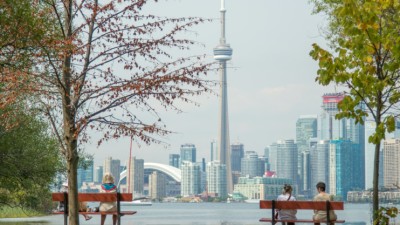
Toronto
A welcoming skyline, a vibrant queer heart, and a city that celebrates pride.
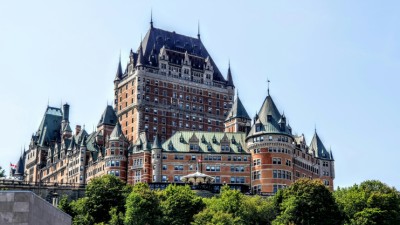
Quebec City
Walled streets, easy rhythms, and a welcoming base for curious travelers.
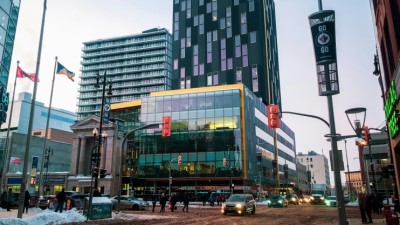
Winnipeg
Where prairie flavours meet a welcoming city spirit.
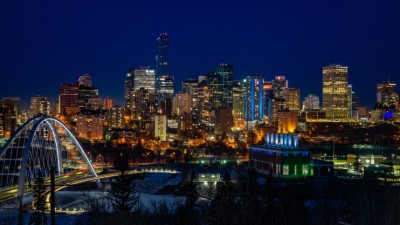
Edmonton
River valleys, civic landmarks, and a city shaped by inclusion
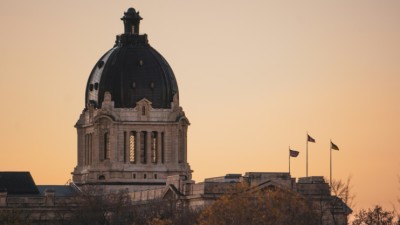
Regina
Discover a welcoming prairie capital with space for culture, history, and thoughtful city stays.

Victoria
Harbour views, walkable streets, and a welcoming West Coast stop.
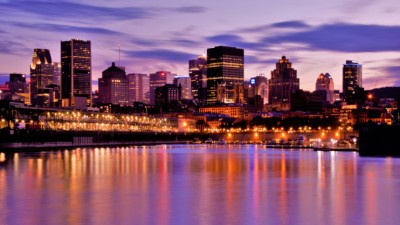
Montréal
Where history, nightlife, and inclusive culture meet
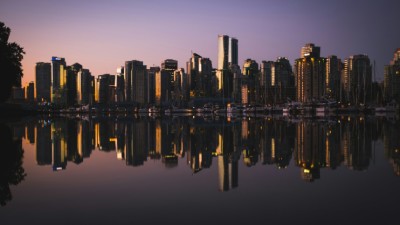
Vancouver
Coastal energy, inclusive streets, and nights that connect people.
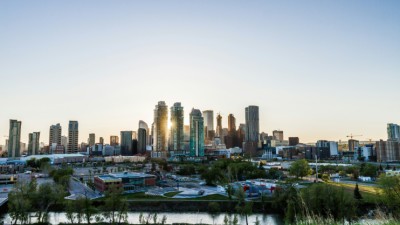
Calgary
Where western energy meets inclusive community life.

Kitchener
Where inclusive city life meets easy remote-work rhythm.
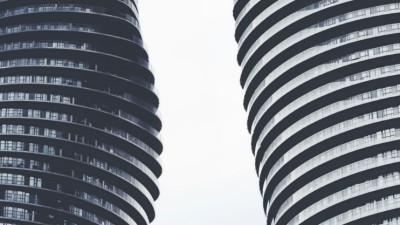
Mississauga
Explore a lakeside city with inclusive Canadian spirit.
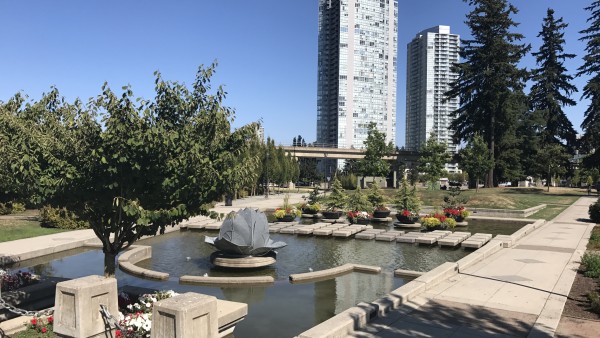
Surrey
Big-city energy, suburban reach, and easy access to inclusive nightlife nearby.
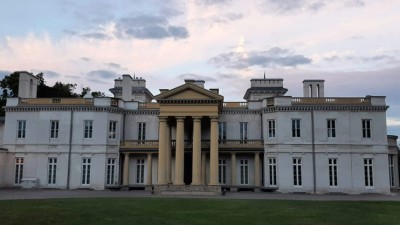
Hamilton
A lakeshore city with a lively social pulse and a visible Pride spirit.
Brampton
Urban comfort, cultural energy, and a welcoming Ontario base