About Halifax
As the capital of Nova Scotia, it is one of Atlantic Canada’s most important cities, and it serves as a practical base for travellers who want both waterfront scenery and a lively downtown experience.From an LGBTQ+ perspective, Halifax stands out for having an established Pride presence and a community that is visible in the city’s public life.
Halifax Pride is the best-known LGBTQ+ event associated with the city, drawing residents and visitors into a celebration that reflects both community pride and local culture.
For travellers like me who value history and cultural exchange, that makes Halifax especially appealing: it is a place where identity, celebration, and everyday city life are closely connected.For anyone exploring the city with an LGBTQ+ lens, the atmosphere is shaped less by a single landmark than by the broader sense of inclusion found in its cultural calendar, downtown streets, and waterfront setting.
It is a city where I can combine museums, historic sites, and coastal walks with the reassurance of a long-running Pride tradition.
Our Review
When I arrive in Halifax, I am struck by how naturally the city blends a working harbor, a strong cultural identity, and a welcoming urban atmosphere.
As the capital of Nova Scotia, it is one of Atlantic Canada’s most important cities, and it serves as a practical base for travellers who want both waterfront scenery and a lively downtown experience.
From an LGBTQ+ perspective, Halifax stands out for having an established Pride presence and a community that is visible in the city’s public life.
Halifax Pride is the best-known LGBTQ+ event associated with the city, drawing residents and visitors into a celebration that reflects both community pride and local culture.
For travellers like me who value history and cultural exchange, that makes Halifax especially appealing: it is a place where identity, celebration, and everyday city life are closely connected.
For anyone exploring the city with an LGBTQ+ lens, the atmosphere is shaped less by a single landmark than by the broader sense of inclusion found in its cultural calendar, downtown streets, and waterfront setting.
It is a city where I can combine museums, historic sites, and coastal walks with the reassurance of a long-running Pride tradition.
Events and Nightlife
When I explore Halifax from an LGBTQ+ travel perspective, I find that the city’s most visible community moment is Halifax Pride.
Organized annually by Halifax Pride, the festival includes the city’s Pride parade and a wider program of community events.
It is the best-known LGBTQ+ event in Halifax and a major part of the city’s summer calendar.
For visitors, Pride is the clearest time to experience Halifax’s LGBTQ+ community in a public and celebratory setting.
The event brings together residents, organizations, and travelers, and it reflects the city’s role as a capital of Atlantic Canada with a strong cultural identity.
If I were planning a trip around LGBTQ+ events, this is the anchor date I would look for first.
Outside Pride season, Halifax’s LGBTQ+ nightlife is more modest than in larger Canadian cities, but the city still offers a social scene centered on downtown and other busy, walkable areas.
I recommend focusing on venues that are clearly active, centrally located, and known for serving a diverse crowd.
In a city like Halifax, the best evenings often combine dinner, a waterfront walk, and a stop at a lively bar or music venue rather than a single large club scene.
Because nightlife businesses can change over time, I do not assume that a venue is LGBTQ+ specific unless it is clearly and currently identified as such.
For that reason, I suggest checking directly with venues and local event listings for current programming, drag nights, themed parties, and queer social gatherings before heading out.
What makes Halifax especially appealing to me as a cultural traveler is that its nightlife feels tied to place: the downtown core, the waterfront, and the surrounding historic streets all contribute to the atmosphere.
Even when a venue is not explicitly branded as LGBTQ+, the city’s Pride season and general urban setting make many central social spaces feel approachable for queer visitors.
For an LGBTQ+ traveler, my practical advice is simple: time the trip around Halifax Pride if possible, stay near the downtown core for the easiest access to evening activity, and verify current event schedules before going out.
That approach gives the most reliable way to experience Halifax’s LGBTQ+ social life as it is actually happening now.
Cultural and Social Activities
When I explore Halifax from an LGBTQ+ point of view, I find a city that is best understood through its culture, its historic waterfront, and its reputation for public community life.
Halifax is the capital of Nova Scotia and part of Canada, a country with nationwide legal protections for LGBTQ+ people.
For me, that broader context matters: it helps shape a city where cultural participation, public events, and everyday social life are generally accessible to LGBTQ+ visitors.
For cultural activities, I would focus my time in the city’s central areas, where Halifax’s museums, galleries, and performance spaces are concentrated.
The city’s best-known cultural institutions include the Art Gallery of Nova Scotia, which is the province’s major art museum, and the Maritime Museum of the Atlantic, which interprets the region’s seafaring history.
I find these are the kinds of places that reward slow, thoughtful visits, especially if you enjoy history, visual culture, and learning how a city sees itself through its collections.
Halifax also has a strong performing arts presence.
One of the most significant cultural venues is the Neptune Theatre, a major professional theatre company in the city.
For LGBTQ+ travelers, theatre can be one of the easiest ways to connect with local culture without needing a nightlife-heavy itinerary.
I like to include an evening performance when I travel, because it offers both a sense of the local arts scene and a comfortable, public setting.
On the social side, Halifax is especially visible during Halifax Pride, the city’s best-known LGBTQ+ event.
Halifax Pride is not just a parade; it is a wider festival and community celebration that brings together residents and visitors across the city.
If I were planning a trip with an LGBTQ+ focus, I would treat Pride season as the most concentrated moment for social connection, cultural programming, and community visibility in Halifax.
For LGBTQ+ history and landmarks, I have to be careful to stay with verified information.
Halifax does have a visible LGBTQ+ community and a longstanding Pride celebration, but I do not want to overstate specific historical landmarks without strong source support.
In practical travel terms, I would consider the city’s Pride-related public spaces and downtown cultural institutions as the most dependable places to engage with LGBTQ+ history and community life while I am there.
As for notable LGBTQ+ figures and influencers, I do not have enough verified source material in this pack to confidently name individuals connected specifically to Halifax.
Rather than guess, I would simply note that the city’s LGBTQ+ presence is most clearly expressed through its public cultural events and its annual Pride celebrations, which reflect a community that is active and visible in civic life.
For me, the best LGBTQ+ cultural day in Halifax would be a layered one: a museum in the morning, time at an art gallery or along the waterfront in the afternoon, and a theatre performance or Pride-related event in the evening if the calendar aligns.
That combination fits Halifax well.
It is a city where culture feels close to the water, and where LGBTQ+ visitors can take part in the city’s public life in a way that is relaxed, meaningful, and grounded in place.
Verified general reference: Canada
Accommodation
When I plan a stay in Halifax from an LGBTQ+ perspective, I start with the basics: Canada is a country where same-sex activity is legal and where LGBTQ+ rights are protected at the federal level.
You can read more about the country here: Canada.
In practical terms, that makes Halifax a relatively straightforward city in which to look for accommodation, especially in the central parts of town where most visitors base themselves.
For a city stay, I generally focus on the Downtown Halifax and Waterfront area.
This is the most convenient part of the city for museums, the harbourfront, the ferry terminal, restaurants, and cultural attractions.
For LGBTQ+ travelers, I find that central, busy neighborhoods usually offer the easiest experience because they are visitor-oriented and well connected by transit and walking routes.
Halifax also has Downtown Dartmouth across the harbour, which can be a useful base if you want a different pace while still staying close to the core.
Because Halifax does not have a large, clearly defined LGBTQ+ hotel district, I look for inclusive accommodation policies rather than marketing labels alone.
In a practical sense, that means checking whether the hotel or host explicitly welcomes all couples and all travelers, whether booking platforms allow me to confirm room types without making assumptions, and whether the property has clear anti-discrimination standards.
If a listing feels vague, I move on and choose a property that states its policies plainly.
For verified, inclusive-friendly booking decisions, I recommend checking the property’s own website and recent guest information carefully before booking.
I also make sure the location works for my itinerary: if I want to spend my evenings near galleries, theatres, or the waterfront, I stay in the city center rather than on the outskirts.
That approach keeps travel simple and helps avoid unnecessary late-night transportation.
From a cultural travel perspective, I prefer neighborhoods where I can move easily between dinner, a museum visit, and an evening walk.
In Halifax, that usually means staying close to the historic and cultural core rather than choosing a remote address.
The downtown area is the most practical option for this kind of trip, especially if I want to be near the city’s main attractions and public spaces.
My main tips for finding LGBTQ+ friendly accommodation in Halifax are simple: book in the central city, read the property’s inclusion language carefully, choose a place with clear guest-service standards, and prioritize convenience to the waterfront and downtown cultural sites.
Halifax is not a city where I would look for a dedicated LGBTQ+ hotel scene; instead, I would treat it as a city where good accommodation choices are the ones that are well located, clearly welcoming, and easy to verify before arrival.
Dining and Entertainment
When I plan an LGBTQ+ friendly evening in Halifax, I look first for places that feel easy, central, and genuinely open to everyone.
Halifax does not present itself as a city with a single, clearly defined queer dining district; instead, the experience is more woven into the downtown fabric.
That is useful for travelers, because it means I can focus on the city’s most walkable areas and choose venues that suit the mood of the day—whether I want a relaxed meal, a café break, or a night out at the theatre.
For dining, I would base myself in Downtown Halifax and near the Waterfront, simply because these are the most practical areas for visitors and place me close to the city’s cultural life.
This is where I would expect the easiest access to restaurants, cafés, and casual eateries, along with the kind of public setting that tends to feel comfortable for LGBTQ+ travelers.
Rather than looking for a separate “gay dining scene,” I would look for businesses that are clearly welcoming in their tone and that serve a broad mix of locals and visitors.
As a travel journalist, I always recommend checking a restaurant’s own website or current listings before going, especially if I am hoping for an especially inclusive atmosphere.
In Halifax, that matters because the city’s dining scene is active and can change over time.
The safest approach is to choose places in central, well-trafficked parts of the city and to favor venues that present themselves as open to all guests.
That practical, low-drama strategy usually works best for LGBTQ+ travelers who want a pleasant meal without having to second-guess the setting.
For a more culture-forward evening, Halifax is especially rewarding.
One of the city’s strongest assets is its arts and performance life, and I would make room for a theatre visit when possible.
Neptune Theatre is one of the city’s key performing arts venues, and it is a natural choice if I want to pair dinner with a live show.
The experience feels distinctly local: a meal in the downtown core, followed by a performance that connects me to the city’s cultural energy.
For LGBTQ+ travelers, that combination of food and performance can be one of the most welcoming ways to spend an evening.
I also find Halifax’s museums and arts institutions useful when planning the day around an evening out.
If I start with a visit to the Art Gallery of Nova Scotia or the Maritime Museum of the Atlantic, I can then continue into a relaxed dinner and theatre plan without ever having to leave the central city.
That makes the day feel cohesive and easy to navigate, which is especially helpful for travelers who prefer places where culture, dining, and entertainment are all within a short walk or a simple ride.
When it comes to nightlife, I would not describe Halifax as a city with a large, specialized LGBTQ+ entertainment circuit.
Instead, I would describe it as a city where queer visitors can enjoy mainstream entertainment in a generally welcoming urban setting.
That may mean live music, a performance venue, or a lively restaurant and bar area rather than a dedicated LGBTQ+ club district.
For me, that is part of Halifax’s appeal: it is approachable, manageable, and best enjoyed through a mix of good food, local culture, and a night out that feels easy to put together.
Halifax Pride remains the city’s most visible LGBTQ+ celebration, and if I were visiting during Pride, I would expect the atmosphere around dining and entertainment to feel especially communal.
Even then, I would still use the same practical method: book ahead, stay in the central city, and confirm the current event lineup directly with venues.
That approach keeps the experience grounded and realistic while still leaving room for discovery.
My advice for LGBTQ+ travelers is simple: build your Halifax dining and entertainment plans around the downtown core, the waterfront, and the city’s major cultural venues.
Choose restaurants and cafés that are easy to verify, pair dinner with theatre or another performance when possible, and treat Pride season as the best time for broader community energy.
Halifax rewards travelers who appreciate culture, history, and a relaxed pace—and that makes it a strong fit for a thoughtful, inclusive night out.
Travel Tips
When I travel to Halifax, I find it easiest to approach the city the same way I approach much of Canada: with a mix of openness, common-sense planning, and respect for local rhythms.
Canada is a country with legal protections for LGBTQ+ people, and Halifax sits within that broader national framework.
That does not remove the need for ordinary travel caution, but it does mean I can usually focus on the practical details of the trip rather than worrying about basic legal acceptance.
For an LGBTQ+ visitor, my first tip is simple: stay in the parts of the city that are busiest and easiest to navigate.
In Halifax, that usually means the downtown core and the waterfront.
These are the areas where I feel most comfortable walking, dining, and moving between attractions because they are active, public, and familiar to visitors.
If I want a quieter base, I consider Downtown Dartmouth, but I still plan carefully around ferry or transit connections so I can move back into the city center easily.
I also recommend keeping expectations realistic about the local scene.
Halifax is welcoming, but it is not a city built around a large, separate LGBTQ+ district.
Instead, I look for inclusive businesses in central locations and check current information before I go.
That matters because venues can change, and I do not assume a bar, café, or hotel is LGBTQ+-specific unless it is clearly and currently described that way by the business itself.
One of the best ways I connect with the local LGBTQ+ community is by timing my visit around Halifax Pride.
That is the city’s most visible LGBTQ+ event, and it gives me the clearest sense of local community energy.
Outside Pride season, I keep an eye on current listings for queer-friendly events, drag performances, and community programming, but I verify everything directly rather than relying on outdated recommendations.
In terms of local customs, Halifax feels relaxed and straightforward.
I find that politeness goes a long way here, and that holds true in restaurants, hotels, museums, and on public transit.
I try to be courteous, keep my voice down in shared spaces when appropriate, and respect personal space.
That is standard Canadian travel etiquette, but it is especially useful in a city where I may be moving through mixed residential, cultural, and tourist areas in a single day.
For safety, I use the same habits I would in any city: I stay aware of my surroundings after dark, keep my phone charged, and arrange transport in advance if I am heading out late.
Halifax’s downtown and waterfront are the places I expect to be the most comfortable as a visitor, but I still avoid making assumptions about any neighborhood late at night.
I also keep my belongings secure, especially when I am moving between the waterfront, cultural sites, and evening venues.
If I want to connect with the local LGBTQ+ community in a meaningful way, I start with public and well-established city experiences rather than trying to force a nightlife-only itinerary.
Halifax’s Pride events are the most obvious starting point.
I also build my day around museums, theatres, and waterfront walks, because those are the kinds of places where I can naturally encounter the city’s cultural life and feel part of it.
That approach suits Halifax well: the city rewards slow exploration, and its LGBTQ+ visibility is often strongest when it overlaps with broader arts and community life.
My practical advice, then, is to plan centrally, verify current event and venue information, and use Pride and public cultural programming as the main entry points into the local scene.
Halifax is not a city that requires elaborate workarounds; it is a city where good planning, respectful behavior, and a willingness to explore its central neighborhoods will usually lead to a smooth and rewarding trip.
For broader context on Canada, I sometimes refer to Canada before I travel, especially when I want a quick reminder of the national setting I am moving through.
As I close my Halifax notes, what stands out most is how comfortably this Atlantic city fits into Canada’s wider legal and social framework for LGBTQ+ travelers.
Canada’s national protections and generally inclusive public culture create a reassuring backdrop, and Halifax itself feels approachable, compact, and easy to explore.
For me, that combination is the city’s biggest strength: it offers the calm practicality of a smaller coastal capital while still giving LGBTQ+ visitors meaningful places to gather, celebrate, and take part in civic life.
Halifax’s strongest LGBTQ+ draw is its visibility during Halifax Pride, when the city’s queer community is most publicly celebrated.
That matters because it gives visitors a clear moment to experience local energy, community pride, and cultural participation.
Even outside festival season, I would recommend looking to the city’s central, walkable areas—especially downtown and the waterfront—for the most comfortable and convenient stay.
Those are the places where the city’s museums, theatres, restaurants, and public spaces are easiest to enjoy as a traveler who values both culture and inclusion.
The challenge, compared with larger Canadian cities, is that Halifax does not present a large, sharply defined LGBTQ+ district or a dense queer nightlife scene.
That does not make it unfriendly; it simply means the experience is more dispersed and often tied to mainstream venues, public events, and arts spaces rather than a single neighborhood.
For LGBTQ+ travelers, that calls for a bit more planning: I would check current event listings, verify venue details before going out, and choose accommodation in central areas to keep the trip simple and flexible.
My final recommendation is to treat Halifax as a city to be experienced through its public life.
Visit the museums, spend time on the waterfront, take in a performance, and, if your timing is right, plan around Pride.
That is where Halifax feels most alive and most clearly itself.
For LGBTQ+ travelers who appreciate history, coastal scenery, and a community-centered atmosphere, this is a city worth exploring slowly and with curiosity.
In short: Halifax is not about spectacle, but about steady welcome, accessible culture, and a Pride season that brings its LGBTQ+ spirit into full view.
If you travel with practical expectations and an openness to the city’s rhythm, I think you can enjoy a rewarding and comfortable visit here.
For background on the national setting, see Canada.
Other Guides in Canada
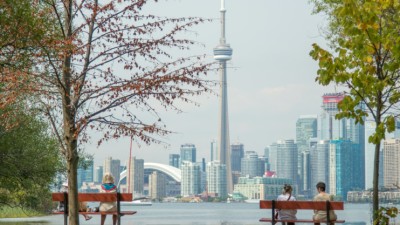
Toronto
A welcoming skyline, a vibrant queer heart, and a city that celebrates pride.
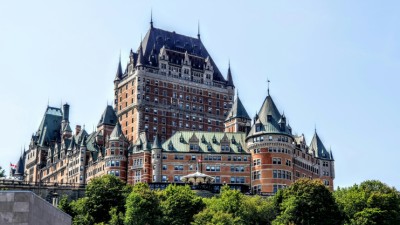
Quebec City
Walled streets, easy rhythms, and a welcoming base for curious travelers.
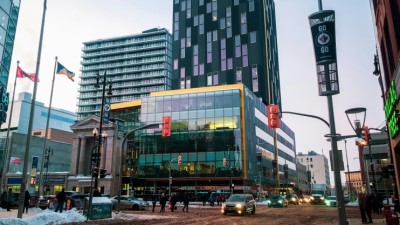
Winnipeg
Where prairie flavours meet a welcoming city spirit.

Edmonton
River valleys, civic landmarks, and a city shaped by inclusion
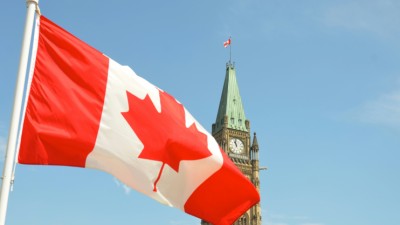
Ottawa
Where national sights meet inclusive city life.

Regina
Discover a welcoming prairie capital with space for culture, history, and thoughtful city stays.

Victoria
Harbour views, walkable streets, and a welcoming West Coast stop.

Montréal
Where history, nightlife, and inclusive culture meet
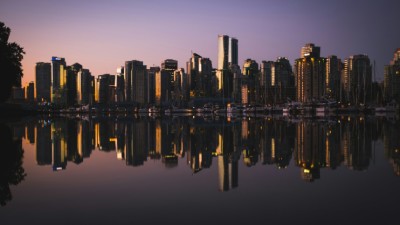
Vancouver
Coastal energy, inclusive streets, and nights that connect people.

Calgary
Where western energy meets inclusive community life.

Kitchener
Where inclusive city life meets easy remote-work rhythm.

Mississauga
Explore a lakeside city with inclusive Canadian spirit.

Surrey
Big-city energy, suburban reach, and easy access to inclusive nightlife nearby.

Hamilton
A lakeshore city with a lively social pulse and a visible Pride spirit.
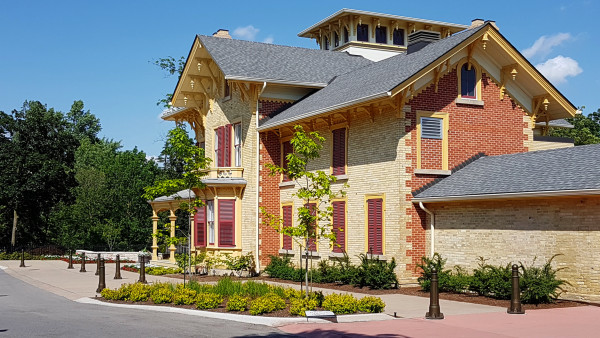
Brampton
Urban comfort, cultural energy, and a welcoming Ontario base