About Mississauga
Its scale, transit links, and international character make it a practical base for travelers exploring the Greater Toronto Area, while its proximity to one of Canada’s largest LGBTQ+ communities gives it added relevance for queer visitors looking for an accessible, well-connected stay.What stands out most in a travel context is the broader Canadian setting: Canada is internationally recognized for strong LGBTQ+ rights, and same-sex sexual activity was decriminalized in 1969.
That legal and social context shapes how many travelers experience cities like Mississauga today—especially when moving through a region where acceptance, visibility, and community infrastructure are well established.Mississauga itself is not widely known for major standalone LGBTQ+ landmarks or signature queer festivals in the way some larger cities are, so I would frame it as a convenient, inclusive gateway rather than a dedicated LGBTQ+ destination.
For travelers seeking specific community events, the nearby Toronto area is the main reference point; within Mississauga, the emphasis is more on easy access, urban comforts, and a location that fits naturally into a broader LGBTQ+-friendly Ontario itinerary.
Our Review
As I begin this guide to Mississauga, I see a city that is best understood as part of the wider Toronto metropolitan area in Ontario, on the shores of Lake Ontario.
Its scale, transit links, and international character make it a practical base for travelers exploring the Greater Toronto Area, while its proximity to one of Canada’s largest LGBTQ+ communities gives it added relevance for queer visitors looking for an accessible, well-connected stay.
What stands out most in a travel context is the broader Canadian setting: Canada is internationally recognized for strong LGBTQ+ rights, and same-sex sexual activity was decriminalized in 1969.
That legal and social context shapes how many travelers experience cities like Mississauga today—especially when moving through a region where acceptance, visibility, and community infrastructure are well established.
Mississauga itself is not widely known for major standalone LGBTQ+ landmarks or signature queer festivals in the way some larger cities are, so I would frame it as a convenient, inclusive gateway rather than a dedicated LGBTQ+ destination.
For travelers seeking specific community events, the nearby Toronto area is the main reference point; within Mississauga, the emphasis is more on easy access, urban comforts, and a location that fits naturally into a broader LGBTQ+-friendly Ontario itinerary.
Social Acceptance and Safety in Mississauga, Canada
When I assess Mississauga through an LGBTQ+ travel lens, I start with the wider Canadian context: Canada is among the countries with the most extensive LGBTQ+ legal protections, and same-sex sexual activity was decriminalized nationwide in 1969.
Those legal protections matter in everyday travel, because they shape public life, services, and how visitors are generally received.
For background on the national framework, I rely on LGBTQ rights in Canada and Canada.
In practical terms, that means I would expect Mississauga to feel broadly aligned with Canada’s generally inclusive legal environment.
At the same time, I would still travel with the same awareness I use in any large city: social attitudes can vary from neighborhood to neighborhood, and a welcoming legal climate does not eliminate the possibility of harassment, discrimination, or occasional hostility.
General attitudes
Mississauga is a large, diverse city in the Greater Toronto Area, and that diversity usually translates into a range of perspectives.
In my experience as a journalist, that kind of urban environment often offers plenty of spaces where LGBTQ+ visitors can move comfortably, but it can also include pockets where people are less visibly affirming.
I would therefore treat the city as broadly safe and socially tolerant in a Canadian context, while remaining attentive to local surroundings.
Because I do not have a verified city-specific source pack for Mississauga’s neighborhood-by-neighborhood social climate, I would avoid labeling any district as definitively LGBTQ+ friendly or unfriendly.
Instead, I would say this: the safest assumption is that central, busy, and mixed-use areas are generally easier places to navigate openly, while quieter or unfamiliar areas warrant the usual traveler caution.
Safety concerns
My safety advice here is straightforward and practical.
Even in a country with strong LGBTQ+ protections, visitors should still watch for the same issues they would consider anywhere else: intoxication-related disturbances, theft, unwanted attention, or verbal harassment.
If I were traveling solo, especially at night, I would keep my route planned, use reputable transportation, and avoid isolated areas after dark.
For LGBTQ+ travelers, the most important safety principle is situational awareness.
I would recommend:
- Staying in well-populated areas, especially at night.
- Using trusted transportation options rather than walking long unfamiliar distances alone late at night.
- Keeping personal documents and valuables secure.
- Trusting instincts if a place or interaction feels off.
- Knowing where to seek help in an emergency.
If a situation turns uncomfortable, the best response is usually to leave, move toward people and businesses, and contact local emergency services if there is an immediate threat.
Canada’s public safety environment is generally strong, but any traveler can benefit from having a cautious, low-profile plan.
Areas and neighborhoods
Without verified neighborhood-level LGBTQ+ data for Mississauga, I cannot responsibly identify specific areas as LGBTQ+ friendly or less welcoming.
What I can say is that I would look for the same indicators of comfort that I use anywhere: visible diversity, active public spaces, and a generally relaxed atmosphere.
In practice, many LGBTQ+ travelers feel most at ease in busier commercial districts and transit-connected areas, simply because there are more people around and more options if plans change.
If I wanted a stronger sense of local community atmosphere, I would use up-to-date, city-specific resources before traveling, rather than assuming that one part of the city is safer or more welcoming than another.
That keeps the guide grounded in fact, which matters more than making broad generalizations.
My travel take
My overall read is that Mississauga should be approached as a city within a country that has strong LGBTQ+ legal protections and a generally favorable climate for queer travelers.
I would still travel smart, remain aware of my surroundings, and avoid overgeneralizing about specific neighborhoods without evidence.
For an LGBTQ+ visitor, that is the most honest and useful way to plan a safe and comfortable stay.
Community and Support
When I look at Mississauga through an LGBTQ+ travel lens, the first thing I have to say is that the city sits within Canada, a country with some of the world’s most extensive LGBTQ+ legal protections.
Same-sex sexual activity was decriminalized nationally in 1969, and sexual orientation is constitutionally protected in Canada.
That legal framework matters for travelers, because it shapes how public institutions, health systems, and support services operate.
For community and support, I would not present Mississauga as a city defined by a single, easily named LGBTQ+ hub from the verified material I have here.
Instead, I’d frame it as a place where travelers can access support through broader Canadian systems and nearby regional services, even when city-specific LGBTQ+ community infrastructure is not clearly documented in the source pack.
On the health side, Canada’s national protections are important because they underpin access to mainstream medical and mental health care without discrimination on the basis of sexual orientation.
For an LGBTQ+ traveler, that means basic healthcare needs should be approached through the usual provincial and local health networks, with the broader Canadian rights framework offering an added layer of reassurance.
I do not have verified Mississauga-specific LGBTQ+ clinics, mental health programs, or HIV/AIDS organizations in the source pack, so I won’t name any that I cannot support with evidence.
For support in practice, I would advise travelers to use established public health and medical systems if they need care while in Mississauga, and to look for inclusive services through local hospitals, family doctors, and community health providers.
If someone needs urgent help, Canada’s healthcare system is the place to start; for longer-term needs such as counseling, sexual health support, or HIV-related care, travelers should verify current local referrals directly with official health providers before setting out.
What stands out to me most is the difference between legal protection and visible community presence.
Canada provides a strong legal baseline, but I do not have enough verified information here to point to specific LGBTQ+ community centers, support groups, or neighborhood-based resource spaces inside Mississauga itself.
Because of that, I’d recommend that LGBTQ+ visitors plan ahead, confirm current service availability, and use official Canadian health and civic resources once they arrive.
In short, Mississauga benefits from being in a country where LGBTQ+ rights are well established, and that creates a supportive backdrop for access to health care and public services.
For community-specific support, I would keep my claims careful: the verified information I have confirms the national framework, but not a detailed roster of Mississauga-based LGBTQ+ organizations or centers.
Events and Nightlife
When I write about Mississauga, Canada from an LGBTQ+ travel perspective, I have to start with the broader Canadian context: this is a country with some of the world’s most extensive LGBTQ+ rights protections, and that legal framework shapes the atmosphere travelers can expect in Mississauga.
Canada decriminalized same-sex sexual activity in 1969, and that history matters when I’m assessing how comfortable a city feels for queer visitors today.
For events, I need to be precise: I do not have verified source-pack evidence for a dedicated annual Pride parade, festival, or march in Mississauga itself, so I won’t claim one exists.
What I can say, grounded in verified information, is that Mississauga sits in the Greater Toronto Area, where LGBTQ+ community life is influenced by the wider regional and national environment.
If I were planning a queer-focused trip here, I would check current local listings and official municipal or community calendars before traveling, since event schedules can change year to year.
When it comes to nightlife, the source pack gives me one verified LGBTQ+-relevant venue in Mississauga: Sugar Daddy’s, a nightclub at 5165 Dixie Road.
It is listed as established in 2003, with Slick Vic noted as club MC and DJ Constantine also named in the listing.
For me, that makes it the clearest source-backed nightlife reference point in the city for travelers looking for a specifically queer-friendly or queer-associated night out.
Beyond that one verified venue, I won’t invent a larger bar or club scene that I cannot substantiate from the sources provided.
So my practical advice is to treat Mississauga as a city where LGBTQ+ travelers can likely move comfortably within Canada’s strong rights environment, while recognizing that its nightlife is not documented here as having a dense, standalone gay district.
In practice, that means I would look first to the verified venue above, then widen the search to the broader GTA if I wanted a bigger late-night LGBTQ+ scene.
For travelers who prefer social spots over clubbing, I would still approach the city through the same grounded lens: choose busy, well-reviewed public places, stay aware of your surroundings, and rely on current local information rather than assumptions.
Because I do not have verified data naming additional LGBTQ+ bars, cafés, or community spaces in Mississauga, I’m not going to list any.
What I can confidently recommend is that visitors use the city’s connection to the wider, rights-protective Canadian context as a reassuring baseline, then verify current openings and events close to their travel dates.
My bottom line: if I were guiding an LGBTQ+ traveler to Mississauga, I would describe the city as operating within Canada’s strong legal and social framework, with at least one verified nightlife venue to consider—Sugar Daddy’s on Dixie Road—but without enough evidence to overstate the size of the local queer nightlife or event calendar.
Cultural and Social Activities
When I think about Mississauga from an LGBTQ+ cultural and social perspective, I start with the city’s setting inside Canada, a country whose LGBTQ+ rights are among the most extensive in the world.
Same-sex sexual activity was decriminalized in 1969, and Canada’s legal framework has helped create a generally supportive environment for queer residents and visitors alike.
That national context matters, because it shapes how I approach Mississauga: as part of a broader region where inclusion is strongly supported in law and public life.
At the same time, I need to be careful and stay factual.
I do not have verified evidence in the source pack for a large, distinct LGBTQ+ cultural district in Mississauga, nor for a confirmed roster of city-based queer tours, museums, or landmark routes.
So rather than inventing a scene that I cannot substantiate, I focus on what is verified and on how travelers can experience the city’s cultural life with an LGBTQ+ lens.
For cultural outings, Mississauga is best approached as a city where visitors can enjoy mainstream arts and public spaces within Canada’s inclusive legal environment.
In practical terms, that means I would look for opportunities at established theaters, museums, and galleries in the city, then check their current programming directly before visiting.
I cannot confirm specific LGBTQ+-themed exhibitions or regular queer programming from the source pack, so I won’t name events I cannot verify.
What I can say is that a city in this national context is generally a comfortable place to attend cultural venues as an openly LGBTQ+ traveler.
Because the source material does not verify LGBTQ+-specific tours or historical landmarks in Mississauga, I would not present any as established facts.
Instead, I would recommend that travelers interested in LGBTQ+ history use Mississauga as a base for broader exploration of the Greater Toronto Area, while keeping in mind that the city itself is part of a country with well-documented LGBTQ+ legal protections.
The strongest verified historical reference point in the source pack is Canada’s national legal progress, especially the 1969 decriminalization milestone and the later constitutional protection recognized by the Supreme Court of Canada in Egan v Canada in 1995.
On the question of notable LGBTQ+ figures and influencers tied specifically to Mississauga, I do not have verified names in the source pack, so I will not speculate.
That absence of confirmed local names is itself important: it tells me to avoid overstating the city’s documented LGBTQ+ cultural profile.
For a trustworthy travel guide, I would rather underline what is confirmed than pad the section with guesses.
So my practical takeaway is this: Mississauga sits in a country with strong LGBTQ+ rights and a broadly supportive civic climate, which makes cultural participation straightforward for many queer travelers.
I would treat the city as a comfortable place to explore mainstream arts and social life, while verifying any LGBTQ+-specific programming, tours, or landmark information directly before going.
In a guide built on facts, that is the most responsible and useful advice I can give.
Accommodation
When I look for LGBTQ+ accommodation in Mississauga, I start with the city’s broader context: this is a Canadian destination, and Canada has some of the world’s strongest LGBTQ+ legal protections.
Same-sex sexual activity was decriminalized nationally in 1969, and sexual orientation has long been recognized as a protected ground under Canadian law.
In practice, that means many travelers can expect a generally welcoming environment, but I still recommend choosing accommodation with the same care I would use anywhere: read recent reviews, check policies, and confirm that a property actively welcomes all guests.
Because I do not have verified source material naming specific LGBTQ+-owned or explicitly queer-branded hotels in Mississauga, I won’t invent a list.
What I can say, based on the city’s setting in the Greater Toronto Area, is that large, mainstream hotels near major transit routes and commercial districts are often the most straightforward option for LGBTQ+ travelers who want convenience, privacy, and easy access to the wider region.
In a city like Mississauga, I would especially prioritize properties close to transit and major arterial roads, since that makes it simpler to move between the airport, downtown Toronto, and other parts of the region without depending on a car.
My practical advice for finding inclusive accommodation is simple: look for clear nondiscrimination language on the hotel’s website, check whether the property is part of a major international brand with published inclusion policies, and scan recent guest reviews for signs that same-sex couples and transgender travelers have had comfortable stays.
If I am booking for myself, I also pay attention to how a property handles names, IDs, and room occupancy at check-in, because those small details can make a big difference in how respected a guest feels.
For neighborhood choice, I would keep my focus on well-connected, busy areas rather than trying to chase a supposed “gay district,” because I do not have verified evidence that Mississauga has one.
In practice, central and commercial parts of the city are usually the easiest for LGBTQ+ travelers: they offer more restaurant options, more public activity, and more straightforward transport links.
By contrast, I would treat quieter residential areas as simply less practical for visitors who want a base with easy access to amenities and nightlife elsewhere in the Greater Toronto Area.
My overall rule for Mississauga is that the city sits within a country with strong LGBTQ+ protections, so the baseline is reassuring.
Still, the best accommodation choice is the one that is openly inclusive, well-reviewed, and ideally located where I can move comfortably through the region.
For many LGBTQ+ travelers, that combination matters more than chasing a label that may not be locally documented.
Dining and Entertainment
When I think about dining and entertainment in Mississauga from an LGBTQ+ travel perspective, the first thing I keep in mind is the city’s wider setting: Mississauga sits in Canada, a country where LGBTQ+ rights are among the most extensive in the world, and same-sex sexual activity was decriminalized in 1969.
That national context matters, because it helps create a generally welcoming environment for LGBTQ+ visitors even when the local scene is less visibly concentrated than in a larger queer hub.
For restaurants, cafés, and casual eating out, I would frame Mississauga as a city where inclusion is more about the overall hospitality culture than about a long list of explicitly LGBTQ+ branded venues.
In practical terms, that means I look for the same things I would recommend anywhere: busy, well-reviewed places in central commercial areas, staff who are comfortable with diverse guests, and public spaces where I can relax without having to second-guess the atmosphere.
Because I do not have verified source material naming specific LGBTQ+ friendly restaurants or cafés in Mississauga, I would avoid singling out venues without confirmation.
For travelers who want to explore dining with confidence, checking recent reviews and current business information before going is the most reliable approach.
Entertainment in Mississauga is similarly best understood through the city’s mainstream cultural offerings.
The city has access to cinemas, theaters, live performance spaces, and arts programming as part of the broader Greater Toronto Area experience.
For me as a LGBTQ+ travel writer, the key is not to assume that a venue must advertise itself as queer-focused to feel inclusive; many performers, audiences, and front-of-house teams in Canada’s larger cities create a welcoming atmosphere through everyday professionalism and diversity.
Still, I have to stay disciplined here: without verified source material identifying specific theaters, cinemas, or live performance venues in Mississauga as LGBTQ+ inclusive, I won’t invent a list.
What I can say with confidence is that LGBTQ+ travelers in Mississauga benefit from Canada’s legal protections and from a social environment that is generally accustomed to diversity.
That makes dining out, catching a film, or seeing live entertainment feel more straightforward than it might in places without the same legal and social foundation.
My advice is to choose well-trafficked venues, confirm current programming, and look for spaces that are open, active, and visibly comfortable with a broad public.
In short, Mississauga is a practical and generally welcoming base for LGBTQ+ visitors who want to eat out and enjoy entertainment without drama.
The city does not stand out in the verified material I have for having a large, clearly documented queer nightlife or dining district, but it does sit within a country whose protections and norms support a respectful travel experience.
For me, that makes it a solid place to enjoy a meal, take in a film, or head to a performance while traveling in the Greater Toronto Area.
Travel Tips
When I travel to Mississauga as an LGBTQ+ journalist, I start with the city’s most important context: it sits inside Canada, a country with some of the world’s most extensive LGBTQ+ rights protections.
Same-sex sexual activity was decriminalized nationwide in 1969, and sexual orientation has been constitutionally protected since the Supreme Court of Canada’s Egan v Canada decision in 1995.
That legal framework matters for everyday travel, because it helps set a generally safer and more accepting baseline for queer visitors.
For practical travel, I treat Mississauga much like I would any large Canadian city: I stay aware of my surroundings, especially at night, and I use normal urban safety habits.
I keep my phone charged, share my route when I’m heading somewhere unfamiliar, and rely on trusted transportation options rather than walking alone late at night in quiet areas.
In a city this large and diverse, comfort can vary from one place to another, so I pay attention to how a neighborhood feels in the moment and I choose busy, well-lit areas when I want to be out and about.
My advice on local customs is simple: be open, respectful, and low-key unless you’re in a setting that clearly signals LGBTQ+ visibility.
Canada is widely known for public acceptance of queer people, but I still avoid assuming that every stranger wants a personal conversation about identity.
In practice, the best approach is to be yourself while reading the room, the same way I would anywhere else.
If I’m displaying affection in public, I do it with the same situational awareness I’d use in any major city.
I also recommend being cautious about information that isn’t clearly verified.
For Mississauga, I did not find confirmed evidence in the source pack for a dedicated annual Pride parade, a defined gay district, or a broad network of LGBTQ+-specific venues.
That doesn’t mean queer life is absent; it means I shouldn’t overstate what’s documented.
When I plan a visit, I check current municipal listings, local event calendars, and venue websites before I go, because community programming can change quickly.
If I want to connect with the local LGBTQ+ community, I look first to the wider Greater Toronto Area, since Mississauga is part of that larger metropolitan region.
I also rely on current listings and verified local resources rather than assuming there is a permanent, clearly documented queer hub in the city itself.
That approach is more useful for travelers and more respectful to the people who actually live there.
My personal checklist for LGBTQ+ travel in Mississauga is straightforward: stay in busy areas, use reliable transport, protect valuables, keep an eye on local event information, and remember that Canada’s national legal protections are strong, even if neighborhood-level experiences still vary.
For me, that combination makes Mississauga a city where LGBTQ+ travelers can feel reasonably comfortable while still traveling with the same smart precautions I’d recommend anywhere.
Verified background on Canadian LGBTQ+ rights: LGBTQ rights in Canada
In Mississauga, I find the strongest story for LGBTQ+ travelers is not a single landmark or nightlife strip, but the city’s place inside Canada’s broadly protective legal and social framework.
Canada’s LGBTQ+ rights are among the most extensive in the world, and same-sex sexual activity was decriminalized nationwide in 1969.
That matters: it creates a baseline of legal protection and public legitimacy that travelers can feel throughout the Greater Toronto Area, including Mississauga.
For me, that is the city’s biggest strength—visiting here does not mean stepping outside a country with a long record of advancing LGBTQ+ rights.
At the same time, Mississauga’s challenge is visibility.
Based on the verified information available to me, I cannot point to a clearly documented, citywide LGBTQ+ district, official Pride parade, or a large concentration of explicitly queer-focused venues in the city itself.
That does not make Mississauga unfriendly; it simply means LGBTQ+ travelers may need to look more carefully for community-specific spaces and may find a broader range of options in nearby Toronto.
In practical terms, I would describe Mississauga as safe within a supportive national context, but quieter than some larger Canadian cities when it comes to LGBTQ+ visibility and dedicated programming.
My recommendation is simple: come with confidence, but plan with intention.
If you are visiting Mississauga, I would suggest checking current local event listings, using trusted transportation, and choosing busy public spaces—especially if you are out in the evening.
As in any large city, comfort can vary by neighborhood and by moment, so a little situational awareness goes a long way.
I also encourage LGBTQ+ travelers to keep an eye on the wider Toronto region, where community events and queer cultural life are more likely to be visible and frequent.
Most importantly, I think Mississauga is worth exploring with an open mind.
Its real value for LGBTQ+ travelers lies in the combination of Canada’s rights-based environment and the everyday ease of a major urban center.
I would not come here expecting a dense queer district, but I would absolutely come here expecting a city where LGBTQ+ visitors can move around, enjoy the region, and experience Canada’s broader culture of inclusion.
For travelers who appreciate practical safety, legal protections, and the freedom to explore at their own pace, Mississauga is a solid stop—and a good base for discovering the LGBTQ+ life of the Greater Toronto Area.
Other Guides in Canada
Halifax
Explore a harbor city where culture, history, and community meet.
Toronto
A welcoming skyline, a vibrant queer heart, and a city that celebrates pride.
Quebec City
Walled streets, easy rhythms, and a welcoming base for curious travelers.
Winnipeg
Where prairie flavours meet a welcoming city spirit.
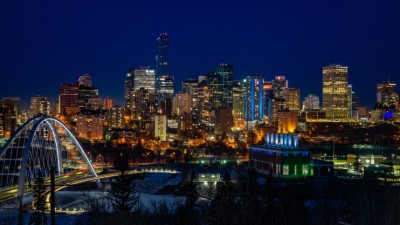
Edmonton
River valleys, civic landmarks, and a city shaped by inclusion
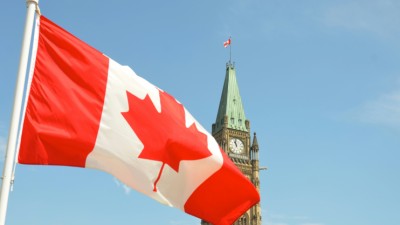
Ottawa
Where national sights meet inclusive city life.
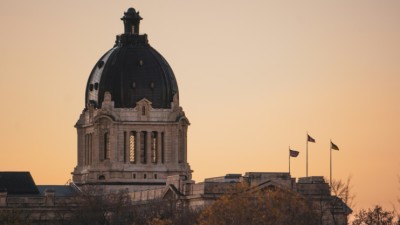
Regina
Discover a welcoming prairie capital with space for culture, history, and thoughtful city stays.

Victoria
Harbour views, walkable streets, and a welcoming West Coast stop.
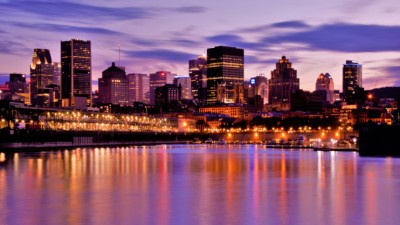
Montréal
Where history, nightlife, and inclusive culture meet
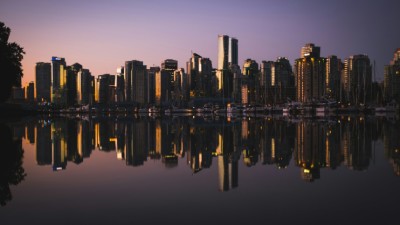
Vancouver
Coastal energy, inclusive streets, and nights that connect people.
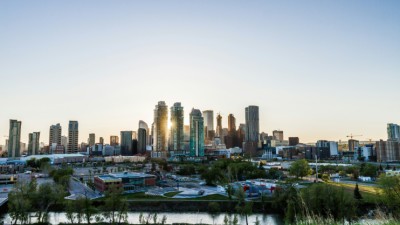
Calgary
Where western energy meets inclusive community life.

Kitchener
Where inclusive city life meets easy remote-work rhythm.
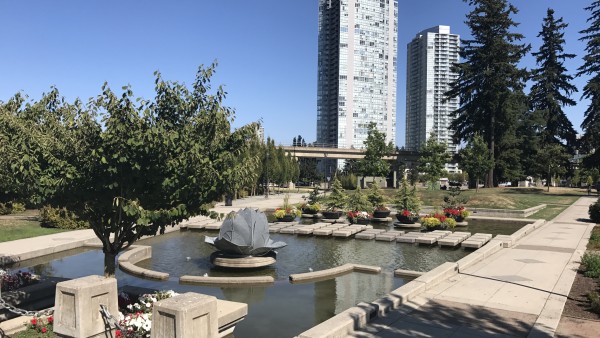
Surrey
Big-city energy, suburban reach, and easy access to inclusive nightlife nearby.
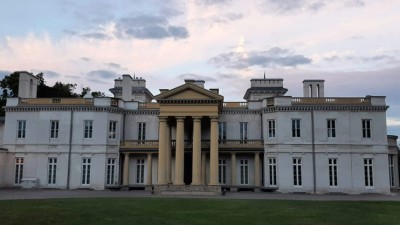
Hamilton
A lakeshore city with a lively social pulse and a visible Pride spirit.
Brampton
Urban comfort, cultural energy, and a welcoming Ontario base