About Quebec City
That matters for day-to-day travel: from reading signs to booking restaurants, coworking spaces, and hotels, French is part of the city’s rhythm.
For a digital nomad like me, that also adds a practical layer to planning, especially if I am balancing remote work with sightseeing in the UNESCO-listed old city and its compact central districts.From an LGBTQ+ point of view, Québec City benefits from Canada’s long-standing legal protections for lesbian, gay, bisexual, transgender, and queer people.
Same-sex sexual activity was decriminalized nationally in 1969, and Canadian LGBTQ+ rights are among the most extensive in the world.
In practical terms, that creates a generally reassuring backdrop for travel, even if the city itself is better known for heritage tourism than for a large, internationally famous queer scene.For visitors looking for recognizable landmarks, the best-known draw is the city itself: the well-preserved walled old town, historic streets, and the dramatic setting above the St.
Lawrence River.
I do not find a major LGBTQ+ landmark or a signature citywide LGBTQ+ event in the verified source material I’m using here, so I would avoid overstating that part.
Instead, I see Québec City as a culturally rich base for travelers who want a walkable, highly distinctive destination within a country where LGBTQ+ rights are strongly protected.
Our Review
I arrive in Québec City with the same question many LGBTQ+ travelers ask before a first visit: how easy is it to feel comfortable, included, and able to move around the city with confidence? What I find here is a destination shaped by its historic character, its French-language identity, and Canada’s broad legal protections for LGBTQ+ people.
Québec City is the capital of the province of Quebec, where French is the sole official language.
That matters for day-to-day travel: from reading signs to booking restaurants, coworking spaces, and hotels, French is part of the city’s rhythm.
For a digital nomad like me, that also adds a practical layer to planning, especially if I am balancing remote work with sightseeing in the UNESCO-listed old city and its compact central districts.
From an LGBTQ+ point of view, Québec City benefits from Canada’s long-standing legal protections for lesbian, gay, bisexual, transgender, and queer people.
Same-sex sexual activity was decriminalized nationally in 1969, and Canadian LGBTQ+ rights are among the most extensive in the world.
In practical terms, that creates a generally reassuring backdrop for travel, even if the city itself is better known for heritage tourism than for a large, internationally famous queer scene.
For visitors looking for recognizable landmarks, the best-known draw is the city itself: the well-preserved walled old town, historic streets, and the dramatic setting above the St.
Lawrence River.
I do not find a major LGBTQ+ landmark or a signature citywide LGBTQ+ event in the verified source material I’m using here, so I would avoid overstating that part.
Instead, I see Québec City as a culturally rich base for travelers who want a walkable, highly distinctive destination within a country where LGBTQ+ rights are strongly protected.
Community and support in Québec City
When I travel as a digital nomad, I look for more than a pretty street grid and reliable coffee.
I also want to know where LGBTQ+ travelers can find support if they need it—whether that means a health clinic, a counselling resource, or simply a place where queer people are understood.
In Québec City, the most important context is reassuring: this is part of Canada, where LGBTQ+ rights are among the most extensive in the world, and same-sex sexual activity was decriminalized nationally in 1969.
That legal foundation matters when I’m deciding how comfortable a city will feel day to day.
LGBTQ rights in Canada
Québec City sits in the province of Quebec, where French is the sole official language.
For LGBTQ+ visitors, that means some services may operate primarily in French, so I plan ahead and keep translation tools handy when I’m looking for health information, booking appointments, or asking about support services.
The city’s long-established urban core makes it easy to access central services, but I still recommend having essential words and phrases ready, especially if I need to describe symptoms, ask about mental health care, or discuss sexual health.
Quebec
For health services, I would approach Québec City the same way I would any major Canadian city: by using the province’s mainstream health system and checking ahead for language and appointment details.
Because the source material for this guide does not verify specific LGBTQ+ clinics, community centers, or HIV/AIDS organizations in the city, I won’t name any that I can’t confirm.
What I can say with confidence is that the Canadian legal and healthcare environment provides a strong framework for LGBTQ+ residents and visitors seeking general medical care, mental health support, or sexual health information.
Canada
That means my practical advice for a stay in Québec City is straightforward: if I needed support, I would first use the city’s standard healthcare channels and look for services in the central, well-connected parts of town where access is easiest.
I would also keep in mind that Québec City is a historic, provincial capital rather than a city known for a large, highly visible queer-specific support network in the way Montreal is often described.
So while the city is fundamentally safe in legal terms, I would still do a little advance planning for any specialized need—especially mental health care, HIV testing, or longer-term support while working remotely.
For LGBTQ+ travelers and remote workers like me, the key takeaway is that Québec City offers a stable, rights-protected environment, but not one that is especially documented in the source pack as having a dense standalone LGBTQ+ infrastructure.
I would treat it as a city where mainstream healthcare and general Canadian protections are the backbone of support, and where French-language readiness makes access smoother.
In other words: good conditions, reliable systems, and a sensible place to base myself—as long as I come prepared.
Cultural and Social Activities in Québec City for LGBTQ+ Travelers
When I plan time in Québec City, I come for the atmosphere first: the old stone streets, the river views, and the city’s deep French-Canadian identity.
From an LGBTQ+ point of view, that matters because Québec City is best experienced as a culturally rich, walkable place where I can spend long stretches moving between museums, heritage streets, cafés, and theaters without needing a big queer nightlife scene to define the trip.
Canada has some of the world’s most extensive LGBTQ+ legal protections, and same-sex sexual activity was decriminalized nationwide in 1969.
That national context gives me confidence as a traveler.
In Québec City itself, the social experience is generally shaped more by the city’s historic character than by a clearly defined LGBTQ+ entertainment district.
For me, that means the strongest cultural experiences are the mainstream ones: heritage sites, performances, and public spaces where the city’s identity is on display.
What I prioritize culturally
Québec City’s most distinctive cultural asset is its historic core, especially Old Québec, the well-preserved walled city that is recognized by UNESCO as the Historic District of Old Québec.
That setting is ideal for a traveler like me who likes to combine remote work with purposeful wandering: I can start the day at a café with reliable internet, then spend the afternoon exploring streets, squares, and public architecture that reflect centuries of French colonial and Canadian history.
The city’s cultural life is also anchored in its French-language identity.
Québec is the only Canadian province officially monolingual in French, so I expect much of the city’s signage, programming, and everyday interaction to reflect that.
Even when I’m just attending a museum or performance, that language environment is part of the experience.
I find it useful to approach the city with a few French phrases ready, especially when I’m asking about exhibition times, ticketing, or accessibility.
Museums, theaters, and galleries
I would describe Québec City’s museum and arts scene as broad rather than explicitly LGBTQ+-themed.
The article source pack does not verify specific queer-focused museums or galleries here, so I avoid naming any as LGBTQ+ institutions.
Instead, I focus on the city’s general cultural venues, which are still highly relevant for LGBTQ+ travelers because they create welcoming spaces for learning, conversation, and social life.
In practice, this means I look for:
- Museums that interpret Québec’s history, art, and material culture.
- Theaters and performance venues where I can catch French-language productions, music, or touring shows.
- Art galleries that reflect contemporary Québécois creativity.
That kind of programming is especially appealing when I’m traveling as a digital nomad.
After working hours, I want something culturally engaging but low-friction: a museum visit, a concert, or an evening performance in a central neighborhood is often the easiest way to feel connected to the city.
LGBTQ+ specific tours and historical landmarks
I do not have verified source support for dedicated LGBTQ+ walking tours, queer heritage trails, or officially recognized LGBTQ+ historical landmarks in Québec City.
Because of that, I would not present any such offerings as established facts.
What I can say with confidence is that Québec City’s heritage landscape itself is a major draw.
The UNESCO-listed Old Québec is the kind of place where I naturally build a day around walking, photographing architecture, and taking in the city’s layered history.
For LGBTQ+ travelers, that makes the city feel inclusive in a practical sense: it offers a public, international atmosphere where I can move comfortably without needing specialized queer infrastructure to enjoy the visit.
Social life and the city’s atmosphere
Socially, Québec City feels more intimate than sprawling.
I don’t come here expecting a large, highly visible LGBTQ+ district, and the verified information available does not identify one.
Instead, I think of the city as a place where I can enjoy mixed social spaces—cafés, terraces, museums, and event venues—within a broader environment shaped by Canada’s strong rights framework.
That makes the city a good fit for travelers who value calm over spectacle.
If I’m working remotely, I appreciate being able to finish a morning of work and then step straight into a cultural afternoon without having to navigate a complicated nightlife map.
In that sense, Québec City suits a slower travel rhythm.
Notable LGBTQ+ figures and influencers
I do not have verified information in the source pack identifying notable LGBTQ+ figures or influencers specifically associated with Québec City.
To stay accurate, I won’t invent names or local icons.
If I were writing a broader travel piece, I would instead point readers toward the city’s cultural institutions and public programming rather than toward unverified individual personalities.
My practical takeaway
For LGBTQ+ travelers, Québec City works best as a destination for culture-first travel.
I come for the heritage streets, the museums, the performance spaces, and the atmosphere of the historic center.
I also appreciate the reassurance of traveling in Canada, where LGBTQ+ rights are well established.
The city may not have a heavily documented queer cultural scene, but it offers something equally valuable: a beautiful, walkable setting where I can comfortably experience one of North America’s most distinctive historic cities.
If I had to sum it up in one sentence, I’d say Québec City is a place where I go to live the city slowly—through its culture, its architecture, and its everyday social rhythm.
Accommodation in Québec City: where I would stay as an LGBTQ+ traveler
When I plan a stay in Québec City, I look first for the same things I would want in any city: a central location, reliable Wi‑Fi, easy transit or walkability, and accommodation staff that feels professional and welcoming.
From an LGBTQ+ point of view, Québec City benefits from being in Canada, where LGBTQ+ rights are widely protected, and that legal context makes the city a comfortable base for most travelers.
Canada decriminalized same-sex sexual activity in 1969, and its LGBTQ+ rights framework is among the most extensive in the world LGBTQ rights in Canada.
Québec itself is officially French-speaking, and that matters when booking accommodation.
In practical terms, I always make a point of checking whether a hotel’s website, confirmation emails, and front-desk communications are available in French and/or English.
The province’s official language is French, and Québec City reflects that clearly in daily life Quebec.
For me, that’s less about politics than convenience: clear communication makes check-in smoother, helps with special requests, and reduces friction if I’m working remotely and need a quiet, dependable stay.
How I look for LGBTQ+ friendly places to stay
I don’t assume that a property is inclusive just because it is in Canada.
What I look for instead is evidence of professional hospitality and a non-discriminatory approach.
In practical terms, that means I check whether the hotel or apartment rental presents itself as welcoming to all guests, whether reviews mention respectful service, and whether the booking platform offers clear room and cancellation information.
If I’m staying longer for remote work, I also look for stable internet, a proper desk, and a location that lets me get around on foot.
Because the source material available for Québec City does not verify specific LGBTQ+-owned hotels or dedicated queer accommodation brands, I won’t name any that I can’t substantiate.
What I can say with confidence is that in a city with Canada’s legal protections and a tourism industry shaped by international visitors, I would prioritize mainstream properties in central areas over isolated lodging on the outskirts.
Best areas to stay
For an LGBTQ+ traveler, I would focus on Québec City’s most central and well-trafficked districts, especially Old Québec and its surrounding areas.
The city’s historic core is its best-known draw: it is walkable, heavily visited, and one of the most atmospheric urban areas in North America.
That makes it a practical base for sightseeing, café work sessions, and evening strolls without needing to rely heavily on late-night transportation.
The airport source for the city also points to another useful practical detail: Québec City Jean Lesage International Airport is in the Sainte-Foy–Sillery–Cap-Rouge borough, about 17 km west of the city center Québec City Jean Lesage International Airport.
If I were arriving late or leaving early, I would consider this area for convenience.
For a longer stay, though, I would still prefer the historic center for its atmosphere and easy access to the city’s main sights.
Beyond the old city, I would also look at other central, well-connected neighborhoods rather than more remote residential zones.
My goal would be simple: stay somewhere I can walk to restaurants, cultural sites, and everyday services without depending on complicated transit or long, isolated trips after dark.
What I would avoid
I would avoid overstating any one neighborhood as "the LGBTQ+ quarter" of Québec City, because I do not have verified information confirming a formally recognized queer district there.
I’d also avoid accommodation that feels overly isolated if I’m traveling alone, especially for a short stay.
In a city where the appeal is more historic and cultural than nightlife-driven, the best lodging choice is usually the one that combines location, comfort, and easy access to the city’s main public spaces.
My practical booking checklist
- Choose a central property with strong reviews and clear guest policies.
- Confirm Wi‑Fi quality if I’m working remotely.
- Check whether staff communicate in English, French, or both.
- Prioritize walkable areas, especially around Old Québec.
- Use standard travel safety habits when arriving late or staying in quieter blocks.
That is how I would approach accommodation in Québec City: not as a city with a large, distinct queer hotel scene, but as a place where I can stay comfortably and confidently by choosing a central, reputable property in a well-visited area.
For me, that combination of legal security, historic setting, and practical convenience makes Québec City a very workable base for an LGBTQ+ trip or remote-work stay.
Travel Tips for LGBTQ+ Travelers in Québec City
When I travel to Québec City as an LGBTQ+ journalist and digital nomad, I treat it as a destination with strong legal protections, a distinct French-speaking culture, and a more understated queer scene than Canada’s larger urban hubs.
That combination shapes how I move through the city, how I plan my stay, and how I connect with local life.
Respect the local language and pace
Québec is the only province in Canada with French as its sole official language, and that is very visible in Québec City.
In practical terms, I make a point of knowing a few basic French phrases before I arrive.
Even simple greetings and courtesies go a long way in day-to-day interactions, whether I’m checking in, ordering a coffee, or asking for directions.
I also keep in mind that service staff may be more comfortable in French than English, especially outside the most tourist-oriented settings.
The city itself feels polished, historic, and calm, so I adapt to that rhythm.
I find that a polite, low-key approach is the best fit in shops, restaurants, hotels, and public spaces.
As in any destination, being respectful of local customs helps make the experience smoother and more welcoming.
Choose a central base
For me, location matters as much as comfort.
If I’m working remotely, I prefer a central stay with reliable Wi-Fi, easy transit access, and walkability.
Québec City’s most practical base for a first visit is the historic core, especially around Old Québec, which is the city’s best-known and most visitor-friendly area.
Staying central also reduces late-night transit concerns and makes it easier to return safely after dinner, a show, or an evening walk.
The city’s airport, Québec City Jean Lesage International Airport, is located about 17 km west of the city in the Sainte-Foy–Sillery–Cap-Rouge borough, so I factor arrival and departure time into my plans.
If I’m landing late or leaving early, I choose a place that keeps transfers simple.
Use standard urban safety habits
Canada has strong LGBTQ+ legal protections, and that legal framework matters when I’m deciding where to travel.
Same-sex sexual activity was decriminalized in Canada in 1969, and LGBTQ+ rights in the country are among the most extensive in the world.
Québec City benefits from that national context.
Even so, I still follow basic city-safety habits: I stay aware of my surroundings at night, avoid unnecessary isolation, and keep my phone charged and accessible when I’m moving around after dark.
I also use the same practical caution I would in any unfamiliar city.
I prefer licensed taxis or reputable transport options when I’m returning late, and I avoid relying on empty streets or poorly lit shortcuts.
None of this is specific to Québec City as a queer destination; it is simply good travel discipline.
Know what to expect socially
Québec City is not known for having a large, highly visible LGBTQ+ district, and I think it is best to approach the city with that expectation in mind.
That does not make it unwelcoming; it just means the queer scene is not the main public face of the city.
From a traveler’s perspective, I find it helpful to enjoy Québec City for what it does best: its historic architecture, compact layout, and easygoing public spaces.
Because the queer community is less visibly concentrated than in some larger Canadian cities, I do not plan my visit around nightlife or a dense network of LGBTQ+-specific venues.
Instead, I focus on broadly welcoming spaces and on the city’s general cultural life.
How I try to connect with the local LGBTQ+ community
When I want to feel connected locally, I start with the city’s mainstream cultural and social spaces rather than assuming there will be a large queer commercial scene.
In Québec City, that usually means cafés, museums, performance venues, and busy pedestrian areas where the atmosphere is open and international.
Because the city’s LGBTQ+ scene is not strongly documented in the source material available to me, I avoid naming specific community organizations or events unless I can verify them directly.
If I need more specialized contact or support, I rely on general Canadian resources and mainstream services rather than expecting a large, easily visible LGBTQ+ infrastructure on every corner.
For me, that means planning ahead, especially if I need healthcare, language support, or a specific kind of community connection.
Remote-work comfort matters too
As a digital nomad, I always look for practical details that make a trip sustainable.
In Québec City, I would prioritize accommodation with stable internet, a workable desk or common area, and a central location that minimizes commuting time.
That way I can balance work with sightseeing without feeling cut off from the city.
I also like keeping my schedule flexible so I can explore the historic center on foot and then return to work in a calm, comfortable base.
My short take
Québec City is a good fit for LGBTQ+ travelers who value safety, history, and a more understated atmosphere.
I would come prepared with a little French, a central hotel or apartment, and the usual city-safety habits.
I would not come expecting a major queer nightlife capital.
Instead, I would come for a city that is culturally rich, legally protected, and easy to enjoy at a thoughtful, travel-friendly pace.
For general background on the province’s language context, see Wikivoyage’s Quebec page.
For Canada’s legal context, I would also point to LGBTQ rights in Canada and Canada.
Conclusion: Québec City for LGBTQ+ travelers
When I look at Québec City through an LGBTQ+ travel lens, I see a destination whose biggest strength is not a loud queer nightlife scene, but a sense of safety, heritage, and everyday livability.
Canada has some of the world’s most extensive LGBTQ+ legal protections, and same-sex sexual activity was decriminalized nationally in 1969.
For me, that legal foundation matters: it creates a reassuring baseline for queer travelers who want to explore a city without constantly second-guessing how welcome they will feel.
Québec City’s main challenge is also what makes it distinctive: it is proudly French-speaking and culturally specific.
In Québec, French is the sole official language of the province, so I would plan with that in mind—especially if I am working remotely, checking into accommodation, or navigating transit and services.
That is not a barrier, but it is a practical reality that rewards a little preparation.
From my perspective as a digital nomad, Québec City works best for LGBTQ+ travelers who value a walkable historic center, a calm urban rhythm, and a strong sense of place.
I would base myself as centrally as possible, use the city’s compact layout to my advantage, and spend my time enjoying the old streets, cafés, and cultural spaces that give the city its character.
Québec City is not a destination I would choose for a large, highly visible LGBTQ+ district—because that is not what it is—but it is a place where I would feel comfortable slowing down, working, and exploring on foot.
My recommendation is simple: come with realistic expectations, a few French phrases, and an appetite for the city’s history and atmosphere.
Québec City may not be the most overtly queer city in Canada, but it is a welcoming one in a country with strong protections, and I think LGBTQ+ travelers will find plenty to enjoy here if they are drawn to culture, beauty, and a more understated travel experience.
Other Guides in Canada
Halifax
Explore a harbor city where culture, history, and community meet.
Toronto
A welcoming skyline, a vibrant queer heart, and a city that celebrates pride.
Winnipeg
Where prairie flavours meet a welcoming city spirit.
Edmonton
River valleys, civic landmarks, and a city shaped by inclusion
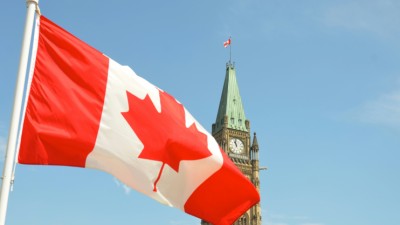
Ottawa
Where national sights meet inclusive city life.
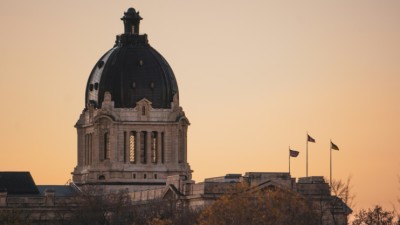
Regina
Discover a welcoming prairie capital with space for culture, history, and thoughtful city stays.

Victoria
Harbour views, walkable streets, and a welcoming West Coast stop.
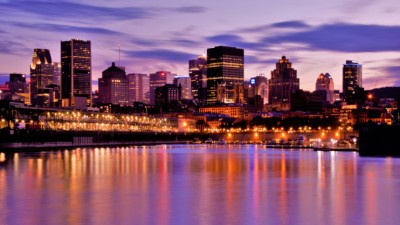
Montréal
Where history, nightlife, and inclusive culture meet
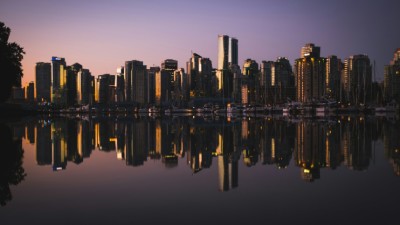
Vancouver
Coastal energy, inclusive streets, and nights that connect people.
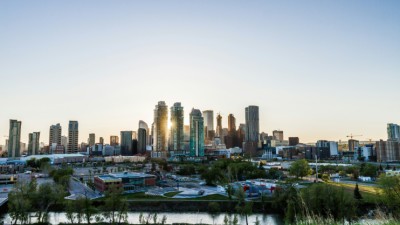
Calgary
Where western energy meets inclusive community life.
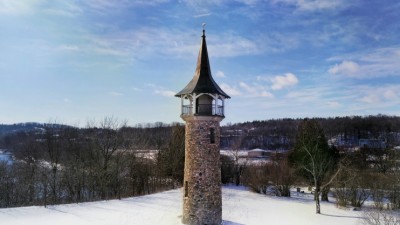
Kitchener
Where inclusive city life meets easy remote-work rhythm.
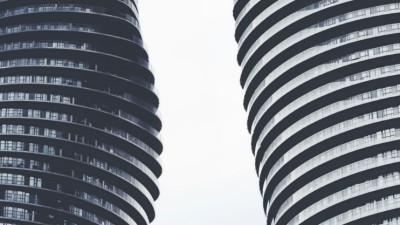
Mississauga
Explore a lakeside city with inclusive Canadian spirit.
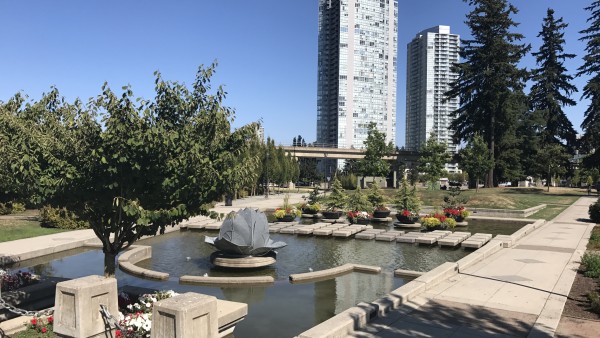
Surrey
Big-city energy, suburban reach, and easy access to inclusive nightlife nearby.
Hamilton
A lakeshore city with a lively social pulse and a visible Pride spirit.
Brampton
Urban comfort, cultural energy, and a welcoming Ontario base