About Toronto
As the country’s most populous city and the provincial capital of Ontario, it is a major cultural and social hub on the northwestern shore of Lake Ontario.
Toronto is also widely recognized for its diversity, which helps shape a travel experience where many communities, including LGBTQ+ communities, have visible space in the city’s public life.From an LGBTQ+ point of view, Toronto stands out in Canada, a country where LGBTQ+ rights are among the most extensive in the world.
That broader national context matters to visitors, and it helps explain why the city has long been associated with queer visibility, community life, and public celebration.
One of the best-known expressions of that visibility is Pride Toronto, which brings major annual attention to the city’s LGBTQ+ community and draws visitors from across Canada and beyond.For travelers, Toronto’s significance is not only political or cultural; it is also practical.
The city’s scale, transit links, and concentration of attractions make it an easy place to explore while still encountering neighborhoods and public spaces that reflect its diversity.
When I think of Toronto through a LGBTQ+ lens, I think of a city where community history, contemporary pride, and everyday urban travel all intersect.Well-known landmarks and areas connected to queer life include the Church-Wellesley Village, the city’s best-known LGBTQ+ neighborhood, as well as major Pride-related spaces and events that help define Toronto’s queer identity.
Together, they make the city an essential stop for travelers who want to experience a large, dynamic North American city with a strong LGBTQ+ presence.
Our Review
I write Toronto as one of Canada’s most important urban destinations and a city with deep significance for LGBTQ+ travelers.
As the country’s most populous city and the provincial capital of Ontario, it is a major cultural and social hub on the northwestern shore of Lake Ontario.
Toronto is also widely recognized for its diversity, which helps shape a travel experience where many communities, including LGBTQ+ communities, have visible space in the city’s public life.
From an LGBTQ+ point of view, Toronto stands out in Canada, a country where LGBTQ+ rights are among the most extensive in the world.
That broader national context matters to visitors, and it helps explain why the city has long been associated with queer visibility, community life, and public celebration.
One of the best-known expressions of that visibility is Pride Toronto, which brings major annual attention to the city’s LGBTQ+ community and draws visitors from across Canada and beyond.
For travelers, Toronto’s significance is not only political or cultural; it is also practical.
The city’s scale, transit links, and concentration of attractions make it an easy place to explore while still encountering neighborhoods and public spaces that reflect its diversity.
When I think of Toronto through a LGBTQ+ lens, I think of a city where community history, contemporary pride, and everyday urban travel all intersect.
Well-known landmarks and areas connected to queer life include the Church-Wellesley Village, the city’s best-known LGBTQ+ neighborhood, as well as major Pride-related spaces and events that help define Toronto’s queer identity.
Together, they make the city an essential stop for travelers who want to experience a large, dynamic North American city with a strong LGBTQ+ presence.
Travel Tips for LGBTQ+ Travelers in Toronto
When I travel in Toronto, I’m always struck by how comfortably the city fits LGBTQ+ visitors.
Toronto is Canada’s largest city, and Canada’s legal protections for LGBTQ+ people are among the most extensive in the world.
That doesn’t mean every trip is effortless, but it does mean I can move through the city with a fair degree of confidence, especially in central neighbourhoods and around the city’s best-known queer spaces.
What to expect locally
Toronto is a large, diverse city on the northwestern shore of Lake Ontario, and that diversity is one of its biggest strengths for LGBTQ+ travelers.
In practice, I find the city feels welcoming in most public settings, from transit hubs to major attractions.
Still, like any major metropolis, it pays to stay aware of my surroundings, especially late at night and in busy entertainment districts.
Canadian social norms generally lean toward politeness and privacy, so I tend to keep my tone respectful and straightforward when asking for help or directions.
Public displays of affection are common in Toronto’s urban core, but I still read the room the same way I would anywhere: if a space feels relaxed and open, I relax too.
Where I start: the Church-Wellesley Village
For LGBTQ+ travelers, the most important area to know is the Church-Wellesley Village, Toronto’s best-known gay neighbourhood.
When I want to connect with queer Toronto quickly, this is where I head first.
It’s the city’s historic LGBTQ+ hub and the most obvious place to find a visible community atmosphere.
If I’m visiting for the first time, I like to use the Village as my orientation point, then branch out from there into the rest of downtown.
It’s a practical base for meeting people, exploring queer-friendly spaces, and understanding how LGBTQ+ life fits into the city as a whole.
Dos and don’ts
- Do use common-sense city safety habits: keep an eye on your belongings, especially on transit and in crowded areas.
- Do choose central accommodation if nightlife or Pride events are part of your plan, so getting back late is simpler and safer.
- Do treat Toronto as a big urban destination: plan transit routes in advance, especially if you’ll be out after dark.
- Do be open and friendly, but don’t assume every space is automatically a queer space; I still look for clear signs of inclusion.
- Don’t rely only on nightlife districts for the LGBTQ+ experience; Toronto’s queer life is broader than one neighbourhood.
- Don’t ignore ordinary travel precautions just because the city is welcoming.
Safety and getting around
Toronto is a major city with a large transit network and busy downtown core, so I prefer to keep my plans simple at night.
If I’m heading out for dinner, drinks, or an event, I usually check my route before I leave and avoid having to make last-minute decisions on the street.
That’s especially useful if I’m going between downtown and the Village after evening events.
I also think it’s worth remembering that Toronto’s safety profile is shaped more by ordinary urban concerns than by targeted anti-LGBTQ+ hostility in public tourist areas.
In other words, the same precautions I’d use in any big city are the ones that matter most here: stay aware, travel with a plan, and avoid getting too isolated late at night if I can help it.
How I connect with the local LGBTQ+ community
The easiest way I’ve found to connect with Toronto’s queer community is to spend time in and around the Church-Wellesley Village.
Even a simple coffee stop, walk, or dinner there can give me a feel for the neighbourhood’s role in local LGBTQ+ life.
If I’m in town during major Pride programming, I use that as my entry point too.
Pride Toronto is the city’s signature annual celebration, and it is one of the clearest ways to see how large and visible the local community is.
I don’t treat Pride as just a party; I see it as a community event rooted in advocacy, history, and public visibility.
Outside of major events, I look for everyday signs of inclusion: openly welcoming venues, neighbourhoods with visible LGBTQ+ presence, and spaces where the city’s diversity is reflected in the people around me.
Toronto is large enough that I can usually find a comfortable fit without needing to force it.
My practical takeaway
If I were advising another LGBTQ+ traveler, I’d say this: base yourself near downtown or the Church-Wellesley Village, move through the city with ordinary urban caution, and leave room to experience Toronto’s queer community both during Pride and in everyday neighbourhood life.
The city’s strength is that it feels like a real, working metropolis as well as a place with a clearly visible LGBTQ+ heart.
For more general context on the city, I also reference Toronto and the broader legal environment in LGBTQ rights in Canada.
When I step back and look at Toronto through an LGBTQ+ lens, the city stands out for two things above all: visibility and scale.
This is Canada’s largest city, and that size brings a real sense of choice—choice in neighborhoods, cultural life, dining, and nightlife.
It also matters that Toronto sits in a country where LGBTQ+ rights are among the most extensive in the world, with long-standing legal protections that shape the city’s everyday atmosphere.
For LGBTQ+ travelers, that means I can move through Toronto with a strong expectation of openness, and with the reassurance that queer life here is not hidden on the margins.
The city’s clearest LGBTQ+ anchor is Church-Wellesley Village, Toronto’s historic gay village and the most recognizable place to begin exploring queer Toronto.
It is where I would head first for community energy, LGBTQ+-friendly businesses, and the city’s most concentrated queer street life.
Pride Toronto is another major strength: it gives the city a visible, public celebration of LGBTQ+ identity and activism, and it reinforces Toronto’s role as one of the most important queer destinations in Canada.
Toronto’s diversity is also one of its biggest strengths.
As a multicultural city with a wide range of communities represented, it offers LGBTQ+ visitors a broad urban experience rather than a single, narrow scene.
I find that this makes Toronto feel more than just “safe”; it feels lived-in, dynamic, and genuinely open to difference.
For travelers who want culture alongside community, the city’s arts, food, and entertainment options add depth to the visit.
That said, I always try to be practical.
Toronto is a major city, and the main challenges are the ordinary ones that come with any large urban destination: staying aware of your surroundings, especially at night; planning transportation; and choosing accommodation that keeps you close to the areas you want to explore.
In other words, the city is broadly welcoming, but good travel habits still matter.
My recommendation for LGBTQ+ travelers is simple: start in Church-Wellesley Village, make time for Pride-related spaces if you are visiting during the festival period, and then branch out into the rest of the city with confidence.
Toronto rewards curiosity.
It is a city where queer history, rights, and community are all part of the same story, and where visitors can experience that story in public, not just in private spaces.
If you are planning an LGBTQ+ trip to Canada, I would place Toronto near the top of the list.
It is accessible, diverse, culturally rich, and visibly queer-friendly in a way that feels substantial rather than symbolic.
Come for the village, stay for the city, and take the time to enjoy Toronto’s many LGBTQ+ offerings with the confidence that you are visiting one of North America’s major queer capitals.
Other Guides in Canada

Halifax
Explore a harbor city where culture, history, and community meet.
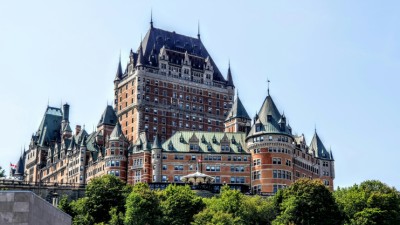
Quebec City
Walled streets, easy rhythms, and a welcoming base for curious travelers.
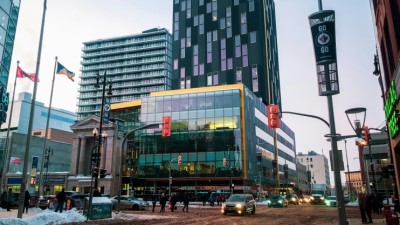
Winnipeg
Where prairie flavours meet a welcoming city spirit.
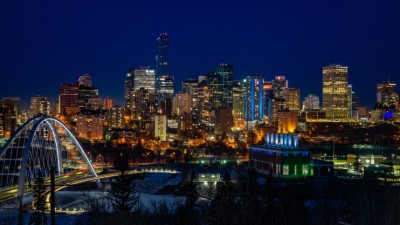
Edmonton
River valleys, civic landmarks, and a city shaped by inclusion
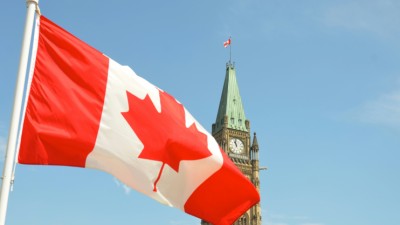
Ottawa
Where national sights meet inclusive city life.
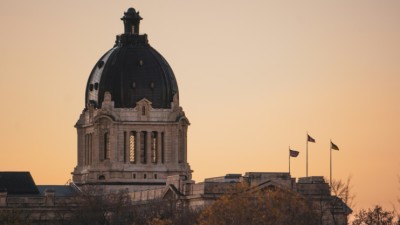
Regina
Discover a welcoming prairie capital with space for culture, history, and thoughtful city stays.

Victoria
Harbour views, walkable streets, and a welcoming West Coast stop.
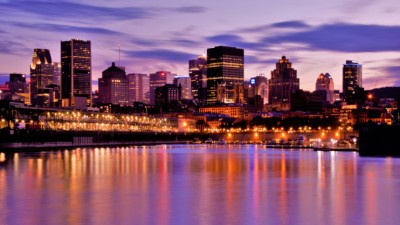
Montréal
Where history, nightlife, and inclusive culture meet
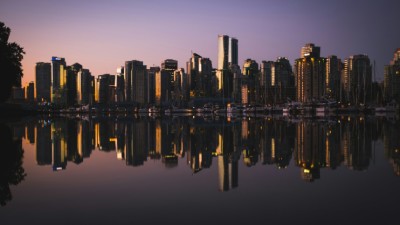
Vancouver
Coastal energy, inclusive streets, and nights that connect people.
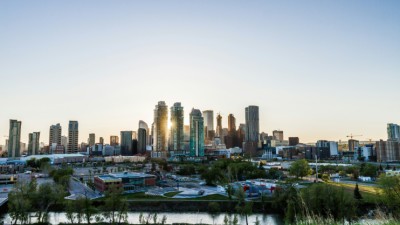
Calgary
Where western energy meets inclusive community life.

Kitchener
Where inclusive city life meets easy remote-work rhythm.

Mississauga
Explore a lakeside city with inclusive Canadian spirit.
Surrey
Big-city energy, suburban reach, and easy access to inclusive nightlife nearby.
Hamilton
A lakeshore city with a lively social pulse and a visible Pride spirit.
Brampton
Urban comfort, cultural energy, and a welcoming Ontario base