- LGBTQ+ Friendly
- 16 City Guides
- 0 Likes
- Leave a comment
About Canada
Canada at a glance
Canada is one of the world’s great long-haul travel destinations: vast, varied, and easy to move through if you plan around distance.
Stretching from the Atlantic Ocean to the Pacific Ocean and north into the Arctic, it is the second-largest country by total area and has the world’s longest coastline.
For travelers, that scale translates into remarkably different experiences within one country: big, cosmopolitan cities; Indigenous homelands and cultural landscapes; glacier-fed mountains; temperate rainforests; prairie skies; the Laurentian Shield’s lakes and forests; and northern regions where the pace of life changes dramatically with the seasons.
For LGBTQ+ travelers, Canada is often appealing because of its generally welcoming urban centers, strong legal recognition of LGBTQ+ rights, and a travel culture that is used to diversity.
That said, Canada is not monolithic.
Attitudes can vary by region, city size, age, and community, so it is still wise to use the same common-sense caution you would anywhere: check local conditions, be aware of your surroundings in unfamiliar areas, and pay attention to how public space changes between downtown cores, suburban areas, rural communities, and remote destinations.
Culture, identity, and the travel experience
Canada’s identity is shaped by Indigenous peoples, French and British colonial histories, later immigration from around the world, and the ongoing reality of a bilingual and multicultural state.
In practice, that means travelers encounter a country that can feel both European-influenced and distinctly North American, with regional differences that are often more pronounced than first-time visitors expect.
Québec, for example, has a noticeably different cultural tone from English Canada, while Atlantic Canada, the Prairies, the West Coast, and the North each have their own rhythms, accents, food traditions, and ways of understanding hospitality.
For LGBTQ+ travelers, major cities such as Toronto, Montréal, Vancouver, and Ottawa are often the most straightforward bases for nightlife, dining, and community-oriented travel.
Montréal in particular has long been a major cultural draw for travelers who like a lively, walkable urban environment with strong arts and food scenes.
Toronto offers the country’s biggest-city energy and broad international range.
Vancouver is a classic choice for travelers who want an urban stay paired with easy access to mountains, water, and outdoor adventure.
Ottawa, as the national capital, appeals to visitors interested in museums and civic landmarks, while Calgary and Edmonton can work well as gateways to western landscapes and national parks.
Geography and why it matters to travelers
Canada’s geography is one of its biggest selling points.
The country spans multiple climate zones and landscapes, so the “best” trip depends heavily on the season and the region.
Summer is ideal for city breaks, road trips, coastal travel, lake country, and national parks.
Winter can be excellent for snow sports, northern experiences, and urban stays built around museums, dining, and indoor culture, though weather can be severe in many parts of the country.
Spring and autumn are often good shoulder seasons, especially for travelers who want fewer crowds and lower-pressure sightseeing.
The scale of Canada also means transport planning matters.
Distances between cities can be much larger than visitors expect, so domestic flights, train travel on select routes, and road trips each have their place.
If your trip combines several regions, it is better to think in clusters than to try to “see all of Canada” in one journey.
A Vancouver-and-Whistler itinerary, a Montréal-to-Québec City pairing, a Toronto-and-Niagara trip, or an Alberta Rockies route can each deliver a complete and memorable experience without spending half the vacation in transit.
Food, drink, and everyday travel pleasures
Canada’s food scene is one of its most enjoyable surprises.
In major cities, travelers will find a polished restaurant culture that reflects global immigration as well as local ingredients and regional traditions.
Montréal is especially well known for its bagels, smoked meat, and a strong café and bistro culture, while Québec adds French-influenced dishes and sweets.
Across the country, seafood is important in Atlantic Canada and along the Pacific coast, while prairie and mountain regions lean into hearty seasonal cooking, farm-to-table menus, and game or locally sourced ingredients where available.
No Canada guide would be complete without mentioning poutine, a comfort-food staple associated with Québec that has become a national shorthand for casual indulgence.
Maple syrup is another iconic flavor, though visitors often experience it as part of a larger food culture rather than as a novelty item.
Canada also has a strong craft beer, cocktail, and café scene in its larger cities, and many LGBTQ+ travelers will find that a good meal, a neighborhood bar, and a walkable district can be as rewarding as a formal sightseeing list.
Distinctive destinations and trip ideas
Canada’s most distinctive draw is the combination of major-city sophistication and huge-scale nature.
The western mountains are a perennial highlight, especially for travelers who want dramatic scenery, hiking, winter sports, or a classic Canadian Rockies road trip.
On the east side of the country, Atlantic Canada offers coastal landscapes, maritime culture, and a slower pace that feels very different from the big-city centers.
In the center, Toronto and Montréal anchor many first visits because they offer the strongest mix of culture, dining, and nightlife.
Ottawa adds national institutions and a more compact capital-city feel, while Québec City stands out for its historic atmosphere and European flavor.
National parks and protected landscapes are another major part of the appeal, and Canada’s reputation for outdoor travel is well earned.
Whether you are looking at lakes, forests, mountains, tundra, or coastlines, the country rewards travelers who build in time to be outside.
Even an urban trip in Canada often includes easy access to green space, waterfronts, or scenic day trips.
That balance is one of the country’s signature strengths: you can have a city-focused vacation without losing touch with nature, or a nature trip without giving up good food, design, and culture.
What makes Canada distinctive for LGBTQ+ travelers
Canada stands out as a destination where many LGBTQ+ travelers can combine comfort, visibility, and breadth of choice.
Its large cities offer the most obvious amenities, but the bigger story is the overall travel experience: a country with strong multicultural energy, substantial room to explore different identities and communities, and enough geographic variety to support many different styles of trip.
Some visitors come for queer nightlife and urban culture, others for wilderness and road trips, and many for a blend of both.
Canada is especially satisfying if you like a trip that feels spacious, well organized, and diverse without being overwhelming.
In practical terms, that means Canada works well for first-time visitors to North America, repeat travelers looking beyond the obvious hotspots, and LGBTQ+ travelers who want a destination that can support both relaxed and ambitious itineraries.
Whether you are drawn by Montréal’s style, Vancouver’s setting, Toronto’s energy, the Rockies’ scenery, or the maritime and northern edges of the country, Canada offers a broad, adaptable, and often very rewarding travel experience.
LGBTQ+ Overview
LGBTQ+ overview
Canada is generally one of the safest and most welcoming destinations in the world for LGBTQ+ travelers. Same-sex sexual activity has been legal nationwide for decades, and federal law provides strong protection against discrimination based on sexual orientation, gender identity, and gender expression. In practical terms, most visitors will find that large cities, major tourist areas, and many smaller communities are openly inclusive, with visible LGBTQ+ life and a broadly supportive public culture.
For travelers, the day-to-day experience is usually straightforward: same-sex couples can travel openly, hold hands, and book accommodations without unusual legal barriers in most settings. Public attitudes vary by region, age, religion, and community size, as they do in many countries, but Canada’s overall legal framework and mainstream social climate are firmly protective. The main challenges are more likely to be ordinary travel issues—such as harassment from individual strangers in any country—rather than systemic discrimination or legal danger.
Canada’s legal protections are among the strongest in the world. Federal human rights law prohibits discrimination on the basis of sexual orientation, gender identity, and gender expression. Same-sex marriage is legal nationwide, and transgender people are protected under the law. These protections matter for travelers because they help set the tone for hotels, restaurants, transit, and public services, where overt anti-LGBTQ+ treatment is uncommon and usually not socially tolerated.
The social climate is broadly positive, but it is not perfectly uniform. Major cities such as Toronto, Montreal, Vancouver, Ottawa, and others tend to be especially comfortable for LGBTQ+ visitors, with established queer neighborhoods, nightlife, community spaces, and Pride events. In more rural or remote areas, or in more conservative pockets of the country, visibility may be lower and reactions may be more mixed. That does not usually translate into serious danger, but travelers who are very public about their identity may prefer to be a little more situationally aware outside major urban centers, particularly if traveling late at night or in unfamiliar social environments.
Transgender travelers can generally expect a strong legal baseline, but they may still encounter practical friction in some contexts, such as inconsistent ID policies, uninformed staff, or occasional discomfort in gender-segregated spaces. These problems are typically bureaucratic or social rather than legal, but they can be stressful. Carrying identification that matches current travel documents and being prepared for occasional misunderstandings is sensible, especially when checking into hotels, crossing borders, or using services that involve identity verification.
Recent years have generally shown continued institutional support for LGBTQ+ rights, alongside the same wider social debates seen in many democracies. The overall trajectory remains positive: protections are established, public visibility is high, and Canada continues to be viewed internationally as a safe destination for LGBTQ+ travel. At the same time, travelers should remember that the country is large and diverse, and local experience can vary. A welcoming national framework does not eliminate the possibility of isolated harassment, especially in nightlife settings, at transit hubs, or in less diverse communities.
Support resources are strong in major urban centers, where travelers can usually find LGBTQ+ community organizations, queer-friendly healthcare, and inclusive accommodations. If you need urgent help, Canada’s general emergency number is 911. For routine travel needs, mainstream tourist infrastructure is usually reliable, and LGBTQ+ travelers rarely need specialized support to navigate basic logistics. Before travel, it is still wise to check local Pride listings, neighborhood guides, and accommodation policies, especially if you want to stay in an explicitly queer-friendly area or attend LGBTQ+ events.
Overall, Canada is a low-risk destination for LGBTQ+ travelers. The combination of robust legal protections, broad social acceptance, and well-developed urban support networks makes it one of the easiest countries in which to travel openly. Visitors should still exercise normal urban awareness, especially at night or in unfamiliar areas, but there is no general reason for concern about legal status or routine public life.
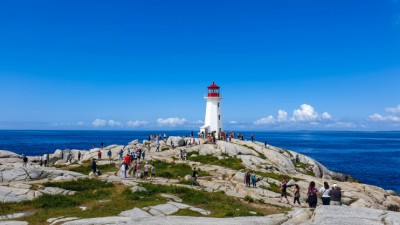
Halifax
Explore a harbor city where culture, history, and community meet.
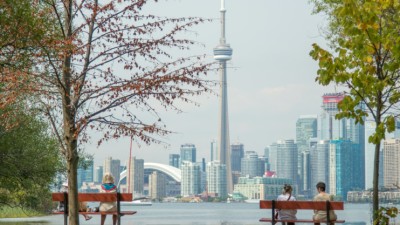
Toronto
A welcoming skyline, a vibrant queer heart, and a city that celebrates pride.
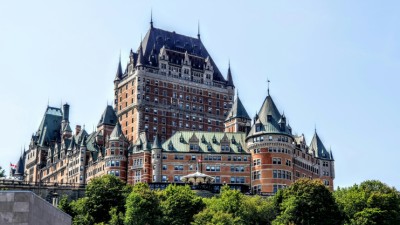
Quebec City
Walled streets, easy rhythms, and a welcoming base for curious travelers.
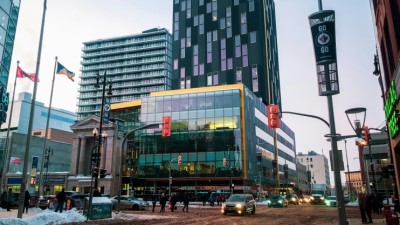
Winnipeg
Where prairie flavours meet a welcoming city spirit.
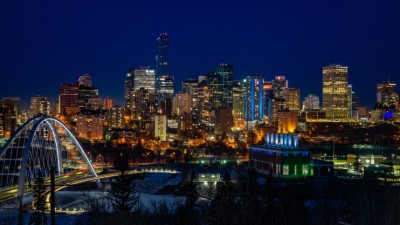
Edmonton
River valleys, civic landmarks, and a city shaped by inclusion
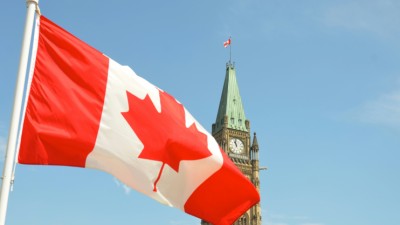
Ottawa
Where national sights meet inclusive city life.
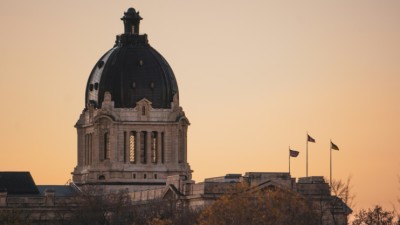
Regina
Discover a welcoming prairie capital with space for culture, history, and thoughtful city stays.

Victoria
Harbour views, walkable streets, and a welcoming West Coast stop.

Montréal
Where history, nightlife, and inclusive culture meet
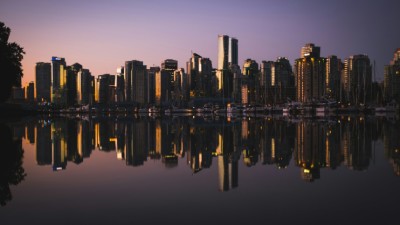
Vancouver
Coastal energy, inclusive streets, and nights that connect people.

Calgary
Where western energy meets inclusive community life.

Kitchener
Where inclusive city life meets easy remote-work rhythm.

Mississauga
Explore a lakeside city with inclusive Canadian spirit.

Surrey
Big-city energy, suburban reach, and easy access to inclusive nightlife nearby.

Hamilton
A lakeshore city with a lively social pulse and a visible Pride spirit.
Brampton
Urban comfort, cultural energy, and a welcoming Ontario base