About Munich
Munich is the capital of Bavaria and one of Germany’s largest cities, with a reputation for strong cultural life, walkable neighborhoods, and easy access to public transport and green spaces.
For me, that makes it a practical base for travelers who want to move around responsibly while taking in the city at a slower, more sustainable pace.Munich also has a visible place in Germany’s LGBTQ+ landscape.
Germany’s LGBTQ+ rights are among the strongest in the world, and Munich reflects that broader national context with an established queer community and a long-running Pride presence.
The city’s best-known LGBTQ+ event is CSD München (Christopher Street Day Munich), the local Pride celebration that brings together community, advocacy, and public celebration.
For visitors, it is one of the clearest moments in the year when the city’s LGBTQ+ life is especially visible.Beyond events, Munich offers landmarks and districts that many LGBTQ+ travelers recognize as part of the city’s social fabric, including the area around Gärtnerplatz, which is commonly associated with queer nightlife and community life.
I always recommend approaching the city with the same mindset I bring to any destination: choose locally rooted businesses when possible, use public transport, and leave room to enjoy the city’s parks, museums, and pedestrian-friendly streets without rushing between stops.In short, Munich is a destination where LGBTQ+ travelers can experience both a historically rich European city and a contemporary urban culture that is open, organized, and easy to navigate.
It is especially rewarding for travelers who appreciate a city break that pairs cultural depth with everyday practicality and a more eco-conscious way of exploring.
Our Review
As I explore Munich, I find a city that blends major-city energy with Bavarian tradition, and that balance is part of its appeal for LGBTQ+ travelers.
Munich is the capital of Bavaria and one of Germany’s largest cities, with a reputation for strong cultural life, walkable neighborhoods, and easy access to public transport and green spaces.
For me, that makes it a practical base for travelers who want to move around responsibly while taking in the city at a slower, more sustainable pace.
Munich also has a visible place in Germany’s LGBTQ+ landscape.
Germany’s LGBTQ+ rights are among the strongest in the world, and Munich reflects that broader national context with an established queer community and a long-running Pride presence.
The city’s best-known LGBTQ+ event is CSD München (Christopher Street Day Munich), the local Pride celebration that brings together community, advocacy, and public celebration.
For visitors, it is one of the clearest moments in the year when the city’s LGBTQ+ life is especially visible.
Beyond events, Munich offers landmarks and districts that many LGBTQ+ travelers recognize as part of the city’s social fabric, including the area around Gärtnerplatz, which is commonly associated with queer nightlife and community life.
I always recommend approaching the city with the same mindset I bring to any destination: choose locally rooted businesses when possible, use public transport, and leave room to enjoy the city’s parks, museums, and pedestrian-friendly streets without rushing between stops.
In short, Munich is a destination where LGBTQ+ travelers can experience both a historically rich European city and a contemporary urban culture that is open, organized, and easy to navigate.
It is especially rewarding for travelers who appreciate a city break that pairs cultural depth with everyday practicality and a more eco-conscious way of exploring.
Social Acceptance and Safety
When I travel to Munich, I find a city that feels broadly welcoming and well-organized for LGBTQ+ visitors, especially by German standards.
Germany’s legal and social framework for LGBTQ+ rights is strong, and that matters on the ground: it shapes how openly people can live, travel, and socialise in a major city like Munich.
The overall atmosphere I encounter is usually calm, professional, and outwardly respectful rather than overtly activist in everyday settings.
That said, I always keep my expectations practical.
Munich is a large, diverse city, and reactions can vary from one setting to another.
In central districts, in transport hubs, museums, cafés, and mainstream nightlife areas, I would generally expect a comfortable experience for LGBTQ+ travellers.
As in any major European city, discretion can still be sensible in unfamiliar surroundings, especially late at night or outside busy areas.
Safety and practical tips
My first rule is the same one I use in any city break: stay aware of my surroundings, especially after dark.
Munich is well connected by public transport, so I prefer planning routes in advance and avoiding isolated streets when I can.
Keeping to busy stations, illuminated main roads, and established neighbourhoods makes moving around feel easier and safer.
I also make a point of travelling in a low-impact way.
Munich’s public transport network is a practical choice for both safety and sustainability, and it helps me avoid unnecessary car use in the city.
Walking and transit also make it easier to stay in populated areas where there are more people around, which is generally reassuring at night.
As a journalist, I would also recommend following the usual common-sense precautions: keep valuables secure, be mindful with drinks in bars, and use licensed transport options if I need to get back late.
If I were meeting people through nightlife or community spaces, I would choose well-known venues and avoid following anyone to a private or unfamiliar location.
Neighbourhoods and attitudes
For LGBTQ+ visitors, the best-known area in Munich is Gärtnerplatz and the surrounding inner-city districts, which are widely recognised as part of the city’s queer social scene.
This is where I would naturally look for a more visibly LGBTQ+-friendly atmosphere, particularly for cafés, bars, and nightlife.
Central Munich more generally tends to feel open and cosmopolitan, which makes it a straightforward base for queer travellers.
I would be more cautious in quieter outer districts, not because I can verify any specific anti-LGBTQ+ hotspots, but because unfamiliar residential areas anywhere can feel less predictable at night.
I do not have verified evidence to label any specific Munich neighbourhood as uniformly unsafe or hostile, so I would avoid making that claim.
Instead, I would simply advise using the same judgement I would use in any big city: stick to busy, central, and well-connected areas when I am out after dark.
What the city feels like day to day
For me, Munich comes across as a city where LGBTQ+ people can move around without making a scene of it.
That is not the same as saying everything is perfect, but it does mean the city’s everyday rhythm feels manageable and comfortable.
In restaurants, public spaces, and transport, I would generally expect polite, reserved behaviour rather than overt attention.
For LGBTQ+ travellers who value a destination that combines urban order, public transport, and a visible queer neighbourhood, Munich is a reassuring choice.
It is a city where I can travel respectfully, stay alert, and enjoy the experience without needing to overcomplicate the basics of personal safety.
Community and Support
When I travel to Munich with LGBTQ+ comfort in mind, I look first for the city’s established support network.
Germany’s legal and social framework for LGBTQ+ rights is strong by international standards, and Munich benefits from that broader context.
For visitors and locals alike, that means there is a real, practical infrastructure here: community organizations, counseling options, and health services that are part of everyday life rather than hidden away.
The most important place to know is Sub – Schwules Kommunikations- und Kulturzentrum München, Munich’s long-running gay communication and cultural center.
It is one of the city’s key community anchors, offering information, events, and social support for gay, bisexual, and queer men, while also serving the wider LGBTQ+ community through public programming and outreach.
In a city as large and fast-moving as Munich, having a dedicated center like this makes it easier to find reliable local guidance, especially if I am new in town or need to connect with people who know the scene well.
For health support, I would plan ahead and use Germany’s general healthcare system as the main entry point, because Munich has access to the same broad medical standards found across the country.
For LGBTQ+ travelers, that matters most when looking for respectful general practitioners, sexual health services, or mental health support.
If I needed HIV-related information or prevention advice, I would start with established public health channels and local medical providers, since Germany has long-standing HIV/AIDS awareness and support structures.
For up-to-date testing, treatment, or counseling, I would rely on licensed healthcare professionals rather than informal recommendations.
Because this is a city where everyday mobility is easy, I also see community access as part of sustainability.
Munich’s public transport network makes it straightforward to reach central services without needing a car, which is both practical and lower-impact.
That is especially useful if I am visiting support offices, a clinic, or a community center and want to keep the trip simple, efficient, and eco-conscious.
In my experience as a traveler, the best strategy in Munich is to combine official support with local familiarity.
I would use Sub as a first point of contact for community information, then turn to mainstream health services for medical needs, including mental health care and HIV-related support.
The city may not overwhelm with visible queer infrastructure on every street, but it does provide a dependable and well-organized foundation for LGBTQ+ visitors who want both community and practical assistance.
Events and Nightlife
I find Munich to be one of Germany’s most reassuringly straightforward cities for LGBTQ+ travelers: it is large enough to feel lively, yet compact and efficient enough that moving between queer venues, central neighborhoods, and event sites is easy by public transport.
Germany’s legal framework for LGBTQ+ rights is strong, and that broader context shapes the city’s event calendar and nightlife scene.
Annual LGBTQ+ events
The city’s best-known annual celebration is CSD München (Christopher Street Day Munich), the local Pride parade and festival.
It is the flagship LGBTQ+ event in Munich and brings together a parade, political visibility, and community programming.
For me, it is the clearest moment in the year when Munich’s LGBTQ+ life moves fully into the public eye.
Because I am writing with a sustainability-minded lens, I would also note that Pride in Munich is easy to experience in a low-impact way: the city’s public transport network makes it practical to leave the car behind, and central venues are often reachable on foot or by tram and U-Bahn.
That makes it simple to join the celebration while keeping travel relatively light on resources.
LGBTQ+ nightlife and social spots
Munich’s LGBTQ+ nightlife is concentrated most visibly around Gärtnerplatz and the surrounding inner-city area.
This is the neighborhood I would start with if I were exploring the city’s queer social scene for the first time.
It is known for LGBTQ+-friendly bars, clubs, cafés, and late-night gathering spots, and it remains one of the city’s most recognizable places for queer social life.
I also find Munich’s nightlife appealing because it is not only about clubbing.
The city’s scene includes places where people meet for drinks, conversation, and community as much as dancing.
That gives visitors a range of options, whether they are looking for a relaxed evening or a more energetic night out.
What I recommend
If I were planning an LGBTQ+ evening in Munich, I would focus first on the Gärtnerplatz area and then time my visit to coincide with CSD München if possible.
Those are the two most useful anchors for understanding the city’s queer social life.
I would also keep my plans centered on the city’s public transport network, which is practical, reliable, and better aligned with environmentally conscious travel than relying on private cars.
In short, Munich’s LGBTQ+ nightlife is centered, accessible, and community-oriented.
It may not be defined by an endless sprawl of queer districts, but it does offer a clearly identifiable scene, a major annual Pride event, and enough social energy to make a short city break feel both welcoming and memorable.
Cultural and Social Activities
When I explore Munich from an LGBTQ+ point of view, I find a city where cultural life and social life overlap in practical, very walkable ways.
Munich is Germany’s third-largest city and the capital of Bavaria, and it has the depth of a major European cultural center alongside a public life shaped by Germany’s broadly strong LGBTQ+ rights framework.
For me, that makes it a comfortable base for visiting museums, galleries, theaters, and community spaces without needing to build the trip around a single district or event.
Munich LGBTQ rights in Germany
For cultural activities, I would start with Munich’s established arts institutions rather than searching for explicitly labeled LGBTQ+ venues.
The city is home to major museums and galleries, and its theater scene is part of the broader cultural fabric that visitors can enjoy as part of an inclusive city break.
As a travel writer, I always appreciate cities where I can move from a museum visit to an evening performance using public transport, and Munich is especially practical in that respect.
That also fits an eco-conscious trip: I can keep my footprint lower by relying on the U-Bahn, tram, and bus network instead of car travel.
Munich
For LGBTQ+ social life, Munich’s most recognizable area is Gärtnerplatz, which is widely associated with queer-friendly nightlife and socializing.
It is a useful starting point if I want a relaxed drink, a late-night conversation, or a night out in an area where LGBTQ+ visitors commonly gather.
I would still describe the scene here as part of the city’s everyday social geography rather than as a separate enclave, which is one of the reasons Munich feels approachable.
Public transport makes it easy to reach this area and return to central accommodations safely and efficiently.
One of the city’s most important LGBTQ+ events is CSD München (Christopher Street Day Munich), the local Pride celebration.
It brings visibility to queer life in the city and is the clearest annual moment when LGBTQ+ culture becomes especially visible in public.
If I were planning a trip around community events, this would be the most relevant date to check first, because it combines celebration, activism, and social gathering in one place.
Munich’s Pride fits into a national context where LGBTQ+ rights are among the strongest in the world, which helps explain why the city’s public cultural scene feels comparatively open.
LGBTQ rights in Germany
For LGBTQ+-specific cultural reference points, I would also note the role of community organizations such as Sub – Schwules Kommunikations- und Kulturzentrum München.
It is an important cultural and social center in the city, and it gives visitors a way to connect with local queer life beyond nightlife alone.
For a traveler like me, that matters because culture is not only museums and theaters; it is also the people, spaces, and networks that make a city feel lived-in and welcoming.
Munich does not rely on a long list of internationally famous LGBTQ+ landmarks in the way some larger capitals do, but it does offer meaningful places tied to queer community life, especially around central neighborhoods.
I find that useful because it keeps the experience grounded: I can combine a gallery visit, a walk through the city, and an evening in a queer-friendly part of town without turning the trip into a specialist pilgrimage.
As for notable LGBTQ+ figures and influencers in Munich, I would be careful not to overstate specific names without verified local sourcing.
What is clear is that the city’s contemporary queer profile is shaped more by its institutions, Pride events, and long-running community spaces than by a single dominant public figure.
That makes Munich feel less like a destination built around celebrity and more like one sustained by civic life and community continuity.
In practical terms, if I were recommending a culturally rich and LGBTQ+ friendly day in Munich, I would suggest a museum or gallery visit, a theater evening, and then time in Gärtnerplatz or another central neighborhood where queer social life is visible and easy to access.
It is a city where I can travel lightly, use public transport, and still feel connected to both culture and community.
Accommodation
When I look for accommodation in Munich with an LGBTQ+ traveler’s eye, I start with the city’s strongest advantage: Germany’s broadly supportive legal and social environment for LGBTQ+ people.
That does not automatically make every hotel or guesthouse visibly queer-focused, but it does mean I can usually expect a professional, urban standard of hospitality in a major city that is used to international visitors.
In Munich, I find the most practical approach is to choose a well-reviewed property in a central neighborhood, then confirm the hotel’s inclusivity policies directly before booking.
I do not rely on a long list of so-called “LGBTQ+ hotels” here, because I want to stay grounded in verified information.
Instead, I focus on properties that are established, mainstream, and centrally located, where staff are accustomed to diverse guests.
For me, that means looking for clear non-discrimination language on the property’s website, checking recent guest reviews, and sending a polite message if I want to confirm details such as double-bed preferences, guest registration, or the treatment of same-gender couples.
This simple step gives me more certainty than marketing claims alone.
In Munich, location matters as much as the room itself.
I tend to prefer staying in or near the inner city, because it keeps me close to transport, dining, and the city’s LGBTQ+ social spaces.
The area around Gärtnerplatz is especially useful for queer travelers, as it is one of the city’s best-known LGBTQ+ friendly nightlife and social areas.
Staying nearby makes it easier for me to move around on foot in the evening while still relying on Munich’s excellent public transport for longer hops across the city.
Central districts such as the Altstadt-Lehel area are also practical if I want to be near major sights, museums, and transit connections.
For an eco-conscious stay, I like choosing accommodation that reduces the need for car travel.
Munich’s public transport system makes that easier, so I look for hotels close to an U-Bahn, S-Bahn, tram, or bus stop.
A well-connected property lets me arrive and depart by rail or public transit, explore the city with a lighter footprint, and keep my trip efficient.
I also pay attention to whether a hotel offers everyday sustainability measures such as towel and linen reuse programs, waste reduction, or energy-saving policies, since those details align with the way I like to travel.
When I am screening accommodation options, I use a few simple checks.
I look for neutral, professional language rather than gendered assumptions in the booking process.
I check whether the property accepts all guests without discrimination and whether recent reviews mention respectful service.
If I am traveling with a partner, I make sure the room type and bed configuration are clearly stated so there are no awkward surprises at check-in.
These are small details, but they make a stay feel smoother and more welcoming.
Munich’s LGBTQ+ travelers will usually find the best balance of comfort, convenience, and inclusion by staying central, using public transport, and choosing properties that make respect and accessibility obvious.
For me, that is the most reliable way to enjoy the city: a practical base, easy access to queer-friendly neighborhoods like Gärtnerplatz, and a low-impact itinerary that fits Munich’s compact, well-organized layout.
Dining and Entertainment
When I plan an LGBTQ+ friendly trip to Munich, I look for places where I can eat and spend an evening without having to think twice about whether I’ll feel welcome.
Munich is one of Germany’s major cities, and Germany’s legal framework for LGBTQ+ rights is strong, so in practice I find the city comfortable for a wide range of travelers.
That said, I still prefer places that are known for their open, international atmosphere and central locations, because that usually makes for a smoother and more relaxed visit.
For dining, I focus on neighborhoods where I can combine a meal with an easy walk or a short transit ride afterward.
Munich’s city center is well served by public transport, which is useful if I want to keep the day low-impact and avoid unnecessary car travel.
I also try to choose cafés, bakeries, and restaurants that are busy with locals as well as visitors, since that tends to signal a practical, everyday welcome rather than a purely tourist-facing experience.
For LGBTQ+ visitors, the area around Gärtnerplatz is the best-known part of the city for queer social life, and that makes it a natural place to look for bars and relaxed eateries before or after an evening out.
I would not frame Munich as a city with a single, all-dominating queer dining strip; instead, its appeal is that several central areas feel easygoing, walkable, and socially open.
That is often exactly what I want in a city break: somewhere I can have a meal, linger over coffee, and head to a performance without complicated planning.
When it comes to entertainment, Munich offers the kind of cultural choice that I value as an eco-conscious traveler.
I can use public transport to reach theaters, cinemas, and live venues rather than relying on taxis or rental cars, which keeps the trip simpler and lighter on the environment.
Munich is also a major cultural city, so I look for evenings that pair well with its established arts scene: a late dinner, a theater performance, or a concert, followed by an easy ride back to my hotel.
For LGBTQ+ travelers, I recommend thinking of Munich’s entertainment scene less as a separate “queer-only” circuit and more as a citywide atmosphere of inclusion, with queer-friendly pockets where the social scene is most visible.
The annual CSD München Pride event also reflects that visibility, even if it is seasonal rather than a year-round venue.
In everyday life, what matters most to me is finding places where same-gender couples and LGBTQ+ visitors can dine and enjoy performances comfortably and without fuss.
I also like Munich because its compact core makes it easy to build an evening around one neighborhood.
That matters: I can have dinner, catch a show, and still avoid a long or complicated journey home.
For me, that combination of convenience, cultural richness, and a broadly inclusive urban atmosphere is what makes Munich an appealing destination for dining and entertainment from an LGBTQ+ point of view.
For broader city context, see Munich and Germany’s legal background in LGBTQ rights in Germany.
Travel Tips
When I travel to Munich as an LGBTQ+ journalist, I find a city that feels orderly, well-connected, and generally easy to navigate.
Germany’s legal protections for LGBTQ+ people are strong by international standards, and Munich benefits from that wider framework.
For a visitor, that usually translates into a calm, practical city break rather than a destination that requires constant vigilance.
My first practical tip is to stay central if possible.
Munich’s public transport system is extensive, and that makes it simple to move between neighbourhoods without a car.
For me, that is also the most eco-conscious way to get around: I can rely on the U-Bahn, trams, and buses instead of private transport, keeping both emissions and stress low.
Munich’s compact inner city is especially convenient for walking, and I always try to plan my days so I can combine transit with short walks.
For LGBTQ+ travellers, I would describe the city’s social atmosphere as broadly respectful, but still worth approaching with normal urban common sense.
Like in any large European city, I keep an eye on my belongings, especially on busy platforms, in packed trains, and late at night.
I also prefer licensed transport and well-lit, busy routes after dark.
That is not a warning specific to Munich so much as good travel practice anywhere.
In terms of local customs, I have found Munich to be fairly relaxed, but also more reserved than some other European capitals.
Polite, low-key behaviour usually goes a long way.
If I am in a café, restaurant, or on public transport, I avoid drawing unnecessary attention and keep interactions courteous.
Public displays of affection are not unusual in the city, but I still read the room, especially outside nightlife settings.
My rule is simple: if a place feels quiet and formal, I match that tone; if it feels social and open, I can be more relaxed.
To connect with the local LGBTQ+ community, I would start with known community spaces rather than trying to force a connection through random venues.
One important institution is Sub – Schwules Kommunikations- und Kulturzentrum München, a long-established LGBTQ+ community centre in the city.
For me, that is the kind of place worth checking for current information, cultural events, and local community links.
It is especially useful if I want to understand the city beyond nightlife and get a sense of local queer life from people who live there.
For nightlife and socialising, Munich’s best-known LGBTQ+ area is Gärtnerplatz.
I would use that as my starting point if I wanted queer-friendly cafés, bars, and an easygoing evening atmosphere.
It is not the only part of the city worth visiting, but it is the clearest reference point for LGBTQ+ social life.
If I am in Munich during Pride season, I would also look out for CSD München, the city’s Christopher Street Day celebrations, which are the main annual LGBTQ+ event in Munich.
As a travel journalist, I also pay attention to how a city supports practical wellbeing.
Germany’s healthcare system is strong, and that matters if I need routine medical care while travelling.
If something comes up, I would use established, licensed providers rather than informal recommendations.
For LGBTQ+ visitors, that is particularly reassuring when it comes to sexual health, general medical advice, or simply knowing that care is available in a major city.
My sustainability tip is straightforward: choose accommodation near public transport, stay in walkable areas, and build your itinerary around the city rather than around a car.
Munich rewards that approach.
It is a city where I can keep my footprint relatively light, move efficiently, and still enjoy a rich urban experience.
If I had to sum up my advice in one sentence, it would be this: Munich is a sensible, welcoming place for LGBTQ+ travellers who value good transport, community access, and a calm, well-organised city atmosphere.
For more general background on the city, I also recommend Munich and, for context on legal protections, LGBTQ rights in Germany.
In the end, I find Munich to be one of those cities that rewards LGBTQ+ travelers who like a place to feel both easygoing and well-organized.
Germany’s strong legal position on LGBTQ+ rights provides an important foundation, and Munich benefits from that broader context.
What I notice on the ground is a city that feels polished, efficient, and generally comfortable to explore, with a clear sense of civic order that many visitors will appreciate.
At the same time, Munich is not a city of constant queer spectacle; its LGBTQ+ life is present, but it is woven into the wider fabric of the city rather than set apart from it.
That said, I would not describe Munich as without challenges.
Its queer scene is established, but it is not as large or instantly visible as in some bigger European capitals.
Travelers looking for nonstop, highly concentrated LGBTQ+ nightlife may find the scene more modest in scale.
My practical advice is to come with the right expectations: Munich offers quality, not excess.
The strength of the city lies in its steadiness, its accessibility, and its ability to welcome visitors without making them work hard for comfort.
For LGBTQ+ travelers, my strongest recommendation is to focus on the neighborhoods and institutions that anchor local life.
Gärtnerplatz is the obvious starting point for socializing, while community spaces such as Munich’s LGBTQ+ organizations and events provide the deeper sense of connection many travelers are looking for.
If you are visiting during Pride season, CSD München is the city’s key public celebration and a good moment to experience local visibility at its most expressive.
Otherwise, I would simply enjoy the city at its own pace: an afternoon in the center, an evening out in a queer-friendly area, and time to take in Munich’s broader cultural life.
As an eco-conscious traveler, I also think Munich is best enjoyed with low-impact habits.
The city’s public transport makes it easy to move around without a car, and that is the most sustainable way to see it.
Staying central, walking where possible, and choosing transit over private rides will keep your trip lighter on the environment and more convenient day to day.
That approach also fits Munich well: this is a city that is compact enough to explore thoughtfully, yet large enough to keep discovery interesting.
My final recommendation is simple: come to Munich with curiosity and a relaxed pace.
Explore the queer-friendly corners, make time for the city’s museums, parks, and historic streets, and treat the trip as part city break, part community visit.
Munich may not shout its LGBTQ+ identity at every turn, but it offers something equally valuable: a secure, welcoming, and well-connected place where LGBTQ+ travelers can feel at ease and enjoy the city on their own terms.
Other Guides in Germany
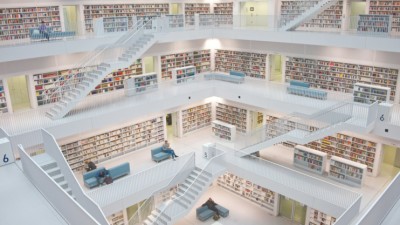
Stuttgart
Urban calm, cultural depth, and space to explore freely.
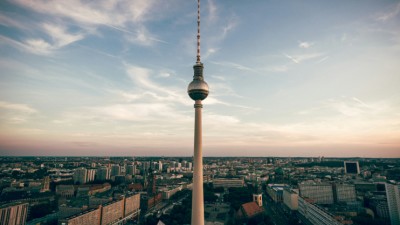
Berlin
Where vibrant culture meets inclusive, restorative city breaks.
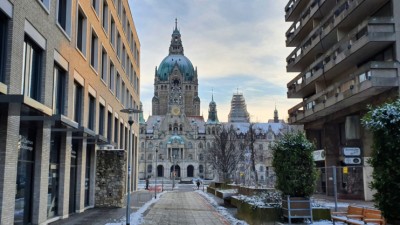
Hannover
Big-city energy, fairground scale, and an open-minded stopover
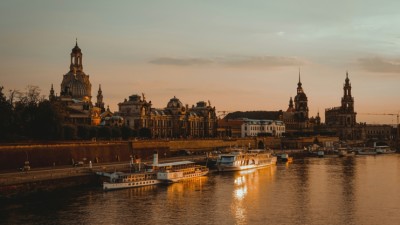
Dresden
Historic streets, modern pride, and space to be yourself.
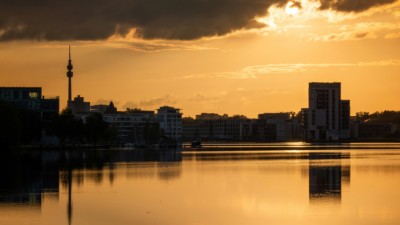
Dortmund
Explore the culture, taste the city, and travel with confidence.
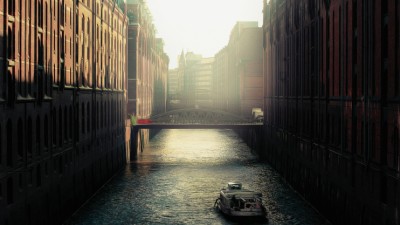
Hamburg
Where the waterfront meets welcoming culture
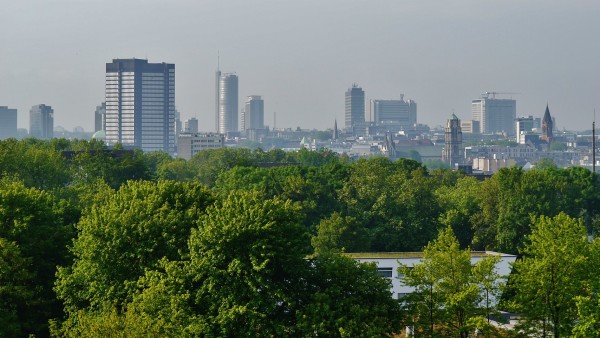
Essen
Industrial heritage, urban mobility, and inclusive travel in the heart of the Ruhr.
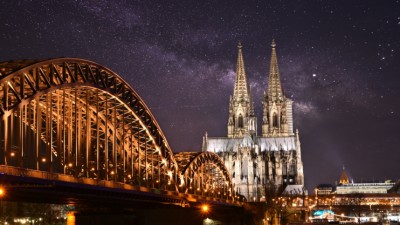
Cologne
Elegant city breaks with a vibrant, open-minded spirit.
Duisburg
Where riverfront heritage meets a quietly welcoming urban experience.
Bremen
Where riverfront walks, historic streets, and inclusive travel meet