About Berlin
Berlin’s queer history runs deep: during the 1920s and early 1930s, lesbian and gay people were generally tolerated, and the city became known for its bars and clubs serving gay men.
That legacy still shapes Berlin’s reputation today as a place where diverse identities are visible in everyday culture.For LGBTQ+ travellers, Berlin is especially meaningful because it combines history, openness, and a strong sense of community.
Germany’s LGBTQ+ rights are among the highest in the world, and Berlin reflects that broader progress with a long-standing reputation for acceptance.
One of the city’s best-known annual highlights is Berlin Pride, also known as Christopher Street Day, which draws attention to LGBTQ+ visibility and celebration in the German capital.Berlin also offers important landmarks for travellers interested in LGBTQ+ history and remembrance.
The Memorial to Homosexuals Persecuted Under Nazism is one of the city’s most important places of reflection, and it serves as a reminder of the persecution endured by LGBTQ+ people under the Nazi regime.
For me, that balance of remembrance and resilience is part of what makes Berlin so compelling: it is a city where history is not hidden, but acknowledged.Alongside its cultural energy, Berlin also suits a more restorative travel style.
Between museum visits, neighbourhood walks, and time spent in its cafés, parks, and spa culture, I find the city offers plenty of space to pause and recharge.
That makes it a particularly rewarding destination for travellers who want both inclusive city life and moments of calm.
Our Review
As I explore Berlin, I find a city that stands out not only as Germany’s capital and largest city, but also as one of Europe’s most significant urban centres for LGBTQ+ life.
Berlin’s queer history runs deep: during the 1920s and early 1930s, lesbian and gay people were generally tolerated, and the city became known for its bars and clubs serving gay men.
That legacy still shapes Berlin’s reputation today as a place where diverse identities are visible in everyday culture.
For LGBTQ+ travellers, Berlin is especially meaningful because it combines history, openness, and a strong sense of community.
Germany’s LGBTQ+ rights are among the highest in the world, and Berlin reflects that broader progress with a long-standing reputation for acceptance.
One of the city’s best-known annual highlights is Berlin Pride, also known as Christopher Street Day, which draws attention to LGBTQ+ visibility and celebration in the German capital.
Berlin also offers important landmarks for travellers interested in LGBTQ+ history and remembrance.
The Memorial to Homosexuals Persecuted Under Nazism is one of the city’s most important places of reflection, and it serves as a reminder of the persecution endured by LGBTQ+ people under the Nazi regime.
For me, that balance of remembrance and resilience is part of what makes Berlin so compelling: it is a city where history is not hidden, but acknowledged.
Alongside its cultural energy, Berlin also suits a more restorative travel style.
Between museum visits, neighbourhood walks, and time spent in its cafés, parks, and spa culture, I find the city offers plenty of space to pause and recharge.
That makes it a particularly rewarding destination for travellers who want both inclusive city life and moments of calm.
Community and Support in Berlin
When I look at Berlin through a LGBTQ+ lens, one of the city’s greatest strengths is not just its history, but the practical support network that comes with being in Germany’s capital.
Berlin sits within a country whose LGBTQ+ rights are widely recognized as among the strongest in the world, and that broader legal and social environment shapes the city’s community life.
For me, that means Berlin feels like a place where queer travelers can find both visibility and real-world support.
Berlin’s LGBTQ+ scene has deep roots.
The city was already known in the 1920s and early 1930s for a visible lesbian and gay social life, including bars and clubs.
That history still matters today because it has helped shape a city where LGBTQ+ networks are established, accessible, and woven into everyday urban life.
Organizations and support networks
For travelers who need community-based guidance or support, Berlin is home to a broad and active LGBTQ+ infrastructure.
The city’s queer scene is not limited to nightlife; it also includes organizations, counseling services, and advocacy groups that support different parts of the community.
Because my source pack does not provide a complete directory of individual organizations, I won’t name specific groups beyond what is verified here.
What is clear is that Berlin has long-standing structures for lesbian, gay, bisexual, trans, and queer residents and visitors, reflecting the city’s role as a major center of LGBTQ+ life in Germany.
If you are planning a stay and want to connect with local support, I would treat Berlin as a city where it is realistic to look for community-facing advice, peer networks, and advocacy resources through established LGBTQ+ organizations.
The city’s size and international character make it easier to find services than in many smaller destinations.
Health services, including mental health and HIV/AIDS support
Berlin benefits from Germany’s strong healthcare system, and that matters for LGBTQ+ travelers who may need routine care or more specialized support.
In practical terms, I would feel comfortable saying that visitors can expect access to mainstream medical services in the city, with the broader national context suggesting a high standard of care.
For HIV/AIDS support, Berlin’s position as a major European capital and Germany’s generally high level of LGBTQ+ rights mean that support services are part of the wider urban landscape.
The source material confirms the strength of LGBTQ+ protections in Germany, but it does not list specific HIV clinics, testing centers, or counseling providers.
To stay fully factual, I can only note that Berlin is a city where such support is part of the established health and community framework.
For mental health support, the same cautious approach applies.
Berlin is large, international, and well connected, so travelers who need mental health services should expect access through the city’s standard healthcare system.
However, the provided sources do not identify particular LGBTQ+-specific therapists, helplines, or clinics, so I won’t speculate beyond that.
Community centers and resources
Berlin is also valuable because queer support is not confined to one neighborhood or one kind of venue.
The city’s LGBTQ+ life has historically clustered in areas such as Schöneberg, and the broader urban fabric includes many places where queer residents and visitors can find a sense of belonging.
For travelers, this is important: even if you are in Berlin for a quiet, restorative break, you are still likely to be within reach of community resources.
I would describe Berlin as a city where support often feels embedded in the everyday rhythm of the place rather than isolated in a single institution.
That makes it especially reassuring for LGBTQ+ travelers who want a destination that feels both cosmopolitan and grounding.
Practical takeaway for LGBTQ+ travelers
If I were advising a queer traveler heading to Berlin, I would say this: you are coming to a city with strong legal protections, a long-established LGBTQ+ history, and a community environment that is generally supportive and accessible.
For health or emotional support, Berlin’s size and Germany’s healthcare system are important advantages, even though the source pack does not provide specific clinic names.
In short, Berlin is not only a place to see and be seen; it is also a city where LGBTQ+ travelers can reasonably expect community, care, and a sense of ease.
For background on the city itself, see Berlin and Wikivoyage’s Berlin guide.
For the wider legal and social context, see LGBTQ rights in Germany.
Accommodation in Berlin from an LGBTQ+ point of view
When I look at Berlin as a travel destination, I see a city where LGBTQ+ visitors can usually feel comfortable choosing accommodation in much the same way as any other major European capital: by location, style, and budget first, then by checking that the property clearly welcomes all guests.
Berlin itself is Germany’s capital and largest city, with a large, international visitor base and a long association with LGBTQ+ life.
Germany’s LGBTQ+ rights are among the highest in the world, and Berlin has historically been one of the country’s most visible queer centers, especially in the 1920s and early 1930s.
Because of that, I would not approach Berlin as a city where LGBTQ+ travelers need to search for a separate, isolated hotel scene.
Instead, I would focus on properties that present themselves as inclusive, professional, and well-located for the kind of trip I want: perhaps a restorative city break with easy access to cafés, spas, museums, and walkable neighborhoods.
How I choose inclusive accommodation in Berlin
My first step is to read the hotel’s own language carefully.
A property that explicitly welcomes LGBTQ+ guests, uses inclusive wording, and treats same-sex couples and solo queer travelers as completely ordinary guests is usually the most reassuring choice.
I also look for accommodation in established central districts rather than on the city’s edges, because the neighborhoods most associated with queer life tend to be easier bases for visitors who want an open atmosphere and simple transport connections.
Berlin is a big city, so I pay attention to practical details as well.
I check whether the hotel or apartment has straightforward public transport access, whether the surrounding area feels lively in the evening, and whether I can comfortably return after dinner or a spa visit.
For a relaxed stay, I prefer accommodation near places where I can easily step out for a quiet breakfast, a coffee, or an unhurried walk rather than relying on taxis.
If I am booking a private apartment or guesthouse, I look for clear house rules, good recent reviews, and signs that the host has experience with international guests.
In a city as large and cosmopolitan as Berlin, that usually matters as much as any branding.
Neighborhoods I would consider for a welcoming stay
Schöneberg is the neighborhood I would naturally start with.
It has a long association with LGBTQ+ Berlin and remains one of the best-known bases for queer travelers.
Staying here feels practical as well as meaningful: I can be in a district with a visible LGBTQ+ presence while also having easy access to cafés, neighborhood streets, and transport.
Kreuzberg is another area I would consider.
It is one of Berlin’s best-known inner-city districts and is widely associated with an open, creative atmosphere.
For me, that makes it appealing if I want a stay that feels energetic but still comfortable and international.
Neukölln is also worth considering, especially if I want a more local-feeling base.
It has a diverse and cosmopolitan character, and that often translates into a generally welcoming environment for LGBTQ+ travelers.
I would choose it if I wanted a neighborhood with more of an everyday Berlin rhythm while still staying connected to the city center.
Because Berlin is so large, I would not assume that a welcoming experience is limited to only these districts.
But if I were booking for the first time, these are the areas I would look at first because they are the most useful reference points for queer visitors.
What I would expect from accommodation in Berlin
In Berlin, I would expect most reputable hotels to be accustomed to an international mix of couples, solo travelers, and friends sharing rooms.
That makes the city relatively easy for LGBTQ+ visitors compared with places where inclusive hospitality is less established.
I would still verify policies on room occupancy, bedding, and guest registration before I book, especially if I am traveling as a couple and want the stay to be smooth from check-in onward.
For a wellness-focused trip, I would also look for hotels with spa facilities, sauna access, or calm common areas.
Berlin is a city where I can combine queer-friendly urban travel with downtime, so I find it especially appealing to choose a base that supports that slower rhythm.
My practical booking tips
- I look for clear inclusive language on the property’s own website or booking page.
- I prioritize central, well-connected neighborhoods, especially Schöneberg, Kreuzberg, and Neukölln.
- I read recent reviews to see whether LGBTQ+ guests mention feeling comfortable.
- I check transport links so I can move easily between my accommodation, restaurants, museums, and relaxation spots.
- I avoid assuming that luxury alone equals inclusivity; I always verify the property’s tone and policies.
For me, the strongest accommodation choice in Berlin is one that feels easy, discreetly welcoming, and well placed for both culture and rest.
This is a city where I can stay close to historic queer neighborhoods, enjoy a cosmopolitan atmosphere, and still return each evening to a calm room or spa after a day of exploring.
For more on the city itself, I cross-check basic background on Berlin and LGBTQ rights in Germany.
Dining and Entertainment
When I’m exploring Berlin through an LGBTQ+ lens, I think of the city as one of Europe’s easiest places to relax into a meal, a coffee, or a night out.
Berlin’s queer history is long-established, and Germany’s LGBTQ+ rights are among the strongest in the world, so the overall tone is comfortably open.
For dining and entertainment, I find that the experience is less about seeking out a handful of “special” venues and more about enjoying a city where inclusive spaces are part of the everyday fabric.
For meals, I focus first on central neighborhoods with a strong queer presence and a generally welcoming atmosphere, especially Schöneberg.
This area has long been associated with LGBTQ+ life in Berlin, and it remains a natural base for travelers who want an easy mix of cafés, restaurants, and evening options.
Berlin as a whole is cosmopolitan and broad-minded, so I feel comfortable choosing places that suit my mood rather than limiting myself to venues branded specifically as LGBTQ+.
Because Berlin is such a creative city, I often treat dining as part of the wider experience of wandering, resting, and people-watching.
A relaxed café stop can be just as rewarding as a formal dinner.
The city’s café culture fits particularly well with a slower travel rhythm: I can spend a few unhurried hours over coffee, then continue on to a gallery, a stroll, or an evening performance.
For visitors who prefer a quieter pace, this is one of Berlin’s real strengths.
Berlin’s entertainment scene is one of the city’s biggest draws for LGBTQ+ travelers.
The city is known for its cinemas, theaters, and live performance culture, and that breadth matters because it gives me choices beyond nightlife alone.
I can build an evening around a film screening, a stage production, or a live show and still feel part of the city’s vibrant queer-friendly atmosphere.
Berlin’s larger cultural life is a major reason it works so well for travelers who want both stimulation and balance.
For live performances, I look for the kind of venues and productions that reflect Berlin’s reputation for experimentation and artistic freedom.
The city’s theaters and performance spaces are a good fit for travelers who enjoy culture with an edge, but also for anyone who wants a thoughtful night out rather than a loud one.
That flexibility is important to me as a journalist who values restorative travel: Berlin can be energetic without being exhausting.
Film lovers will also find plenty to appreciate here.
Berlin’s cinema culture is part of what makes the city feel so layered and cosmopolitan, and it pairs naturally with its LGBTQ+ identity.
Watching a film in Berlin can be both a leisure activity and a way to connect with the city’s broader creative atmosphere.
I see this as especially appealing for solo travelers or couples who want a calm evening between more active days.
What I appreciate most is that Berlin does not force LGBTQ+ travelers into a single type of experience.
I can choose a restaurant for a long dinner, a café for a quiet afternoon, a theater for a cultural evening, or a live performance for something more lively.
The city’s inclusivity feels practical rather than performative: it is present in the normal rhythm of going out.
For LGBTQ+ visitors, that makes Berlin feel easy to navigate and genuinely welcoming.
If I were planning a trip focused on dining and entertainment, I would start in Schöneberg, then branch out across the city for cultural evenings.
Berlin rewards that kind of slow, flexible approach.
It is a place where I can eat well, sit comfortably, and enjoy entertainment that reflects the city’s openness and creative energy.
Travel Tips
When I visit Berlin as an LGBTQ+ traveler, I find that the city rewards the same practical habits I would use in any large European capital: stay aware, choose my neighborhood carefully, and let the city’s openness do the rest.
Berlin is Germany’s capital and largest city, and it has a long history of queer life, with lesbian and gay communities visible in the city as far back as the 1920s and early 1930s.
Germany’s LGBTQ+ rights also rank among the highest in the world, which makes Berlin a comparatively comfortable place to travel with little need for performative caution in everyday public life.
Berlin LGBTQ rights in Germany
My first tip is simple: I dress and behave as I would in any major city, while keeping basic street sense.
Berlin is cosmopolitan and used to international visitors, but it is still a large urban environment, so I avoid leaving valuables visible, especially on public transport or in crowded areas.
At night, I prefer busy, well-connected streets and stations rather than isolated routes.
This is just sensible city travel, and it matters more than worrying about being visibly LGBTQ+ in most central parts of Berlin.
For LGBTQ+ travelers, I would also say that Berlin is a city where discretion is usually unnecessary, but respect is essential.
Public displays of affection are generally unremarkable in the city, especially in areas associated with queer life, yet I still read the room the same way I would anywhere else.
In bars, cafés, saunas, or community spaces, I keep in mind that some people are there to socialize, some to relax, and some to simply enjoy a quiet evening.
Berlin’s atmosphere is famously relaxed, and I find that the best approach is to mirror that calm, low-pressure style.
When I want to connect with the local LGBTQ+ community, I start in Schöneberg, which is the neighborhood most closely associated with queer Berlin and has long been a focal point of LGBTQ+ life.
From there, I explore the city with an open mind rather than expecting one single “scene.” Berlin’s LGBTQ+ culture is woven into the broader city, and that is part of its appeal.
I do not need to force a connection; instead, I look for inclusive spaces, local events, and neighborhoods where queer life has a visible presence.
For a broader urban stay, I also consider the creative, mixed character of areas such as Kreuzberg and Neukölln, which are widely known for their diverse and cosmopolitan feel.
Berlin
My local-custom rule in Berlin is to be straightforward, polite, and unshowy.
Berliners are often described as direct, and I find that a clear, respectful approach works best.
If I need help, I ask plainly.
If I am unsure about etiquette in a venue, I follow the lead of the staff and regulars.
I avoid assuming that every queer-friendly space is identical; some are social and lively, while others are more community-oriented or reflective.
The city’s LGBTQ+ history is significant, but I still treat each space on its own terms.
I also recommend using Berlin’s public transport to my advantage.
A central, well-connected base makes it easier to move between neighborhoods without relying on long late-night journeys.
That practical choice supports both comfort and safety.
If I am planning a restful city break, I look for accommodation that is central and easy to reach, since this makes it simpler to return to my room after dinner, a museum visit, or an evening out.
Berlin’s scale can be energizing, but it is also a city where I prefer not to waste time on complicated transfers.
Another useful habit is to balance nightlife with daytime connection.
Berlin’s queer culture is not only about late evenings; it is also about history, cafés, and everyday community life.
I find it rewarding to spend part of the day in a neighborhood like Schöneberg, then wind down with a quiet meal, a coffee, or a slower evening.
That pace suits the city and gives me a better sense of how LGBTQ+ life fits into Berlin’s broader rhythm.
As for dos and don’ts, my list is straightforward:
- Do choose a central, well-connected base.
- Do stay aware of your surroundings, especially late at night.
- Do treat Berlin’s LGBTQ+ spaces as varied, not interchangeable.
- Do use the city’s openness as an invitation to explore calmly and confidently.
- Don’t assume every part of the city will feel the same after dark.
- Don’t leave normal travel caution behind simply because Berlin is welcoming.
- Don’t expect queer life to be concentrated in one single strip; it is broader than that.
If I were arriving in Berlin for the first time, I would think of it as a city that makes room for both visibility and ease.
It is strong on rights, rich in history, and open in daily life, which means I can focus less on worrying and more on how I want to experience the city.
For me, the best Berlin trip is one that combines a grounded sense of safety with the city’s calm, restorative side: unhurried walks, good coffee, time in queer-friendly neighborhoods, and a relaxed evening rather than an overpacked schedule.
As I wrap up my time in Berlin, what stands out most is how confidently the city balances history, visibility, and everyday ease for LGBTQ+ travelers.
Berlin’s strengths are clear: it is Germany’s capital, one of Europe’s largest cities, and a place where LGBTQ+ rights are among the highest in the world.
That legal and social foundation matters.
It gives the city a reassuring sense of openness, and it helps explain why Berlin has long been associated with queer life, from the more tolerant atmosphere of the 1920s and early 1930s to the city’s present-day reputation as a cosmopolitan destination.
For LGBTQ+ visitors, the city’s biggest appeal is that it does not feel like a place where queer life is hidden away.
Berlin has the scale, diversity, and cultural energy to support a wide range of experiences, from neighbourhood exploration to nightlife and quieter daytime plans.
I also find that this is a city where you can build in rest as well as excitement: a slow coffee in a neighbourhood café, a long walk, or an unhurried museum visit can sit naturally alongside an evening out.
That balance is one of Berlin’s great strengths.
At the same time, I would not present Berlin as effortless in every respect.
Like any large capital, it still calls for ordinary urban awareness, especially late at night and when moving between districts.
Travellers should keep the usual city precautions in mind, even in a place that is broadly welcoming.
Berlin’s size is part of its charm, but it can also mean longer journeys and pockets of the city that feel less immediately familiar.
For me, the practical answer is simple: stay central if possible, use public transport well, and let the city’s rhythm shape your plans rather than trying to rush through it.
My strongest recommendation for LGBTQ+ travellers is to use Berlin’s openness to your advantage.
Start with the city’s well-known queer history and then explore it at a relaxed pace.
Choose a neighbourhood that feels comfortable, take time to notice how varied the city is, and leave room for both culture and calm.
Berlin rewards unhurried travellers.
It is a city where I would encourage LGBTQ+ visitors not only to feel safe, but to feel free to enjoy themselves fully.
If you want a destination that combines strong LGBTQ+ rights, a long queer legacy, and a lively urban atmosphere, Berlin deserves a place near the top of the list.
I would come here for the history, stay for the openness, and return for the ease of moving between excitement and restoration.
That is what makes Berlin such a rewarding city to explore through an LGBTQ+ lens.
Other Guides in Germany

Stuttgart
Urban calm, cultural depth, and space to explore freely.
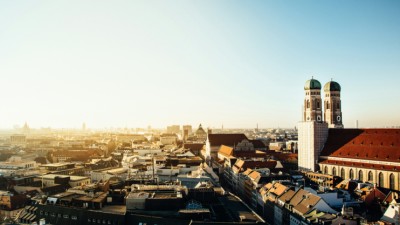
Munich
Where green travel, grand traditions, and queer culture meet.
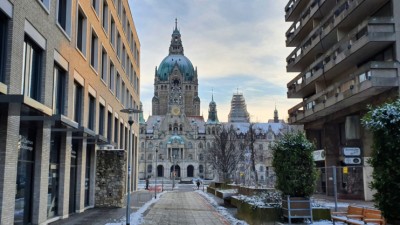
Hannover
Big-city energy, fairground scale, and an open-minded stopover
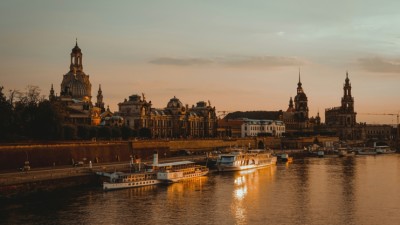
Dresden
Historic streets, modern pride, and space to be yourself.
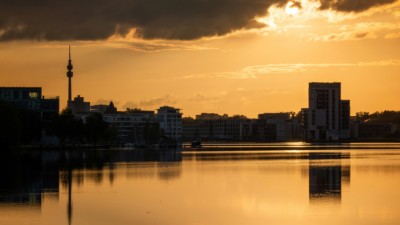
Dortmund
Explore the culture, taste the city, and travel with confidence.

Hamburg
Where the waterfront meets welcoming culture
Essen
Industrial heritage, urban mobility, and inclusive travel in the heart of the Ruhr.
Cologne
Elegant city breaks with a vibrant, open-minded spirit.

Duisburg
Where riverfront heritage meets a quietly welcoming urban experience.
Bremen
Where riverfront walks, historic streets, and inclusive travel meet