- LGBTQ+ Friendly
- 11 City Guides
- 0 Likes
- Leave a comment
About Germany
Germany at a glance
Germany is one of Europe’s most varied and rewarding destinations, and for LGBTQ+ travelers it stands out as a place where major-city energy, strong infrastructure, and a generally high level of legal recognition come together.
The country stretches from the North Sea and Baltic coastlines in the north to the Alps in the south, with a landscape that shifts from marshes and islands to river valleys, forested uplands, vineyards, and mountain scenery.
Its size and geography make it easy to combine different kinds of travel in one trip: a museum-and-nightlife city break, a romantic river route, or a nature-focused escape with easy rail access between regions.
Germany is the most populous member state of the European Union, and that scale is reflected in its range of destinations.
It is not a single, uniform travel experience.
Instead, each region has its own identity, dialects, food traditions, and pace.
That regional diversity is part of Germany’s appeal: the same country can feel cosmopolitan and fast-moving in Berlin, polished and businesslike in Frankfurt, historic and stately in Munich, and deeply scenic in the Rhine or Alpine regions.
For travelers who want structure, efficiency, and reliable public transport, Germany is especially comfortable; for travelers who want variety, it offers a lot of it.
What makes Germany distinctive
Germany is often associated with precision, order, and engineering, but visitors usually discover something warmer and more layered: a strong café culture, old-town squares, contemporary art scenes, green public spaces, and a long tradition of social and political debate.
Its history is visible almost everywhere, from medieval city centers and imperial boulevards to memorials, museums, and preserved sites tied to the 20th century.
At the same time, Germany is not frozen in the past.
Large cities are contemporary and internationally connected, and many smaller places are remarkably livable, with walkable cores, efficient transit, and easy access to the outdoors.
For LGBTQ+ travelers, Germany’s distinctive appeal is that it combines a well-developed legal framework with a broad range of visitor experiences.
Major cities are especially well known for queer visibility and nightlife, but the country’s appeal is not limited to that.
Travelers who prefer quieter trips can still find comfort in a society where same-sex couples are visible in public life and where many destinations are accustomed to international visitors.
As always, local attitudes can vary by place and situation, but in general Germany is a straightforward country to travel in compared with many parts of the world.
Landscapes, regions, and travel style
Germany’s geography gives travelers many different ways to explore.
In the north, the coastline offers sea air, ports, island landscapes, and a maritime atmosphere.
In the center, river corridors and historic cities shape much of the travel experience, especially along the Rhine and the Elbe.
The south becomes more dramatic, with the foothills of the Alps, lakes, and some of the country’s best-known scenic routes.
Between these regions are forests, wine-growing areas, and highly urbanized corridors that connect major cities with relative ease.
This geography makes Germany well suited to multi-stop trips.
Intercity rail is a major strength, and travelers can often move between destinations without needing a car.
That is especially useful for those combining big-city stays with smaller towns, castles, museums, or outdoor areas.
Germany’s compactness within Europe also means it is easy to pair with neighboring countries if desired, though many travelers find they can spend an entire vacation within Germany and still only scratch the surface.
Culture, history, and everyday atmosphere
Germany’s cultural depth is one of its main draws.
Visitors come for world-class museums, classical music and opera, contemporary art, design, architecture, and a long literary and philosophical tradition.
Berlin is often the first name that comes to mind for LGBTQ+ travelers because of its reputation for openness and nightlife, but cities across the country offer strong cultural scenes, from Hamburg’s urban waterfront energy to Cologne’s Rhine-side mix of history and modern city life.
Munich adds Bavarian tradition and a polished urban center, while Leipzig, Dresden, and other cities contribute their own distinct character.
One of the most appealing aspects of travel here is the balance between grandeur and everyday comfort.
You can spend a morning in a museum or cathedral, have lunch at a neighborhood bakery or beer garden, take an afternoon train through scenic countryside, and end the day in a lively district with restaurants, bars, and late-night options.
Germany’s cities are often efficient and easy to navigate, but they also reward slow travel: sitting in a square with coffee, wandering old streets, visiting local markets, or exploring parks and riverbanks.
Food and drink
German food is far more varied than its stereotypes suggest.
Regional cooking differs widely, and travelers will encounter dishes shaped by geography, history, and neighboring culinary traditions.
Bread culture is especially important, with bakeries playing a central role in everyday life.
Meals can be hearty and straightforward, but they can also be highly regional, with specialties varying by city and state.
Visitors should expect to find everything from sausages and roasted meats to dumplings, stews, potatoes, freshwater fish, baked goods, and cakes.
Beer is culturally significant, but Germany’s food scene is not only about beer halls.
Wine regions, especially along the rivers in the west and southwest, are also an important part of the country’s culinary identity.
In larger cities, international and contemporary dining is easy to find, and vegetarian or vegan travelers generally have more choices than they might expect in a country known for traditional meat-heavy fare.
Key destinations and classic travel draws
Berlin is the most obvious starting point for many LGBTQ+ travelers because it combines major museums, political history, a famously creative atmosphere, and a broad nightlife scene.
It is a city where visitors can move between memorials, galleries, parks, and neighborhoods with very different personalities.
Cologne is another major draw, known for its cathedral, Rhine setting, and long-standing reputation as a welcoming city with a lively urban culture.
Hamburg offers a port-city mood, waterways, and a strong mix of music, culture, and nightlife.
Beyond the big cities, Munich attracts travelers looking for a combination of historic architecture, museums, parks, and access to Bavaria and the Alps.
The Rhine region is ideal for scenic travel, especially if you want castles, vineyards, and river landscapes.
Dresden and Leipzig appeal to travelers interested in art, history, and a more compact urban experience.
In the south, the Bavarian countryside and Alpine foothills offer some of Germany’s most photographed scenery, while the north is better for those drawn to maritime landscapes and slower coastal travel.
Why travelers choose Germany
Germany’s typical travel appeal lies in its mix of reliability and depth.
It is a place where travel logistics are generally manageable, cities are well connected, and visitors can expect a high standard of public services and infrastructure.
At the same time, it offers enough history, culture, and regional contrast to keep a trip from feeling generic.
Whether you are interested in nightlife, museums, architecture, scenic rail journeys, food, or simply a comfortable base for exploring Europe, Germany can fit a wide range of travel styles.
For LGBTQ+ visitors in particular, that makes Germany especially practical.
You can plan a trip around the big urban centers and their queer cultural life, or use the country as a broader destination where comfort, visibility, and ease of movement support a more relaxed itinerary.
The result is a country that feels both cosmopolitan and grounded, with plenty of room for different kinds of travelers to find their own version of a great trip.
For broader background, see Germany and Wikivoyage’s Germany guide.
LGBTQ+ Overview
LGBTQ+ overview
Germany is generally one of the safer and more welcoming destinations in Europe for LGBTQ+ travelers. According to widely used country reference material on LGBTQ rights in Germany, the legal framework is strong by international standards, and social visibility for lesbian, gay, bisexual, transgender, and queer people is well established, especially in major cities. For most visitors, day-to-day travel is straightforward, with few barriers to ordinary accommodation, dining, transport, or sightseeing.
Same-sex sexual activity is legal, and Germany recognizes same-sex marriage. Anti-discrimination protections exist in important areas of public life, and hate crimes or anti-LGBTQ+ incidents are taken seriously in law and public debate even if enforcement and local experience can vary. Transgender-related legal recognition has also improved in recent years. For travelers, this means there is no need to hide identity for legal reasons, and same-sex couples can generally travel openly.
The social climate is mixed in the way you might expect in a large federal country: it is broadly accepting in Berlin, Hamburg, Cologne, Munich, and other major urban centers, where LGBTQ+ nightlife, community spaces, and visible Pride culture are part of normal city life. In smaller towns and more conservative or rural areas, travelers may encounter more conservative attitudes, less familiarity with LGBTQ+ issues, or occasional staring and rude remarks rather than open hostility. This usually does not prevent travel, but it does mean that discretion can still be useful depending on the setting, especially outside major tourist districts or late at night.
Common traveler risks are usually low-level rather than severe. The main concerns are the same ones many travelers face in any country: opportunistic theft in nightlife areas, harassment after drinking, and the possibility of isolated verbal abuse. Public affection between same-sex couples may attract attention in some places, though serious incidents are not the norm. Transgender travelers may find that airport, hotel, and transit interactions can sometimes involve confusion if documents, appearance, and staff expectations do not align, so it is wise to carry clear identification and allow extra time for checks. If you are traveling for Pride or a large LGBTQ+ event, expect more crowds, higher accommodation demand, and the usual festival-related security issues.
Practical support is relatively accessible. Large cities have LGBTQ+ centers, community organizations, and nightlife districts that can be useful for local advice, and mainstream emergency services and hospitals are generally reliable. If you need help, standard public services are usually the first line of support, while local LGBTQ+ organizations can often provide referrals to affirming health care, legal information, or crisis support. Because Germany is federally organized, the local experience can vary somewhat by city and state, so it is sensible to research your exact destination rather than assume the entire country feels the same.
Overall, Germany has moved in a strongly positive direction over the past few decades. Legal equality has expanded substantially, public LGBTQ+ visibility is normal in much of the country, and the country is widely regarded as a safe and practical destination for LGBTQ+ travel. The main caution is not the law but the usual variation between liberal urban centers and more conservative local environments. For most travelers, Germany is a comfortable, low-risk destination, with the understanding that respectful situational awareness remains worthwhile anywhere.

Stuttgart
Urban calm, cultural depth, and space to explore freely.
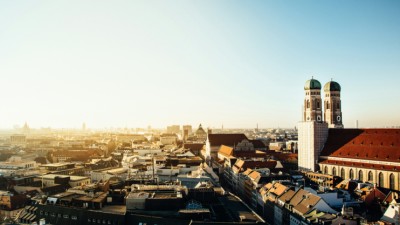
Munich
Where green travel, grand traditions, and queer culture meet.
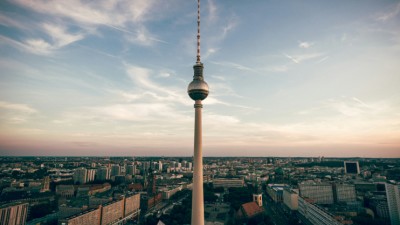
Berlin
Where vibrant culture meets inclusive, restorative city breaks.
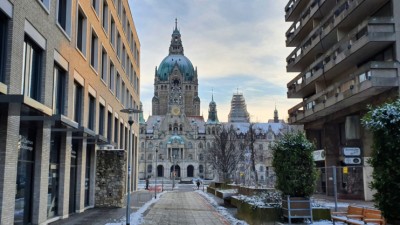
Hannover
Big-city energy, fairground scale, and an open-minded stopover
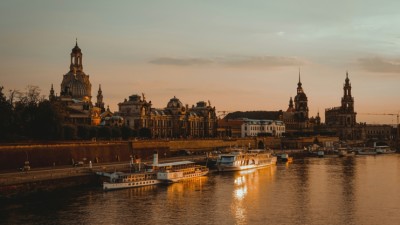
Dresden
Historic streets, modern pride, and space to be yourself.
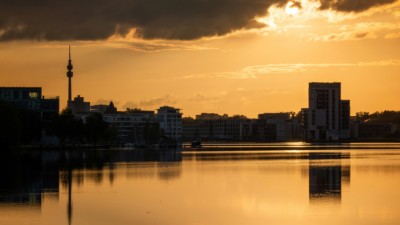
Dortmund
Explore the culture, taste the city, and travel with confidence.

Hamburg
Where the waterfront meets welcoming culture
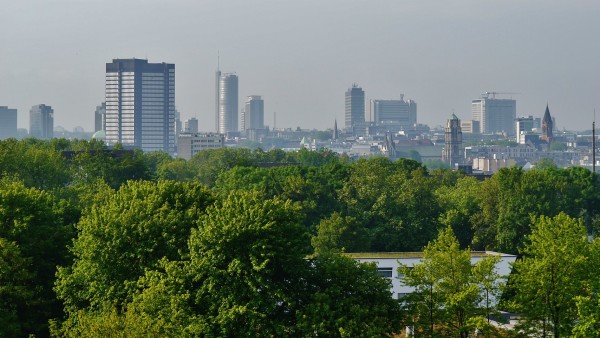
Essen
Industrial heritage, urban mobility, and inclusive travel in the heart of the Ruhr.
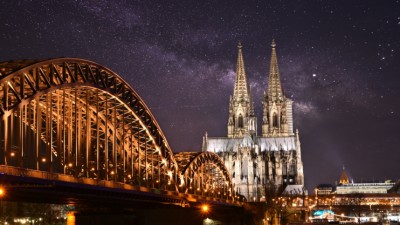
Cologne
Elegant city breaks with a vibrant, open-minded spirit.

Duisburg
Where riverfront heritage meets a quietly welcoming urban experience.
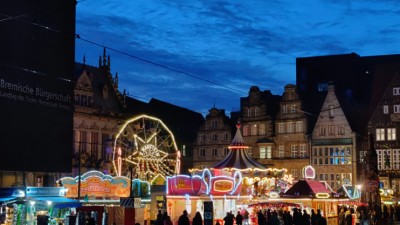
Bremen
Where riverfront walks, historic streets, and inclusive travel meet