About Dresden
Set on the Elbe in the eastern state of Saxony, Dresden is known for landmark institutions such as the Zwinger, the Semper Opera House, and the rebuilt Frauenkirche—sites that place the city firmly on many travellers’ itineraries.From an LGBTQ+ perspective, Dresden sits within a country where LGBTQ+ rights rank among the highest in the world, and that national context matters for visitors looking for a safer, more open travel experience.
Germany’s legal and social landscape has changed significantly over time, and today the country is widely recognized for strong LGBTQ+ rights protections compared with many other destinations.In Dresden itself, the LGBTQ+ travel story is less about one single globally famous landmark and more about the city’s place within a broader German culture of visibility, civic organization, and community life.
For a visitor like me, that means approaching Dresden as a place where queer travellers can explore a major historic city while also connecting with contemporary urban culture.
I would also note that Dresden is in Saxony, a region that has drawn attention in recent years for political debates around equality and inclusion—making respectful, informed travel especially important.As I begin this guide, I’m framing Dresden not only as an architectural and artistic destination, but also as a city best understood through the wider story of LGBTQ+ rights in Germany.
For travellers, that means looking beyond the postcard views and paying attention to the social climate, public visibility, and the ways queer people continue to shape modern German city life.
Our Review
When I travel to Dresden, I come for the Baroque skyline, the river views, and the city’s reputation as one of Germany’s major cultural centres.
Set on the Elbe in the eastern state of Saxony, Dresden is known for landmark institutions such as the Zwinger, the Semper Opera House, and the rebuilt Frauenkirche—sites that place the city firmly on many travellers’ itineraries.
From an LGBTQ+ perspective, Dresden sits within a country where LGBTQ+ rights rank among the highest in the world, and that national context matters for visitors looking for a safer, more open travel experience.
Germany’s legal and social landscape has changed significantly over time, and today the country is widely recognized for strong LGBTQ+ rights protections compared with many other destinations.
In Dresden itself, the LGBTQ+ travel story is less about one single globally famous landmark and more about the city’s place within a broader German culture of visibility, civic organization, and community life.
For a visitor like me, that means approaching Dresden as a place where queer travellers can explore a major historic city while also connecting with contemporary urban culture.
I would also note that Dresden is in Saxony, a region that has drawn attention in recent years for political debates around equality and inclusion—making respectful, informed travel especially important.
As I begin this guide, I’m framing Dresden not only as an architectural and artistic destination, but also as a city best understood through the wider story of LGBTQ+ rights in Germany.
For travellers, that means looking beyond the postcard views and paying attention to the social climate, public visibility, and the ways queer people continue to shape modern German city life.
Social Acceptance and Safety in Dresden
When I travel in Dresden, I see a city that reflects both the strengths and the contradictions of Germany’s broader LGBTQ+ landscape.
Germany is widely recognized as a country with strong LGBTQ+ rights protections, and same-sex sexual activity is legal.
Same-sex marriage is also legal nationwide.
That legal framework matters: it sets a baseline of protection that makes travel in major German cities, including Dresden, generally straightforward for LGBTQ+ visitors.
In day-to-day life, I would describe Dresden as a place where many people will encounter LGBTQ+ travelers without issue, especially in central, urban, and tourism-oriented parts of the city.
At the same time, Dresden is in Saxony, and the social climate there can be more conservative than in some other major German cities.
That does not mean the city is unsafe, but it does mean I stay aware of my surroundings and read the room, particularly in quieter residential areas or late at night.
General attitudes
In practical terms, I find Dresden best approached as a major German city where public acceptance is usually present, but where openness can vary by neighborhood and by setting.
Visitors should expect a generally respectful environment in museums, hotels, restaurants, and the historic center.
As in many places, overt displays of hostility are not typical in the areas most visitors frequent, but I would still recommend the same common-sense awareness I use in any city: trust your instincts, stay alert after dark, and avoid escalating attention if a situation feels uncomfortable.
Because Dresden is part of a country with strong LGBTQ+ legal protections, travelers can usually expect a secure baseline under the law.
For me, that means the most important safety issue is less about formal rights and more about ordinary urban caution—crowd awareness, transport planning, and choosing the right areas at the right times.
Safety tips I would follow
- Stay in well-used central areas after dark. The historic center and other busy parts of the city are the places I would naturally feel most comfortable moving around in at night.
- Use standard city safety habits. Keep an eye on belongings, especially on public transport and in crowded tourist zones.
- Be mindful in less busy neighborhoods late at night. As in any city, quieter streets can feel less comfortable if I am alone or unfamiliar with the area.
- Check local transport in advance. Planning my route back to my accommodation helps me avoid unnecessary stress after evening activities.
- Follow your own comfort level with visibility. While Dresden is generally manageable for LGBTQ+ travelers, I would still gauge public displays of affection based on the immediate environment.
Neighborhoods and areas
For LGBTQ+ travelers, I would naturally gravitate toward central Dresden, especially the areas around the historic core where foot traffic is steady and the city’s cultural life is most visible.
These are the parts of town I would consider the most visitor-friendly overall.
Beyond that, I do not want to overstate specific neighborhoods as definitively LGBTQ+ enclaves unless I have verified evidence, because reliable information is limited and local conditions can change.
At the same time, I would approach more politically conservative parts of Saxony with extra context and caution.
This is not because every such area is hostile, but because the wider regional climate can be less openly inclusive than what many travelers may be used to in Germany’s largest cosmopolitan centers.
My bottom line
My reading of Dresden is simple: it is a city where LGBTQ+ travelers can usually visit comfortably, especially if they stay in central, busy districts and apply ordinary urban safety habits.
The legal situation in Germany is strong, and that provides reassurance.
What I keep in mind on the ground is that attitudes can be more mixed in Saxony than in Germany’s most visibly queer urban hubs, so I travel with awareness, not fear.
For authoritative background on LGBTQ+ rights in Germany, I would refer to LGBTQ rights in Germany.
Accommodation in Dresden from an LGBTQ+ Traveler’s Point of View
When I look for a place to stay in Dresden, I start with a simple principle: Germany’s legal framework is strong, but inclusion still depends on the individual property and neighborhood.
Germany is widely recognized for its comparatively high level of LGBTQ+ rights, which gives me a solid baseline of confidence when booking accommodation in Dresden.
That said, I still prefer to choose hotels and apartments that are clearly professional, centrally located, and used to hosting international visitors.
Because I am writing from a travel-guide perspective and not making assumptions about unverified queer-specific businesses, I focus on practical signals of welcome rather than claiming the existence of LGBTQ+-only hotels.
In Dresden, the most reliable approach is to book well-reviewed mainstream accommodation and check whether the property presents itself as inclusive, internationally oriented, and comfortable with diverse guests.
Official hotel websites, current guest reviews, and booking platforms are the best places to confirm that.
What I look for in LGBTQ+ friendly accommodation
For me, an inclusive stay usually means clear non-discrimination language, professional staff, and a location that makes it easy to move around the city comfortably.
I pay attention to whether a property welcomes all couples, whether room types and check-in processes are straightforward, and whether the tone of the booking information feels respectful rather than coded or vague.
In practice, that often matters more than a hotel marketing itself as explicitly LGBTQ+ friendly.
I also check recent guest feedback.
A hotel can look polished online and still feel awkward in person if the staff are not accustomed to serving diverse travelers.
Reviews from same-sex couples, solo queer travelers, and international guests can be especially useful because they reveal how the property handles real-world interactions.
I prefer places where the service is described as discreet, efficient, and professional.
Best areas to stay in Dresden
For LGBTQ+ travelers, I would focus first on central Dresden.
The historic core and nearby central districts are the most practical choices because they offer the easiest access to public transport, museums, restaurants, and evening activity.
Staying centrally also means I can return to my accommodation without relying on long late-night journeys through less familiar parts of the city.
The inner-city areas around the main attractions are generally the safest bet for visitors who want convenience and a well-trafficked urban setting.
Dresden’s center is where I would expect the broadest range of hotels, serviced apartments, and international-standard accommodation, which usually makes it easier to find a stay that feels comfortable and neutral in the best sense of the word.
If I were planning a quieter stay, I would still keep to established neighborhoods with good transit connections rather than looking for a supposedly “special” district.
Dresden is not known for a single, clearly defined LGBTQ+ accommodation zone, so I would treat neighborhood choice mainly as a question of convenience, atmosphere, and transport rather than expecting a dedicated queer quarter.
How I choose inclusive accommodation in Dresden
My first step is always to read the property description carefully.
I look for direct language about welcoming all guests, family-friendly or couple-friendly policies, and transparent house rules.
I also check whether the hotel accepts diverse payment and booking methods and whether it provides clear customer service contact details.
That tends to indicate a well-run property that is less likely to make assumptions about who is staying there.
Next, I compare location.
For Dresden, I would prioritize a place that is close to the center or well connected by public transport.
That gives me more freedom in the evening and makes it easier to explore the city without needing to spend time navigating unfamiliar peripheral areas.
Convenience is a real part of feeling safe and welcome.
Finally, I trust current reviews more than older claims.
A hotel that once had a reputation for being progressive may not still feel that way today, and a property that says little on its website may in fact be very respectful in practice.
Up-to-date feedback is the most reliable indicator I have.
A practical note on safety and comfort
Dresden sits in a country with strong LGBTQ+ rights, and that makes travel much simpler than in many other places.
Even so, I still recommend the same common-sense approach I use in any city: stay where people are around, use well-rated accommodation, and choose a neighborhood that matches my comfort level.
If I want the least complicated experience, I book centrally and keep my evenings simple.
In short, I would approach Dresden by combining Germany’s strong legal context with careful accommodation research.
The city’s central districts are the most practical base for LGBTQ+ travelers, and the best inclusive stays are usually the ones that are transparent, well reviewed, and used to hosting a diverse international clientele.
For more background on the national context, see LGBTQ rights in Germany.
Dining and Entertainment
When I look at Dresden through an LGBTQ+ lens, I find a city that is best understood through its wider German context: same-sex activity is legal in Germany, same-sex marriage is legal, and LGBTQ+ rights are widely recognized as strong by international standards.
That matters because it sets the tone for how comfortable queer travelers can feel when they sit down to eat, go out for the evening, or book a ticket for a show.
In Dresden itself, however, I focus on what I can verify: the city offers major cultural venues, a lively central dining scene, and the practical comforts of a large German city, rather than a long, publicly documented list of explicitly LGBTQ+ branded restaurants or entertainment spaces.
Dining in Dresden
For meals, I recommend thinking in terms of welcome, location, and atmosphere rather than hunting for venues that advertise themselves as queer-specific.
In Dresden, the most reliable option is usually the central city, where restaurants, cafés, and casual eateries cluster around the historic core and the main visitor areas.
That part of town is where I would feel most comfortable as an LGBTQ+ traveler because it is active, easy to reach, and accustomed to international visitors.
In practice, that means choosing places where service is professional, staff are accustomed to tourists, and recent reviews show a respectful tone toward all guests.
I look for visible diversity in the clientele, clear menu information, and a relaxed setting.
Dresden does not need to be a “scene city” for me to enjoy it; the city’s strengths lie in its mainstream hospitality, its walkable center, and the ease of combining dinner with an evening at the theater, opera, or a riverside stroll.
If you prefer a low-key meal before a performance, Dresden’s central districts are the place to start.
That is where I would expect the broadest choice of cafés for coffee, bakeries for a quick snack, and restaurants for a full dinner.
I avoid naming specific LGBTQ+ friendly restaurants unless they are clearly documented and current, because the safest travel advice is the most verifiable one: choose well-reviewed, centrally located venues that make all guests feel at ease.
Entertainment: theaters, opera, and live performance
Dresden’s entertainment scene is one of the city’s great strengths.
For me, the headline attraction is the Semperoper, the city’s internationally known opera house.
It is one of Dresden’s most important cultural institutions and a standout choice for travelers who want a classic evening out in an elegant setting.
For LGBTQ+ visitors, the appeal is not that the venue is branded as queer, but that it is a major public institution in a city where cultural life is central and accessible.
I also see Dresden as a good city for theater and live performance more broadly.
The city has a strong reputation for the arts, and that gives travelers options beyond nightlife alone.
A theater evening, a concert, or an opera performance can be a comfortable way to experience Dresden in an inclusive, public, and highly visible setting.
These are spaces where I expect professionalism, international audiences, and a generally welcoming atmosphere.
Another major cultural landmark is the Zwinger, which is primarily a historic architectural and museum complex rather than an evening entertainment venue.
Still, it helps shape the city’s cultural identity and can easily be part of a day that ends with dinner or a show.
For LGBTQ+ travelers, I think this matters because Dresden’s cultural life is not segmented into a narrow “gay district”; instead, it is woven into the city’s broader artistic fabric.
Inclusive and welcoming places
Because I do not have a verified list of LGBTQ+ specific restaurants, cafés, or clubs in Dresden, I prefer to describe the city’s inclusive options in practical terms.
I look for venues in the center, in areas that are busy, public, and familiar to visitors.
In a city like Dresden, that is usually the most reliable path to comfort.
The city’s public-facing cultural venues, hotel restaurants, cafés near major sights, and established dining rooms are where I would expect the most straightforward welcome.
For LGBTQ+ travelers, an inclusive venue is one where staff are professional, signage and service are neutral and respectful, and the atmosphere feels open to different kinds of visitors.
In Dresden, that kind of welcome is most likely to be found in mainstream cultural settings rather than in a heavily documented specialist scene.
That is not a disadvantage; it simply reflects the city as it is.
I find that useful because it allows me to recommend experiences I can stand behind without guesswork.
My practical advice
If I were planning an evening in Dresden, I would start with dinner in the central city, then go on to the opera, theater, or another live performance.
That sequence plays to Dresden’s strengths and keeps the experience both practical and memorable.
It also gives LGBTQ+ travelers a calm, polished way to enjoy the city without needing to rely on unverified venue lists or assumptions about nightlife.
In short, Dresden offers LGBTQ+ visitors a culturally rich and generally welcoming setting for dining and entertainment.
The city’s greatest assets are its established institutions, central walkable districts, and strong artistic identity.
I would come here for the food, the performances, and the reassurance that in Germany’s legal environment, I can enjoy them with confidence.
Travel Tips
When I travel to Dresden as an LGBTQ+ journalist, I approach the city with two truths in mind: Germany has strong legal protections for LGBTQ+ people, and local social experiences can still vary from place to place.
That means I can plan with confidence, but I still pay attention to the setting, the neighborhood, and the people around me.
Germany’s overall legal framework is among the strongest in the world for LGBTQ+ rights, including same-sex marriage, so I never feel I need to travel with the same level of caution I might use in less protective countries.
Still, good travel habits matter everywhere.
In Dresden, I find that the most practical choice is to base myself in the city center or another well-connected central area.
That makes everyday travel easier, especially when I want to visit museums, restaurants, or evening performances and then return without stress.
Central districts are also where I expect to feel most comfortable as an openly queer traveler because they are busier, more international, and better served by public transport.
I do not rely on the idea of a clearly defined LGBTQ+ neighborhood here; instead, I focus on convenience, visibility, and easy access to transit.
For local customs, I keep my approach straightforward and respectful.
Dresden is a historic German city, and I find that a calm, polite manner goes a long way.
I do not assume that everyone wants to discuss identity immediately, and I let conversations develop naturally.
In practical terms, I avoid making any venue or interaction more complicated than necessary: I check opening hours, confirm bookings, and keep my plans organized.
This is standard travel advice, but it is especially useful if I want a smooth, low-stress trip.
My biggest do is to trust current information rather than outdated assumptions.
If I want to connect with the local LGBTQ+ community, I start with up-to-date city listings, local event calendars, and official tourism resources rather than relying on old blog posts or unnamed recommendations.
Dresden may not be known internationally as a major queer nightlife capital, so I would not assume a large, obvious scene without checking current sources.
The same principle applies to Pride events: I verify dates, formats, and locations through official announcements before I build them into my itinerary.
My don’t is to overread the city through stereotypes.
Dresden is not Berlin, and I would not expect the same density of explicitly queer venues.
That does not make the city unfriendly; it simply means I plan more carefully.
I also avoid depending on nightlife alone to connect with community.
In a city like Dresden, I think it is often more realistic to look for cultural events, public gatherings, and verified local listings that may bring LGBTQ+ people together in mixed, inclusive spaces.
Safety-wise, I use the same principles I would use in any European city: stay aware in crowded places, keep an eye on belongings, and plan my route back late at night.
I prefer well-lit, busy streets and reliable transport links.
If I am deciding whether to be openly affectionate in public, I read the room first.
Germany is broadly supportive of LGBTQ+ rights, but comfort can still depend on the exact setting, time of day, and atmosphere.
When I want to connect with the local LGBTQ+ community, my first step is to look for current, verified sources on the ground rather than searching for a fixed “scene” that may not exist in a simple, centralized way.
I also think it is wise to ask at reputable hotels, tourist information points, or cultural venues for current suggestions, because local staff often know what is active right now.
In my experience, that practical approach is much more useful than chasing outdated lists of bars or organizations.
Ultimately, I see Dresden as a city where an LGBTQ+ traveler can move comfortably, especially with normal urban awareness and a bit of advance planning.
Its strengths are its strong national legal protections, its excellent central attractions, and its reliable public transport network.
My advice is simple: stay central, check current information, respect the local pace, and let the city’s culture guide your trip.
If you do that, Dresden can be a rewarding and manageable destination from an LGBTQ+ point of view.
For background on the national context, see LGBTQ rights in Germany and Germany.
Other Guides in Germany

Stuttgart
Urban calm, cultural depth, and space to explore freely.
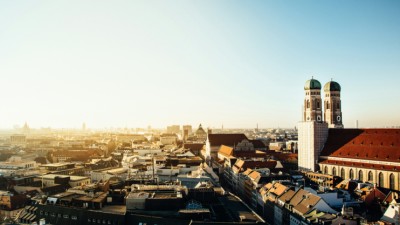
Munich
Where green travel, grand traditions, and queer culture meet.
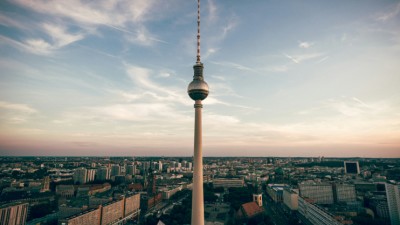
Berlin
Where vibrant culture meets inclusive, restorative city breaks.
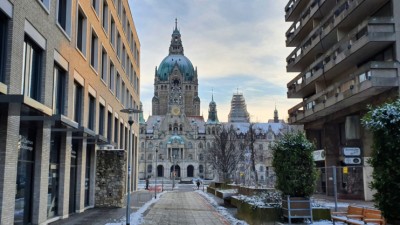
Hannover
Big-city energy, fairground scale, and an open-minded stopover
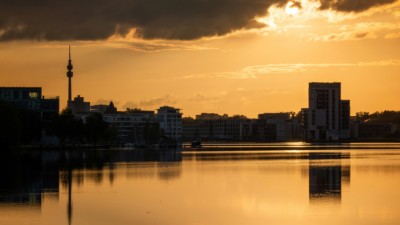
Dortmund
Explore the culture, taste the city, and travel with confidence.
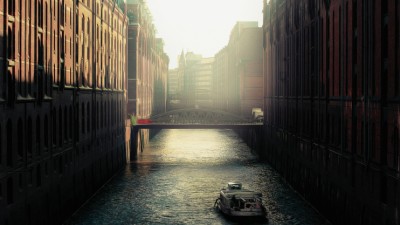
Hamburg
Where the waterfront meets welcoming culture
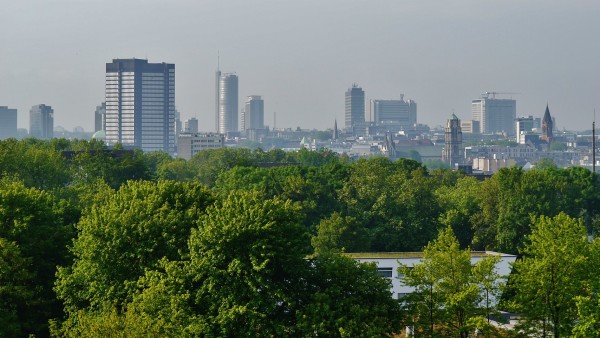
Essen
Industrial heritage, urban mobility, and inclusive travel in the heart of the Ruhr.
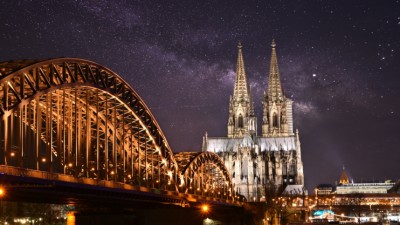
Cologne
Elegant city breaks with a vibrant, open-minded spirit.

Duisburg
Where riverfront heritage meets a quietly welcoming urban experience.
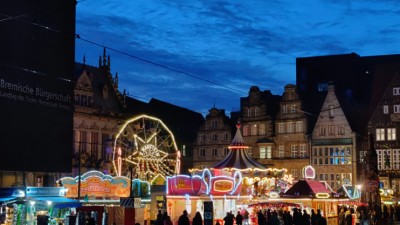
Bremen
Where riverfront walks, historic streets, and inclusive travel meet