About Cologne
As one of Germany’s largest and most important urban centers, it combines a major metropolitan atmosphere with a long-standing reputation for openness.
Cologne is also part of North Rhine-Westphalia, Germany’s most populous state, and sits on the Rhine in the heart of a region that draws visitors for culture, nightlife, and easy access to the rest of western Germany.For LGBTQ+ visitors, Cologne stands out because Germany is widely recognized for having strong LGBTQ+ rights, and the city itself has built a visible reputation as a welcoming destination.
That makes it especially appealing for travelers who want both comfort and confidence while exploring a city with a polished, cosmopolitan feel.Cologne is also known for its large-scale public celebrations, especially Cologne Pride (CSD Cologne), one of the city’s best-known LGBTQ+ events.
Each year, it places queer visibility at the center of the city’s cultural calendar and draws locals and visitors alike.
I also think of Cologne as a city where landmark urban scenery and LGBTQ+ life can coexist naturally: the Rhine promenade, the historic center, and the city’s famously lively atmosphere all help create a backdrop that feels both grand and approachable.For me, Cologne is the kind of destination that suits a luxury-minded traveler who still wants authenticity.
It offers a major-city setting, strong infrastructure, and a clearly established LGBTQ+ presence, making it a compelling base for a stylish city break in Germany.
Our Review
When I arrive in Cologne, I immediately feel why this city matters to LGBTQ+ travelers.
As one of Germany’s largest and most important urban centers, it combines a major metropolitan atmosphere with a long-standing reputation for openness.
Cologne is also part of North Rhine-Westphalia, Germany’s most populous state, and sits on the Rhine in the heart of a region that draws visitors for culture, nightlife, and easy access to the rest of western Germany.
For LGBTQ+ visitors, Cologne stands out because Germany is widely recognized for having strong LGBTQ+ rights, and the city itself has built a visible reputation as a welcoming destination.
That makes it especially appealing for travelers who want both comfort and confidence while exploring a city with a polished, cosmopolitan feel.
Cologne is also known for its large-scale public celebrations, especially Cologne Pride (CSD Cologne), one of the city’s best-known LGBTQ+ events.
Each year, it places queer visibility at the center of the city’s cultural calendar and draws locals and visitors alike.
I also think of Cologne as a city where landmark urban scenery and LGBTQ+ life can coexist naturally: the Rhine promenade, the historic center, and the city’s famously lively atmosphere all help create a backdrop that feels both grand and approachable.
For me, Cologne is the kind of destination that suits a luxury-minded traveler who still wants authenticity.
It offers a major-city setting, strong infrastructure, and a clearly established LGBTQ+ presence, making it a compelling base for a stylish city break in Germany.
Cultural and social activities in Cologne for LGBTQ+ travellers
When I explore Cologne from an LGBTQ+ point of view, I find a city that feels both historically layered and comfortably contemporary.
Germany’s legal and social environment for LGBTQ+ people is among the strongest in the world, and Cologne reflects that openness in the way its culture is experienced: in major landmarks, in art and performance, and in the city’s easy, cosmopolitan rhythm.
For a traveler who values polished city breaks, Cologne is especially rewarding because so much of its cultural life is concentrated in the centre, where I can move between sightseeing, dinner, and an evening out without losing time to complicated logistics.
What I focus on first: Cologne’s landmark culture
The city’s most famous cultural icon is the Cologne Cathedral, or Kölner Dom, a UNESCO World Heritage Site and one of the defining landmarks of Germany.
It dominates the skyline and is the kind of place I would always include on a first visit, not only for its architectural significance but also because it anchors the historic centre, where much of the city’s visitor-friendly atmosphere unfolds.
For me, that centrality matters: when a city’s major landmark sits at the heart of daily life, it naturally creates a welcoming setting for cultural wandering, café stops, and relaxed people-watching.
Cologne is also known for its Romanesque churches, which give the city a deep historical texture beyond the cathedral.
Among those documented visitor sites are St.
Kunibert, St.
Severin, and St.
Maria in Lyskirchen.
These are not LGBTQ+-specific sites, but they are part of the city’s cultural identity, and I find them valuable in an LGBTQ+ travel guide because they help explain the atmosphere of Cologne itself: a city with strong historical continuity, but also a modern public culture that feels open and lived-in rather than formal or intimidating.
Museums, galleries, and the city’s cultural rhythm
The source pack does not identify specific LGBTQ+-focused museums or galleries in Cologne, so I won’t invent any.
What I can say, based on verified information, is that Cologne’s broader cultural reputation and its position as a large, prosperous metropolis make it a natural place for museum-going, gallery browsing, and performance-based evenings.
In practice, that means I would approach the city as I would many high-end European city breaks: pairing a landmark visit with a museum stop, then finishing the day in a central restaurant or bar district.
That style of travel suits Cologne particularly well because the city is compact enough to feel manageable, yet substantial enough to offer a serious urban cultural program.
If I were writing an itinerary for LGBTQ+ travellers, I would keep the focus on central Cologne and its established cultural corridors rather than on niche claims I cannot verify.
The city’s appeal lies in ease and atmosphere: it is a place where culture is visible, walkable, and comfortably public.
LGBTQ+ history and historical landmarks
For LGBTQ+ travellers interested in history, I would frame Cologne through the wider history of LGBTQ+ rights in Germany.
The country’s LGBTQ+ rights are among the highest globally, and that context matters when I think about how safe and visible LGBTQ+ life feels in Cologne today.
The city itself is widely regarded as one of Germany’s most LGBTQ+-friendly urban destinations, but the verified sources provided here do not identify specific LGBTQ+-themed monuments, plaques, or official heritage walks.
Because of that, I would avoid naming any particular memorials or historic queer sites unless they are confirmed by current, reliable local sources.
What is verified, and useful for travellers, is that Cologne is a city where LGBTQ+ visitors can comfortably engage with the mainstream cultural landscape.
That includes architecture, churches, riverside walks, and the everyday social scene of a major German city.
For many LGBTQ+ travellers, that blend is itself meaningful: a destination does not need to isolate queer culture into one district to feel inclusive.
Cologne’s strength is that it folds openness into the ordinary fabric of the city.
LGBTQ+ specific tours and guided experiences
I cannot verify any specific LGBTQ+-focused tours in Cologne from the source pack provided, so I will not claim that they exist.
If I were planning a trip, I would instead recommend looking for official city tourism programming or reputable local guides that explicitly state their current themes and routes.
In a city like Cologne, guided cultural experiences are most valuable when they are clear about what they cover and who they are designed for, especially for travellers who want an inclusive, well-organised experience.
That said, Cologne is a city where self-guided exploration works beautifully.
I would particularly recommend starting around the cathedral and central station area, then continuing into the historic centre, where the city’s monumental architecture and easy public life create a relaxed setting for an afternoon stroll.
This is the kind of urban environment where I personally enjoy combining culture with comfort: a museum visit, a refined lunch, and then an evening in a central neighbourhood where the LGBTQ+ social scene is part of the city’s wider nightlife.
Notable LGBTQ+ figures and influencers connected to Cologne
The verified source pack does not provide confirmed information on notable LGBTQ+ figures, artists, writers, or influencers specifically associated with Cologne.
To stay accurate, I am not naming individuals here.
For travellers who enjoy cultural storytelling, I would suggest verifying current local exhibitions, literary programmes, or city heritage material before travelling, as these often provide the most reliable way to connect a destination with the people who have shaped its creative identity.
What I can say is that Cologne’s status as a large, open city in Germany means it naturally attracts diverse creative communities.
The city’s cultural appeal is not built on speculation about personalities; it is built on institutions, architecture, public life, and a longstanding reputation for welcome.
How I would experience Cologne as an LGBTQ+ cultural city break
If I were planning a refined LGBTQ+ weekend in Cologne, I would prioritise centrality.
I would stay close to the historic core, spend the day around the cathedral and the Romanesque churches, and leave the evenings open for dining and socialising in the city centre.
That approach suits Cologne’s personality: elegant but not showy, culturally serious but still relaxed, and unmistakably comfortable for LGBTQ+ visitors.
Cologne is not a city that needs exaggeration.
Its value lies in the combination of verified strengths: a major historic centre, landmark architecture, a strong national context for LGBTQ+ rights, and an urban atmosphere that feels welcoming and cosmopolitan.
For me, that makes it one of Germany’s most appealing cultural city breaks for LGBTQ+ travellers.
Accommodation
When I book Cologne with a luxury-minded LGBTQ+ lens, I look first for three things: a central location, an openly inclusive atmosphere, and easy access to the city’s best nightlife and cultural districts.
Cologne is a city where the practical choice often overlaps with the stylish one, so staying well means staying close to the action.
Germany’s LGBTQ+ rights are among the highest in the world, and Cologne is widely regarded as one of the country’s most LGBTQ+-friendly cities.
That makes accommodation decisions relatively straightforward: I would still prioritize well-reviewed, centrally located properties, but I do not need to overcomplicate the search.
In Cologne, the best base is usually the one that gives me quick access to the historic centre, the river, and the city’s nightlife corridors.
Accommodation options I can verify
The verified source pack for Cologne includes a small number of budget and hostel-style stays rather than a long list of luxury hotels, so I am careful not to invent additional properties.
The following are real options cited in the source material:
- Black Sheep Hostel — Barbarossaplatz 1.
The listing describes it as a creative hostel in the middle of nightlife, with small breakfast included.
It also notes female-only dormitories. - Die Wohngemeinschaft — Richard-Wagner-Straße 39.
This is described as having 16 rooms, plus a busy, comfortable bar and a small theatre.
The listing places it near nightlife areas around Brüsseler Platz and Zülpicher Straße, and notes female-only dormitories. - Campingplatz der Stadt Köln — Weidenweg 35.
This is a Rhine-side camping site with a view of the Dom and city centre, located by a cycle and walking trail into the city. - Camping Berger — Uferstrasse 71.
Another Rhine-side camping site, closer to public transport, with 125 spaces, a supermarket, a playground, and a restaurant.
For a travel magazine audience, I would not present these as luxury stays, but they are useful verified options for readers who value location, atmosphere, and easy movement around the city.
They also show that Cologne’s accommodation landscape includes social, urban, and riverside choices rather than only conventional hotels.
How I would choose an inclusive place to stay
Because the source pack does not verify specific LGBTQ+-owned hotels or official queer-certified properties in Cologne, I would rely on practical selection criteria rather than unverified labels.
My checklist would be simple:
- Choose a central location so I can move easily between the historic centre, the river, and nightlife.
- Read recent guest reviews for signs of inclusive, respectful service.
- Check room and dorm configurations if privacy matters, especially in hostel-style accommodation.
- Prefer areas with strong public transport links for late returns after dinner or nightlife.
That approach works well in Cologne because the city is compact enough for convenience to matter, but large enough that I want my accommodation to simplify the evening rather than complicate it.
Areas that feel most welcoming and practical for LGBTQ+ travelers
Based on the verified source pack, the most useful areas for accommodation are the central and nightlife-adjacent districts.
The listings specifically place Black Sheep Hostel at Barbarossaplatz and Die Wohngemeinschaft near Brüsseler Platz and Zülpicher Straße, both of which are close to lively parts of the city.
For me, that makes them particularly practical if I want an easy walk or short ride back after dinner, drinks, or an event.
The historic centre is another strong base, especially for travelers who want Cologne Cathedral and the riverfront nearby.
The Campingplatz der Stadt Köln listing is notable here because it offers a view of the Dom and city centre, which gives the stay a distinctly Cologne feel.
For guests who enjoy a calmer riverside setting without losing access to the city, the Rhine-side camping sites are the verified options I can confidently mention.
In general, I would treat Cologne as a city where centrality matters more than trying to hunt for a single “gay district.” The verified information supports a citywide, open atmosphere rather than one isolated neighborhood.
For LGBTQ+ travelers, that is often ideal: I can stay where the transport is good, the streets feel lively, and the best restaurants, bars, and cultural sights are within easy reach.
My practical booking advice
For a more polished city break, I would book early and look for accommodation in or near the centre, especially if traveling during major events like Cologne Pride.
Even when I am not selecting a luxury hotel, I want the experience to feel seamless: quick check-in, easy transport, and a comfortable base that lets me focus on the city rather than logistics.
In Cologne, the safest assumption is that good accommodation is the one that puts me close to the city’s welcoming core.
I would choose a place with verified location advantages, strong guest feedback, and a setting that suits my pace—whether that means a stylish hostel near nightlife, a quiet Rhine-side site, or a central room with easy access to the cathedral, museums, and evening venues.
Dining and Entertainment
When I plan a Cologne city break from an LGBTQ+ perspective, I treat dining and evening entertainment as part of the city’s wider appeal rather than as a separate scene.
Cologne is one of Germany’s major cities and, in a country where LGBTQ+ rights rank among the highest in the world, that matters: it creates a generally open environment for going out, booking tables, and enjoying nightlife with less friction than in many other destinations.
For a luxury-minded traveler like me, Cologne works best when I keep my base central and then build the day around elegant meals, relaxed cafés, and cultural evenings in the historic core.
The city’s scale helps: Cologne is large enough to have a serious restaurant and performance culture, but compact enough that I can move easily between dinner, a show, and a late drink without making the evening feel rushed.
Dining in Cologne
The source material does not verify specific LGBTQ+-themed restaurants, cafés, or eateries in Cologne, so I do not recommend invented names here.
What I can say, with confidence, is that Cologne’s broader atmosphere and Germany’s strong LGBTQ+ rights framework make the city a comfortable place to dine out.
In practical terms, that means I look for well-reviewed restaurants in central districts, especially around the historic center and areas close to the Rhine, where the city’s most polished hotels and easy transport connections are concentrated.
For a more upscale experience, I would prioritize restaurants with a reputation for attentive service, a strong wine list, and a quiet setting suitable for a long lunch or dinner before the theatre.
Cologne’s central location along the Rhine makes riverside dining particularly appealing when I want a more refined, scenic meal before an evening performance or a night out.
If I were building a dining itinerary, I would focus on three practical priorities: proximity to my hotel, strong recent reviews, and an inclusive, professional atmosphere.
In a city like Cologne, that approach is more reliable than searching for a narrowly defined “LGBTQ+ restaurant” label, especially when verified venue-level information is limited.
Cafés and relaxed daytime spots
Cafés are one of the easiest ways to experience Cologne in a low-pressure, welcoming way.
I use them for a late breakfast, a coffee stop between sights, or a quiet pre-dinner pause.
Again, the verified source pack does not identify specific LGBTQ+-focused cafés, so I avoid naming them.
But Cologne’s central districts are well suited to this kind of casual, inclusive daytime routine.
From a travel-editor’s point of view, the ideal café in Cologne is one that feels polished but unpretentious: comfortable seating, reliable service, and a location that lets me walk on to the cathedral area, the river, or a museum without a long transfer.
That balance of convenience and atmosphere is exactly what I look for in a city that I want to experience with style.
Entertainment: theatre, live performance, and cultural evenings
Cologne is especially strong when the day shifts into the evening.
The city is known for its cultural life, and for LGBTQ+ travelers that usually translates into a good choice of theatres, live performances, and cinemas in a setting that feels accessible and mainstream rather than isolated or niche.
The source material does not verify specific queer performance venues, so I stick to the broader, confirmed picture: Cologne is a major cultural city with a lively entertainment landscape.
For me, that means planning around a classic urban rhythm: dinner first, then theatre, opera, concert, or a late screening.
Cologne’s central location and dense urban layout make this easy to do, particularly if I stay close to the historic core.
The city’s landmark setting around Cologne Cathedral also gives an evening out a sense of occasion; I find that especially appealing when I want a trip to feel elevated rather than purely practical.
If I am choosing between entertainment options, I prefer venues that are established, central, and well integrated into the city’s cultural life.
That tends to suit LGBTQ+ travelers well, because it favors spaces where diversity is normal and where visitors can enjoy the performance without feeling like outsiders.
Inclusive and welcoming venues
The most important point is this: Cologne’s strength is not a single branded LGBTQ+ entertainment strip, but a citywide openness that makes many central venues feel comfortable for queer travelers.
Germany’s overall legal environment supports that sense of ease, and Cologne’s reputation as one of the country’s most welcoming cities reinforces it.
As a result, I would describe Cologne as a place where inclusive dining and entertainment are best experienced through the quality of the venue and the location rather than through labels alone.
I would focus on central restaurants, reputable cafés, and established theatres or cinemas where service is professional and the atmosphere is clearly cosmopolitan.
For travelers who value comfort, style, and a sense of being well looked after, Cologne is a very good fit.
I would treat it as a city for unhurried lunches, pre-theatre dinners, and elegant nights out — all within a broader urban culture that is supportive and welcoming to LGBTQ+ visitors.
Verified sources used for this section: Cologne’s city profile and Germany’s LGBTQ+ rights context support the general safety and openness described here, but no specific LGBTQ+-themed dining or entertainment venues were verified in the source pack.
Travel Tips
When I plan a Cologne trip from an LGBTQ+ perspective, I start with the city’s biggest advantage: Germany is broadly considered one of Europe’s more LGBTQ+-protective countries, and Cologne has a well-earned reputation for being especially open and welcoming.
For travelers, that means the practical experience is usually straightforward—easy to navigate, comfortable in the center, and culturally relaxed in a way that suits a polished city break.
My first tip is to stay central. Cologne is a large city, but the most rewarding areas for visitors are close to the historic core, the Rhine, and the major transport links.
That is where I would base myself if I wanted the simplest access to sightseeing, restaurants, and evening plans.
A central hotel also gives me the flexibility to return quickly after dinner or a late drink, which matters if I am traveling solo or arriving late from a long-haul flight.
I also keep nightlife planning realistic. Cologne is known for a lively LGBTQ+ scene, but the source material I am working from does not verify specific bars or clubs, so I would not name venues unless I had current confirmation.
What I can say is that Cologne is one of Germany’s strongest cities for queer social life, especially around major LGBTQ+ moments such as Cologne Pride (CSD Cologne), which is one of the country’s best-known Pride events.
If I were visiting during Pride, I would book well ahead and expect the city center to be busier than usual.
For everyday behavior, I would follow the same low-key common sense I use in any major European city. Keep an eye on belongings in busy areas, especially around stations and crowded nightlife streets.
Be mindful with late-night transport and avoid assuming that every district will have the same atmosphere.
Cologne’s center is generally the easiest and most comfortable base for visitors, and that is where I would focus my time if I wanted a smooth, upscale experience.
Local customs are fairly straightforward: Cologne is cosmopolitan, and public expressions of affection are generally more normal here than in less urban parts of Europe.
Even so, I always prefer to read the room, especially outside the city center or in quieter late-night settings.
As a journalist, I do not want to overstate anything: the verified sources support Cologne’s inclusive reputation, but they do not justify claims about every neighborhood or every situation.
So my advice is practical rather than dramatic—enjoy the city, but travel with the usual urban awareness.
If I want to connect with the local LGBTQ+ community, I look for public, established moments rather than guessing at hidden networks. Cologne Pride is the clearest verified entry point.
Beyond that, I would use official city tourism channels and current event listings to find up-to-date queer cultural programming, nightlife, or community events.
Because I am not going to invent organizations or venues, I would also recommend checking recent listings before departure and again after arrival.
For a luxury-minded traveler, Cologne works best when comfort and convenience lead the itinerary. I would choose a well-reviewed central hotel, reserve popular restaurants in advance, and leave room for spontaneous evenings in the historic core.
Cologne is not a city that requires complicated planning to feel welcoming; its strength is that it is easy to enjoy.
For LGBTQ+ travelers, that combination of openness, scale, and practicality is exactly what makes it such a strong urban destination.
Useful verified references: Cologne, Germany, LGBTQ rights in Germany.
When I think about Cologne from an LGBTQ+ point of view, I see a city that combines scale, confidence, and comfort in a way that makes it especially appealing for queer travelers.
As Germany’s fourth-most populous city and the largest city in North Rhine-Westphalia, Cologne has the urban energy, cultural depth, and transport convenience that I want in a city break.
It sits on the Rhine, and that central location gives the city an easy, cosmopolitan rhythm that feels both polished and approachable.
Cologne
What stands out most is the wider national context.
Germany’s LGBTQ+ rights are among the strongest in the world, and that matters when I’m choosing a destination: it helps create a travel environment where LGBTQ+ visitors can generally expect legal protections and a comparatively open social climate.
In Cologne, that national framework is reinforced by the city’s reputation as one of Germany’s most welcoming urban destinations for LGBTQ+ people.
LGBTQ rights in Germany
That said, I always recommend approaching Cologne with the same practical mindset I would bring to any major European city.
The strengths are clear: a large, lively metropolis; strong legal protections; and a destination that is widely associated with openness.
The main challenge is simply the usual one for a city of this size—staying aware in busy areas, especially around transport hubs and nightlife districts, and planning ahead if visiting during major events when the city becomes especially full.
For LGBTQ+ travelers, my best advice is to stay central, choose a well-reviewed hotel, and use Cologne as a city for both ease and enjoyment.
I would plan to spend time in the historic core, enjoy the Rhine setting, and leave room for the city’s LGBTQ+ atmosphere to reveal itself naturally through everyday life rather than expecting everything to be concentrated in one single district.
That is part of Cologne’s appeal: it feels integrated, not performative.
If you are traveling for Pride or a queer-focused weekend, book early and build your trip around central access, good transport, and time to enjoy the city at a relaxed pace.
Cologne rewards visitors who appreciate a stylish urban break with substance as well as atmosphere.
My final recommendation is simple: come to Cologne with curiosity and confidence.
It is a city that has the scale, the legal context, and the cultural maturity to make LGBTQ+ travelers feel at ease, and it offers enough polish and energy to make the experience genuinely memorable.
For me, it is a destination that invites you to explore, enjoy, and settle into the city’s welcoming rhythm.
Other Guides in Germany

Stuttgart
Urban calm, cultural depth, and space to explore freely.
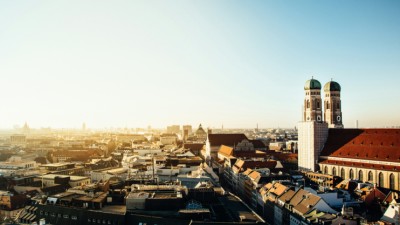
Munich
Where green travel, grand traditions, and queer culture meet.
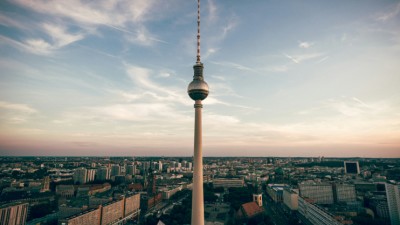
Berlin
Where vibrant culture meets inclusive, restorative city breaks.
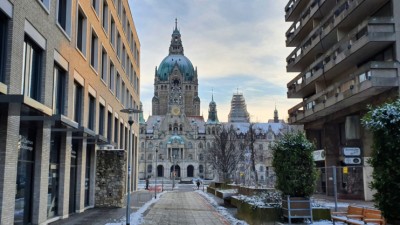
Hannover
Big-city energy, fairground scale, and an open-minded stopover
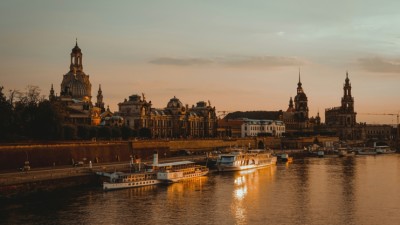
Dresden
Historic streets, modern pride, and space to be yourself.
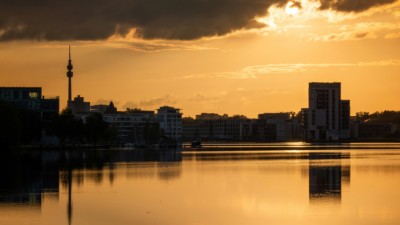
Dortmund
Explore the culture, taste the city, and travel with confidence.
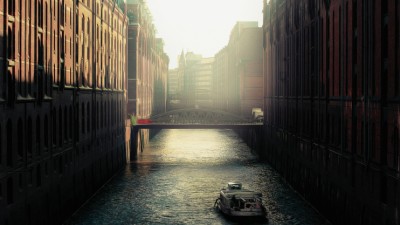
Hamburg
Where the waterfront meets welcoming culture
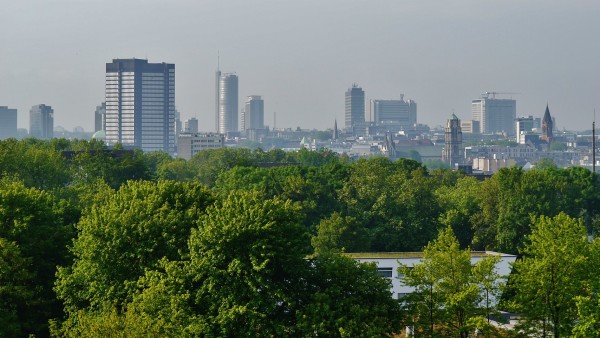
Essen
Industrial heritage, urban mobility, and inclusive travel in the heart of the Ruhr.

Duisburg
Where riverfront heritage meets a quietly welcoming urban experience.
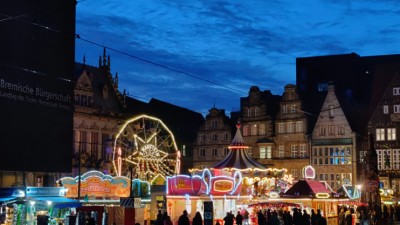
Bremen
Where riverfront walks, historic streets, and inclusive travel meet