About Yokohama
Located just south of Tokyo on Tokyo Bay, Yokohama is Japan’s second-largest city and one of the country’s most important economic and cultural centers.
Its long connection to overseas trade has shaped a city that feels outward-looking and easy to navigate for international visitors.For LGBTQ+ travelers, Yokohama’s appeal is closely tied to that broader openness and to its place within the greater Tokyo metropolitan area, where many of Japan’s most visible LGBTQ+ communities, events, and venues are concentrated.
Japan as a whole still has fewer legal protections for LGBTQ+ people than many other developed countries, so I approach the city with the same practical travel mindset I’d use anywhere: appreciate the atmosphere, plan ahead, and stay informed about local norms.In terms of landmarks and city identity, Yokohama is especially well known for its waterfront districts, its historic role as an international port, and its cultural institutions rather than for a single dedicated LGBTQ+ landmark.
I would treat it as a strong base for travelers who want to pair sightseeing with day trips to Tokyo’s more established LGBTQ+ scene, while also enjoying Yokohama’s museums, bayside promenades, and international character.
Our Review
As I explore Yokohama, I’m struck by how naturally this port city blends international history, modern urban life, and a welcoming travel atmosphere.
Located just south of Tokyo on Tokyo Bay, Yokohama is Japan’s second-largest city and one of the country’s most important economic and cultural centers.
Its long connection to overseas trade has shaped a city that feels outward-looking and easy to navigate for international visitors.
For LGBTQ+ travelers, Yokohama’s appeal is closely tied to that broader openness and to its place within the greater Tokyo metropolitan area, where many of Japan’s most visible LGBTQ+ communities, events, and venues are concentrated.
Japan as a whole still has fewer legal protections for LGBTQ+ people than many other developed countries, so I approach the city with the same practical travel mindset I’d use anywhere: appreciate the atmosphere, plan ahead, and stay informed about local norms.
In terms of landmarks and city identity, Yokohama is especially well known for its waterfront districts, its historic role as an international port, and its cultural institutions rather than for a single dedicated LGBTQ+ landmark.
I would treat it as a strong base for travelers who want to pair sightseeing with day trips to Tokyo’s more established LGBTQ+ scene, while also enjoying Yokohama’s museums, bayside promenades, and international character.
Social Acceptance and Safety in Yokohama
When I travel in Yokohama, I find that the city feels broadly open and international, especially in the areas closest to central transit hubs and the waterfront.
Yokohama is one of Japan’s best-known port cities and one of the places most used to seeing foreign visitors, which can make the social atmosphere feel relatively comfortable for many travelers.
At the same time, I always keep in mind that Japan as a whole still offers fewer legal protections for LGBTQ+ people than many other developed countries, so a respectful, informed approach is the safest one.
In everyday life, I would describe the general attitude in Yokohama as quietly polite rather than openly demonstrative.
Public behavior in Japan tends to be reserved, and that applies to LGBTQ+ travelers as well.
In practice, that means I usually expect less overt reaction than in some other destinations, but I also do not assume that every setting will be equally familiar with LGBTQ+ identities or relationships.
Discretion and reading the room are useful travel habits here.
For safety, my main advice is simple: stay aware of your surroundings, especially at night, just as you would in any large city.
Yokohama is a major urban center, so standard travel precautions apply around busy stations, nightlife districts, and late-night transit connections.
I also recommend being mindful that social comfort can vary from place to place, and that public displays of affection may attract more attention in quieter or more traditional settings.
Because I am writing as a traveler rather than making assumptions about a fixed LGBTQ+ district, I should be careful here: I do not have verified information identifying specific neighborhoods in Yokohama as officially LGBTQ+ hubs, nor any verified areas that should be categorically avoided as less welcoming.
What I can say with confidence is that Yokohama’s overall character is shaped by its role in the Greater Tokyo Area and its long history as an international port city, which generally supports a more outward-looking visitor experience than many other places.
If I were planning a stay, I would base myself in a well-connected central area, keep transportation plans clear for the evening, and rely on the same common-sense habits I use in any large Japanese city: save addresses in Japanese if needed, know the last train times, and choose busy, well-lit routes when walking after dark.
For LGBTQ+ travelers, that mix of awareness and low-key confidence is usually the best approach in Yokohama.
Community and Support
When I explore Yokohama from an LGBTQ+ travel perspective, I keep one practical point in mind: this is a large, internationally familiar city, but it is still part of Japan, where LGBTQ+ people have fewer legal protections than in many other developed countries.
In that context, I think of Yokohama less as a city defined by a single famous LGBTQ+ district and more as a well-connected base in the Greater Tokyo Area.
The city’s port history and long-standing international character make it a natural place to look for everyday support, and its proximity to Tokyo means travelers can also reach the broader region’s LGBTQ+ resources more easily.
For official and community-based support, I recommend starting with broader national and metropolitan resources rather than expecting a large, clearly marked local network in Yokohama itself.
I am not able to verify a specific Yokohama-based LGBTQ+ community center from the source pack, so I would avoid assuming one exists unless confirmed by current local listings.
If I were planning a trip, I would look ahead at Tokyo-area organizations, then use Yokohama as a calm, convenient place to stay and move between the city and the capital.
Health services are another area where planning matters.
I can verify only the general national context here: Japan has fewer legal protections for LGBTQ+ people than many comparable countries, so visitors should be prepared to look carefully for culturally competent care if they need mental health support or sexual health services.
I would advise checking official clinic listings and current hospital information before traveling, especially if you may need ongoing medication, counseling, or HIV-related care.
Because I do not have a verified Yokohama-specific LGBTQ+ health directory in the source pack, I won’t name any local providers that I cannot confirm.
For HIV/AIDS support and mental health needs, the safest approach is to plan in advance and identify services in the wider Tokyo metropolitan area as well as national-level information sources.
In Japan’s major urban centers, access is generally better than in smaller towns, but quality and comfort can vary by provider.
If I were writing this as a travel note to a reader, I would emphasize bringing essential medications, keeping prescriptions documented, and knowing where to seek English-language assistance if needed.
What makes Yokohama useful to LGBTQ+ travelers is its practicality: it is easy to navigate, close to Tokyo, and accustomed to visitors.
I would treat it as a comfortable base for sightseeing, while using the nearby metropolitan area for specialized LGBTQ+ support, community contact, and health resources when necessary.
For background context on the city and on LGBTQ+ legal conditions in Japan, these verified references are useful: Yokohama and LGBTQ rights in Japan.
Events and Nightlife
When I look at Yokohama through an LGBTQ+ travel lens, I see a city that is more about atmosphere, convenience, and easy access to the wider Tokyo area than about a large, clearly mapped queer scene of its own.
That matters for nightlife and events: in Yokohama, I would plan for a relaxed evening out, then look to nearby Tokyo for the biggest annual LGBTQ+ gatherings.
Yokohama itself is a major port city south of Tokyo, and it is one of the Japanese cities most used to seeing foreigners.
https://en.wikivoyage.org/wiki/Yokohama
Events: what I can verify
I cannot verify a major annual LGBTQ+ pride parade, march, or dedicated LGBTQ+ festival held in Yokohama from the source pack provided.
For a city guide, I would therefore avoid naming events that are not documented here.
What I can say confidently is that Yokohama’s position in the Greater Tokyo Area makes it a practical base for travelers who want to attend larger LGBTQ+ events in the region while staying in a port city that feels broad-minded and international.
https://en.wikipedia.org/wiki/Yokohama
For background, it is also worth keeping in mind that LGBTQ+ people in Japan have fewer legal protections than in most other developed countries, though there have been some developments toward stronger rights in the 2020s.
That is part of the context in which events and nightlife operate here: social life can be welcoming, but it is often more discreet than in some other global cities.
https://en.wikipedia.org/wiki/LGBTQ_rights_in_Japan
Nightlife: what to expect in Yokohama
Yokohama’s nightlife is shaped by its international port-city character.
In practical terms, I would treat it as a place for casual drinks, social evenings, and easy-going bars rather than as a destination with a large number of verified queer-specific clubs.
The city’s long familiarity with foreign visitors is helpful, and that can make going out feel straightforward for travelers who prefer a lower-key night out.
https://en.wikivoyage.org/wiki/Yokohama
Based on the verified source pack, I can point to one clearly documented LGBTQ+-relevant venue in Yokohama: All ¥500 bar GIMME!GIMME!GIMME! in Noge-cho, Naka-ku.
As listed, it is a bar where drinks are priced at ¥500, which makes it a simple, affordable option for a casual evening.
Because the source pack only verifies the listing and not a broader venue profile, I would present it as a practical stop rather than making wider claims about its atmosphere or clientele.
http://gimmegimmegimme.jp/yokohama/
Another verified option is The Tavern in Minami Saiwai-cho, Nishi-ku.
The listing describes it as the first British pub/restaurant in Yokohama and notes that it is a regular watering hole for expats and foreign business travelers, with a clientele that is largely Japanese as well.
Again, I would frame this as a sociable, internationally oriented venue rather than as a specifically LGBTQ+ bar, since that is what the source confirms.
http://www.the-tavern.com
My practical nightlife take
If I were writing this as a travel journalist on the ground, I would describe Yokohama nightlife as best suited to visitors who enjoy a mixed, cosmopolitan crowd and do not need a heavily branded queer district to feel comfortable.
The city’s strength is in its accessibility and openness to international visitors, not in a long verified list of LGBTQ+ venues.
For LGBTQ+ travelers, that can still translate into an enjoyable night out: start with a drink in a central, established venue, keep plans flexible, and use Yokohama as an easy base for wider exploration in the metropolitan area.
https://en.wikipedia.org/wiki/Yokohama
In short, I would not come to Yokohama expecting a large, documented LGBTQ+ nightlife circuit.
I would come for a comfortable, urban evening out in a city that is used to visitors, then use the Greater Tokyo Area for bigger event-driven queer travel plans.
That is the most accurate and realistic way to approach Yokohama from an LGBTQ+ perspective.
https://en.wikivoyage.org/wiki/Yokohama
Cultural and Social Activities
When I explore Yokohama from an LGBTQ+ travel perspective, I find that the city’s cultural appeal comes less from a clearly defined queer district and more from its broader role as one of Japan’s most international cities.
Yokohama sits on Tokyo Bay, south of Tokyo, and is the second-largest city in Japan; it is also one of the urban centers in the Greater Tokyo Area most accustomed to foreign visitors.
That matters for LGBTQ+ travelers because it shapes the atmosphere: polished, cosmopolitan, and generally comfortable for independent sightseeing.
That said, I should be clear about what is and is not verified.
I do not have reliable source-backed evidence for LGBTQ+-specific tours, dedicated queer historical landmarks, or major LGBTQ+ cultural institutions in Yokohama itself, so I will not invent them.
Japan also still offers fewer legal protections for LGBTQ+ people than many other developed countries, so I recommend approaching the city with the same practical awareness I would in any place where social norms tend to be discreet.
LGBTQ rights in Japan
For culturally minded travelers, Yokohama’s strongest draw is its general arts-and-heritage landscape.
I often start in the waterfront districts around Minato Mirai and the historic port areas, where the city’s modern skyline and maritime history sit side by side.
The Landmark Tower gives one of the clearest views over the city from its 69th-floor observation deck, while the Marine Tower is closely tied to Yokohama’s port identity and offers another strong vantage point over the bay.
These are not LGBTQ+-specific sites, but they are good places to understand the city’s international character, which is part of what makes Yokohama feel welcoming to many queer visitors.
Landmark Tower Marine Tower
I also like how easily Yokohama folds history into everyday city life.
The port city’s development as a major cultural and commercial hub has created a setting where museums, galleries, and performance spaces feel naturally integrated into the urban fabric.
While I cannot verify specific queer-curated museums or ongoing LGBTQ+ art programs in the city from the source pack, the broader cultural environment is still worth exploring for travelers who enjoy architecture, urban history, and contemporary design.
The city’s scale and transport links make it easy to pair museum visits with evening walks or casual social time in busy, well-trafficked neighborhoods.
Yokohama Wikivoyage: Yokohama
For social time, I would frame Yokohama as a place for relaxed, low-key experiences rather than for a large verified LGBTQ+ nightlife or festival circuit.
That does not make it uninteresting; it simply means that the city works best as a culturally rich base for exploring the wider Tokyo region, where LGBTQ+ communities and venues are more visible.
In Yokohama itself, I would focus on open, public-facing settings: observation decks, bayfront promenades, major museums, and cafés or restaurants in central districts.
This is especially useful if you prefer travel that feels gentle and observational rather than highly scene-driven.
When I think about notable people connected to Yokohama, I can speak confidently only about figures that are clearly established in reliable sources.
The source pack does not provide verified LGBTQ+ figures, artists, or influencers based in the city, so I will not name any.
For a cultural guide, I would rather omit than speculate.
What is verifiable is Yokohama’s status as a major cultural center in Japan, and that alone makes it an interesting place to observe how international influences and Japanese urban life meet.
In practical terms, my advice for LGBTQ+ travelers interested in culture and social life is to plan Yokohama as a comfortable, outward-looking city break.
Spend the day in museums, on the waterfront, and at high viewpoints; save evening socializing for busy central areas; and use Yokohama’s role within the Greater Tokyo Area to expand your options if you want a larger queer cultural scene.
That is the most accurate way to experience the city from an LGBTQ+ perspective: not as a destination defined by labels, but as a polished port city with broad appeal and easy access to the region around it.
Accommodation
When I look at Yokohama through an LGBTQ+ travel lens, I think first about practicality.
This is Japan’s second-largest city and one of the places most used to seeing foreigners, so it often feels easier to navigate than a smaller, more local destination.
Yokohama also sits directly south of Tokyo on Tokyo Bay, which makes it a convenient base if I want a quieter stay with access to the wider Greater Tokyo Area.
For background, I usually check the city overview on Wikipedia’s Yokohama page and the Wikivoyage guide to Yokohama.
For accommodation, I would approach Yokohama the way I do much of Japan: I focus on well-reviewed, international-style hotels and clear communication rather than assuming a property is explicitly LGBTQ+ branded.
Japan still has fewer legal protections for LGBTQ+ people than many other developed countries, so I pay attention to how booking platforms and hotel policies describe guest arrangements.
The most reliable option is usually to choose a mainstream hotel in a busy, central area, where staff are accustomed to international visitors and check-in is straightforward.
A useful reference point on the broader legal and social context is LGBTQ rights in Japan.
When I’m searching for an inclusive place to stay, I look for a few practical signs: clear non-discrimination policies, flexible room occupancy wording, staff who can communicate in English, and a property with a solid reputation among international travelers.
I also check whether the hotel is close to a major station, because Yokohama is a large city and easy transport matters at the end of the day.
In my experience as a travel journalist, those details often matter more than a hotel marketing itself as LGBTQ+ friendly.
Location is especially important here.
I would stay near Yokohama Station, Minato Mirai, or around Sakuragichō if I wanted a convenient, well-connected base.
These areas are central, active, and comfortable for visitors, with easy access to waterfront attractions, dining, and rail connections back to Tokyo.
If I were planning a culture-focused trip, I’d also look near Kannai, which puts me closer to historic districts, museums, and the old port atmosphere that gives Yokohama much of its character.
For LGBTQ+ travelers, I would describe these central districts as the most comfortable options simply because they are busy, international, and easy to orient yourself in.
I would not claim that any specific neighborhood in Yokohama is formally known as an LGBTQ+ district, because I do not have verified evidence for that.
Instead, I see the city’s most welcoming areas as the places where travelers are most visible and where accommodation is geared toward a wide mix of domestic and international guests.
If I were booking, I would also check cancellation terms carefully and confirm the bedding arrangement before arrival, especially if I wanted a double room or a single occupancy setup.
In Japan, room descriptions can vary from property to property, and it is worth making sure that the booking matches the way I want to travel.
I would keep my reservation confirmation handy in case I need to clarify details at check-in.
For a stay that feels relaxed and culturally rich, Yokohama works well as a base for the waterfront, museums, and historic port areas rather than for a dedicated queer-hotel scene.
That is part of the city’s appeal: I can enjoy an urban stay that feels international and polished, while using Tokyo’s larger LGBTQ+ network for nightlife or specialized community resources if I need them.
Dining and Entertainment
When I focus on dining and entertainment in Yokohama from an LGBTQ+ travel perspective, the first thing I note is that the city is much more about overall urban comfort than about a clearly defined queer dining or nightlife district.
Yokohama is one of Japan’s largest and most internationally familiar cities, directly south of Tokyo on Tokyo Bay, and that broader atmosphere is what makes eating out and going to the theatre feel easy here.
For a general overview of the city, I also use the standard references for Yokohama and Wikivoyage’s Yokohama guide.
In practical terms, I find Yokohama appealing because it offers the kind of mainstream dining and entertainment scene that many LGBTQ+ travelers look for: central neighborhoods, busy streets, polished service, and a strong international presence.
That does not mean the city is defined by specific LGBTQ+-branded restaurants, cafés, or performance venues.
Based on the verified source pack available to me, I cannot confirm dedicated queer eateries or an official LGBTQ+ entertainment circuit in Yokohama itself, so I avoid naming places that are not firmly documented.
What I can say with confidence is that Yokohama is a city where visitors can comfortably enjoy a wide range of restaurants and cafés in everyday settings.
The city’s role as a major economic and cultural hub in the Greater Tokyo Area helps explain why its dining scene feels broad and outward-looking.
In my experience as a travel journalist, that kind of environment matters: LGBTQ+ travelers often value places where they can simply dine, relax, and blend into the crowd without fuss.
For entertainment, I would steer readers toward Yokohama’s established cultural attractions rather than toward any speculative queer-specific nightlife claims.
The city is known for its waterfront districts, museums, and performance spaces, and these are the kinds of places I would prioritize when writing about an inclusive city break.
Yokohama’s large size and proximity to Tokyo also mean that travelers have access to the metropolitan region’s wider cultural life, which is useful if they want a broader selection of concerts, stage performances, and cinema outings.
I also think it is important to set expectations clearly: Japan as a whole still has fewer legal protections for LGBTQ+ people than many other developed countries, as noted in the source pack and in the broader reference on LGBTQ rights in Japan.
That legal context does not prevent a good evening out in Yokohama, but it does mean I would recommend the usual travel common sense—choose busy, reputable venues, check practical details in advance, and rely on mainstream hospitality in central areas rather than assuming a visible dedicated queer scene.
For the kind of traveler I am writing for, Yokohama works best as a city for relaxed, culturally rich nights out: a good meal, a café stop, a theatre or cinema visit, and a walk through a lively district afterward.
It is not a place I would describe—based on verified information—as having a large, documented LGBTQ+ dining and entertainment enclave.
Instead, its strength lies in being open, easygoing, and well connected, which makes it a reliable base for LGBTQ+ visitors who want the pleasures of a major Japanese city without the intensity of Tokyo’s larger nightlife landscape.
If readers want the broader city context before planning an evening out, the most reliable starting points remain the general city references for Yokohama and Wikivoyage.
From there, I would encourage them to build their dining and entertainment plans around well-reviewed mainstream venues in central Yokohama, especially those that are easy to reach by public transport and located in busy, well-trafficked neighborhoods.
Travel Tips
When I travel to Yokohama as an LGBTQ+ visitor, I treat it as a large, well-connected city rather than a destination built around a clearly marked queer district.
Yokohama is Japan’s second-largest city, sits directly south of Tokyo on Tokyo Bay, and is one of the places in the country most accustomed to seeing foreign visitors.
That makes it a practical base for exploring the Greater Tokyo Area while keeping a calmer home base by the water.
One important thing I keep in mind is the wider legal and social context in Japan.
LGBTQ+ people in Japan have fewer legal protections than in many other developed countries, so I travel with realistic expectations and a little extra planning.
In everyday life, Japan is generally polite, orderly, and discreet, and that usually suits travelers who prefer a low-key experience.
I do not assume that public attitudes will be the same everywhere, and I stay aware of local norms.
For me, that means following a few simple dos and don’ts.
I keep public behavior respectful and modest, especially in more traditional settings.
I avoid assuming that strangers, hotel staff, or restaurant workers will automatically know LGBTQ+ terminology or expectations.
Clear, polite communication goes a long way in Japan.
I also try not to make a scene in public, since discretion is generally the norm.
At the same time, I do not feel I need to hide who I am; I simply balance openness with cultural awareness.
Safety-wise, Yokohama feels like a major city, so I use the same practical habits I would in any large urban destination.
I plan my routes in advance, keep an eye on last train times, and stay in well-connected central areas when I can.
The city’s size and role in the Greater Tokyo Area mean transit is easy to use, but that also means late-night travel requires ordinary caution.
I prefer busy, well-lit streets after dark and keep accommodation details handy in both English and Japanese if possible.
When I want to connect with the local LGBTQ+ community, I start with the broader Tokyo metropolitan area rather than expecting a large, obvious scene inside Yokohama itself.
I have not found enough verified information to point to a major LGBTQ+ district or officially documented local network in Yokohama, so I avoid guessing.
Instead, I look for current, reputable Tokyo-area resources before I travel and use the city as a base for day trips and evenings in the wider region.
Because Yokohama is so closely tied to Tokyo, that approach is often the most practical one.
For a traveler who enjoys culture, Yokohama also works well as a gentle introduction to urban Japan: museums, waterfront walks, and historic port areas offer plenty to do without requiring a nightlife-focused itinerary.
I find that combination especially useful for LGBTQ+ travelers who want comfort, mobility, and a relaxed pace.
If I keep my expectations grounded, stay attentive to local customs, and use Yokohama as part of a wider Tokyo-area plan, the city is an easy and rewarding place to visit.
Helpful background reading: Yokohama, LGBTQ rights in Japan, and Wikivoyage: Yokohama.
As I wrap up my time in Yokohama, what stands out most is balance: this is a large, international port city that can feel easy to navigate, yet it still sits within Japan’s broader social and legal context, where LGBTQ+ protections remain more limited than in many other developed countries.
That tension shapes the travel experience.
On one hand, Yokohama’s scale, openness to foreign visitors, and close ties to the Greater Tokyo Area make it a practical and welcoming place to explore.
On the other, I would still approach it with the same cultural awareness I recommend anywhere in Japan: keep expectations realistic, stay respectful of local norms, and lean on well-established mainstream services when you need clarity or support.
For LGBTQ+ travelers, Yokohama’s greatest strength is not a single neighborhood or headline-grabbing scene, but its overall atmosphere.
It is a city that invites slow, observant travel: waterfront walks, museum visits, historic port areas, and time spent in neighborhoods that reflect the city’s long connection with the outside world.
I find that especially appealing as a cultural traveler, because it allows me to enjoy a destination through its architecture, public spaces, and everyday rhythm rather than searching only for nightlife.
At the same time, the challenge is equally clear: because verified LGBTQ+-specific infrastructure in Yokohama is limited, travelers looking for a more visible queer scene will likely want to expand their plans into the wider Tokyo area.
My final recommendation is simple: treat Yokohama as a strong base, not a standalone LGBTQ+ capital.
Use it for what it does best—comfortable city exploring, excellent transport access, and a cosmopolitan environment that many visitors find reassuring.
If you want more explicitly LGBTQ+ venues or community activity, factor in time for Tokyo as part of the same trip.
That way, you can enjoy Yokohama’s calmer pace while still connecting with the broader metropolitan scene.
In short, I see Yokohama as a city worth savoring: approachable, polished, and richly urban, with enough international character to feel easy for LGBTQ+ travelers who value discretion and independence.
Explore its bayfront, its history, and its city culture, and let the wider region fill in the rest of the journey.
For more background, see Yokohama, Wikivoyage’s Yokohama guide, and LGBTQ rights in Japan.
Other Guides in Japan
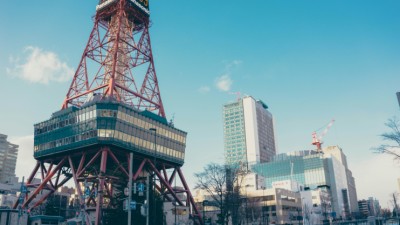
Sapporo
Big skies, safe rhythms, and winter culture with an inclusive lens.
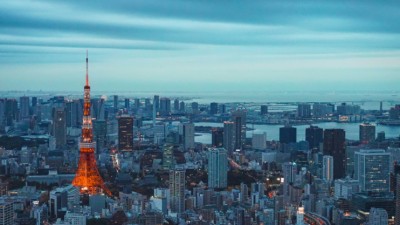
Tokyo
Discover a city of contrast, culture, and community.

Fukuoka
Gateway streets, easy transit, and a welcoming base for solo discovery.
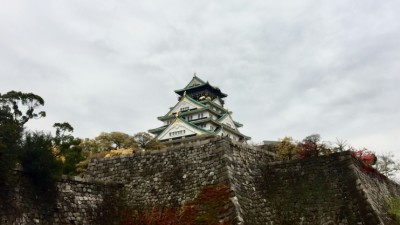
Ōsaka
Culture, nightlife, and a welcoming base for inclusive travel
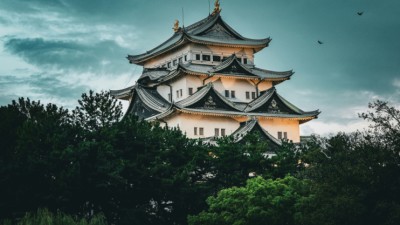
Nagoya
Where urban culture meets comfort food and a welcoming night out.