About Tokyo
As Japan’s capital and most populous city, Tokyo is a major cultural and economic center, and it has also become an important destination for LGBTQ+ travelers looking for visibility, community, and access to one of Asia’s most recognizable queer scenes.For LGBTQ+ visitors, Tokyo is especially significant because it offers a well-known concentration of queer nightlife and social spaces in Shinjuku’s Ni-chome district, which is widely recognized as the city’s best-known LGBTQ+ neighborhood.
The city also hosts Tokyo Rainbow Pride, one of Japan’s most prominent LGBTQ+ events, typically centered on Pride activities and community visibility.
These landmarks and events make Tokyo a meaningful stop for travelers interested in both the city itself and the broader story of LGBTQ+ life in Japan.From an eco-conscious travel perspective, I find Tokyo rewarding because public transport is extensive, efficient, and often the easiest way to move around the city with a lighter footprint.
For visitors who want to combine cultural exploration with responsible travel, Tokyo offers a strong mix of museums, neighborhoods, parks, and local businesses that can be experienced without relying heavily on cars.In practical terms, this is a city where I recommend planning ahead, staying aware of neighborhood differences, and using reliable transit to get between key areas.
For LGBTQ+ travelers, Tokyo can feel welcoming and dynamic, while also reflecting the broader legal and social context of Japan, where rights and protections have been improving but remain more limited than in many other developed countries.
Our Review
As I explore Tokyo, I’m reminded that this is a city best understood through its contrasts: vast yet navigable, traditional yet highly modern, and deeply energetic while still offering pockets of calm.
As Japan’s capital and most populous city, Tokyo is a major cultural and economic center, and it has also become an important destination for LGBTQ+ travelers looking for visibility, community, and access to one of Asia’s most recognizable queer scenes.
For LGBTQ+ visitors, Tokyo is especially significant because it offers a well-known concentration of queer nightlife and social spaces in Shinjuku’s Ni-chome district, which is widely recognized as the city’s best-known LGBTQ+ neighborhood.
The city also hosts Tokyo Rainbow Pride, one of Japan’s most prominent LGBTQ+ events, typically centered on Pride activities and community visibility.
These landmarks and events make Tokyo a meaningful stop for travelers interested in both the city itself and the broader story of LGBTQ+ life in Japan.
From an eco-conscious travel perspective, I find Tokyo rewarding because public transport is extensive, efficient, and often the easiest way to move around the city with a lighter footprint.
For visitors who want to combine cultural exploration with responsible travel, Tokyo offers a strong mix of museums, neighborhoods, parks, and local businesses that can be experienced without relying heavily on cars.
In practical terms, this is a city where I recommend planning ahead, staying aware of neighborhood differences, and using reliable transit to get between key areas.
For LGBTQ+ travelers, Tokyo can feel welcoming and dynamic, while also reflecting the broader legal and social context of Japan, where rights and protections have been improving but remain more limited than in many other developed countries.
Social Acceptance and Safety in Tokyo for LGBTQ+ Travelers
When I travel through Tokyo, I find a city that can feel socially reserved at first, but not overtly hostile.
Japan as a whole still offers fewer legal protections for LGBTQ+ people than many other developed countries, and that matters when I assess a destination as a journalist and as an eco-conscious traveler who values respectful, low-impact travel.
In day-to-day life, Tokyo’s scale, anonymity, and well-developed public transport often make it easier to move around discreetly and safely than in smaller cities.
Social attitudes in Tokyo are generally mixed rather than openly confrontational.
In many parts of the city, especially in busy commercial and tourism areas, travelers are unlikely to draw attention simply for being LGBTQ+.
At the same time, public displays of affection of any kind are often more restrained in Japan than in some Western destinations, so I recommend reading the room and keeping expectations practical.
A calm, respectful approach usually works best.
From a safety perspective, Tokyo is widely regarded as a very safe city overall, and that extends to most routine travel situations: walking during the day, using trains, and staying in central districts.
Even so, I always advise LGBTQ+ travelers to use the same common-sense precautions I would suggest anywhere in a major metropolis: keep an eye on belongings in crowded stations, plan late-night transport in advance, and avoid isolated streets if you are alone late at night.
Because Tokyo is so large, neighborhood context matters.
For LGBTQ+ travelers looking for a more visibly welcoming atmosphere, Shinjuku Ni-chome is the best-known area.
It is Tokyo’s long-established LGBTQ+ nightlife district and the most recognizable concentration of queer bars and clubs in the city.
I would treat it as the natural starting point for anyone wanting community spaces or an evening out in an environment that is more openly LGBTQ+ friendly.
Shibuya also has a reputation as a modern, youthful district where diversity is more visible, though it is not a dedicated LGBTQ+ neighborhood in the way Ni-chome is.
Outside those areas, I am more cautious about making broad assumptions.
Tokyo is full of neighborhoods with different social rhythms, and while I would not label large parts of the city as unfriendly, I would also avoid assuming that every district is equally open or familiar with LGBTQ+ issues.
In more residential or less international areas, discretion may feel more comfortable, especially for travelers who are sensitive to attention.
For practical safety, I recommend a few simple habits: use official taxis or rail lines when returning late; save hotel details and station names on your phone; and choose accommodations in well-connected central neighborhoods for easier, safer movement after dark.
If you are planning to visit queer venues in Ni-chome, I would also keep cash on hand, since some smaller bars may prefer it.
Tokyo rewards travelers who move through it thoughtfully.
For me, the city’s strength is not an all-out, visibly celebratory LGBTQ+ atmosphere everywhere, but rather a combination of scale, safety, and pockets of genuine community.
If you travel respectfully and stay aware of local norms, Tokyo can be an especially manageable and rewarding city to explore as an LGBTQ+ visitor.
Events and Nightlife in Tokyo
When I look at Tokyo through an LGBTQ+ lens, I see a city that offers both scale and nuance: a huge metropolitan backdrop, a well-established queer nightlife district, and a visible but still evolving Pride scene.
Tokyo is the capital of Japan and one of the world’s largest urban areas, so it is unsurprising that LGBTQ+ life here is concentrated in specific neighborhoods rather than spread evenly across the city.
Annual LGBTQ+ events
The most widely recognized annual event is Tokyo Rainbow Pride, which has grown into a major Pride celebration in the city.
It brings together a parade, performances, community stalls, and public visibility for LGBTQ+ people and allies.
For me as a traveler, it is one of the clearest moments in the year when Tokyo’s queer community is out in the open and the city feels especially welcoming.
Because Tokyo is a large, dense, and transit-connected city, Pride events are easy to reach by public transport, which also supports lower-impact travel.
I always recommend using the train and subway network rather than taxis when possible; it is efficient, usually the most practical way to move around the city, and in line with more eco-conscious travel.
Where nightlife is centered
Tokyo’s best-known LGBTQ+ nightlife district is Shinjuku Ni-chome.
This compact neighborhood is the heart of the city’s queer bar and club scene, and it is the place I would head first if I wanted to experience Tokyo’s LGBTQ+ social life.
Ni-chome is known for its concentration of bars, small clubs, and late-night venues, many of which cater to specific communities or have their own house style and regular clientele.
What makes Ni-chome distinctive is not just the number of venues, but the sense of community.
It is where local regulars, expats, and visiting travelers often overlap.
The area is especially useful for solo travelers, because the density of venues makes it easy to move between places without needing long cross-city journeys late at night.
Recommended LGBTQ+ social spots
For a first night out, I would focus on Shinjuku Ni-chome rather than trying to search widely across the city.
The neighborhood itself is the recommendation: it is the most established and reliable LGBTQ+ nightlife zone in Tokyo, with venues ranging from casual bars to dance-oriented spots.
In practical terms, that makes it the best starting point for visitors who want a manageable, walkable introduction to Tokyo’s queer scene.
Shibuya is also worth noting as a lively, youth-oriented district with a strong nightlife culture and a more contemporary feel.
While it is not Tokyo’s main LGBTQ+ neighborhood, it is part of the broader city center where many travelers feel comfortable going out in the evening.
Practical nightlife advice
Tokyo’s nightlife can run late, but I still plan my evenings carefully.
Trains are the easiest and most sustainable way to get back to my hotel, and I check the last departures before heading out.
If I am staying in a central area with strong transit links, such as near Shinjuku or Shibuya, it is easier to enjoy the night without relying on private transport.
As in much of Japan, discretion can be part of the social rhythm.
Public affection is generally more restrained than in some Western cities, and while Tokyo is highly cosmopolitan, I still find it best to read the room and move thoughtfully outside clearly LGBTQ+ spaces.
In Ni-chome, however, the atmosphere is far more open and sociable.
Tokyo is not a city where LGBTQ+ life is concentrated in one huge, all-purpose district; instead, it works through neighborhoods, venues, and recurring events.
For travelers, that means the best experience often comes from combining a Pride visit or community event with an evening in Ni-chome, using Tokyo’s excellent public transport to move around efficiently and sustainably.
Verified source: Tokyo travel overview on Wikivoyage
Cultural and Social Activities
When I explore Tokyo from an LGBTQ+ point of view, I find that its cultural and social life is best understood through neighborhoods, community spaces, and major public events rather than through a single all-encompassing queer district.
Tokyo is the capital of Japan and one of the world’s largest metropolitan areas, so its LGBTQ+ culture is woven into a vast cityscape of theaters, galleries, nightlife streets, and annual celebrations.
For background on the city itself, I often refer readers to the general overviews of Tokyo and Wikivoyage’s Tokyo guide.
The best-known cultural and social gathering point for LGBTQ+ visitors is Shinjuku Ni-chome, in Shinjuku.
It is Tokyo’s most established queer nightlife district, with bars and clubs that have long served as important social spaces for the local community and for travelers.
While it is primarily known for nightlife rather than museums or formal cultural institutions, I see Ni-chome as an essential part of any LGBTQ+ cultural itinerary in Tokyo because it offers direct contact with the city’s queer social life.
For a broader, citywide cultural experience, I recommend combining that nightlife hub with Tokyo’s mainstream arts institutions.
Tokyo has an exceptional concentration of museums, galleries, and performance venues, and I find this breadth valuable for LGBTQ+ travelers because the city’s art scene often provides a quieter, more reflective way to experience Japanese culture.
Although not all of these venues are LGBTQ+-specific, they are part of the cultural fabric that queer visitors can comfortably enjoy.
I always suggest checking each venue’s current exhibitions and accessibility details before going, since Tokyo’s arts calendar changes frequently.
Tokyo’s most important LGBTQ+ public event is Tokyo Rainbow Pride, a major annual pride celebration that typically centers on parade and community programming.
For me, this is the city’s most visible cultural moment for LGBTQ+ travelers: it brings together local groups, allies, performers, and visitors in a large public setting, and it highlights how LGBTQ+ life in Tokyo is both communal and increasingly visible.
It is also one of the best times to experience queer culture in the city beyond bar districts, because public space, performance, and activism overlap.
In terms of historical landmarks, I should be careful not to overstate what Tokyo offers in officially designated LGBTQ+ heritage sites.
Based on verified information, Tokyo is better understood as a city with important community neighborhoods and public events than as a place with widely recognized LGBTQ+-specific monuments or museums.
The most meaningful landmarks for queer visitors are therefore often social and geographic rather than formal: Shinjuku Ni-chome, pride-event routes, and the broader central districts where LGBTQ+ businesses and organizations operate.
When I look for notable LGBTQ+ figures linked to Tokyo, I focus on people with a clear public presence rather than making assumptions about private identities.
Tokyo has produced and attracted many artists, performers, writers, and activists who contribute to queer visibility in Japan, but I would avoid naming individuals without reliable sourcing.
What can be said with confidence is that the city’s LGBTQ+ cultural scene is shaped by a mix of community organizers, nightlife hosts, performers, and creators who help sustain local visibility in a country where LGBTQ+ people still have fewer legal protections than in many other developed countries.
For context on those rights, I refer to LGBTQ rights in Japan.
Practically speaking, I find Tokyo especially rewarding for LGBTQ+ travelers who enjoy culture in layers: an afternoon in a museum or gallery, an evening in Shinjuku Ni-chome, and a visit timed around Tokyo Rainbow Pride if the calendar allows.
That mix captures the city well.
It is not a place where queer culture is confined to one visible strip alone; rather, it is a metropolis where art, performance, public events, and neighborhood social life all contribute to a wider LGBTQ+ experience.
Accommodation
When I look for accommodation in Tokyo as an LGBTQ+ traveler, I focus on three things: location, transport access, and how openly the property communicates inclusion.
Tokyo is a vast, highly connected city, and that makes it relatively easy to stay somewhere practical and still be close to the neighborhoods that matter most for queer visitors, especially Shinjuku and Shibuya.
For a city this large, I also think about the environmental impact of where I stay: choosing a hotel near a train station usually means fewer taxi rides and a lighter travel footprint.
Tokyo itself is enormous, and the official city area can feel abstract to first-time visitors.
In practice, most travelers are dealing with the 23 special wards, which is where the city’s main business, nightlife, and hotel clusters are found.
If I want an easier stay, I look for accommodation with direct access to JR, Tokyo Metro, or Toei lines, so I can move around without relying on cars.
That is especially useful in a city as large as Tokyo, the capital and most populous city of Japan.
For LGBTQ+ travelers, Shinjuku is the most practical base if nightlife and community access are priorities.
Shinjuku is home to Ni-chome, Tokyo’s best-known LGBTQ+ district, with a concentration of queer bars and social venues.
Staying nearby makes late evenings simpler and avoids long cross-city trips after dark.
I would not expect every hotel in the area to market itself specifically as LGBTQ+ friendly, but the neighborhood itself is the city’s most established queer hub, which often makes it a comfortable choice for visitors who want to be close to the scene.
Shibuya is another strong option.
It is lively, central, and well connected, with a younger, more modern atmosphere.
While it is not Tokyo’s main LGBTQ+ district, it is often a good base for travelers who want a busy urban setting with easy transit and access to a wide range of hotels, from business properties to design-focused stays.
If I am balancing convenience, walkability, and a more mainstream city experience, I usually consider Shibuya alongside Shinjuku.
When I am trying to identify inclusive accommodation, I look for clear signs rather than vague marketing language.
Helpful indicators include nondiscrimination statements, staff training mentions, and booking platforms that allow guests to specify preferred room arrangements without unnecessary assumptions.
I also pay attention to recent reviews from LGBTQ+ travelers, if available, because they can reveal how a hotel actually handles guest respect and privacy.
In Japan, many properties are professional and discreet by default, but I still prefer places that present a welcoming tone plainly and consistently.
Because Japan has fewer legal protections for LGBTQ+ people than many other developed countries, I tend to be thoughtful about what level of visibility I want from a hotel.
Smaller properties can be charming and efficient, but I make sure I am comfortable with the service style and communication norms before booking.
If I want the most straightforward experience, I usually choose an internationally branded hotel or a large, centrally located business hotel, since these properties often have more standardized procedures and may be more accustomed to international guests.
I also recommend checking practical details that matter in Tokyo: whether the front desk is staffed 24 hours, whether luggage storage is available, how close the nearest station is, and whether the property offers elevator access if needed.
For eco-conscious travel, these details matter because they can reduce unnecessary transfers and make it easier to explore the city by rail.
A well-located hotel in Tokyo can save both time and emissions.
For neighborhoods, I would generally prioritize Shinjuku if I want the closest access to LGBTQ+ nightlife, Shibuya if I want a youthful and central base, and other major transit-connected wards if I am simply looking for convenience and comfort.
Tokyo’s scale means that many areas can work well, but the best choice depends on whether I want to be near Ni-chome, near major rail hubs, or in a quieter district with easy access to the rest of the city.
My short rule of thumb is this: stay near a major station, read recent guest feedback carefully, and choose a neighborhood that matches your comfort level.
In Tokyo, that approach usually leads to a smoother stay — and, for LGBTQ+ travelers, it helps balance community access, privacy, and the city’s excellent public transport network.
Dining and Entertainment
When I explore Tokyo through an LGBTQ+ lens, I find a city whose dining and entertainment scene is less about a single “gay district” and more about a web of neighborhoods, nightlife streets, and performance venues that sit within one of the world’s largest urban areas.
Tokyo’s scale matters here: the city proper has more than 14 million residents, and the greater metropolitan area is among the largest on earth.
That density gives LGBTQ+ travelers plenty of choice, but it also means experiences are best approached neighborhood by neighborhood.
For a first stop, I always point travelers toward Shinjuku Ni-chome, Tokyo’s best-known LGBTQ+ nightlife area.
In practical terms, this is where I would look for queer-friendly bars, late-night drinks, and small venues that serve as social anchors for local and visiting LGBTQ+ people.
The scene is compact and walkable, which is useful if I want to reduce taxi use and keep my night out more sustainable.
I also like that a compact nightlife district makes it easier to move between venues on foot rather than relying on private transport.
Tokyo’s broader dining culture is a major part of the experience too.
The city is famous for everything from casual noodle counters to formal kaiseki restaurants, and while not every restaurant advertises itself as LGBTQ+-specific, many places in central Tokyo are accustomed to serving an international clientele.
In my experience as a travel writer, the most practical approach is to choose neighborhoods with strong transit access, good review coverage, and clear, professional service standards.
That is especially true if I want a low-stress meal before an evening performance or a night in Ni-chome.
For inclusive and welcoming dining, I look for restaurants and cafes in central, well-connected districts such as Shinjuku and Shibuya, where visitors are common and service is generally geared toward a wide range of guests.
Tokyo’s scale means that a welcoming atmosphere often comes from professionalism, discretion, and comfort with diversity rather than overt branding.
Because Japan has fewer legal protections for LGBTQ+ people than many other developed countries, I prefer venues where the environment feels relaxed and respectful, and where I can dine without drawing attention.
If I am planning a quieter outing, I also consider Tokyo’s cafe culture.
Cafes can be a good daytime option for LGBTQ+ travelers who want a calm, public setting before heading to evening entertainment.
They are especially useful as low-impact travel choices: I can spend the afternoon on foot or by train, pause for coffee or tea, and then continue on to a nearby theater, gallery, or live venue without needing a car.
Tokyo’s entertainment options are where the city really opens up.
The city is home to a vast range of cinemas, theaters, concert halls, and live-music venues, and that breadth is part of what makes it appealing to LGBTQ+ visitors.
I would not describe Tokyo as a city with one clearly defined LGBTQ+-specific theater district; instead, I see a city where queer travelers can enjoy mainstream cultural programming in a metropolis that is large enough to offer anonymity, variety, and choice.
For me, that is one of Tokyo’s strengths: I can spend one day in a museum or cinema and another in a small live house or cabaret-style venue, depending on the night.
Shibuya is another area I would keep on my radar for entertainment.
It is youthful, busy, and well connected, with a strong concentration of cinemas, music venues, and dining options.
While it is not Tokyo’s primary LGBTQ+ neighborhood, it is a practical place to stay or base an evening if I want to combine dinner, a film, and late-night drinks without crossing the city.
The rail network makes that easy, and using trains rather than private cars aligns well with eco-conscious travel.
For live performances, I would focus on Tokyo’s mainstream venues and the smaller performance spaces that give the city its cultural texture.
Tokyo has long been one of Asia’s major centers for music, stage performance, and club culture, so LGBTQ+ travelers can build an evening around whatever interests them most: a concert, a theatrical production, or an informal live set in a compact neighborhood space.
The key is that Tokyo’s entertainment ecosystem is broad enough to include both polished commercial venues and smaller, more intimate settings.
What I appreciate most is the way Tokyo allows me to blend dining and entertainment into a single neighborhood-based plan.
I can have dinner near a station, walk to a bar or live venue, and still return safely by rail.
That combination of transit access, urban density, and variety is especially helpful for LGBTQ+ travelers who value both comfort and flexibility.
In practical terms, my advice is simple: base yourself near a major station, spend at least one night in or near Shinjuku Ni-chome if you want to experience Tokyo’s queer social scene, and use the city’s train network to connect restaurants, cafes, cinemas, and performance venues.
Tokyo rewards travelers who move thoughtfully through it, and for LGBTQ+ visitors, that often means finding the venues where community, culture, and everyday urban life meet.
For general background on the city, I refer to Tokyo and Wikivoyage’s Tokyo guide.
For the legal context affecting LGBTQ+ travelers in Japan, see LGBTQ rights in Japan.
Travel Tips
When I travel to Tokyo, I find that the most useful approach is to balance openness with local discretion.
Japan’s legal protections for LGBTQ+ people are still more limited than in many other developed countries, so I keep expectations realistic while remembering that Tokyo itself is a huge, international city with many ways to explore comfortably and safely.
My first practical tip is to stay connected to the city’s transit network.
Tokyo is vast, and the 23 special wards are the part most visitors think of as the city itself.
I rely on trains and subways whenever I can, because they are efficient, widely used, and far easier than depending on taxis.
From an eco-conscious point of view, that also keeps my trip lower-impact.
For LGBTQ+ travelers, I think it helps to treat Shinjuku Ni-chome as the main starting point for community and nightlife.
It is Tokyo’s best-known LGBTQ+ district and the place where I would most naturally look for bars and social spaces.
If I want a more general central base, I also consider Shibuya, but I still use Ni-chome as my reference point when I want to meet the local queer scene.
In day-to-day life, I keep my behavior aligned with local customs.
Public displays of affection are usually kept modest in Japan, so I avoid assuming that the same level of outward expressiveness that feels normal at home will feel comfortable everywhere in Tokyo.
That does not mean I need to hide who I am; it simply means I present myself with a bit more restraint in public settings, especially on trains, in quieter neighborhoods, and in more formal spaces.
Safety-wise, Tokyo is widely regarded as a very safe major city, but I still use common urban judgment.
I keep an eye on my belongings in crowded stations, plan my late-night return before I head out, and prefer well-lit, busy streets when I am walking after dark.
If I am going to bars in Ni-chome or elsewhere, I make sure I know my route back to my hotel and avoid leaving transportation to the last minute.
When I choose accommodation, I look for a place near a major station, because that makes the whole city easier to navigate and reduces the need for extra transfers or taxis.
It also helps if the hotel has a straightforward, professional check-in process and a location that lets me move easily between central neighborhoods.
For me, convenience is part of safety.
If I want to connect with the local LGBTQ+ community, I do it through places that already serve as social anchors rather than expecting the whole city to be organized around queer life.
Ni-chome is the obvious place to start, and it is where I would go to ask respectful, practical questions about where to eat, drink, or go next.
I also pay attention to annual visibility moments such as Tokyo Rainbow Pride, which is a significant LGBTQ+ event in the city and a good time to see community life in public.
I also keep in mind that Tokyo’s queer spaces are dispersed rather than centralized in one fully defined district.
That means I stay open to finding welcoming venues in central, busy areas, but I do not assume every business will advertise itself as LGBTQ+-specific.
In practice, I look for professionalism, clear communication, and respectful treatment, and I let the neighborhood tell me what kind of atmosphere to expect.
My final rule is simple: I travel with awareness, not fear.
Tokyo rewards careful planning, respectful behavior, and a willingness to use the city’s transport system well.
For LGBTQ+ visitors, that combination makes the city feel both manageable and rewarding.
Verified references: Tokyo, Wikivoyage: Tokyo, LGBTQ rights in Japan
When I step back from Tokyo’s LGBTQ+ scene, what stands out most is the city’s mix of scale, visibility, and practicality.
Tokyo is vast, highly connected, and full of cultural energy, and that matters for LGBTQ+ travelers: it means there is space to explore, places to meet community, and a transit system that makes moving around the city straightforward.
At the same time, Japan still offers fewer legal protections for LGBTQ+ people than many other developed countries, so I would describe Tokyo as welcoming in many settings, but not without limits.
For me, the strongest part of Tokyo is how much of the experience is concentrated in real, usable urban spaces.
The 23 special wards are where most visitors spend their time, and they are well served by trains and subways, which supports both convenience and lower-impact travel.
That makes it easy to base yourself in a central area, move between neighborhoods efficiently, and enjoy the city without relying heavily on cars or taxis.
From an eco-conscious travel perspective, Tokyo is one of those rare megacities where sustainable movement is also the most practical choice.
Tokyo’s biggest LGBTQ+ strength remains Shinjuku Ni-chome, the city’s best-known queer neighborhood and an important social hub for bars and nightlife.
I would not present Tokyo as a city with a single, all-encompassing LGBTQ+ district; instead, I see it as a city where community life is visible in specific places, especially Ni-chome, and through major events such as Tokyo Rainbow Pride.
That gives travelers clear entry points into the local scene without expecting the entire city to function in the same way.
The challenges are just as important to acknowledge.
Public behavior in Japan tends to be more restrained than in some other countries, so LGBTQ+ travelers may prefer a more discreet approach in public settings.
The legal landscape also remains uneven, which means visitors should not assume the same level of protection or recognition they might expect elsewhere.
In practice, that makes it wise to plan ahead, choose accommodation near major transit, and keep expectations grounded in local reality.
My final recommendation is simple: come to Tokyo with curiosity, respect, and a good rail map.
Spend time in Shinjuku Ni-chome, look out for Tokyo Rainbow Pride if your visit aligns with the event, and use the city’s excellent public transport to explore widely and sustainably.
Tokyo rewards travelers who move thoughtfully through it.
For LGBTQ+ visitors especially, it offers a rich, energetic city experience—one shaped by community, culture, and the quiet confidence of a metropolis that is always in motion.
If you want to understand the broader city context, these references are useful: Tokyo, Tokyo on Wikivoyage, and LGBTQ rights in Japan.
Other Guides in Japan
Sapporo
Big skies, safe rhythms, and winter culture with an inclusive lens.
Fukuoka
Gateway streets, easy transit, and a welcoming base for solo discovery.
Ōsaka
Culture, nightlife, and a welcoming base for inclusive travel
Yokohama
Where waterfront culture meets inclusive travel
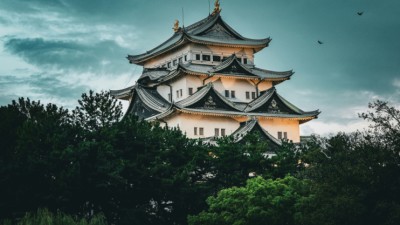
Nagoya
Where urban culture meets comfort food and a welcoming night out.